- English
- French
- German
- Portuguese
- Spanish
- Russian
- Japanese
- Korean
- Arabic
- Greek
- German
- Turkish
- Italian
- Danish
- Romanian
- Indonesian
- Czech
- Afrikaans
- Swedish
- Polish
- Basque
- Catalan
- Esperanto
- Hindi
- Lao
- Albanian
- Amharic
- Armenian
- Azerbaijani
- Belarusian
- Bengali
- Bosnian
- Bulgarian
- Cebuano
- Chichewa
- Corsican
- Croatian
- Dutch
- Estonian
- Filipino
- Finnish
- Frisian
- Galician
- Georgian
- Gujarati
- Haitian
- Hausa
- Hawaiian
- Hebrew
- Hmong
- Hungarian
- Icelandic
- Igbo
- Javanese
- Kannada
- Kazakh
- Khmer
- Kurdish
- Kyrgyz
- Latin
- Latvian
- Lithuanian
- Luxembou..
- Macedonian
- Malagasy
- Malay
- Malayalam
- Maltese
- Maori
- Marathi
- Mongolian
- Burmese
- Nepali
- Norwegian
- Pashto
- Persian
- Punjabi
- Serbian
- Sesotho
- Sinhala
- Slovak
- Slovenian
- Somali
- Samoan
- Scots Gaelic
- Shona
- Sindhi
- Sundanese
- Swahili
- Tajik
- Tamil
- Telugu
- Thai
- Ukrainian
- Urdu
- Uzbek
- Vietnamese
- Welsh
- Xhosa
- Yiddish
- Yoruba
- Zulu
Measuring NOx Reduction in SCR Diesel Exhaust Systems Accurately
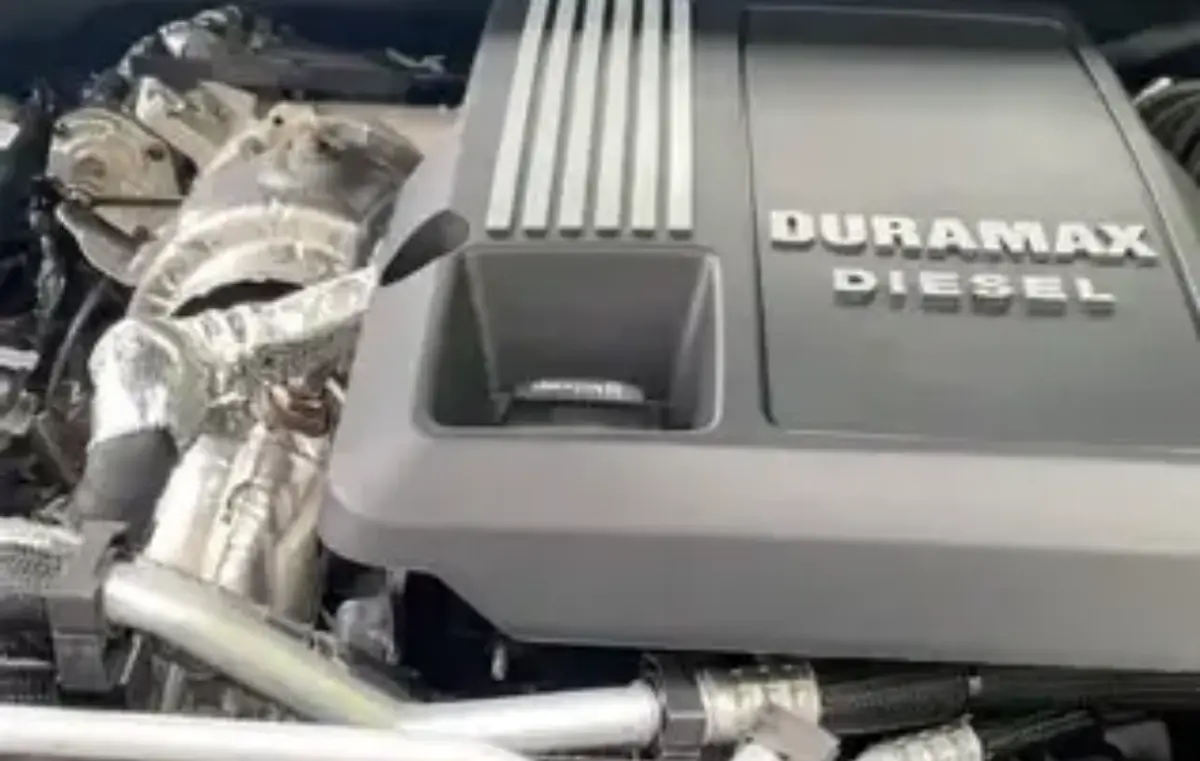
Measurement of nitrogen oxide (NOx) reduction in Selective Catalytic Reduction (SCR) diesel systems is crucial to meeting today's tight pollution laws and maintaining engine performance. Modern exhaust treatment technologies need precise sensor data to control urea injection, monitor catalyst performance, and meet standards like EPA 2010, Euro VI, and China VI. Without accurate NOx measurement, diesel engine manufacturers, aftertreatment integrators, and fleet operators risk government fines, higher operating costs, and less reliable systems. This article discusses ways to measure NOx reduction to help purchasing and research engineers choose sensor technologies, calibrate them, and choose suppliers that affect the system's long-term performance and cost.
Understanding NOx Reduction in SCR Diesel Exhaust Systems
The Core Principle of SCR Technology
Selective Catalytic Reduction usually reduces diesel engine NOx emissions in huge vehicles, building equipment, farm equipment, and generator sets. Urea is added to the exhaust stream before it enters a catalyst box. High temperatures convert NOx molecules into harmless nitrogen and water vapor. This procedure requires flawless coordination between the Engine Control Unit (ECU), diesel exhaust temperature sensors, and NOx monitors before and after the catalyst.
Essential Components Supporting NOx Measurement
The SCR works better with more sensors. Exhaust Gas Temperature (EGT) sensors monitor system temperature to keep the catalyst in its optimal range. The diesel exhaust temperature sensor tells the ECU when to add urea and regenerate. NOx monitors before and after the SCR catalyst assess real-time reduction efficiency. This permits closed-loop control that adjusts dose rates based on performance, not projections.
Industry Applications Driving Measurement Accuracy
OEMs making heavy-duty diesel engines for North America must fulfill severe pollution standards. Purchasing managers and R&D professionals must pick precise measuring techniques regardless of load, temperature, or fuel quality. Sensors for an aftertreatment system must function with various SCR and DPF combinations. However, generator set builders for remote mining or backup power require durable, low-maintenance machines. Every use case needs exact measurements to comply with regulations and run the business successfully.
Challenges and Limitations of Traditional NOx Measurement Methods
Accuracy Issues with Conventional Sensor Technologies
Chemiluminescence analyzers, formerly the finest for lab testing in exhaust treatment systems, struggle with on-road diesel vibrations, temperature variations, and restricted space. Electrochemical sensors are tiny yet move a lot, requiring frequent calibration, which increases care costs. Due to their slow response time, these traditional methods don't perform well with closed-loop SCR control systems. Either too much urea is used or not enough NOx is transformed.
Environmental Factors Affecting Measurement Reliability
Working circumstances make precise measurements tougher in heavy-duty fuel usage. Soot, sulfur compounds, and heat cycles can degrade exhaust gas recycling temperature and NOx sensors. Measurement errors can result from moisture accumulation during cold starts, pressure fluctuations under varied load circumstances, and electromagnetic interference from surrounding electrical systems. Maintaining ±10% accuracy for emission compliance testing is challenging without elaborate compensatory strategies in the presence of environmental influences.
Business Risks from Inadequate NOx Monitoring
Sensors can be expensive if bought primarily on price without considering accuracy. Pollution violations can delay manufacturing, cost refunds, and prevent market entry. When NOx measurements are inaccurate, the ECU calculates the improper quantity of urea, wasting expensive DEF solution or causing too many emissions, which triggers exhaust temperature sensor circuit diagnostic issue codes like P2030. Fleet owners with frequent DPF regeneration or SCR system breakdowns can often attribute them to inaccurate measurement data that prevented early intervention.
Advanced Approaches to Accurately Measure NOx Reduction
Emerging Sensor Technologies Improving Measurement Precision
Solid-state zirconia-based NOx monitors are the norm for cars since they respond in seconds and function in many temperatures. These sensors have NOx-responsive electrodes and oxygen reference cells. Self-diagnose and measure without shift. Tunable diode laser absorption spectroscopy (TDLAS) laser sensors are more accurate for research and validation, but they are too costly for production automobiles.
Calibration Best Practices and Data Validation Techniques
Modern NOx sensors used in exhaust treatment systems are factory-calibrated, however diagnostic tools are needed to ensure the ECU can identify and integrate replacement sensors. Regular validation against reference gas standards detects drift before emission compliance. Compare NOx sensor data to other system parameters to detect measurement mistakes faster. Techs can rapidly determine if exhaust gas temperature sensors, NOx sensors, or catalyst degradation are to blame when exhaust gas temperature sensors don't match engine load or ambient temperature.
Real-World Performance Gains from Advanced Measurement Systems
A 500-car North American heavy-duty truck fleet that uses high-precision NOx tracking reduced DEF consumption by 12% while achieving emission limits. The fleet's service crew found three cars with SCR catalyst failures weeks before the check engine lights came on using real-time sensor data. This proactive strategy prevented roadside breakdowns and extended catalyst life by responding fast. Accurate measurements reduce running costs and increase uptime, which fleet procurement managers must consider when calculating total cost of ownership.
Optimizing SCR System Performance Through Accurate NOx Measurement
Precision Dosing Control Reducing Operating Costs
Accurate NOx analysis helps the ECU use less urea while fulfilling emission limits. Instead of over-dosing using open-loop forecasts, closed-loop control systems adjust NOx injection based on downstream NOx levels. This precision saves DEF costs by 8–15% in most cases and prevents ammonia from sliding, which might harm downstream equipment. The diesel exhaust temperature monitor ensures urea-to-ammonia conversion temperatures are appropriate. This utilizes all injected fluid.
Measurement insights enable predictive maintenance.
By monitoring NOx conversion efficiency, you may witness the catalyst steadily degrade before failing the emission test. If NOx testing downstream reveal that conversion rates are dropping despite using the proper quantity of urea and the right temperature, maintenance crews can repair the catalysts during planned downtime to avoid emergency failures. NOx and EGT sensor data for exhaust gas temperature assist distinguish catalyst poisoning, physical damage, and short-term performance issues caused by fuel quality changes.
Enhanced Collaboration Across the Supply Chain
Openly sharing NOx measurement data for exhaust treatment systems strengthens diesel engine manufacturers, aftertreatment suppliers, and end users. OEMs can demonstrate emission compliance better with continuous surveillance than sporadic certification testing. Aftertreatment system designers employ field measurement data to improve dosage and sensor placement for each engine application. This collaborative approach speeds up the launch of new engine models and increases confidence that systems will perform in the many situations generator set operators, construction fleets, and farmers experience.
Purchasing Considerations for NOx Measurement Systems in SCR Applications
Critical Features Guiding Sensor Selection
Lowest NOx detection % depends on sensor sensitivity. This is crucial when load is low and emission levels decline yet rules must be met. The testing range must encompass peak NOx generation during brief acceleration bursts in construction and farming equipment. Response time affects control loop stability. Sensors with wait durations above two seconds might cause erratic urea dosages, reducing catalyst efficiency. Temperature range is crucial for harsh-area generator sets. Exhaust gas temperature sensors must function in arctic cold and desert heat.
Evaluating Market Solutions and Supplier Capabilities
Major manufacturers provide proven sensor systems with validation data to aid emissions certification. OEM purchasing managers may relax about government clearances with these tried-and-true solutions. Specialist aftertreatment suppliers generally give superior technical support and the capacity to make adjustments that application-specific system designers value. The overall cost of ownership must be considered beyond the sensor's original cost. Check guarantee coverage, calibration intervals, diagnostic tool compatibility, and how quickly the provider resolves integration issues.
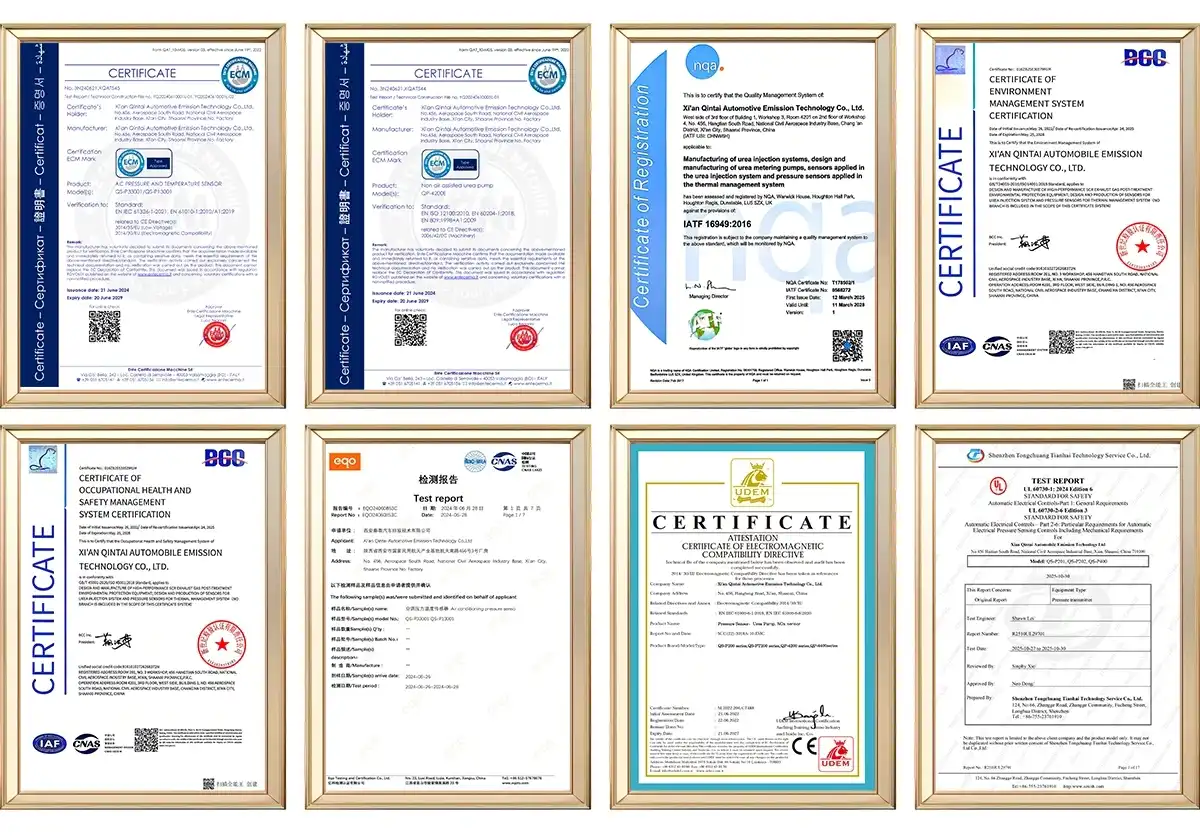
Buying professionals should search for quality management certificates like IATF16949, which demonstrate that the manufacturing process is managed for mass production. Patent filings demonstrate R&D expertise, not simply assembly. A seller's location doesn't matter if they have fast technical help. Suppliers with application engineers can address integration issues faster than catalog sellers. Suppliers may build the greatest partnerships by understanding client needs rather than pushing traditional solutions.
Integration and Compatibility Requirements
NOx monitors must send and receive signals at the proper pace and format to communicate with modern diesel engines using CAN bus standards. Mechanical interactions including thread size, probe length, and mounting direction impact installation ease and measurement accuracy. Electrical lines in noisy environments must be able to withstand vibration and temperature variations without affecting signal quality. Aftermarket parts suppliers favor sensors that operate with different OEM platforms because it simplifies inventory and expands their heavy truck, construction equipment, and agricultural machinery client base.
Conclusion
To accurately evaluate NOx reduction in SCR diesel exhaust treatment systems, you must understand contemporary sensors' technical capabilities and practical applications. Making pollution certification easy and enhancing system calibration can help diesel engine producers monitor more accurately. Monitors that operate with more systems and are dependable might give aftertreatment integrators an edge. Fleet operators reduce total cost of ownership by utilizing accurate data to schedule maintenance and utilize urea more efficiently. As global emission regulations tighten, investment in modern NOx measuring systems is prudent and helps the diesel engine sector perform at its best.

SENSOR+TEST, June 9 – 11, 2026
We look forward to your visit,warmly welcome to our booth 1-634!
Get your free ticket online now:
https://www.sensor-test.de/service/ticket/?52790
FAQ
Q1: How frequently should NOx sensors be calibrated to maintain measurement accuracy?
A: Most modern NOx monitors leave the plant calibrated and can self-diagnose and detect drift without human assistance. The ECU constantly compares sensor data to engine data to verify authenticity. The new sensors need troubleshooting tools to identify the old ones. Every 100,000–150,000 kilometers, compare the sensor against reference gas standards to maintain accuracy. If properly installed and maintained, many sensors can maintain their specifications for their entire lifespan.
Q2: Does precise NOx monitoring actually reduce overall emission system costs?
A: Accurate measuring saves money in many ways. Optimized urea dosing reduces DEF usage by 8–15% over safe open-loop approaches. Early catalyst deterioration detection reduces automotive downtime and costly emergency repairs. Fewer incorrect diagnostic fault codes equal fewer unnecessary shop visits and insurance claims. Accurate readings can save thousands of dollars and increase emission compliance over 800,000 kilometers for a conventional heavy-duty truck.
Q3: What distinguishes SCR from other NOx reduction technologies?
A: SCR is the most efficient NOx conversion method since it can reduce NOx by over 95% under ideal conditions. Waste gas recirculation (EGR) reduces burning temperatures to prevent NOx. But SCR systems allow engines function at their best and treat waste downstream. It delivers greater gas mileage than EGR-only systems and burns less petrol. In heavy-duty applications where SCR is more effective, lean NOx trap (LNT) catalysts operate without urea but need costly metals, making them harder to build and less durable.
Partner with Qintai for Reliable Exhaust Treatment Solutions
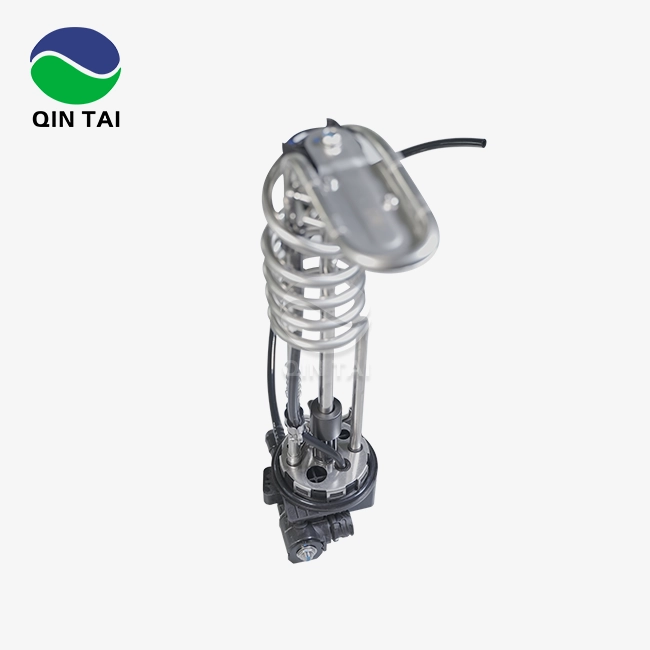
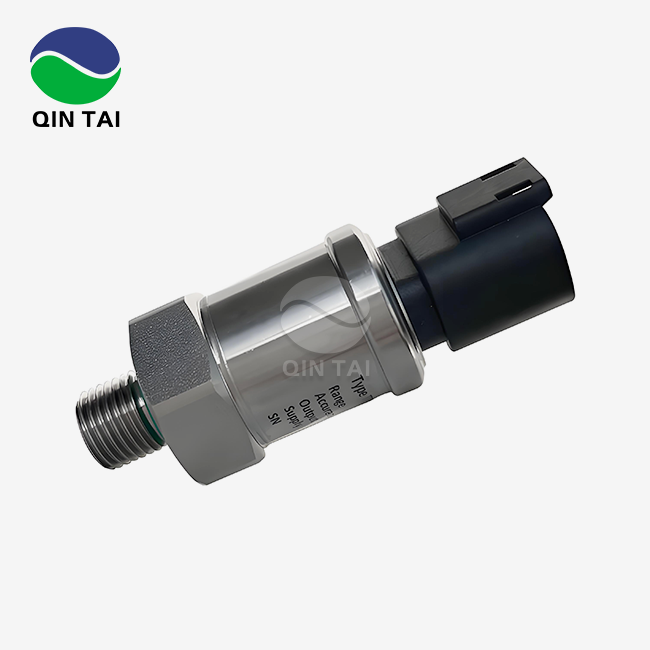
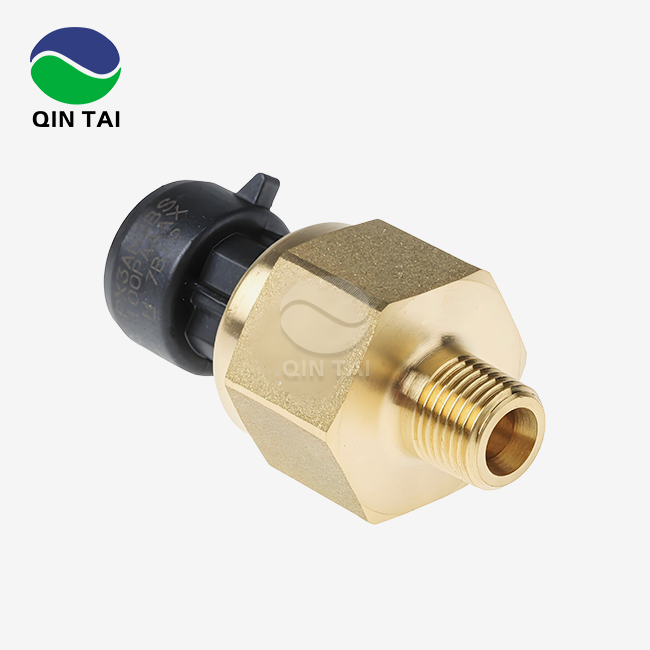
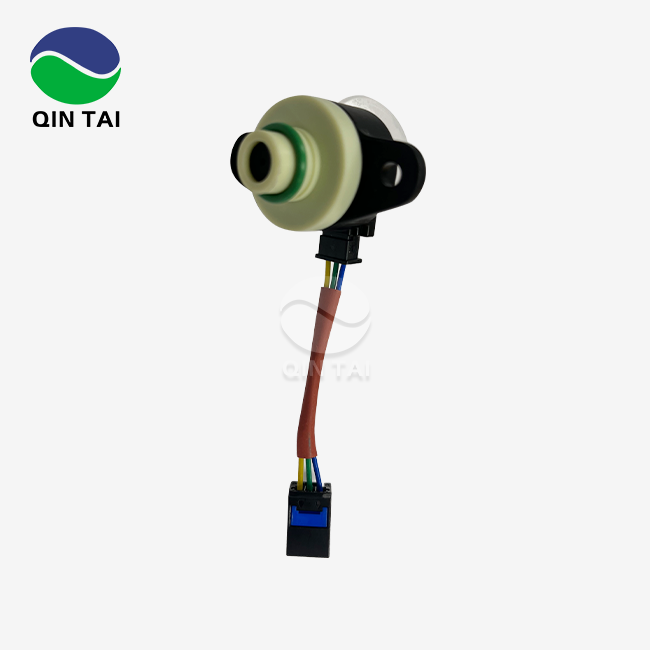
Qintai Auto Emission Tech. Ltd. has made SCR aftertreatment systems and sensors for over 20 years to assist you fulfill emission compliance targets. Our extensive product line includes diesel exhaust temperature sensors, exhaust gas temperature sensors, and pressure sensors for heavy-duty usage. Our measurement precision and constant manufacturing help OEMs, aftertreatment installers, and fleet operators operate exhaust treatment systems. Our R&D has IATF16949 accreditation and 58 innovation patents.
As Weichai Power, Yuchai Power, and Quanchai Power's major China-based provider, we understand buying managers and R&D engineers' struggles. Our OEM/ODM services are customised from planning to mass manufacturing to fit your engine platforms. Contact our technical staff at info@qt-sensor.com to learn how Qintai's high-tech sensors can enhance your SCR system's accuracy, cut your running costs, and make you a more competitive exhaust treatment supplier in North America.
References
1. Johnson, T. (2021). Diesel Emission Control Technology: Review of Selective Catalytic Reduction and Related Sensors. SAE International Journal of Engines, 14(3), 389-412.
2. Environmental Protection Agency. (2020). Heavy-Duty Highway Compression-Ignition Engines and Urban Buses—Exhaust Emission Standards. EPA Regulatory Documentation.
3. Majewski, W.A. & Khair, M.K. (2019). Diesel Emissions and Their Control: Technologies for NOx Reduction. SAE International Press, Warrendale, PA.
4. Zhang, L., Wang, J., & Li, Y. (2022). Advanced NOx Sensor Technologies for Real-Time Emission Monitoring in Heavy-Duty Diesel Applications. Sensors and Actuators B: Chemical, 351, 130945.
5. International Council on Clean Transportation. (2021). Real-World NOx Emissions from Heavy-Duty Diesel Vehicles Equipped with Selective Catalytic Reduction. ICCT Working Paper Series.
6. Automotive Engineering International. (2020). Sensor Integration Strategies for Next-Generation Diesel Aftertreatment Systems. SAE Media Group Technical Report.

Our customers’ satisfaction speaks for our quality — contact us to experience the same reliable service.