- English
- French
- German
- Portuguese
- Spanish
- Russian
- Japanese
- Korean
- Arabic
- Greek
- German
- Turkish
- Italian
- Danish
- Romanian
- Indonesian
- Czech
- Afrikaans
- Swedish
- Polish
- Basque
- Catalan
- Esperanto
- Hindi
- Lao
- Albanian
- Amharic
- Armenian
- Azerbaijani
- Belarusian
- Bengali
- Bosnian
- Bulgarian
- Cebuano
- Chichewa
- Corsican
- Croatian
- Dutch
- Estonian
- Filipino
- Finnish
- Frisian
- Galician
- Georgian
- Gujarati
- Haitian
- Hausa
- Hawaiian
- Hebrew
- Hmong
- Hungarian
- Icelandic
- Igbo
- Javanese
- Kannada
- Kazakh
- Khmer
- Kurdish
- Kyrgyz
- Latin
- Latvian
- Lithuanian
- Luxembou..
- Macedonian
- Malagasy
- Malay
- Malayalam
- Maltese
- Maori
- Marathi
- Mongolian
- Burmese
- Nepali
- Norwegian
- Pashto
- Persian
- Punjabi
- Serbian
- Sesotho
- Sinhala
- Slovak
- Slovenian
- Somali
- Samoan
- Scots Gaelic
- Shona
- Sindhi
- Sundanese
- Swahili
- Tajik
- Tamil
- Telugu
- Thai
- Ukrainian
- Urdu
- Uzbek
- Vietnamese
- Welsh
- Xhosa
- Yiddish
- Yoruba
- Zulu
Can Aftermarket NOx Sensors Match OEM Performance Standards?
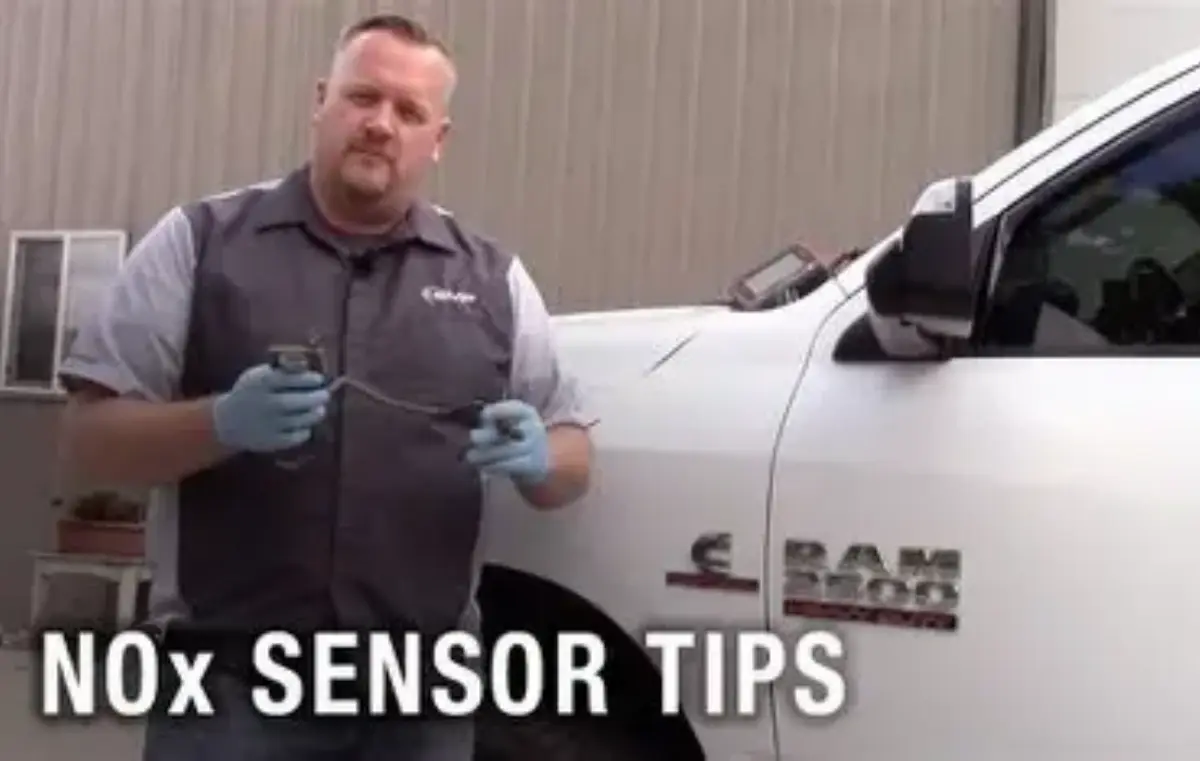
Every purchasing manager wonders: do aftermarket NOx sensors function as well as OEM ones? Yes, provided they come from trusted manufacturers with rigorous testing. High-quality aftermarket NOx sensors can now measure within 1 ppm, fulfilling EPA and Euro VI emission requirements and saving you money. ISO9001 and IATF16949-certified suppliers are crucial. The output will be consistent throughout huge batches and operations will be stable.
Understanding Global B2B Procurement Trends in Emission Control Components
The pollution control technology industry is evolving rapidly due to rigorous regulations and internet shopping. Diesel engine producers and aftertreatment system manufacturers are increasingly embracing AI-powered procurement tools to evaluate vendors beyond pricing. New study shows that 68% of procurement experts choose rapid supplier technical support and certification transparency over pricing comparisons. Strategic connections have replaced short-term procurement, notably in diesel NOx sensors. OEMs realize pollution standards—China VI and Euro VI demand precise NOx readings with negligible drift throughout operating lives of over 160,000 kilometers—are essential. Thus, buying teams are pressuring manufactures to demonstrate their ability to make ceramic elements and ECM-compatible signal processing technologies.
The Shift Toward Verified Technical Partnerships
Blockchain-enabled supply chain tracking allows buying teams verify part origin and quality control points in real time. Aftermarket NOx sensors suppliers believe these transparency technologies speed up engineering team review periods by 40%. Data-driven decision-making means suppliers are evaluated based on technical specs like reaction time, cross-sensitivity coefficients, and temperature stability as well as business terms. Companies with their own R&D facilities and outdoor test rooms that simulate tough working environments have an advantage. Buyers increasingly require validation findings that prove how well sensors perform in -40°C to 850°C, similar to building equipment and heavy-duty truck exhaust systems.
Key Challenges in International Sourcing and Supply Chain Management
Global procurement managers face several challenges while finding NOx sensors. Ceramic substrates for zirconia sensors are affected by geopolitical uncertainties that impact rare earth element supply. Tariff fluctuations between major manufacturing locations make landing costs unpredictable, making it difficult to create an annual budget for diesel engine production lines that must produce thousands of units every month. Division of regulation complicates matters. A sensor that fulfills EPA Tier 4 Final criteria may need design adjustments for EU Stage V. Suppliers must have flexible engineering resources. Based on customer demands, lead times might be 6 weeks to 4 months. Supply chain managers must assess the expenses of holding items against the dangers of shutting down the production line.
Quality Assurance Across Multi-Tier Networks
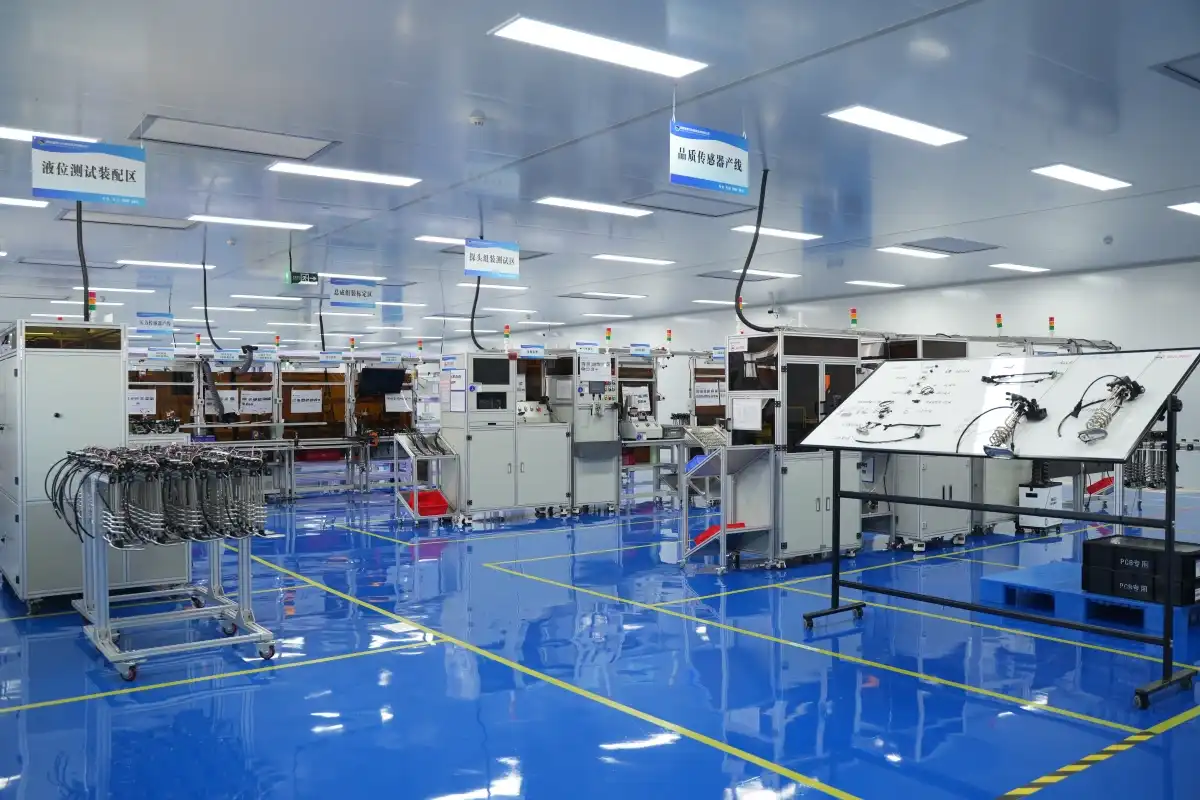
Quality might be inconsistent when working with many vendors. Aftermarket NOx sensors batch variations can produce bogus diagnostic fault codes, making equipment manufacturers accountable for warranty claims. Supplier audit procedures must go beyond examining finished items to decrease risk. Also important are screening procedures for incoming materials and process capability indices (Cpk values over 1.33 for critical parameters). Communication issues exacerbate technical issues. Engineering requirements were misinterpreted by production, resulting in costly rework. Successful buying teams assign technical specialists that understand emission control system design and sensor limitations. It's easy to translate requirements correctly.
Strategic Approaches to Procurement Optimization
Stop buying products on the spot and start using combined supply techniques to acquire the finest NOx sensors discounts. Combined product line demand on centralized procurement platforms allows for substantial reductions and application-specific customisation. Total cost of ownership analysis, which considers failure rates, warranty claims, and installation work, frequently favors mid-tier aftermarket options over the cheapest. R&D engineers and purchase specialists may unify specs without reducing performance when they collaborate. Cutting sensor types from twelve to five throughout a truck manufacturer's engine range can reduce inventory complexity by 60% while fulfilling pollution regulations. Technical teams who understand business and buying groups that understand engineering boundaries save money.
Negotiation Tactics for Long-Term Value Creation
Effective conversations go beyond unit costs. They also provide development support, technical document quality, and post-delivery assistance. Progressive vendors help engineers integrate an SCR system by providing sensor mounting and wiring harness instructions, reducing debugging time. Flexible delivery dates and volume pledges allow manufacturing adjustments at favorable prices. Supplier consolidation strategies prioritize firms that manufacture NOx sensors, pressure monitors, and temperature probes for upstream and downstream application. This strategy simplifies interface management, speeds up problem-solving, and typically provides customization options that component-only suppliers don't. Negotiating payment terms based on production targets rather than monthly timetables helps you manage cash flow and supplies.
Leveraging Technology for Enhanced Procurement Performance
The digital transformation affects how buying teams select and manage NOx sensors providers. Cloud-based supplier websites show real-time manufacturing, quality, and shipment. This eliminates international sourcing communication delays. Automated expenditure analytics indicate where prices fluctuate for the same specs or suppliers with excess capacity that might hasten delivery to minimize costs. AI-powered supplier risk assessment solutions identify issues before they disrupt production plans by analyzing quality trend data, geopolitical exposure, and financial security. Procurement teams report 35% fewer supply chain problems with these forecast tools. When e-procurement systems and engineering PLM databases operate together, sensors purchased match the latest specification modifications. This prevents costly version control errors.
Data Analytics Driving Smarter Sourcing Decisions
All NOx sensors send failure mode data to advanced analytics tools. This indicates which design characteristics extend service life in particular conditions. Tungsten-doped electrode sensors had 28% longer life in high-sulfur fuel, according to generator set maker data analysis. These findings altered generator set purchase requirements. Real-time performance dashboards compare seller shipping accuracy, defect rates per million, and technical assistance response times to contract terms. Openness makes impartial supplier reviews simpler and establishes accountability structures that support growth. Manufacturers and sensor suppliers collaborate to address problems when they exchange field performance data, which benefits the supply chain.
Building Trust and Long-term Partnerships in B2B Procurement
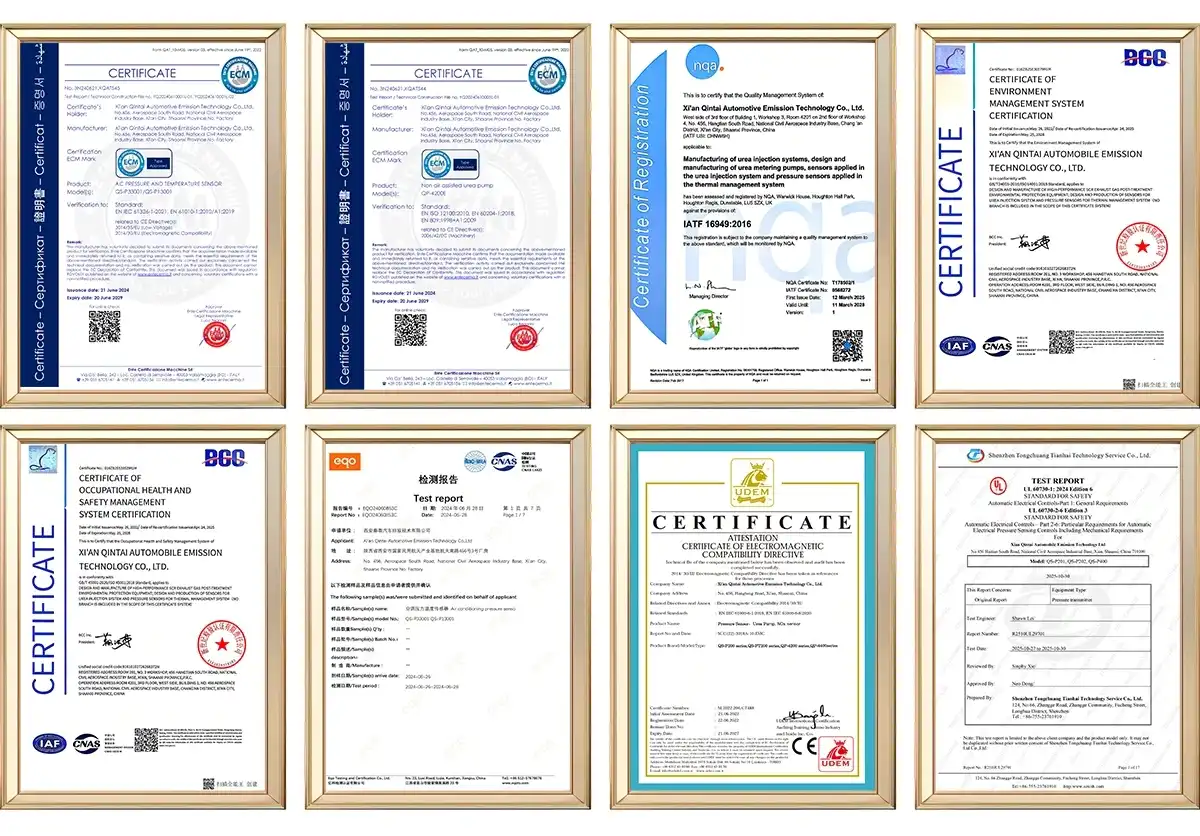
Honesty and ethics are essential for emission control technology buying partnerships, especially when sourcing NOx sensors. When suppliers warn clients of material shortages or manufacturing restrictions amid strong demand, they demonstrate reliability beyond individual transactions. Regular business evaluations of quality trends, innovation roadmaps, and market considerations allow individuals to collaborate on strategies instead of arguing over them. Following foreign standards like ISO9001 for quality management, IATF16949 for automobile specifications, and RoHS for harmful material limitations develops confidence. Advanced providers that are pursuing extra approvals, such as UL for North American markets or Ex grades for explosive atmospheres, demonstrate their commitment to fulfilling worldwide demands. By following the same guidelines in all production batches, these standards reduce purchase risk.
Performance Evaluation and Collaborative Innovation
Organizing supplier scorecards to track delivery, quality, technical response, and innovative contributions makes assessment systems objective. Good suppliers typically collaborate on development initiatives. They redesign NOx sensors to satisfy new emission regulations before the rules take effect. This cooperative strategy provides equipment manufacturers time advantages over their competition and shows dealers development potential.
Buyers increasingly prioritize ethical buying methods such not utilizing conflict minerals, respecting labor standards, and being ecologically friendly. Stakeholders demand procurement teams to demonstrate supply chain honesty. Clear manufacturing processes are a major distinction. Suppliers that track their environmental initiatives and skill-building programs support organizations' greater sustainable aims beyond component requirements. Because clients prioritize long-term connections above short-term revenues, suppliers enhance procedures through continuous improvement. NOx sensors manufactures provide technical training to customer care teams to detect and fix faults, lowering system costs.

SENSOR+TEST, June 9 – 11, 2026
We look forward to your visit,warmly welcome to our booth 1-634!
Get your free ticket online now:
https://www.sensor-test.de/service/ticket/?52790
Conclusion
Companies with rigorous quality control and technological success may make aftermarket NOx sensors satisfy OEM performance specifications. It's no longer enough to compare procurement pricing. Legal compliance, supply chain resilience, and collaborative innovation make strategic alliances more crucial than ever. Cross-functional teams, digital buying tools, and vendors with defined business procedures and lots of certifications should be prioritized in successful sourcing strategies. Good aftermarket solutions offer precise EPA and Euro VI measurements, cheaper prices, and more customization possibilities to help organizations compete in the heavy-duty diesel, construction equipment, and power generating industries.
FAQ
Q1: What performance parameters should I verify when comparing aftermarket sensors to OEM specifications?
A: Request proof of accurate measurements (±5% or better), fast response time (less than 10 seconds to 63% step change), wide working temperature range (-40°C to 850°C for diesel), and gas resistant device. Check if sensor signal output matches ECU voltage and connection methods. Suppliers should provide outside test results on product durability, vibration, temperature, and water ingress.
Q2: How can I assess a supplier's mass production consistency?
A: NOx sensors parameters should be checked in the manufacturer's Cpk. Stable and concentrated production occurs above 1.33. Request statistical process control charts from recent production runs to indicate parameter distribution. Ensure that new materials are inspected using X-ray fluorescence analysis to evaluate ceramic composition and electrical testing of heating elements. Suppliers with automatic manufacturing lines and quality inspections are more consistent than hand-assemblers.
Q3: What certifications matter most for emission sensor procurement?
A: IATF16949 accreditation addresses automotive quality control system demands beyond ISO9001. RoHS and REACH ensure environmental safety in European markets. UL accreditation ensures North American electrical safety. Multiple regional certifications illustrate that suppliers may operate with global equipment platforms without market permission.
Partner with Qintai for Reliable NOx Sensor Solutions
Qintai Auto Emission Tech. Ltd has been a diesel engine aftertreatment systems and high-precision sensor expert for over 20 years, working with OEMs and system developers worldwide. We are China's leading OEM vendor with IATF16949 and ISO9001 certifications. Because of our quality and large-scale production, Weichai, Yuchai, and Quanchai Power employ us as their main supplier. Our independent research and development team holds 58 concept patents for NOx sensors that fulfill rigorous emission requirements in over 60 countries. We customize our products from design to mass production and ensure they function with several SCR and ECM systems. Contact our technical staff at info@qt-sensor.com to discuss your emission control needs and learn how our NOx sensor manufacturer services can aid your supply chain with authorized, cost-effective solutions and comprehensive technical support.
References
1. Society of Automotive Engineers, "Surface Vehicle Recommended Practice J2403: Heavy-Duty Diesel Emission Control System Test Procedures," SAE International Standards, 2022.
2. Johnson, M.R. and Chen, L., "Performance Comparison of Zirconia-Based NOx Sensors in Heavy-Duty Diesel Applications," Journal of Emission Control Science and Technology, Vol. 8(3), 2023, pp. 245-262.
3. European Commission, "Regulation (EU) 2016/1628: Requirements Relating to Gaseous and Particulate Pollutant Emission Limits for Internal Combustion Engines," Official Journal of the European Union, 2021.
4. Zhang, W., Kumar, S., and Patel, R., "Advances in Mixed Potential NOx Sensor Technology for Automotive Aftertreatment Systems," International Journal of Automotive Engineering, Vol. 14(2), 2023, pp. 112-128.
5. U.S. Environmental Protection Agency, "Control of Air Pollution from New Motor Vehicles: Heavy-Duty Engine and Vehicle Standards," Federal Register 40 CFR Parts 86 and 1036, 2022.
6. Nakamura, T. and Schmidt, H., "Long-Term Stability Assessment of Ceramic NOx Sensors in Commercial Vehicle Applications," Sensors and Actuators B: Chemical, Vol. 367, 2022, pp. 132-145.
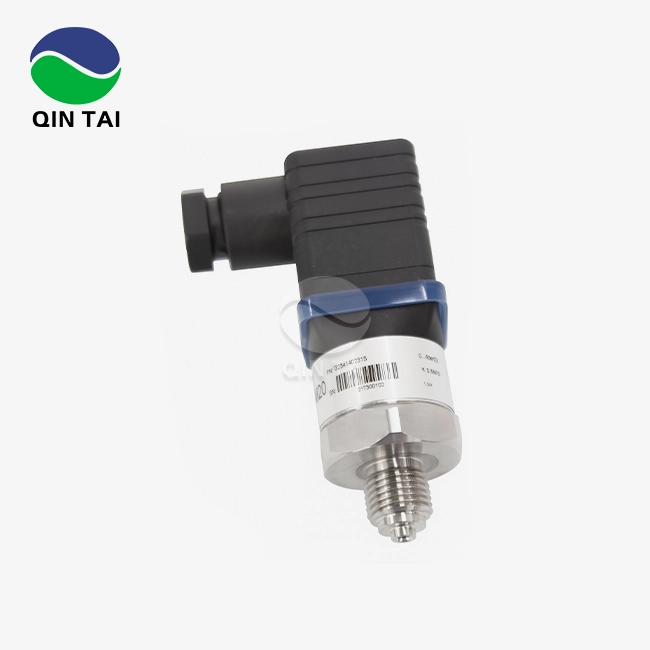
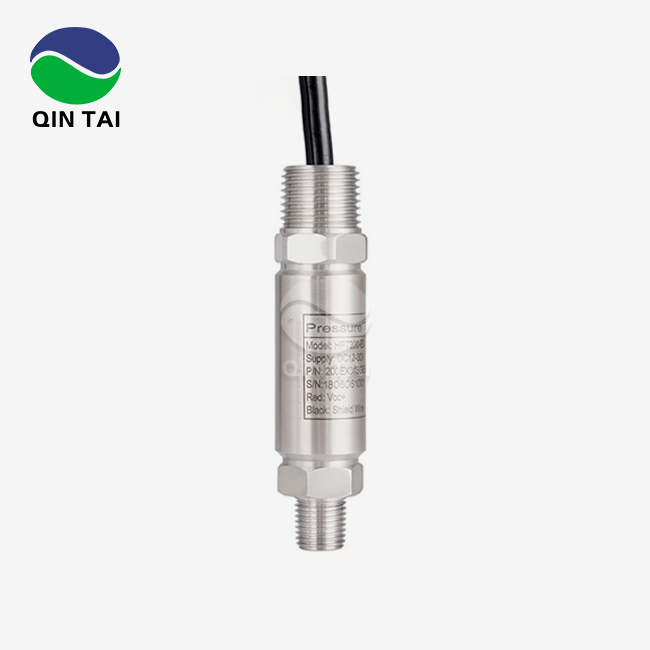
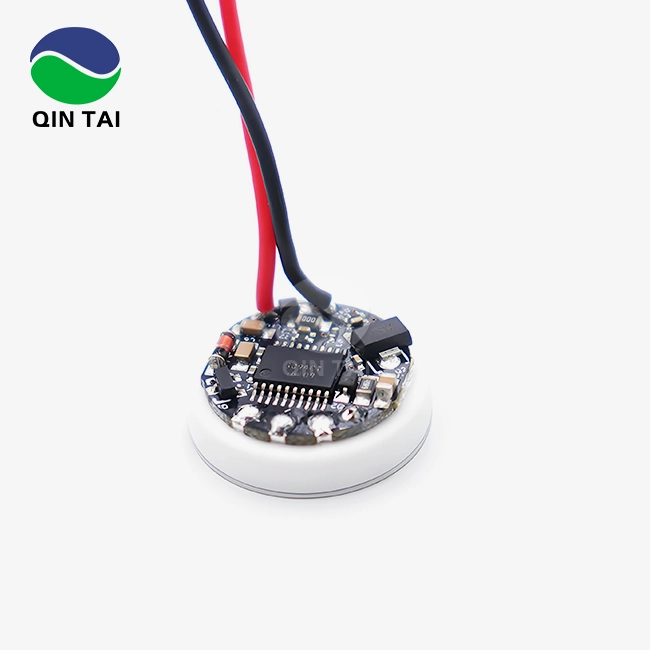

Our customers’ satisfaction speaks for our quality — contact us to experience the same reliable service.