- English
- French
- German
- Portuguese
- Spanish
- Russian
- Japanese
- Korean
- Arabic
- Greek
- German
- Turkish
- Italian
- Danish
- Romanian
- Indonesian
- Czech
- Afrikaans
- Swedish
- Polish
- Basque
- Catalan
- Esperanto
- Hindi
- Lao
- Albanian
- Amharic
- Armenian
- Azerbaijani
- Belarusian
- Bengali
- Bosnian
- Bulgarian
- Cebuano
- Chichewa
- Corsican
- Croatian
- Dutch
- Estonian
- Filipino
- Finnish
- Frisian
- Galician
- Georgian
- Gujarati
- Haitian
- Hausa
- Hawaiian
- Hebrew
- Hmong
- Hungarian
- Icelandic
- Igbo
- Javanese
- Kannada
- Kazakh
- Khmer
- Kurdish
- Kyrgyz
- Latin
- Latvian
- Lithuanian
- Luxembou..
- Macedonian
- Malagasy
- Malay
- Malayalam
- Maltese
- Maori
- Marathi
- Mongolian
- Burmese
- Nepali
- Norwegian
- Pashto
- Persian
- Punjabi
- Serbian
- Sesotho
- Sinhala
- Slovak
- Slovenian
- Somali
- Samoan
- Scots Gaelic
- Shona
- Sindhi
- Sundanese
- Swahili
- Tajik
- Tamil
- Telugu
- Thai
- Ukrainian
- Urdu
- Uzbek
- Vietnamese
- Welsh
- Xhosa
- Yiddish
- Yoruba
- Zulu
DEF Sensor vs AdBlue Sensor: What’s the Difference?
When talking about parts for diesel engine aftertreatment systems, names like "DEF sensor" and "AdBlue sensor" are often used to refer to the same thing. The simple answer is that there is no change in how they work. Diesel Exhaust Fluid, or DEF, is the usual term used mostly in North America. AdBlue, on the other hand, is a registered brand that is widely known in Europe and other places around the world. Both terms refer to the same urea solution in water that Selective Catalytic Reduction (SCR) systems need: 32.5% high-purity urea in deionized water. So, an AdBlue level sensor does the same thing as a DEF sensor: it checks the amount, concentration, and temperature of the fluid to make sure it meets emission standards like EPA 2010, Euro VI, and China VI rules. When looking for parts for heavy trucks, building equipment, farming machinery, and generator sets, knowing this equivalence makes it easier to make choices and avoids misunderstanding.
Understanding DEF Sensors and AdBlue Sensors
The main reason people get these two types of sensors mixed up is area naming patterns, not technological differences. These two kinds of sensors are very important in current diesel pollution control systems, especially in SCR aftertreatment systems that cut NOx emissions by up to 90%.
Core Functions of Urea Solution Sensors
These sensors do a lot of different kinds of tracking that are needed to make sure that regulations are followed and that operations run smoothly. The main job is to find out how much fluid is still in the holding tank. This is usually done using capacitive or ultrasound measurement methods. Capacitive sensors pick up changes in the dielectric properties between electrodes as the level of the fluid changes. Ultrasonic sensors, on the other hand, send out sound waves that bounce off the surface of the fluid and are used to figure out the distance by measuring the time it takes for the waves to travel.
In addition to tracking volume, more complex sensors can also check the temperature. Since urea solution freezes at 12°F (-11°C), temperature information tells the Engine Control Unit (ECU) to turn on heated parts that keep the fluid flowing in cold places. The exact 32.5% urea concentration required for the best NOx conversion efficiency is checked by sensors equipped with concentration monitoring using conductivity or refractive index readings.
Sensor Technology Classifications
There are a number of different technology methods on the market, and each one is best for a different set of needs and budgets. It's easy to connect analog sensors to traditional control systems because they send out constant voltage or current signs that are proportional to the values they measure. Digital sensors send processed data through CAN bus, LIN bus, or other communication protocols. This makes diagnostics easier and makes them compatible with current telematics systems.
In OEM uses, wired setups are still the norm because they reliably send signals without worrying about electromagnetic interference. Wireless sensor technologies are becoming more popular in retrofits and aftermarket products. However, business cars are slowly adopting them because they need to be reliable in difficult conditions. Heavy-duty uses need sensors that can handle steady shaking, temperature changes from -40°F to 185°F, and exposure to road salt, hydraulic fluids, and other contaminants that are common in mining, building, and farming.

Key Differences Between DEF Sensors and AdBlue Sensors
Even though the fluids being tested are chemically the same, procurement workers should be aware of small differences that affect how they source materials and how well their systems work together.
Nomenclature and Market Positioning
The difference in language for AdBlue level sensor components isn't due to technical differences, but to regional market preferences. In North America, OEMs typically list DEF sensors in their technical documentation, aligning with EPA regulatory terminology. European manufacturers specify AdBlue sensors, consistent with VDA (Verband der Automobilindustrie) standards—the German automotive industry group that originally trademarked the name. Asian markets show mixed usage patterns: China VI regulations officially use "urea solution" language, while commercial documents often adopt AdBlue terminology due to international recognition.
This difference in names affects how the parts list is organized, how cross-references work, and how suppliers talk to each other. When buying sensors for global fleets that operate across countries, including both terms in RFQ papers keeps things clear and makes sure that suppliers provide compatible parts, no matter what their main market is.
Compatibility and Certification Requirements
The performance guidelines for both types of sensors must be the same, but the certification marks are different depending on the market. Sensors that will be used in the U.S. need to be approved by the EPA and may also need permission from the California Air Resources Board for cars that will be used in states that accept California's pollution guidelines. Sensors sold in Europe must have the CE mark and adhere to the REACH and RoHS guidelines, which govern the makeup of the materials used and their effects on the environment.
Leading companies like Bosch, Continental, Denso, and WABCO make sensor families that are approved by various regulatory frameworks. This makes it easier for international fleet owners to buy the sensors they need. However, there are ways to cut costs when buying sensors that are specific to an area for localized activities. OEM partnerships with specialized manufacturers like Qintai give customers access to sensors that are certified to meet multiple standards while keeping prices low by being able to produce in large quantities. For example, our facility makes sensors that meet IATF 16949 quality standards and have certifications from ISO9001, UL, CE, REACH, and RoHS, which supports both EPA and Euro VI compliance requirements.
Measurement Parameter Variations
Standard sensors are mostly used to check the level and send low-fluid alerts that keep the SCR system from shutting down. Premium sensor units have multiple monitoring functions that keep an eye on the amount of fluid, its temperature, its concentration, and signs of contamination all at the same time. Concentration tracking is especially helpful for generator sets used in mines and backup power sites.
This is because urea crystallization or degradation can happen after long-term storage, which lowers the NOx reduction performance. Agricultural equipment that works in dusty areas needs sensors that can find pollution so that they can find particles that might get into the dose injectors and block them. Heavy vibrations in construction tools require sensors with strong mechanical designs and better signal filtering to stop fake alarms that stop work needlessly.
Benefits and Challenges of Using AdBlue Level Sensors
Implementing good sensor technology has measured operating and compliance benefits, but some problems need strategic management approaches to solve.
Operational Advantages in Fleet Management
Real-time fluid monitoring with an AdBlue level sensor transforms maintenance from reactive to proactive. Fleet managers receive advance notification when tanks approach empty, enabling refills during planned service intervals rather than emergency roadside stops. Industry studies indicate this capability reduces vehicle downtime by 15–20%, directly improving equipment utilization during time-sensitive operations such as construction project timelines and agricultural harvest windows.
The paramount benefit is compliance assurance. Modern emissions regulations impose severe penalties for SCR system tampering or failure. EPA requirements mandate engine power derating of 25% and speed limitation to 5 mph when fluid depletion occurs—until replenishment.
Quality sensors prevent these disruptions while maintaining compliance records in ECU data logs accessible during warranty claims or regulatory audits. Integration with telematics platforms enables centralized monitoring across distributed fleets, providing procurement managers visibility into fluid consumption patterns—supporting purchase planning and identifying vehicles whose abnormal usage may indicate system malfunction.
Common Performance Challenges
There are a few clear signs that a sensor is failing that buying teams should report to repair staff. When tanks are full but the results say they are empty or the other way around, it's usually because the sensitive sensor is getting clogged up with urea crystals or other debris. If the warning lights come on even though there is enough fluid, it means that the temperature sensor is broken or that the wiring harness is damaged from vibrations or rodents.
The first step in troubleshooting is to look inside the tank and use refractometers to check the quality of the fluid and make sure it has the right concentration. Electrical testing makes sure that the main voltage is correct (5V or 12V, based on the sensor design) and that the ground connection is solid. Connector rust is a common way for equipment that is washed or that is in a high-humidity climate to break. This is why it needs to be inspected regularly and dielectric grease should be applied as part of preventative maintenance.
Different types of tanks have different ways of replacing sensors. Some types let you take out the sensor without draining the fluid, while others need some or all of the fluid to be drained. It is important for procurement teams to keep sensors on hand that work with the tanks in their fleet. Keep in mind that OEM sensors may not work with aftermarket tanks without adapter kits.
When you replace failed sensors, you can make upgrades, like switching from basic level sensors to multi-parameter modules that give you better troubleshooting tools. Our technical support team helps customers find ways to upgrade their systems in a way that makes them more reliable while still being cost-effective enough for use in business vehicles.
How to Choose the Right Sensor for Your Business Needs?
To choose the best sensor options, you have to think about technical needs, operational situations, and total cost over the lifetime of the equipment.
Application-Based Selection Criteria
Highway trucks that take regular trips between gas stops need basic level sensors that send reliable low-fluid alerts. Off-road vehicles used in mining and building need to be able to handle more vibration and have sealed connections with an IP67 rating or higher so they can handle being washed with water and dust. When agricultural equipment is exposed to manure chemicals and goes from working in the field in the summer to being stored in the winter, it goes through a lot of temperature changes. This means that sensors need to be made of materials that are resistant to rust and have full environmental ratings.
For generator set uses, long-term stability and contamination tracking are very important. Backup power equipment may not be used for months at a time between exercise runs. This means that fluid degradation can happen without being noticed until the SCR system fails during an emergency. Quality sensors that measure concentration can find degradation trends during regular tests, which lets fluids be replaced before they become too dangerous to handle.
Procurement Strategy Considerations
For easy replacement flexibility, analog sensors work with older equipment that has easier control systems. Digital sensors work well with current ECUs and offer improved diagnostics that cut down on the time needed to fix problems during service events. When you buy digital sensors, they usually cost 20 to 30 percent more, but they pay for themselves in less troubleshooting work and fewer guesswork-based component repairs.
Assessing an AdBlue level sensor supplier involves more than just looking at unit prices; it also involves delivering total value. Manufacturer certifications verify that quality management systems are working properly. For example, IATF 16949 certification focuses on the needs of the car supply chain, covering things like change management, traceability, and methods for ongoing growth. The IATF 16949 certification and 58 invention patents for our plant show that we keep investing in new ideas to keep up with changing pollution rules and customer needs.
Mass production makes sure that there are always enough products on hand, so there are no breaks in production when equipment makers increase their output or when demand in the aftermarket rises during replacement cycles. We keep up production levels to serve both original equipment integration and aftermarket sales channels in more than 60 countries. We are the top OEM provider in China and have relationships with Weichai Power, Yuchai Power, and Quanchai Power.
When adding sensors to custom tank designs or changing current platforms to meet new pollution standards, the ability to customize is important. Our engineering team offers ODM services that include changing the electrical interface, adapting the mounting bracket, and customizing the length of the wire. These services remove the need for extra steps to be taken during assembly. Response time for technical support directly affects downtime during troubleshooting—getting in touch with application engineers who know how your equipment is set up speeds up problem resolution compared to generic call-center support that doesn't have hands-on experience with diesel aftertreatment systems.
Market Trends and Future Outlook
Regulatory demands and the digital shift in the commercial car sector are pushing sensor technology to change all the time.
Technology Innovation Trajectories
Improving the accuracy of measurements lets you keep track of your goods better and stop scams. Next-generation sensors are more accurate than older ones, by ±1% instead of ±3%. This means that they can accurately calculate how much range is left, which makes it easier to refill. The accuracy of concentration tracking can now find dilution or contamination down to ±0.5% urea content. This finds fluid that isn't up to par before injector deposits form.
As fleet control tools get better, more and more devices connect to the internet wirelessly. Bluetooth Low Energy and cellular IoT protocols make it possible for sensors to send data directly to the cloud. This gets around the limits of the vehicle's CAN bus and provides fluid data even when equipment is not in cellular service thanks to its store-and-forward features. Integration with maintenance management systems makes it possible to automatically create work orders when sensors notice conditions that need attention. This closes the loop between watching conditions and taking action to fix them.
Predictive analytics programs look at streams of sensor data to guess how long parts will last and spot problems before they happen. Machine learning models that have been trained on thousands of cars can pick up on small trends that indicate dosing valve wear, tank heater failures, or air pump malfunctions. This lets parts be replaced before they break down on the side of the road, instead of waiting for breakdowns to happen at inconvenient times.
Regulatory Environment Evolution
Emission standards around the world are getting stricter. In Europe, Euro VII plans are being talked about, and in North America, the EPA is thinking about raising NOx limits for the 2027 model year. Because of these changes in the law, tracking will have to be better, and all types of vehicles will probably have to have good sensors as standard equipment. Markets that used to only accept basic compliance may start using the full tracking that comes with paid apps.
Real Driving Emissions (RDE) testing, rather than lab approval, is becoming more popular among regulators. This means that SCR system performance is being closely watched in a wider range of driving situations. Sensors that check the quality of the fluid continuously help show compliance during on-road testing. This keeps OEMs from getting fined for not meeting standards and keeps end users from having to make retrofits. To prepare for these changing needs, procurement plans should pick sensor platforms that can be upgraded instead of minimum-specification parts that need to be replaced completely when standards change.
Strategic relationships with well-known sensor makers give you early access to new technologies that meet new rules and a clear picture of the technology plan. By working with major engine makers on collaborative development programs and industry standardization groups, we make sure that our sensor designs are ahead of what regulators need. This protects our customers' investments by making sure they can be used in the future. This partnership-based method provides long-term benefits that go beyond simple purchases. It helps customers through the long-term useful lives of heavy machinery and commercial cars.
Conclusion
DEF sensors and AdBlue level sensor components represent the same emissions control technology—only regional terminology differs. Successful sensor procurement requires understanding measurement principles, validating compatibility with specific applications, and selecting suppliers capable of evolving with changing technical requirements. The operational benefits of quality sensors—reduced downtime, compliance assurance, and proactive maintenance capability—far outweigh modest price differentials between basic and advanced designs. As emissions regulations tighten globally and fleet management becomes increasingly data-driven, organizations investing in sensors offering comprehensive monitoring, durable performance, and scalable technology platforms will maintain operational efficiency and regulatory compliance throughout their equipment lifecycles.
FAQ
Q1: Are DEF sensors and AdBlue sensors interchangeable?
A: Yes, these sensors work the same way and can be switched out. Regional marketing explains the difference in language: DEF is common in North America, while AdBlue is common around the world. Both keep an eye on the same 32.5% urea solution and use standard ports to connect to SCR devices. Instead of focused on DEF vs. AdBlue terminology, when buying sensors, check the types of electrical connectors, mounting measurements, and communication protocol compatibility.
Q2: What indicates a malfunctioning urea level sensor?
A: Common signs of failure include warning lights that won't go away even though there is enough fluid, wrong level readings, the engine's power dropping, or not being able to finish regeneration cycles. Diagnostic trouble codes (DTCs) saved in the ECU make it possible to find the exact problem. A close look might show corroded connectors, broken wires, or urea crystals around the sensor probe. Professional diagnosis with OEM scan tools proves that the sensors are working electrically and compares the real fluid conditions to the numbers that were recorded.
Q3: What advantages do digital sensors offer over analog designs?
A: Digital sensors can communicate back and forth with control systems, which lets you keep an eye on their health from afar and plan ahead for maintenance. They are more accurate because they process signals on board and adjust for temperature automatically. Digital protocols allow tracking of multiple parameters within a single sensor assembly, which cuts down on the number of parts and failure spots. The better EMI resistance stops fake readings in places with a lot of electrical noise, like around diesel engines. This cuts down on service calls and part changes that aren't needed.
Partner with Qintai for Reliable AdBlue Level Sensor Solutions
Xi'an Qintai Automotive Emission Technology offers tried-and-true sensor options that meet the strict needs of diesel engine makers and aftertreatment system developers all over the world. Our manufacturing methods are IATF 16949-certified, which means that the quality stays the same even during high-volume production runs. This helps you meet your needs for mass production with solid supply chain performance. As China's top OEM provider for commercial vehicles, we know how important it is to find the right mix between technical performance, legal compliance, and cost-effectiveness when making purchases.
Our wide range of sensors includes AdBlue level sensors designed for heavy trucks, building equipment, farm machinery, and generator sets. These sensors have ports, mounting options, and communication methods that can be changed to fit your needs. With 58 idea rights and ongoing research and development (R&D) investments, we provide technology that will work with changing emission standards around the world. Our expert team helps with application engineering during product development, production integration, and field rollout. This makes sure that the system works smoothly and has as little downtime as possible.
Qintai has low prices, flexible order sizes, and reliable foreign shipping for customers in over 60 countries, whether you need certified sensors for OEM integration or affordable aftermarket options. Email our team at info@qt-sensor.com to talk about your unique application needs and get personalized quotes from a reputable AdBlue level sensor maker dedicated to providing the best diesel emission control technology.
References
1. Society of Automotive Engineers. "Diesel Exhaust Fluid Quality and Handling Standards." SAE Technical Paper Series, 2021.
2. European Automobile Manufacturers Association. "AdBlue Sensor Technology and SCR System Integration Guidelines." ACEA Technical Report, 2022.
3. United States Environmental Protection Agency. "Heavy-Duty Engine and Vehicle Emission Control Technology Assessment." EPA Publication EPA-420-R-21-003, 2021.
4. International Council on Clean Transportation. "Real-World NOx Emissions from Modern Diesel Vehicles." ICCT Research Report, 2022.
5. Bosch Automotive Technology. "Sensor Technologies for Commercial Vehicle Exhaust Aftertreatment Systems." Bosch Technical Publication, 2023.
6. VDA Quality Management Center. "AdBlue Quality Standards and Testing Protocols for Automotive Applications." VDA Technical Specification, 2022.
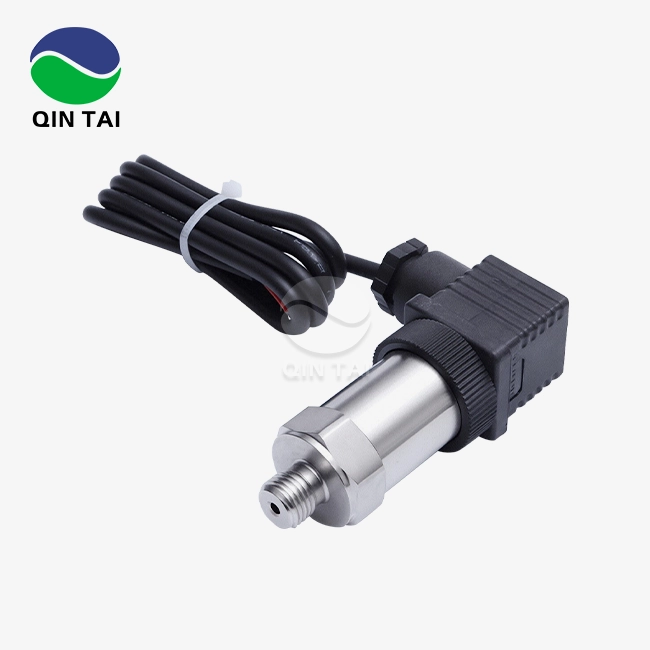
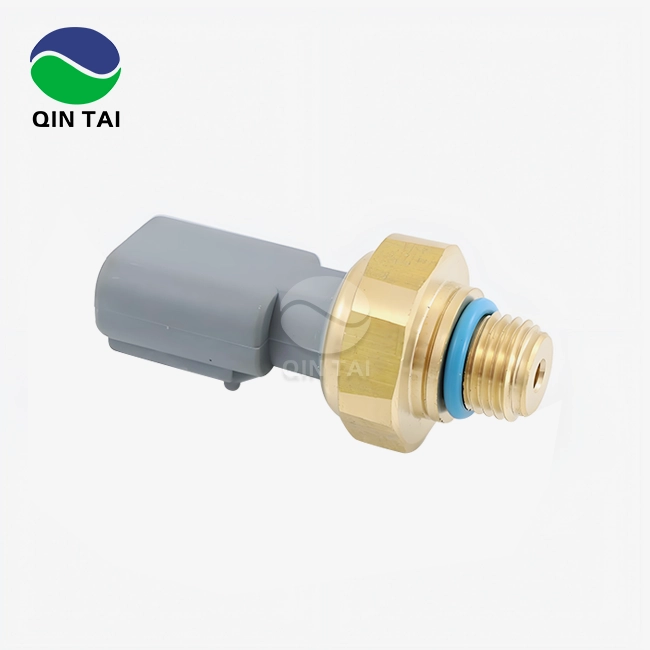

Our customers’ satisfaction speaks for our quality — contact us to experience the same reliable service.