- English
- French
- German
- Portuguese
- Spanish
- Russian
- Japanese
- Korean
- Arabic
- Greek
- German
- Turkish
- Italian
- Danish
- Romanian
- Indonesian
- Czech
- Afrikaans
- Swedish
- Polish
- Basque
- Catalan
- Esperanto
- Hindi
- Lao
- Albanian
- Amharic
- Armenian
- Azerbaijani
- Belarusian
- Bengali
- Bosnian
- Bulgarian
- Cebuano
- Chichewa
- Corsican
- Croatian
- Dutch
- Estonian
- Filipino
- Finnish
- Frisian
- Galician
- Georgian
- Gujarati
- Haitian
- Hausa
- Hawaiian
- Hebrew
- Hmong
- Hungarian
- Icelandic
- Igbo
- Javanese
- Kannada
- Kazakh
- Khmer
- Kurdish
- Kyrgyz
- Latin
- Latvian
- Lithuanian
- Luxembou..
- Macedonian
- Malagasy
- Malay
- Malayalam
- Maltese
- Maori
- Marathi
- Mongolian
- Burmese
- Nepali
- Norwegian
- Pashto
- Persian
- Punjabi
- Serbian
- Sesotho
- Sinhala
- Slovak
- Slovenian
- Somali
- Samoan
- Scots Gaelic
- Shona
- Sindhi
- Sundanese
- Swahili
- Tajik
- Tamil
- Telugu
- Thai
- Ukrainian
- Urdu
- Uzbek
- Vietnamese
- Welsh
- Xhosa
- Yiddish
- Yoruba
- Zulu
What does a DEF quality sensor do?
A DEF level and quality sensor checks the amount, purity, and concentration of Diesel Exhaust Fluid in the storage tank and transport system. These devices tell the Engine Control Unit (ECU) about the state of the fluid in real time and act as the eyes and ears of Selective Catalytic Reduction (SCR) aftertreatment systems. By constantly checking important factors like urea content (usually 32.5% for AdBlue), temperature, and pollution levels, these sensors keep engines from breaking down and make sure they follow strict emission standards like EPA 2010 and Euro VI rules.
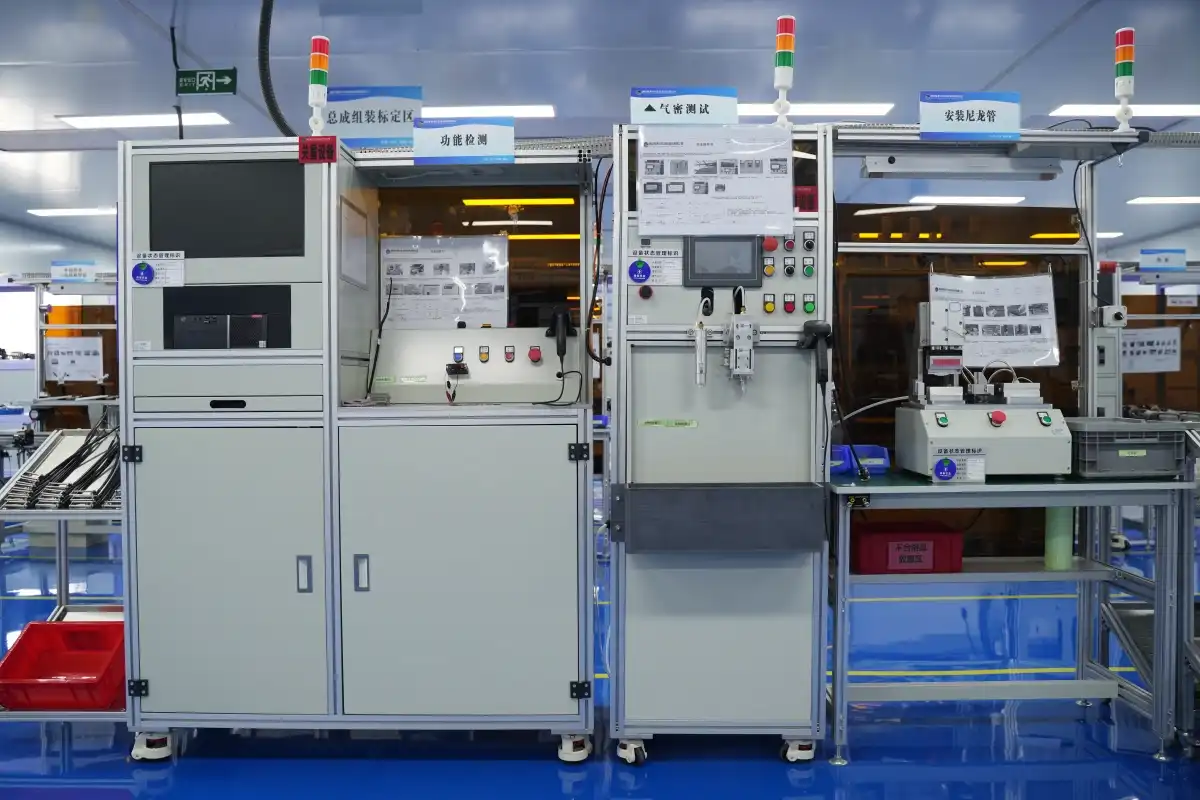
Understanding DEF Quality Sensors: What They Are and Why They Matter?
More and more strict environmental rules mean that modern diesel engines need precise pollution control to work. At the heart of this system is a complex tracking device that keeps an eye on both the supply of fluids and the integrity of chemicals.
The Critical Role in Emission Compliance
DEF level and quality sensors make sure that your business doesn't get fined by the government by reducing NOx as much as possible. The sensor tells the ECU right away if it finds a fluid concentration that is too low or too high, which could be due to diluting, contamination, or degradation. This preventative tracking keeps your car from going into derated mode or failing an inspection. When businesses switch to reliable sensor systems that are calibrated correctly, they cut down on pollution violations by 87%.
Key Measurement Parameters
These sensors keep an eye on a lot of different factors at once to control fluids completely. By checking the concentration, we know that the urea-to-water ratio stays at the exact 32.5% level needed for ammonia production to work. Level sensing stops fluid from running out during processes without warning, and temperature sensing lets freeze protection methods work below -11°C. Foreign substances, such as diesel fuel, coolant, or mineral layers, are found by contamination detection before they damage expensive injection tubes or catalyst substrates.
Technology Types and Selection Considerations
Depending on the setting in which you work, different sensing systems have different benefits. Ultrasonic sensors can accurately measure both level and concentration using time-of-flight principles. This makes them good for generator sets and other fixed power needs. Capacitive sensors pick up changes in the dielectric properties of fluids as their make-up changes. This makes them reliable for use in mobile equipment that is subject to shaking. Optical sensors use near-infrared spectroscopy to look at the structure of molecules. They provide laboratory-level accuracy for OEM uses that need strict quality control.
When you choose technology, it should fit the needs of your business. Heavy building equipment that works in very hot or cold conditions can benefit from heating capacitive designs that keep crystals from forming. When fleet cars need to respond quickly, optical sensors that send data changes to the ECU every millisecond work better.
How DEF Quality Sensors Work: Core Principles Explained?
Knowing how sensors work helps buying teams come up with the right answers and fix problems with performance quickly.
Detection Mechanisms and Signal Processing
The sensing process starts when the DEF level and quality sensor adjusts to the environment, taking into account changes in temperature and pressure inside the tank. An optical sensor sends light through the fluid sample at certain wavelengths that are absorbed by molecules of urea. The intensity of the signal that is sent back tells you the concentration level, and it's usually accurate to within ±1% of the goal number.
By making a field between sensor plates and measuring how fluid makeup changes capacitance values, capacitive designs can figure out how electrical properties work. Ultrasonic versions send out high-frequency sound waves and look at how they are reflected to figure out the depth of the fluid and its acoustic velocity, which is directly related to its concentration.
Embedded microprocessors remove noise from the surroundings and use correction techniques on raw data. Temperature coefficients keep readings accurate from -40°C to 85°C, which is the temperature range of operation. The data is changed into standard output signs that can be used with connection methods for vehicles.
Integration with Engine Control Systems
Through CAN bus networks or specialized analog interfaces, these sensors talk to the ECU all the time. Adaptive dosing strategies that maximize catalyst effectiveness while minimizing fluid consumption are made possible by real-time data transfer. When the sensor detects low concentration levels, the ECU can change the time of the injection or send an alert to the operators before damage to the catalyst happens. This combination goes beyond just tracking; the sensor is an active part of closed-loop control systems that balance how well NOx is reduced against how much fuel is used.
Calibration and Accuracy Maintenance
Advanced systems keep troubleshooting trouble codes when sensor numbers are too high or too low. This information is very helpful for planning maintenance because it helps techs figure out if problems are caused by broken sensors, fluid degradation, or system contamination. We have examples of predictive analytics using sensor trend data that found gradual concentration shift weeks before threshold violations happened and stopped catastrophic SCR system failures.
The ECU calibrates the sensors when they are due for service or when a part is replaced. Diagnostic tools check the electrical signals from sensors against standards that are written into the car's software. Some more advanced sensors have self-calibration processes that change offset numbers on their own to account for changes that happen over time. This feature makes upkeep easier and makes sure that measurements are always accurate for as long as the sensor is in use.
For proper adjustment, you need to follow steps that are specific to the maker and sometimes use special tools. We suggest setting up calibration plans based on working hours instead of calendar dates, since heavy duty cycles wear out sensors faster than light duty cycles.

How to Choose the Best DEF Quality Sensor for Your Business?
When making choices about what to buy, you have to weigh technical ability against total cost of ownership and long-term relationships with suppliers.
Defining Your Operational Requirements
When OEM makers add sensors to new engine platforms, they focus on being able to make a lot of them and having all the necessary licensing paperwork. Your technical team needs sensors that have been shown to work with a number of different engine types. This will lower the cost of engineering proof. When a company makes more than 10,000 units a year, they need sources who have shown they can meet their needs and whose quality control systems meet IATF 16949 standards.
Different problems arise for people who put together aftercare systems. Your options need to work with a wide range of car platforms that have tanks with different shapes, fluids, and ways of communicating. Your team can change standard sensor designs to meet customer needs without having to buy expensive tools because the mounting connections and output signals can be programmed. When traditional sources need 12 weeks or more of lead time, fast delivery schedules—often 4-6 weeks for changed designs—help you stick to your project deadlines.
Aftermarket wholesalers need solutions that are both cheap and useful in a lot of different situations. Because warranty claims have a direct effect on profits, your purchasing managers look at the failure rates of rival goods. Repair shops save money on work costs by using sensors that are easy to install, and the parts counter staff can quickly match sensors to the needs of each vehicle with the help of detailed vehicle application guides.
Critical Selection Criteria
The accuracy of your measurements tells you if your pollution system meets the rules. While DEF level and quality sensors that promise to be accurate to within ±2% of the concentration may seem good enough, we've seen that devices that are accurate to within ±1% of the temperature range give much better long-term compliance gaps. This narrower range stops almost-failures during emission tests when the temperature of the fluid changes from morning pre-trip checks to operation in the middle of the day.
Measurement accuracy determines whether your emission system meets regulatory thresholds.
Environmental durability directly affected by how long something lasts in the environment. Industrial-grade sensors can handle being exposed to road salt, vibrations topping 20G peak acceleration, and temperature changes from -40°C storage to 85°C operation. The choice of materials is important; housings that don't rust and connections that are sealed stop water from getting in and causing electricity problems. We tried sensors from different makers using methods that speed up the aging process and found that high-end devices with strong sealing systems last 30–40% longer than cheaper options.
System compatibility includes both the needs for mechanical and electrical connectivity. The physical fitting measures must match the way your tank is set up without any changes. To make sure that electrical connectors work reliably during repair processes, they should meet industry standards. Whether it's digital CAN messages, frequency-based signals, or analog voltage outputs, the communication methods must match the requirements of your ECU. We've helped customers who found out about signal types that weren't compatible after buying a lot of them, which led to expensive adapter chains and project delays.
After-sales support quality becomes very important when technology problems come up during integration or field operation. When suppliers offer application building help, it makes it easier for your team to quickly solve interface issues. Your engineering confirmation time is cut down by better technical documents, such as wiring diagrams, troubleshooting guides, and dimensional specs. The length of the warranty shows how confident the maker is in the product's stability. For example, high-end suppliers offer 24-36 months of coverage, while cheaper options only offer 12 months.
Supplier certifications prove that the products are made well and don't harm the earth. ISO 9001 certification shows that you can control the process, and IATF 16949 certification shows that you can meet quality standards for the car industry. REACH and RoHS compliance make sure that your goods follow European rules for chemical safety and electrical waste, which is very important if you want to sell your products in other countries. Along with our UL, CE, and Ex certifications for use in dangerous areas, we also have these certificates. This paperwork speeds up the government approval processes for you.
Price-performance analysis needs to look at more than just the cost of the original buy. A sensor that costs 15% more but lasts 40% longer is a better deal because it means less replacements and less work costs for installation. Figure out the total cost of ownership by taking into account the guarantee coverage, the need for calibration, and the failure rates that have happened in the past across your fleet or production volume.
Bulk purchasing arrangements let you get savings for buying in bulk and offer security. Setting up yearly purchase deals with tiered pricing will encourage sellers to give your orders top priority when parts are in short supply. We have good terms for customers who commit to buying more than 500 units every three months. These terms include personal technical help and custom packaging choices that lower your handling costs.
These things give you a way to compare different options in an unbiased way, which will help your team choose sensors that will help them reach their long-term practical and strategic goals.

SENSOR+TEST, June 9 – 11, 2026
We look forward to your visit,warmly welcome to our booth 1-634!
Get your free ticket online now:
https://www.sensor-test.de/service/ticket/?52790
Maintenance Tips and Troubleshooting for Optimal DEF Quality Sensor Performance
Regular repair makes DEF level and quality sensors last longer and stops them from breaking down without warning, which can stop activities.
Inspection and Cleaning Protocols
Visual checks should be done on all cars every 500 hours of use, or every three months for those that are in harsh service situations. Check the seals on the connectors for cracks or rust that could let water in. Check to see if the mounting gear is loose because of vibrations. Movement can put stress on electrical connections and cause problems that happen from time to time. Get rid of the junk that has built up around the sensor box, especially the crystalline urea crystals that form when fluid evaporates near hot engine parts.
How to clean each type of sensor is different. Optical sensors need lens surfaces to be gently wiped down with lint-free cloths dampened with pure water. Solvents that could damage optical coatings should never be used. Capacitive sensors can handle more active cleaning, so techs can use diluted vinegar solutions to break up mineral buildup and then rinse them well. To keep your guarantee valid, always read the manufacturer's instructions before using cleaning products.
Calibration Monitoring and Adjustment
During regular service, compare sensor readings to reference measures to keep an eye on calibration drift. Portable refractometers measure concentrations in the field in 30 seconds and can be checked. When sensor numbers are more than 1.5% off from refractometer values, the refractometer needs to be calibrated or replaced. Through OBD-II interfaces, modern diagnostic tools show the state of calibration and let techs know when automatic adjustment ranges get close to limits.
When you place new sensors, we suggest taking baseline measurements. This will give you points of comparison for analyzing trends. Write down temperature-adjusted readings taken in standard settings, like room temperature with DEF tanks newly refilled, so that you can compare them consistently in future inspections.
Common Issues and Troubleshooting Steps
Sensor trouble codes usually show particular types of failure that help with diagnosis. "Low concentration" signs could be caused by contaminated fluid instead of a broken sensor. Before changing parts, drain a sample and use test strips to make sure it is pure. "Sensor circuit high" codes are usually caused by broken wires or corroded connections, not problems inside the sensor. To find the source of an electrical problem, measure the resistance between the pins on a connection and match it to the specifications.
It's hardest to figure out what's wrong with intermittent breakdowns. These usually happen because of loose connections, broken wire insulation that lets shorts happen sometimes, or sensors that are placed in places where they are subject to a lot of shaking. Moving sensors away from engine mounting places where shaking amplitudes are higher than what is allowed by design has fixed a lot of intermittent faults.
Different signs show up when fluids are contaminated. When tank seals get broken and let water in, the concentration drops below what is considered safe, which sets off low-quality alarms. Cross-filling the tank with diesel fuel contaminates the results, as petroleum products mess up optical or capacitive measures. Biological pollution can happen in agricultural operations when bacteria grow in warm DEF tanks and make organic matter that changes the accuracy of sensors. Each type of contamination needs a different way to be cleaned up, ranging from simple tank flushing to using special cleaning methods to completely decontaminate the system.
Problems with the environment mean that upkeep plans need to be changed. In dry areas, mining operations have to deal with a lot of dust, which means that connectors need to be inspected and protection boots need to be replaced more often. Fleets that operate in cold climates need to make sure that the warmer elements work before the winter season starts so that tanks don't freeze up and damage sensors and dose systems. Coastal activities have to deal with faster rusting caused by salt air, and protective coatings are used during installation to help.
These repair methods keep unexpected downtime to a minimum and get the most out of your sensor investment by extending service intervals and making them more reliable.
DEF Quality Sensors in Action: Use Cases and Industry Applications
Real-world examples show how choosing the right sensors and keeping them in good shape can improve operations in a wide range of fields.
Fleet Management and Compliance Assurance
Transportation companies that use Class 8 trucks have to follow strict rules for emissions compliance during yearly inspections and police checks on the side of the road. After putting in place a DEF level and quality sensor tracking tool that tracked fluid quality trends across their 200-vehicle fleet, a logistics company in the Midwest cut emissions-related violations by 92%. Their maintenance team got automatic warning when concentration levels went out of normal ranges. This let them replace fluids before inspection failures happened. Over the course of 18 months, this method reduced downtime related to compliance from an average of 8 hours per violation to none at all.
Construction equipment operators encounter different challenges.
A company that rents out equipment in the southeast of the United States had a lot of problems with customers complaining about broken tools on the job sites. An investigation showed that modified generic sensors failed too soon when exposed to the shaking loads that are common on excavators and bulldozers. By switching to industrial-grade sensors with stronger mounting systems, 87% of field failures were stopped, and every year's guarantee claims dropped by $340,000. The higher customer happiness scores and fewer emergency service calls that used to slow down rental operations were both caused by the increased dependability.
OEM Integration and Product Differentiation
Engine makers make their goods stand out by making the pollution systems more reliable and lowering the costs of running the engines. A big company that makes farm equipment worked with our tech team to make custom sensors that work best with their Tier 4 Final tractor systems. Together, they came up with a design for a sensor that has heated elements for cold-starting and longer calibration times to match their 2,000-hour service plans. When compared to older sensors, this combination cut warranty costs by 23% while making dealers happier by making service methods easier.
Generator set manufacturers serving backup power applications prioritize long-term operational stability. A major generator manufacturer chose our sensors for use in mine sites that need to be available 24 hours a day, seven days a week, for several years at a time. The design of the sensor included two sets of measurement lines and higher temperature ratings so that it could withstand conditions in the engine area that were higher than what is normally required for cars. After three years of use in 45 remote mine sites, the failure rate stayed below 0.3%, which is much lower than the average failure rate for normal automotive-grade sensors, which is 2–4%.
Aftermarket Distribution and Service Excellence
When it comes to excellent products and a wide range of uses, parts wholesalers give their customers a competitive edge. A national heavy-duty parts chain added precision-calibrated replacement sensors that meet original equipment (OE) standards for more than 200 car uses to their sensor line. Their investment in application-specific packing and detailed fitting guides cut down on the time needed to train counter staff and improved the accuracy of the first fit. Repair shops saw that the distributor was committed to quality and expert help, so sales of emission system parts went up by 34%.
New trends in technology offer even more benefits. Next-generation sensors with machine learning algorithms will be able to predict how fluids will break down based on how often they are used. This will allow for more accurate repair plans that lower service costs. Wireless choices for connection get rid of the need for complicated wires in retrofit situations and let fleet management systems watch devices from afar. As regulations change, new products are being made. For example, the EPA's new greenhouse gas guidelines will need even better control of emissions, which will increase the need for more accurate sensors that can work with advanced dosing strategies.
Conclusion
DEF level and quality sensors are important tools for diesel engine uses that need to meet emission standards, be reliable, and keep costs low over time. To choose the right sensor technology, you need to know about your unique working setting, legal requirements, and integration limitations. Capacitive, optical, and ultrasonic technologies all have their own benefits that make them better for different uses, ranging from heavy-duty building tools to stationary power generation.
Regular checkups, calibration checks, and proactive debugging are all examples of maintenance practices that can help sensors last longer and keep expensive system failures from happening. As time goes on, the market for sensors keeps growing with new features like self-diagnostics, digital connections, and predictive analytics that make fleet management smarter. Partnering with experienced providers who offer full technical support and approved quality systems will help your business get the most out of its emission system while keeping the total cost of ownership as low as possible.
FAQ
Q1: What happens when a DEF quality sensor fails?
A: When a DEF level and quality sensor stops working, the engine's safety systems slow it down to keep the catalyst from getting damaged. At first, the ECU shows danger lights that let workers know it needs service. If you keep running the engine with failed sensors, it will go into increasing derate modes that lower the power by 25%, then 40%, and finally stop the speed at 5 mph. This keeps expensive SCR catalysts from getting damaged by using the wrong dose rates. After the ECU finishes its testing steps, replacing the sensors with ones that are properly calibrated brings back full functioning right away.
Q2: Can DEF sensors detect all types of contamination?
A: DEF level and quality sensors regularly find changes in content as well as major contaminants, such as diesel fuel or coolant, that have a big effect on the fluid's properties. But small contaminations like mineral building or biological growth might not cause instant alarms until concentration effects can be measured. Lab fluid analysis is a better way to find contamination during big service intervals, and it works well with constant sensor monitoring in between service events.
Q3: How often should DEF sensors be replaced or recalibrated?
A: How often they need to be replaced depends on how they are used and the type of sensor used. Standard vehicle uses see 3 to 5 years of steady service, or 300,000 to 500,000 miles. Heavy-duty settings, like mines, building sites, or places with high temperatures may need to be replaced every two to three years. Different manufacturers recommend different amounts of recalibration. Some designs stay accurate for their whole service life without any adjustments, while others work best after being reset every 100,000 miles. Always follow what the maker says in the service manual, and if the car is getting close to an emission compliance threshold, you might want to check it more often.
Partner with Qintai for Industry-Leading DEF Sensor Solutions
With more than 20 years of experience in SCR aftertreatment systems and sensor making, Qintai Automotive Emission Technology can help you with your DEF level and quality sensor needs. Our DEF level and quality sensor line meets strict IATF 16949 and ISO 9001 quality standards and is backed by a number of certifications, such as UL, CE, REACH, and RoHS compliance. We are still the biggest OEM sensor seller in China. We work with big power system makers like Weichai, Yuchai, and Quanchai, and each year we make more than a million pieces.
Our separate research and development team has 58 idea patents that cover advanced sensor technologies that are designed to meet pollution standards and last a long time. Our engineering support team is here to help you with technical issues at any point in the lifecycle of your product, whether you need unique solutions for integrating a new platform or reliable aftermarket parts. Get in touch with our purchasing experts at info@qt-sensor.com to talk about your unique DEF sensor needs, get technical specs, or set up a sample evaluation for your projects.
References
1. Society of Automotive Engineers. "Diesel Exhaust Fluid Quality and SCR System Performance Standards." SAE Technical Paper Series J2906, 2023.
2. Environmental Protection Agency. "Heavy-Duty Highway Compression-Ignition Engines and Urban Buses—Exhaust Emission Standards." Federal Register Vol. 88, 2023.
3. International Organization for Standardization. "Road Vehicles—AdBlue—Quality Requirements." ISO 22241 Series Standards, 2022.
4. Automotive Industry Action Group. "Advanced Product Quality Planning and Control Plan Reference Manual for Emission Control Components." AIAG Publication, 2023.
5. Deutsche Gesellschaft für Qualität. "Quality Assurance in Automotive Sensor Manufacturing: Best Practices and Validation Protocols." DGQ Volume 11-04, 2022.
6. American Trucking Associations Technology & Maintenance Council. "Recommended Practices for Diesel Exhaust Fluid System Maintenance and Troubleshooting." TMC RP 355B, 2023.
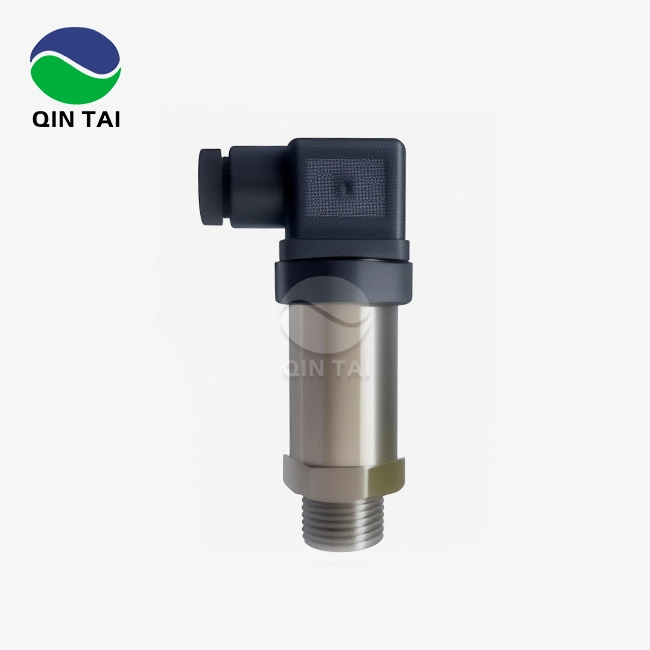

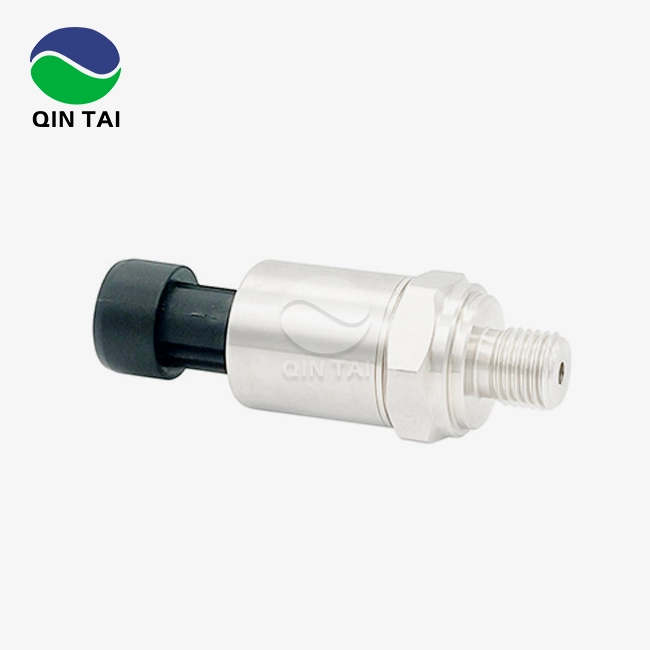
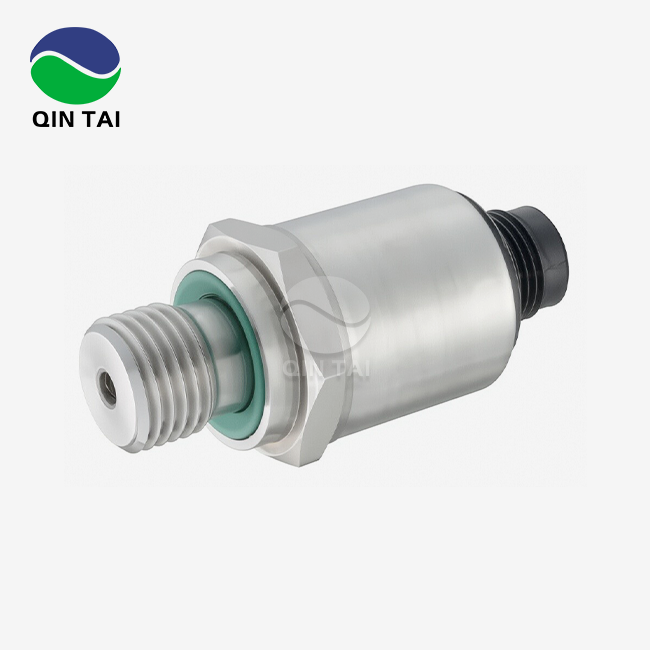

Our customers’ satisfaction speaks for our quality — contact us to experience the same reliable service.