- English
- French
- German
- Portuguese
- Spanish
- Russian
- Japanese
- Korean
- Arabic
- Greek
- German
- Turkish
- Italian
- Danish
- Romanian
- Indonesian
- Czech
- Afrikaans
- Swedish
- Polish
- Basque
- Catalan
- Esperanto
- Hindi
- Lao
- Albanian
- Amharic
- Armenian
- Azerbaijani
- Belarusian
- Bengali
- Bosnian
- Bulgarian
- Cebuano
- Chichewa
- Corsican
- Croatian
- Dutch
- Estonian
- Filipino
- Finnish
- Frisian
- Galician
- Georgian
- Gujarati
- Haitian
- Hausa
- Hawaiian
- Hebrew
- Hmong
- Hungarian
- Icelandic
- Igbo
- Javanese
- Kannada
- Kazakh
- Khmer
- Kurdish
- Kyrgyz
- Latin
- Latvian
- Lithuanian
- Luxembou..
- Macedonian
- Malagasy
- Malay
- Malayalam
- Maltese
- Maori
- Marathi
- Mongolian
- Burmese
- Nepali
- Norwegian
- Pashto
- Persian
- Punjabi
- Serbian
- Sesotho
- Sinhala
- Slovak
- Slovenian
- Somali
- Samoan
- Scots Gaelic
- Shona
- Sindhi
- Sundanese
- Swahili
- Tajik
- Tamil
- Telugu
- Thai
- Ukrainian
- Urdu
- Uzbek
- Vietnamese
- Welsh
- Xhosa
- Yiddish
- Yoruba
- Zulu
Diesel Urea Injection Pump Function and Advantages Explained
Diesel urea injection pumps serve as critical components within Selective Catalytic Reduction (SCR) systems, precisely delivering DEF (Diesel Exhaust Fluid) to neutralize harmful NOx emissions from diesel engines. These sophisticated devices control urea dosing based on engine operating conditions, ensuring optimal emission reduction while maintaining engine performance. The diesel urea injection pump integrates seamlessly with engine control units, providing real-time emission control that meets stringent environmental regulations across heavy-duty applications including commercial vehicles, construction equipment, and generator sets.
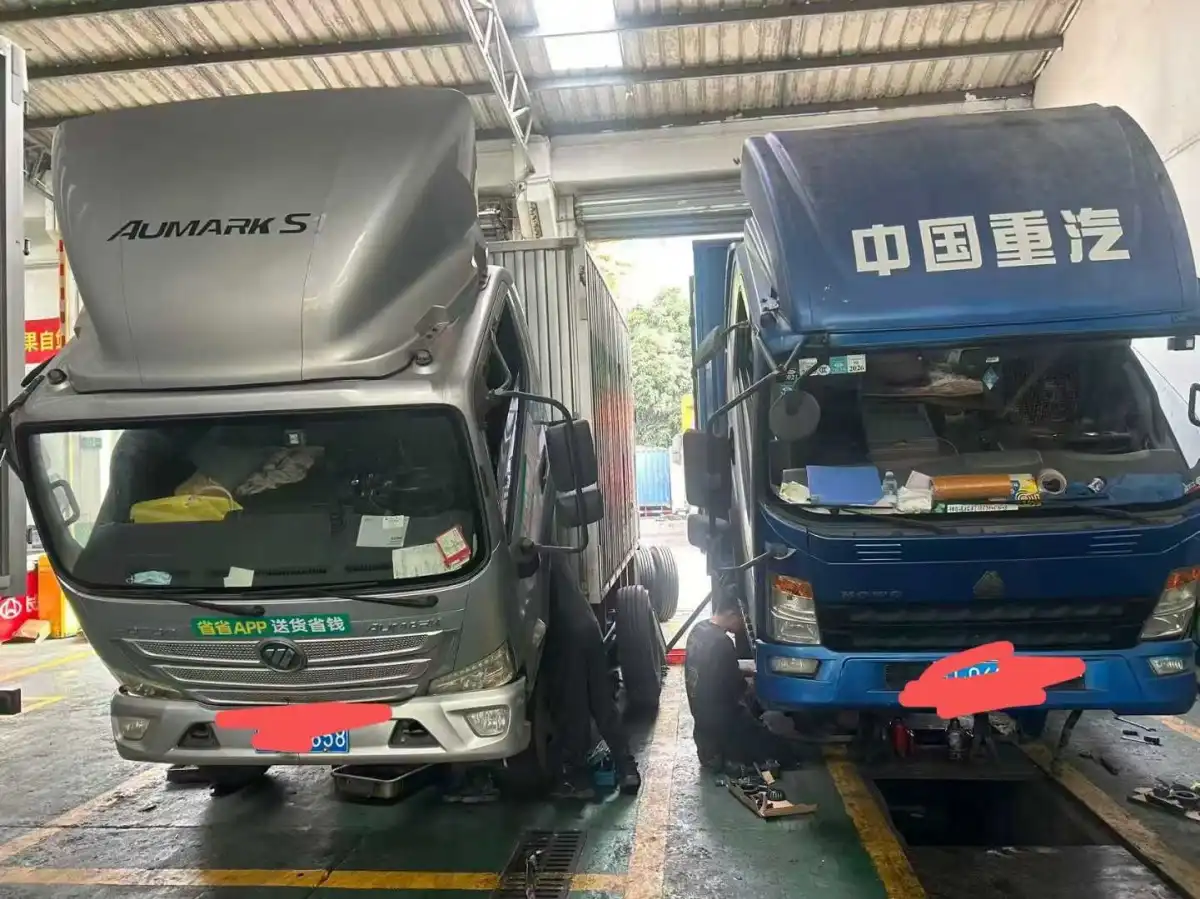
Understanding Diesel Urea Injection Pumps: Function and Components
Urea injection systems are an essential component of modern diesel emission control, which is primarily dependent on superior selective catalytic reduction (SCR) technology. The diesel nitrogen injection pump is the fundamental component of this reductions in emissions system. It is responsible for ensuring that the correct amount of fluid is delivered to the engine regardless of the circumstances.
Core Components and Architecture
There are a number of interconnected components that make up the pump assembly, and they all function together in harmony. The pump body is where the principal delivery mechanism is housed, and it is constructed with a sturdy structure that is meant to operate continuously at temperatures that are very high. In response to electrical signals from the engine's fuel management system, control valves are responsible for regulating the flow of fluid with an incredible degree of accuracy. The injection nozzle is responsible for producing spray patterns that are appropriate for the efficient distribution of urea throughout the exhaust stream.
Because solenoid actuators are capable of providing quick reaction, they make it possible to make modifications to dosage rates in a split second. Through the use of sophisticated sensor technologies, fluid pressure, temp, and flow rates can be monitored, which guarantees constant performance in a wide variety of working settings. Continuous communication between these sensors and the control module for the engine results in the creation of a closed-loop structure that maximizes the effectiveness of emission reduction practices.
Operational Process and Timing
During the beginning of the injection procedure, the engine management program will calculate the needed amounts of urea depending on the feedback from the NOx sensor and the characteristics of the engine. In response to electronic impulses, the pump motor is activated, which results in the system pressure reaching predefined values. A precise scheduling system ensures that urea distribution takes place at the appropriate exhaust temperatures, which are normally between 200 and 600 degrees Celsius. These temperatures are the range at which chemical reactions are at their most effective.
When it comes to successful emission management, dosing precision is still quite important. The system makes adjustments to the injection rates depending on the load, speed, and temperature of the exhaust gas in order to maintain the appropriate ratios of ammonia to nitrogen oxides. Both under-dosing, which decreases the efficiency of the emission, and over-dosing, which may lead to ammonia leak and catalyst contamination, are prevented by this dynamic management.
Advantages and Benefits of Diesel Urea Injection Pumps
Implementing advanced urea injection technology delivers substantial benefits across multiple operational dimensions. These advantages extend beyond basic emission compliance to encompass performance optimization and cost reduction strategies.
Regulatory Compliance and Environmental Impact
Meeting environmental standards represents a primary driver for urea injection system adoption. Current regulations, including EPA Tier 4 Final and Euro VI standards, mandate NOx reduction levels exceeding 90% compared to uncontrolled engines. Precise operation of the diesel urea injection pump is critical, as it enables manufacturers to achieve these stringent requirements while maintaining engine power and fuel economy.
Regulatory compliance is just one aspect of environmental responsibility; it also include measures taken by corporations to promote sustainability. Companies that show a dedication to lowering their environmental impact by using SCR technology in conjunction with quality nitrogen injection systems are a good example. A better reputation for the brand is achieved via this positioning, which also facilitates entry to environmentally conscious markets and contracts.
The technology contributes significantly to air quality improvement, particularly in urban environments where diesel equipment operates extensively. Effective NOx reduction helps minimize ground-level ozone formation and reduces health impacts associated with diesel emissions.
Performance and Economic Benefits
Engine performance improvements represent tangible benefits of proper urea injection system implementation. Optimized combustion strategies enabled by SCR technology allow engines to operate at higher efficiency levels without emission penalties. This optimization translates to improved fuel economy, often achieving 3-5% efficiency gains compared to engines using alternative emission control strategies.
Maintenance cost reductions emerge from reduced engine stress and extended component life. SCR systems enable engines to operate with optimal combustion parameters, reducing cylinder wear and extending oil change intervals. The technology eliminates the need for exhaust gas recirculation in many applications, reducing intake system contamination and associated maintenance requirements.
There are a number of long-term operating benefits, including a decreased total cost to own and an even longer catalyst life. Urea injection pumps of high quality provide constant dosage precision, hence reducing catalyst degradation caused by circumstances characterised by either over-dosing or under-dosing. Over the course of the equipment's operating lifecycle, this dependability increases the service life of the system and minimizes the expenses associated with replacement.

Common Issues and Maintenance Tips for Diesel Urea Injection Pumps
Maintaining optimal system performance requires understanding common failure modes and implementing preventive maintenance strategies. Proactive maintenance approaches minimize downtime and ensure consistent emission compliance.
Identifying Performance Issues
System diagnostics provide early warning indicators of potential problems. Common symptoms include diagnostic trouble codes related to urea quality, insufficient dosing, or pump malfunction. Emission spikes detected by downstream NOx sensors often indicate injection system problems requiring immediate attention.
Engine performance changes, including reduced power output or unusual exhaust characteristics, may signal urea injection problems, often traceable to a malfunctioning diesel urea injection pump. Crystallization within injection nozzles can cause spray pattern disruption, leading to poor mixing and reduced catalytic efficiency. Regular monitoring of system parameters helps identify these issues before they impact overall performance.
Preventive Maintenance Strategies
In order to guarantee the system's dependability, it is necessary to implement extensive maintenance routines. Contamination-related failures may be avoided by performing regular inspections of the quality of the urea fluid. Injection components are protected against premature wear or crystallization problems when high-quality DEF that satisfies ISO 22241 criteria is used.
Cleaning procedures for injection nozzles should follow manufacturer specifications, typically involving distilled water flushing and proper drying techniques. System purging during extended storage periods prevents crystallization damage in cold climates. Temperature monitoring ensures proper fluid heating during startup conditions, preventing injection failures and pump damage.
Schedules for professional maintenance should be coordinated with the operation hours of the equipment and the circumstances of the surrounding environment. When working in harsh settings, it may be necessary to undertake maintenance at more regular intervals in order to guarantee constant operation. The upkeep and substitution of filters, seals, or wear components in accordance with the recommendations of the manufacturer helps to avoid unanticipated failures and preserves the dependability of the system.
Buying Guide: How to Choose the Best Diesel Urea Injection Pump for Your Needs?
Selecting appropriate urea injection systems requires careful evaluation of technical specifications, supplier capabilities, and long-term support considerations. Procurement decisions impact both immediate performance and lifecycle costs.
Technical Specification Criteria
One of the most important selection criteria is whether or not the engine is compatible. In order to get effective emission control, it is necessary for pumps to correspond with the engine's displacement, output of power, and operational characteristics. The capabilities of the flow rate should be able to meet maximum engine loads while being able to provide sufficient margin for fluctuating operating situations.
Pressure specifications must align with SCR system requirements, typically ranging from 3 to 7 bar depending on nozzle design and exhaust back-pressure conditions. Temperature operating ranges should encompass expected environmental conditions, including cold-start scenarios and high-ambient temperature operations.
To achieve a smooth integration with the engine management systems that are already in place, control interface compatibility is essential. For optimal system functioning and troubleshooting capabilities, communication techniques, including CAN bus standards and ability to diagnose, must be compatible with the criteria set out by the original equipment manufacturer (OEM).
Supplier Evaluation and Selection
Suppliers from throughout the world provide a wide range of competences and support levels. Large-scale original equipment manufacturer applications are a good fit for well-established manufacturers such as Bosch and Denso since these companies provide considerable technical support and worldwide service networks. It is possible for regional suppliers to provide competitive price and flexibility in terms of customisation for applications that are more specialized.
OEM versus aftermarket considerations for the diesel urea injection pump involve balancing cost, warranty coverage, and performance reliability. Original equipment pumps typically provide optimal integration and comprehensive warranty support but command premium pricing. Aftermarket alternatives can offer cost savings while maintaining acceptable performance levels, particularly for replacement applications.
Qualifications such as IATF 16949 plus ISO 9001 are examples of quality certifications that demonstrate the maturity of the production process and the capabilities of quality control. In order to provide dependable lasting supply chain support for continuing projects and service parts availability, it is essential that suppliers maintain their financial stability and manufacturing capability.
Company Introduction and Our Diesel Urea Injection Pump Solutions
An automotive emission technology company called Xi'an Qintai. With more than twenty years of specialized expertise, Ltd. has established itself as a leading innovator in the field of diesel emission control technology. The company was founded in 2001. Our entire experience includes research and development, manufacture, sales, and after-service help for SCR aftertreatment systems and innovative sensor technologies. In addition, we provide after-service assistance.
Industry Leadership and Certifications
Our numerous certification accomplishments, which include ISO9001:2008, IATF16949, CMC, Ex, UL, EU, REACH, and RoHS compliance, are evidence of our dedication to providing products of the highest possible quality. Our commitment to satisfying worldwide quality standards and regulations across global markets is reflected in these certificates, which demonstrate our commitment to doing so.
Our 58 patents on inventions and ongoing investment in research & development are the primary drivers of innovation, which in turn fuels our competitive edge. Our independent research and development team is focused on improving product performance and dependability in order to guarantee that our solutions are aligned with the ever-changing demands of the industry and the needs of our customers.
As a result of its dominant position in the Chinese market, Qintai has established itself as the leading original equipment manufacturer (OEM) supplier. It is also the primary supplier to key engine manufacturers such as Weichai Engines, Yuchai Power, & Quanchai Power. This success on the home front lays the groundwork for our growing presence on the worldwide stage, which spans over sixty nations and regions.
Comprehensive Product Portfolio and Services
Diesel nitrogen injection pump solutions that we provide include both standard and bespoke designs. These configurations are intended to meet the requirements of a wide range of applications, such as generator sets, construction tools, agricultural equipment, and heavy vehicles. In order to guarantee that each product complies with emission rules and performance criteria, meticulous testing is performed on each and every option.
OEM along with ODM service provide adaptable solutions that are adapted to individual client needs, beginning with the original design of the product and continuing through the execution of mass manufacturing. Our technical team works directly with customers to produce optimum solutions that are able to handle the specific application problems that they face while yet being cost-effective.
Technical support capabilities include system integration assistance, application engineering, and ongoing maintenance guidance. Our global service network ensures responsive support for customers worldwide, facilitating successful product implementation and long-term operational success.
Conclusion
Diesel urea injection pumps represent essential technology for modern emission control, delivering precise DEF dosing that enables compliance with stringent environmental regulations while maintaining engine performance. Understanding pump functionality, component integration, and maintenance requirements empowers procurement professionals to make informed decisions that optimize both immediate performance and long-term operational costs. Quality supplier selection, comprehensive technical support, and proactive maintenance strategies ensure reliable system operation across diverse applications. The continued evolution of emission standards and technology advances makes partnering with experienced suppliers increasingly valuable for achieving sustainable business success.
FAQ
How often should diesel urea injection pumps undergo maintenance?
Maintenance intervals depend on operating conditions and equipment usage patterns. Under normal conditions, inspection every 1,000 operating hours ensures optimal performance. Harsh environments, including extreme temperatures or dusty conditions, may require more frequent attention. Regular DEF quality checks and system diagnostics help identify potential issues before they impact performance.
What distinguishes diesel urea injection pumps from other injection systems?
Diesel urea injection pumps specifically handle DEF, which requires different materials and sealing technologies compared to fuel injection systems. These pumps operate at lower pressures but must resist crystallization and corrosion from urea solutions. The control algorithms also differ significantly, focusing on emission optimization rather than combustion timing.
Can aftermarket urea injection pumps maintain engine performance standards?
Quality aftermarket pumps can deliver acceptable performance when properly selected and installed. Key considerations include ensuring compatibility with engine control systems, meeting flow rate specifications, and maintaining proper spray patterns. Aftermarket solutions often provide cost advantages while maintaining emission compliance, particularly for replacement applications.
Partner with Qintai for Advanced Diesel Urea Injection Pump Solutions
Qintai offers comprehensive diesel urea injection pump solutions backed by over 20 years of industry expertise and proven manufacturing excellence. Our engineering team provides customized consultation services to optimize system integration for your specific applications, whether you're an OEM manufacturer or aftermarket supplier seeking reliable emission control components. Contact our technical specialists at info@qt-sensor.com to discuss your requirements and receive detailed product specifications tailored to your operational needs. Our global supply chain capabilities ensure timely delivery and ongoing support for successful implementation of advanced emission control technology.
References
1. Society of Automotive Engineers International. "Diesel Exhaust Fluid Quality and Its Impact on SCR System Performance." SAE Technical Paper Series, 2023.
2. Environmental Protection Agency. "Heavy-Duty Engine and Vehicle Standards and Highway Diesel Fuel Sulfur Control Requirements." Federal Register Documentation, 2022.
3. International Organization for Standardization. "Diesel Exhaust Fluid (AUS 32) - Quality Requirements." ISO 22241 Standard Specification, 2023.
4. European Commission. "Euro VI Emission Standards for Heavy-Duty Vehicles: Implementation and Performance Analysis." European Environment Agency Report, 2022.
5. Johnson, M.R., et al. "Advanced Urea Injection Strategies for NOx Reduction in Heavy-Duty Diesel Engines." Journal of Engine Research and Technology, Vol. 45, 2023.
6. Automotive Industry Action Group. "SCR Aftertreatment Systems: Best Practices for Manufacturing and Quality Control." AIAG Technical Guidelines, 2023.
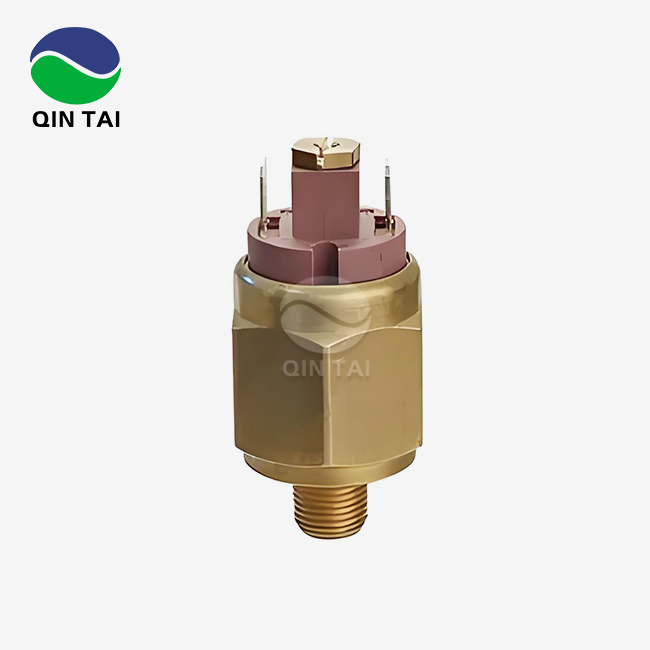
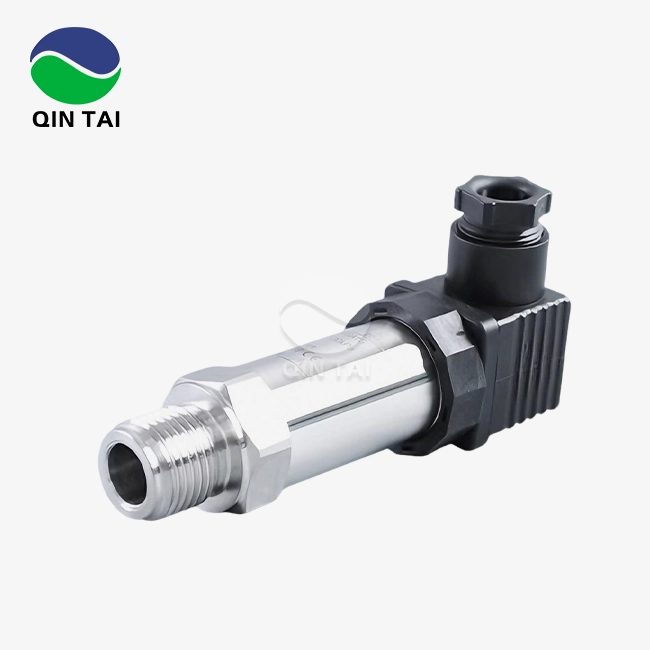
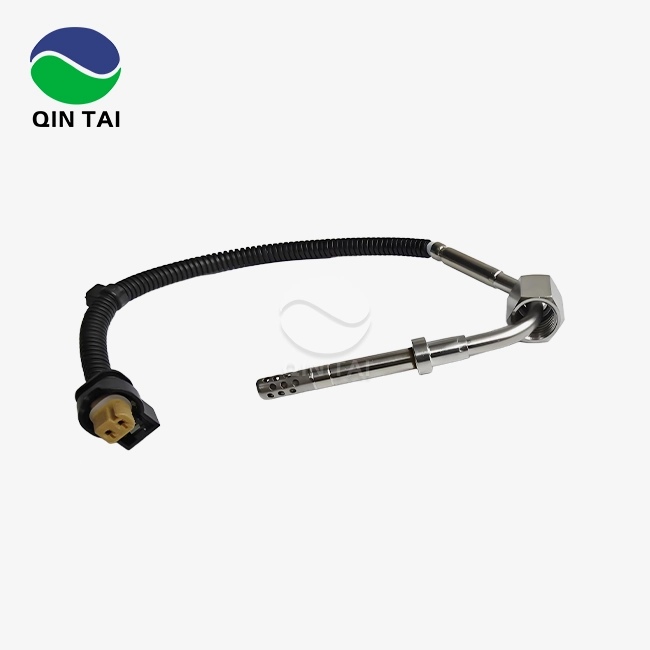

Our customers’ satisfaction speaks for our quality — contact us to experience the same reliable service.