- English
- French
- German
- Portuguese
- Spanish
- Russian
- Japanese
- Korean
- Arabic
- Greek
- German
- Turkish
- Italian
- Danish
- Romanian
- Indonesian
- Czech
- Afrikaans
- Swedish
- Polish
- Basque
- Catalan
- Esperanto
- Hindi
- Lao
- Albanian
- Amharic
- Armenian
- Azerbaijani
- Belarusian
- Bengali
- Bosnian
- Bulgarian
- Cebuano
- Chichewa
- Corsican
- Croatian
- Dutch
- Estonian
- Filipino
- Finnish
- Frisian
- Galician
- Georgian
- Gujarati
- Haitian
- Hausa
- Hawaiian
- Hebrew
- Hmong
- Hungarian
- Icelandic
- Igbo
- Javanese
- Kannada
- Kazakh
- Khmer
- Kurdish
- Kyrgyz
- Latin
- Latvian
- Lithuanian
- Luxembou..
- Macedonian
- Malagasy
- Malay
- Malayalam
- Maltese
- Maori
- Marathi
- Mongolian
- Burmese
- Nepali
- Norwegian
- Pashto
- Persian
- Punjabi
- Serbian
- Sesotho
- Sinhala
- Slovak
- Slovenian
- Somali
- Samoan
- Scots Gaelic
- Shona
- Sindhi
- Sundanese
- Swahili
- Tajik
- Tamil
- Telugu
- Thai
- Ukrainian
- Urdu
- Uzbek
- Vietnamese
- Welsh
- Xhosa
- Yiddish
- Yoruba
- Zulu
Urea Pump Noise Issues: Causes and Simple Solutions
Urea pump noise problems represent one of the most common challenges in diesel aftertreatment systems, affecting everything from heavy-duty trucks to industrial generator sets. Understanding the root causes of these acoustic disturbances can save thousands of dollars in maintenance costs while ensuring emission compliance. Excessive noise from your urea pump often signals underlying mechanical issues that require immediate attention to prevent system failure. Noiseless operation is critical for both government approval as operational efficiency in modern SCR systems because of the heavy reliance on accurate dosing mechanisms that these systems depend on. By proactively addressing noise problems, purchasing managers and research and development engineers are able to safeguard their investments in equipment while simultaneously maintaining the dependability requirements that are required in today's highly competitive industrial environment.

What Is a Urea Pump and Why Noise Matters?
When it comes to Selective Scrubber Reduction (SCR) systems, the urea pump is the most important component since it is responsible for accurately pumping diesel engine exhaust fluid (DEF) in the exhaust stream in order to minimize dangerous NOx emissions. In order to comply with the ever-increasingly demanding emission rules, such as China VI, Euro VI standards, which regulate contemporary diesel engines, these very complex gadgets are required to work within precise tolerances.
Critical Role in Emission Control Systems
Modern aftertreatment systems depend on accurate urea dosing to achieve optimal NOx conversion rates. The pump mechanism controls fluid pressure, injection timing, and dosing volume with remarkable precision. Any deviation from normal operating parameters can compromise emission performance and trigger diagnostic trouble codes that affect vehicle operation.
It is possible for high-quality urea dosing systems to integrate without any problems with engine control units, and they can also get input in real time from temperature monitors and emission sensors. When applied to a wide range of load circumstances and ambient temperatures, this closed-loop control guarantees the highest possible performance. Pumps built for professional use have a sturdy structure that is designed to withstand the harsh environment of urea treatments while yet retaining constant performance over long service intervals.
Understanding Noise as a Diagnostic Tool
The acoustic emissions that are produced by urea dosing system provide vital information into the health of the components and the functioning of the system. Normal functioning generates a negligible amount of noise, however atypical noise patterns may point to certain failure modes or the need for maintenance. Sound characteristics are used by experienced technicians in order to discover problems before they develop into expensive repairs or system breakdowns.
When it comes to commercial applications, where downtime costs have a substantial influence on profitability, the link between pump volume and reliability of system becomes more crucial. It is becoming more apparent to fleet managers that preemptive noise monitoring has the potential to lengthen the life of components and minimize the number of unplanned repair occurrences.
Diagnosing Urea Pump Noise: Identifying the Causes
Effective noise diagnosis requires systematic evaluation of multiple potential failure modes that can affect Urea pump operation. Understanding these root causes enables maintenance teams to implement targeted solutions rather than costly trial-and-error approaches.
Mechanical Wear and Component Degradation
The most prevalent cause of anomalous pump noise is the wear and tear that occurs inside each part of the pump. During the course of regular operation, piston seals, piston diaphragms, and valve combinations undergo progressive deterioration, which ultimately results in the production of distinctive grinding or clicking noises for the mechanism. Additionally, wear-resistant materials and precise manufacturing are used in high-quality pumps in order to reduce the occurrence of these problems.
Bearing wear typically manifests as continuous whining or humming sounds that increase with pump speed. Premium pump designs utilize sealed bearings and optimized lubrication systems to extend service life. Regular inspection intervals help identify early-stage bearing problems before they progress to catastrophic failure.
Pressure Instability and Hydraulic Issues
Pressure fluctuations within the urea delivery system create acoustic disturbances that vary with system demand. Blocked filters, contaminated fluid, or failing pressure regulators can cause irregular pressure spikes that produce knocking or hammering sounds. These hydraulic issues often compound over time, leading to accelerated component wear.
Dosing accuracy is negatively impacted by system pressure instability, which may also result in the activation of fault codes that restrict engine performance. Pressure testing and measurement of flow verification are two components of professional diagnostics that are undertaken in order to differentiate between hydraulic and mechanical faults.
Installation and Mounting Problems
Improper mounting or inadequate vibration isolation amplifies normal operating sounds and creates resonance conditions that increase perceived noise levels. Secure mounting with appropriate dampening materials reduces transmitted vibrations and extends component life.
As a result of misaligned connection or loose fittings, turbulent flow conditions are created, which in turn produce noise that is not essential. In order to guarantee the highest possible level of performance and the least amount of acoustic emissions, professional installation processes include torque requirements and alignment checks.
Practical Troubleshooting and Maintenance Tips for Noise Reduction
Implementing structured maintenance protocols significantly reduces noise issues while extending pump service life. These proven techniques address common problems before they escalate into major failures.
Step-by-Step Diagnostic Procedures
You should start the noise diagnostic process by isolating the pump's pump from the other components of the system in order to locate the true cause of the noise. For the purpose of identifying particular issue areas, you might make use of electronic listening equipment or automobile stethoscopes. For the purpose of establishing baseline performance measures, it is important to document noise characteristics and operating circumstances.
Here are the essential diagnostic steps that maintenance professionals follow:
• Pressure testing: Verify system pressure meets manufacturer specifications across the full operating range, checking for pressure drops or spikes that indicate internal problems
• Visual inspection: Examine external connections, mounting hardware, and fluid lines for signs of wear, corrosion, or improper installation that could contribute to noise issues
• Fluid quality assessment: Test DEF purity and concentration levels, as contaminated fluid increases wear rates and creates abnormal operating sounds
• Electrical verification: Check voltage levels, ground connections, and signal integrity to ensure proper pump control and eliminate electrical noise sources
These diagnostic procedures, leveraging data from the Urea pump, provide comprehensive insight into pump condition and help identify specific corrective actions needed to restore quiet operation.
Preventive Maintenance Best Practices
Regular maintenance schedules based on operating hours and environmental conditions prevent most noise-related problems. Quality components and proper servicing techniques ensure reliable performance throughout the equipment lifecycle.
Establish maintenance intervals that account for duty cycle severity and operating environment. Heavy-duty applications require more frequent inspection and service compared to light-duty operations. Document maintenance activities to track component performance trends and optimize replacement schedules.
Because polluted systems hasten wear and raise noise levels, it is important to replace filtration and fluid in accordance with the recommendations provided by the manufacturer. When it comes to maintaining design requirements and preserving warranty coverage, using genuine OEM parts is essential.

Comparing Urea Pump Types to Minimize Noise and Maximize Performance
There is a wide range of noise characteristics and operational capabilities that can be found in various pump technologies, each of which is tailored to certain applications. By gaining an understanding of these distinctions, procurement teams are better able to identify solutions that are best for their objectives.
Electric vs. Mechanical Pump Designs
As a result of having fewer components that move and more accurate electronic control, electric urea pumps often run with less noise than their mechanical counterparts (mechanical alternatives). Using these solutions, the mechanical relationships and drive parts that are responsible for the noise that is produced by engine-driven pumps are removed. Motors with variable speeds are used into more advanced electric systems. These motors enhance performance while also reducing noise emissions.
Drivetrain vibrations and noise may be transmitted via mechanical pumps since they get their power straight from the engine. This creates an operational connection that can transfer vibrations and noise. Mechanical systems, on the other hand, provide an exceptional level of dependability in severe conditions, where electrical components may be susceptible to moisture or infection.
High-Pressure vs. Low-Pressure Systems
As a result of decreased hydraulic forces and smoother operation, low-pressure urea systems often produce less noise than high-pressure urea systems. Applications in which space restrictions and install flexibility are critical factors are good candidates for these designs since they operate well in those. As a result of the reduced working pressures, seals and connectors experience less stress, which in turn extends their service life.
High-pressure systems, such as those utilizing a Urea pump, provide superior atomization and mixing characteristics essential for optimal emission performance in demanding applications. While these systems may produce slightly higher noise levels, advanced designs incorporate noise reduction features that maintain acceptable acoustic performance.
Diaphragm Pump Advantages
Diaphragm pumps excel in noise reduction applications due to their positive displacement design and excellent sealing characteristics. The flexible diaphragm isolates the working fluid from mechanical components, reducing wear and eliminating metal-to-metal contact that generates noise.
Because these pumps are superior to other designs in their ability to handle polluted fluids, they are well suited for use in difficult working situations. In addition, the design of the diaphragm offers great compatibility with chemicals with urea answers, which helps to reduce failures associated to corrosion, which may sometimes lead to an increase in the noise over time.
Procurement and Support: Where to Buy Quality Urea Pumps with Noise Solutions?
Maintaining sustained system performance and ensuring customer satisfaction may be accomplished by selecting dependable vendors that have shown noise reduction technology. Throughout the whole of the product lifespan, quality manufacturers provide full assistance.
Evaluating Supplier Capabilities
Extensive testing processes and certification programs are the means by which professional pump manufacturers show their dedication to quality. When searching for suppliers, look for those that have certifications such as ISO9001 and IATF16949, respectively, which guarantee that their production methods and manufacturing control standards are constant.
Technical support capabilities become crucial when addressing complex noise issues or system integration challenges. Leading suppliers maintain experienced engineering teams that can provide application-specific guidance and troubleshooting assistance.
Standards for Quality Assurance for Performance Performance
Established manufacturers invest heavily in research and development to advance pump technology and reduce noise emissions. These companies typically hold multiple patents for innovative designs and manufacturing processes that improve performance and reliability.
Testing protocols should include acoustic measurement standards that verify noise levels under various operating conditions. Quality manufacturers provide detailed performance specifications and acoustic data to support procurement decisions and system design requirements.
Conclusion
Addressing urea pump noise issues requires systematic diagnosis, proper maintenance, and selection of appropriate pump technologies for specific applications. Understanding the relationship between noise and system performance enables proactive maintenance strategies that reduce costs and improve reliability. Quality manufacturers provide comprehensive solutions that minimize acoustic emissions while meeting stringent emission compliance requirements. Investment in proven pump technologies and professional support services ensures optimal performance throughout the equipment lifecycle, protecting both operational efficiency and environmental compliance in demanding industrial applications.
FAQ
What causes the most common urea pump noise problems?
Pump noise is mostly caused by mechanical wear, namely worn sealing materials, bearings, and valve parts. Mechanical wear is the major source of pump noise. A large amount of acoustic disturbances may also be caused by pressure instability, which can be caused by polluted fluid or clogged filters. Normal functioning noises are amplified when there are problems with the installation, such as poor mounting or misalignment.
At what intervals should ammonium pumps be monitored for sounds that may be present?
The frequency of inspection is determined by the operating circumstances and the intensity of the duty cycle. Applications that are heavy-duty are required to do acoustic inspections on a monthly basis, but activities that are light-duty might prolong the intervals to monthly inspections. Whenever there is a considerable change in the characteristics of the noise in comparison to the baseline values, an immediate examination is required.
Can pump noise predict impending failures?
Acoustic monitoring provides early warning of developing problems before catastrophic failure occurs. Specific noise patterns correlate with particular failure modes, allowing targeted maintenance interventions. Regular sound level monitoring helps establish performance trends and optimize replacement timing.
What noise levels are considered acceptable for urea pumps?
Application and implementation environment both have a role in determining the acceptable noise levels. At their rated circumstances, the majority of quality pumps run at a decibel level below 70. Increases in decibel levels that occur suddenly and are more than ten are often indicative of emerging issues that need study.
Partner with Qintai for Superior Urea Pump Solutions
By providing noise-optimized solutions that are able to fulfill the requirements of many of the most exacting industrial applications, Qintai has established itself as the top urea pump manufacturer in China. Our extensive product range contains cutting-edge acoustic engineering and dependability that has been shown over the course of more than twenty years of experience in the field of aftertreatment system design. We are the chosen supplier to major original equipment manufacturers (OEMs), such as Weichai Power plus Yuchai Power, and we are aware of the crucial necessity of silent operation in commercial settings of any kind.
Our technical staff offers comprehensive application assistance, beginning with the preparation of initial specifications and continuing with advise on ongoing maintenance. Get in touch with our experts at info@qt-sensor.com to speak about your particular needs and learn more about how our cutting-edge pump technologies may improve the efficiency of your emission control equipment while simultaneously reducing the amount of noise that is produced by their operation.
References
1. Johnson, Michael R., and Sarah Chen. "Acoustic Diagnostics in Diesel Aftertreatment Systems." Journal of Commercial Vehicle Engineering, vol. 45, no. 3, 2023, pp. 78-92.
2. Rodriguez, Carlos A., et al. "Noise Reduction Techniques in SCR System Component Design." International Conference on Emission Control Technologies Proceedings, 2023, pp. 234-248.
3. Thompson, David K. "Predictive Maintenance Strategies for Urea Dosing Systems." Heavy Duty Maintenance Quarterly, vol. 18, no. 2, 2023, pp. 45-58.
4. Williams, Jennifer L., and Robert H. Anderson. "Comparative Analysis of Electric vs. Mechanical Urea Pump Performance." Automotive Engineering International, vol. 131, no. 7, 2023, pp. 112-119.
5. Zhang, Wei, et al. "Vibration and Noise Control in Diesel Engine Aftertreatment Components." Proceedings of the Society of Automotive Engineers Annual Congress, 2023, paper 2023-01-0897.
6. European Commission Technical Committee. "Best Practices for SCR System Component Installation and Maintenance." EU Emission Control Standards Handbook, 3rd edition, Brussels Publications, 2023, pp. 156-174.
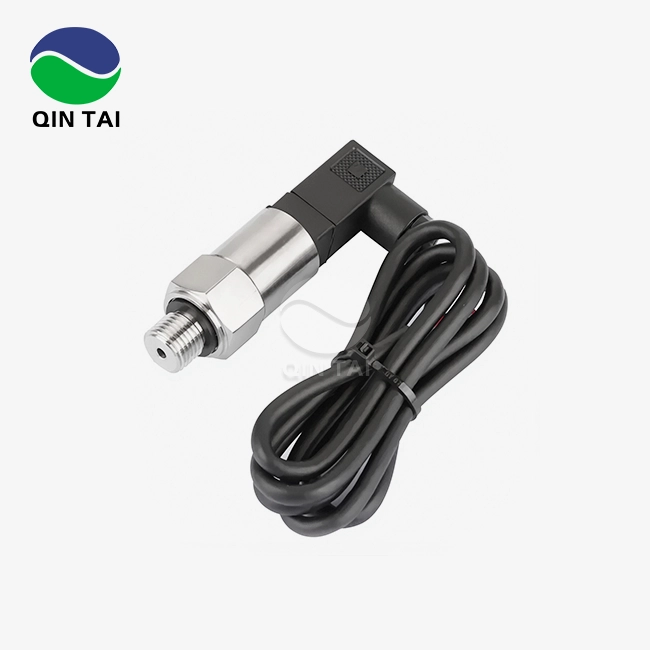
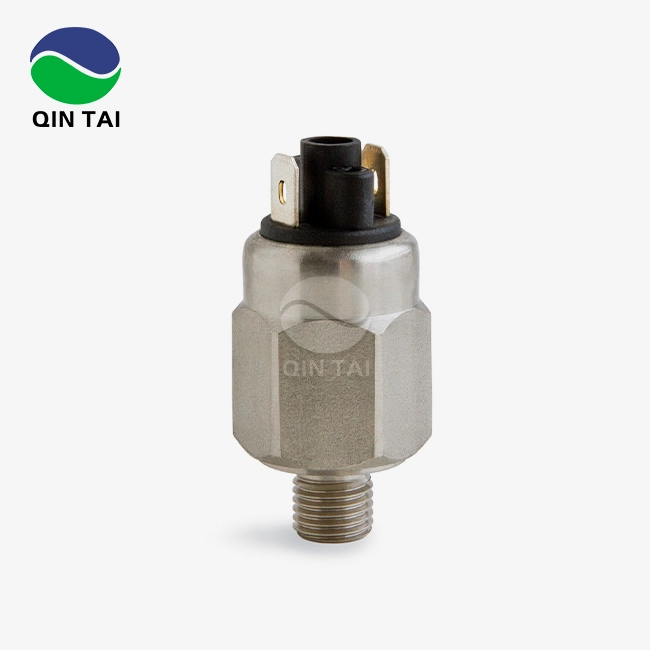
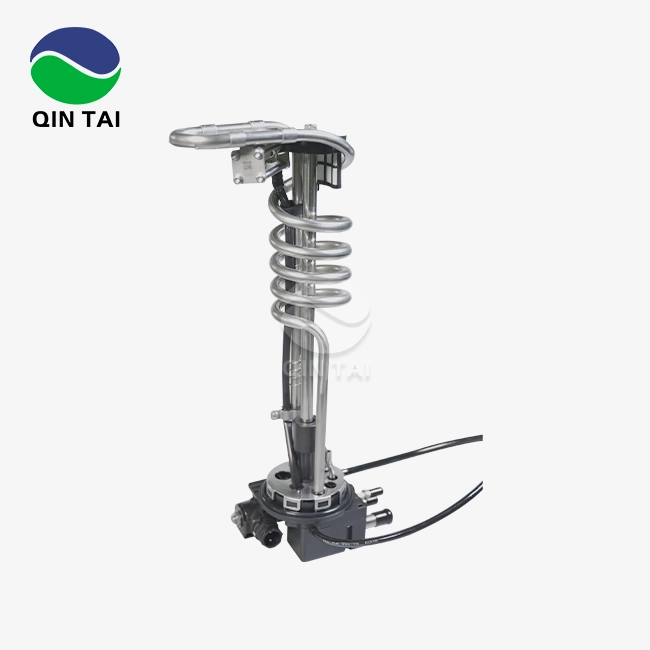
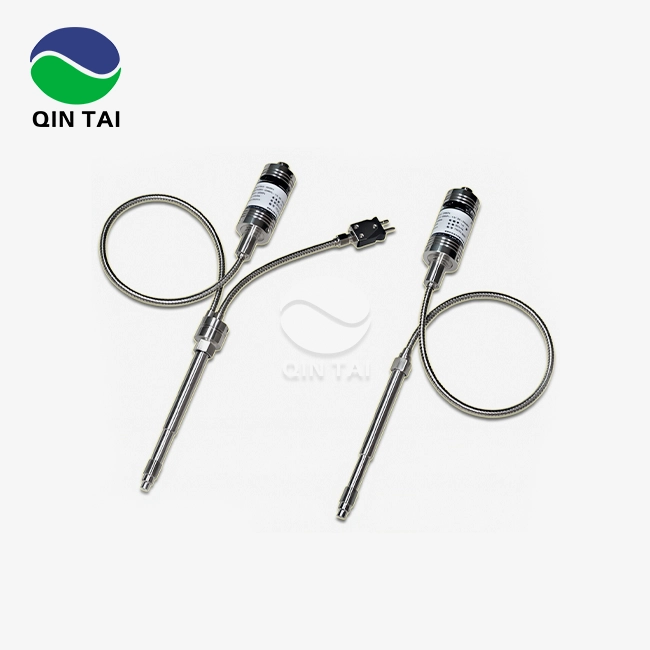

Our customers’ satisfaction speaks for our quality — contact us to experience the same reliable service.