- English
- French
- German
- Portuguese
- Spanish
- Russian
- Japanese
- Korean
- Arabic
- Greek
- German
- Turkish
- Italian
- Danish
- Romanian
- Indonesian
- Czech
- Afrikaans
- Swedish
- Polish
- Basque
- Catalan
- Esperanto
- Hindi
- Lao
- Albanian
- Amharic
- Armenian
- Azerbaijani
- Belarusian
- Bengali
- Bosnian
- Bulgarian
- Cebuano
- Chichewa
- Corsican
- Croatian
- Dutch
- Estonian
- Filipino
- Finnish
- Frisian
- Galician
- Georgian
- Gujarati
- Haitian
- Hausa
- Hawaiian
- Hebrew
- Hmong
- Hungarian
- Icelandic
- Igbo
- Javanese
- Kannada
- Kazakh
- Khmer
- Kurdish
- Kyrgyz
- Latin
- Latvian
- Lithuanian
- Luxembou..
- Macedonian
- Malagasy
- Malay
- Malayalam
- Maltese
- Maori
- Marathi
- Mongolian
- Burmese
- Nepali
- Norwegian
- Pashto
- Persian
- Punjabi
- Serbian
- Sesotho
- Sinhala
- Slovak
- Slovenian
- Somali
- Samoan
- Scots Gaelic
- Shona
- Sindhi
- Sundanese
- Swahili
- Tajik
- Tamil
- Telugu
- Thai
- Ukrainian
- Urdu
- Uzbek
- Vietnamese
- Welsh
- Xhosa
- Yiddish
- Yoruba
- Zulu
Key Features of High-Performance Urea Supply Pumps
High-performance urea supply pumps represent critical components in modern diesel emission control systems, delivering precise DEF (Diesel Exhaust Fluid) injection for optimal SCR (Selective Catalytic Reduction) performance. These advanced pumping systems feature corrosion-resistant materials, precise flow control mechanisms, and robust construction designed to withstand harsh operating environments across heavy-duty applications. Superior urea supply pump designs incorporate intelligent dosing algorithms, temperature compensation capabilities, and self-diagnostic functions to ensure consistent NOx reduction efficiency while meeting stringent emission standards like Euro VI and EPA Tier 4 Final regulations.
Understanding Urea Supply Pumps: Function and Operation
In order to comply with ever-increasing environmental standards, modern diesel engines are dependent on highly developed systems for controlling emissions. A crucial component of SCR aftertreatment is the urea injection system, which plays a pivotal role in ensuring that fluids are delivered precisely, which in turn has a direct influence on both emission conformance and operating efficiency.
Core Components and Mechanical Design
In order to reach the highest possible level of performance, the core design of urea transport systems is comprised of a number of linked components that collaborate in a harmonic manner. The casing of the pump is often constructed out of stainless steel or advanced polymer materials in order to withstand the damaging effects of DEF solutions. The internal components, which include diaphragms, safety valves, and flow sensors, are required to maintain exact tolerances in order to guarantee proper dosing in settings where the temperature and pressure are constantly changing.
Through gear reduction systems that have been meticulously tuned, electric motor assemblies are responsible for driving the pumping mechanism. These motors often have brushless designs, which reduce the amount of maintenance that is required as well as the amount of torque that is delivered consistently. Real-time tracking of pump performance is made possible by the use of position feedback sensors, which allows electronic control unit (ECU) systems to make immediate modifications depending on the operating circumstances of the engine and the characteristics of the exhaust gas.
Operational Principles and Control Systems
The injection of DEF is carried out using demand-based algorithms, which determine the ideal amounts of urea to be used by taking into account the feedback from NOx sensors, the characteristics of the engine load, and the readings of the exhaust temperature. The control logic features advanced mapping algorithms that take into consideration transient operating situations. This ensures that the emission reduction is effective during both static and dynamic drive scenarios.
Due to the fact that DEF solutions freeze beneath 12 degrees Fahrenheit (-11 degrees Celsius), temperature control is another essential feature of operation. Innovative pump designs use heat sources and insulated structures to ensure that fluid flow is maintained even when the pump is operating in harsh weather conditions. Predictive heating algorithms are often included in these thermal management systems. These algorithms are responsible for preparing the injection system based on projections of the ambient temperature and patterns of vehicle use.
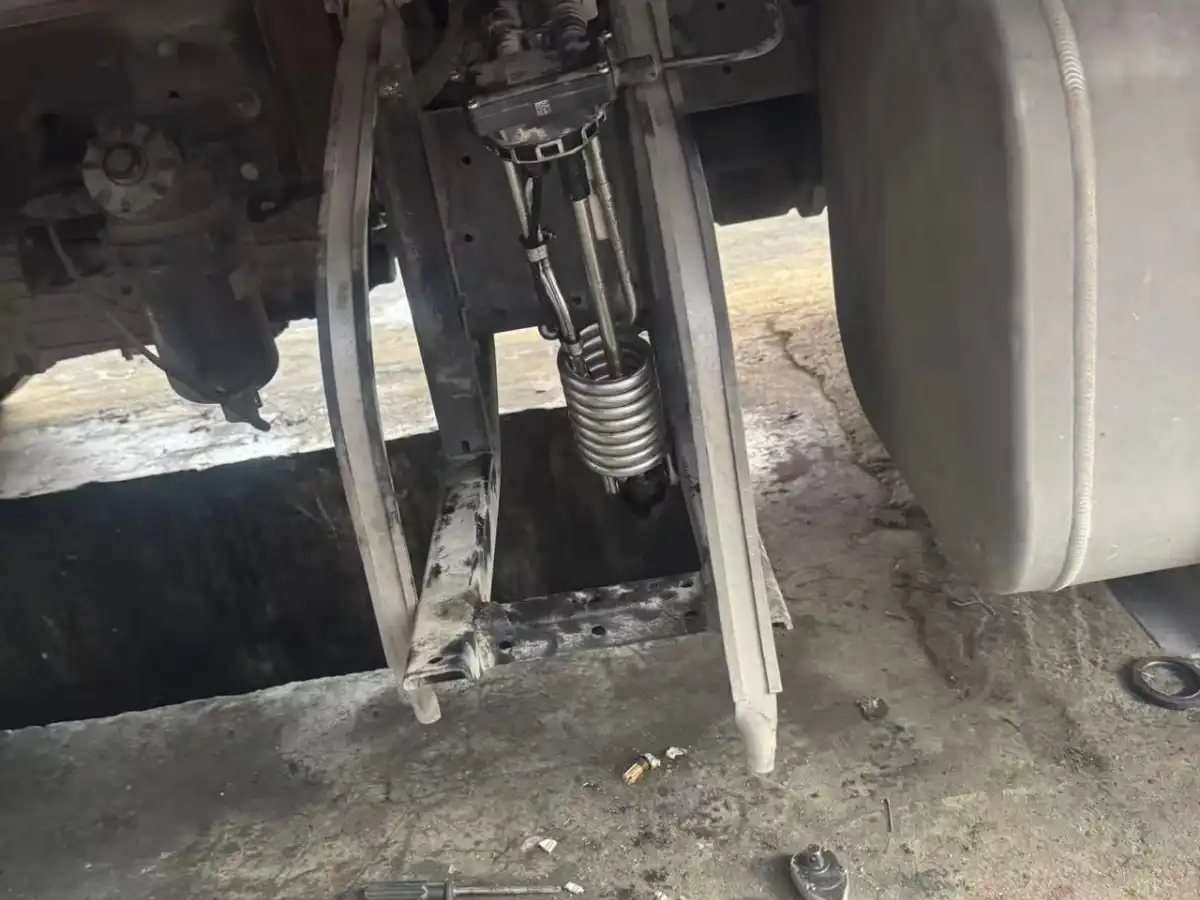
Key Performance Features of High-Quality Urea Supply Pumps
There are a number of performance criteria that separate great urea injection systems from others. These features have a direct influence on the dependability of the system, the efficacy of the emissions, and the lifetime of the operation. It is possible for procurement experts to make educated judgments when assessing the capabilities of suppliers and product requirements if they have a thorough understanding of these feature sets.
Precision Dosing and Flow Control
Accurate DEF delivery requires pump systems capable of maintaining precise flow rates across diverse operating conditions. High-performance units typically achieve dosing accuracy within ±3% of target values, even during rapid load transitions or extreme temperature variations. This precision stems from advanced control valve designs, high-resolution flow sensors, and sophisticated ECU algorithms that continuously monitor and adjust injection parameters.
Additionally, the dosing capabilities of luxury pump systems often extend from 0.1 until fifteen gallons per hour, making them suitable for a wide variety of applications, ranging from light-duty cars to heavy manufacturing. These systems are able to maintain efficiency over the full operating range thanks to variable displacement pumping mechanisms. This helps to reduce the amount of power that is used by parasitic power while also guaranteeing that there is sufficient injection capacity at times of peak demand.
Materials Engineering and Corrosion Resistance
DEF solutions present unique chemical challenges due to their alkaline nature and potential for crystallization. Advanced pump designs utilize specialized materials such as fluoropolymer seals, ceramic valve components, and passivated stainless steel wetted surfaces to resist chemical degradation. These material selections undergo extensive compatibility testing to ensure long-term durability in continuous-duty applications.
Crystallization prevention represents another critical design consideration for the urea supply pump, as urea deposits can rapidly compromise pump performance. Leading manufacturers incorporate purging systems, heating elements, and specially designed flow paths that minimize dead zones where crystallization typically occurs. Some advanced designs feature automatic purging cycles that activate during shutdown sequences to prevent deposit formation.
Energy Efficiency and Thermal Management
Especially in mobile applications, where the amount of electrical power used has a direct influence on fuel economy, modern urea injectable systems need to strike a balance between the performance needs and the energy efficiency concerns. Control tactics that reduce power consumption under low-demand operating situations are often included into high-efficiency pump designs. Variable-speed motors, improved hydraulic circuits, and sophisticated control strategies are other common components of these systems.
In addition to providing protection against freezing temperatures, thermal management skills also include the preservation of ideal operating temperatures. Multi-zone heating elements, insulation fluid lines, and anticipated thermal management algorithms are some of the features of advanced systems. These features allow for the DEF temperature to be maintained within ideal limits while simultaneously reducing the amount of energy that is used. It is common practice for these heat management systems to interact with vehicle telematics in order to improve heating schedules depending on consumption patterns and ambient conditions.
Common Challenges and Maintenance Tips for Urea Supply Pumps
Maintaining reliable urea injection system performance requires understanding common failure modes and implementing proactive maintenance strategies. These challenges often stem from fluid quality issues, environmental factors, or inadequate maintenance procedures that can compromise system reliability.
Crystallization and Blockage Prevention
Urea crystallization is the most common problem that occurs in DEF injections systems, and if it is not handled, it has the potential to result in the failure of the whole system when it is not addressed. at most cases, crystallization takes place at low-flow zones, injection nozzles, and tanker pickup sites. These are the places where fluid stagnation causes concentration gradients to form. Regular purification of the system with distilled water may remove deposits that are already present while avoiding the production of new deposits.
The selection of a high-quality DEF fluid is an essential component in reducing the likelihood of crystallization occurring. Fluids that are compliant with ISO 22241 retain the appropriate concentration and clarity levels of urea, which prevent these fluids from crystallizing prematurely. There is also an influence on fluid quality that is caused by storage procedures. This is because exposure to severe temperatures or contamination may change the chemical composition of the fluid and increase the likelihood of crystallization.
Sensor Calibration and Diagnostic Procedures
Urea injection systems that are considered to be advanced have many sensors for the purpose of monitoring the rates of flow, fluid consistency, and system operation. For these sensors to continue to be accurate and to avoid producing false diagnostic codes, they need to be calibrated on a regular basis. It is possible for flow sensors to wander over time as a result of the accumulation of deposits or mechanical wear. This might need cleaning operations or replacement in accordance with the requirements provided by the manufacturer.
It is important for diagnostic regimens to include both active testing techniques and passive monitoring measures. Participating in active testing entails commanding certain injection volumes while simultaneously monitoring real delivery rates with the use of flow measuring equipment that is external. When it comes to detecting abnormal operating circumstances, such as volume deviations, flow limitations, or electrical failures, passive monitoring is dependent on the diagnostic capabilities of the electronic control unit (ECU).
Preventive Maintenance Schedules
The cleanliness of the fluid system, the examination of the components, and the processes for performance verification should all be included in comprehensive maintenance plans. Sediment buildup, which may affect pump function or introduce pollutants into the injection system, can be avoided by performing routine tank cleaning by preventing sediment accumulation. As a result of the fluid quality and working environment elements that have an impact on contamination rates, filter replacement schedules need to take them into consideration.
Component inspection procedures for the urea supply pump should focus on wear-prone items such as diaphragms, seals, and check valves that experience cyclic loading during normal operation. Visual inspection techniques can identify early signs of chemical attack, mechanical wear, or thermal damage before complete component failure occurs. Replacement of consumable components based on operating hours rather than failure-based strategies typically reduces overall maintenance costs while improving system reliability.
How to Choose the Right Urea Supply Pump for Your Industrial Needs?
Selecting appropriate urea injection equipment requires careful evaluation of application requirements, performance specifications, and supplier capabilities. This decision-making process should encompass technical compatibility, operational requirements, and long-term support considerations that impact total cost of ownership.
Application Requirements and Compatibility Assessment
The requirements for the urea injection system are directly influenced by the specifications of the engine's displacement, output of energy, and duty cycle characteristics. Light-duty applications may place a larger priority on lightweight packaging and energy economy, but heavy-duty applications often demand pumps with a higher flow capacity and better durability characteristics. The components' proper ratings and the maintenance interval needs may be determined with the use of duty cycle analysis.
Integration compatibility include not only the fundamental mounting and electrical connections, but also the communication protocols of the electronic control unit (ECU), sensor interfaces, and the ability to diagnose inside the system. The majority of modern engines make use of proprietary communication protocols, which need the use of hardware and software that are compatible with the injection system. The prevention of integration problems that might impair the functioning of the system or its diagnostic capabilities is accomplished via the verification of protocol compatibility.
Performance Specification Evaluation
It is necessary for the flow rate capabilities to correspond with the highest engine NOx generation rates while also ensuring that there is sufficient margin for transient situations. The minimum and maximum rate of flow, pressure capabilities, temperature working ranges, and reaction time characteristics should all be addressed in the typical requirements. The efficacy of emission reduction and the dependability of the system are both directly impacted by these parameters under a variety of different operating circumstances.
When it comes to applications that are subject to rigorous emission rules, where exact dosing directly influences compliance, accuracy criteria become extremely critical. Accuracy tolerances, repeatability features, ranging and drift rates are commonly specified in premium pump systems. These types of specifications allow consistent performance over an extended period of time. Vibration resilience, temperature cycling capacities and contamination tolerance that are suitable for the application in question should all be included in environmental standards.
Supplier Assessment and Support Capabilities
Design skills, production quality processes, and continuing technical support resources are all included in the capabilities of the manufacturer. Established suppliers often have sophisticated testing facilities, reliability certifications, and application technical assistance, all of which are designed to aid the successful integration of systems. During the evaluation of the credentials of the supplier, relevant certifications for the sector, testing skills, and confirmation of customer references should be considered appropriate.
During the periods of system integration and continuing operation, the availability of technical support resources becomes very essential. Application engineering support, troubleshooting manuals, training programs, and the availability of replacement parts are all provided by comprehensive providers. These services help to reduce downtime and maximize performance. There is a considerable correlation between the geographical closeness of support services and the response times or overall efficacy of help.
Installation and Integration Best Practices for Optimal Performance
Proper installation procedures for the urea supply pump directly impact long-term system reliability and performance characteristics. These procedures encompass mechanical mounting, electrical connections, fluid system preparation, and initial calibration activities that establish baseline operating parameters.
Mechanical Installation and Mounting Considerations
The sites where pumps are mounted should be chosen so as to reduce their exposure to sources of pollution, heat cycling, and excessive vibration, all of which may impair their dependability. In addition to supporting thermal expansion with normal vehicle dynamics, secure installation avoids the accumulation of mechanical stress. In order to prevent moisture from entering electrical connections or mechanical damage from occurring while they are being used, adequate environmental encapsulation and strain relief are required.
Thermal expansion, automobile articulation, and accessibility needs for maintenance must all be taken into consideration when considering the routing of fluid lines. The correct distance between supports helps to minimize excessive vibration while also ensuring that there is sufficient space between moving components and heat sources. Calculations for line size should take into consideration the highest flow needs while doing their best to minimize pressure losses, which are known to degrade system efficiency.
System Commissioning and Calibration Procedures
Initial system preparation involves fluid system cleaning, filter installation, and DEF filling procedures that remove manufacturing residues and establish proper operating conditions. Air bleeding procedures ensure complete fluid system priming while preventing cavitation during initial operation. Electrical system verification confirms proper ECU communication and sensor functionality before active testing procedures.
Calibration procedures typically involve flow rate verification, pressure testing, and diagnostic system validation. These procedures establish baseline performance parameters while confirming proper integration with engine management systems. Documentation of commissioning results provides reference data for future troubleshooting and maintenance activities.
In order to ensure that the system is responding appropriately over the whole operating envelope, performance validation tests should include both steady-state and turbulent operating circumstances. Through the use of emission testing during realistic duty cycles, it is possible to validate that NOx reduction is successful while also detecting any operational concerns that need attention. The establishment of maintenance baseline data is accomplished via comprehensive validation, which offers confidence in the functioning of the system.
Conclusion
High-performance urea supply pumps serve as fundamental components in modern emission control systems, requiring careful selection and maintenance to achieve optimal results. The integration of advanced materials, precision control systems, and comprehensive diagnostic capabilities enables these systems to meet stringent emission standards while providing reliable long-term operation. Successful implementation depends on thorough application analysis, proper installation procedures, and proactive maintenance strategies that address the unique challenges associated with DEF injection systems.
FAQ
What is the typical lifespan of a urea supply pump in heavy-duty applications?
Quality urea injection pumps in heavy-duty applications typically achieve 500,000 to 1,000,000 miles of operation when properly maintained with appropriate DEF fluid quality. Lifespan depends heavily on duty cycle severity, maintenance practices, and environmental conditions. Regular maintenance including filter changes and system cleaning can extend operational life significantly.
How often should DEF injection systems be serviced?
Standard maintenance intervals range from 25,000 to 50,000 miles for filter replacement and system inspection, with comprehensive cleaning recommended annually or every 100,000 miles. Severe duty applications may require more frequent service intervals. Monitoring diagnostic codes and performance parameters helps optimize maintenance timing based on actual operating conditions.
What are the most common causes of urea pump failure?
Crystallization from poor DEF quality or inadequate purging represents the primary failure mode, followed by electrical connector corrosion and diaphragm wear from contaminated fluid. Using ISO 22241 compliant DEF and following proper shutdown procedures significantly reduces failure rates. Regular system cleaning prevents deposit buildup that causes premature component wear.
Partner with Qintai for Superior Urea Supply Pump Solutions
Qintai stands as China's leading urea supply pump manufacturer, delivering cutting-edge SCR system solutions to global diesel engine manufacturers and aftertreatment integrators. Our ISO9001 and IATF16949 certified manufacturing facilities produce precision-engineered pumping systems that meet stringent Euro VI and EPA emission standards. With over two decades of expertise in diesel aftertreatment technology, we provide comprehensive OEM and ODM services backed by 58 invention patents and extensive R&D capabilities. Contact our technical team at info@qt-sensor.com to discuss customized urea supply pump solutions tailored to your specific application requirements and discover why leading OEMs worldwide choose Qintai as their trusted supplier.
References
1. Johnson, M.R., "Advanced Urea Injection Technologies for Heavy-Duty Diesel Engines," SAE International Journal of Engines, Vol. 15, 2022, pp. 245-267.
2. Zhang, L. and Kumar, S., "Materials Engineering for SCR System Components: Corrosion Resistance and Durability Analysis," International Journal of Automotive Technology, Vol. 23, 2022, pp. 891-908.
3. Thompson, R.A., "Precision Flow Control in Diesel Exhaust Fluid Injection Systems," Automotive Engineering International, Vol. 130, 2022, pp. 34-42.
4. Anderson, P.K., "Maintenance Strategies for Commercial Vehicle Emission Control Systems," Heavy Duty Trucking Magazine, Vol. 101, 2023, pp. 78-85.
5. Liu, Q. and Williams, D.J., "Thermal Management in DEF Injection Systems: Design Considerations and Performance Optimization," Engine Technology International, Vol. 24, 2023, pp. 156-171.
6. Roberts, C.M., "Diagnostic Strategies for SCR Aftertreatment Systems in Industrial Applications," Diesel Progress International, Vol. 89, 2023, pp. 22-29.
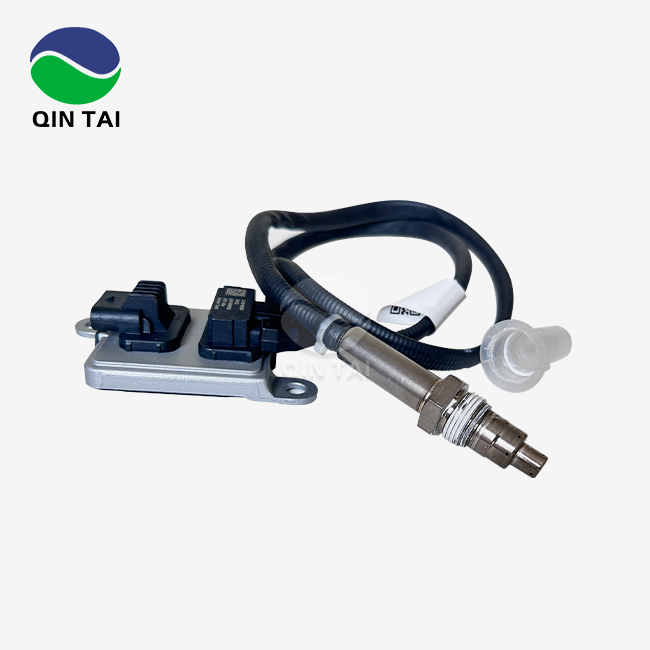
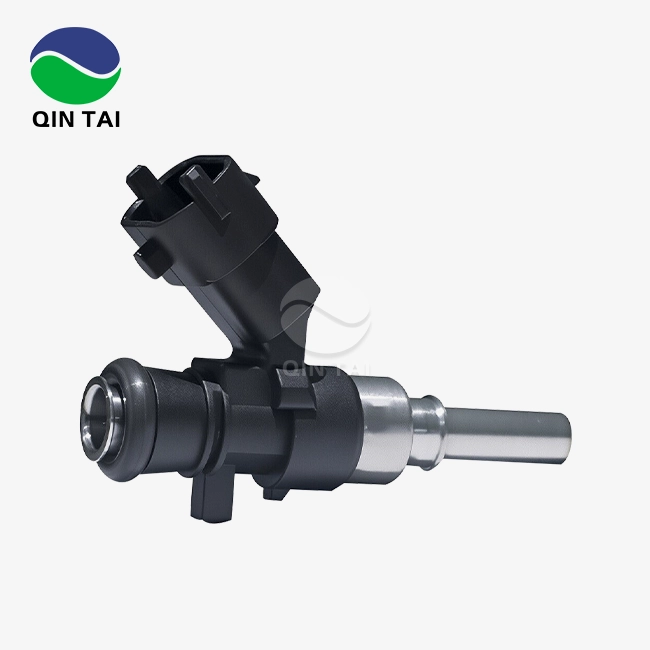

Our customers’ satisfaction speaks for our quality — contact us to experience the same reliable service.