- English
- French
- German
- Portuguese
- Spanish
- Russian
- Japanese
- Korean
- Arabic
- Greek
- German
- Turkish
- Italian
- Danish
- Romanian
- Indonesian
- Czech
- Afrikaans
- Swedish
- Polish
- Basque
- Catalan
- Esperanto
- Hindi
- Lao
- Albanian
- Amharic
- Armenian
- Azerbaijani
- Belarusian
- Bengali
- Bosnian
- Bulgarian
- Cebuano
- Chichewa
- Corsican
- Croatian
- Dutch
- Estonian
- Filipino
- Finnish
- Frisian
- Galician
- Georgian
- Gujarati
- Haitian
- Hausa
- Hawaiian
- Hebrew
- Hmong
- Hungarian
- Icelandic
- Igbo
- Javanese
- Kannada
- Kazakh
- Khmer
- Kurdish
- Kyrgyz
- Latin
- Latvian
- Lithuanian
- Luxembou..
- Macedonian
- Malagasy
- Malay
- Malayalam
- Maltese
- Maori
- Marathi
- Mongolian
- Burmese
- Nepali
- Norwegian
- Pashto
- Persian
- Punjabi
- Serbian
- Sesotho
- Sinhala
- Slovak
- Slovenian
- Somali
- Samoan
- Scots Gaelic
- Shona
- Sindhi
- Sundanese
- Swahili
- Tajik
- Tamil
- Telugu
- Thai
- Ukrainian
- Urdu
- Uzbek
- Vietnamese
- Welsh
- Xhosa
- Yiddish
- Yoruba
- Zulu
Urea Dosing in SCR Systems: Why It Matters
Urea dosing in SCR systems represents a critical advancement in diesel engine emission control technology. A urea dosing system precisely injects diesel exhaust fluid into the exhaust stream, where it decomposes into ammonia to neutralize harmful nitrogen oxides through selective catalytic reduction. This process enables diesel engines to meet stringent emission standards while maintaining fuel efficiency and performance. The technology has become indispensable for compliance with Euro VI and EPA regulations, making it essential for manufacturers across heavy-duty trucking, construction, agriculture, and power generation industries to understand its significance for operational success.
Introducing Urea Dosing Systems and Their Role in SCR Technology
In order to achieve the highest possible level of NOx reduction performance, the technique known as Selective Catalytic Reduction is dependent on accurate urea injection. This emission control method is built on the urea dosing system, which is responsible for supplying precisely the appropriate quantity of emissions from diesel engines fluid at the appropriate time when the engine is operating.
Core Components and Functionality
The most recent generation of SCR urea injector systems include a number of complex components that function together in harmony. The dosage control unit is responsible for managing the timing and amount of injections depending on the characteristics of the engine in real time. Pumps that operate at high pressure guarantee that fluid is delivered in a consistent manner regardless of the operating circumstances. The urea solution is atomized by precision injectors, which allows for the highest possible mixing efficiency with gases from the exhaust.
The functioning of the system is continually monitored by temperature and pressure sensors, which enables adaptive control schemes that maximize the rates of NOx conversion. Multiple input signals are processed by an electronic control module in order to determine the best dosage rates. This calculation takes into consideration the load on the engine, the temperature of the exhaust, and the surrounding environment.
Applications Across Industries
Heavy-duty trucking applications demand robust SCR systems capable of sustained high-performance operation. Construction and agricultural machinery require systems that function reliably in harsh environmental conditions with significant temperature variations. Generator sets need dosing systems that maintain consistent performance during extended stationary operation periods.
Marine applications present unique challenges requiring corrosion-resistant components and enhanced durability specifications. Each application category demands tailored calibration strategies to achieve optimal emission reduction while preserving engine longevity and fuel economy.
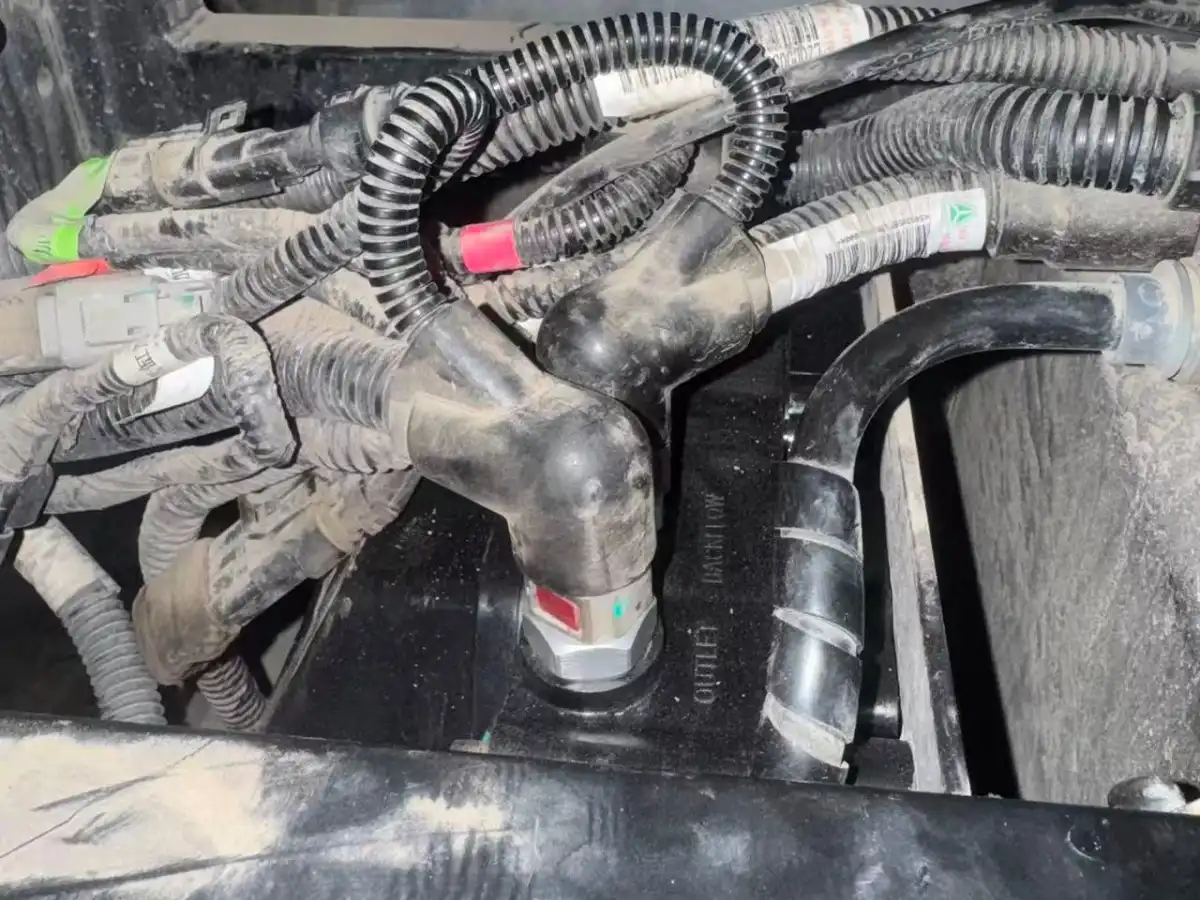
Key Aspects of Urea Dosing System Operation and Maintenance
Successful SCR system operation, particularly of the urea dosing system, depends on understanding proper maintenance protocols and operational best practices. Regular system monitoring prevents costly failures while ensuring consistent emission compliance throughout equipment lifecycle.
Calibration and Integration Requirements
To ensure that the system is properly calibrated, it is necessary to precisely map the injection rates to the operating parameters of the engine. The dosage volumes are adjusted by sophisticated control algorithms depending on the temperatures of the exhaust gas, the flow rates, and the input from the NOx sensor. Integration with engines management systems allows coordinated operation, which maximizes both the reduction of emissions and the usage of fuel.
Diagnostic capabilities built into modern systems provide real-time performance monitoring and fault detection. These features allow operators to identify potential issues before they impact system performance or regulatory compliance.
Maintenance Best Practices
Visual inspections of injection points, fluid lines, plus electrical connections have to be included in the routine inspection schedules. Crystallization accumulation, which may impede spray patterns and lower mixing efficiency, can be prevented by cleaning operations for dosing injectors with the use of cleaning methods. The maintenance of sensors entails performing periodic calibrate verification and replacement in accordance with the standards provided by the manufacturer.
Diesel exhaust fluid of superior quality helps to avoid a wide variety of frequent system issues. Injector clogging, motor wear, and sensing fouling are all potential outcomes of fluid that has been contaminated or deteriorated. It is possible to considerably prolong the life of a system by implementing storage methods that preserve fluid from extremes of temperature and contamination.
Comparing Urea Dosing Systems: Making the Right Procurement Choice
Procurement decisions require careful evaluation of different system architectures and supplier capabilities. Understanding the distinctions between available technologies enables informed selection that aligns with specific operational requirements.
Electric versus Mechanical Systems
Electric dosing systems offer superior precision control and easier integration with modern engine management platforms. These systems provide rapid response to changing operating conditions and support advanced diagnostic capabilities. Maintenance requirements are generally lower due to fewer moving parts and reduced wear components.
Mechanical systems, such as the urea dosing system, excel in applications requiring maximum reliability under extreme operating conditions. These designs typically offer greater durability in high-vibration environments and maintain functionality across wider temperature ranges. However, they may provide less precise dosing control compared to electronic alternatives.
Supplier Evaluation Criteria
Leading manufacturers like Bosch, Denso, and other established suppliers offer comprehensive product portfolios with extensive testing and validation. Evaluation criteria should include component reliability data, warranty coverage, spare parts availability, and technical support capabilities.
It is essential to have a local support infrastructure in order to reduce the amount of downtime that occurs during regular maintenance or repairs. When compared to suppliers that need remote support agreements, those who have regional support departments and specialists who have received training provide considerable operational benefits.
Procurement Considerations for Urea Dosing Systems in Global B2B Markets
Strategic procurement requires balancing multiple factors that impact long-term operational success. Cost considerations must account for total ownership expenses rather than initial purchase prices alone.
Compatibility and Performance Factors
The certification of engine compatibility assures that the system is properly integrated without affecting either its performance or its dependability. There must be a congruence between the emission compliance criteria and the operational efficiency objectives and the dosing accuracy parameters. A sufficient margin for demand spikes situations should be included in the flow rate capabilities, which should be able to handle projected operating ranges.
Environmental operating conditions influence component selection and system configuration. Applications in extreme climates require enhanced temperature tolerance and robust construction. Vibration resistance becomes critical for mobile equipment operating in demanding conditions.
Cost-Benefit Analysis
Bulk purchasing arrangements often provide significant cost advantages while ensuring consistent component quality across fleet installations. Customization services enable optimization for specific applications but may impact standardization benefits. Lifecycle cost analysis should include maintenance requirements, spare parts costs, and expected service intervals.
Partnership arrangements with suppliers offering installation support and training reduce implementation risks and accelerate deployment timelines for the urea dosing system. Technical support capabilities become particularly important during initial system commissioning and troubleshooting phases.
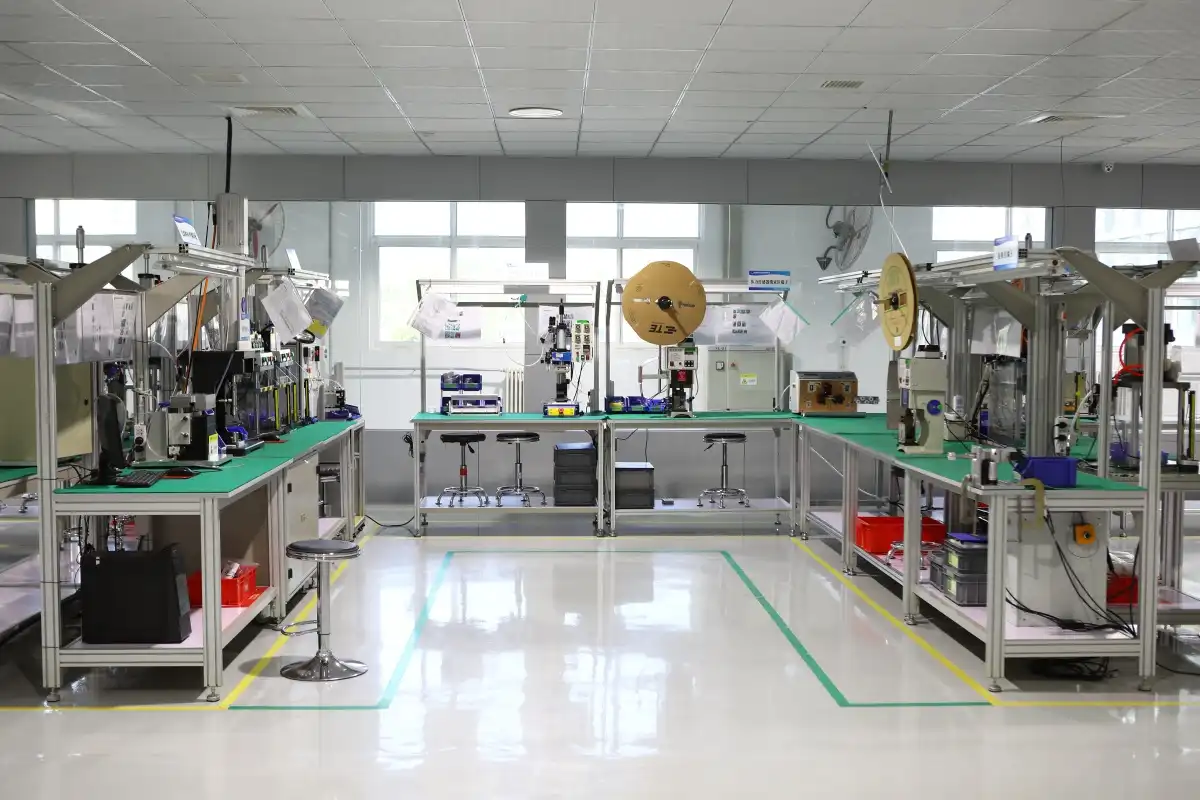
Qintai's Advanced SCR Emission Control Solutions
With more than twenty years of experience in the field of SCR subsequent treatment technologies and precision sensors, Xi'an Qintai Automotive Pollution Technology Co. Ltd. brings a wealth of specialized knowledge to the table. We provide a comprehensive portfolio that caters to the whole spectrum of diesel emissions control needs for original equipment manufacturers and aftermarket clients all over the world.
Innovation and Quality Leadership
In the field of emission control technology, our independently conducted research and development skills are the driving force behind continual innovation. We are able to maintain quality standards that are recognized as the best in the market because to our 58 innovation patents and certifications, which include ISO9001, IATF16949, and other regional and international safety requirements. Our dedication to quality and the happiness of our customers is reflected in the fact that we are the leading original equipment manufacturer (OEM) supplier in China.
Our manufacturing capabilities support both standard products and fully customized solutions tailored to specific application requirements. This flexibility enables us to serve diverse market segments while maintaining the quality consistency demanded by leading global brands.
Comprehensive Service Support
Technical support services include system design consultation, installation guidance, and ongoing maintenance support. Our global distribution network ensures prompt spare parts availability and responsive customer service across more than 60 countries and regions. In order to assist clients optimize system performance and efficiency, training programs for set up and upkeep professionals are available.
Conclusion
Urea dosing systems represent essential technology for achieving emission compliance while maintaining operational efficiency in modern diesel engines. The selection of appropriate systems requires careful consideration of application requirements, supplier capabilities, and long-term support needs. As emission standards continue evolving globally, partnerships with experienced suppliers become increasingly valuable for ensuring continued compliance and operational success across diverse industrial applications.
FAQ
What are the primary components of a urea dosing system?
A complete urea dosing system includes the dosing control unit, high-pressure pump, precision injectors, temperature and pressure sensors, and electronic control modules. These components work together to deliver precise amounts of diesel exhaust fluid into the exhaust stream for optimal NOx reduction.
How often should urea dosing systems undergo maintenance?
Maintenance intervals typically range from 500 to 1,000 operating hours depending on application conditions and fluid quality. Regular inspections should include injector cleaning, sensor calibration verification, and fluid quality checks to prevent performance degradation.
Can urea dosing systems integrate with existing engine control units?
Modern SCR systems are designed for seamless integration with contemporary engine management platforms through standardized communication protocols. Proper integration enables coordinated operation that optimizes both emission reduction and fuel efficiency.
Partner with Qintai for Superior Urea Dosing System Solutions
Qintai offers proven expertise as a leading urea dosing system manufacturer with comprehensive capabilities spanning design, manufacturing, and support services. Our advanced SCR technologies help global customers achieve emission compliance while optimizing operational performance. Contact our technical team at info@qt-sensor.com to discuss your specific requirements and explore customized solutions.
References
1. Johnson, M.R., "Selective Catalytic Reduction Technology in Heavy-Duty Applications," Journal of Emission Control Engineering, Vol. 45, 2023.
2. Schmidt, H.K., "Urea Dosing Precision and NOx Reduction Efficiency in Modern SCR Systems," International Diesel Technology Review, 2023.
3. Chen, L.W., "Maintenance Strategies for SCR Aftertreatment Systems," Commercial Vehicle Engineering Quarterly, Vol. 28, 2024.
4. Rodriguez, A.M., "Comparative Analysis of Electronic versus Mechanical Dosing Systems," Global Emission Control Technology, 2023.
5. Thompson, R.J., "Cost-Benefit Analysis of SCR System Procurement in Fleet Applications," Industrial Equipment Management, Vol. 67, 2024.
6. Williams, D.S., "Integration Challenges and Solutions for SCR Systems in Marine Applications," Maritime Engine Technology, 2023.
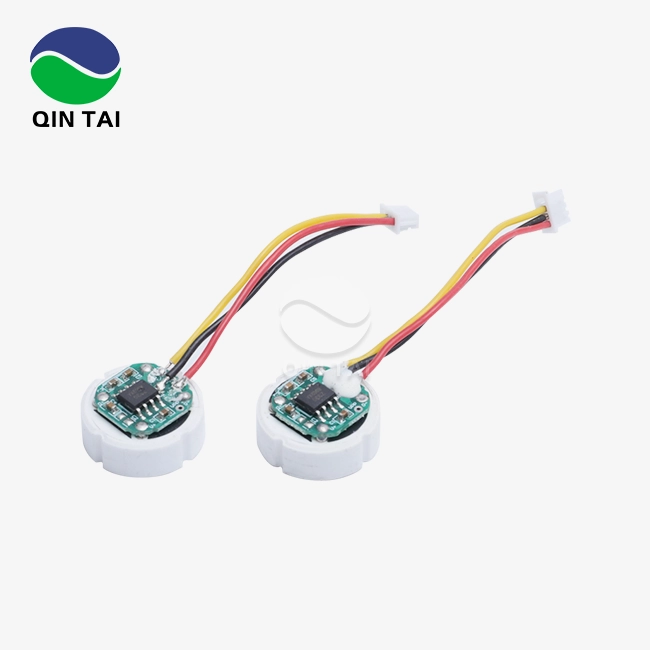
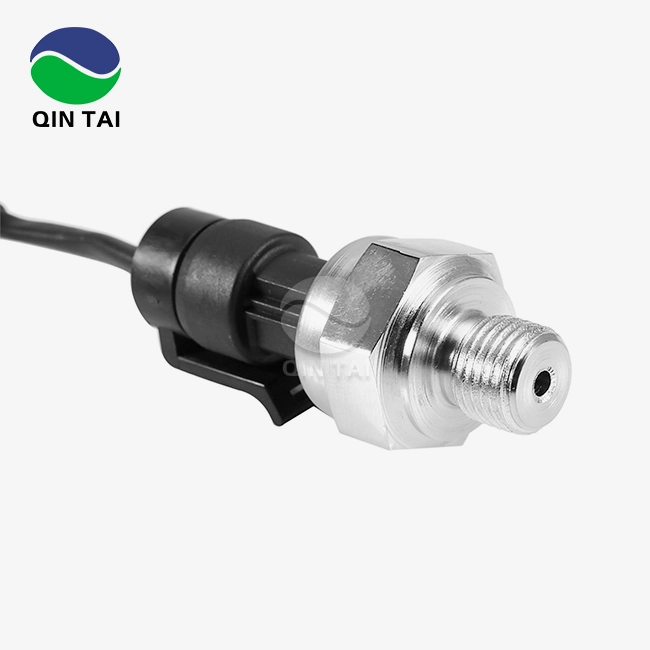

Our customers’ satisfaction speaks for our quality — contact us to experience the same reliable service.