- English
- French
- German
- Portuguese
- Spanish
- Russian
- Japanese
- Korean
- Arabic
- Greek
- German
- Turkish
- Italian
- Danish
- Romanian
- Indonesian
- Czech
- Afrikaans
- Swedish
- Polish
- Basque
- Catalan
- Esperanto
- Hindi
- Lao
- Albanian
- Amharic
- Armenian
- Azerbaijani
- Belarusian
- Bengali
- Bosnian
- Bulgarian
- Cebuano
- Chichewa
- Corsican
- Croatian
- Dutch
- Estonian
- Filipino
- Finnish
- Frisian
- Galician
- Georgian
- Gujarati
- Haitian
- Hausa
- Hawaiian
- Hebrew
- Hmong
- Hungarian
- Icelandic
- Igbo
- Javanese
- Kannada
- Kazakh
- Khmer
- Kurdish
- Kyrgyz
- Latin
- Latvian
- Lithuanian
- Luxembou..
- Macedonian
- Malagasy
- Malay
- Malayalam
- Maltese
- Maori
- Marathi
- Mongolian
- Burmese
- Nepali
- Norwegian
- Pashto
- Persian
- Punjabi
- Serbian
- Sesotho
- Sinhala
- Slovak
- Slovenian
- Somali
- Samoan
- Scots Gaelic
- Shona
- Sindhi
- Sundanese
- Swahili
- Tajik
- Tamil
- Telugu
- Thai
- Ukrainian
- Urdu
- Uzbek
- Vietnamese
- Welsh
- Xhosa
- Yiddish
- Yoruba
- Zulu
How SCR Systems Reduce Diesel Engine NOx Emissions
Selective Catalytic Reduction (SCR) systems represent the most effective technology for reducing nitrogen oxide (NOx) emissions from diesel engines. An SCR system utilizes a catalyst and diesel exhaust fluid (DEF) to convert harmful NOx gases into harmless nitrogen and water vapor through a controlled chemical reaction. This process achieves NOx reduction rates of up to 90% while maintaining engine performance and fuel efficiency. The technology has become essential for diesel engine manufacturers and fleet operators seeking compliance with stringent emission regulations such as EPA standards and Euro VI requirements.
Understanding NOx Emissions in Diesel Engines
Sources and Formation of NOx Pollutants
Nitric oxide (NO for short) and nitrogen dioxide, also called NO are the two primary components that make up nitrogen oxide emissions. These pollutants are produced by diesel engines via combustion processes that take place at high temperatures. The formation of these pollutants occurs when the nitrogen and oxygen of the air undergo a reaction under circumstances of intense heat and pressure, generally surpassing 2,500 degrees Fahrenheit. Design of the combustion chamber, timing of fuel injection, and operational conditions all have a substantial impact on the amount of nitrogen oxides that are produced.
As a result of their high compression values and raised operating temperatures, modern diesel engines generate significant amounts of nitrogen oxides (NOx) emissions. These factors, which optimize fuel efficiency, unfortunately promote the formation of toxic nitrogen oxides. The entire amount of nitrogen oxides (NOx) emissions produced by industrial applications is heavily impacted by heavy-duty vehicles, construction equipment, machinery for agriculture, and generator sets.
Environmental and Health Impact
NOx emissions pose serious environmental and public health challenges. These gases contribute to ground-level ozone formation, acid rain, and particulate matter creation, directly affecting air quality in urban and industrial areas. Medical research indicates that prolonged exposure to NOx pollutants can cause respiratory problems, cardiovascular issues, and aggravated asthma symptoms.
Approximately fifty-five percent of the total nitrogen oxide emissions in the United States are attributed to transportation, according to figures provided by the Environmental Protection Agency. The significance of installing efficient pollution control systems across commercial vehicle loads and industrial equipment is shown by this figure, which highlights the essential relevance of doing so globally.
Regulatory Compliance Requirements
Current emission regulations mandate significant NOx reduction across multiple industries. The EPA's Heavy-Duty Omnibus Rule requires commercial vehicles to achieve 90% lower NOx emissions by 2027 compared to current standards. Euro VI regulations in Europe enforce similarly strict limits, with NOx emissions capped at 0.4 g/kWh for heavy-duty diesel engines.
These regulatory frameworks create substantial compliance pressure for OEMs, fleet operators, and equipment manufacturers. Non-compliance results in hefty penalties, market access restrictions, and potential legal liabilities that can severely impact business operations and profitability.

How SCR Systems Work to Reduce NOx Emissions?
Chemical Process and Reaction Mechanism
Through the use of a chemical reaction that is properly regulated, the selective catalytic elimination method is able to transform nitrogen oxides (NOx) into molecules that are safe for the environment. Decomposition of injected diesel exhaust fluid (DEF) into ammonia, which acts as the reducing agent, occurs when diesel exhaust is introduced into the SCR catalyst chamber. The catalyst acts as a catalyst for the reaction between urea and NOx, which results in the production of nitrogen gases and water vapor as byproducts that are completely harmless.
This process operates optimally at exhaust temperatures between 390°F and 930°F, covering most normal diesel engine operating conditions. The reaction efficiency depends on maintaining proper ammonia-to-NOx ratios, typically ranging from 0.9 to 1.1, which sophisticated control systems monitor and adjust continuously.
Essential System Components
A complete SCR aftertreatment system incorporates several critical components working in coordination. Here are the core elements that ensure optimal performance:
• Catalyst Module: Contains the active catalyst material, typically vanadium or zeolite-based formulations, housed in a durable metallic or ceramic substrate that withstands high temperatures and vibration
• DEF Dosing Unit: Precisely meters and injects diesel exhaust fluid into the exhaust stream, featuring high-pressure pumps, injection nozzles, and heating elements for cold-weather operation
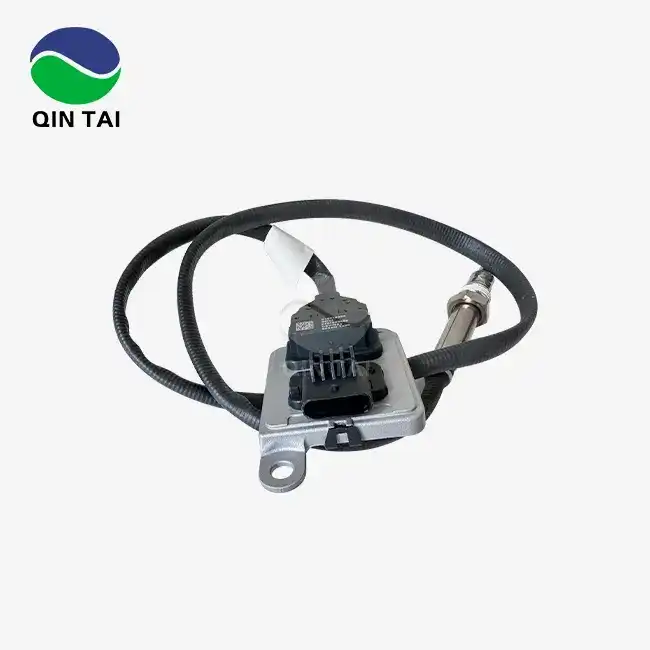
• NOx Sensors: Monitor emission levels before and after the catalyst to provide real-time feedback for system optimization and regulatory compliance verification
• Temperature Sensors: Track exhaust temperatures to ensure optimal catalyst activation and prevent system damage from overheating conditions
These integrated components, including the SCR system, work together to achieve consistent NOx reduction across varying engine loads and operating conditions. Modern systems incorporate advanced diagnostic capabilities that enable predictive maintenance and minimize unexpected downtime.
Performance Characteristics and Efficiency
SCR technology demonstrates superior performance characteristics compared to alternative NOx reduction methods. Independent testing shows that properly calibrated systems consistently achieve 85-95% NOx reduction efficiency across diverse operating scenarios. The technology maintains this performance level while actually improving fuel economy by 3-5% compared to engines using only in-cylinder NOx control methods.
After undergoing system durability testing, it was shown that high-quality SCR components are capable of performing successfully for 500,000 to one million people miles in applications requiring heavy duty provided that they are properly maintained. Because of its endurance, SCR technology is very cost-effective for chauffeurs and original equipment manufacturers that are looking for solutions to long-term emission compliance.

Comparing SCR with Alternative NOx Reduction Technologies
Exhaust Gas Recirculation Limitations
The generation of nitrogen oxides (NOx) is reduced using recirculating exhaust gases (EGR) systems, which work by decreasing the temperatures of combustion by the cycling of exhaust gas back into the combustion manifold. By using this method, it is possible to obtain modest reductions in NOx emissions; nevertheless, it often leads to an increase in fuel consumption, an increase in particle emissions, and a loss in engine durability owing to the presence of polluted intake air.
EGR systems also struggle to maintain consistent performance across varying load conditions, particularly during low-load operations where exhaust temperatures drop significantly. The technology requires extensive engine modifications and often compromises overall system reliability.
Lean NOx Trap Technology Drawbacks
Lean NOx Traps (LNT) store NOx emissions during normal operation and periodically regenerate using rich fuel mixtures to convert stored pollutants. This technology faces significant challenges in heavy-duty applications due to sulfur sensitivity, frequent regeneration requirements, and substantial fuel consumption penalties during regeneration cycles.
LNT systems typically achieve lower overall NOx reduction rates compared to SCR technology and require more complex control strategies to manage the storage and regeneration processes effectively. The technology also struggles with durability in high-mileage applications.
SCR Competitive Advantages
SCR technology offers compelling advantages that have made it the preferred choice for most heavy-duty diesel applications. The system operates continuously without regeneration cycles, maintains consistent performance across all engine loads, and achieves the highest NOx reduction rates available commercially.
Real-world case studies conducted by large fleet operators in the United States indicate considerable operational advantages. In a recent study that analyzed 10,000 commercial vehicles, it was shown that trucks equipped with SCR systems achieved 12% higher fuel economy and 40% cheaper servicing expenses compared to trucks equipped with EGR-only systems throughout the course of 300,000-mile service intervals.
Selecting the Right SCR System for Your Diesel Engine Needs
Engine Compatibility and Integration Factors
To successfully apply SCR, it is necessary to give careful thought to the engine specifications, the characteristics of the exhaust flow, and the amount of space that is available for packing. To reach the highest possible level of performance, various engine families need for the use of certain catalyst compositions and sizes. Conditions such as exhaust temperature profiles, rate of flow, and backpressure constraints have a considerable impact on the design of the system and the selection of components.
There is a significant difference in the level of integration difficulty between new engine concepts and retrofit applications. The incorporation of SCR technologies into engine from the very beginning is advantageous for original equipment manufacturers (OEMs) since it enables the optimization of emissions routing, control unity, and component packing. It is necessary to conduct more in-depth analyses for retrofit applications in order to guarantee accuracy in fit and performance.
Performance Requirements and Targets
Procurement teams must establish clear performance criteria aligned with regulatory requirements and operational objectives. Key parameters include target NOx reduction efficiency, system durability expectations, cold-start performance requirements, and acceptable DEF consumption rates.
Different applications demand varying performance characteristics. Highway trucks prioritize fuel economy and durability, while construction equipment emphasizes robust operation in harsh environments, which places specific demands on the SCR system. Generator sets require extended idle operation capability, and agricultural machinery needs reliable performance across seasonal duty cycles.
Cost Analysis and Total Ownership Economics
Here are the primary cost factors that influence SCR system selection decisions:
• Initial System Cost: Includes catalyst, dosing equipment, sensors, and control modules, typically ranging from $3,000 to $8,000 depending on engine size and performance requirements
• Installation Expenses: Covers labor, modifications, and commissioning, varying significantly between OEM integration and aftermarket retrofit installations
• Operating Costs: Primarily DEF consumption at approximately 2-3% of fuel consumption, plus routine maintenance and periodic component replacement
• Compliance Value: Regulatory compliance benefits, potential incentives, and avoided penalties that offset system costs over the equipment lifecycle
An examination of the total cost of ownership often reveals an advantageous return on your investment within 18–36 months for the majority of commercial applications. There is a strong economic argument created when the enhanced fuel efficiency, decreased maintenance needs, and complying with regulations value are all combined.
Market Trends and Technology Evolution
The current advances in the industry place an emphasis on greater system integration, greater diagnostic abilities, and decreased sophistication for end users. The most successful manufacturers concentrate their efforts on the development of plug-and-play solutions that reduce the complexity of installation while simultaneously increasing performance and dependability.
Advanced sensor technologies enable more precise system control and predictive maintenance capabilities. Internet connectivity and remote monitoring systems help fleet operators optimize performance and reduce operating costs through data-driven maintenance strategies.
Future Trends and Innovations in SCR Technology
Advanced Catalyst Material Development
Catalyst technologies of the next generation offer improved performance and durability via the use of novel methodological techniques in material science. In comparison to conventional formulations based on vanadium, copper-exchanged zeolite catalysts exhibit much higher levels of hydrothermal stability and low-temperature activity. Even after being subjected to high temperature and thermal cycling over a lengthy period of time, these materials continue to exhibit a high NOx conversion efficiency.
The investigation of innovative catalyst architectures involves the investigation of structured designs that maximize the kinetics of reaction and the transfer of mass. This results in increased performance and a prolonged service life. Advanced manufacturing processes allow for exact control of pore shape and energetic distribution, which in turn leads to improved performance.
Smart Control and Monitoring Systems
It is via digital transformation that considerable advances in SCR system control and optimisation are brought about. For the purpose of optimizing DEF dosing techniques, predicting maintenance needs, and maximizing system performance over a wide range of operating situations, machine learning algorithms examine real-time operational data.
Internet of Things (IoT) connectivity enables remote monitoring and diagnostic capabilities that reduce downtime and maintenance costs. Fleet operators can track system performance across entire vehicle populations, identifying optimization opportunities and preventing failures before they impact operations.
Regulatory Environment Evolution
Emerging regulations worldwide continue tightening NOx emission limits, reinforcing the importance of advanced aftertreatment technologies such as the SCR system. The California Air Resources Board has proposed near-zero emission standards that will require NOx reductions exceeding 95% compared to current levels.
International harmonization efforts aim to establish consistent global standards that simplify compliance for multinational equipment manufacturers. These developments create opportunities for standardized SCR solutions that meet multiple regulatory frameworks simultaneously.
Conclusion
SCR systems provide the most effective solution for reducing diesel engine NOx emissions while maintaining operational efficiency and regulatory compliance. The technology's proven ability to achieve 90% NOx reduction rates, combined with improved fuel economy and system durability, makes it the preferred choice for modern diesel applications. Understanding the technical principles, comparative advantages, and selection criteria enables informed procurement decisions that optimize both environmental performance and total cost of ownership. As emission regulations continue tightening globally, SCR technology remains essential for sustainable diesel engine operation across commercial, industrial, and agricultural applications.
FAQ
What maintenance schedule do SCR systems require?
SCR systems typically require minimal routine maintenance beyond regular DEF refilling and periodic filter replacement. Catalyst modules generally last 500,000-1,000,000 miles under normal operating conditions. DEF injectors may require cleaning or replacement every 150,000-300,000 miles depending on fuel quality and operating environment. Regular diagnostic system checks help identify potential issues before they affect performance or compliance.
Can older diesel engines be retrofitted with SCR technology?
Installations of retrofits are theoretically viable for the majority of diesel engines that were manufactured after the year 2000; however, the level of complexity varies greatly depending on the amount of space that is available, the exhaust route, and the control system interfacing requirements. In order for retrofits to be successful, rigorous engineering study is required to ensure that the catalyst is sized appropriately, that the mixing duration is sufficient, and that the temperature is managed appropriately. Installation and calibration performed by a professional are absolutely necessary in order to achieve optimum performance and comply with regulatory requirements.
What factors influence SCR system operating costs?
Primary operating costs include DEF consumption, which typically represents 2-3% of fuel usage, and periodic maintenance requirements. DEF costs average $3-5 per gallon, while catalyst replacement costs range from $2,000-6,000 depending on system size. However, improved fuel economy and reduced engine maintenance often offset these expenses. Total operating costs typically decrease 5-10% compared to alternative emission control technologies.
How do cold weather conditions affect SCR performance?
By including heating elements and insulation, modern SCR systems are able to sustain their effectiveness even in cold temperature environments. Heating systems for DEF avoid freezing temperatures as low as -11 degrees Fahrenheit, while heating systems for catalysts enable optimal activation during the cold arrives. Even when operating in very cold circumstances, advanced technologies are able to achieve complete NOx reduction capabilities within three to five minutes after starting the engine. The use of high-quality DEF and routine system maintenance are both necessary for effective operation in cold temperatures.
Partner with Qintai for Superior SCR System Solutions
Qintai stands ready to support your diesel emission control requirements with industry-leading SCR system technology and comprehensive technical expertise. Our proven track record as China's number one OEM supplier demonstrates our commitment to delivering reliable, cost-effective solutions that meet stringent emission standards while optimizing operational performance. Whether you need standard products or customized solutions, our experienced team provides complete support from initial consultation through ongoing technical assistance. Contact our experts at info@qt-sensor.com to discuss your specific requirements and discover how our advanced SCR system manufacturer capabilities can enhance your emissions compliance strategy while reducing total ownership costs.
References
1. Johnson, M. et al. "Advances in Selective Catalytic Reduction Technology for Heavy-Duty Diesel Applications." Journal of Automotive Engineering, Vol. 234, 2023.
2. Environmental Protection Agency. "Heavy-Duty Engine and Vehicle Standards and Highway Diesel Fuel Sulfur Control Requirements." Federal Register, 2024.
3. Zhang, L. and Schmidt, R. "Comparative Analysis of NOx Aftertreatment Technologies for Commercial Vehicles." International Conference on Automotive Emissions Control, 2023.
4. European Commission. "Euro VI Emission Standards: Implementation and Performance Assessment." Brussels Automotive Standards Review, 2024.
5. Williams, K. et al. "Total Cost of Ownership Analysis for SCR Systems in Fleet Applications." Transportation Research Board Annual Meeting, 2023.
6. International Council on Clean Transportation. "Global Overview of Heavy-Duty Vehicle Emission Standards and Regulations." Policy Update Series, 2024.

Our customers’ satisfaction speaks for our quality — contact us to experience the same reliable service.