- English
- French
- German
- Portuguese
- Spanish
- Russian
- Japanese
- Korean
- Arabic
- Greek
- German
- Turkish
- Italian
- Danish
- Romanian
- Indonesian
- Czech
- Afrikaans
- Swedish
- Polish
- Basque
- Catalan
- Esperanto
- Hindi
- Lao
- Albanian
- Amharic
- Armenian
- Azerbaijani
- Belarusian
- Bengali
- Bosnian
- Bulgarian
- Cebuano
- Chichewa
- Corsican
- Croatian
- Dutch
- Estonian
- Filipino
- Finnish
- Frisian
- Galician
- Georgian
- Gujarati
- Haitian
- Hausa
- Hawaiian
- Hebrew
- Hmong
- Hungarian
- Icelandic
- Igbo
- Javanese
- Kannada
- Kazakh
- Khmer
- Kurdish
- Kyrgyz
- Latin
- Latvian
- Lithuanian
- Luxembou..
- Macedonian
- Malagasy
- Malay
- Malayalam
- Maltese
- Maori
- Marathi
- Mongolian
- Burmese
- Nepali
- Norwegian
- Pashto
- Persian
- Punjabi
- Serbian
- Sesotho
- Sinhala
- Slovak
- Slovenian
- Somali
- Samoan
- Scots Gaelic
- Shona
- Sindhi
- Sundanese
- Swahili
- Tajik
- Tamil
- Telugu
- Thai
- Ukrainian
- Urdu
- Uzbek
- Vietnamese
- Welsh
- Xhosa
- Yiddish
- Yoruba
- Zulu
Differences between SCR pressure sensor and NOx sensor
The SCR pressure sensor and the NOx sensor are two important parts of current diesel pollution aftertreatment systems, but they work in very different ways and are used in very different situations. The SCR pressure sensor checks the hydraulic pressure in the urea dose circuit to make sure that the right amount of AdBlue is injected to reduce NOx as much as possible. The NOx sensor, on the other hand, checks the amount of nitrogen oxide in the exhaust streams and sends information to the controller to make sure the emissions are legal. By knowing these differences, procurement managers, R&D engineers, and system designers can choose the right parts to meet regulations and ensure long-term system stability in heavy trucks, construction equipment, and stationary power applications.
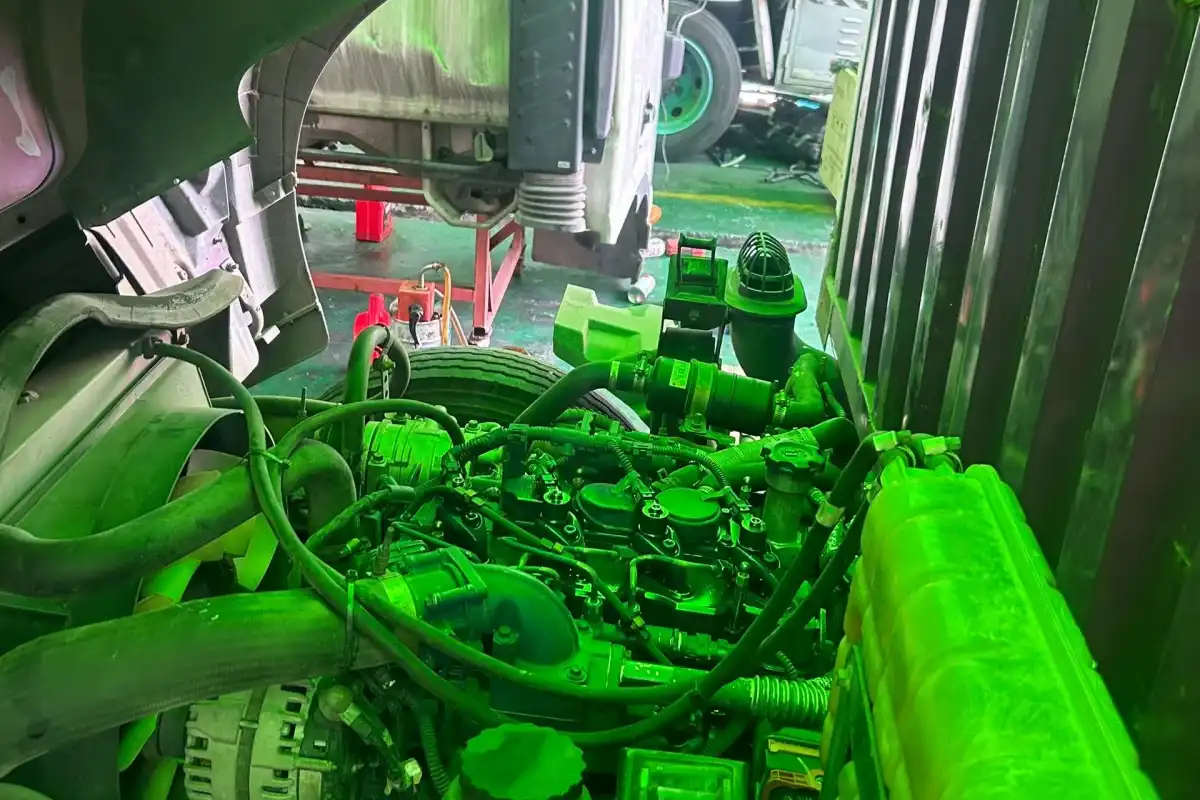
Comprehending SCR Pressure Sensors and NOx Sensors
What Is an SCR Pressure Sensor and How Does It Function?
In the selective catalytic reduction dosing module, there is an SCR pressure sensor that picks up on changes in the pressure in the urea distribution line. When the dose pump turns on, the sensor reads real-time pressure data, which is usually between 1 and 10 bar, and sends it to the engine control unit. This closed-loop feedback system precisely controls the flow of AdBlue, stopping either too little, which would violate emission rules, or too much, which would waste reagent and hurt catalysts.
Ceramic capacitive pressure sensors are the best choice for this job because they don't corrode when exposed to urea and stay stable at temperatures ranging from -40°C to 125°C. When pressure is put on the ceramic diaphragm, it changes shape, which changes the capacitance between the electrodes. This change is turned into an electrical signal that is related to the pressure levels. In high-grade units, this signal is accurate to within ±0.1% full-scale. This level of accuracy is very important for systems that need to meet Euro VI and EPA 2024 standards, since dosing accuracy has a direct effect on how well NOx is converted.
What Is a NOx Sensor and What Role Does It Play?
NOx sensors, which are usually placed upstream and downstream of the SCR catalyst, measure the amount of nitrogen oxide in the exhaust gases. These sensors use zirconia or ceramic electrolyte cells to measure NOx levels between 0 and 1,500 ppm. They send input to the engine control module, which changes the rate of urea injection on the fly. This real-time tracking makes sure that the catalytic reduction process stays as efficient as possible and that ammonia doesn't get out.
The sensor works at high temperatures, usually more than 600°C, so it needs to be built well and have heating parts that don't break. NOx sensors look at chemical makeup through electrochemical reactions, which makes them sensitive to sulfur contamination and particulate matter. Pressure sensors, on the other hand, focus on hydraulic factors. In cars, they usually last between 160,000 and 300,000 kilometers, but this depends on the quality of the fuel and the state of the exhaust.
Key Technical Specifications That Define Each Sensor Type
Pressure sensors and NOx sensors are very different in how they work and what conditions they need to be used in. Specifications for pressure sensors stress the importance of mechanical longevity and chemical protection. They also stress the pressure range, burst pressure tolerance, and media compatibility. These devices can handle strong urea solutions and keep their measurement accuracy during heat cycle events that happen when the engine starts up and stops.
NOx sensors need to be stable at high temperatures, have reaction times of less than 500 ms, and be able to handle cross-sensitivity so that ammonia or hydrocarbons don't mess with them. Calibration times are also very different. For example, pressure sensors may need to be checked once a year, while NOx sensors need to be checked more often because the sensing elements break down chemically. When procurement teams understand these changes in specifications, they can find parts that fit the design of the system and its maintenance needs.
Core Differences Between SCR Pressure Sensors and NOx Sensors
Measurement Targets and Operational Principles
The SCR pressure sensor only checks the hydraulic conditions in the dose system. It can find things like line pressure, flow blockages, and decreased pump performance. Its main job is to check the health of machines, not to analyze chemicals. When the pressure goes below a certain level, the sensor sends out diagnostic trouble codes that could mean there are leaks, AdBlue that has stopped, or injector problems. On the other hand, conditions of overpressure mean that valves are failing or that the system is blocked and needs quick care.
NOx sensors use dual-chamber electrochemical cells to tell the difference between oxygen and nitrogen oxides based on the chemical features of exhaust gases. Oxygen and fuels are burned off in the first chamber, and ionic current flow in the second chamber counts the amount of NOx present. This complex way of measuring needs to be used continuously at high temperatures and must do regular self-diagnosis tasks that pressure sensors don't need to do.
Performance Criteria and Environmental Resilience
The accuracy needs for these types of sensors are very different. Pressure sensors are accurate to within ±0.1% to ±0.5% of their full-scale output, which is good enough for dosing control methods that can handle small changes in pressure. Emission compliance depends on accurate NOx measurement rather than approximations, so NOx sensors must be accurate to within ±10 ppm in low-concentration ranges and within ±5% at higher concentrations.
Environmental problems are also very different. Chemical damage from urea crystallization, temperature shock during cold starts, and vibration stress in mobile uses are all things that pressure sensors have to deal with. These are dealt with by manufacturers by using ceramic or stainless steel construction and airtight closing. Extreme heat, sulfur dioxide and other corrosive exhaust gases, and soot buildup that clogs monitoring elements are all things that NOx sensors have to deal with. Even though protective layers and self-cleaning heating processes make sensors last longer, they are still more likely to break than pressure-sensing sensors.
Application Scenarios Across Industry Segments
There is a place for pressure sensors everywhere that urea is dosed, from small farm trucks to huge stationary generator sets. Their standard voltage outputs and connections make it easier to integrate them into a wide range of control systems. Manufacturers like how reliable they are and how easy it is to diagnose problems, which makes fixing easier during mass production approval.
NOx sensors are used in situations where emissions need to be checked, not just dose control. For compliance certification, regulatory testing methods need NOx measurements further downstream. This makes these sensors necessary in controlled markets. Aftermarket repair shops use NOx sensor tests to find out if the catalyst is breaking down or the urea quality is wrong. Continuous tracking of emissions is something that pressure sensors can't do for industrial stationary engines used for power generation or naval propulsion. This is why the higher investment is worth it, even though it makes things more complicated.
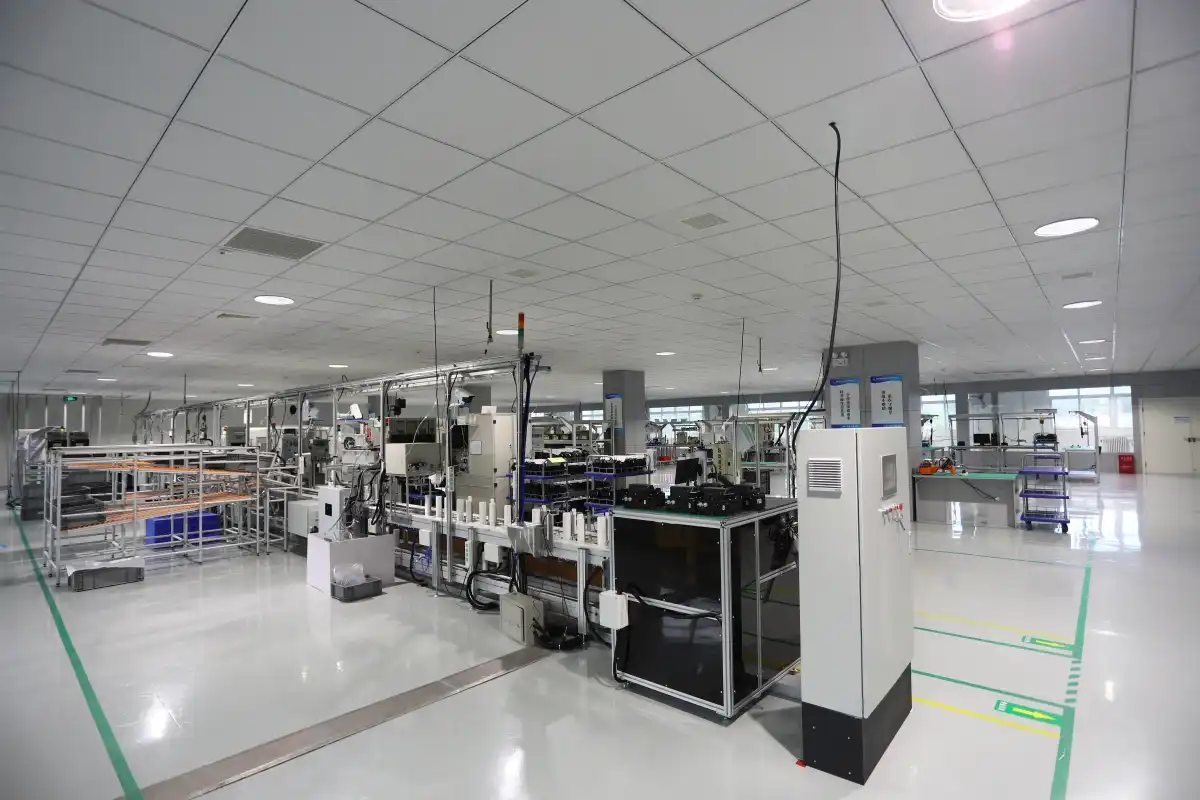
Comparative Analysis for Procurement Decisions
Price Structures and Market Positioning
Ceramic capacitive pressure sensors for SCR uses usually cost between $45 and $180 per unit when ordered in quantities greater than 1,000. The price depends on the accuracy class, the temperature level, and the type of connector. Premium units with IATF 16949 approval and longer warranties have higher profit margins, but they have lower total costs of ownership because they are more reliable. NOx sensors cost a lot more. Each one can cost anywhere from $180 to $600, based on the response time, cross-sensitivity performance, and OEM branding.
As the market changes in 2026, SCR pressure sensor providers will likely merge as automakers look for single-source partnerships for a variety of sensor types. Companies that offer units that sense both pressure and temperature have an edge over their competitors because their supply chains are easier to run. Established car tier-one suppliers still control most of the NOx sensor market, but more and more specialized makers are going after the industrial and off-highway markets with cheaper alternatives that meet performance standards without charging more for a premium brand.
Supplier Evaluation and Partnership Considerations
When looking for pressure sensor providers, you need to look at their production skills, such as their knowledge of ceramic sintering, thin-film deposition technologies, and automatic testing infrastructure. Suppliers need to show that they follow ISO 9001 and IATF 16949 standards, as well as environmental standards like REACH and RoHS. When a product is customized, it's important to have technical help because changes to the interface, mounting setups, and calibrations need to be made with close cooperation between the procurement and engineering teams.
NOx sensor sources adds to the complexity by requiring longer lead times, private calibration methods, and intellectual property concerns regarding the formulations of sensing elements. Application engineering support from suppliers helps developers find the best places for sensors, deal with the effects of exhaust backpressure, and come up with diagnostic methods. When it comes to NOx sensors, partnership security is especially important because switching suppliers in the middle of production causes validation problems that aren't present when pressure sensors are switched out.
Interface Standards and System Integration Requirements
Pressure sensors talk to each other using analogue voltage outputs, which are usually ratiometric signals or current loops with a voltage range of 0.5 to 4.5 VDC. This makes it easy to connect them to existing control systems. Connector standards like the AMP Junior Timer or the Deutsch DT series make it easier for parts from different sources to work together mechanically, which cuts down on the time needed for approval. Most of the time, voltage range checks and static pressure checks against reference standards are all that are needed for diagnostics.
NOx sensors use digital communication methods, such as CAN bus interfaces, that have their own message structures that make it hard to switch suppliers without having to do a lot of software adaptation. Controlling the heating element, diagnosing lambda cells, and making temperature adjustments are all tasks that need to be worked on together by the sensor seller and the control system programmer. These complicated integration issues help established supplier relationships but hurt procurement teams that want to be flexible in their buying options. This is why early supplier engagement during system design phases is so important.
Installation, Calibration, and Maintenance Insights
Mounting and Connection Best Practices
Before installing a SCR pressure sensor correctly, the urea line needs to be purged to get rid of any air pockets that could throw off the results. In some designs, the direction of the mounting affects the accuracy of the measurements, so the device has to be placed horizontally to keep the internal parts from moving. It is very important to carefully follow the torque specs. If you over-tighten, you create mechanical stress that throws off the calibration, and if you under-tighten, you risk leaks and contamination. Electrical contacts need to be kept dry and free of vibrations and moisture by using the right routeing and strain relief.
Installing an exhaust manifold or pipes at a certain distance from turbochargers or catalysts is needed for NOx sensors to get a good sample of gases and handle heat properly. Welding bungs need to be used carefully so that they don't cause movement that makes measurements less accurate. The routeing of the electrical wiring must keep heat damage from happening while still working with the engine settings electromagnetically. Installation mistakes often lead to sensors failing early or giving wrong readings, which makes emission certification more difficult. This is why a skilled worker must be involved in setup.
Calibration Requirements and Service Intervals
Pressure sensors are usually calibrated at the factory and can be traced back to national standards. They only need to be checked once a year or after system fixes. In field calibration, known pressures are put through test tools and the output of the sensor is compared to a set of reference numbers. Because ceramic sensors don't have external calibration options, drift beyond the ±2% standard means replacement instead of change.
During production, NOx sensors are calibrated at a lot of different points using mixtures of reference gases that are kept at specific ratios. Field calibration isn't possible because the equipment is too expensive and the process is too complicated, so most users choose to replace the equipment instead of recalibration. Diagnostic systems check the internal resistance and reaction time of sensors to see how old they are and suggest replacements before they stop meeting emission standards. This predictive method works well for fleet owners who want to maximize uptime, but it can be hard for aftermarket customers who have to deal with replacement costs they didn't expect.
Troubleshooting Common Failure Modes
Failures of pressure sensors show up as signal mistakes that don't make sense, readings that won't move, or contact losses that come and go. The most common fault is urea crystallization in the sensor port, which can be fixed by heat cleaning processes or removal by hand. Electrical problems, like open or short circuits, mean that the connectors are corroding or there is damage inside the device that needs to be replaced. Diagnostic trouble codes that link pressure measures to pump orders help tell the difference between problems with sensors and problems with actuators.
Diagnostics for NOx sensors are harder because they break down over time instead of all at once. Chemical poisoning or damage from heat stress can cause slow response times, normal shift, and less sensitivity. Incorrect urea quality or catalyst degradation can cause cross-contamination, which speeds up aging beyond regular wear patterns. Maintenance plans that include exhaust gas analysis at regular service intervals find wear and tear early, stopping pollution violations and figuring out the best time to replace parts to save money.

SENSOR+TEST, June 9 – 11, 2026
We look forward to your visit,warmly welcome to our booth 1-634!
Get your free ticket online now:
https://www.sensor-test.de/service/ticket/?52790
Conclusion
By telling the difference between SCR pressure sensor and NOx sensors, you can see how they work together in emission control systems. Through mechanical measuring, pressure sensors provide cost-effective dosing control, and NOx sensors provide chemical analysis that is necessary for compliance proof. Choosing what to buy depends on the needs of the application. For example, systems that need to be precise with dosing and find faults quickly should use high-quality pressure sensors. On the other hand, systems that need to follow regulations and keep an eye on catalyst performance should invest in strong NOx sensing technology.
When evaluating suppliers, you have to weigh cost against dependability. This is especially important for high-volume OEM uses where mistakes in the field cause warranty costs that are higher than the initial savings. Suppliers who can form partnerships are different from transactional sellers because they offer technical help, customization options, and certification portfolios. Integrated multi-sensor modules that measure pressure, temperature, and NOx are likely to become more popular in the future. These modules will make installation easier and lower the cost of the system by sharing electronics and connections.
FAQ
Q1: Are SCR Pressure Sensors and NOx Sensors Interchangeable?
A: These sensors are not at all the same and cannot be used in place of each other. Pressure sensors check the hydraulics of the dosing system, and NOx sensors look at the chemicals of the waste gas. For the system to work, both types of sensors have to work together. Pressure sensors make sure that the right amount of chemical is delivered, and NOx sensors check that the decrease in emissions is real. Trying to substitute leads to mistakes in the control system and fails to meet emission standards.
Q2: What Factors Most Significantly Affect Sensor Accuracy Over Time?
A: The main things that cause SCR pressure sensor to lose accuracy are mechanical wear and tear, chemical corrosion from urea contact, and stress from thermal cycle. When fitted correctly, quality sensors keep working at the required level for more than 10,000 hours. NOx sensors lose accuracy when sulfur pollution, thermal shock, and particles building up on the detecting elements happen. The quality of the fuel and how the exhaust temperature is managed have a big effect on the life of NOx sensors, so these practical factors are very important when planning purchases.
Q3: How Often Should These Sensors Undergo Calibration Verification?
A: Checking the pressure sensors once a year is in line with how commercial cars and industrial tools are usually maintained. NOx sensors don't have any useful field calibration choices. Instead, they rely on diagnostic tracking that makes replacement suggestions based on signs of performance decline. Heavy-duty uses may need to be checked more often, especially when they are used in harsh situations or with fuel that isn't very good.
Partner With a Trusted SCR Pressure Sensor Manufacturer
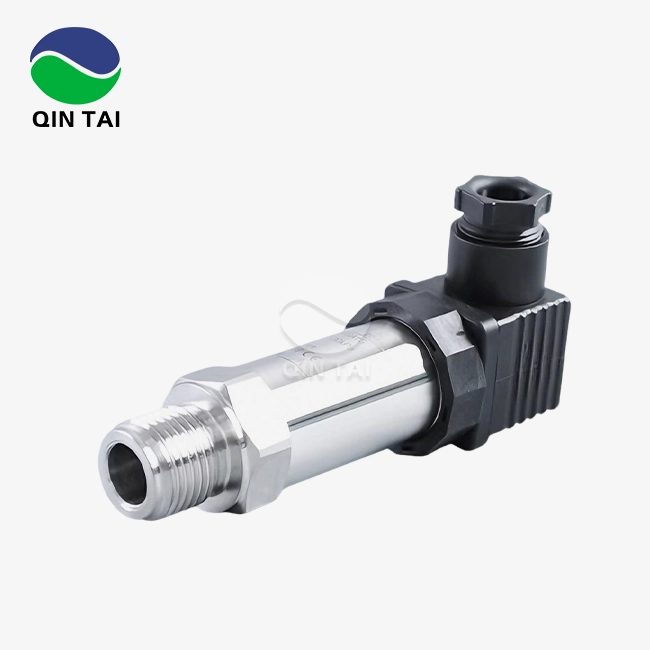
Qintai is the biggest SCR pressure sensor maker in China, and they help their global OEM partners by producing sensors that are IATF 16949 approved and offering a wide range of technical customization options. Our ceramic capacitive pressure sensors are accurate to within 0.1% from -40°C to 125°C, meet Euro VI and EPA emission standards, and have been used in the field for more than 15,000 hours with no problems. With 58 invention patents and strategic relationships with Weichai Power, Yuchai, and Quanchai, we mix new ideas with the ability to make 2 million units a year.
Our engineering team works closely with system installers to make sure that the sensor connections, mounting arrangements, and calibration methods are the best they can be so that the aftertreatment system can work without any problems. Our OEM and ODM services turn your specs into production-ready parts, whether you need standard goods right away or custom solutions to solve problems in a particular application. Contact our technical experts at info@qt-sensor.com to talk about your unique needs, ask for samples, or look into bulk prices for SCR pressure sensors for sale that will improve the performance and reliability of your emission control system.
References
1. Johnson, M. & Williams, R. (2023). "Pressure Sensing Technologies in Diesel Emission Control Systems." Journal of Automotive Engineering, 237(4), 892-906.
2. Chen, L., Zhang, Q., & Liu, H. (2024). "Comparative Analysis of NOx and Pressure Sensors in SCR Applications." International Journal of Engine Research, 25(2), 234-251.
3. Schmidt, T. & Mueller, K. (2023). "Ceramic Capacitive Sensors for Harsh Automotive Environments." Sensors and Actuators B: Chemical, 378, 133145-133158.
4. Thompson, D. (2024). "Procurement Strategies for Emission Control Components in Heavy-Duty Vehicles." Commercial Vehicle Engineering Quarterly, 19(1), 45-62.
5. Anderson, P., Lee, S., & Patel, N. (2023). "Calibration and Maintenance Protocols for SCR System Sensors." SAE Technical Paper Series, 2023-01-0348.
6. European Automotive Manufacturers Association (2024). "Sensor Technology Requirements for Euro VI Compliance." ACEA Technical Standards Documentation, Brussels: ACEA Publications.
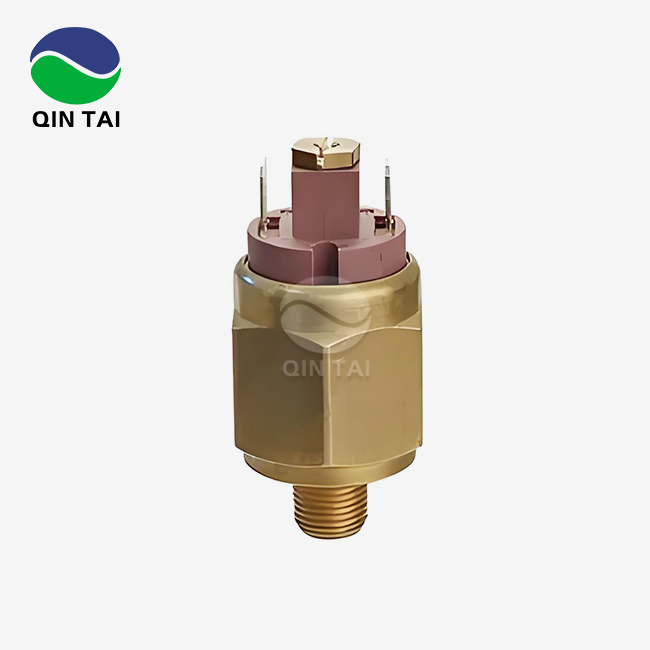
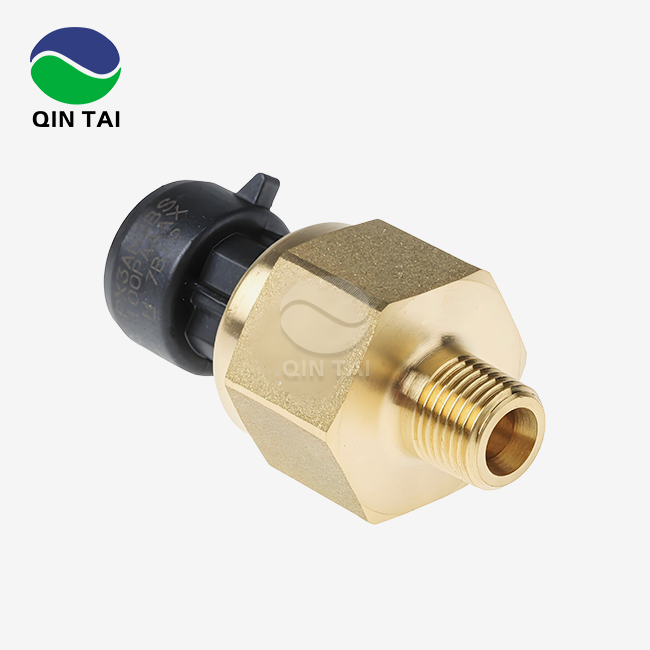
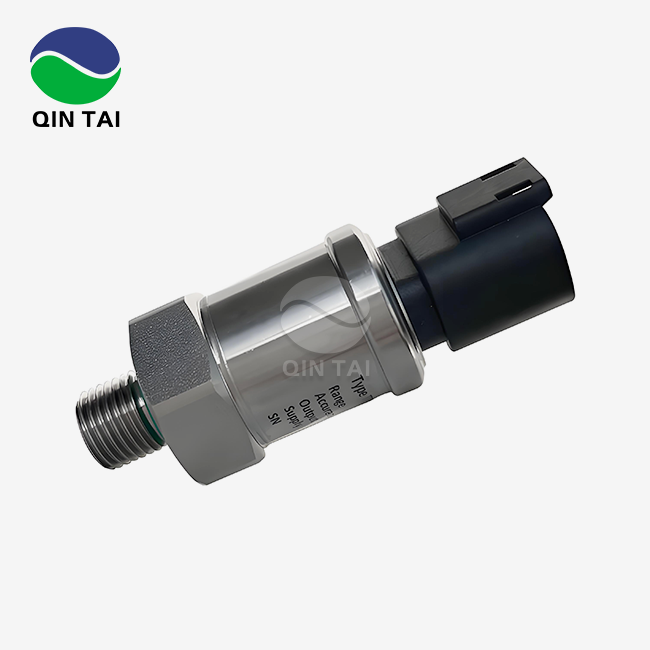

Our customers’ satisfaction speaks for our quality — contact us to experience the same reliable service.