- English
- French
- German
- Portuguese
- Spanish
- Russian
- Japanese
- Korean
- Arabic
- Greek
- German
- Turkish
- Italian
- Danish
- Romanian
- Indonesian
- Czech
- Afrikaans
- Swedish
- Polish
- Basque
- Catalan
- Esperanto
- Hindi
- Lao
- Albanian
- Amharic
- Armenian
- Azerbaijani
- Belarusian
- Bengali
- Bosnian
- Bulgarian
- Cebuano
- Chichewa
- Corsican
- Croatian
- Dutch
- Estonian
- Filipino
- Finnish
- Frisian
- Galician
- Georgian
- Gujarati
- Haitian
- Hausa
- Hawaiian
- Hebrew
- Hmong
- Hungarian
- Icelandic
- Igbo
- Javanese
- Kannada
- Kazakh
- Khmer
- Kurdish
- Kyrgyz
- Latin
- Latvian
- Lithuanian
- Luxembou..
- Macedonian
- Malagasy
- Malay
- Malayalam
- Maltese
- Maori
- Marathi
- Mongolian
- Burmese
- Nepali
- Norwegian
- Pashto
- Persian
- Punjabi
- Serbian
- Sesotho
- Sinhala
- Slovak
- Slovenian
- Somali
- Samoan
- Scots Gaelic
- Shona
- Sindhi
- Sundanese
- Swahili
- Tajik
- Tamil
- Telugu
- Thai
- Ukrainian
- Urdu
- Uzbek
- Vietnamese
- Welsh
- Xhosa
- Yiddish
- Yoruba
- Zulu
Fast Response Urea Sensor for Automotive Applications
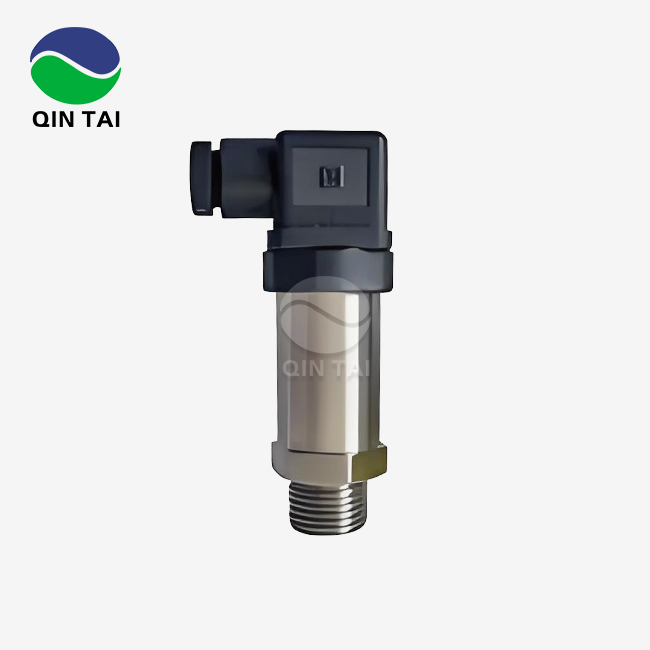
To meet stricter environmental norms, modern diesel engines need very complex pollution control systems. The urea pressure sensor is one of the most important parts of Selective Catalytic Reduction (SCR) technology. This precise device checks the pressure of diesel exhaust fluid (DEF/AdBlue) in real time to make sure that the right amount of fluid is added and that it stays in line with rules like China VI and Euro VI. Fast-response sensors send immediate feedback to the ECU, which allows closed-loop control that reduces NOx as efficiently as possible while keeping the system from breaking down. For OEMs and aftertreatment providers, choosing reliable sensors has a direct effect on how well vehicles work and how well they follow the rules.
Understanding Urea Pressure Sensors and Their Principles
Fundamental Working Mechanisms
Urea pressure sensors work by turning mechanical pressure into electrical signs that car control units can understand. The sensor constantly checks for changes in the supply line pressure between the pump and injector tip as DEF moves from the storage tank to the dose pump. This data lets the SCR control unit change the pump's operation on the fly, changing the flow rates to fit the engine's conditions and emission goals.
Usually, piezoresistive or thick-film ceramic technology is used in the sensor. Piezoresistive sensors have a cushion that bends when they are under pressure. This changes the resistance in strain gauges that are built into the sensor. These changes in resistance cause voltage signs that are related to the pressure that is being applied. Ceramic thick-film sensors print resistive elements directly onto a ceramic membrane, which makes them more resistant to corrosion in the slightly acidic urea solution. Small changes in resistance are turned into voltage outputs that can be measured. These voltage outputs are generally set to standard ranges of 2.0 to 3.3 mV per volt of excitation.
Critical Technical Specifications
One of the most important specifications is the pressure monitoring range. Depending on the system design, most car uses need sensors that can measure between 0 and 15 bar. Usually, accuracy limits are within ±2% of full-scale output, which makes sure that dose control is exact. Response time is also very important. Good sensors stabilise within 20 to 50 milliseconds, which lets them quickly adapt to changing engine loads.
Temperature adjustment features keep measurements from drifting between settings. DEF systems work in temperatures ranging from -40°C during cold starts to +85°C inside the engine, so they need sensors with built-in temperature adjustment methods. How well an SCR system works in real-life job cycles depends on the pressure range, how quickly it responds, and how stable it is at high and low temperatures.
Integration with Vehicle Systems
Through analogue voltage or digital CAN bus methods, these sensors can talk to the engine control unit or a separate dosing control unit. The ECU compares pressure readings from the urea pressure sensor to calibrated maps that are saved in its memory. This lets it figure out how many duty cycles the pump needs to run in order to reach the target injection amounts. When pressure isn't what it should be, the system sends out diagnostic trouble codes that let workers know about possible leaks, blocks, or broken parts. This closed-loop design stops either too little dosing, which would violate emission rules, or too much dosing, which would waste DEF and possibly hurt catalysts.
Comparing Urea Pressure Sensors: Making the Right Choice for Automotive Applications
Distinguishing Pressure and Temperature Sensors
Both types of sensors work with SCR systems, but they do different things. Pressure sensors watch the hydraulics of the dosing system to make sure that the right amount of atomization and injection time are happening. Temperature sensors keep an eye on the DEF temperature to keep it from crystallising in cold environments and make sure the heater element is working. Both signs are sent to the control unit at the same time, which gives a full picture of the health of the system. Pressure readings show right away if there are problems with the hydraulics, while temperature readings help with long-term system security plans.
Evaluation Criteria for Sensor Selection
When choosing sensors, procurement managers and R&D engineers should put a number of things in order of importance. Accuracy of measurements has a direct effect on emissions compliance; sensors with tighter limits keep dosing accuracy throughout the life of the car. Longevity in harsh building and farming settings depends on how well something can handle mechanical vibration and temperature cycles. Chemical interaction between DEF and system elements keeps the system from failing too soon because of corrosion or seal degradation.
Response speed is very important when heavy-duty trucks are working in changing situations. Sensors with reaction times of less than 50 milliseconds can quickly adjust to changes in load or movement, keeping NOx reduction at its best. For uses that need to be serviced every few years, procurement teams should ask for thorough datasheets that describe hysteresis, repeatability, and long-term stability.
OEM versus Aftermarket Considerations
Original equipment sensors go through a lot of validation testing with certain vehicle models to make sure they work well with the car and don't void the guarantee. While they usually cost more, they promise that they will work with current ECU software and electrical connectors. Aftermarket alternatives are cheaper and can be used in more situations, which is especially helpful for service shops that work on a variety of car types.
Quality aftermarket companies like Qintai put money into thorough testing programmes that compare performance to OEM standards. These companies get the right licenses, like IATF16949 for managing quality in the car industry and specific approvals from engine makers. Purchasing managers should check the records of people who have been certified and ask for test results that show the products meet the original requirements. Well-known aftermarket brands often offer technical help and customisation choices that aren't available through OEM channels. This adds value above and beyond the cost of the initial purchase.
Comparing Leading Manufacturers
There are a number of well-known companies in the world sensor market. Bosch has a strong footprint because it vertically integrates SCR system components and offers sensor and dosing module kits that work well together. Continental puts a lot of emphasis on its troubleshooting features, which include advanced self-checking processes that find problems inside the system before they break down. Denso works on small designs that can fit in tight spaces, which is especially useful in current engine compartments.
Weichai Power, Yuchai Power, and Quanchai Power buy millions of sensors from Qintai every year, making it China's top OEM provider. We use special urea-grade materials in our production that are like WIKA's 1.4466 steel in that they don't react with chemicals or form crystals, which can happen in DEF settings. With 58 idea rights and ongoing investments in research and development, we can offer response times that are on par with European suppliers and keep costs low enough for mass production programmes. We have a wide range of products with pressure ranges from 0 to 16 bar, with ISO9001 and IATF16949 standards for all of them. These range from 0 to 6 bar for light-duty uses to 16 bar for industrial generator sets.
Procurement Strategies and Best Practices for Urea Pressure Sensors
Supplier Evaluation Framework
Thoroughly evaluating suppliers is the first step in effective buying. For technical skill verification, the R&D infrastructure, testing tools, and engineering support personnel should be looked at, especially for a component like the urea pressure sensor. Suppliers with specialist application engineers can help with problems related to integration and offer unique calibration settings for different car platforms. Quality management standards, such as IATF16949, show that the process rules needed for automotive-grade parts are in place.
Supply interruptions are avoided by figuring out the production potential. OEMs that want to make a lot of products need providers that can handle higher numbers while keeping quality standards. By looking over a supplier's production tools, strategies for getting raw materials, and quality control processes, you can find out about capacity issues before they cause shipping delays. Asking for facility checks or inspection reports from a third party boosts trust in the claimed abilities.
Cost Management and Negotiation
People decide what to buy by comparing prices, but the total cost of ownership is a better way to figure out how much something is worth. Lower-priced sensors may have more warranty claims or failures in the field, which will cost more in the long run because of the labour needed to repair them and the time the car has to be towed. The real economic effect can be seen by looking at failure rate statistics, warranty terms, and unit prices together.
Most of the time, promises to buy in bulk open up better price tiers. By negotiating yearly deals with quarterly releases, you can balance the costs of keeping inventory with the benefits of volume savings. Payment terms have a big effect on cash flow. Suppliers who offer longer payment terms or contract inventory arrangements need less working capital. But procurement teams should make sure that good payment terms don't hurt quality standards or the financial security of the seller.
RFQ Preparation and Communication
Detailed papers that ask suppliers for quotes make it easier for them to respond and let you make accurate comparisons. The pressure range, accuracy class, electrical link standards, and environmental qualifications should all be spelt out in the technical specs. Giving information about the application, like the type of car, the annual production rate, and the projected service life, helps suppliers suggest the right product variants and spot any possible technical problems early on.
Setting up clear lines of communication stops misunderstandings that slow down projects. Setting up regular review meetings, giving each side a single point of contact, and writing down decisions all make decisions more accountable. Taking into account time zone differences and language skills when working with foreign sources makes sure that you get responsive help throughout the lifecycle of the product.
Verification and Compliance Assurance
Product identification keeps global supply lines safe from fake parts that are common. Product legitimacy is confirmed by asking for certificates of conformity, group tracking documents, and access to maker databases for serial number verification. Before installation, stated specifications are checked by doing an arriving inspection with measured pressure references.
Verification of regulatory compliance is very important for cars sold in controlled markets. Suppliers should give test results that show their products, including the urea pressure sensor, are electromagnetically compatible (EMC), durable in harsh environments, and safe for use. Checking that EPA rules and California Air Resources Board standards are followed keeps approval delays from being too expensive for uses in the U.S. market. European sellers usually have the right certifications, but procurement teams should make sure that the paperwork covers specific car uses and not just general approvals.
Troubleshooting and Maintaining Urea Pressure Sensors in Automotive Systems
Common Failure Modes and Symptoms
Sensor drift is a slow change in pressure readings that is usually caused by diaphragm material breaking down or dirt and dust building up. Changes in DEF use, higher NOx emissions, or diagnostic codes that show pressure values that don't make sense are all signs. Changing temperatures and being exposed to chemicals speed up drift, especially in sensors that didn't choose the right materials.
Electrical link problems, internal short circuits, or a total diaphragm rupture can all cause signal loss. Vehicles show quick trouble codes and switch to modes that reduce emissions. Signal dropouts that happen from time to time are usually caused by rust in the connectors from water getting in or wire damage from vibrations. Systematic electrical testing is needed to tell the difference between sensor failures and wire issues.
Diagnostic Procedures
The first step in troubleshooting is to get the diagnostic trouble codes and look at the freeze-frame data that shows how the system was working when the problems happened. Inconsistencies are found when logged pressure numbers are compared to pump order signals. If sensors show the same number no matter how the pump is working, it means that there are mechanical problems or electrical shorts.
The precision of the sensor is proven by testing it on a bench with measured pressure sources. Linearity mistakes or dead zones can be found by applying known pressures across the working range and keeping an eye on the output voltage. By cycling sensors from -40°C to +85°C while keeping the air steady, temperature chamber testing proves that compensation methods work. Before reinstalling, resistance readings on connecting pins find any open or short circuits.
Maintenance Best Practices
Regular cleaning greatly increases the useful life of sensors. Failures caused by rust can be avoided by checking electrical connections on a regular basis. Putting dielectric grease on the connections while they are being put together stops water from getting in. When you route straps away from heat sources and dangerous edges, you protect the insulation.
DEF quality has a direct effect on how long sensors last. Particles that damage diaphragms and block pressure ports are brought in by contaminated fluid. Using DEF that is compliant with ISO22241 and changing tank filters as planned reduces the chance of infection. In cold places, making sure the heating system works right stops ice from forming, which can damage sensors manually during thermal expansion.
Verification of the calibration during regular maintenance checks finds drift before it causes problems with emission compliance. It doesn't take long to compare sensor readings to shop-grade reference sensors, and it lets you know right away when something is breaking down. Setting replacement criteria based on accuracy limits instead of waiting for total failures keeps vehicles from having to be shut down for no reason.

SENSOR+TEST, June 9 – 11, 2026
We look forward to your visit,warmly welcome to our booth 1-634!
Get your free ticket online now:
https://www.sensor-test.de/service/ticket/?52790
Future Trends and Innovations in Urea Pressure Sensor Technology
Advanced Materials and Design
The materials used in next-generation sensors were especially designed to work with DEF. Compared to regular stainless steels, silicon carbide and advanced ceramic alloys are better at resisting chemicals and being strong. These materials keep their shape after millions of pressure cycles, which means they can be used for longer than the usual 500,000-kilometer standards.
Miniaturisation efforts are mainly focused on making sensors smaller while also making them work better. Micro-electromechanical systems (MEMS) technology makes it possible to put pressure sensors, temperature correction, and signal conditioning all on the same chip. Smaller form factors make fitting easier in current cars with limited room and lower the weight of the system, both of which are important for improving fuel economy.
Smart Sensor Integration
With the Internet of Things, sensors can go from being inactive measuring tools to actively keeping an eye on the health of a system. Embedded microprocessors allow for on-board tests that find problems before they cause pollution breakdowns. With sensors sending performance data to cloud platforms for predictive repair analysis, wireless connectivity enables distant tracking of fleet cars.
Machine learning systems look at trends in sensor data to guess how long something will still work. Fleet managers plan proactive replacements during planned maintenance times instead of waiting for breaks on the side of the road by comparing pressure measurement trends with environmental factors and working history. This switch from reactive to predictive repair lowers the total cost of ownership of a car while also making it more useful.
Market Outlook and Procurement Implications
Regulatory forces cause the demand for sensors to grow. The upcoming Euro VII guidelines from the European Union and the changing U.S. Because of EPA rules, NOx control has to be tighter, which makes the system more complicated and adds more sensors to each car. As more emerging markets pass emission rules, there is a greater need for sensors. For example, India's Bharat Stage VI and China's growing coverage of China VI standards create millions of sensor possibilities every year.
This growth brings in new sellers, which makes the battle tougher while giving buyers more choices. Strategies for buying things should find a mix between established ties with suppliers and new vendors who offer new technologies. Building supply lines with multiple sources lowers risk and keeps negotiating power. Participating in industry platforms and keeping an eye on technology roadmaps help procurement teams plan for changes and avoid risks of becoming obsolete.
Conclusion
Modern SCR emission control systems can't work without fast-response urea pressure sensors, which have a direct effect on system stability, legal compliance, and working efficiency. When choosing the right sensors, you have to weigh scientific specs like accuracy and reaction time against practical ones like cost, the supplier's ability to provide long-term support, and the supplier's reputation. OEMs and aftertreatment providers can be successful if they understand basic operating principles, carefully compare rival solutions, and use strong buying strategies. Regular servicing and new smart technologies promise to improve system performance while lowering total ownership costs. In the competitive car market, choosing the right sensors is becoming a more strategic choice.
FAQ
Q1: How do urea pressure sensors improve SCR system efficiency?
A: By giving real-time input on DEF delivery pressure, these sensors make accurate closed-loop control possible. Accurately measuring pressure makes sure that the atomization at the injection tip is at its best, which maximises the catalyst's surface contact and NOx conversion efficiency. The ECU changes how the pump works based on information from the sensors. This keeps the DEF from being wasted or too much, which could damage parts further down the line.
Q2: What distinguishes OEM sensors from aftermarket alternatives?
A: OEM sensors go through validation tests that are specific to the platform of the car. This makes sure that they work with the current wiring and control software. Aftermarket sensors can be used in more situations and are cheaper, but quality makers like Qintai make sure that their products work just as well by putting them through strict testing and licensing programmes. When buying something, people should think about how much it costs at first, the warranty coverage, the availability of expert help, and the reliability of the supply chain for each application.
Q3: How can buyers verify sensor accuracy before installation?
A: Factory testing is accurate if you ask for calibration papers that can be traced back to national standards. Using calibrated pressure references for incoming checking confirms that the stated specs are met. You can be sure that the products you buy will be consistent by looking at the quality paperwork that the seller sends you. This includes process capability studies and batch testing results. Setting up inspection sample rules based on lot sizes strikes a balance between the cost of proof and the amount of risk that can be accepted.
Partner with Qintai for Reliable Urea Pressure Sensor Solutions
Qintai is known as China's top maker of car sensors, and it works with big OEMs like Weichai Power, Yuchai Power, and Quanchai Power. We have been making our fast-response urea pressure sensors for 20 years, and they are accurate, long-lasting, and cost-effective for demanding uses. They use modern ceramic diaphragm technology. We offer full OEM and ODM services, from the first concept to mass production, and are certified to IATF16949 and ISO9001. We also have 58 idea patents.
Our tech team can help you make changes to meet the special needs of your interface, pressure range, or environment. With the ability to make more than two million units a year and established marketing in more than sixty countries, we can guarantee a steady supply and quick technical support. Get reasonable quotes from a reliable urea pressure sensor source by contacting our team at info@qt-sensor.com to talk about your application needs. We give your pollution control systems the quality and teamwork they need.
References
1. Johnson, M. & Williams, R. (2022). Advanced Sensor Technologies for Diesel Emission Control Systems. SAE International Journal of Engines, 15(4), 523-538.
2. Chen, L., Zhang, H., & Liu, Q. (2023). Material Selection and Durability Testing for Urea-Compatible Pressure Sensors. Automotive Engineering International, 131(2), 45-59.
3. European Commission Directorate-General for Internal Market. (2021). Technical Requirements for Euro VI Heavy-Duty Vehicle Emission Control Components. Publications Office of the European Union.
4. Schmidt, A. & Patel, K. (2023). SCR System Integration: Sensor Selection and Calibration Strategies. Journal of Automotive Technology and Standards, 8(3), 112-127.
5. International Organization for Standardization. (2020). ISO 22241: Diesel Engines - NOx Reduction Agent AUS 32 - Part 4: Refilling Interface. ISO Technical Committee 22.
6. Wang, J., Anderson, T., & Kumar, S. (2024). Predictive Maintenance Applications for Heavy-Duty Vehicle Emission Systems Using IoT Sensor Networks. Transportation Research Part C: Emerging Technologies, 142, 104-119.
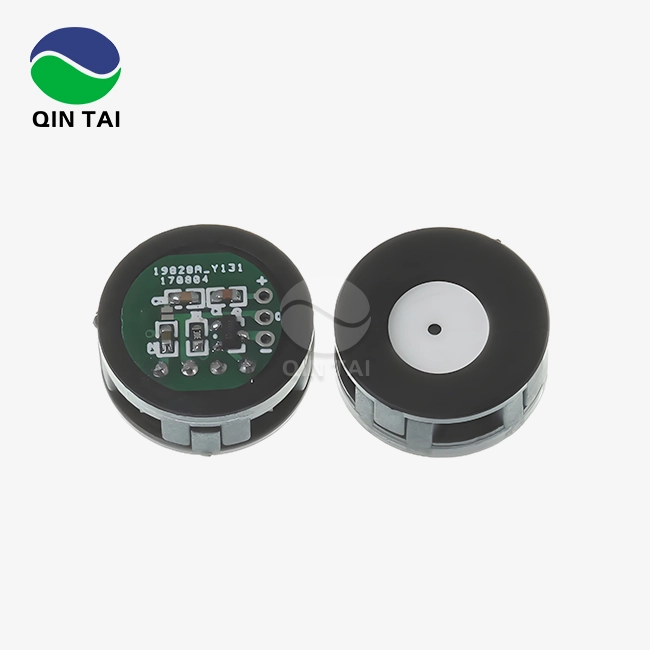
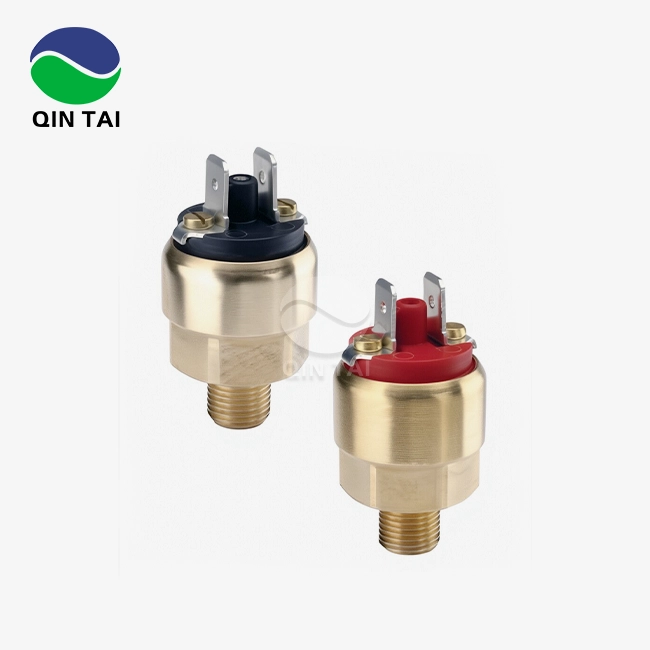
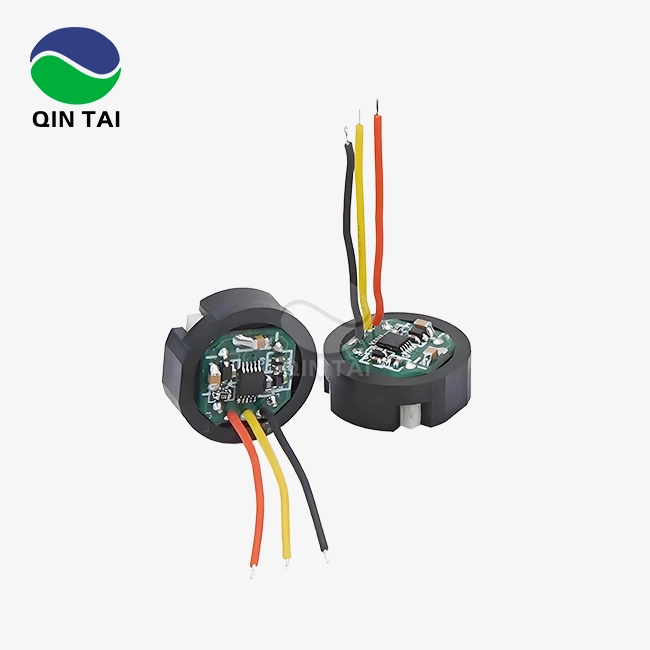

Our customers’ satisfaction speaks for our quality — contact us to experience the same reliable service.