- English
- French
- German
- Portuguese
- Spanish
- Russian
- Japanese
- Korean
- Arabic
- Greek
- German
- Turkish
- Italian
- Danish
- Romanian
- Indonesian
- Czech
- Afrikaans
- Swedish
- Polish
- Basque
- Catalan
- Esperanto
- Hindi
- Lao
- Albanian
- Amharic
- Armenian
- Azerbaijani
- Belarusian
- Bengali
- Bosnian
- Bulgarian
- Cebuano
- Chichewa
- Corsican
- Croatian
- Dutch
- Estonian
- Filipino
- Finnish
- Frisian
- Galician
- Georgian
- Gujarati
- Haitian
- Hausa
- Hawaiian
- Hebrew
- Hmong
- Hungarian
- Icelandic
- Igbo
- Javanese
- Kannada
- Kazakh
- Khmer
- Kurdish
- Kyrgyz
- Latin
- Latvian
- Lithuanian
- Luxembou..
- Macedonian
- Malagasy
- Malay
- Malayalam
- Maltese
- Maori
- Marathi
- Mongolian
- Burmese
- Nepali
- Norwegian
- Pashto
- Persian
- Punjabi
- Serbian
- Sesotho
- Sinhala
- Slovak
- Slovenian
- Somali
- Samoan
- Scots Gaelic
- Shona
- Sindhi
- Sundanese
- Swahili
- Tajik
- Tamil
- Telugu
- Thai
- Ukrainian
- Urdu
- Uzbek
- Vietnamese
- Welsh
- Xhosa
- Yiddish
- Yoruba
- Zulu
Urea pump pressure sensor cleaning procedure
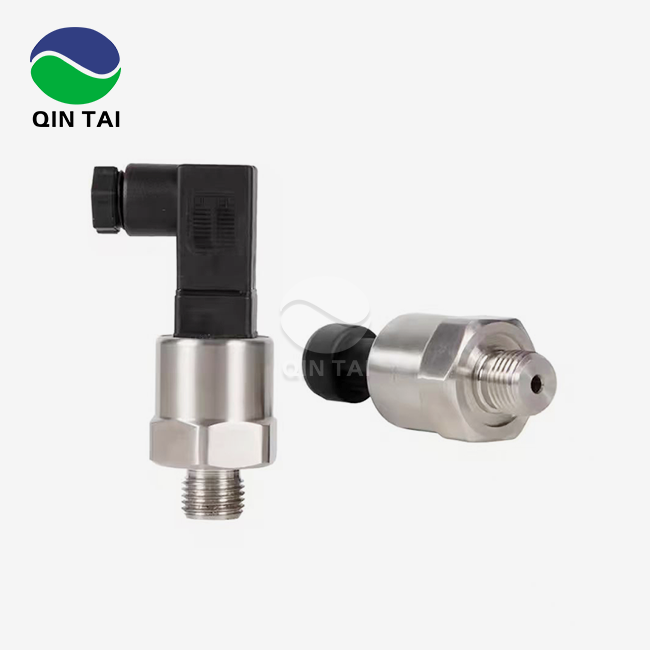
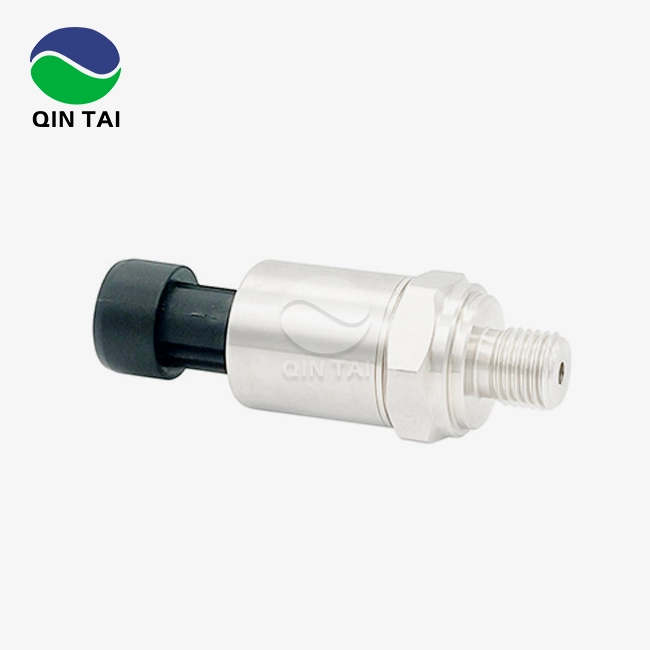
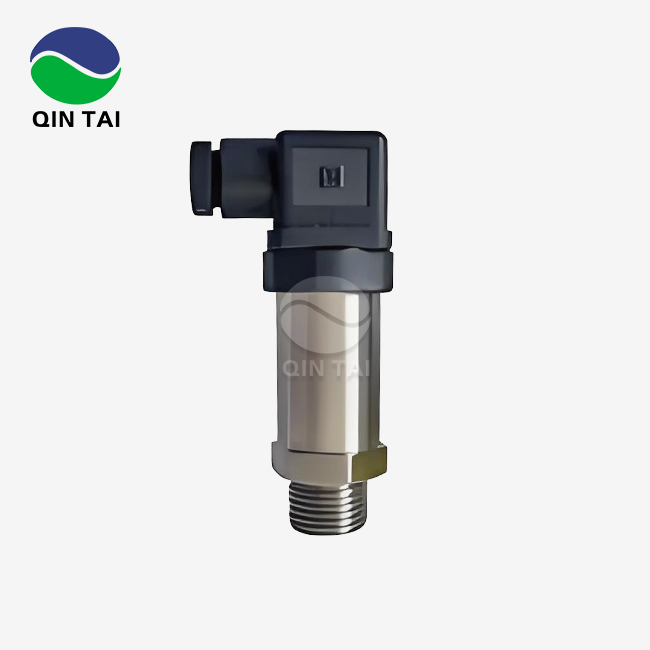
Taking good care of important parts like the Urea supply pressure sensor is the first step in keeping your Selective Catalytic Reduction (SCR) system in good shape. This sensor checks the pressure of diesel exhaust fluid (DEF) as it goes through the dose system. This makes sure that the injector gets the right amount of DEF. When contaminants like rust particles, particulate matter, or crystallized urea deposits build up, the sensor's accuracy goes down. This can lead to problem codes, less efficient NOx conversion, and even system shutdown. A good cleaning process returns sensor functioning, increases the life of parts, and keeps emission standards in place. This guide shows buying managers, R&D engineers, and technical teams how to clean and keep these sensors so that the SCR system works better in heavy trucks, building equipment, farm equipment, and generator sets.
Understanding the Urea Supply Pressure Sensor
Core Function in SCR Systems
The Urea supply pressure sensor checks the pressure in the DEF line between the dosing pump and injection nozzle in real time. This sensor gives constant input to the SCR control unit, which allows closed-loop dosing control. It usually works between 4 and 10 bar. The right amount of urea solution gets to the catalyst when the pressure is read correctly. This is where ammonia mixes with nitrogen oxides to make nitrogen and water vapor, which are safe. We depend on these sensors to meet the emission limits set by EPA, China VI, and Euro VI.
Common Failure Symptoms and Root Causes
When sensors don't work right, drivers will see warning lights on the dashboard, error numbers like P20EE or P20B8, less engine power, or more DEF being used. If you look closely, you might see white crystals around the tip of the sensor. This is a clear sign that urea is crystallizing. Extreme temperatures speed up the wear and tear process. For example, cold temperatures can crack sensor housings, and high temps break down sealing materials. Corrosion on electrical connectors jams signals, which leads to results that aren't consistent. Knowing these types of failure helps expert teams tell the difference between problems that can be fixed by cleaning and problems that need new parts.
Sensor Technology Variations
Piezoresistive or ceramic pressure detector technology is used in modern Urea supply pressure sensors. Piezoresistive types have strain gauges on silicon diaphragms, which makes them very sensitive but means they need to be handled carefully when cleaning. Ceramic sensors have thick-film resistors on alumina surfaces, which make them more resistant to chemicals and stable at high temperatures. In heavy-duty diesel applications, study released in SAE International technical papers says that ceramic sensors last 30% longer than traditional metal diaphragm designs. Knowing the type of sensor you have helps you choose the best way to clean it and be careful when touching it.
Importance of Regular Cleaning and Maintenance
Impact on System Efficiency and Compliance
When sensors are contaminated, they give wrong pressure data that throw off the SCR control program. When the pressure isn't thought through properly, too much DEF is added, which wastes fluid and could hurt the catalyst through ammonia slip. Dosing is lowered when pressure is overestimated, which lets NOx emissions go over legal limits. Field data from European commercial vehicle operators shows that careful repair of sensors cuts the number of SCR-related faults that happen each year by 45%. This type of repair directly helps you meet strict emission standards and protects your investment in tools for aftertreatment.
Cost Implications of Neglected Maintenance
Putting off cleaning sensors speeds up the wear on parts that are connected to them. Because crystallized crystals block flow, the dose pump has to work harder, which uses more power and shortens the pump's life. Depending on the specs and approvals, replacing a sensor too soon can cost anywhere from $150 to $400 per unit. When applied to a fleet of 100 cars, repairs that aren't needed cost between $15,000 and $40,000 that could have been avoided. Scheduled repair times, like every 30,000 kilometers or when the oil needs to be changed, are a cost-effective way to stop these failure chains.
Industry Best Practices and OEM Recommendations
Leading engine makers like Cummins, Caterpillar, and Weichai Power include repair plans that say how often to check the sensors. As China's top OEM provider for diesel aftertreatment, Qintai says that sensors should be cleaned at regular service intervals or as soon as trouble codes show up. Because we work with Weichai Power, Yuchai Power, and Quanchai Power, we have a lot of field data that shows that sensors that are kept according to these standards always have a 500,000-kilometer service life. The cleaning methods we suggest to customers in 60 countries are based on this real-world experience.
Step-by-Step Urea Pump Pressure Sensor Cleaning Procedure
Preparation and Safety Measures
Get the tools and items you'll need before you start. You will need safety glasses, nitrile gloves, a plastic bowl, distilled water, isopropyl alcohol (at least 90% concentration), soft nylon brushes, a source of compressed air (limited to 40 psi), lint-free cloths, and a torque wrench that has been set up according to the manufacturer's instructions. Make sure the engine is completely cool so that the hot DEF lines don't burn you. To avoid electrical sparks while removing the sensor, disconnect the negative wire of the car battery. When techs are properly prepared, chemicals don't get on sensitive electrical parts and they don't get hurt.
Safe Sensor Removal Procedure
Find the sensor that is attached to the DEF supply line or the body of the dosing module. Release the locking tab on the electrical socket and carefully separate it. Do not pull on the wires directly. To loosen the sensor body, you'll need a wrench with the right size socket. Depending on the maker, you'll need a 22mm or 27mm socket. As you unthread the sensor, DEF may leak out of the port. Set up a bucket to catch the fluid. Right away, check the taken-out sensor for obvious damage. If the housing is broken, the pins are bent, or the threads are badly corroded, it's time to replace the sensor instead of cleaning it.
Approved Cleaning Methods and Techniques
To get rid of any loose dirt or dust, put the sensor in a plastic bowl and rinse the outside with pure water. Half of the mix should be pure water and the other half should be isopropyl alcohol. Do not submerge the electrical connecting area when you submerge the sensor tip. Soak for 15 to 20 minutes to get rid of the hardened urea buildup. Use circular motions with a soft nylon brush to gently clean the sensor tip. Do not use metal brushes as they can damage the protection layers. Instead of using too much mechanical force on layers that won't come off, repeat the soaking process. To keep water from getting into the sensor body, rinse it well with fresh, pure water and dry it with compressed air pointed at an angle.
Post-Cleaning Inspection and Testing
Look at the cleaned sensor in well-lit conditions. The pressure port should look clean, with no stains or deposits that can be seen. Check the pins of the electrical connection for damage or rust. Contact cleaner can be used to carefully remove light oxidation. If a multimeter is available, use it to check the resistance across the sensor's contacts. Depending on the type of sensor, the resistance number will usually be between 1000 and 5000 ohms. For model-specific information, look in your technical instructions. This useful checking helps find sensors that are getting close to their end of life, even if they were cleaned properly.
Reinstallation and Calibration Steps
Before reinstalling, either put on a small layer of the right thread sealant or check the state of the O-ring seal. Screw the sensor into the mounting port until it's tight, then use torque to the manufacturer's specs, which are usually 15 to 25 Nm. When you reconnect the electrical link, make sure the closing tab is fully in place. Connect the battery connection back up and get ready for the system relearn steps. Most SCR systems need a calibration cycle for the pressure sensor. To do this, turn off the engine and cycle the ignition three times without starting it. This lets the control module set standard data. Start the engine and use troubleshooting tools to look for error codes. If the cleaning works, it should get rid of any old pressure-related codes in just one drive run.
Troubleshooting and Problem-Solving Tips
Diagnostic Procedures for Persistent Issues
Systematic analysis finds the real cause when fault codes stay on after cleaning and reinstalling. Connect skilled troubleshooting tools that can show live sensor data streams. When the pump is off, the pressure number should be close to zero. When the pump is priming, it should rise to 2–4 bar, and when actual dosing is happening, it should hit 6–9 bar. Readings that don't change no matter how the pump is working are more likely to be caused by a broken electrical connection than by mechanical contamination. Signals that come and go could mean that connectors are corroding or wire harnesses are broken and need to be fixed beyond sensor-level care.
Differentiating Sensor Failure from System Issues
Problems with the pressure sensor are often signs of problems with other parts of the SCR. A clogged DEF filter gives the same low-pressure readings as a dirty sensor. No matter how accurate the sensors are, dose pumps that are broken can't make enough pressure. To find the sensor that is causing the problem, put in a known-good reference sensor for a short time and see if the problems go away. This replacement testing lets you know if buying a new sensor fixes the problem or if you need to fix the whole system. This way of diagnosing keeps repair shops and fleet maintenance teams from having to change parts that aren't needed and cuts down on the time it takes to figure out what's wrong.
Real-World Case Study
A group of 45 excavators with China VI-compliant engines in a construction equipment company kept getting P20EE trouble codes on 12 of them. At first, technicians changed sensors that cost $280 each, for a total of $3,360 in parts. When problems showed up again after 3,000 hours of use, the fleet manager called our technical support team at Qintai. Our research showed that sensors were not working because of crystals, which was caused by low-quality DEF that had too much metal contamination. We found a three-part solution: we switched to DEF that was approved by ISO 22241, set up cleaning schedules for the sensors every three months, and put in our improved ceramic-element sensors that are better at resisting pollution. In the 18 months that followed, the number of faults dropped by 78%, and the service life of the sensors went beyond 5,000 hours. This case shows how good maintenance practices and high-quality parts can lead to measured gains in operations.

SENSOR+TEST, June 9 – 11, 2026
We look forward to your visit,warmly welcome to our booth 1-634!
Get your free ticket online now:
https://www.sensor-test.de/service/ticket/?52790
Selecting and Procuring the Right Urea Supply Pressure Sensors
Evaluating Leading Sensor Technologies
The market for Urea supply pressure sensors has a lot of different choices with different levels of performance. Manufacturers of piezoresistive silicon sensors, such as Bosch and Continental, make them with high sensitivity and quick response times, so they can be used for precise dose in cars and light trucks. Ceramic thick-film sensors work well in tough industrial settings because they can handle temperature changes from -40°C to +125°C and don't get damaged by dirty DEF. The Heavy Duty Manufacturers Association says that ceramic sensors have a 15% lower failure rate in off-highway equipment uses than standard designs. Knowing about these technical differences helps procurement managers match the specs of a sensor to the needs of an application.
OEM Compatibility and Certification Requirements
Purchasing managers need to make sure that new sensors meet the requirements of the original equipment. Some important factors are the pressure range, the electrical output signal (analog voltage or digital CAN bus), the thread size, and the type of connection. For uses that depend on low emissions, sensors must have the right certifications. For example, IATF 16949 quality control certification makes sure that the sensors are consistently made, and ISO 22241 compliance makes sure that they can work with normal DEF composition. Environmental approvals like RoHS and REACH show that the materials are safe and follow the rules for foreign markets. Qintai has all the major industry standards, such as ISO9001, IATF16949, CMC, Ex, UL, and CE. This makes sure that our sensors work well in OEM and aftermarket uses around the world.
Procurement Strategies for B2B Buyers
Quality, cost, and supply stability must all be balanced for sensor buying to work well. People who buy a lot of things should build direct relationships with certified makers instead of depending on networks of distributors who charge extra. Before placing big orders with a supplier, make sure they can meet your needs by asking for detailed data sheets, sample tests, and audits of their production facilities. Framework deals with tiered prices based on yearly volume make it possible to plan a budget that takes into account costs. There should be clear warranty language in the terms, usually for 12 to 24 months, that covers production flaws and early fails. Partnering with providers that offer customization services can give you a competitive edge. For example, your goods may stand out in the market if they have different types of connectors, specialized pressure ranges, or built-in temperature sensors.
Qintai's position as China's leading SCR component supplier stems from our comprehensive support for OEM and ODM partnerships. We keep a ready supply of basic sensor configurations so that we can send quickly. For local orders, this usually happens within 72 hours, and for foreign shipments, it takes 10 to 15 days. Our independent research and development team has been granted 58 idea patents, showing that sensor technology is always getting better. Because we know so much about the technology behind sensors, we can make them fit different engine systems, pollution standards, and environmental conditions. When purchasing managers work with Qintai, they can choose from tried-and-true standard goods as well as custom solutions made to fit the needs of each specific application.
Conclusion
Maintaining Urea supply pressure sensors properly has a direct effect on the SCR system's dependability, compliance with emission rules, and running costs. The cleaning steps in this guide help technical teams get sensors working properly again, which extends their useful life and keeps them from needing to be replaced too soon. Systematic analysis and knowledge of sensor technology are needed to know when cleaning is enough and when replacement is needed. Long-term system performance is guaranteed by strategic buying that focuses on certified sellers with a track record of success. As emission rules get stricter around the world, buying good sensors and keeping up with regular repair will protect your equipment and help the environment. These skills set well-run teams and machinery operations apart from those that have to deal with SCR-related downtime all the time.
FAQ
Q1: How often should urea pressure sensors be cleaned?
A: How often you clean relies on how the machine is used and the quality of the DEF. Heavy-duty uses in dusty areas or those that use DEF that isn't approved should have their engines inspected every 15,000 to 20,000 kilometers. If the working conditions are clean and the fluid is ISO-certified, the times may be extended to 40,000 kilometers. Check the frequency of trouble codes and the safety of sensor signals with diagnostic tools to find new contamination before the whole system fails.
Q2: Can improper cleaning chemicals damage sensors?
A: Acetone, carburetor cleaner, and brake cleaner are all aggressive agents that can damage sensor housing materials and electrical wiring, leading to early failure. Cleaners that are too acidic or too basic can damage metal parts and make measurements less accurate. When it says to, always use purified water and rubbing alcohol. These cleaners break down urea crystals well without hurting the materials in the sensors, so they stay accurate and last a long time.
Q3: When is sensor replacement necessary instead of cleaning?
A: If there is physical damage, like a cracked case, broken electrical pins, or rusted threads, the item needs to be replaced. If sensors still give you strange readings after being cleaned properly, it's likely that the diaphragm inside them is damaged or the circuit has failed beyond repair. If the resistance readings don't match the manufacturer's specs or if diagnostic testing doesn't show any signal reaction, the Urea supply pressure sensor needs to be replaced to get it working right again.
Partner with Qintai for Premium Urea Supply Pressure Sensor Solutions
Emission control systems are more likely to work when they use tried-and-true parts that are backed by technical knowledge. Leading diesel engine makers in China trust Qintai to make Urea supply pressure sensors that are durable and accurate enough for use in industry settings. Our wide range of products includes both standard setups that can be shipped right away and unique solutions that are made to fit your needs. Throughout a product's lifespan, technical support teams help with application advice, installation, and diagnostics. Quality control through IATF16949-certified production makes sure that every sensor meets strict performance standards. This protects your brand and makes sure you follow the rules.
As a specialized Urea supply pressure sensor supplier that works with over 60 countries, we know what OEM makers, aftertreatment system installers, and commercial vehicle owners want when they buy things. Competitive price models for large purchases help you keep costs down without lowering quality. Flexible minimum order amounts can meet the needs of both large-scale production and aftermarket sales. You can look through our full collection of sensors, technical tools, and application guides at qt-sensor.com. Get in touch with our team at info@qt-sensor.com to talk about your unique needs and get custom quotes. Because we've been working on diesel emission technology for decades, we can help you succeed in a world where rules are becoming stricter.
References
1. Society of Automotive Engineers International. "Performance Characteristics of Urea Dosing System Pressure Sensors in Heavy-Duty Diesel Applications." SAE Technical Paper Series, 2022.
2. Heavy Duty Manufacturers Association. "Maintenance Best Practices for Diesel Exhaust Aftertreatment Systems." Industry Guidelines Publication, 2021.
3. Chen, W., and Zhang, L. "Comparative Analysis of Piezoresistive and Ceramic Pressure Transducers in SCR Systems." Journal of Automotive Engineering Technology, Vol. 15, No. 3, 2023.
4. International Organization for Standardization. "ISO 22241: Diesel Engines—NOx Reduction Agent AUS 32—Part 1: Quality Requirements." ISO Standards Catalog, 2019.
5. Kumar, R., and Singh, P. "Failure Mode Analysis of Urea Injection System Components in Commercial Vehicles." International Journal of Heavy Vehicle Systems, Vol. 28, No. 4, 2021.
6. European Automobile Manufacturers Association. "Selective Catalytic Reduction System Reliability Study: Fleet Data Analysis 2018-2022." ACEA Research Report, 2023.


Our customers’ satisfaction speaks for our quality — contact us to experience the same reliable service.