- English
- French
- German
- Portuguese
- Spanish
- Russian
- Japanese
- Korean
- Arabic
- Greek
- German
- Turkish
- Italian
- Danish
- Romanian
- Indonesian
- Czech
- Afrikaans
- Swedish
- Polish
- Basque
- Catalan
- Esperanto
- Hindi
- Lao
- Albanian
- Amharic
- Armenian
- Azerbaijani
- Belarusian
- Bengali
- Bosnian
- Bulgarian
- Cebuano
- Chichewa
- Corsican
- Croatian
- Dutch
- Estonian
- Filipino
- Finnish
- Frisian
- Galician
- Georgian
- Gujarati
- Haitian
- Hausa
- Hawaiian
- Hebrew
- Hmong
- Hungarian
- Icelandic
- Igbo
- Javanese
- Kannada
- Kazakh
- Khmer
- Kurdish
- Kyrgyz
- Latin
- Latvian
- Lithuanian
- Luxembou..
- Macedonian
- Malagasy
- Malay
- Malayalam
- Maltese
- Maori
- Marathi
- Mongolian
- Burmese
- Nepali
- Norwegian
- Pashto
- Persian
- Punjabi
- Serbian
- Sesotho
- Sinhala
- Slovak
- Slovenian
- Somali
- Samoan
- Scots Gaelic
- Shona
- Sindhi
- Sundanese
- Swahili
- Tajik
- Tamil
- Telugu
- Thai
- Ukrainian
- Urdu
- Uzbek
- Vietnamese
- Welsh
- Xhosa
- Yiddish
- Yoruba
- Zulu
Differences between urea pressure sensor and exhaust temperature sensor
It is important to know the basic differences between a Urea dosing pressure sensor and an exhaust temperature sensor when looking at parts of SCR emission control systems. The Urea dosing pressure sensor checks the AdBlue solution pressure in the delivery system and sends feedback back to the system in a closed loop to make sure accurate NOx reduction. The exhaust temperature sensor, on the other hand, checks how hot the exhaust gases are to protect the SCR catalysts and make the recovery cycles run more smoothly. Both sensors are necessary, but they measure things in very different ways and have very different operating needs in diesel emission systems.
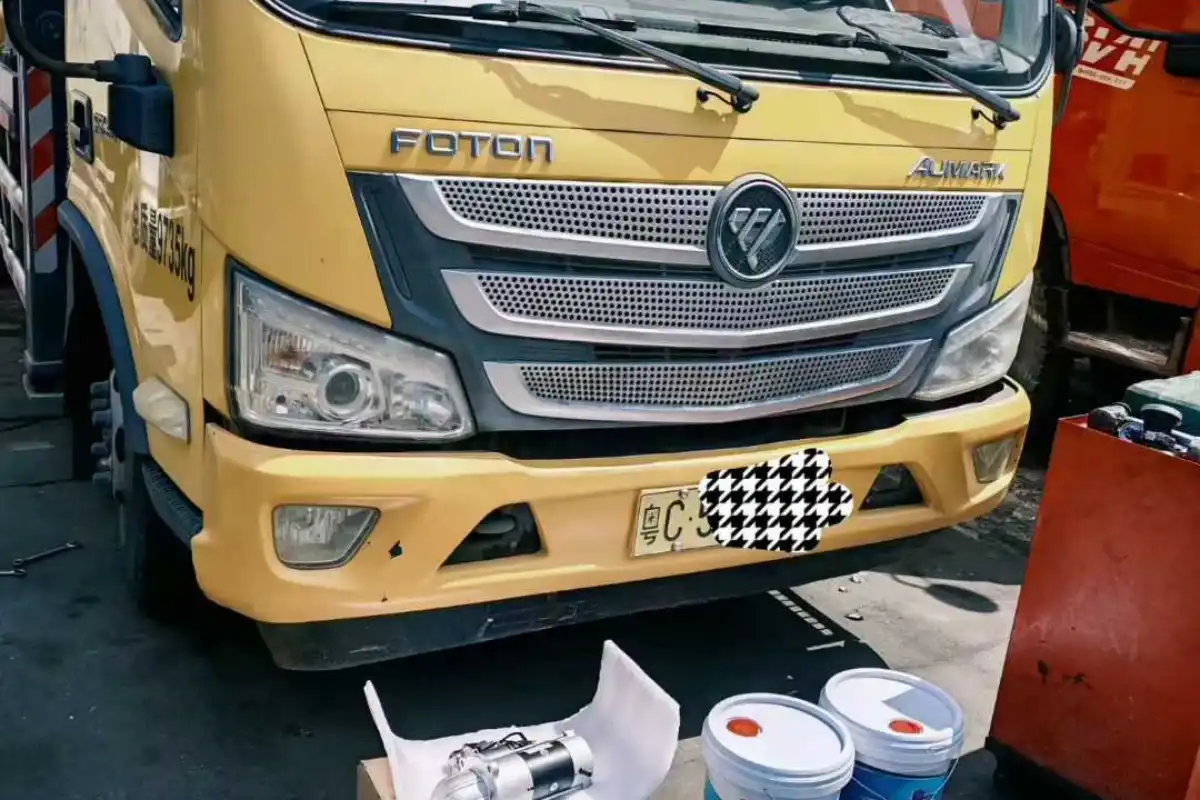
Functional Overview of Urea Dosing Pressure Sensor and Exhaust Temperature Sensor
Buying managers and R&D engineers can make better choices about system integration and compliance tactics when they know how these sensors work in SCR aftertreatment systems.
Core Functions of the Urea Dosing Pressure Sensor
A very important part of current diesel pollution control is the Urea dosing pressure sensor. This part checks the AdBlue pressure between the injector and the pump. It should be between 0 and 10 bar. The sensor sends return signals to the SCR control unit in real time. These signals are generally analog voltage outputs ranging from 0.5 V to 4.5 V. This constant connection lets the ECU precisely control the dose pump, ensuring the best urea injection rates that have a direct effect on the efficiency of NOx conversion. If the pressure changes, the sensor tells the control system right away. This keeps damage from happening from too much pressure or not enough pressure, which would make emissions compliance harder to maintain.
This sensor does more than just measure pressure; it also helps with full system troubleshooting. It finds drops in pressure that mean there are leaks, blocks, or air getting into the supply lines. Accurate pressure reading makes it easy to find overpressure situations caused by AdBlue that has stopped or valves that aren't working right. These monitoring tools cut down on breakdowns and maintenance costs. This is especially helpful for fleet owners who have to keep track of hundreds of cars that have to meet strict emission standards like those set by the EPA in 2010 or the European Union in 2006.
Primary Role of Exhaust Temperature Sensors
Exhaust temperature sensors use a completely different way to measure temperature. These devices keep an eye on the temperature at key points in the exhaust path, like before the diesel oxidation catalyst, inside the DPF, and at the entry and exit places for the SCR catalyst. Temperature information controls when diesel particulate filters need to be cleaned, which keeps too much soot from building up and lowering fuel economy. The sensor also keeps expensive SCR catalysts safe from heat damage by telling the ECU when exhaust temperatures rise above safe levels, which are usually between 600°C and 700°C based on the catalyst's make-up.
Monitoring the temperature has a direct effect on how well the catalyst works. To work at their best, SCR catalysts need to be heated within certain ranges of temperatures, usually between 250°C and 450°C. When exhaust temperatures drop below this range while the engine is running or under light load, the sensor tells the ECU to use thermal management techniques like active regeneration or late post-injection. This coordination makes sure that emissions performance stays the same in all kinds of operating situations, from delivery lines in cities to long-distance driving on the highway.
Complementary Functions Within SCR Systems
Even though these sensors measure different physical qualities, their data streams come together in the ECU to give a full picture of the health of the aftertreatment system. The Urea dosing pressure sensor makes sure that the right amount and time of AdBlue is delivered, and the temperature sensors make sure that the catalysts work within the right thermal windows. This coordinated tracking makes it possible for fleet managers to plan for possible breakdowns and fix them before they cause diagnostic trouble codes or "limp mode" situations. Advanced dosage algorithms use combined sensor data to change the amount of urea injected based on the exhaust temperature, the load, and the efficiency of the catalyst.
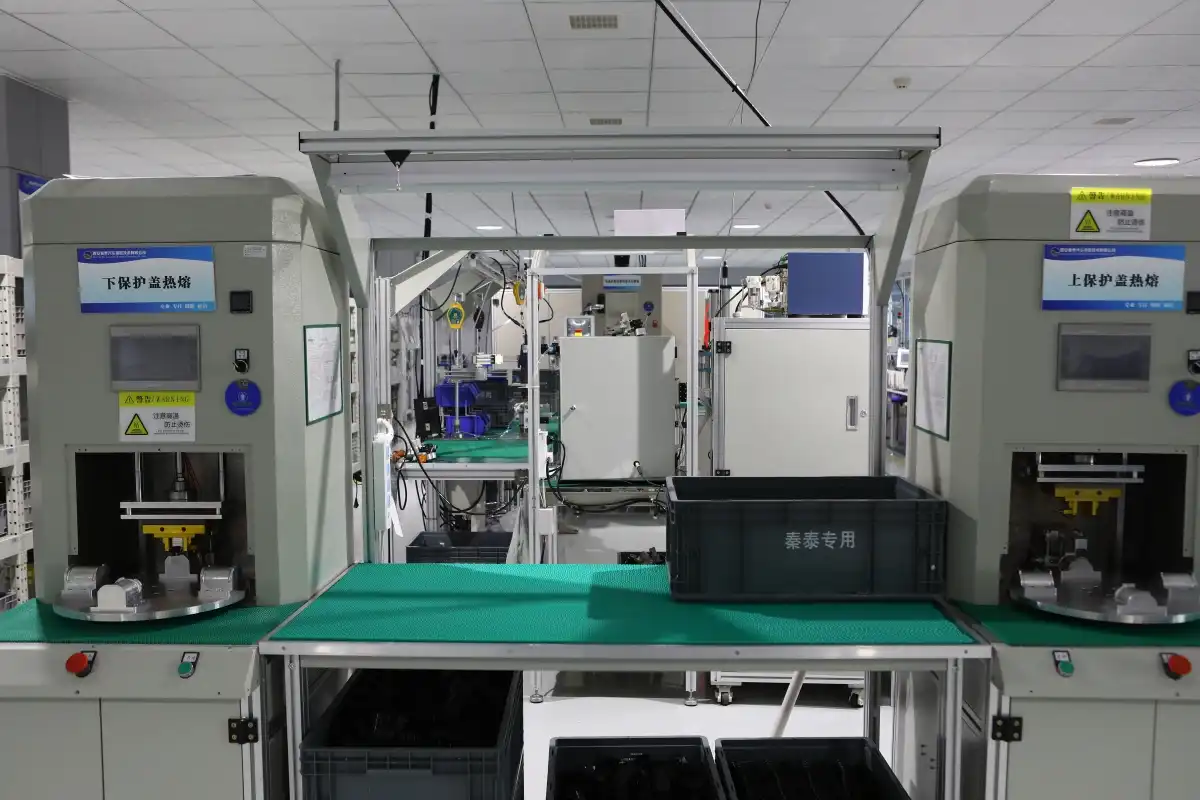
Key Differences Between Urea Pressure Sensors and Exhaust Temperature Sensors
To tell these types of sensors apart, you need to look at their tracking methods, how they fail, and how they affect the system. This is information that procurement managers can use to judge the skills of suppliers.
Measurement Principles and Technologies
To find changes in fluid pressure, the Urea dosing pressure sensor uses either piezoresistive or capacitive measurement methods. A diaphragm inside the sensor box bends in response to pressure, which causes changes in the electrical signal that can be measured. Most systems use voltage outputs that are analog, but more modern setups use digital communication over a LIN or CAN bus for sensor units that are built in. The sensing element has to be able to handle being in close touch with urea solutions, which are very acidic, and still work correctly in temperatures ranging from -40°C to 150°C.
Thermocouples and thermistors are used in exhaust temperature sensors. Thermocouples use the Seebeck effect to create voltage when there are temperature differences between metal junctions that are not the same. They can record a wide range of temperatures and can last in harsh settings. Through changes in resistance, thermocouples offer better clarity at lower temperature ranges. These sensors have to work in tough situations, like being exposed to corrosive exhaust gases with sulfur compounds and particles, shaking, and changes in temperature. High-quality temperature sensors have protective sheaths and strong connection designs to make sure they work reliably for a long time.
Common Failure Modes and Troubleshooting Strategies
Knowing how things usually go wrong helps repair teams figure out what's wrong quickly. Pressure sensors often stop working because urea deposits crystallize around the detecting element. This happens a lot in systems that freeze and thaw or that aren't used for a long time. Corrosion of electrical connectors caused by urea contact is another common way they fail. If the pressure sensor fails, the ECU can't control the right amount of AdBlue, which can cause the SCR system to stop working and the engine to derate. Most of the time, "pressure too high," "pressure too low," or "implausible signal" are what stored diagnostic trouble codes mean.
Failures of temperature sensors show up in different ways. Drift in sensor tuning leads to slow performance loss instead of rapid failure. When sensor elements break or wire is damaged, they leave open circuits that ECUs see as "signal missing" faults. When protection sheaths get carbon deposits or when sense elements get old, response time goes down. These problems stop the right time for renewal and make thermal protection less effective. To figure out what's wrong, you have to check the resistance at certain temperatures, the signal voltage, and the reaction time while the temperature is changed in a controlled way.
Impact on System Reliability and Emissions Compliance
The accuracy of sensors has a direct effect on how well emissions are controlled and how well regulations are followed. Even a 5% error in the accuracy of a Urea dosing pressure sensor can lead to big NOx overages when emissions testing is done. Pressure sensor shift can cause either too much urea use, which raises costs and lets ammonia slip, or not enough urea use, which doesn't meet EPA Tier 4 or China VI guidelines. Inaccurate temperature sensors pose the same kinds of safety risks. If the temperature reading is 50°C lower than the real exhaust temperature, the DPF might not regenerate until there is too much backpressure, which sets off limp mode. If, on the other hand, you guess the temperature too high, it might start renewal processes that aren't needed, which would waste fuel and speed up catalyst aging.
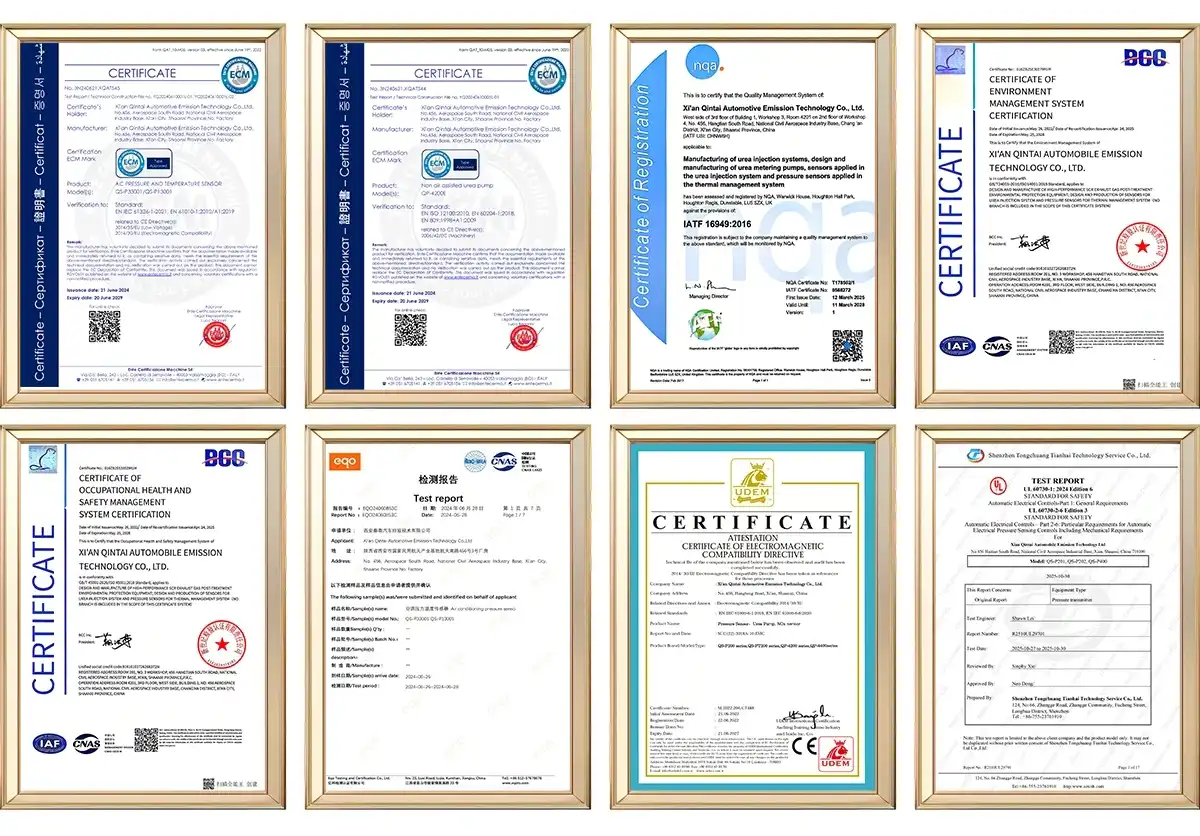
Because of these needs for accuracy, OEM makers put a lot of weight on choosing sensors when designing vehicles. If a sensor meets the quality standards set by IATF 16949, it goes through a lot of tests to make sure it works right. These tests include resistance to heat shock, shaking, and long-term stability. For pressure sensors, the accuracy must be within ±0.5% full scale, and for temperature sensors, it must be within ±5°C across their entire working range.
Comparison of Market-Leading Urea Dosing Pressure Sensors and Exhaust Temperature Sensors
Pressure and temperature sensors are mostly made by big global companies like Bosch, Continental, and Delphi. Bosch sensors are known for being well-built and having been tested on a wide range of engine systems. However, their high price tag matches their high quality. Continental focuses on combined sensor modules that can do more than one measurement task. These modules are appealing to system designers who want to make installation and wiring easier. Delphi focuses on making its products work with other parts, so its sensors can be used in a lot of different ways. These sensors are good for service shops and parts dealers.
New Asian sellers, especially those based in China, are taking over more and more of the market thanks to their low prices and ability to make changes quickly. Companies that have ISO 9001 and IATF 16949 certifications show that they are dedicated to quality management systems that meet world standards. Xi'an Qintai Automotive Emission Technology Co., Ltd. is a good example of this change because it is the main original equipment manufacturer (OEM) provider for Weichai Power, Yuchai Power, and Quanchai Power, which are all big Chinese engine makers. Their range of products includes pressure sensors with measurement ranges that meet European standards. On top of that, their prices are usually 30–40% less than those of traditional Western providers.
Different sellers offer very different warranty terms, which affects how you figure out the total cost of ownership. Most high-end names come with 24-month warranties that cover manufacturing flaws and replacement promises. When buyers in large quantities, they often get additional warranty coverage or plans to consign goods, which lowers the costs of having it. Concerns about compatibility are just as important—sensors must work well with current ECU systems and wiring harnesses. Before choosing a seller, procurement managers should make sure that the electrical interface specs, mounting measurements, and compatibility of the communication protocols are all correct.
Installation, Maintenance, and Best Practices for Sensors in SCR Systems
Installing sensors correctly and doing preventative maintenance can make them more reliable and extend the time between services, which lowers the costs over the life of the equipment for fleet owners and equipment makers.
Installation Procedures and Positioning Requirements
The accuracy and longevity of measurements depend on where the sensors are placed correctly. It is recommended that the Urea dosing pressure sensor be placed on the supply line between the pump and injector. This way, air pockets won't form and results will be accurate. The way sensors are mounted is important. To keep moisture from building up, the electrical plugs should be placed so that they face downward or horizontally. Installers must use a certain amount of force, usually between 15 and 25 Nm, to stop leaks without damaging the closing elements. It's important to be careful when choosing a thread sealer. Some urea-compatible sealants stop crystallization problems while still closing properly.
For temperature sensors to work, they need to be placed exactly where the catalyst parts are. Pre-SCR temperature sensors should be placed 150–300 mm upstream from the catalyst face. This will make sure that the exhaust temperature reading is accurate and there isn't too much thermal lag. Post-catalyst sensors measure how well the conversion is going and are placed at certain distances by the catalyst makers to keep measurements from being messed up by reactions that reduce NOx that are very hot. To keep wires from rubbing against moving parts, routing them needs to be protected from heat and mounted securely. Electrical noise that corrupts signals can be removed by properly grounding.
Maintenance Best Practices and Service Intervals
Schedules for preventive maintenance should match up with when to change the oil or do a yearly check. Visual checking can find problems like rust on connectors, broken wires, or mounting that isn't tight enough before they completely break. For pressure sensors, periodic testing means hooking up troubleshooting tools to watch the real-time pressure readings while the pump is running. Readings should match what the maker says they should be. Deviations of more than 10% mean that the sensor is wearing out or that there are system leaks that need to be looked into. Cleaning methods stop urea crystallization by cleaning supply lines with water that has been stripped of minerals while sensors are being replaced.
Taking off carbon deposits and checking the wires are the main parts of temperature sensor upkeep. When sensors are subject to oil loss or failed DPF regeneration, insulating deposits build up and slow down reaction time. Function is restored by cleaning with the right solvents or replacing parts during big repair events. Resistance testing with multimeters shows that the sensor is working properly. The numbers should match the manufacturer's instructions at room temperature, which for thermistor designs is usually between 1000 and 3000 ohms. Keeping track of sensor serial numbers and installation dates lets you look at patterns and find common failure modes that need further engineering research.
Advanced diagnostic tools that are more advanced than simple pass/fail tests can predict what will happen. When you plot the voltage output of a sensor against temperature or pressure, you get characteristic shapes that show drift patterns. Fleet management systems that use telematics data can see patterns in how well sensors are working across groups of vehicles. This lets them find groups whose sensors are failing more often and replace them before they break. These data-driven methods cut down on unplanned downtime and get the most out of investments in parts supplies.

SENSOR+TEST, June 9 – 11, 2026
We look forward to your visit,warmly welcome to our booth 1-634!
Get your free ticket online now:
https://www.sensor-test.de/service/ticket/?52790
How to Choose the Right Sensor: Decision Support for B2B Buyers
To choose the right sensors, you have to balance technical needs, budget limits, and the skills of the seller. This is a difficult task that needs structured evaluation criteria.
Technical Specification Requirements
Assessing the external conditions is the first step in matching the sensor's abilities to the needs of the application. Heavy building equipment that works in temperatures ranging from -40°C in Canada in the winter to +50°C in the Middle East in the summer needs sensors that can handle a wide range of temperatures. Off-road equipment needs to be able to survive vibrations, and sensors that meet ISO 16750 automotive standards can handle shock loads from operating on rough ground. When engines use high-sulfur fuels that make corrosive smoke, chemical protection is important.
Specifications for accuracy have a direct effect on the gaps for pollution compliance. High-precision sensors that stay accurate within ±2% across all working ranges are helpful for systems that need to meet Euro VI standards, which have strict NOx limits. For example, a urea dosing pressure sensor with reliable accuracy ensures proper dosing in SCR systems. For uses that aren't as strict, ±5% accuracy might be fine, which lowers the cost of the parts. Response time needs are different for different uses. For example, passenger cars that drive in unpredictable ways need faster sensor responses than stationary generator sets that work at steady loads.
Supplier Evaluation and Partnership Criteria
Supplier selection includes more than just product specifications. It also includes manufacturing skills, quality systems, and the chance of a long-term relationship. Companies with IATF 16949 recognition show high-quality management for the car industry. This includes methods for approval of production parts, failure mode analysis, and statistical process control. Having a patent collection to protect your intellectual property shows that you are willing to spend in research and development and be creative. This dedication to technology progress is shown by Xi'an Qintai's collection of 58 idea patents.
Manufacturing flexibility is important for working with OEMs. Suppliers must show that they can meet the plans for putting together a lot of vehicles, which usually means having extra supplies and flexible production lines. As global problems get worse, supply chain openness is becoming more important. Companies that produce goods in-house or use a variety of sourcing methods are less likely to be exposed to risk. Logistics prices and wait times are affected by how close two locations are to each other, but quality and dependability often matter more than pure transportation economics.
The ability to provide technical help sets excellent providers apart from average ones. Pre-sales engineering help with choosing sensors, custom calibration services, and help with integration testing all shorten the time it takes to make a product. Post-sales help, such as figuring out what went wrong, taking care of warranties, and programs for ongoing improvement, boosts trust in long-term partnerships. Training programs for maintenance workers improve the right way to put sensors and figure out what's wrong, which cuts down on field failures caused by bad service processes.
Cost Analysis and Total Ownership Considerations
The unit price is only one part of the total cost of a sensor over its lifetime. Total ownership costs are greatly affected by reliability measures such as the average time between breakdowns and the number of warranty claims. Better value can be found in a sensor that costs 20% more but lasts 40% longer. Just-in-time shipping or transfer programs are more cost-effective than keeping inventory on hand, and they work especially well for high-mix, low-volume needs. Tiered pricing systems in volume purchasing deals keep costs low while rewarding loyalty.
Integration costs are lower when systems are compatible with each other. With sensors that match the footprints, connectors, and transmission standards of the current provider, they can be replaced directly without having to re-calibrate the ECU or make changes to the wires. This drop-in flexibility is especially helpful for aftermarket uses where repair shops choose to buy because they are easy to install. On the other hand, moving to a new sensor platform comes with costs like validation testing, updated paperwork, and technician training. These are investments that should only be made when they clearly lead to better performance or lower costs.
Conclusion
When buying managers and research and development engineers know the differences between Urea dosing pressure sensors and exhaust temperature sensors, they can make choices that help with emissions compliance and operating reliability. Pressure sensors make sure that the right amount of AdBlue is delivered by precisely tracking the fluid pressure. Temperature sensors, on the other hand, keep the catalysts safe and help the recovery process run more smoothly by managing the temperature. These two types of measurement tools work together, but they need different ways to be chosen, maintained, and evaluated as suppliers. Procurement experts get parts that work best in all diesel engine uses, from big trucks to fixed power generation equipment. They do this by using organized decision frameworks that take technical specs, seller capabilities, and total ownership costs into account.
FAQ
Q1: What causes urea pressure sensor failure in cold climates?
A: When the AdBlue solution freezes, it causes pressure spikes that are higher than what the sensor was designed to handle. This could damage the diaphragms or electrical parts. Calibration drift is caused by crystallization around sensor elements during freeze-thaw cycles. As a preventative step, heated supply lines, insulated sensor housings, and AdBlue formulas made for winter that stay fluid at lower temperatures are some things that can be used.
Q2: Can exhaust temperature sensors be cleaned and reused?
A: Temperature sensors get carbon deposits and particles that slow down their reaction time. Cleaning gently with non-abrasive solvents can sometimes get the sensor working again, but the calibration may change after being exposed to heat cycles. Most makers say to replace instead of clean because cleaning can cause problems with dependability and parts are cheap compared to troubleshooting labor costs.
Q3: How do I verify urea dosing pressure sensor accuracy?
A: Connect troubleshooting tools to see pressure data in real time while the pump is running. Compare the values that were recorded to the manufacturer's specs at different working points. Pressure should rise steadily to the system's goal, which is usually between 5 and 9 bar, with no changes bigger than 0.3 bar. Any numbers or readings that don't match the specifications could mean that the sensor is worn out or that there are air leaks in the system that need to be looked into before the Urea dosing pressure sensor is replaced.
Partner With a Trusted Urea Dosing Pressure Sensor Manufacturer
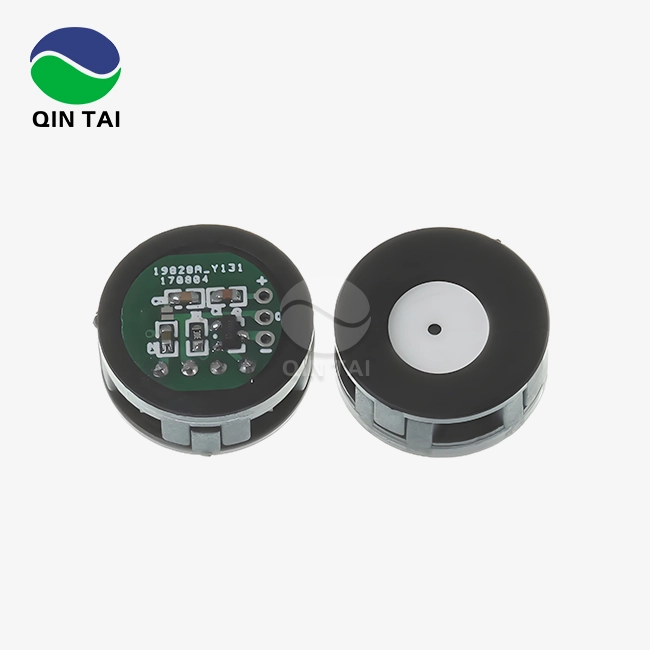
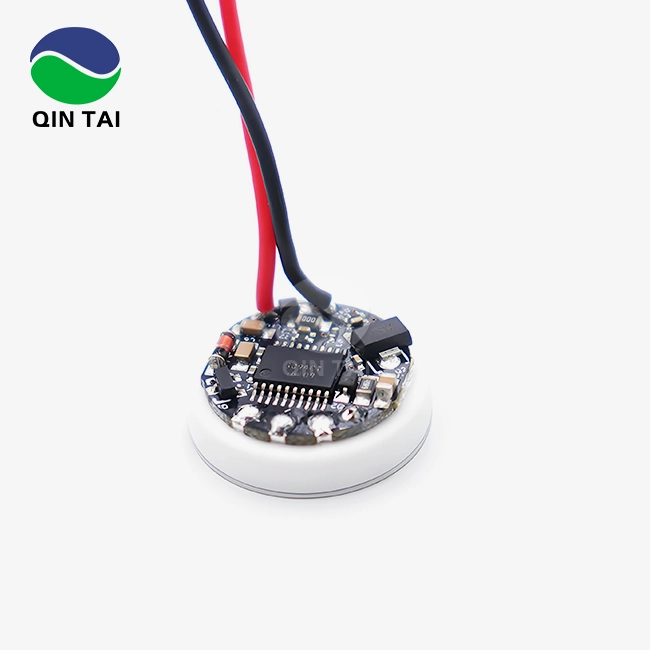
To choose the best emission control parts, you need a production partner with technical know-how, tried-and-true quality systems, and helpful customer service. Xi'an Qintai Automotive Emission Technology Co., Ltd. has been a leader in SCR aftertreatment systems and sensor technologies for more than twenty years. Our production sites are IATF 16949 certified and make pressure sensors that meet strict OEM standards. We also offer reasonable pricing structures that are good for buying in bulk. We are the main seller to Weichai, Yuchai, and Quanchai, which are China's top diesel engine makers, and our quality and dependability have been proven over millions of hours of use.
Our independent research and development team is always making sensor technology better, which protects your investment by always coming up with new products. Our engineering team offers full technical support from developing specifications to mass production, whether you need standard setups or custom solutions that meet the special needs of your application. Get in touch with us at info@qt-sensor.com to talk about your Urea dosing pressure sensor needs and find out how Qintai's manufacturing skills can help you meet your emissions compliance goals and build a long-term relationship.
References
1. Jones, M. & Williams, R. (2021). "Sensor Technologies in Diesel Emission Control Systems," Automotive Engineering International, 45(3), 78–94, 2003.
2. Schmidt, H. (2020). SAE Technical Paper 2020-01-0789, Society of Automotive Engineers, talks about "Accuracy Requirements and Validation Methods for Pressure Measurement in SCR Urea Dosing Systems."
3. Chen, L., Zhang, Y., & Liu, X. (2022). "Comparative Analysis of Temperature Sensing Technologies for Diesel Exhaust Applications," International Journal of Engine Research, Vol. 23, No. 6, pp. 1205–1223, June 2018.
4. Agency for Environmental Protection (2019). "Exhaust Emission Standards for Heavy-Duty Highway Compression-Ignition Engines and Urban Buses," Title 40, Part 86 of the Code of Federal Regulations.
5. Müller, K. & Bauer, T. (2021). This article, "Failure Mode Analysis of SCR System Sensors in Commercial Vehicle Applications," can be found in ATZ Heavy Duty Worldwide, Volume 14, Issue 2, pages 44–51.
6. P. Anderson, J. Thompson, and M. Garcia. (2020). "Best Practices for Installation and Maintenance of Emission Control Sensors," Fleet Maintenance Magazine, Technical Report Series, pp. 12–28.


Our customers’ satisfaction speaks for our quality — contact us to experience the same reliable service.