- English
- French
- German
- Portuguese
- Spanish
- Russian
- Japanese
- Korean
- Arabic
- Greek
- German
- Turkish
- Italian
- Danish
- Romanian
- Indonesian
- Czech
- Afrikaans
- Swedish
- Polish
- Basque
- Catalan
- Esperanto
- Hindi
- Lao
- Albanian
- Amharic
- Armenian
- Azerbaijani
- Belarusian
- Bengali
- Bosnian
- Bulgarian
- Cebuano
- Chichewa
- Corsican
- Croatian
- Dutch
- Estonian
- Filipino
- Finnish
- Frisian
- Galician
- Georgian
- Gujarati
- Haitian
- Hausa
- Hawaiian
- Hebrew
- Hmong
- Hungarian
- Icelandic
- Igbo
- Javanese
- Kannada
- Kazakh
- Khmer
- Kurdish
- Kyrgyz
- Latin
- Latvian
- Lithuanian
- Luxembou..
- Macedonian
- Malagasy
- Malay
- Malayalam
- Maltese
- Maori
- Marathi
- Mongolian
- Burmese
- Nepali
- Norwegian
- Pashto
- Persian
- Punjabi
- Serbian
- Sesotho
- Sinhala
- Slovak
- Slovenian
- Somali
- Samoan
- Scots Gaelic
- Shona
- Sindhi
- Sundanese
- Swahili
- Tajik
- Tamil
- Telugu
- Thai
- Ukrainian
- Urdu
- Uzbek
- Vietnamese
- Welsh
- Xhosa
- Yiddish
- Yoruba
- Zulu
How to test SCR dosing pressure sensor
Using diagnostic tools like multimeters and pressure models to check an SCR dosing pressure sensor's electrical output against known pressure sources is part of testing it. The SCR dosing pressure sensor checks the pressure of the urea solution between the injector and the dose pump. It turns changes in pressure into electrical signs that the ECU reads to control emissions. The right testing makes sure that the signal is correct, finds problems like open circuits or calibration drift, and compares SCR dosing pressure sensor performance to what the maker says it should do. This is necessary to stay in line with regulations and keep the system running smoothly.
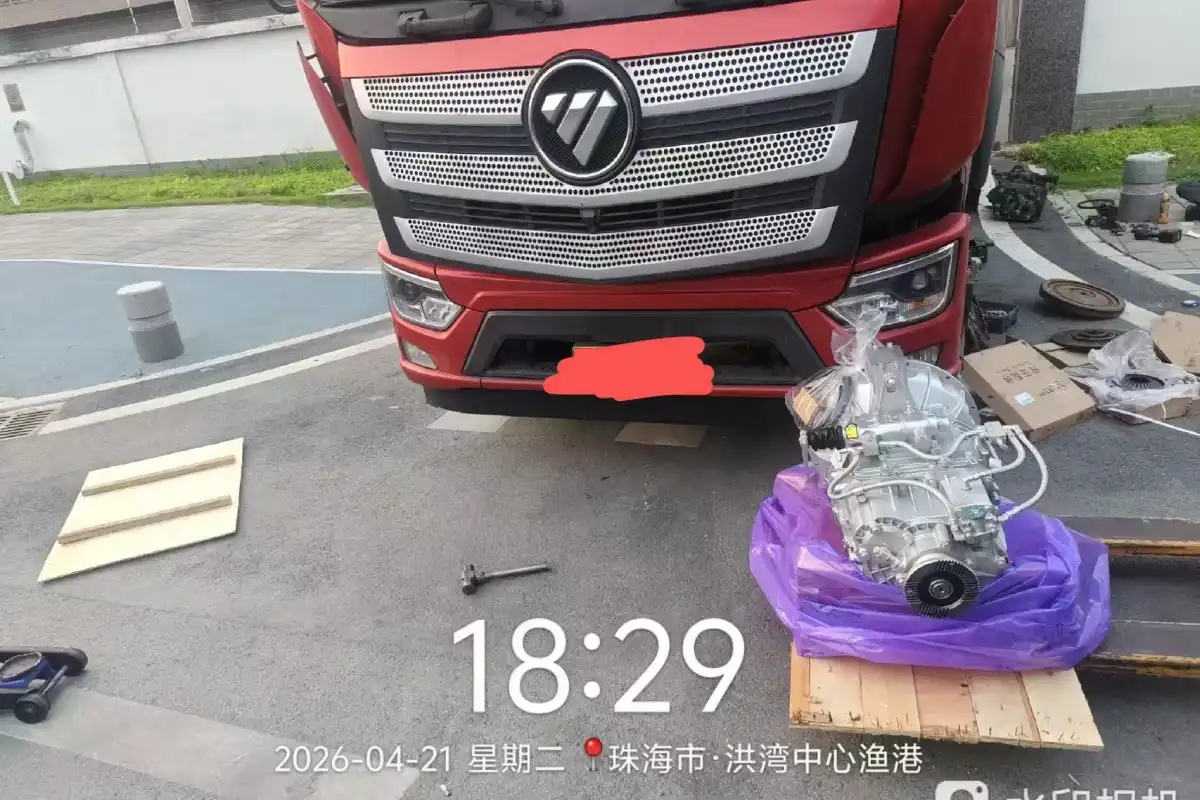
Understanding the SCR Dosing Pressure Sensor
The SCR dosing pressure sensor between the dosing pump and the injectable tip checks the pressure of the urea solution in real time and sends input signals to the SCR control unit. The SCR control unit then changes how the pump works to keep dosing rates at their best. Without correct pressure information, the machine can't achieve the closed-loop control that is needed to reduce NOx effectively.
Core Functions in Emission Control Systems
The SCR dosing pressure sensor does a number of important jobs that have a direct effect on how well the emissions work. It gives closed-loop input that lets the ECU precisely dose the urea, which helps it figure out how much reductant gets to the catalyst. When pressure drops out of the blue, the SCR dosing pressure sensor looks for possible breaks, blockages, or air getting into the supply line. On the other hand, overpressure readings let the system know when AdBlue is frozen or valves aren't working right, which could damage parts further down the line. These diagnostic tools do more than just keep an eye on things; they also allow for planned maintenance and stop catastrophic breakdowns in heavy-duty equipment like backup power generators and building equipment.
Working Principles and Signal Generation
SCR dosing pressure sensors work by using strain gauges or piezoelectric elements to turn mechanical force into electrical signals. When urea solution presses against a detecting membrane, the membrane deforms physically, which causes voltage changes that can be measured and are related to the pressure. This analog signal usually has a range of 0.5 to 4.5 volts, which corresponds to pressure readings from 0 to 10 bar. However, the exact range and requirements depend on the maker and the application.
The ECU keeps taking readings of these voltage signals every millisecond and compares them to the predicted values that it has stored in its calibration tables. Modern SCR dosing pressure sensors have temperature compensation built in so they stay accurate across working ranges from -40°C to +125°C. This is important for tools used in mining or farming. Electrical grounding, shielded wire, and steady reference voltages are all important for signal quality. During seller qualification, buying teams should check these things.
Applications Across Industrial Sectors
Heavy trucks are the ones that use the most sensors, and each one needs solid parts to meet strict emission guidelines for the road. Vibration and dirt on construction equipment make things more difficult, so SCR dosing pressure sensors need to be strong mechanically and have IP67 water protection. When working in dirty, wet places like farms, agricultural equipment needs to make sure that connectors are sealed properly. Generator sets, especially ones that are used all the time in data centers or mines, need industrial-grade SCR dosing pressure sensors that can last for a long time and have been tested to work with extreme temperatures. When procurement workers understand these application-specific needs, they can choose the right sensor types and negotiate fair warranty terms.
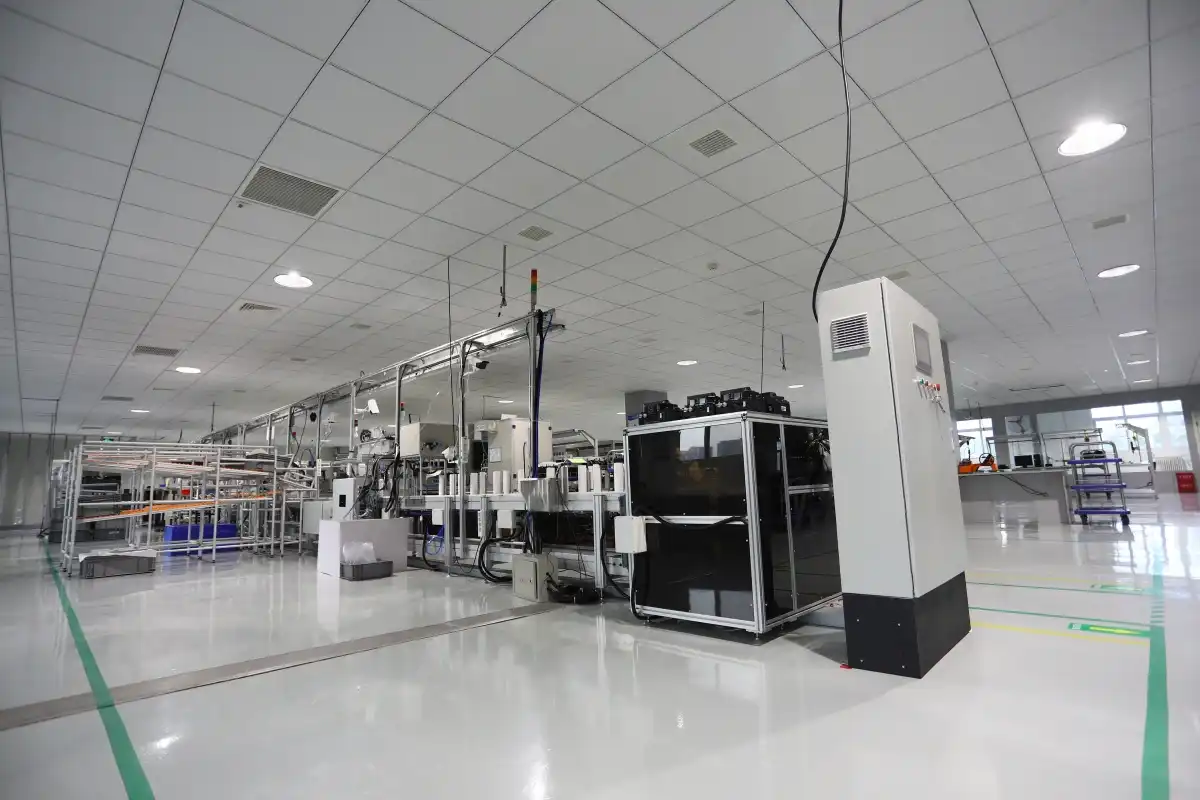
Systematic Approach to Testing SCR Dosing Pressure Sensors
Reliable testing methods separate working parts from those that need to be replaced. This cuts down on spending on parts that aren't needed and protects the stability of the system. A organized method starts with figuring out the signs of failure, then moves on to checking the electrical and functional aspects, and ends with making sure the calibration is correct.
Recognizing Failure Symptoms
Several signs point to a problem with the SCR dosing pressure sensor before it fails completely. If the pressure numbers change without any pump action, this could be because of electrical noise or damage to the sensors inside the pump. When numbers go above or below set limits, fault codes like P20E8 (pressure too high) or P20E9 (pressure too low) show up. People who drive cars may notice DEF warning lights, less engine power, or having to slow down. These are all signs that the ECU is going into limp mode to avoid pollution violations. In aftermarket situations, mechanics should compare these signs with data from a diagnostic scan tool to tell the difference between sensor faults and problems with pumps or jammed injectors.
Step-by-Step Testing Procedure
To keep the ECU from getting damaged, start testing with the key off and the wires unplugged. Using a digital voltmeter, check the resistance between the SCR dosing pressure sensor terminals. Depending on the design of the SCR dosing pressure sensor, the number will usually be between 50 and 5,000 ohms, with open circuits showing internal breaks.
Next, check the source voltage with the key on and the connection plugged in. Most systems give a 5-volt reference voltage with a ripple of less than 0.1 volts. Check the signal output voltage when the engine is not running and compare it to the specs in the service manual. For example, at zero pressure, the voltage should be about 0.5 volts, and at full pressure, it should be about 4.5 volts.
Calibration Verification and Adjustment
Factory setting usually stays the same for the life of an SCR dosing pressure sensor, but slip can happen if it is exposed to high temperatures or dirt. The accurate variation is measured by comparing the SCR dosing pressure sensor output to calibrated reference gauges at three pressure points: zero, mid-range, and maximum. The full-scale accuracy of most car sensors is ±2% when they are brand new and ±5% when they are almost worn out. Tighter standards may be needed in industrial settings, especially in systems that use multiple sensors for backup.
It's not possible for most users to recalibrate in the field because it needs special tools and a clean room. So, instead of focusing on adjustability, procurement requirements should stress initial accuracy and long-term steadiness. SCR dosing pressure sensors with EEPROM memory can keep different calibration coefficients, so they can be replaced without having to re-program the ECU. This makes aftermarket repair easier and lowers the total cost of ownership.
Troubleshooting and Problem-Solving for SCR Dosing Pressure Sensors
For diagnostics to work, possible reasons must be systematically ruled out, starting with the most common mistakes and working up to more complicated system interactions. Understanding how failures happen speeds up fixes and helps with choosing a source.
Common Operational Issues and Root Causes
In field uses, contamination is the main reason why SCR dosing pressure sensors break down. AdBlue evaporates at high temperatures, leaving behind crystalline urea crystals that block pressure ports and slow membrane reaction. When water gets into broken connectors, it corrodes the connections and makes short circuits that send mixed messages.
When mechanical shaking happens, especially in off-road equipment, it can break solder joints or crack ceramic sensor elements. If signal lines don't have enough shielding, electromagnetic interference from nearby starting motors or alternators can cause noise to get into them. Wiring problems make diagnosis a lot harder because symptoms show up when links aren't working all the time but go away during tests. Corrosion on connectors happens slowly in coastal or winter-salted places, raising contact resistance until signal voltage falls below ECU limits.
Diagnostic Strategies Using Scan Tools and Data Analysis
Modern diagnostic scanners show real SCR dosing pressure sensor data, which lets you compare the pressure values that were asked for and those that were actually measured. When the pump is turned on, the pressure should rise slowly from the outside to the working pressure of the system in two seconds. Slow rise times can mean that the pump is worn out or that the supply line is blocked, while sudden jumps to maximum can mean that the SCR dosing pressure sensor isn't working right.
Checking the soundness of the check valve by keeping an eye on the pressure when the key is off—pressure should drop slowly instead of all at once. Fault code patterns give more diagnostic information than individual mistake explanations. When the SCR dosing pressure sensor and dosage control valve both give the same code, it usually means that contamination is blocking both parts. Technicians should record freeze-frame data that shows how the engine was running when problems happened, since trends of temperature and load are often linked to failures that can't be found with bench testing.
Preventive Maintenance Best Practices
Scheduled repair keeps SCR dosing pressure sensors working longer and stops them from breaking down without warning. Every 500 hours of use, checking the joints for rust stops it before it gets too bad, and using dielectric grease during assembly protects against moisture for a long time. When you replace SCR dosing pressure sensors and flush the dose system, you get rid of crystallized layers that could get on the new parts. Using a refractometer to check the quality of AdBlue keeps fluids that don't meet specifications from hurting sensors and other parts of the system.
Mechanical stress is lowered by using O-rings that are factory-specified and the right amount of fastening force to block vibrations. Keeping signal lines away from high-current connections reduces electromagnetic interference, and keeping harnesses in place stops them from rubbing against sharp edges. Setting up standard SCR dosing pressure sensor readings during testing lets you do trending analysis that can predict failures before they happen. This helps condition-based replacement strategies that make the best use of parts inventory without sacrificing reliability.
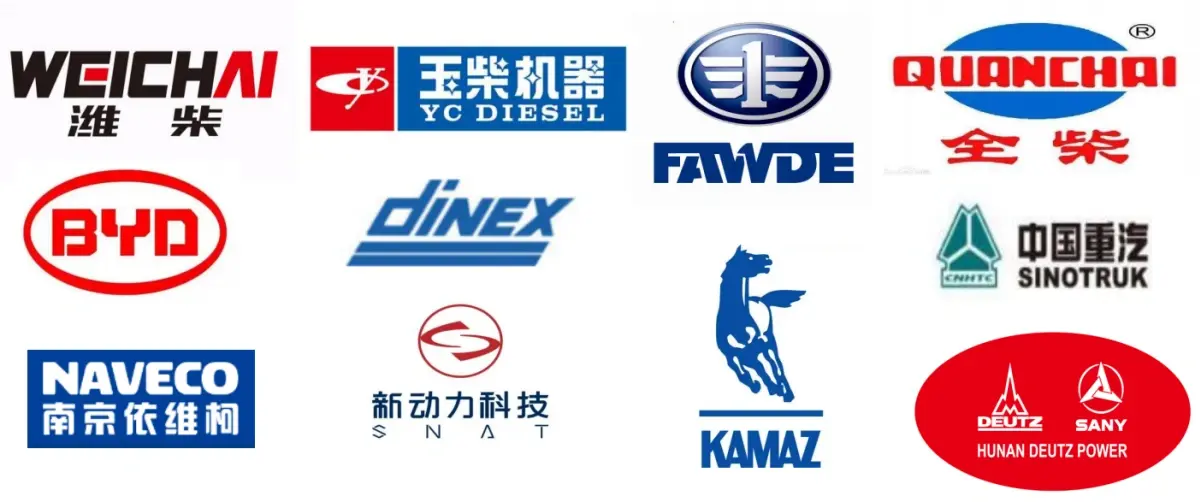
Selecting the Right SCR Dosing Pressure Sensor for Your Needs
When making procurement choices, you have to balance technical needs, cost limits, and supply chain issues. By learning about SCR dosing pressure sensor systems and how they work, you can choose parts that meet the needs of the operation.
Comparing Sensor Technologies
Strain gauge SCR dosing pressure sensors are most common in automobile uses because they are accurate, last a long time, and are inexpensive. These tools attach resistive parts to bendable sheets that change shape when pressure is applied, allowing for measured changes in resistance. Silicon-based piezoresistive sensors can be more densely integrated and have temperature adjustment built in, but they are harder to make.
Capacitive sensors measure pressure by changing the gap between plates that are set and plates that are moving. They are very stable over time, which is great for industrial uses, but they are more easily harmed by contamination. Piezoelectric sensors are great at measuring dynamic pressure, but their signal drift makes them unsuitable for steady SCR doses. Thin-film technology makes SCR dosing pressure sensors smaller while improving their thermal response, which makes them a good choice for placements in small emission control units.
Critical Performance Specifications
Specifications for accuracy set the biggest mistake that can happen over the whole working range. This is usually shown as a portion of the full scale. In order to meet China VI and Euro VI standards, SCR dosing pressure sensors must stay accurate within ±2% throughout their service life. This can only be proven through production testing, not sample checks.
Response time controls how quickly SCR dosing pressure sensors pick up changes in pressure, which is very important for systems that use rapid injection strategies because delays can lead to dose mistakes. Pressure range needs to cover normal system conditions plus a safe amount of room; most dose systems work at 5 to 7 bar, which means sensor ranges should be between 0 and 10 bar. Temperature rates should be higher than the worst possible exposure, taking into account heat soak in the engine area and cold starts.
Evaluating Manufacturers and Quality Standards
Leading SCR dosing pressure sensor makers have full quality control systems that are certified to IATF 16949. This makes sure that production is consistent and can be tracked, which is very important for car supply chains. ISO 9001 approval gives you basic quality assurance, but it doesn't have the automotive-specific standards that keep things from going wrong in the field. For explosion-proof uses, parts need to be certified by ATEX or IECEx.
The production skills of Xi'an Qintai Automotive Emission Technology Co., Ltd. are perfect for high-demand B2B uses. Since its founding in 2001, our company has been developing sensors for more than twenty years and has the production ability to serve China's top diesel engine makers, such as Weichai Power, Yuchai Power, and Quanchai Power. As the biggest local provider of SCR parts, we offer sensors that are certified to ISO 9001, IATF 16949, CMC, Ex, UL, CE, REACH, and RoHS standards.
To evaluate producers, you need to look at more than just their certificates. Automated testing systems make sure that each unit is the same, which is not possible with human methods. Environmental stress testing, such as temperature cycling and vibration testing, finds problems with baby mortality before the goods are shipped. Traceability systems connect serial numbers to production date codes and calibration data, allowing you to figure out what went wrong when problems happen in the field.
Balancing Cost and Long-Term Value
The cost of the initial component is only a small part of the total costs of ownership. When SCR dosing pressure sensors break down too soon, the guarantee costs, field service costs, and unhappy customers far outweigh any savings from the purchase price. When you figure out the real value of high-end parts in high-use situations, you should use cost per working hour instead of cost per unit.
Consolidating purchases can lead to volume savings, but sole-sourcing adds risk to the supply chain. Setting up dual-source deals with manufacturers that offer interchangeable parts guards against shortages of allocations when demand goes up. Payment terms, minimum order amounts, and lead times all have an effect on how much working capital is needed and how much it costs to keep goods on hand. Aftermarket wholesalers put availability of stock ahead of offering the cheapest prices to serve customers whose downtime costs make luxury distribution models worth it.

SENSOR+TEST, June 9 – 11, 2026
We look forward to your visit,warmly welcome to our booth 1-634!
Get your free ticket online now:
https://www.sensor-test.de/service/ticket/?52790
Comprehensive Installation Guide for SCR Dosing Pressure Sensors
When you put something correctly, it won't get damaged during handling, and you'll always get accurate numbers. Following the manufacturer's instructions will keep warranty claims from going wrong and keep launching time to a minimum.
Pre-Installation Preparation
Check that the new SCR dosing pressure sensors you buy match the OEM part numbers or cross-reference the specs, such as the pressure ports, electrical connections, and mounting threads. Check the packaging for damage from shipping and the SCR dosing pressure sensor bodies for cracks or contamination. Get the tools you need, such as electrical contact cleaner, accurate torque wrenches, and seal replacements.
To keep the urea spray and parts from getting damaged, depressurize the dose system before taking out the SCR dosing pressure sensor. To keep from short-circuiting when working with plugs, disconnect the negative wires of the battery. Take pictures of how the wiring is currently set up to keep track of it, since aftermarket harnesses don't always use standard color codes. Clean the mounting surfaces and look for damage to the threads that could make sealing less effective.
Installation Best Practices
Replace the sealing elements, which are usually copper crush screws or rubber O-rings, even if the original seals look fine. Reusing them will cause leaks. Tighten the threads by hand with SCR dosing pressure sensors, and then apply the final torque, which is usually between 15 and 25 Nm based on the thread size. Too much torque can cause vibrations to loosen, while too little torque can crack sensor bodies or warp sensing elements.
Carefully connect electrical plugs, making sure that the locking tabs fully engage and the seals seat properly. Check that the pin is in the right place by slowly pulling on each wire. Correct crimps can't be pulled apart by more than 10 Newtons. Follow the original tracks for the new straps and secure them with factory-style clips that stop chafing without crushing the insulation. To keep the wire from wearing out, keep the minimum bend radius as specified by the cable.
Post-Installation Verification
Fix the links to the battery and turn on the power without starting the engine. This will let the ECU find the new SCR dosing pressure sensor and set up communication. Check the diagnostic scanner's data to make sure the sensors are being recognized and that the output voltage at zero pressure is within the acceptable range, which is generally between 0.4 and 0.6 volts. Start the dosing pump using the scanner's features while keeping an eye on the pressure rise.
As you wait for the problem codes or warning lights to come on, start the engine and let the emission system warm up. Drive or load test in situations that caused problems before to make sure the symptoms are gone. For upkeep records, write down the date the SCR dosing pressure sensor was installed, its serial number, and its initial data. Having the right paperwork helps with service claims and lets you see how your whole company is doing in terms of performance.
Conclusion
Regularly testing SCR dosing pressure sensors makes sure that the emission system works well and keeps maintenance costs low by giving accurate readings. Technical teams and procurement workers can stay in line with regulations in a wide range of situations by understanding how sensors work, following organized test procedures, and using good troubleshooting techniques. When you use selection criteria that balance performance requirements, maker capabilities, and total ownership costs, you can make buying choices that keep your business running. Using the right fitting methods and checking the work afterward completes the loop, turning high-quality parts into long-lasting performance in the field. By doing these things, businesses can meet the stricter emission rules that are coming out while also reducing interruptions in their operations.
FAQ
Q1: How often should SCR dosing pressure sensors be tested?
A: Sensors used on highways should be tested once a year as part of regular maintenance. On the other hand, off-highway equipment that works in harsh conditions should be inspected every six months. Every 2,000 hours of use, continuous-duty generator sets should have their sensors checked. Failures that happen again can be avoided by testing right away after system pollution events or pressure-related trouble codes. Setting up condition-based tracking by looking at sensor readings over time to find trends lets you change parts before they break.
Q2: Can sensors from different manufacturers be used interchangeably?
A: Cross-compatibility rests on electrical properties, mechanical interfaces, and calibration bands that are all the same. Voltage output shapes may not match up exactly, even if the physical fit looks good. This could lead to dosing mistakes or fault codes. Aftermarket sensors that say they are the same as OEM sensors should show proof of interchangeability through written validation testing. If you use replacements that haven't been allowed, you could lose your warranty or fail to meet emission standards. Setting up lists of acceptable vendors through qualification testing guards against problems with incompatibility.
Q3: What makes sensor reading inaccuracies?
A: Crystallized urea crystals clog up pressure ports, which stops the membrane from responding correctly. Electrical noise from not enough insulation messes up signals, especially when the starting motor is turning over. When temperature cycles or mechanical shocks cause calibration drift, the output curves move outside of the ECU's tolerance bands. When rust builds up on connectors, it raises circuit resistance, which lowers signal power below acceptable levels. By managing fluid quality, isolating vibrations, and keeping up with electrical system upkeep, these failure modes can be avoided, and sensor accuracy is maintained for the full intended service life.
Partner with Qintai for Superior SCR Dosing Pressure Sensor Supply
Xi'an Qintai Automotive Emission Technology Co., Ltd. can help you buy SCR dosing pressure sensors because we have a history of producing high-quality products and providing quick customer service. We are the biggest original equipment manufacturer (OEM) provider in China for diesel aftertreatment. We supply parts that are approved to IATF 16949, ISO 9001, UL, CE, and REACH standards to major engine makers like Weichai, Yuchai, and Quanchai. Our independent research and development team is always coming up with new ways to make sensors work better. Their work is covered by 58 idea patents, so you can be sure that you're getting cutting-edge technology backed by over 20 years of experience in emission control.
We provide full OEM and ODM services for customizing products from the initial specs all the way through mass production. Our minimum order amounts are flexible enough to accommodate both big manufacturers and area distributors. When it comes to car supply chains, our quality control systems make sure that everything is consistent and can be tracked. At the same time, our reasonable pricing and on-time delivery protect your cost goals and production plans. Email our expert team at info@qt-sensor.com to talk about your unique SCR dosing pressure sensor needs, get samples, or look into ways to work together.
References
1. Automotive Industry Action Group. "Measurement Systems Analysis Reference Manual," 4th Edition, 2010.
2. International Organization for Standardization. "Road vehicles — Test fluids for exhaust gas after-treatment systems (ISO 22241)," 2019.
3. Society of Automotive Engineers. "Recommended Practice for Measuring the Exhaust Emissions and Fuel Economy of Hybrid-Electric Vehicles (SAE J1711)," 2010.
4. United States Environmental Protection Agency. "Control of Air Pollution from Motor Vehicles: Tier 3 Motor Vehicle Emission and Fuel Standards," Federal Register, 2014.
5. European Commission. "Regulation (EC) No 715/2007 on type approval of motor vehicles with respect to emissions from light passenger and commercial vehicles (Euro 5 and Euro 6)," Official Journal of the European Union, 2007.
6. Omega Engineering Technical Reference. "Pressure Sensor Technology: Strain Gauge, Capacitive, and Piezoelectric Transducers," Omega Press, 2018.
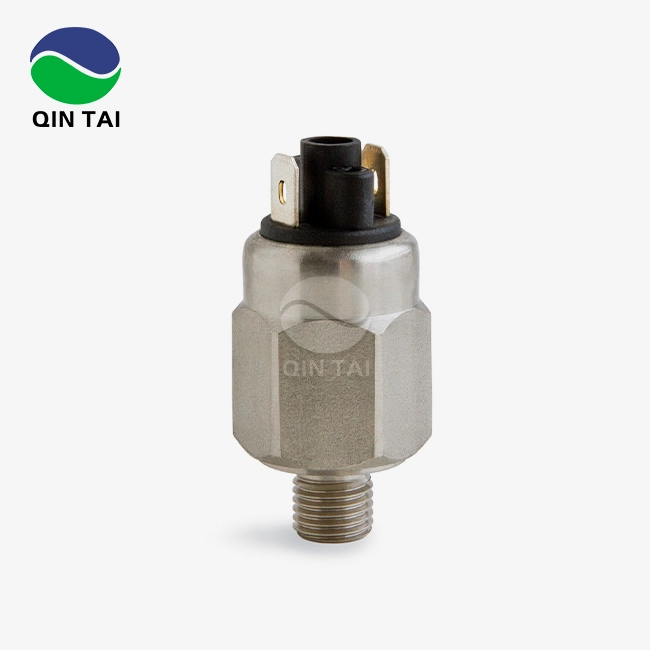
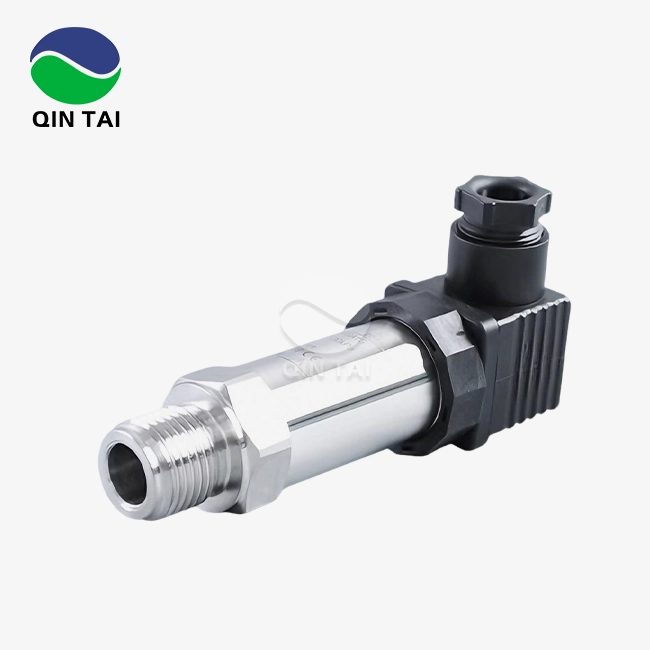
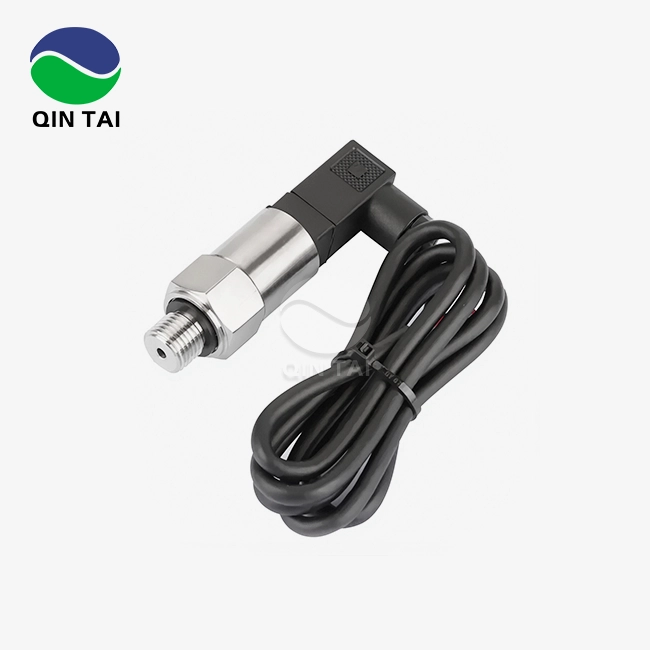

Our customers’ satisfaction speaks for our quality — contact us to experience the same reliable service.