- English
- French
- German
- Portuguese
- Spanish
- Russian
- Japanese
- Korean
- Arabic
- Greek
- German
- Turkish
- Italian
- Danish
- Romanian
- Indonesian
- Czech
- Afrikaans
- Swedish
- Polish
- Basque
- Catalan
- Esperanto
- Hindi
- Lao
- Albanian
- Amharic
- Armenian
- Azerbaijani
- Belarusian
- Bengali
- Bosnian
- Bulgarian
- Cebuano
- Chichewa
- Corsican
- Croatian
- Dutch
- Estonian
- Filipino
- Finnish
- Frisian
- Galician
- Georgian
- Gujarati
- Haitian
- Hausa
- Hawaiian
- Hebrew
- Hmong
- Hungarian
- Icelandic
- Igbo
- Javanese
- Kannada
- Kazakh
- Khmer
- Kurdish
- Kyrgyz
- Latin
- Latvian
- Lithuanian
- Luxembou..
- Macedonian
- Malagasy
- Malay
- Malayalam
- Maltese
- Maori
- Marathi
- Mongolian
- Burmese
- Nepali
- Norwegian
- Pashto
- Persian
- Punjabi
- Serbian
- Sesotho
- Sinhala
- Slovak
- Slovenian
- Somali
- Samoan
- Scots Gaelic
- Shona
- Sindhi
- Sundanese
- Swahili
- Tajik
- Tamil
- Telugu
- Thai
- Ukrainian
- Urdu
- Uzbek
- Vietnamese
- Welsh
- Xhosa
- Yiddish
- Yoruba
- Zulu
Uses of DEF Pressure Sensor in Modern Diesel Engines Today
The DEF pressure sensor is an important part of modern diesel engines' Selective Catalytic Reduction (SCR) aftertreatment systems. It measures the pressure of the Diesel Exhaust Fluid to allow precise flow control. This part directly affects how well the engine runs, how well it meets pollution standards, and how reliable the system is. As pollution standards get stricter around the world, especially in the US with the EPA 2010 and later rules, diesel engine makers and fleet operators must use correct DEF doses to stay in line with laws and run their businesses as efficiently as possible.
Un
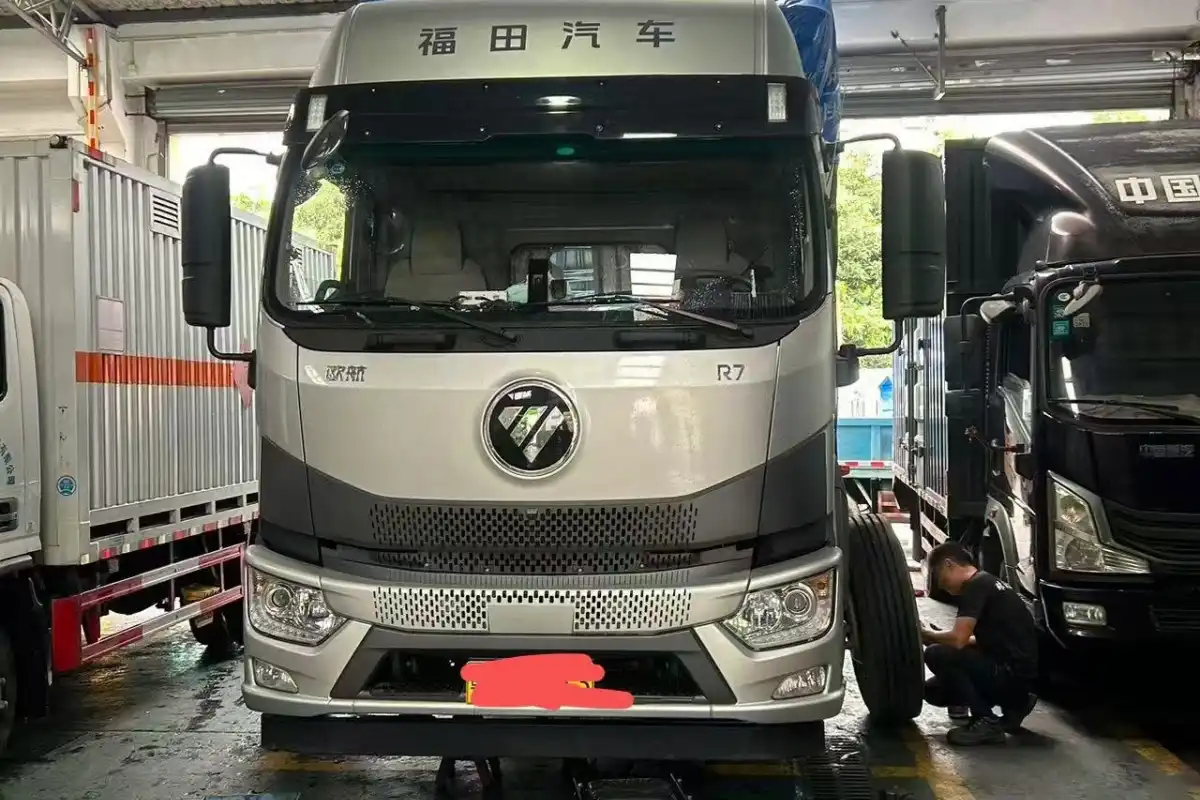
In SCR systems, DEF pressure sensors keep an eye on the fluid pressure levels between the DEF tank and the dose module all the time. These parts make sure that the diesel exhaust fluid gets to the injector at the right pressure, which is usually between 5 and 10 bar based on how the system is set up. When the pressure doesn't stay within certain ranges, the sensor sends electrical signals to the motor control unit (ECU). The ECU then changes the dosing rate or sends out diagnostic alerts. This real-time feedback loop keeps the best NOx reduction performance even when the engine is working under different loads and situations.
Working Principle and Technology
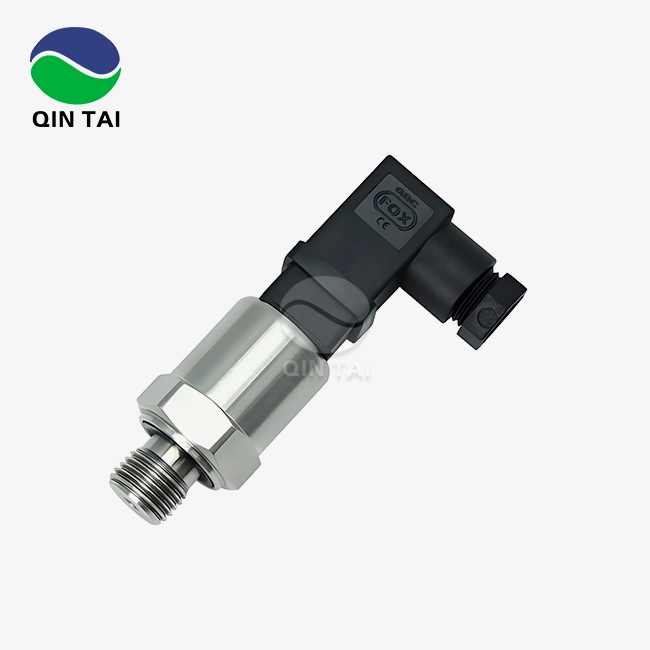
Capacitive or piezoelectric detecting elements are the main parts of DEF pressure sensors that make them work. Capacitive ceramic pressure sensors have a cushion that changes shape when pressure is put on it. This changes the capacitance between two wires. This change in capacitance is recorded and turned into standard electrical signals that exactly match pressure values.
These signals are usually between 0.5 and 4.5 volts or CAN bus digital output. The design of the ceramic diaphragm makes it very resistant to the acidic nature of urea-based DEF. It also keeps the accuracy of the measurements from -40°C to 125°C. Another option is strain gauge technology, which changes voltage directly as the mechanical structure deforms. However, capacitive designs are more popular in car uses because they are more stable over time.
Installation and System Integration
DEF pressure sensors are placed in key areas of the aftertreatment design. They are usually attached to the dosing module assembly or the supply line that runs from the tank to the injector. Positioning changes depending on whether the system uses dosing technology with or without air. To keep pressure drop to a minimum, heavy-duty trucks often put sensors right on the dosing unit.
Construction equipment, on the other hand, may put them in the DEF tank module itself. Pay attention to the fixing position, electrical socket sealing, and fluid line connections during installation to keep air out, which could affect the accuracy of the readings. Because the sensor talks to the electronics in the car using normal protocols, making sure it works with current engine control systems was a big part of the buying process.
Key Uses and Advantages of DEF Pressure Sensors in Modern Diesel Engines
The integration of reliable DEF pressure sensors delivers multiple operational benefits that extend beyond basic emission compliance. When procurement teams look at different sensor choices for fleet uses, knowing these benefits helps them see the value proposition.
Emission Compliance and NOx Reduction
Pressure sensors allow for exact dosing of DEF, which is directly related to how well SCR catalysts convert NOx. When the DEF pressure stays in the right ranges, the injector consistently atomizes droplets, which breaks down all the urea and spreads the ammonia evenly across the catalyst substrate. Studies from the Diesel Technology Forum show that if pressure tracking works right, it can keep NOx conversion rates above 95%. This means that diesel engines stay well below the pollution limits set by EPA Tier 4 Final and Euro VI. This accuracy is especially important when working conditions change quickly, like when the load on building equipment suddenly changes or when heavy trucks have to go up or down a hill.
Predictive Maintenance and Fault Detection
Modern DEF pressure sensors help with planned repair by sending out early warning signs before system problems happen. When sensors pick up on slow drops in pressure, maintenance teams can spot problems like clogged filters, DEF lines that have crystallised, or pumps that aren't working right before they shut down the whole aftertreatment system. This feature cuts down on unexpected downtime by a large amount.
Fleet data from commercial vehicle owners shows that proactive sensor tracking cuts SCR-related breakdowns on the side of the road by about 40% compared to reactive repair methods. The electrical signal output makes it easy to connect to telematics systems, which lets you keep an eye on fleets that are spread out and send out automatic service alerts when pressure numbers change too much.
Engine Performance Optimization
Accurately measuring pressure helps the engine use less fuel and respond more quickly. When the ECU gets accurate pressure information, it can figure out the best time and amount of DEF to inject so that it matches the exact conditions of the burning process. Engineers can tune engines to be more thermally efficient without lowering their pollution performance thanks to this teamwork. In real life, long-haul trucking uses that switched from basic pressure switches to precision analogue sensors saw fuel economy gains of 2% to 3%. In the same way, agricultural equipment benefits because activities with variable loads need DEF system changes that can only be made with accurate pressure feedback.
System Reliability and Component Lifespan
Monitoring the pressure all the time keeps expensive SCR parts from getting damaged by bad working conditions. When there is too much pressure, dose module seals can break or injectors can get damaged. When there is too little pressure, injectors can cavitate and wear out faster. As a safety measure, the sensor sets off system stop procedures before major problems happen. According to warranty data from big OEMs, this security makes dosing units last 30 to 50 percent longer. This reliability improvement is especially helpful for generator set uses because these units often work in remote areas where upkeep is hard to reach and equipment downtime has a direct effect on power production income.
Comparison and Selection: Choosing the Right DEF Pressure Sensor for Your Fleet
Understanding Sensor Types and Specifications
To choose the right DEF pressure sensors, you need to know how the different methods work and how they differ from one another. Capacitive ceramic sensors are most common right now because they work well with urea liquids and keep their accuracy over time. Most of the time, these devices can measure between 0 and 15 bars, and they are guaranteed to be accurate to within ±2% of the full scale. Temperature compensation hardware makes sure that readings are always the same in diesel systems that operate in temperatures ranging from -40°C to 125°C. Piezoelectric versions have faster reaction times, but they may need to be calibrated more often in places with a lot of vibration, like building equipment.
Another way to tell them apart is by their electrical output forms. Digital CAN bus sensors give you more detailed data and the ability to do diagnostics right away, while analogue voltage sensors (0.5-4.5V) are easy to connect to older engine control systems. When buying sensors for mixed fleets, it's very important that they work with current ECU standards. R&D engineers should make sure that the transmission protocols for sensors are compatible with the car network standards. This is true for both SAE J1939 systems used by heavy-duty trucks and OEM-specific systems.
Evaluating Suppliers and Brand Reputation
When choosing a brand, you have to weigh the proven success of the product against the cost. Sensors from well-known automakers like Bosch and Continental are widely accepted by OEMs and have undergone thorough validation testing, making them the first choice for new equipment manufacturers who want to meet approval requirements. Most of the time, these more expensive choices come with detailed technical documents and application engineering support, which are very helpful during system integration.
But high-quality aftermarket options have come up that meet OEM standards and cost less, which is good news for business vehicle owners who are trying to stick to their budgets for repair parts. When purchasing managers look at these choices, they should make sure that the manufacturers they are considering have the right quality certifications, like IATF 16949, which shows that their manufacturing processes meet the standards of the car industry. Looking at a supplier's technical skills, such as their in-house testing facilities, design approval processes, and customer support infrastructure, can help you figure out if they would be a good partner for more than just comparing prices.
Application-Specific Considerations
Different diesel uses have very different fleet fit needs. Heavy-duty cars that work in harsh environments need sensors that have been tested to work well in a range of temperatures and ports that can't let water in. Construction equipment needs designs that don't shake and strong fastening tools that can handle constant mechanical stress. Agricultural equipment may choose sensors with longer repair times that work well with the way it works during different seasons. Generator sets are used in situations that need industrial-grade dependability and can run continuously for more than 8,000 hours without needing to be serviced.
By matching sensor specs to application needs, you can avoid early fails and lower the total cost of ownership. When buying in bulk, plans should think about using standard sensor platforms that can work with a variety of equipment. This will make managing supplies and training technicians easier while taking advantage of big price benefits.
Troubleshooting and Maintenance of DEF Pressure Sensors
Common Failure Symptoms and Diagnostic Approaches
Knowing the early warning signs of a broken DEF pressure sensor lets you fix the problem quickly, before it gets worse and costs a lot to fix. Typical signs include warning lights that come on and off, low engine power (derate conditions), and exhaust system performance that changes a lot. When there is a problem with the pressure circuit, diagnostic trouble codes (DTCs) like P20E8 (pressure sensor circuit high) or P20E9 (pressure sensor circuit low) help with the fixing.
A methodical approach to diagnosis starts with looking at electrical connections visually for damage or rust. Next, voltage and resistance tests using multimeters are used to make sure the circuit stays connected. By comparing live sensor readings to the standards in the shop manual, you can find sensors that are giving you wrong information even though they pass electricity tests. Modern troubleshooting tools can mimic pressure inputs, which helps separate sensor faults from problems further down the line in pumps or dosing units. Technicians who do maintenance should keep reference charts that show normal pressure levels at different engine working points. This way, when they do regular checks, they can quickly spot readings that don't seem right.
Preventive Maintenance Best Practices
Setting up proactive repair plans for DEF pressure sensors makes them last a lot longer. Visual checks done at regular service intervals catch problems like fluid leaks near sensor mounting points or electrical wire chafing before they get worse. DEF crystallisation around sensor ports should be cleaned with approved cleaning solutions, never rough tools that could damage the detecting surfaces. Cleaning should be done every 500 to 1,000 working hours, but this depends on the quality of the DEF and the conditions in the surroundings.
Verification of calibration is another important upkeep task, especially for trucks that are being closely watched by EPA auditors. Most current sensors are calibrated so that they stay accurate throughout their useful life. However, comparing them to reference pressure gauges on a regular basis makes sure that they are still accurate. This check is especially important after taking the sensor off for any reason, since putting it back on could add air pockets or mounting pressures that change the results. Calibration checks that are written down also help with compliance paperwork during regulatory visits.
OEM Versus Aftermarket Replacement Decisions
Setting replacement schedules based on what the maker says and data from past fleet data helps repair budgets work better. Sensors usually need to be replaced every 3 to 5 years or after 6,000 to 10,000 hours of use, whichever comes first. Planning repairs during planned maintenance times instead of waiting for things to break down saves money on labour and keeps things from going down without warning.
When deciding between OEM and aftermarket substitute sensors, you need to think about insurance issues, performance requirements, and cost. OEM parts make sure that later equipment is compatible and that the warranty still covers it. These are important things for R&D engineers who are testing out new engine platforms or fleet managers who are managing rented cars. More recent versions of premium OEM sensors often have updated designs that include changes that make the field better that aren't in older original equipment.

SENSOR+TEST, June 9 – 11, 2026
We look forward to your visit,warmly welcome to our booth 1-634!
Get your free ticket online now:
https://www.sensor-test.de/service/ticket/?52790
Procurement Insights: Buying DEF Pressure Sensors for Diesel FleetsSupplier Vetting and Quality Assurance
Setting up reliable supply lines for DEF pressure sensors starts with thorough processes for qualifying suppliers. Teams that buy things for businesses should give more weight to sellers that have strong quality management systems that can be checked with ISO 9001 and IATF 16949 standards. These certifications show that the manufacturing processes have the right process controls, traceability systems, and methods for constant growth that are needed to make car parts. Checking the technical skills of the seller gives you more peace of mind. Look for in-house testing labs that have pressure calibration standards, environmental rooms for temperature cycling validation, and vibration testing equipment that mimics how things work in the field.
Before agreeing to large orders, ask for qualification samples and have them tested by a third party to make sure the specs match what the supplier says they can do. This validation is especially important when buying from new sources or thinking about aftermarket parts that can be used instead of OEM parts. Long-term reliability standards can be learned from the supplier's quality past, the number of warranty claims, and customer references from similar uses. Building partnerships with providers who are open and honest, quick to respond to technical questions, and willing to tailor solutions to specific needs gives you a competitive edge that goes beyond unit price.
Strategic Purchasing and Cost Management
Large fleet operators and equipment makers can save a lot of money by using volume buying strategies. When you negotiate yearly supply deals with tiered pricing based on volume promises, you lock in good rates and make sure you always have a supply. These contracts should have set dates for price reviews so that prices can be changed based on changes in the cost of raw materials or the value of the currency without having to be negotiated all the time. Ordering in bulk also lowers transaction and freight costs, but the saves on each unit must be weighed against the costs of keeping supplies. Just-in-time delivery agreements with qualified providers keep stock levels high while lowering the need for operating capital.
Competitive buying systems keep the market in check, but choosing the lowest price without thinking about the total value often backfires because of higher failure rates or poor technology support. Structured evaluation factors that give price (40–50%), technical specifications (25–30%), seller capability (15–20%), and service support (10–15%) more weight all lead to more fair purchasing choices. A life-cycle cost study that shows the total costs of ownership, such as the original purchase price, expected service life, warranty coverage, and maintenance needs, can often justify charging more for better components.
Building Long-Term Supplier Partnerships
There are more ways to save money on costs, like negotiating payment terms and getting savings for paying early. Suppliers may give discounts of 2% to 3% if you pay within 10 to 15 days instead of the normal 30 to 60 days. This can save you a lot of money on big orders. But these plans need good cash flow management and might not work for all buying situations.
When you move beyond simple buying ties and into strategic partnerships, everyone wins. Planning together with key suppliers helps predict demand more accurately, lowering the risk of running out of stock for everyone and ensuring supply during busy buying times. Long-term suppliers often give priority when there aren't enough parts, and they may also give you early access to new technologies before they hit the rest of the market. Technical collaboration lets you change the specs of sensors to fit specific application needs, like extra-long pressure ranges, specialised electrical connections, or better vibration resistance. This lets you make unique goods that you can't find in normal catalogues.
Conclusion
DEF pressure sensors are important parts of modern diesel engines that help them meet strict pollution rules while still running at their best and being reliable. When buying teams know how they work, what their practical benefits are, and how to choose the right ones, they can make choices that balance technical needs with cost factors.
Troubleshooting and repair that work well can extend the life of sensors and keep expensive system failures from happening. Strategic methods to procurement can make the supply chain more resilient. As emission standards change and diesel technology improves, it becomes more important to work with qualified sensor makers that offer proven knowledge, full certifications, and quick support services to stay ahead of the competition in the heavy-duty equipment markets.
FAQ
Q1: How do I diagnose a faulty DEF pressure sensor?
A: First, use an OBD-II reader or dealer-level diagnostic software to look for diagnostic trouble codes. Codes like P20E8 and P20E9 show that the circuit for the DEF pressure sensor is broken. Check to see if the electrical links between the sensor and the ECU are loose or corroded. Check the voltage output of the sensor using a multimeter while watching live data. The readings should change smoothly as the pressure changes. Compare the numbers that were seen with the manufacturer's recommendations.
Q2: What distinguishes DEF pressure sensors from NOx sensors?
A: DEF pressure sensors check the fluid pressure in the dosing system to see if the right amount of DEF gets to the injector for atomization. They send out either an analogue voltage or a digital signal that shows the pressure. NOx sensors, on the other hand, measure how well the SCR catalyst reduces emissions by measuring the amount of nitrogen oxide in the exhaust gases before and after it is used.
Q3: Are aftermarket DEF pressure sensors reliable?
A: When properly described, quality aftermarket sensors from recognised makers offer the same level of dependability as OEM parts. Check to see if aftermarket providers are IATF 16949 certified and can give you full technical specs that match the OEM's performance standards. Ask for a guarantee that lasts at least a year and proof that the materials will work with DEF chemistry. Aftermarket companies with a good reputation spend money on assurance testing that meets OEM standards.
Partner with Qintai for Premium DEF Pressure Sensor Solutions
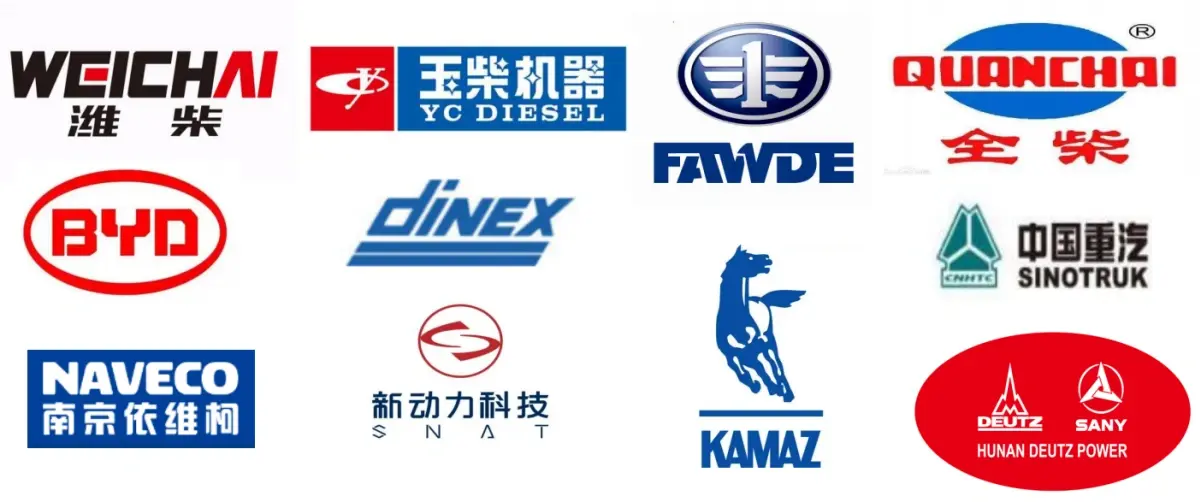
Qintai Automotive Emission Technology Co., Ltd. has been making DEF pressure sensors for over 20 years and works with diesel engine OEMs and aftertreatment system developers around the world. Weichai Power, Yuchai Power, and Quanchai Power believe us to be the best SCR component supplier in China. We offer reasonable pricing for bulk purchases and strict quality standards that are backed up by ISO 9001, IATF 16949, and CE certifications.
Our separate research and development team has created 58 new ideas that have been copyrighted. These ideas allow us to make sensor solutions that are exactly what you need for your application. Qintai has the dependability and speed that demanding industrial diesel applications need, whether you need to produce a lot of diesel engines, get specialised expert help, or use OEM/ODM services. Get in touch with our expert team at info@qt-sensor.com to talk about how our pressure sensor options can help your aftertreatment system work better and meet your emission compliance goals.
References
1. Diesel Technology Forum. (2022). Selective Catalytic Reduction Technology and Emission Control Systems for Heavy-Duty Diesel Engines. Washington, D.C.: Diesel Technology Forum Publications.
2. Johnson, T. V. (2021). "Diesel Emission Control Technology in Review." SAE International Journal of Engines, 14(3), 329-368.
3. Environmental Protection Agency. (2020). Diesel Engine Emission Standards and Aftertreatment System Requirements: Technical Guidance for Manufacturers. EPA-420-B-20-044. Washington, D.C.: U.S. Environmental Protection Agency.
4. Zhang, H., & Wang, J. (2023). "Performance Evaluation of DEF Dosing Systems in Commercial Vehicle SCR Applications." International Journal of Automotive Technology, 24(2), 441-455.
5. Society of Automotive Engineers. (2021). J1939 Network Protocol Standards for Heavy-Duty Vehicle Electronic Control Systems. Warrendale, PA: SAE International Technical Standards.
6. Miller, R., & Thompson, K. (2022). Maintenance Best Practices for Diesel Aftertreatment Systems: A Fleet Manager's Guide. Chicago: American Trucking Associations Technology & Maintenance Council.
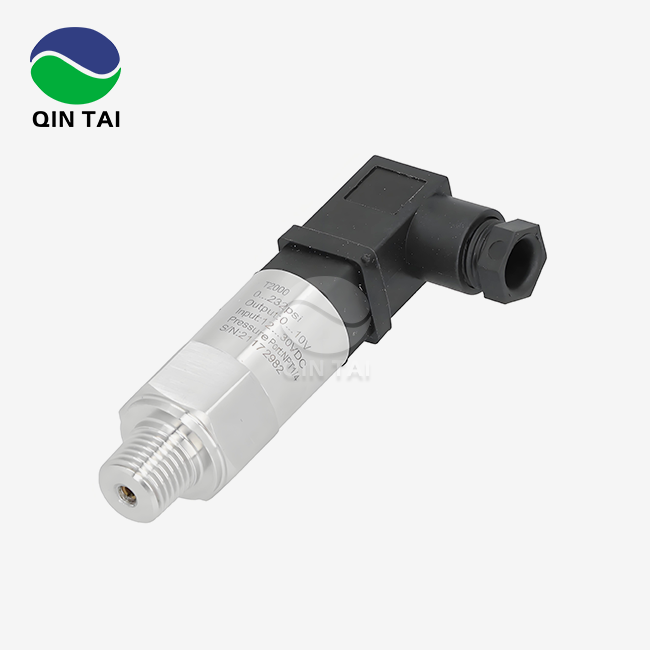
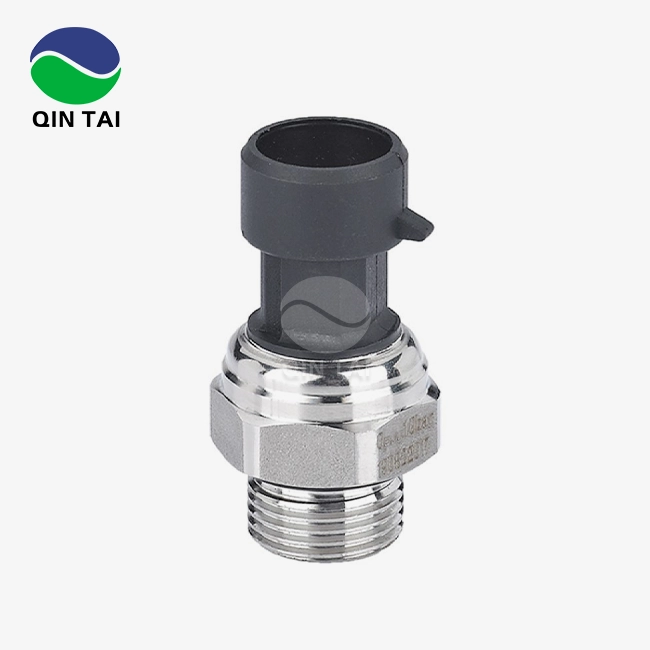
 Sensors.webp)

Our customers’ satisfaction speaks for our quality — contact us to experience the same reliable service.