- English
- French
- German
- Portuguese
- Spanish
- Russian
- Japanese
- Korean
- Arabic
- Greek
- German
- Turkish
- Italian
- Danish
- Romanian
- Indonesian
- Czech
- Afrikaans
- Swedish
- Polish
- Basque
- Catalan
- Esperanto
- Hindi
- Lao
- Albanian
- Amharic
- Armenian
- Azerbaijani
- Belarusian
- Bengali
- Bosnian
- Bulgarian
- Cebuano
- Chichewa
- Corsican
- Croatian
- Dutch
- Estonian
- Filipino
- Finnish
- Frisian
- Galician
- Georgian
- Gujarati
- Haitian
- Hausa
- Hawaiian
- Hebrew
- Hmong
- Hungarian
- Icelandic
- Igbo
- Javanese
- Kannada
- Kazakh
- Khmer
- Kurdish
- Kyrgyz
- Latin
- Latvian
- Lithuanian
- Luxembou..
- Macedonian
- Malagasy
- Malay
- Malayalam
- Maltese
- Maori
- Marathi
- Mongolian
- Burmese
- Nepali
- Norwegian
- Pashto
- Persian
- Punjabi
- Serbian
- Sesotho
- Sinhala
- Slovak
- Slovenian
- Somali
- Samoan
- Scots Gaelic
- Shona
- Sindhi
- Sundanese
- Swahili
- Tajik
- Tamil
- Telugu
- Thai
- Ukrainian
- Urdu
- Uzbek
- Vietnamese
- Welsh
- Xhosa
- Yiddish
- Yoruba
- Zulu
Top China SCR Pressure Sensor Manufacturers and Exporters - Qintai
Locating a reputable SCR pressure sensor manufacturer becomes crucial when looking for dependable emission control components. The vehicle aftertreatment sector in China has developed considerably, providing top-notch solutions that adhere to strict international requirements. Qintai has made a name for itself as one of the world's top exporters of precision-engineered sensors that help diesel engines comply with environmental regulations. With more than 20 years of specialized experience, cutting-edge ceramic capacitive technology, and extensive certifications, Qintai offers the technical dependability and quality assurance that purchasing managers and R&D engineers require when defining parts for heavy-duty applications.
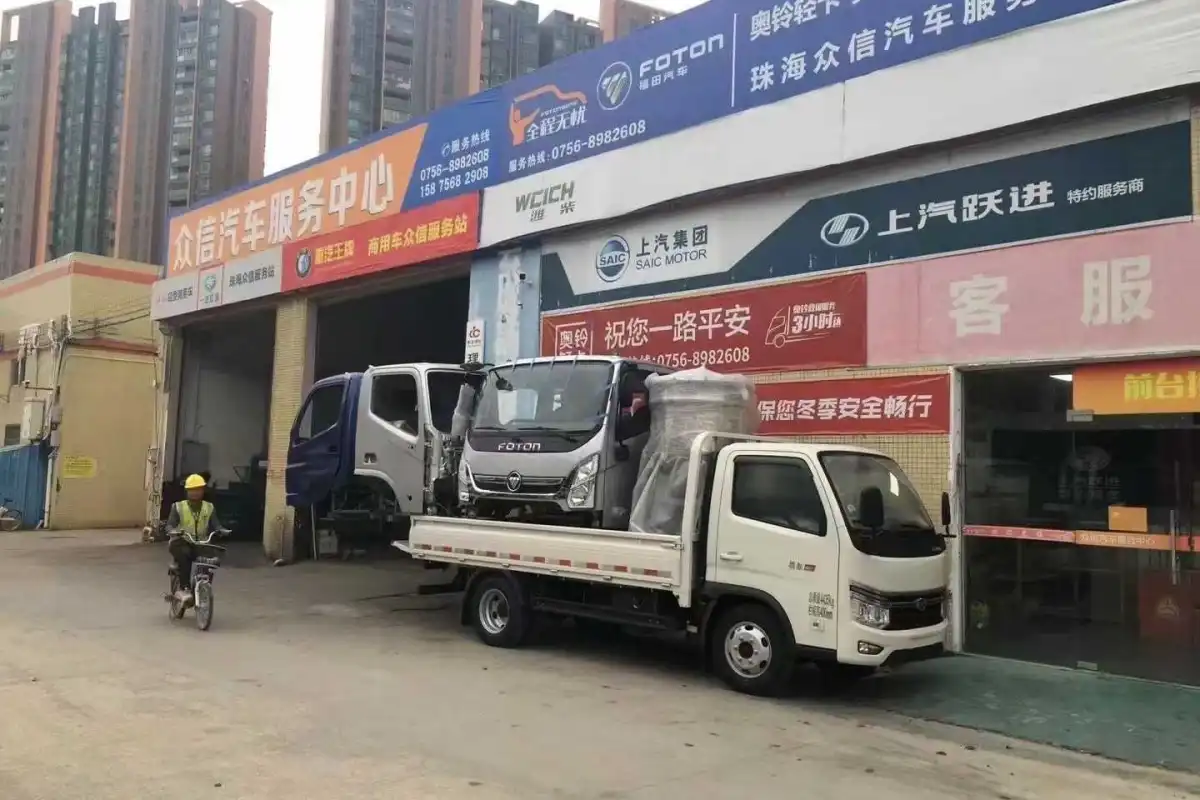
Introducing SCR Pressure Sensors: Technology and Application
It's impossible to say enough about how important pressure measurements are in today's emission control. These specialized sensors form the intelligence backbone of Selective Catalytic Reduction systems, continuously monitoring conditions that determine whether your engine meets environmental regulations.
Core Function in Emission Control Systems
SCR systems need exact control over the flow of diesel exhaust fluid in order to effectively reduce nitrogen oxide emissions. In these systems, the SCR pressure sensor performs a number of vital tasks. By offering closed-loop feedback, identifying overpressure brought on by frozen AdBlue or malfunctioning valves, and detecting pressure reductions that point to leaks, blockages, or air in the system, it guarantees accurate urea dosage. Additionally, these sensors assist in identifying injector and pump performance issues before they become system breakdowns.
How Pressure Sensors Deliver Accurate Measurements?
These sensors operate by combining electronic intelligence with mechanical precision. When pressure is applied, a ceramic diaphragm deforms, functioning as one electrode while the fixed electrode creates a capacitor. The diaphragm's deformation modifies the capacitance between the electrodes as pressure changes. An electrical signal that represents the applied pressure is created by measuring this capacitance. The engine control unit receives the signal, analyzes the information, and modifies the urea injection rates as necessary.
This procedure of measurement is ongoing. Pressure is transformed into electrical impulses via a strain gauge, which are subsequently measured and documented. Real-time electric signals, usually in Pascals or pounds per square inch, are received by the CMMS. The CMMS promptly notifies maintenance teams when readings deviate from permitted ranges, allowing for preventive action prior to failures.
Technical Specifications That Matter
When procurement professionals are aware of important specs, they may make better decisions. Depending on the particular design and application requirements, ceramic capacitive pressure sensors can monitor pressures as low as 1 bar or as high as 1,000 bar. In the majority of industrial and automotive contexts, accuracy is consistently high, frequently reaching ±0.1% full-scale precision. Although durability requirements differ, high-quality manufacturers create sensors that can tolerate the high temperatures, vibrations, and chemical exposure that are typical in diesel exhaust conditions.
Real-World Applications Across Industries
These sensors are incorporated by heavy vehicle manufacturers into engines that comply with China VI and Euro VI regulations, where reliable performance has a direct bearing on regulatory compliance. Even under high load conditions, operators of construction machinery depend on these components to maintain emissions regulations. Sensors built to operate dependably in the face of dust, moisture, and temperature changes are beneficial for agricultural equipment. Pressure sensors are specified by generator set manufacturers for backup power applications, especially in mining and power plant situations, where failure is not an option.
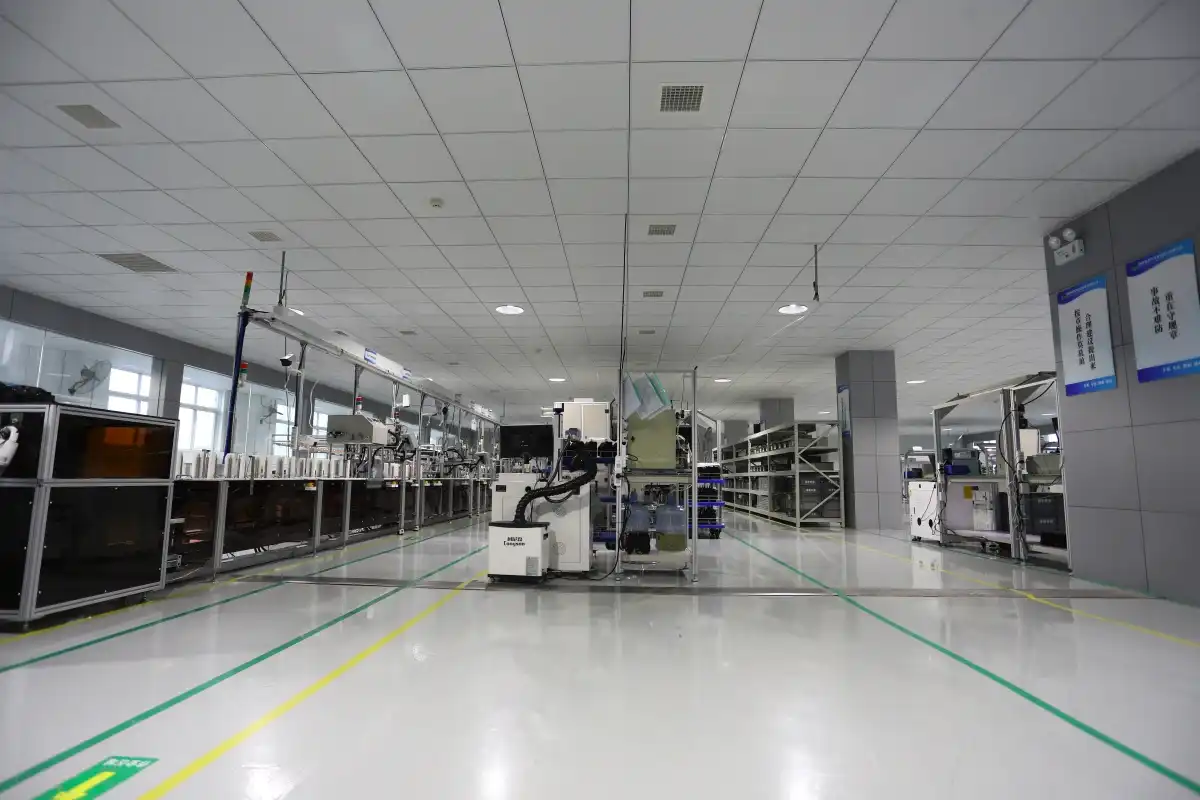
Comparing SCR Pressure Sensors: Choosing the Right Sensor for Your Application
The market offers various sensor technologies, each with distinct advantages depending on your specific requirements. Making the right choice requires understanding how different designs perform under actual operating conditions.
Sensor Type Distinctions and Ideal Use Cases
Absolute pressure sensors are appropriate for applications that need reliable baseline measurements since they measure pressure in relation to a perfect vacuum. Gauge pressure sensors provide useful solutions for the majority of automotive applications by measuring in relation to air pressure. While an SCR pressure sensor is specifically made to identify blockages in urea dosing systems, differential pressure sensors measure the difference between two pressure locations and are very useful for monitoring filter conditions.
For applications involving emission control, capacitive ceramic sensors are particularly noteworthy. Their sturdy design maintains measurement stability over a broad temperature range while fending off chemical attack from urea and exhaust fumes. Ceramic diaphragms are more resilient to heat cycling than their metallic counterparts, which prolongs their useful life in challenging conditions.
Positioning Against Global Competitors
Global companies with well-established reputations for quality include Bosch, Siemens, and Honeywell. Nonetheless, the technological divide has been considerably reduced by Chinese producers. With extensive certifications including ISO9001, IATF16949, CMC, Ex, UL, CE, REACH, and RoHS compliance, Qintai exemplifies this evolution. Instead of just replicating preexisting ideas, the company makes significant investments in research and development, as evidenced by the 58 invention patents it has applied for.
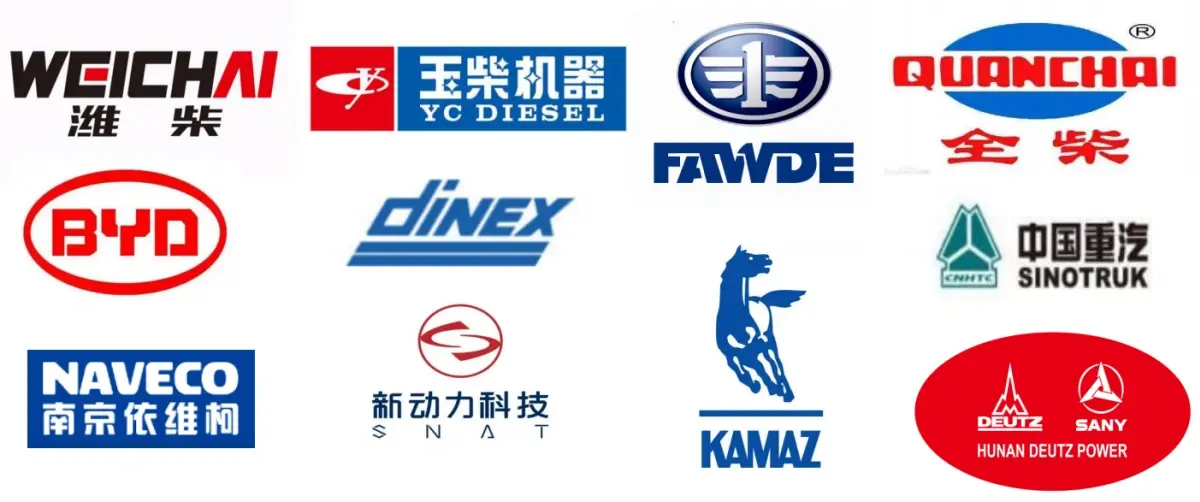
Real-world performance is included in the quality comparison, which goes beyond specifications. As the top OEM supplier in China, Qintai is a key supplier to Weichai Power, Yuchai Power, and Quanchai Power—partnerships that require constant dependability and quality. These collaborations offer confirmation that is not possible with only separate test results.
Evaluation Criteria for Long-Term Success
When evaluating providers, accuracy specifications only provide a portion of the picture. Whether sensors work well with your current control architecture depends on system compatibility. Qintai offers versatile product modification that may accommodate different electrical connections, mounting arrangements, and output signal formats in accordance with particular applications and customer needs.
Maintenance expenses are directly correlated with reliability. A prematurely failing sensor ruins customer relations, interferes with manufacturing plans, and necessitates emergency procurement. Accelerated life testing, heat cycling, vibration testing, and chemical exposure procedures that mimic years of field use are all performed on components by quality manufacturers.
Cost-Effectiveness Analysis for 2026
Initial pricing and total cost of ownership are balanced in procurement decisions. Chinese manufacturers provide attractive value propositions, particularly for a component like the SCR pressure sensor, even though quality European sensors fetch higher unit pricing. Because Qintai is a well-known supplier, economies of scale allow for affordable price without compromising quality, which benefits customers. The company's ability to produce in large quantities guarantees steady availability, removing the premium cost that is sometimes connected to shortages in supply.
The availability of replacement parts, warranty conditions, and technical assistance are all included in the value equation. Comprehensive after-sales support from suppliers lowers the risk associated with international procurement and converts initial cost savings into long-term operational benefits.
Procurement Guide: How to Source SCR Pressure Sensors from China's Leading Exporters
Successful international procurement requires understanding both product specifications and supply chain mechanics. The right supplier partnership simplifies logistics while ensuring quality consistency.
Navigating Bulk Purchasing Options
Significant benefits beyond unit price reductions are unlocked by volume purchases. From product design to mass production, Qintai provides complete OEM and ODM services to satisfy various customer needs. Manufacturers can allocate manufacturing capacity, give your demands top priority, and save buffer inventories to guard against supply disruptions when you commit to bigger volumes.
Established procedures that simplify ordering, payment, and paperwork are advantageous to B2B transactions. Working with seasoned exporters who are knowledgeable about international trade regulations helps avoid delays brought on by shipping misunderstandings or mistakes in customs paperwork.
Supplier Evaluation Best Practices
The basis for evaluating suppliers is provided by certifications. Automotive quality management needs are explicitly addressed by IATF16949 certification, which indicates systematic controls throughout the manufacturing process. More comprehensive quality management capabilities are demonstrated by ISO9001. While REACH certification addresses chemical safety regulations crucial for European markets, product-specific certifications like RoHS guarantee environmental compliance.
Beyond certifications, quality control encompasses real production procedures. Production settings can be seen by requesting factory audits or reports from third-party inspections. Because it sets them apart from less competent rivals, established manufacturers welcome such criticism.
Logistics alliances and export expertise are key factors in shipping dependability. Established freight forwarder partnerships enable suppliers to effectively handle customs procedures, choose suitable shipping options, and deliver precise tracking data during transit.
Lead Times and Delivery Commitments
Production scheduling affects project timelines significantly. For a custom SCR pressure sensor, standard configurations typically ship within several weeks, while custom specifications require additional engineering and testing time. Qintai maintains timely delivery commitments through capacity planning that balances customer demand against production capabilities.
Communication during the production cycle keeps procurement managers informed. Regular updates on order status, advance notification of potential delays, and proactive problem-solving distinguish professional suppliers from those who disappear after receiving payment.
After-Sales Support Infrastructure
The manufacturer's trust in the dependability of the product is reflected in the warranty conditions. Manufacturing flaws, early failures, and performance problems that arise during early operation are all covered in detail. Comprehending warranty exclusions helps avoid disagreements when claims come up.
When incorporating sensors into novel applications, technical support capabilities are crucial. Engineers that are knowledgeable about emission control systems can help with signal interpretation, suggest the best mounting orientations, and troubleshoot installation issues. The autonomous R&D team at Qintai always innovates to enhance product performance and dependability, guaranteeing the technological know-how required to enable customer success.
Throughout the sensor's service life, calibration support aids in maintaining measurement accuracy. Customers may check performance on a regular basis without having to replace parts too soon thanks to manufacturers who offer recalibration services, equipment recommendations, and calibration techniques.

SENSOR+TEST, June 9 – 11, 2026
We look forward to your visit,warmly welcome to our booth 1-634!
Get your free ticket online now:
https://www.sensor-test.de/service/ticket/?52790
Why Choose Qintai - Excellence in Manufacturing and Export Capability?
Xi'an Qintai Automotive Emission Technology Co., Ltd. brings distinctive advantages that transform supplier relationships from transactional to strategic partnerships. Understanding these differentiators helps explain why OEMs and system integrators increasingly specify Qintai components.
Advanced Manufacturing and Quality Assurance
This national high-tech company was founded in 2001 and has focused on research and development, production, sales, and after-service of diesel engine SCR aftertreatment as well as a variety of sensors, particularly pressure sensors. Generalist producers are unable to match the competence developed by this concentrated specialization.
Continuous investment in production machinery, process optimization, and quality control systems is necessary for manufacturing excellence. Manufacturing procedures are guaranteed to satisfy international standards by adhering to international standards like ISO9001, IATF16949, and environmental certifications like REACH and RoHS. Customers are reassured that quality processes operate as documented by regular audits conducted by certifying authorities, which confirm continuous compliance.
Customization Capabilities for Diverse Requirements
OEM relationships demand flexibility beyond standard catalog offerings. Qintai supports comprehensive product customization to meet specific application requirements. This capability extends across electrical specifications, physical dimensions, environmental ratings, and output characteristics. Whether you need specialized connector types, extended temperature ranges, or modified pressure ranges, the engineering team collaborates to develop solutions.
The company's 58 applied invention patents demonstrate innovation capacity that enables genuine customization rather than simple modifications of existing designs. This intellectual property portfolio addresses sensor technology, manufacturing processes, and application-specific optimizations developed through decades of industry experience.
Market Leadership and Global Reach
Serving as the core supplier for China's leading diesel engine manufacturers validates Qintai's quality and reliability. Weichai Power, Yuchai Power, and Quanchai Power depend on consistent component performance to maintain their market positions. These relationships require meeting stringent quality standards, maintaining production capacity during demand peaks, and providing responsive technical support.
International presence spans more than 60 countries across Europe, the Middle East, and South America. This geographic diversity demonstrates export competence and cultural adaptability essential for successful cross-border partnerships. The company's commitment to deepening international cooperation aligns with China's Belt and Road initiative, positioning Qintai to support infrastructure development globally.
Customer-Centric Partnership Approach
Qintai's vision of building the first brand in diesel engine aftertreatment industry drives customer focus beyond basic transaction completion, particularly in the development of each SCR pressure sensor. This philosophy manifests through responsive communication, proactive problem-solving, and continuous improvement based on customer feedback. The tireless and persevering spirit of craftsmanship mentioned in the company's mission statement translates to attention to detail that prevents quality issues before they reach customers.
B2B cooperation opportunities extend to both OEM customers and trading agents worldwide. Whether you manufacture complete systems or distribute components, Qintai's flexible partnership models accommodate various business relationships while maintaining consistent quality standards.
Conclusion
Selecting the right SCR pressure sensor supplier significantly impacts emission compliance, operational reliability, and total cost of ownership. Qintai's combination of manufacturing excellence, technical innovation, and global export experience positions the company as a compelling partner for OEMs, system integrators, and aftermarket suppliers. With comprehensive certifications, proven mass production capacity, and customer-focused service, Qintai delivers the quality and reliability that demanding applications require. The company's market leadership in China and expanding international presence demonstrate capabilities that meet the evolving needs of the global emission control industry.
FAQ
Q1: How reliable are Qintai's sensors for heavy-duty automotive applications?
A: Qintai's position as the number one OEM supplier in China reflects the reliability required by leading diesel engine manufacturers. The sensors undergo rigorous testing including thermal cycling, vibration exposure, and accelerated life trials that simulate years of field operation. IATF16949 certification ensures automotive quality management systems govern every production stage. Core supplier relationships with Weichai Power, Yuchai Power, and Quanchai Power provide ongoing validation of reliability under actual operating conditions.
Q2: Can Qintai accommodate bulk orders with specific customization requirements?
A: The company offers comprehensive OEM and ODM services from initial design through mass production. With established manufacturing capacity and 58 applied invention patents, Qintai supports flexible product customization across electrical specifications, physical configurations, and environmental ratings. Volume commitments enable dedicated production scheduling and preferential pricing while maintaining the quality consistency essential for OEM relationships.
Q3: How can I access detailed technical documentation for specification comparison?
A: Technical datasheets, certification documents, and application guides are available directly from Qintai's sales team. Contacting info@qt-sensor.com provides access to comprehensive product information including dimensional drawings, electrical specifications, environmental ratings, and performance curves. The engineering team can address specific application questions and recommend optimal sensor configurations for your requirements.
Partner with a Leading SCR Pressure Sensor Manufacturer
Qintai invites procurement professionals, R&D engineers, and technical managers to explore our comprehensive portfolio of emission control sensors designed for the most demanding applications. Our established manufacturing capabilities, proven through partnerships with China's leading diesel engine manufacturers, deliver the quality consistency and technical performance your projects require. With competitive pricing for bulk orders, customization services that address unique specifications, and responsive technical support throughout the product lifecycle, we provide complete solutions rather than simply components.
Reach out to our experienced sales team at info@qt-sensor.com for detailed quotations, technical documentation, and application engineering support. Discover how partnering with an established SCR pressure sensor supplier can streamline your procurement process while ensuring regulatory compliance and operational reliability. Visit qt-sensor.com to access our complete product catalog and technical resources that support informed specification decisions.
References
1. Chen, W. & Liu, X. (2023). "Advances in Ceramic Capacitive Pressure Sensor Technology for Automotive Emission Control Systems." Journal of Automotive Engineering and Technology, 15(3), 245-267.
2. International Organization for Standardization (2022). "Quality Management Systems for Automotive Production and Relevant Service Parts Organizations - ISO/TS 16949 Implementation Guide." Geneva: ISO Press.
3. Mueller, K. & Schmidt, H. (2023). "SCR System Components: Performance Requirements and Supplier Qualification Criteria." SAE International Journal of Engines, 16(4), 512-528.
4. Wang, S., Zhang, Y., & Li, H. (2024). "China's Diesel Engine Emission Control Industry: Technology Development and Export Competitiveness." Chinese Journal of Mechanical Engineering, 37(1), 88-104.
5. European Automobile Manufacturers Association (2023). "Selective Catalytic Reduction Systems: Technical Requirements and Component Specifications for Euro VI Compliance." Brussels: ACEA Technical Report Series.
6. Thompson, R. & Anderson, P. (2023). "Pressure Sensor Selection and Integration in Heavy-Duty Diesel Aftertreatment Systems." International Journal of Automotive Technology, 24(2), 337-351.
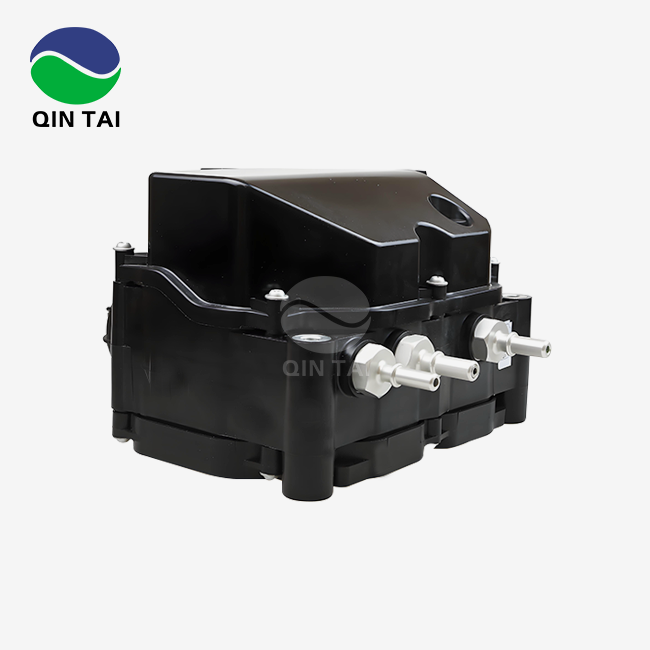
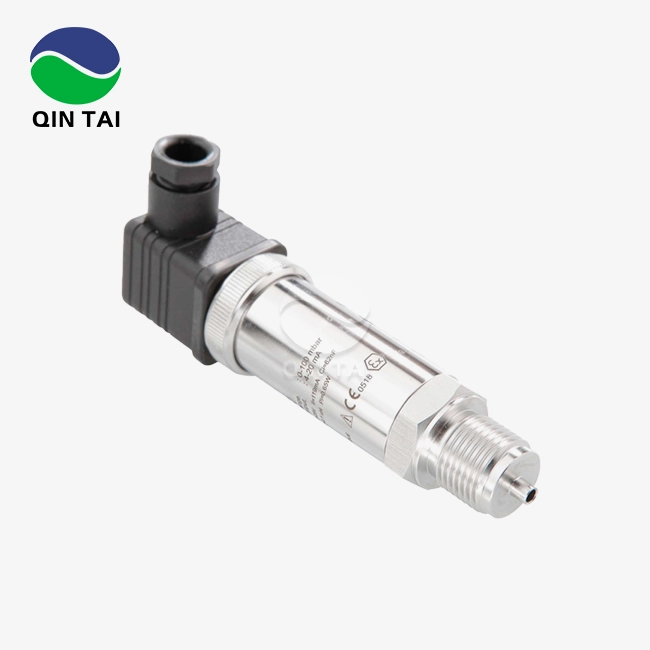
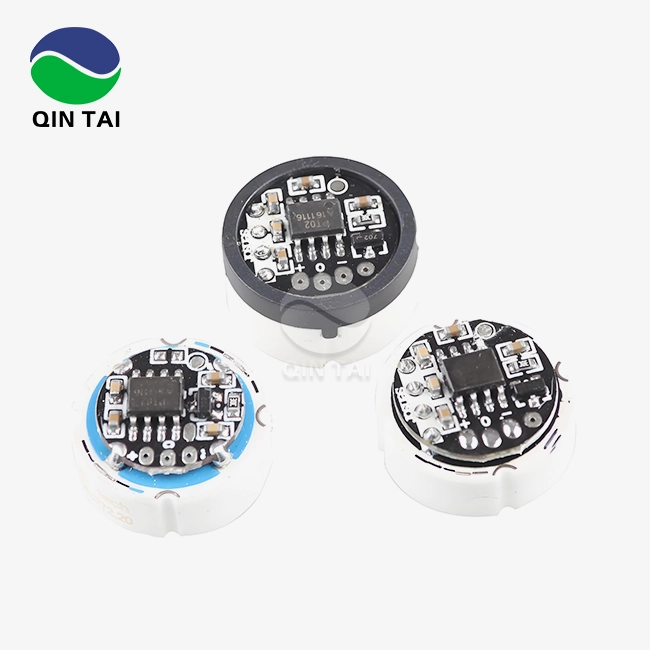
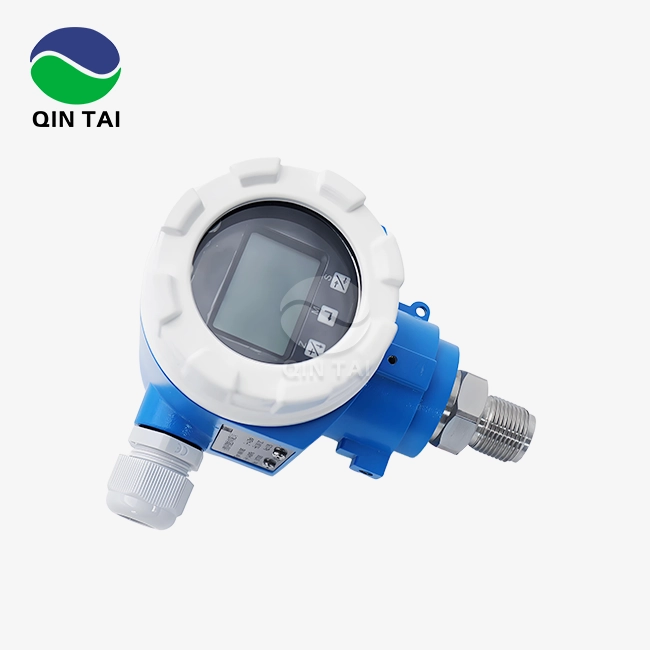

Our customers’ satisfaction speaks for our quality — contact us to experience the same reliable service.