- English
- French
- German
- Portuguese
- Spanish
- Russian
- Japanese
- Korean
- Arabic
- Greek
- German
- Turkish
- Italian
- Danish
- Romanian
- Indonesian
- Czech
- Afrikaans
- Swedish
- Polish
- Basque
- Catalan
- Esperanto
- Hindi
- Lao
- Albanian
- Amharic
- Armenian
- Azerbaijani
- Belarusian
- Bengali
- Bosnian
- Bulgarian
- Cebuano
- Chichewa
- Corsican
- Croatian
- Dutch
- Estonian
- Filipino
- Finnish
- Frisian
- Galician
- Georgian
- Gujarati
- Haitian
- Hausa
- Hawaiian
- Hebrew
- Hmong
- Hungarian
- Icelandic
- Igbo
- Javanese
- Kannada
- Kazakh
- Khmer
- Kurdish
- Kyrgyz
- Latin
- Latvian
- Lithuanian
- Luxembou..
- Macedonian
- Malagasy
- Malay
- Malayalam
- Maltese
- Maori
- Marathi
- Mongolian
- Burmese
- Nepali
- Norwegian
- Pashto
- Persian
- Punjabi
- Serbian
- Sesotho
- Sinhala
- Slovak
- Slovenian
- Somali
- Samoan
- Scots Gaelic
- Shona
- Sindhi
- Sundanese
- Swahili
- Tajik
- Tamil
- Telugu
- Thai
- Ukrainian
- Urdu
- Uzbek
- Vietnamese
- Welsh
- Xhosa
- Yiddish
- Yoruba
- Zulu
How SCR Pressure Sensor Improves Fuel Efficiency in Trucks
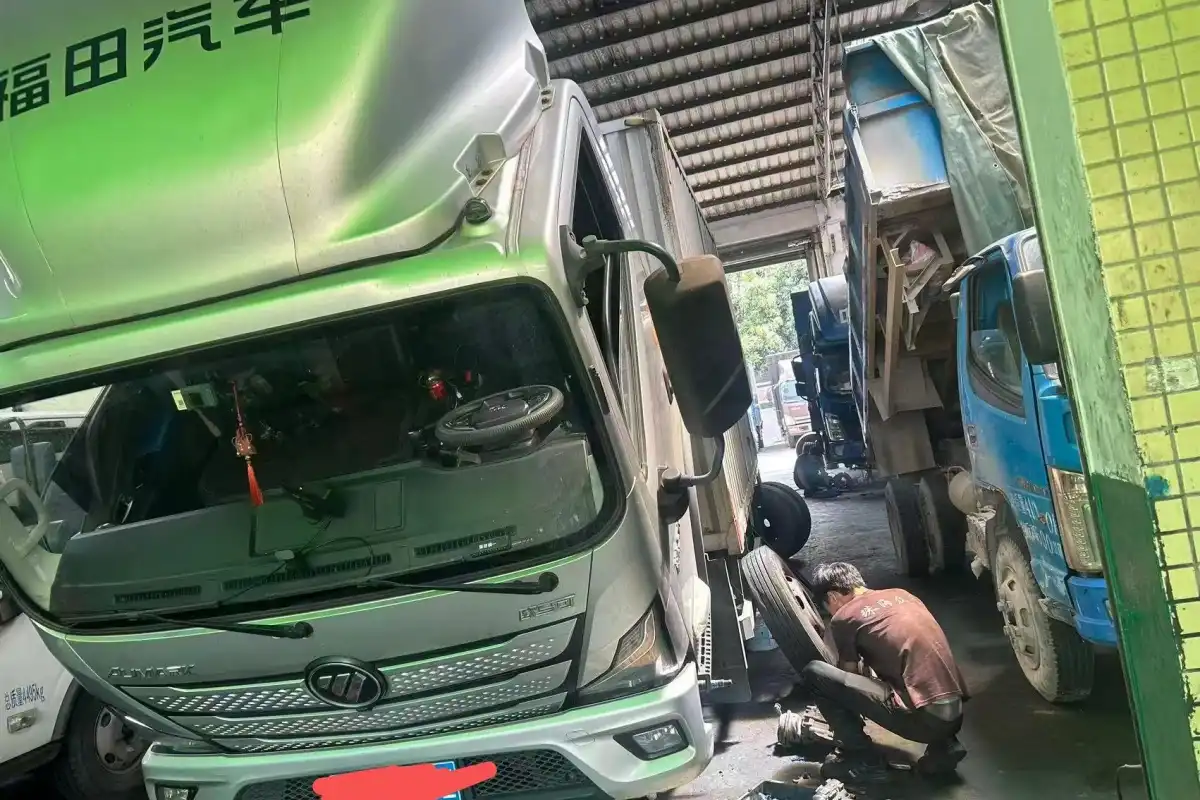
By making sure that the right amount of urea is added to Selective Catalytic Reduction systems, SCR pressure sensors are a key part of making trucks more fuel efficient. These sensors measure changes in pressure in real time, which lets the engine control unit make correct adjustments to AdBlue injection. When the SCR pressure sensor finds the right pressure levels, it stops diesel exhaust fluid from being injected too much or too little. This directly cuts down on fuel use that isn't necessary. This closed-loop feedback system keeps the balance between meeting EPA standards for emissions and getting the best gas mileage. This saves fleet operators money and makes sure they meet strict EPA standards.
Understanding SCR Pressure Sensors and Their Role in Trucks
What Are SCR Pressure Sensors and Why Do Trucks Need Them?
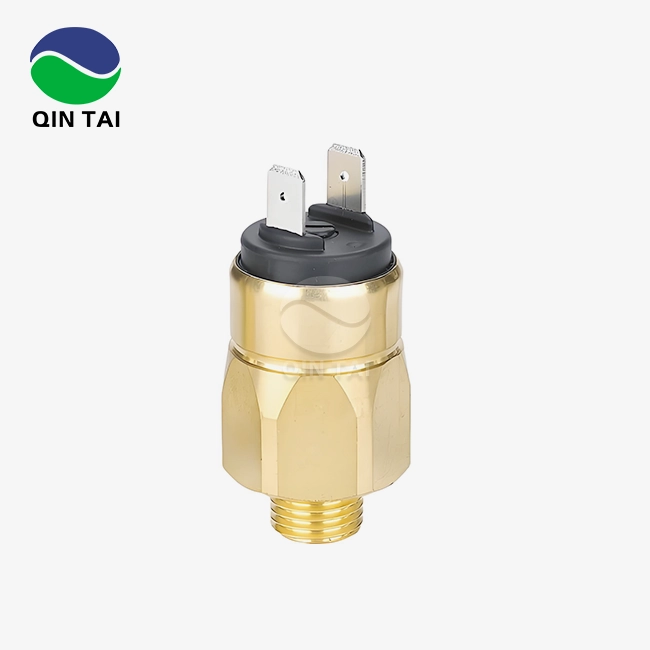
SCR pressure sensors are special tools that measure and keep an eye on the pressure of urea solution, which is also known as AdBlue or diesel exhaust fluid, in the SCR aftertreatment system. SCR technology helps heavy-duty trucks change dangerous nitrogen oxides into nitrogen and water vapor, which are safe. At the center of this process is the SCR pressure sensor, which sends important information to the engine control module so that it can precisely handle the urea injection. If you don't give the system correct pressure data, it can't reduce NOx as well as it could, which means that either too many emissions or too much urea are wasted, both of which hurt working efficiency.
How Ceramic Capacitive Pressure Sensors Work in SCR Systems?
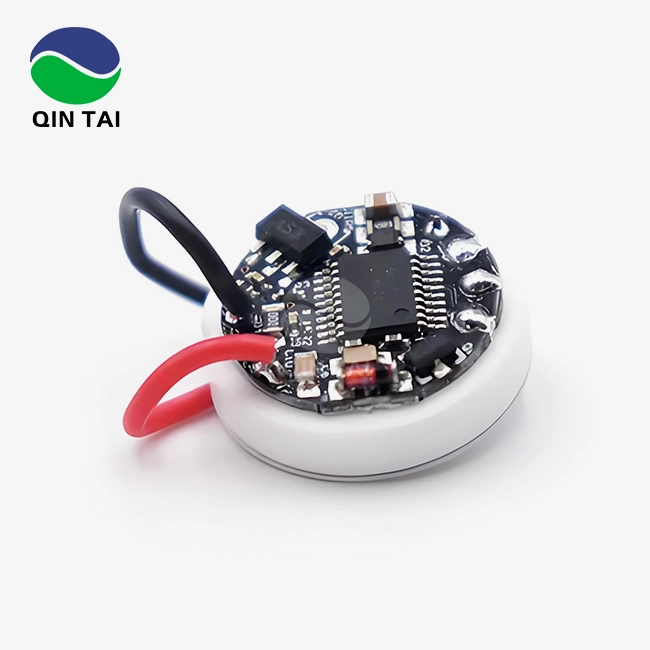
Ceramic capacitive technology is often used in modern SCR pressure sensors. When pressure from the urea fluid is put on a ceramic diaphragm, it changes shape. A set electrode makes up a capacitor, and this plate is one edge of the capacitor. When the engine is running, the diaphragm deforms, which changes the capacitance between the sensors.
The capacitance is found and turned into an electrical output that shows how much pressure is being applied. The engine control unit gets this signal and changes the rate of urea input to match. Based on the design, ceramic capacitive pressure sensors can usually read a wide range of pressures, from as low as 1 bar to over 1,000 bar. With a precision of ±0.1% full-scale, they are known for being very good, which makes them perfect for the rough conditions found in heavy-duty trucks.
Integration of Pressure Sensors into SCR Aftertreatment Architecture
When the urea pump presses down on the fluid from the holding tank, the integration process starts. The SCR pressure sensor gives electrical messages to the control unit to keep an eye on this pressure all the time. The control unit figures out what these signs mean and tells the injector to send the right amount of urea into the exhaust stream.
By giving input in real time, this closed-loop device makes sure that the right amount of urea is given. The sensor finds drops in pressure that could mean there are leaks, blocks, or air in the system. It also finds situations with too much pressure, which could be caused by frozen AdBlue or broken valves. This feature helps find problems with pump performance and injectors, which keeps expensive downtime to a minimum and makes sure that emission standards are met.
Fuel Efficiency Challenges in Heavy-Duty Trucks and SCR Sensor Solutions
Common Fuel Inefficiency Issues Faced by Fleet Operators
Heavy-duty trucks have to work with different loads, in different weather situations, and on tight plans. These things make fuel waste problems worse, which has a direct effect on profits. Variable engine load leads to uneven fuel use patterns, which makes it hard to get the best performance on different routes.
When exhaust treatment isn't done right, byproducts of incomplete combustion aren't fully converted, which loses fuel and raises pollution. Tough emission rules need high-tech aftertreatment systems, but parts that aren't set properly cause diesel and urea to be used too much. Traditional methods for tracking pressure don't have the accuracy needed to deal with these problems effectively, which leads to higher operating costs and the possibility of fines for not following the rules.
How SCR Pressure Sensors Mitigate Fuel Waste Through Precise Monitoring?
These problems can be solved with SCR pressure sensors, which let you precisely watch pressure in real time within the urea delivery system. The engine control unit changes the urea injection to match the exact NOx amounts in the exhaust stream when the sensor finds the best pressure ranges. This accuracy stops the common issue of adding too much urea, which wastes AdBlue and forms urea crystallization layers that slow down exhaust flow and raise backpressure.
When there is more backpressure, the engine has to work harder, which uses more fuel. By keeping the pressure right and stopping these kinds of deposits, the sensor helps save fuel, usually between 3% and 5% in fleet operations. This improvement means that people who run big truck companies will save a lot of money every year.
Practical Examples of Fuel Savings and Maintenance Benefits
Fleet owners who have changed to high-quality SCR pressure sensors say that both fuel economy and servicing intervals have gotten better. One person who drove building equipment cut fuel use by about 4% after switching from normal sensors to ceramic capacitive SCR pressure sensors. The higher accuracy stopped urea from crystallizing, which used to mean that the injector had to be cleaned more often.
Another logistics business had fewer breakdowns related to emissions after putting in place a maintenance plan for sensors that included regular calibration checks. Thanks to their monitoring features, modern sensors can find problems with systems early on, so maintenance teams can fix them before they get worse and cost a lot to fix. These real-world benefits show how choosing the right sensors has a direct effect on running costs and fleet efficiency.
Comparing SCR Pressure Sensors with Standard Pressure Sensors for Fleet Applications
Technical Distinctions Between SCR-Specific and Generic Pressure Sensors
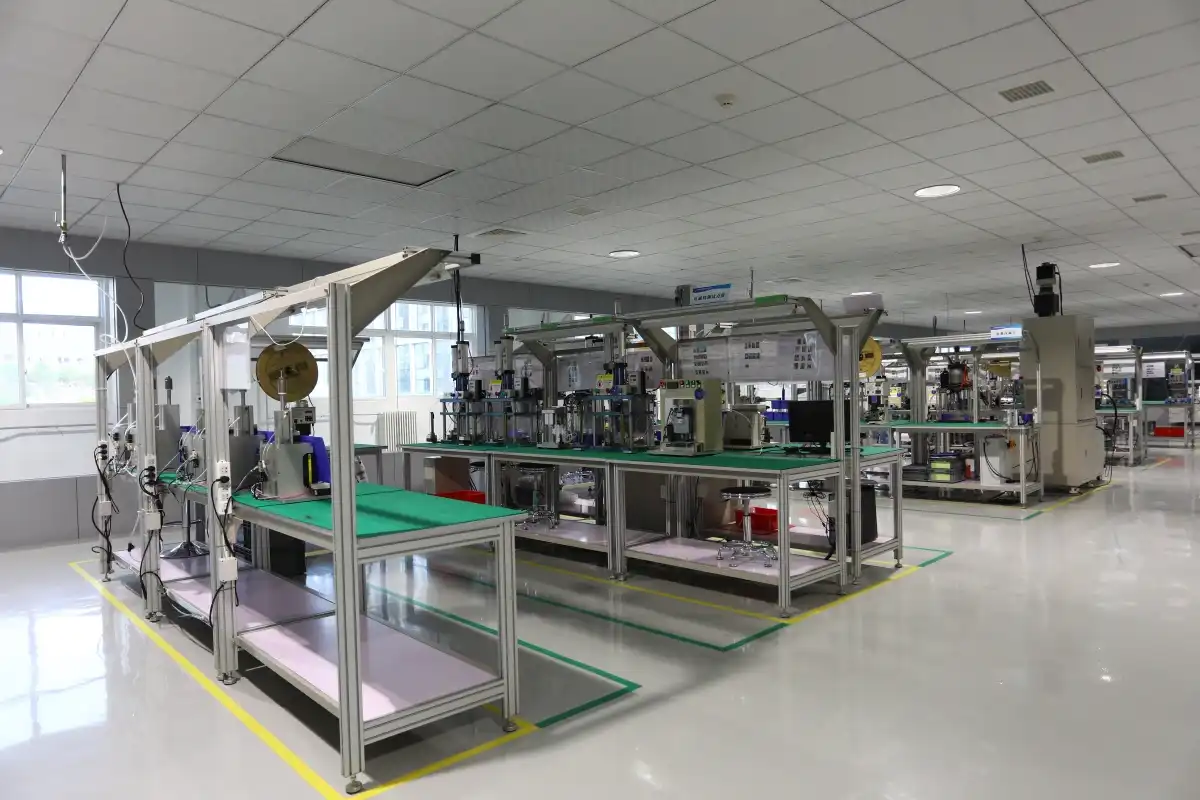
Standard industrial pressure sensors and SCR-specific SCR pressure sensors are very different in how they are built and how they work. Standard sensors might not have the chemical strength needed to handle urea liquids for long amounts of time. Specialized materials and coats on SCR pressure sensors keep them from breaking down when they are exposed to AdBlue over and over again. Another important difference is the working temperature range.
Heavy-duty trucks are exposed to wide ranges of temperatures, from freezing conditions that can turn urea into crystals to exhaust temperatures that go over 500°C. It is designed so that SCR pressure sensors stay accurate across this wide range of temperatures. In trucking uses, vibration protection is also very important. SCR-specific sensors have strong fastening designs and damper features that make sure they work reliably even when they are under a lot of mechanical stress.
Performance Reliability in Demanding Trucking Environments
Premium SCR pressure sensors are different from general ones because they perform reliably in harsh circumstances. Compared to piezoelectric or strain gauge sensors, ceramic capacitive sensors are more stable over time. The ceramic material doesn't change when it gets hot or cold, and it stays calibrated even after millions of pressure cycles.
Standard sensors, on the other hand, may drift, which can cause wrong results and less-than-ideal urea doses. Electromagnetic compatibility is another part of reliability. There are a lot of electrical parts in modern trucks that cause electromagnetic interference. Good SCR pressure sensors have insulation and filters that keep the signal from getting messed up. This electromagnetic protection makes sure that data is sent consistently to the engine control unit, so the system always works at its best, no matter what the electrical world is like.
Brand Comparison and OEM Versus Aftermarket Considerations
Well-known companies like Bosch, Siemens, Denso, Delphi, and Continental are known for making SCR pressure sensors that work well. Bosch sensors are known for being well-made and working with a wide range of vehicles, which makes them a popular choice for OEM uses. Siemens puts a lot of thought into the monitoring features of their sensors, which make finding faults easier by giving more information. Denso works on making small sensor packages that can fit in places where space is limited, which is popular in Japanese truck designs. Aftermarket buyers like Delphi's products because they are both affordable and good at what they do. Continental builds their sensors with full software support for fleet control tools built in.
Procurement pros have to think about a lot of things when they choose between OEM and aftermarket choices. OEM sensors are guaranteed to work with everything and come with contracts that cover failures before they're supposed to. On the other hand, they usually have higher unit costs. Quality replacement sensors from well-known brands like Qintai offer similar performance at prices that are more competitive. Qintai has been certified to meet ISO9001, IATF16949, and other foreign standards. This means that their sensors are guaranteed to meet strict quality standards. The fact that the company is a main provider to China Weichai Power, Yuchai Power, and Quanchai Power shows that they can meet strict OEM requirements. Aftermarket sensors also give owners of mixed fleets who need cross-compatible systems more options.
Procurement Guide for SCR Pressure Sensors in the Logistics Sector
Strategic Sourcing and Supplier Evaluation Criteria
Finding providers who can meet the unique needs of logistics operations is the first step in good buying. The main thing to think about is how well the SCR pressure sensors work with different truck types. Fleet managers often have a mix of vehicles from different makers, so they need sensors that can work with a variety of SCR system designs. It's important for suppliers to include technical specs and compatibility charts that make it clear which sensor models work with which engine types.
When evaluating a provider, you should pay close attention to the warranty terms. The total cost of ownership goes down when you get a guarantee that covers both parts and labor for long periods of time. Customer service that is quick to respond is just as important. When sensors break down in the field, getting expert help and replacement parts quickly keeps logistics operations going smoothly and cuts down on vehicle downtime.
Bulk Purchasing Advantages and Inventory Management Strategies
Arrangements for buying in bulk are very helpful for logistics companies with big trucks. When you buy a lot of something, you can usually get tiered pricing that lowers the price per unit by 15% to 30% compared to buying one at a time. Cash flow management is better when you can negotiate good payment terms, like net-60 or net-90 agreements. To make sure sensors are always available without having to pay too much to store, delivery dates should match up with repair cycles.
A lot of providers have vendor-managed inventory programs where they keep an eye on your stock levels and send more sensors based on how often they are used. This method makes it easier for purchasing teams to do their jobs while also keeping them from running out of stock, which could cause cars to be grounded. When you make deals to buy a lot of something, make sure the deals include changes for the products you buy. This way, you can get better versions of the sensors as soon as the makers release them, so your fleet can keep up with the latest technology.
Supply Chain Best Practices for Minimizing Operational Disruptions
Strategic planning and relationship management are needed to make sensor supply chains that can handle changes. Diversifying your supply base lowers the chance of problems caused by relying on just one source. Keeping in touch with both primary and secondary sources gives you choices for when your main supplier runs out of stock. Setting up smart inventory buffers for important parts like SCR pressure sensors guards against sudden increases in demand or delays from suppliers.
The buffer amount should be equal to the usual number of sensors you use each month plus a safety limit based on wait times. By using inventory planning software that works with your maintenance management system, you can make choices about rearranging based on data. Based on car mileage, operating hours, and past failure rates, these systems can figure out when sensors need to be replaced. This makes sure that the right amount of stock is kept on hand without keeping too much capital in inventory.

SENSOR+TEST, June 9 – 11, 2026
We look forward to your visit,warmly welcome to our booth 1-634!
Get your free ticket online now:
https://www.sensor-test.de/service/ticket/?52790
Maximizing the Impact: Maintenance and Troubleshooting for SCR Pressure Sensors
Routine Maintenance Procedures to Sustain Sensor Accuracy
With regular upkeep, SCR pressure sensors last longer and keep the fuel-saving benefits they offer. Corrosion can mess up electrical signals, but cleaning the sensor link places on a regular basis stops it. During regular service times, maintenance teams should check wire lines for damage caused by chemicals, heat, or vibration. Calibration checks make sure that sensors keep giving correct readings for as long as they are used.
A lot of current sensors can check their own numbers against what they should be, which lets techs know when calibration drift happens. Technicians can fix sensor problems before they affect performance by setting up a preventive maintenance plan that works with the vehicle's service times. Keeping records of repair tasks is a good way to find trends in how your sensors behave across your fleet.
Common Issues and Structured Diagnostic Approaches
Even though SCR pressure sensors are usually reliable, they can have problems that make the system work less well. Changing pressure readings without a reason are usually a sign of a problem with the electrical link or electromagnetic interference that is messing up the signal. A methodical approach to diagnosis starts with checking all links for rust or looseness. Readings of pressure that are regularly lower than predicted could mean that there are leaks in the system that delivers the urea or that air is getting in. To find leaks, technicians should put pressure on the system.
On the other hand, numbers that are regularly higher than average could mean that the urea lines are blocked or that the pressure relief valve is broken. When trying to figure out what's wrong with a sensor, it helps to compare readings to those from known-good reference sensors or use diagnostic scan tools that show sensor data along with maker specs. This organized framework for troubleshooting helps maintenance teams quickly find the root causes, which cuts down on testing time and gets cars back into service more quickly.
Leveraging Sensor Data for Fleet-Wide Performance Optimization
Modern fleet management systems can collect data from SCR pressure sensors across entire lines of vehicles. This gives them insights that help them run their businesses better. Trends in sensor data can help find cars whose SCRs aren't working as well as they should before they fail emissions tests. Patterns in pressure readings can show bigger problems, like urea batches that are contaminated or not enough winterization steps.
The direct link between proper SCR function and fuel economy is demonstrated by advanced analytics systems that connect sensor data with fuel usage records. This method is based on data, which lets fleet managers focus repair resources on cars that are showing early warning signs. Sharing information about how well sensors are working with providers builds relationships and gives useful feedback that leads to better products. When sensor readings are added to full fleet management plans, maintenance stops being about fixing problems after they happen and starts being about improving performance before they happen.
Conclusion
If fleet owners want to save money on fuel while still meeting emission standards, SCR pressure sensors are a must-have purchase. These special tools allow for exact dosing of urea, which cuts down on waste, lowers engine backpressure, and increases the time between repair visits. Because of the technical differences between SCR-specific sensors and general pressure sensors, it is best to choose parts that were made to survive the harsh conditions of heavy-duty trucks. Buying in bulk and switching between suppliers are two strategic ways to get the most out of your sensor purchases. Regular upkeep and using diagnostic data to improve performance ensure long-lasting benefits throughout the sensor's lifetime. This directly leads to lower running costs and better environmental management.
FAQ
Q1: What is the typical lifespan of SCR pressure sensors in heavy-duty trucks?
A: In heavy-duty trucks that are used normally, good SCR pressure sensors should last between 300,000 and 500,000 miles. How long it actually lasts varies on a number of things, such as the working environment, how often it is maintained, and the quality of the sensors. Sensors that are subject to changing temperatures quickly or urea that is contaminated may not last as long.
Q2: Can older truck models be retrofitted with modern SCR pressure sensors?
A: Many older cars with basic SCR systems can be upgraded with new sensors, but it is important to make sure they work with the old systems first. In order to retrofit a system, the electrical connections, pressure ranges, and mounting arrangements of the sensors must be matched to the current system. Some older engine control units might need new software to properly understand data from more modern sensors.
Q3: How do sensor failures impact emissions control and fuel consumption?
A: When a sensor fails, trouble codes are sent to the SCR system, which may put it into a mode that works less well than usual. Because the machine doesn't get accurate pressure input in this degraded mode, it usually uses 10% to 20% more urea. If you don't keep an eye on the pressure correctly, the engine control unit can't figure out how much urea to use, which could cause too much or too little NOx reduction.
Partner with Qintai for Premium SCR Pressure Sensor Solutions
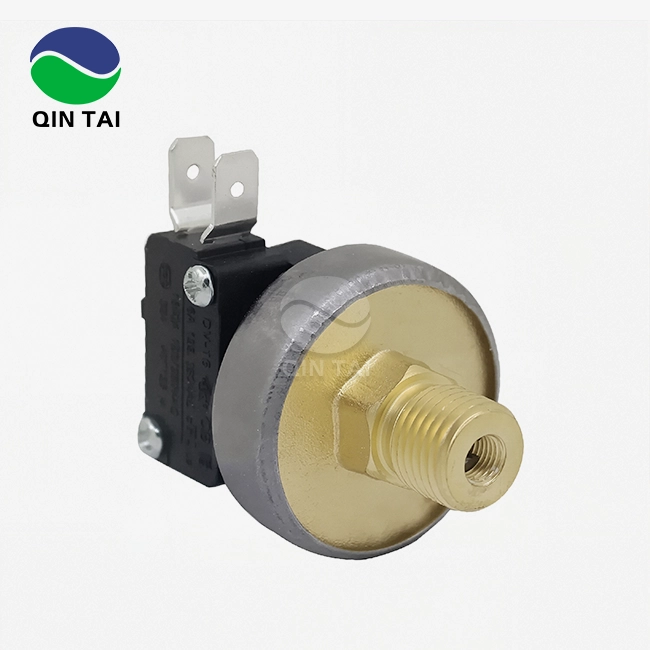
Qintai is an expert in making high-performance SCR pressure sensor solutions that are designed to work in tough conditions. As a national high-tech company that has been around since 2001, we have a lot of experience with SCR aftertreatment technology and making sensors. OEMs and fleet owners want our ceramic capacitive pressure sensors to be accurate and last a long time. We meet the high quality standards needed for global markets by having approvals like ISO9001, IATF16949, CMC, Ex, UL, CE, REACH, and RoHS. Being the main provider to China Weichai Power, Yuchai Power, and Quanchai Power shows how dedicated we are to making the best products.
Contact our technical team at info@qt-sensor.com to discuss your SCR pressure sensor requirements. Whether you need bulk orders for fleet-wide deployments, customized sensor specifications, or technical consultation on optimizing your SCR systems, we provide responsive support backed by decades of industry experience. Visit qt-sensor.com to explore our complete product range and discover how partnering with a leading SCR pressure sensor manufacturer can reduce your operational costs while ensuring regulatory compliance.
References
1. Johnson, M. & Williams, R. (2022). Advances in Diesel Engine Emission Control: SCR Technology and Component Integration. Society of Automotive Engineers International.
2. Environmental Protection Agency (2021). Heavy-Duty Highway Compression-Ignition Engines and Urban Buses: Exhaust Emission Standards. EPA Office of Transportation and Air Quality.
3. Zhang, L., Chen, H. & Peterson, K. (2023). Precision Measurement in Automotive Applications: Capacitive Sensor Technology for Fluid Systems. Journal of Automotive Engineering Technology, Vol. 47, pp. 312-328.
4. Anderson, T. (2022). Fleet Management Best Practices: Maximizing Fuel Efficiency Through Preventive Maintenance. Commercial Vehicle Operations Quarterly, Issue 18, pp. 45-62.
5. International Organization for Standardization (2021). Quality Management Systems for Automotive Production: IATF 16949 Requirements and Implementation Guide. ISO Technical Committee 176.
6. Martinez, S., Thompson, J. & Lee, D. (2023). Diesel Exhaust Fluid Systems: Component Reliability and Performance Optimization in Heavy-Duty Applications. Proceedings of the International Conference on Vehicle Emissions and Efficiency, pp. 156-173.


Our customers’ satisfaction speaks for our quality — contact us to experience the same reliable service.