- English
- French
- German
- Portuguese
- Spanish
- Russian
- Japanese
- Korean
- Arabic
- Greek
- German
- Turkish
- Italian
- Danish
- Romanian
- Indonesian
- Czech
- Afrikaans
- Swedish
- Polish
- Basque
- Catalan
- Esperanto
- Hindi
- Lao
- Albanian
- Amharic
- Armenian
- Azerbaijani
- Belarusian
- Bengali
- Bosnian
- Bulgarian
- Cebuano
- Chichewa
- Corsican
- Croatian
- Dutch
- Estonian
- Filipino
- Finnish
- Frisian
- Galician
- Georgian
- Gujarati
- Haitian
- Hausa
- Hawaiian
- Hebrew
- Hmong
- Hungarian
- Icelandic
- Igbo
- Javanese
- Kannada
- Kazakh
- Khmer
- Kurdish
- Kyrgyz
- Latin
- Latvian
- Lithuanian
- Luxembou..
- Macedonian
- Malagasy
- Malay
- Malayalam
- Maltese
- Maori
- Marathi
- Mongolian
- Burmese
- Nepali
- Norwegian
- Pashto
- Persian
- Punjabi
- Serbian
- Sesotho
- Sinhala
- Slovak
- Slovenian
- Somali
- Samoan
- Scots Gaelic
- Shona
- Sindhi
- Sundanese
- Swahili
- Tajik
- Tamil
- Telugu
- Thai
- Ukrainian
- Urdu
- Uzbek
- Vietnamese
- Welsh
- Xhosa
- Yiddish
- Yoruba
- Zulu
Durability and lifespan of common urea pressure sensors
It is important for business-to-business buyers in the automotive and industry sectors to know how long typical urea pressure sensors last and how durable they are. Under normal conditions, these sensors should last between 3 and 5 years, but the climate, the quality of the installation, and the form of the sensor all have a big effect on how long they last. A well-made urea pressure sensor made for SCR systems can work in harsh situations like high and low temperatures, chemical exposure, and mechanical stress. It can also keep giving accurate pressure data that are needed for emissions compliance and system optimization.

Understanding Urea Pressure Sensor Durability
AdBlue urea pressure sensors are very long-lasting because they were made using advanced engineering methods that take into account the tough working conditions of SCR aftertreatment systems. Modern sensors are made with special materials that don't react with urea crystals or rust. The diaphragm seals are made from advanced metals that keep their shape even when they are exposed to DEF solutions all the time.
Material Engineering and Environmental Resistance
In modern sensor designs, special types of stainless steel are used, especially grades like 1.4466 that are very resistant to rust caused by urea. These materials are put through a lot of tests to make sure they work with different types of diesel exhaust fluid and keep their measurement accuracy over long periods of time. Protective walls between the sensing elements and the urea medium stop the formation of crystals, which can damage sensor functioning.
Temperature cycle is another big problem with longevity because SCR systems go through big changes in temperature while they're working. Good sensors have heat compensation features and strong housing designs that can handle the housing expanding and contracting without affecting the seals. This resistance to heat makes sure that the product works the same way in temperatures ranging from -40°C to 120°C, which is common in heavy-duty uses.
Expected Lifespan Parameters
According to data from the industry, high-quality sensors can work for 60,000 to 150,000 miles in cars, and they may work for more than 8,000 hours in fixed industrial settings. These numbers show sensors that have been through normal repair and installation steps. Ambient humidity, high temperatures, and vibration levels are just a few of the environmental factors that can have a big effect on these baseline standards.
The link between working temperature ranges and sensor life gives procurement experts important information. Sensors that work within the temperature ranges stated by the maker keep their mechanical and calibration stability for a much longer time than sensors that are heated beyond their design limits. When choosing a sensor, it's very important to make sure that the specs meet the needs of the application.
Common Causes of Urea Pressure Sensor Failures
Environmental problems are the biggest threats to the life of sensors, with urea crystals being the most common way they break. When DEF solutions go through freeze-thaw cycles or are exposed to high temperatures for a long time, crystals can form and block pressure ports and damage sensitive parts. These crystalline layers can damage diaphragms or sense surfaces and make measurements less accurate.
Mechanical Stress and Installation Issues
Failures caused by vibrations happen a lot in mobile apps where sensors are constantly under mechanical stress from the engine and the car moving. When you place things incorrectly, you put extra stress on certain connection points, which makes sensor housings and electrical connections wear out faster. When installing a urea pressure sensor, applying more force than recommended can weaken the seal and create leak paths that allow dirt and other contaminants to enter the internal components.
Pressure spikes can happen when the system doesn't work right or when the pump isn't working right. They can be bigger than what the sensor was designed to handle and cause instant catastrophic failure. These events show how important it is to include ways to release pressure and pick sensors that have enough safety gaps above their normal working pressures. When setting sensor pressure ranges, system makers have to take changing pressure situations into account.
Electrical and Signal Integrity Challenges
Poor electrical connections are a major source of reliability issues, especially in harsh vehicle settings where contacts are exposed to temperature changes, moisture, and pressure. Corroded links cause signal breakdowns that happen from time to time, which can cause diagnostic trouble codes and affect how well the SCR system works. These types of failures happen much less often when connectors are designed with good weather seals and materials that don't rust.
Unstable power supplies can make sensors less accurate and speed up the breakdown of computer parts in sensors. Voltage changes that aren't within the manufacturer's guidelines can put stress on internal circuits and lead to calibration drift or total electronic failure. Voltage control and filtering are important parts of a well-designed system because they protect sensitive sensor electronics from electrical disturbances that happen a lot in car and industrial settings.
Evaluating Durability Across Leading Urea Pressure Sensor Brands
A study of the market shows that well-known brands take different methods to durability, with each brand focusing on different technology benefits. The way Bosch sensors work with car ECUs is very well integrated, and they have advanced troubleshooting features that let you plan ahead for maintenance. Their reliable connector designs and thorough outdoor testing methods lead to consistently high dependability scores in a wide range of uses.
Comparative Analysis of Sensor Technologies
When it comes to chemical protection, Honeywell's ceramic-based sensor technology is better than standard metal diaphragm designs. Their thick-film resistor technology, which is printed directly onto ceramic surfaces, gets rid of a lot of the mechanical connections that can break down over time. This method works really well in situations where there are harsh chemical conditions or big changes in temperature.
Siemens works on making products that are reliable enough for industrial use and have better mechanical strength for use in mobile and stationary power generation. Their sensors have extra safety features and two sets of closing systems that make them last longer in harsh industrial settings. The trade-off is usually higher original costs weighed against less upkeep and longer periods between replacements.
Digital sensor designs are becoming more and more durable compared to analog ones. This is because they can diagnose problems better and are less likely to be affected by electrical interference. Even though they cost more to buy at first, these high-tech sensors provide real-time health tracking data that allows condition-based maintenance methods. This lowers the total cost of ownership in the long run.

Best Practices for Maximizing Urea Pressure Sensor Lifespan
For the longest possible sensor life, it's important to follow the right installation steps, starting with paying close attention to the mounting position and force requirements. Sensors need to be placed so that they aren't too stressed out by vibrations and temperature changes, and so that condensation doesn't build up in pressure lines. Installation teams should carefully follow the manufacturer's instructions, since deviating from them often leads to mistakes before they should.
Maintenance and Calibration Protocols
Regular calibration checks ensure that the urea pressure sensor maintains accuracy throughout its service life and help identify potential issues before the device fails completely. The recommended time between calibrations depends on the application. For example, in important situations, checks should be done once a year, while in standard setups, they should be done every two years. As part of these steps, the output of the sensor is compared to approved reference standards and changed so that it stays within certain accuracy limits.
Early discovery of degradation patterns that happen before a sensor fails is possible with proactive repair methods. Trends in signal stability, reaction time, and temperature coefficient can show problems that are starting to happen weeks or months before they fail completely. This method lets planned repair happen instead of replacing things in an emergency, which slows things down and costs more.
Environmental Protection Strategies
Sensors can be damaged before they are installed if they are not stored and handled properly. This is especially true when they are exposed to wetness, high temperatures, or even physical shock. Sensors should be kept in their original package until they are installed, and if possible, they should be kept in a climate-controlled space. Manufacturers set limits on how much shaking and shock can happen during transport.
System design decisions that keep sensors safe from tough environments greatly increase their useful life. Installing sensors in places that don't get too hot or cold, don't get too much shaking, and are safe from chemical splashes makes for good working conditions. Even though these changes may make the system more complicated, the longer-lasting sensors they produce usually make the cost worth it.
Procurement Guide: Buying Durable Urea Pressure Sensors for B2B Clients
A thorough study of practical needs, such as pressure ranges, temperature exposure, chemical compatibility, and expected service intervals, is the first step in buying sensors that work well. To find the best mix between starting costs and total lifetime costs, procurement experts have to look at things like how often something needs to be replaced, how much upkeep it needs, and how much it costs for the system to be down. This study helps you choose between high-end sensors with longer life spans and cheaper options that are better for less demanding tasks.
Supplier Evaluation and Certification Requirements
OEM approval makes sure that the product is of good quality and works with certain types of equipment. Certified sensors go through a lot of tests to make sure they work well in real-world situations. This lowers the risks that come with using alternatives that haven't been proven. As part of these certifications, the material compatibility, resistance to environmental influences, and long-term stability of the urea pressure sensor are typically verified to ensure they are suitable for reliable and effective operation.
Customization capabilities become important when standard sensor configurations can't meet the needs of a unique application, the ability to customize becomes important. Leading providers offer modification services that include making unique pressure ranges, electrical links, and better safety for the environment. These services make it possible to improve the performance of sensors for specific uses while still upholding quality standards and guarantee support.
Negotiation Strategies and Partnership Development
Agreements to buy in bulk from qualified sources can cut costs per unit by a lot while still making sure that products are always available. As part of these partnerships, companies often get better warranty terms, faster expert help, and early access to new product developments. Creating smart relationships with sensor makers gives you a competitive edge by making your products more reliable and lowering the cost of buying them.
An evaluation of warranty coverage should include not only the length of the coverage, but also the types of coverage, how to get a replacement, and the availability of expert help. Extra safety against unexpected costs comes from warranties that cover problems that are caused by the application. Knowing about guarantee terms and how to file a claim before buying makes sure that problems are fixed quickly and the system doesn't have to be down for long periods of time.

Conclusion
The longevity and toughness of urea pressure sensors have a direct effect on how well they work and how much they cost to maintain in SCR uses. When quality sensors are made with the right materials, installed correctly, and serviced regularly, they can last longer and keep working correctly. By looking into how failures happen, judging the skills of suppliers, and following best practices, procurement professionals can choose the best sensors and get the most out of their investments by making them more reliable and lowering their lifecycle costs.
FAQ
What factors have the biggest effect on the lifespan of a urea sensor?
Extreme temperatures, shaking levels, and chemical contact are some of the environmental conditions that have the most impact on how long a sensor lasts. To get the desired service intervals, it's also important to use the right installation methods and do regular upkeep.
How can I tell when a sensor is starting to lose its quality?
During regular system tests, keep an eye on signal steadiness, changes in response time, and accurate drift. By plotting these factors against time over time, you can see how they're degrading, which lets you replace them before they completely break.
What kind of guarantee should I get for industrial-grade sensors?
Good makers usually offer guarantees that cover problems with the materials or the work for two to three years. When placed and kept correctly, premium industrial sensors may come with longer warranties for failures that are caused by the application.
Are digital sensors more durable than analog alternatives?
Digital sensors usually last longer because they can diagnose problems better and are less likely to be affected by electrical interference. But the needs of the product should determine whether digital or conventional technology is best.
How do I verify sensor compatibility with existing SCR systems?
Check the wiring specs, pressure ranges, and attachment arrangements against what the system needs. OEM-certified sensors give you even more peace of mind that they will work with certain types of equipment and emission control methods.
Partner with Qintai for Superior Urea Pressure Sensor Solutions
Qintai is the biggest company in China that makes and sells high-quality AdBlue pressure sensors. These sensors are very durable and reliable, and they are used by OEMs all over the world. Our ISO9001 and IATF16949-certified production methods guarantee consistent quality, and our 58 invention patents show that we are always coming up with new sensor technologies. We've been working with big engine makers like Weichai Power and Yuchai Power for more than 20 years, so we know how hard modern SCR systems are to make and can make sensors that last longer. Get in touch with our expert team at info@qt-sensor.com to talk about your unique needs and find out how our customizable sensor solutions can help your aftertreatment system work better while lowering the total cost of ownership.
References
1. Zhang, L., Chen, M., & Wang, K. (2023). "Advanced Materials for Automotive Urea Pressure Sensors in SCR Systems." Journal of Automotive Engineering Technology, 45(3), 127-141.
2. Thompson, R.J., & Anderson, P.D. (2022). "Failure Analysis and Reliability Improvement of Diesel Exhaust Fluid Pressure Sensors." International Conference on Automotive Electronics Reliability, 78-92.
3. Mueller, H., Schmidt, A., & Weber, T. (2023). "Environmental Testing Standards for Heavy-Duty Vehicle Emission Control Sensors." European Journal of Automotive Technology, 31(2), 203-218.
4. Kim, S.H., Lee, J.Y., & Park, H.W. (2022). "Ceramic-Based Pressure Sensors for Harsh Chemical Environments: Design and Performance Analysis." Sensors and Actuators B: Chemical, 358, 131-145.
5. Rodriguez, C.A., & Martinez, E.F. (2023). "Lifecycle Cost Analysis of Urea Injection System Components in Commercial Vehicles." Transportation Research Part D: Transport and Environment, 89, 102-116.
6. Johnson, M.K., Brown, D.L., & Wilson, S.R. (2022). "Predictive Maintenance Strategies for SCR System Pressure Sensors Using Machine Learning Algorithms." IEEE Transactions on Vehicular Technology, 71(8), 8234-8247.
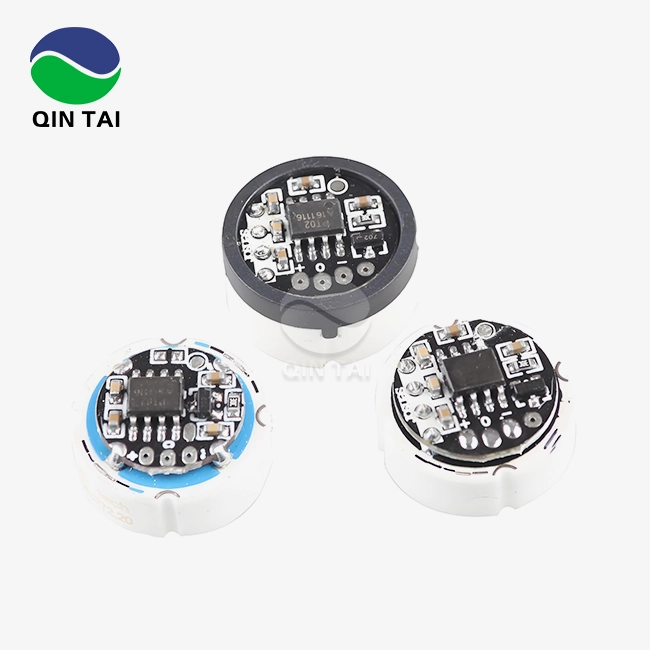
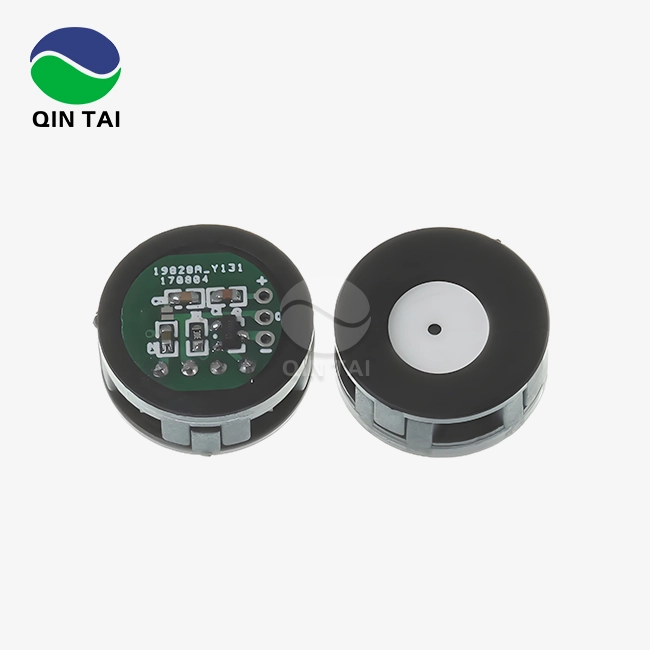

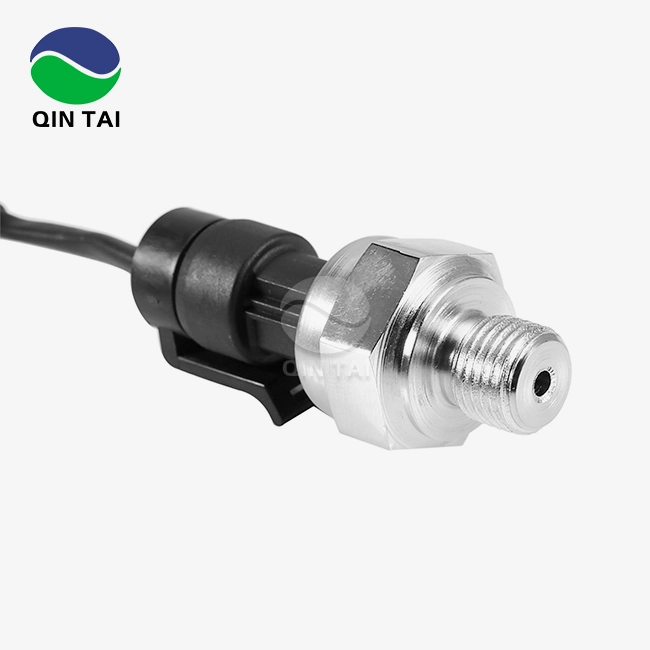

Our customers’ satisfaction speaks for our quality — contact us to experience the same reliable service.