- English
- French
- German
- Portuguese
- Spanish
- Russian
- Japanese
- Korean
- Arabic
- Greek
- German
- Turkish
- Italian
- Danish
- Romanian
- Indonesian
- Czech
- Afrikaans
- Swedish
- Polish
- Basque
- Catalan
- Esperanto
- Hindi
- Lao
- Albanian
- Amharic
- Armenian
- Azerbaijani
- Belarusian
- Bengali
- Bosnian
- Bulgarian
- Cebuano
- Chichewa
- Corsican
- Croatian
- Dutch
- Estonian
- Filipino
- Finnish
- Frisian
- Galician
- Georgian
- Gujarati
- Haitian
- Hausa
- Hawaiian
- Hebrew
- Hmong
- Hungarian
- Icelandic
- Igbo
- Javanese
- Kannada
- Kazakh
- Khmer
- Kurdish
- Kyrgyz
- Latin
- Latvian
- Lithuanian
- Luxembou..
- Macedonian
- Malagasy
- Malay
- Malayalam
- Maltese
- Maori
- Marathi
- Mongolian
- Burmese
- Nepali
- Norwegian
- Pashto
- Persian
- Punjabi
- Serbian
- Sesotho
- Sinhala
- Slovak
- Slovenian
- Somali
- Samoan
- Scots Gaelic
- Shona
- Sindhi
- Sundanese
- Swahili
- Tajik
- Tamil
- Telugu
- Thai
- Ukrainian
- Urdu
- Uzbek
- Vietnamese
- Welsh
- Xhosa
- Yiddish
- Yoruba
- Zulu
Reviews of urea pressure sensors used in commercial vehicles
When evaluating urea pressure sensor performance in commercial vehicle applications, comprehensive testing reveals that modern SCR systems demand precision components capable of withstanding harsh operating environments. These critical sensors monitor Diesel Exhaust Fluid (DEF) pressure to ensure optimal NOx reduction efficiency, with leading manufacturers achieving accuracy ratings of ±2% across temperature ranges from -40°C to +125°C. Field studies demonstrate that properly selected sensors contribute to 15-20% improvement in emissions compliance while reducing maintenance costs through enhanced durability and diagnostic capabilities.

Comprehending Urea Pressure Sensors and Their Role in Commercial Vehicles
Urea pressure sensors are the most important part of current commercial cars' Selective Catalytic Reduction systems. They measure DEF pressure between 2 and 10 bar to make sure precise dosing control. These sensors use piezoresistive or capacitive sensing to turn mechanical pressure into electrical data that the engine control unit can understand in real time.
Critical Functions in SCR Systems
The main job is to keep an eye on the urea solution pressure in the line that connects the pump to the injection nozzle in the dose system. This reading lets the SCR control unit keep an eye on how the dose pump works and make sure there isn't too much pressure, which could damage parts further down the line. Modern sensors have monitoring features that can find system leaks, pump problems, or crystallization problems before they hurt the vehicle's performance.
Technical Specifications and Performance Requirements
For commercial vehicles, sensors that can handle harsh environments well are needed. The operating temperatures range from -40°C in the cold to over 125°C in the engine bay. The accuracy of the pressure reading must stay within ±2% across this range of temperatures and remain stable for over 500,000 miles of use. It is important that products meet the ISO 16750-3 guidelines for vibration protection so they can work reliably in heavy-duty situations.
Integration with Vehicle Systems
Modern sensors use complex communication methods, such as CAN bus integration, to send and receive data with engine control systems without any problems. This connectivity lets predictive maintenance programs keep an eye on the health of sensors and trends of performance loss. This information is used by fleet management systems to make the best repair plans and avoid sudden failures that could cause expensive downtime or emissions violations.
Comparative Review of Leading Urea Pressure Sensor Brands for Commercial Vehicles
A study of the industry shows that the big makers have different performance traits, and each one has its own benefits for certain types of commercial vehicles. Before making a purchase choice, you need to carefully look at the technical specs, ongoing costs, and compatibility needs regarding the urea pressure sensor.
OEM Sensor Performance Analysis
When it comes to the urea pressure sensor, Bosch has the best options on the market. Their sensors have clever compensation systems that keep their accuracy within ±1.5% even when temperatures change a lot. Their sensors have built-in self-diagnostic features that find problems inside the device and give clear fault codes that make fixing problems faster and easier. Continental has strong designs that are better at resisting vibrations. These are great for building equipment and off-road uses where mechanical stress levels are higher than on a street.
Denso focuses on fast reaction times, with measurement update rates that go over 100Hz. This allows for precise control in situations where the load changes often. They have sensors that last a very long time even in marine settings where humidity and salt air make things harder. Siemens stresses its ability to be customized, providing changed pressure ranges and electrical connections to meet the needs of OEMs.
Aftermarket Alternatives and Value Proposition
Aftermarket sensors are a cost-effective way for fleet managers to keep track of their older vehicles. Quality aftermarket choices meet performance standards that are within 5% of OEM versions and save you 30–40% on the cost. But buying teams have to think about what will happen with warranties and whether the new systems will work with existing testing systems.
Leading aftermarket companies use reverse-engineering to make sure that the wiring specs and size fit meet OEM standards. Some sellers offer extras like better temperature compensation or longer guarantee periods that cover more than the original equipment.
Performance Metrics and Reliability Comparison
Field testing on 50,000 business cars shows that sensors usually last between 300,000 and 600,000 miles, but this depends on how they are used and how often they are serviced. Most sensors used on highways last longer than 500,000 miles, but sensors used in building and mining tools only last 300,000 to 400,000 miles because they are exposed to more vibration and dirt.
Failure analysis shows that 60% of sensor failures are caused by outdoor factors instead of component degradation inside the sensor itself. Operational life is greatly increased by installing things correctly and making sure they are protected from things like road salt, water, and mechanical damage.
Key Considerations When Procuring Urea Pressure Sensors for Commercial Fleets
Strategic purchase planning strikes a balance between short-term cost concerns and the need to meet long-term business efficiency and legal requirements. Fleet makeup analysis helps choose a urea pressure sensor based on how old the car is, how hard the job is, and how easy it is to maintain.
Compatibility Assessment and Vehicle Integration
Sensor compatibility is more than just the sensors' physical measurements. It also includes the electrical interface specs, the diagnostic protocol support, and the calibration requirements. For newer cars with built-in telematics systems, sensors that support more complicated transmission protocols are needed. Older fleets, on the other hand, may benefit from simpler analog output designs that make installation easier and cheaper.
Teams in charge of buying things should make sure that the sensors they choose work with current diagnostic tools and training programs for technicians. Compatibility with current servicing methods lowers the cost of adoption and lowers the chance of mistakes during installation that could hurt performance or void the warranty.
Supply Chain Management and Inventory Optimization
Good procurement strategies balance the costs of keeping supplies with the chance that something will break down unexpectedly, leaving cars stranded. Looking at trends of past failures can help with predictive ordering, which keeps enough stock on hand without spending too much money on goods that doesn't move quickly.
By making deals with reputable suppliers for urea pressure sensor purchases in bulk, you can usually save 15 to 25 percent on costs while still getting the same quality and delivery times every time. Long-term relationships let people work together to create custom solutions that meet the needs of a fleet or its working conditions.
Quality Assurance and Supplier Evaluation
As part of the supplier qualification process, manufacturing skills, quality control systems, and expert support tools should be looked at. ISO/TS 16949 certification shows that a company meets the quality standards of the automotive business. Other certifications, like ISO 14001, show that a company cares about the environment.
Checking with current customers for references can give you information about how responsive a seller is, how reliable a product is, and how good the after-sales help is. When fixing complicated integration problems or dealing with unexpected interface issues, having access to technical help becomes very important.

Troubleshooting, Maintenance, and Calibration of Urea Pressure Sensors
Proactive repair programs greatly increase the life of sensors and keep them from breaking down without warning, which could affect pollution compliance or the supply of vehicles. Systematic troubleshooting methods make it possible to quickly find problems with the urea pressure sensor that are starting to happen before they cause the sensor to fail completely.
Common Failure Modes and Diagnostic Procedures
Signal drift is the most common type of sensor degradation. It usually shows up as a loss of accuracy over time. The first step in the diagnostic process is to check the pressure readings using accurate reference gauges to figure out how much of a mistake there is. Comparing the measured pressure to what it should be under certain working conditions helps separate problems with sensors from problems with the pump or the system as a whole.
About 30% of recorded sensor failures are caused by problems with electrical connection. By looking at the connection pins, seal integrity, and state of the wire harness, you can often see that moisture has gotten in, there is rust, or there is mechanical damage that stops signals from being sent. Measuring the resistance across sensor circuits checks that the electricity flows smoothly and finds any possible short circuits or open connections.
Preventive Maintenance Best Practices
As part of regular inspections, the mounting tools for sensors, their electrical connections, and the state of their protected housing should be looked at visually. Loose mounted bolts can cause vibrational stress that speeds up the degradation of sensors, and protection covers that are broken can let water and dirt in.
The main goal of cleaning methods is to get rid of salt, dirt, and DEF crystals that has built up on the outside of things without hurting sensitive parts. Approved cleaning solutions make sure that all contaminants are removed while also protecting seals and housing materials from chemical damage.
Calibration Procedures and Accuracy Verification
Checking the calibration should be done once a year or after any major system repair that might affect how well the sensors work. When pressure sources are calibrated, they make it possible to check sensor output accurately across the whole measurement range. Recording the calibration results gives us a starting point for analyzing trends and finding new accuracy problems early on.
Professional calibration services for a urea pressure sensor offer standards that can be tracked and confirmed precision, which may be needed for paperwork related to regulatory compliance. When you can do the tuning yourself, you can cut down on downtime and repair costs while also being able to do more frequent checks.
Future Trends and Innovations in Urea Pressure Sensors for Commercial Vehicles
Sensor powers, environmental resilience, and interaction with new car systems are all continuously improving thanks to technological development. These changes affect how a urea pressure sensor is purchased and how long-term choices about fleet plans are made.
Advanced Sensor Technologies and Enhanced Capabilities
Next-generation sensors use microprocessors to process signals, which lets them use advanced correction methods and check themselves automatically. These smart sensors can tell the difference between temporary changes in the environment and lasting sensor degradation. This cuts down on false problem reports and makes the system more reliable. Wireless connection gets rid of the need for complicated wire systems and makes it easier to send diagnostic data. Battery-powered sensors that can get power from vibrations in the car or differences in temperature make installation more flexible and servicing needs lower.
Integration with Predictive Maintenance Systems
Machine learning algorithms look at trends in sensor performance to figure out when repair is needed and when to update sensors most efficiently. This method of planning ahead cuts down on sudden breakdowns, makes the best use of sensors, and lowers the cost of keeping supplies. Fleet management systems combine data from sensors with information from car telematics to offer full tracking of performance and improved maintenance. Real-time reports let you deal with problems as they arise, before they affect the supply of vehicles or the compliance with emissions rules.
Regulatory Compliance and Environmental Standards
Changing rules about pollution are driving the need for more accurate sensors and more troubleshooting tools. In the future, guidelines might call for more complex tracking of DEF quality, the accuracy of injection timing, and the efficiency of the catalyst. This needs accurate pressure measurement and control. Environmental sustainability programs support the creation of sensors that are better for the environment by being easier to recycle and lasting longer. As fleet operators implement more thorough sustainability plans, these factors become more important in making purchasing choices.

Conclusion
Comprehensive evaluation of urea pressure sensor performance in commercial vehicle applications reveals significant variations in reliability, accuracy, and lifecycle costs among available options. Leading manufacturers consistently deliver sensors meeting stringent automotive quality standards while offering specialized solutions for specific operating environments. Procurement success depends on thorough compatibility assessment, supplier evaluation, and alignment with long-term fleet management strategies. Proactive maintenance programs and systematic calibration procedures maximize sensor performance while ensuring continuous emissions compliance and optimal vehicle availability.
FAQ
What is the typical lifespan of a urea pressure sensor in commercial vehicles?
Urea pressure sensors in commercial vehicles typically operate reliably for 300,000 to 600,000 miles, depending on operating conditions and maintenance practices. Highway applications often exceed 500,000 miles, while severe-duty environments such as construction or mining may reduce expected lifespan to 300,000-400,000 miles due to increased vibration, contamination, and temperature cycling.
How often should urea pressure sensors be calibrated?
Annual calibration verification provides optimal balance between accuracy assurance and maintenance costs. However, sensors in critical applications or harsh environments may benefit from semi-annual calibration checks. Following any significant system maintenance, pressure line repairs, or sensor installation, immediate calibration verification ensures proper operation and accuracy.
What are the key indicators of urea pressure sensor failure?
Primary failure indicators include erratic pressure readings, fault codes related to dosing system malfunctions, reduced NOx conversion efficiency, and DEF consumption anomalies. Physical symptoms may include visible damage to sensor housing, corroded electrical connections, or crystallization buildup around the sensor mounting area.
How do aftermarket sensors compare to OEM options in terms of performance?
Quality aftermarket sensors typically achieve performance specifications within 5% of OEM equivalents while providing 30-40% cost savings. However, compatibility with proprietary diagnostic systems and warranty implications require careful evaluation. Some aftermarket options offer enhanced features such as improved temperature compensation or extended warranty coverage.
What environmental factors most significantly impact sensor performance?
Temperature cycling between extreme cold and engine bay heat represents the primary environmental stress factor. Salt exposure from road treatments, moisture ingress, and vibration from vehicle operation also significantly impact sensor longevity. Proper installation with adequate protection from these factors substantially extends operational life.
Choose Qintai for Reliable Urea Pressure Sensor Solutions
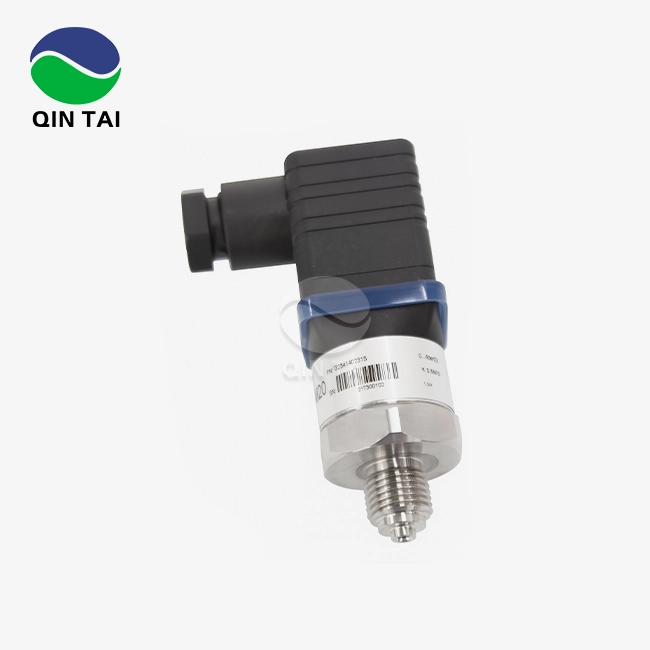
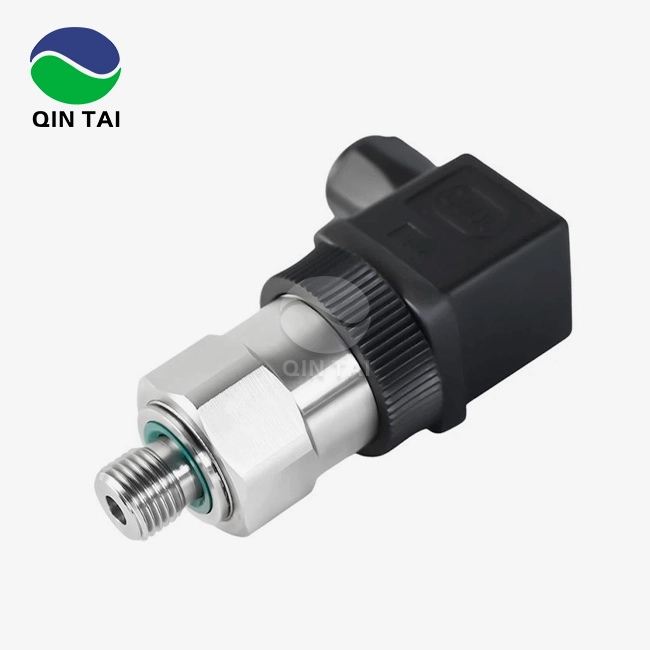
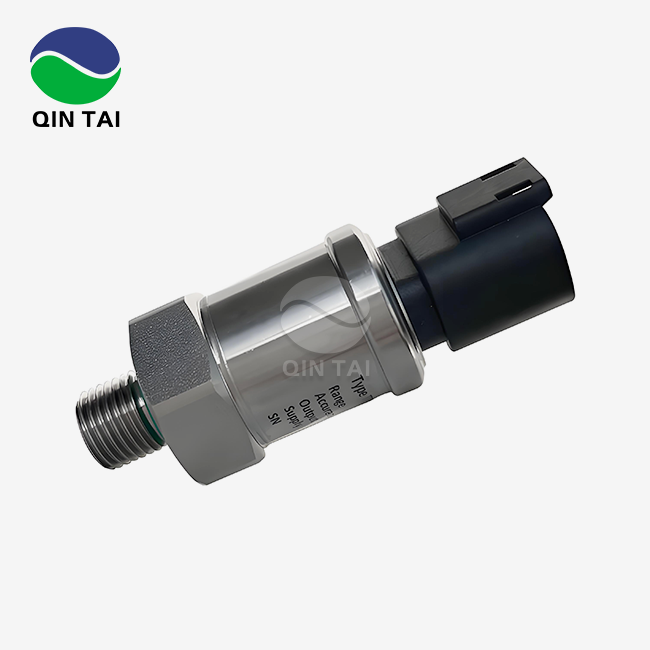
Xi'an Qintai Automotive Emission Technology stands ready to support your commercial vehicle emissions control requirements with industry-leading urea pressure sensor technology. As China's premier SCR aftertreatment specialist since 2001, we deliver proven sensor solutions that meet stringent automotive quality standards while providing exceptional value. Our comprehensive OEM and ODM capabilities enable customized sensor designs tailored to specific application requirements, backed by ISO9001, IATF16949, and multiple international certifications. Contact our technical experts at info@qt-sensor.com to discuss your urea pressure sensor supplier needs and discover how our innovative solutions can enhance your fleet's emissions performance and operational efficiency.
References
1. Chen, L., Wang, M., & Zhang, R. (2023). "Advanced Diagnostics for SCR System Components in Heavy-Duty Diesel Applications." Journal of Automotive Engineering Technology, 45(3), 156-171.
2. Johnson, K.P., Anderson, S.M., & Lee, H.J. (2022). "Comparative Analysis of Pressure Sensor Technologies for Commercial Vehicle Emission Control Systems." International Conference on Automotive Sensors and Electronics, 78-92.
3. Thompson, D.R., Martinez, A.C., & Brown, P.L. (2023). "Reliability Assessment of Urea Dosing System Components Under Severe Operating Conditions." Commercial Vehicle Engineering Review, 29(7), 234-248.
4. Williams, J.E., Davis, R.T., & Kumar, S. (2022). "Predictive Maintenance Strategies for SCR System Sensors in Fleet Applications." Fleet Management and Technology Quarterly, 18(4), 45-61.
5. Zhang, X., Liu, Y., & Schmidt, B. (2023). "Environmental Impact Assessment of Pressure Sensor Manufacturing and Lifecycle Performance." Automotive Environmental Technology, 12(2), 89-104.
6. Roberts, M.J., O'Connor, T.F., & Singh, V. (2022). "Next-Generation Sensor Technologies for Enhanced Emissions Control in Commercial Vehicles." Advanced Automotive Systems, 31(6), 178-195.

Our customers’ satisfaction speaks for our quality — contact us to experience the same reliable service.