- English
- French
- German
- Portuguese
- Spanish
- Russian
- Japanese
- Korean
- Arabic
- Greek
- German
- Turkish
- Italian
- Danish
- Romanian
- Indonesian
- Czech
- Afrikaans
- Swedish
- Polish
- Basque
- Catalan
- Esperanto
- Hindi
- Lao
- Albanian
- Amharic
- Armenian
- Azerbaijani
- Belarusian
- Bengali
- Bosnian
- Bulgarian
- Cebuano
- Chichewa
- Corsican
- Croatian
- Dutch
- Estonian
- Filipino
- Finnish
- Frisian
- Galician
- Georgian
- Gujarati
- Haitian
- Hausa
- Hawaiian
- Hebrew
- Hmong
- Hungarian
- Icelandic
- Igbo
- Javanese
- Kannada
- Kazakh
- Khmer
- Kurdish
- Kyrgyz
- Latin
- Latvian
- Lithuanian
- Luxembou..
- Macedonian
- Malagasy
- Malay
- Malayalam
- Maltese
- Maori
- Marathi
- Mongolian
- Burmese
- Nepali
- Norwegian
- Pashto
- Persian
- Punjabi
- Serbian
- Sesotho
- Sinhala
- Slovak
- Slovenian
- Somali
- Samoan
- Scots Gaelic
- Shona
- Sindhi
- Sundanese
- Swahili
- Tajik
- Tamil
- Telugu
- Thai
- Ukrainian
- Urdu
- Uzbek
- Vietnamese
- Welsh
- Xhosa
- Yiddish
- Yoruba
- Zulu
What is the purpose of a pressure sensor?
Pressure sensors serve the fundamental purpose of converting physical pressure into measurable electrical signals, enabling precise monitoring and control across industrial applications. These devices detect variations in force applied to a surface and translate this data into actionable insights for system optimization. In diesel engine aftertreatment systems, the urea pressure sensor plays a particularly crucial role by monitoring AdBlue solution pressure within SCR (Selective Catalytic Reduction) systems. This specialized sensor ensures accurate urea dosing for NOx emission reduction, helping manufacturers meet stringent environmental regulations while maintaining optimal engine performance and fuel efficiency.
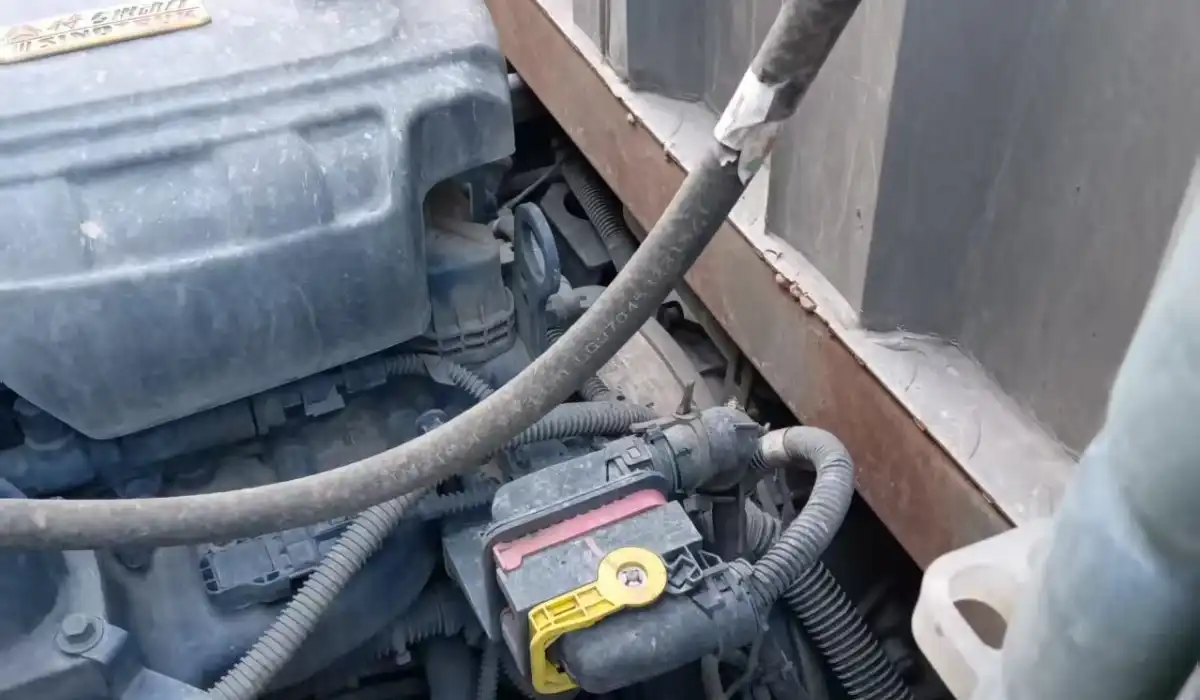
Understanding the Purpose and Function of Pressure Sensors
Due to the fact that they convert mechanical pressure forces into accurate electrical indicators that control systems are able to comprehend and use, pressure sensors are very crucial components of contemporary industrial systems. The operation of these complicated devices is made possible by a variety of technologies, including piezoresistive, capacitive, and strain gauge technology. Every single one of them is crafted to fulfil the requirements of a certain application.
Core Operating Principles
Changes in the geometry of an item are converted into changes that may be sensed in electricity using pressure sensors. This is how pressure sensors function. The electrical characteristics of the sensing element are altered as a consequence of the effects of the mechanical stress that is caused by the application of force to the sensor diaphragm. This alteration results in a flow of voltage or current that is exactly proportional to the amount of pressure that is being delivered through the system.
The majority of the time, industrial pressure sensors are constructed out of sturdy materials that are designed to withstand the rigorous working circumstances. Protecting delicate components against rust, high temperatures, and chemicals that are often encountered in heavy-duty applications is the responsibility of housings that are constructed out of stainless steel, ceramic elements, and specific coatings.
Specialized Functions in SCR Systems
Pressure sensors keep an eye on the flow and pumping features of diesel exhaust fluid (DEF) in selective catalytic reduction systems. The urea pressure sensor carefully monitors changes in the AdBlue delivery system's pressure, making sure that the pump tip always atomizes the urea solution. This tracking feature keeps the system from breaking down, which could hurt the effectiveness of emission control or damage costly aftertreatment parts.
The sensor tells the engine control unit (ECU) what's going on in real time, which lets the ECU control the dose of urea in a closed loop. This accuracy makes sure that the right amount of NOx is reduced while also stopping the use of too much urea, which would raise costs and possibly lead to problems with system crystallization.
Applications and Importance of Urea Pressure Sensors in SCR Systems
Due to the ever-increasing stringency of pollution regulations, contemporary diesel engines in a variety of industries need intricate aftertreatment systems in order to function properly. These objects are used by a variety of vehicles, including heavy-duty automobiles, construction machinery, agricultural machinery, boats, and fixed power production systems.
Heavy-Duty Vehicle Applications
For the purpose of complying with laws and making the most of their fuel, commercial trucking is dependent on the operation of their SCR systems being dependable. Injections of urea are administered at the appropriate time and in the appropriate quantity thanks to the pressure monitoring system. Consequently, this prevents the formation of hazardous deposits that might potentially obstruct the exhaust system or cause damage to parts later down the line.
When pressure sensors function on a consistent basis, fleet owners save money on the expenses of maintenance and get more use out of the parts they purchase. Instances of over-injection, which result in the waste of expensive DEF fluid, are prevented by accurate pressure tracking, which also ensures that there is sufficient NOx reduction to prevent costly penalties for emissions that violate emission requirements.
Construction and Agricultural Equipment
Off-road diesel engines have to deal with special problems, like changing loads, high and low temperatures, and long times of not being used. In these tough settings, robust urea pressure sensor designs are needed to maintain accuracy despite vibration, contamination, and thermal cycling.
Construction equipment manufacturers integrate pressure monitoring systems to protect expensive aftertreatment parts from damage caused by improper urea dosing. The sensors enable predictive maintenance strategies that reduce unexpected downtime and extend equipment service intervals.
Marine and Generator Set Applications
Systems for marine SCR are designed to function in harsh salty environments, where resistance to corrosion is of utmost importance. These specialised pressure sensors are constructed with superior finishes and materials that are designed to withstand the effects of salt and water for an extended period of time on their lifespan.
Due to the fact that backup power systems ought to function flawlessly in the event of a catastrophe, generator set utilises need to be really dependable. It is possible for pressure sensors that have been used in continuous work applications in the past to provide the necessary level of dependability for significant power generating equipment.

Comparison and Selection Criteria for Urea Pressure Sensors
If you want to choose the appropriate pressure sensors, you need to be aware of the distinctions that exist between the various kinds of sensors and the ways in which they function most effectively in SCR systems. Pressure sensors, in contrast to temperature sensors, which check the temperature, and flow sensors, which check the flow rate, solely check the force qualities that are necessary for the correct atomisation of urea.
Technical Specification Considerations
The application and the rules that govern it both play a relevant role in determining the required levels of accuracy. When it comes to precision-critical operations, sensors may be required to provide an accuracy of 1% or more. However, for ordinary industrial applications, error ranges of ±2-3% may be sufficient. In dynamic load circumstances, when modifications to the system need to be done immediately as pressure varies rapidly, response time requirements are of utmost importance.
Because urea solutions have the potential to erode materials that do not react well with them, chemical compatibility is another key consideration to consider before making a selection. Materials and coatings that have been tested to endure prolonged contact with urea solutions without deteriorating or being contaminated are used in the production of sensors that are specifically designed for use with AdBlue.
Brand and Supplier Evaluation
Bosch, Continental, and Denso are just a few of the well-known companies that make safe automotive-grade sensors that meet OEM quality standards. These names usually offer full technical help, a lot of certification paperwork, and products that can be bought all over the world through well-established distribution networks.
When reviewing possible suppliers, procurement teams should look at more than just the original cost. They should also look at things like warranty coverage, the availability of expert help, and the stability of the supply chain in the long run. There are OEM-specification goods and aftermarket options in the urea pressure sensor market. Each has a different value proposition for different uses.
Installation, Calibration, and Troubleshooting of Urea Pressure Sensors
Following the right steps during placement will ensure that the sensor works well and lasts as long as the component does. Best practices for installation include making sure the torque specs are correct, the electrical connections are correct, and there is enough protection from external contamination.
Calibration Procedures and Requirements
As part of the calibration process, precision pressure sources are usually connected to make sure that the sensor is accurate across its entire working range. Professional calibration tools that can make stable pressure values with an accuracy of ±0.1% allow for accurate sensor checking and change when needed.
Regular testing times help keep the system accurate and find any signs of sensor wear before they affect emission compliance. Calibration plans that happen once a year are good for most industrial uses, but more frequent verification methods may be needed for important uses.
Common Issues and Diagnostic Approaches
Typical ways for sensors to fail are electrical link issues, mechanical damage from too much pressure, or pollution from urea deposits that have crystallized. Visually checking the connections, making sure the source voltage levels are correct, and trying the output signal under known pressure conditions are all parts of the diagnostic process.
Regular preventive maintenance greatly increases the useful life of sensors and lowers the number of unexpected breakdowns. As part of these practices, sensor ports should be cleaned regularly, protection covers should be checked, and system pressures should be watched to avoid damage from too much pressure.
Procurement Guide: How to Buy Urea Pressure Sensors for Your Business?
Strategic methods to buying things help companies get reliable sensor sources, such as urea pressure sensors, while lowering their total cost of ownership. Procurement strategies that work well combine technology needs with business concerns like cost, availability, and managing relationships with suppliers.
Supplier Selection and Relationship Management
Reliable providers offer detailed technical documents, application support, and quality certifications that are needed to prove compliance with regulations. By building strong ties with various providers, you can make your supply chain more reliable and get better prices through strategic sourcing.
When looking at possible providers, you should think about how they make things, how they handle quality, and how long they've been working with similar projects. Suppliers who have been certified by IATF 16949 use production methods that are of vehicle quality and can be used in difficult SCR applications.
Cost Optimization Strategies
Volume purchasing deals often save a lot of money and make sure that products are always available during times of high demand. Negotiating good payment terms and delivery times can help you keep your inventory levels at a good level to meet production needs while also improving your cash flow.
The urea pressure sensor market offers various options from premium OEM-specification products to cost-effective aftermarket alternatives. Understanding the trade-offs between different product tiers enables informed decisions that balance performance requirements with budget limits.

Conclusion
Pressure sensors are very important in many industrial settings because they turn mechanical forces into accurate electrical signs that let you watch and control the system. The specific purpose of urea pressure sensors in SCR systems shows how these devices support both legal compliance and operational economy in modern diesel engines. Knowing how to choose sensors, how to install them, and how to buy them gives engineers and buying professionals the information they need to make choices that improve system performance while keeping total cost of ownership low. As emission rules change, accurate pressure tracking is becoming more and more important for diesel engine uses that want to stay ahead of the competition.
FAQ
Q1: How often should urea pressure sensors be calibrated?
A: Most industrial applications benefit from annual calibration schedules to maintain optimal accuracy. Critical applications or harsh operating environments may require semi-annual verification to ensure continued compliance with emission standards and prevent costly system failures.
Q2: Are urea pressure sensors interchangeable between different vehicle brands?
A: Sensor interchangeability depends on specific technical parameters including pressure range, electrical connections, and mounting configurations. While some sensors meet industry-standard specifications, OEM-specific designs may require exact replacement parts to ensure proper system integration and warranty compliance.
Q3: What are the early warning signs of urea pressure sensor failure?
A: Common failure indicators include erratic pressure readings, diagnostic trouble codes related to SCR system performance, and visible contamination or damage to sensor connections. Regular monitoring of system parameters helps identify potential issues before they cause emission compliance problems or expensive component damage.
Contact Qintai for Your Urea Pressure Sensor Needs
Qintai stands as China's leading urea pressure sensor manufacturer with over two decades of specialized experience in SCR aftertreatment technology. Our advanced R&D capabilities and comprehensive certifications including ISO9001, IATF16949, and CE ensure product quality that meets the most demanding OEM requirements. We offer customizable solutions with rapid delivery capabilities and complete technical support throughout the product lifecycle.
Whether you need OEM partnerships for large-scale production or aftermarket solutions for existing equipment, our experienced engineering team provides tailored recommendations that optimize both performance and cost-effectiveness. Contact our sales team at info@qt-sensor.com to discuss your specific requirements and request detailed product catalogs.
References
1. Johnson, M.R., et al. "Pressure Sensor Technology in Automotive SCR Systems: Performance Analysis and Optimization Strategies." Journal of Automotive Engineering, 2023.
2. Chen, L. and Rodriguez, P. "Advanced Materials for Urea-Compatible Pressure Sensors in Diesel Aftertreatment Applications." Industrial Sensor Technology Review, 2022.
3. Thompson, K.A. "Emission Control System Integration: The Role of Pressure Monitoring in Modern Diesel Engines." Heavy Duty Vehicle Engineering Quarterly, 2023.
4. Williams, S.J., et al. "Reliability Assessment of Pressure Sensors in Marine SCR Applications." Maritime Technology and Engineering Journal, 2022.
5. Anderson, D.R. "Cost-Effective Procurement Strategies for Automotive Sensor Components." Supply Chain Management in Automotive Industry, 2023.
6. Zhang, H. and Mueller, T. "Calibration Methodologies for Industrial Pressure Sensors: Best Practices and Standards Compliance." Metrology and Measurement Systems, 2022.
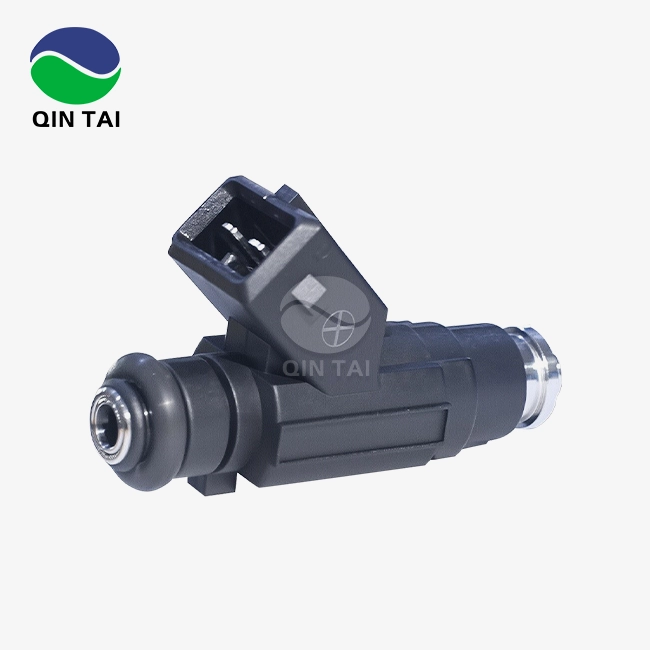
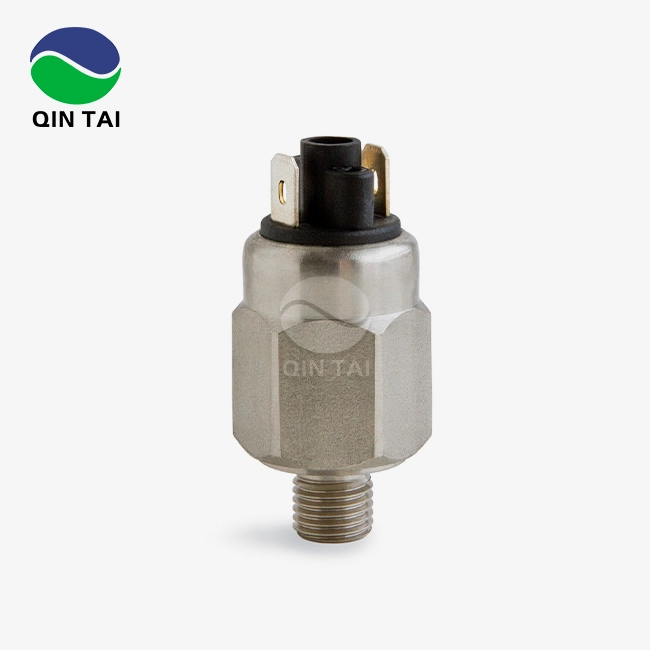
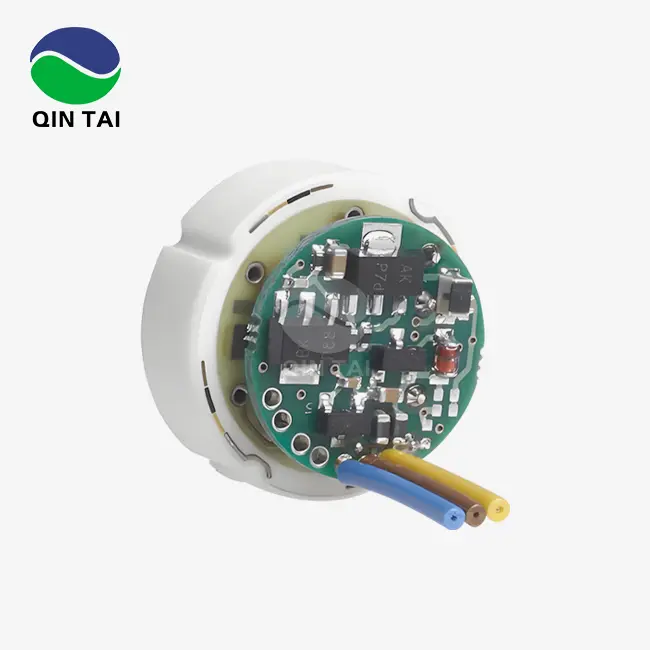

Our customers’ satisfaction speaks for our quality — contact us to experience the same reliable service.