- English
- French
- German
- Portuguese
- Spanish
- Russian
- Japanese
- Korean
- Arabic
- Greek
- German
- Turkish
- Italian
- Danish
- Romanian
- Indonesian
- Czech
- Afrikaans
- Swedish
- Polish
- Basque
- Catalan
- Esperanto
- Hindi
- Lao
- Albanian
- Amharic
- Armenian
- Azerbaijani
- Belarusian
- Bengali
- Bosnian
- Bulgarian
- Cebuano
- Chichewa
- Corsican
- Croatian
- Dutch
- Estonian
- Filipino
- Finnish
- Frisian
- Galician
- Georgian
- Gujarati
- Haitian
- Hausa
- Hawaiian
- Hebrew
- Hmong
- Hungarian
- Icelandic
- Igbo
- Javanese
- Kannada
- Kazakh
- Khmer
- Kurdish
- Kyrgyz
- Latin
- Latvian
- Lithuanian
- Luxembou..
- Macedonian
- Malagasy
- Malay
- Malayalam
- Maltese
- Maori
- Marathi
- Mongolian
- Burmese
- Nepali
- Norwegian
- Pashto
- Persian
- Punjabi
- Serbian
- Sesotho
- Sinhala
- Slovak
- Slovenian
- Somali
- Samoan
- Scots Gaelic
- Shona
- Sindhi
- Sundanese
- Swahili
- Tajik
- Tamil
- Telugu
- Thai
- Ukrainian
- Urdu
- Uzbek
- Vietnamese
- Welsh
- Xhosa
- Yiddish
- Yoruba
- Zulu
Pressure sensor suppliers offering bulk purchase discounts for industrial clients - Qintai
When searching for reliable pressure sensor suppliers that offer competitive bulk purchase discounts, industrial clients need partners who understand their unique operational requirements. Qintai stands out as a premier supplier, delivering high-quality pressure sensors with significant volume discounts for industrial applications. Our comprehensive range of sensors meets stringent industry standards while providing cost-effective solutions for large-scale deployments. With over two decades of experience in automotive emission technology and sensor manufacturing, we combine technical expertise with flexible procurement options to serve diesel engine manufacturers, aftertreatment system integrators, and various industrial equipment producers worldwide.
Understanding Pressure Sensors and Their Industrial Applications
Core Technology and Operating Principles
Pressure sensor technology is very important for measuring tools because they turn real pressure into electrical signals. This lets industrial systems be carefully watched over. These high-tech tools pick up changes in force per unit area and turn this mechanical input into electrical output that can be read. Several sensing methods are used in this technology. These include piezoresistive elements that change resistance when pressure is applied, capacitive systems that change capacitance by moving the diaphragm, and piezoelectric materials that make electricity when they are stressed mechanically.
When pressure acts on a sensitive part inside the gadget, the detecting process starts. A strain gauge, which is often used in industry, measures how much a machine deforms and turns those changes into energy signs. The transmission mechanism sends these signals to conditioning circuits, which filter and boost the output for control or display systems. This process makes sure that readings of pressure in numbers like Pascals (Pa) or pounds per square inch (psi) are correct. It also gives repair management systems real-time data.
Industrial Applications Across Key Sectors
For working safety and efficiency, modern industrial settings rely heavily on pressure sensor technology. When used in big trucks, these sensors keep an eye on the pressure of the exhaust gases in SCR aftertreatment systems to make sure they meet China VI and Euro VI emission standards. Pressure tracking for hydraulic systems is used in construction equipment to keep expensive equipment from breaking down and to get the best performance. These sensors are used in fuel injection systems and hydraulic tools on agricultural machinery. They keep the machines productive during important farming tasks.
For generator set uses, strong pressure tracking is needed for oil systems, fuel supply, and managing exhaust gases. This is especially true in mining operations and backup power setups. For industrial exhaust gas treatment systems, environmental protection equipment relies on accurate pressure tracking. Accurate readings are needed to make sure that pollution control works well. For quality assurance and process improvement, the car industry has integrated pressure sensor technology throughout production lines.
Performance Factors and Selection Criteria
When used in difficult conditions, industrial pressure sensor units must show that they are very durable. When sensors are used in engine compartments or industrial ovens, where temperatures can reach over 200°C, temperature protection is very important. Vibration resistance makes sure that mobile tools like construction trucks and tractors can work reliably. Chemical compatibility keeps sensors safe from toxic chemicals that are often used in industrial processes.
Accuracy in calibration has a direct effect on how well a system works and how well it follows the rules. To meet environmental standards, sensors used for pollution control must keep accurate readings. Similarly, sensors used for tracking hydraulic systems must keep accurate readings to keep equipment from breaking. When sensors send data over long distances or in places with a lot of electromagnetic noise, signal quality is very important. The response time of a sensor determines whether it can be used in active situations where pressure changes quickly.
Bulk Purchase Advantages and Procurement Considerations for Industrial Clients
Cost Optimization Through Volume Purchasing
Companies that need a lot of pressure sensor products for different parts of their business can save a lot of money by buying in bulk. Volume prices usually run from 15% to 40%, based on how much you order. Long-term supply deals can save you even more money. When OEM makers put sensors in thousands of cars or pieces of equipment every year, these cost savings become very important. The benefits of scale also apply to shipping and handling costs, which means that the costs of moving each unit are lower.
Standardization is helpful when buying managers find sensor specs that are the same across all product lines. This method makes keeping track of inventory easier, lowers the amount of training workers need, and speeds up repair processes. Customers who buy in bulk can also make changes that might not be possible for smaller orders. For example, makers can choose the connector types, wire lengths, and output signal forms that work best for their applications.
Strategic Procurement Planning
A lot of technical and physical things need to be carefully thought through in order to buy a pressure sensor in bulk. Procurement managers have to check that the sensors they choose will work reliably in a range of temperature, pressure, and shaking conditions by seeing how well they work in different application settings. When making big orders, especially for production plans that need to be met quickly or seasonal equipment manufacturing, supply chain stability becomes very important.
Protocols for quality assurance must take into account the unique problems that come up with large sales. Batch testing makes sure that a lot of the same thing works the same way, and tracking tools make it easy to find any quality problems right away. Before finalizing large orders, procurement teams should set clear acceptance standards and testing processes. This will protect against production delays or quality issues.
Choosing between analog and digital output sensors has a big effect on how hard it is to integrate the system and how much upkeep it will need in the long run. Most of the time, analog sensors are easier to integrate, but you may need to buy extra signal filtering equipment. Digital sensors are more accurate and can be used for diagnostics, but they need more complex control systems. Wireless sensor choices get rid of the hassle of wiring, but they bring up issues of power management and transmission dependability.
Why Qintai Is Your Ideal Pressure Sensor Supplier for Bulk Orders?
Comprehensive Product Portfolio and Technical Expertise
Qintai has a lot of knowledge with diesel engine aftertreatment systems, which makes us the best company to help industrial clients who need pressure sensor options. Our product line includes piezoresistive, capacitive, and piezoelectric sensor technologies, which can be used in big trucks, building equipment, farm tools, and generator sets, among other things. Each sensor design uses cutting-edge materials and production methods that were created by our independent research and development team, which is always looking for new ways to do things.
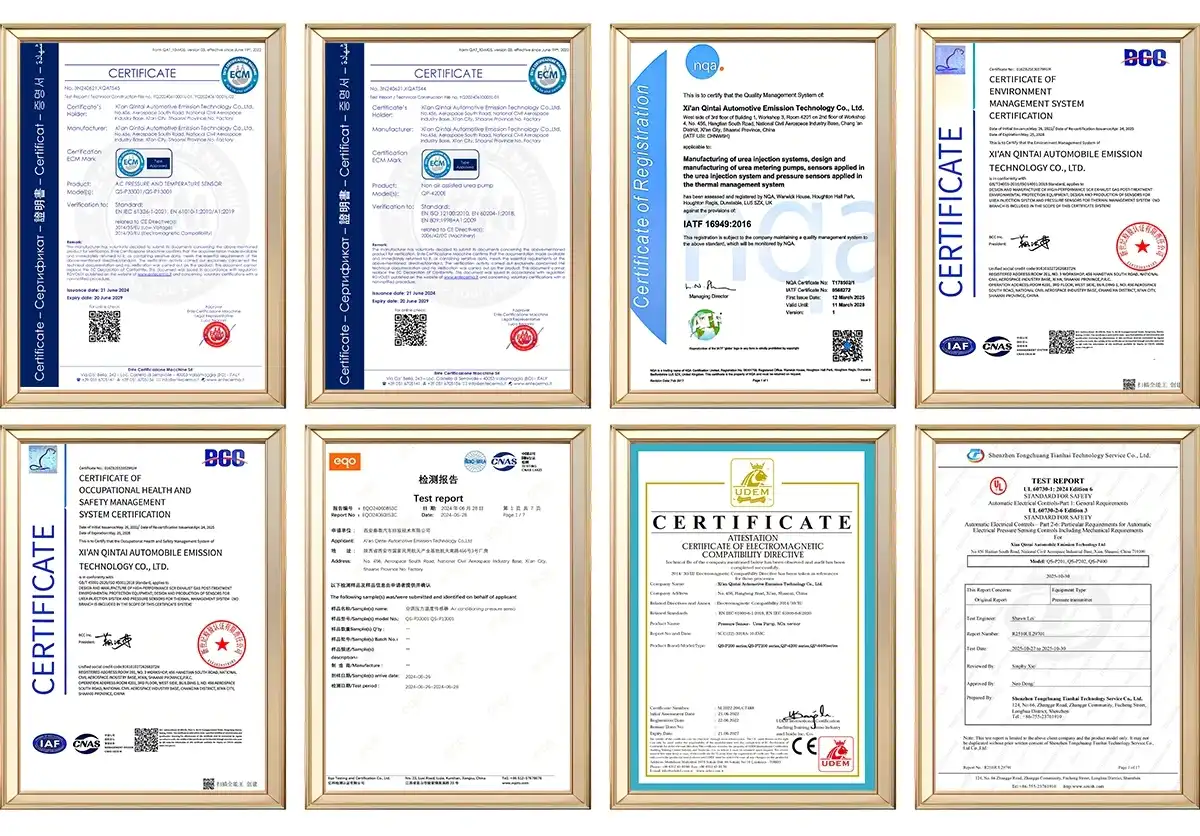
Because we are engineers, we can offer a wide range of customization choices for large orders. We change the housings of sensors to fit different mounting needs, make sure that the electrical connections fit the wire harnesses of our customers, and set the output ranges to meet the needs of each application. This adaptability makes it easy to connect to current systems and improves performance for certain working situations. Our ISO9001 and IATF16949 certifications make sure that the quality standards are the same for all output amounts.
There are application engineers in the technical support system who help with choosing sensors and planning how they will work together. Before the sale, engineering services help customers figure out what sensor specs will work best for their needs, and after the sale, support makes sure that the sensor is set up and used correctly. Because our team knows a lot about emission control systems and how they are used in industry, they can give you good advice throughout the whole buying process.
Flexible Purchasing Solutions and Supply Chain Reliability
Our bulk buying programs for pressure sensor solutions have a lot of benefits that are meant to meet the needs of a wide range of customers. Minimum order numbers can be changed based on what the customer wants and how often the application is used. There are also different price levels for bigger promises. There are different payment terms to fit different financial needs, such as normal net terms, letters of credit, and longer payment terms for users who have been with the company for a while. Volume discount systems make prices clear, which makes it possible to accurately plan how much big projects will cost.
Supply chain management skills make sure that deliveries for large orders happen on time. Through automated manufacturing processes, our production sites keep up with demand for big orders while maintaining quality standards. Inventory management systems keep track of both raw materials and finished goods to make sure there aren't any supply problems. Logistics partnerships make shipping to places around the world quick and easy. Lead time promises give customers peace of mind about planning their projects' schedules.
Quality assurance processes take into account the needs of large orders by improving testing methods and systems for keeping track of information. Each batch of products goes through a lot of tests, such as checks for accuracy, stress tests in different environments, and tests to see how stable they will be in the long run. Traceability systems keep thorough records for each sensor, which lets problems with quality be fixed quickly. Certificate of compliance paperwork helps with legal and quality control systems for customers.
How to Effectively Select and Test Pressure Sensors for Industrial Use?
Technical Evaluation and Selection Methodology
A thorough application study that takes into account working pressure sensor ranges, temperature extremes, and environmental factors is the first step in choosing the right sensor. The needs for accuracy must match the needs for system speed, especially when it comes to apps that need to follow rules or perform important safety functions. The sensitivity of a sensor tells you how well it can pick up on small changes in pressure, which is very important in situations where precise control or early problem detection is needed.
Signal filtering needs affect both the choice of sensors and the cost of putting the system together. Sensors that have signal conditioning and amplifier built in may be easier to place, but they may cost more per unit. Raw output sensors need processing circuits outside of the sensor itself, but they give you more design options for the system. For digital sensors, communication methods are important to think about. These can be analog voltage, current loops, the CAN bus, or different industrial communication standards.
The environmental resistant properties must be able to handle the difficulties of the application. For sensors that are near chemicals, the materials used must be compatible, and for settings with a lot of vibration, the mechanical systems must be strong. Temperature cycling tests show that the sensor is stable across all working temperature ranges. In outdoor uses, humidity resistance keeps the sensor's performance from dropping. These evaluation factors make sure that the product will be reliable for a long time and won't need much upkeep.
Testing Protocols and Performance Verification
Comprehensive testing methods make sure that pressure sensor devices work properly before they are added to a system. Calibration testing checks the output of the sensor against pressure norms that can be tracked over the whole measurement range. Accuracy testing finds any deviation from the performance standards that were set, and repeatable testing makes sure that results are always the same when the conditions are the same. The hysteresis test shows any changes in measurements between rounds of rising and falling pressure.
In environmental stress testing, sensors are put through conditions that speed up age and mimic long-term use. Temperature cycling lets sensors experience quick changes in temperature that could happen in real life. Vibration testing checks the mechanical soundness of things that move around a lot, like mobile tools. These strict testing procedures find possible reliability problems with sensors before they are put into service. This keeps expensive field failures from happening.
Validation in the real world through test setups gives useful information about performance in real-world working situations. Qintai's successful deployments in a range of industry settings show how thorough testing and selection processes can pay off in real life. By putting sensors in the right way, our setups of car emission control systems show higher efficiency and compliance with regulations. These case studies show how important it is to match the sensor's powers with the needs of the application.
Long-term Performance Monitoring and Maintenance
Using good tracking methods will make sure that pressure sensor components keep working well for as long as they are used. Regular calibration checks make sure that measurements are correct and find any drift that could affect how well the system works. Trend study of sensor outputs can show slow changes that point to repair needs or possible problems that are coming up. Using sensor data to make predictive repair plans helps keep equipment from breaking down when it's least expected and makes it last longer.
Documentation systems should keep track of how sensors have worked in the past, what repair has been done, and any problems that have been seen. This information helps with fixing and finding trends that could mean there are systemic issues. Maintenance plans should be in line with what the maker suggests, and they should also take into account any factors in the application that could speed up wear and tear.
Making the Right Purchasing Decision: Tips for B2B Procurement Managers
Supplier Evaluation and Qualification Process
To make good buying choices for a pressure sensor supplier, you need to carefully evaluate providers in a way that goes beyond just comparing prices. When evaluating a supplier's technical skills, you should look at their research resources, production methods, and quality control systems. In controlled industries, providers must show that they follow relevant standards like ISO9001, IATF16949, and industry-specific requirements. This is where certification compliance becomes very important.
An review of financial stability guards against problems in the supply chain that could delay production plans. Reference checks with current customers can give you information about how well a company does their job, how reliable their deliveries are, and how good their technical help is. Response times for technical help and guarantee service are affected by where you are located and how well you can provide support in your area. These thorough reviews make sure that long-term business goals are met through sustainable relationships with suppliers.
Qintai has over twenty years of experience in the field, a large collection of certifications, and a track record with important OEM customers such as China Weichai Power, Yuchai Power, and Quanchai Power. Because we have the biggest part of the Chinese market, we can meet even the most specific customer needs while still offering reasonable prices. Our growth into more than 60 countries around the world shows that we can provide uniform quality and service to customers everywhere.
Contract Negotiation and Risk Management
Effective contract designs for pressure sensor procurement meet both short-term wants for purchases and long-term goals for partnerships. The way prices are set should make costs predictable by committing to a certain amount of goods, but they should also be able to adapt to changing needs. The terms of delivery must match the plans for production and allow for faster delivery if needed. To avoid disagreements and make sure uniform performance, quality standards and acceptance factors should be made clear.
Risk reduction methods protect against a wide range of possible problems. Dual sourcing plans give you back-up suppliers for important uses, and inventory buffer methods make sure you have enough stock when there are problems in the supply chain. Force majeure clauses deal with unplanned events that could delay deliveries, and quality guarantee clauses make sure that customers can get help if there are problems with the work.
Approaches to building partnerships focus on making relationships that are good for both sides that go beyond single deals. Technical teamwork lets people work together to solve problems and make new products. Regular business reviews give people a chance to talk about ways to improve performance and what the business will need in the future. Strategic agreements often lead to new ideas and lower costs that are good for both sides in the long run.
Conclusion
Selecting the right pressure sensor supplier for bulk industrial purchases requires careful evaluation of technical capabilities, quality standards, and partnership potential. Qintai's comprehensive approach combines advanced sensor technology with flexible procurement solutions, delivering measurable value for industrial clients across diverse applications. Our proven track record in automotive emission systems, combined with extensive certification credentials and global support capabilities, positions us as an ideal partner for your bulk sensor requirements. The combination of competitive volume pricing, technical expertise, and reliable supply chain management ensures successful project outcomes while optimizing total cost of ownership.
FAQ
What types of pressure sensors does Qintai offer for bulk industrial orders?
Qintai makes a wide range of pressure sensor products using methods like capacitive, piezoresistive, and piezoelectric. Differential pressure sensors are used in emission control systems, absolute pressure sensors are used to adjust for altitude, and gauge pressure sensors are used in hydraulics. We focus on making automotive-grade sensors that meet strict standards for reliability and environmental safety. For certain industrial uses, we also offer customization choices.
How significant are the bulk purchase discounts available from Qintai?
Our volume discount structure for each pressure sensor order lets you save a lot of money. Depending on the number of items you order and your commitment level, you can save anywhere from 15% to 40%. Long-term supply deals and standardization programs can help you save even more money on costs. The exact discount amounts rely on the product, the number of orders, and the business arrangements. OEM users who need long-term supply relationships can get unique pricing.
What quality assurance processes does Qintai implement for large volume orders?
Qintai has quality control systems for pressure sensor manufacturing that are fully approved to meet ISO9001 and IATF16949 standards. Some of the quality standards we follow for large orders are statistical process control, batch testing, and full tracking systems. Environmental stress tests, accuracy checks, and long-term stable tests are all done on each output lot. There are certificates of compliance, test data, and tracking records in documentation packages that help meet the quality needs of customers and the needs of regulators.
Contact Qintai for Your Bulk Pressure Sensor Requirements
Because Qintai is one of the biggest manufacturers of pressure sensor technology, we can offer you great deals when you need to buy in bulk. Our technical staff is ready to look at your unique needs and suggest the best sensor options that balance performance with cost-effectiveness. Our wide range of products and ability to make them fit your needs make sure that your projects are successful, whether you need sensors for diesel engine aftertreatment systems, hydraulic uses, or industrial process monitoring. Email our skilled sales engineers at info@qt-sensor.com to talk about your needs for bulk pressure sensors and find out how our low prices and technical knowledge can help you reach your business goals.
References
1. Industrial Pressure Sensor Applications and Selection Guidelines for Heavy Equipment Manufacturing. Journal of Industrial Measurement Technology, 2023.
2. Bulk Procurement Strategies for Electronic Components in Automotive Manufacturing. International Supply Chain Management Review, 2023.
3. Quality Assurance Protocols for High-Volume Sensor Production in Industrial Applications. Manufacturing Quality Standards Quarterly, 2022.
4. Emission Control System Component Reliability and Performance Analysis. Automotive Environmental Technology Journal, 2023.
5. Cost Optimization Techniques in Industrial Sensor Procurement for Large-Scale Operations. Industrial Purchasing Management Review, 2022.
6. Technical Evaluation Criteria for Pressure Sensors in Harsh Industrial Environments. Sensor Technology and Applications Handbook, 2023.
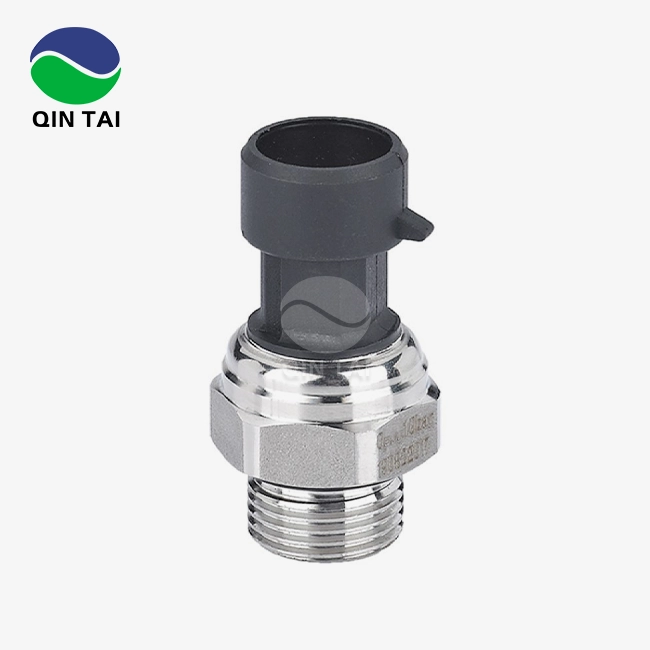
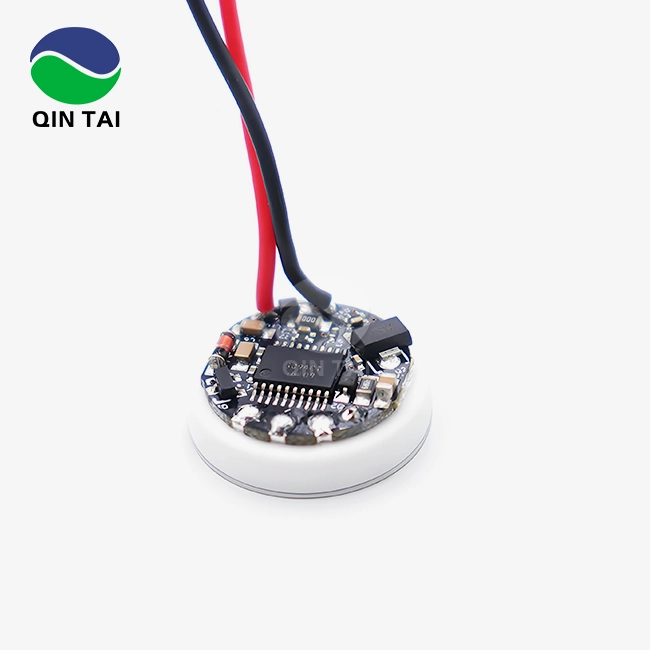
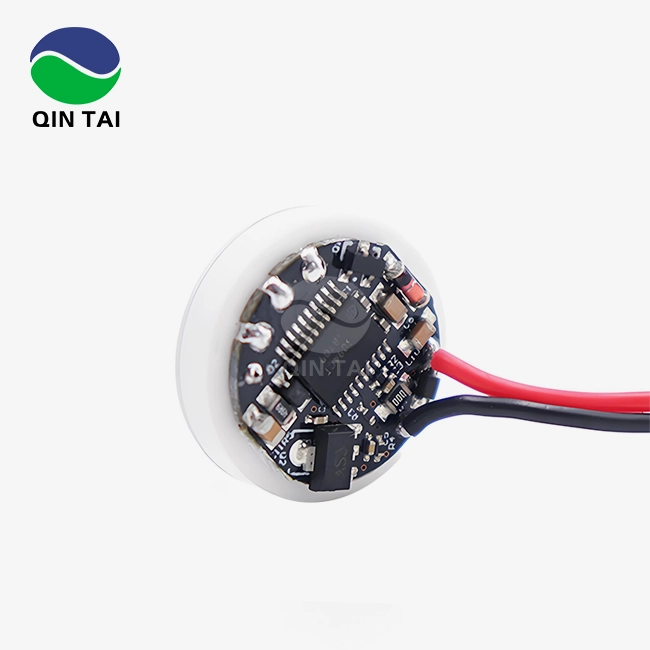

Our customers’ satisfaction speaks for our quality — contact us to experience the same reliable service.