- English
- French
- German
- Portuguese
- Spanish
- Russian
- Japanese
- Korean
- Arabic
- Greek
- German
- Turkish
- Italian
- Danish
- Romanian
- Indonesian
- Czech
- Afrikaans
- Swedish
- Polish
- Basque
- Catalan
- Esperanto
- Hindi
- Lao
- Albanian
- Amharic
- Armenian
- Azerbaijani
- Belarusian
- Bengali
- Bosnian
- Bulgarian
- Cebuano
- Chichewa
- Corsican
- Croatian
- Dutch
- Estonian
- Filipino
- Finnish
- Frisian
- Galician
- Georgian
- Gujarati
- Haitian
- Hausa
- Hawaiian
- Hebrew
- Hmong
- Hungarian
- Icelandic
- Igbo
- Javanese
- Kannada
- Kazakh
- Khmer
- Kurdish
- Kyrgyz
- Latin
- Latvian
- Lithuanian
- Luxembou..
- Macedonian
- Malagasy
- Malay
- Malayalam
- Maltese
- Maori
- Marathi
- Mongolian
- Burmese
- Nepali
- Norwegian
- Pashto
- Persian
- Punjabi
- Serbian
- Sesotho
- Sinhala
- Slovak
- Slovenian
- Somali
- Samoan
- Scots Gaelic
- Shona
- Sindhi
- Sundanese
- Swahili
- Tajik
- Tamil
- Telugu
- Thai
- Ukrainian
- Urdu
- Uzbek
- Vietnamese
- Welsh
- Xhosa
- Yiddish
- Yoruba
- Zulu
How do pressure and temperature transmitters work in process control systems?
Pressure and temperature transmitter systems serve as critical monitoring instruments that convert physical measurements into standardized electrical signals within industrial process control environments. These devices measure pressure changes in gases and liquids while simultaneously tracking temperature variations, then transmit this data to control systems for real-time process optimization. The technology enables automated decision-making in manufacturing facilities, power plants, and chemical processing operations by providing accurate, continuous feedback to programmable logic controllers and distributed control systems.
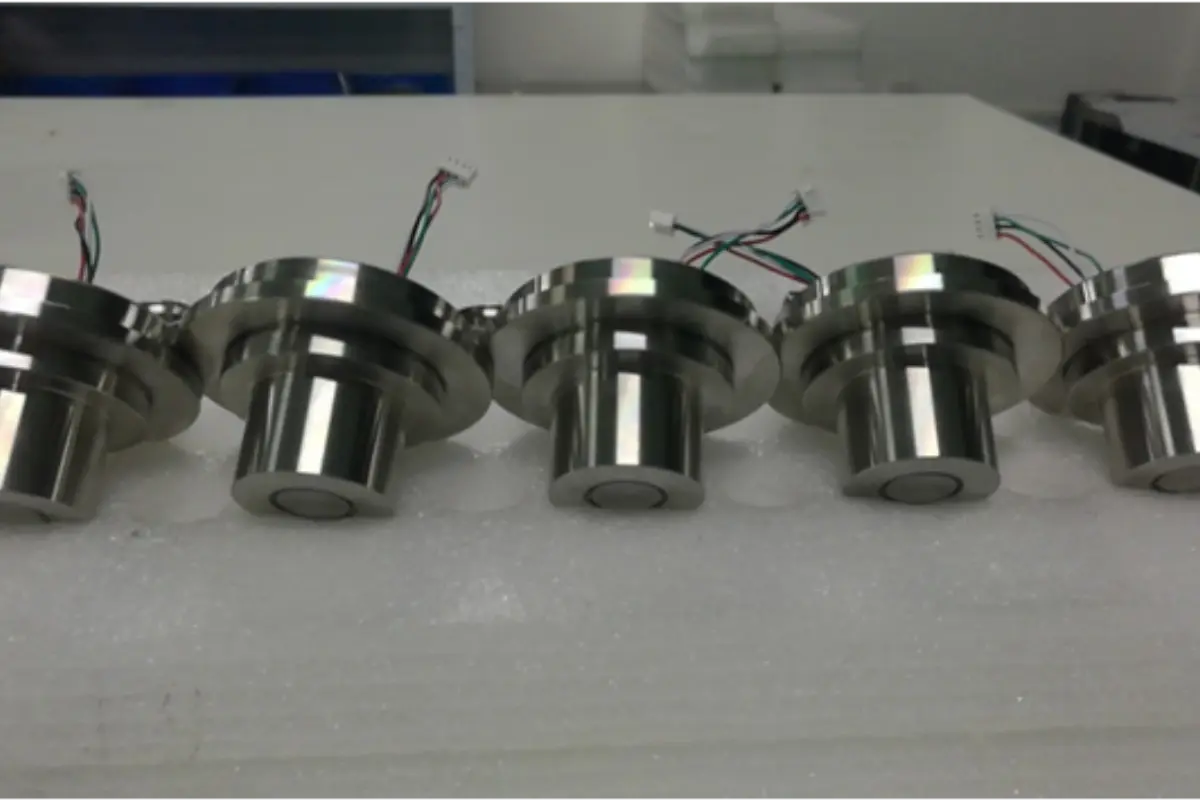
Introducing Pressure and Temperature Transmitters in Process Control Systems
Modern factories depend on accurate measuring tools to keep the conditions for running at their best. In these complicated systems, pressure and temperature transmitter devices act as the sense network, turning physical events into data streams that can be used by automatic control systems.
Fundamental Operating Mechanisms
Different types of sensor technology are used by pressure transmitters to pick up changes in system pressure. Most of the time, resistance strain gauges are used. When pressure changes, they cause mechanical deformation that changes electrical resistance values. When pressure is put on a diaphragm or sensor element, it changes the resistance of the gauge. This changes the resistance and creates an electrical signal that can be measured and is related to the pressure.
Temperature measurement uses a completely different set of rules. Resistance Temperature Detectors (RTDs) use the fact that changes in metal resistance are usually linked to changes in temperature. The RTD's resistance changes when the temperature around it changes, sending electrical signs that match to different temperature levels. Thermocouple devices work by using the thermoelectric effect, which is when two different metals are joined together and changes in temperature at their joint point cause voltage differences.
Signal Processing and Transmission Architecture
Before they can be sent to control systems, the raw electrical data that sensing elements send need to be "conditioned." Weak sensor readings are amplified by internal circuitry, linearization corrections are applied to improve accuracy, and analog data are turned into standard output forms. Most industry uses 4-20mA current loops, which are very good at blocking noise and letting signals travel long distances without losing much of their quality.
In current settings, digital communication methods have become more important. The HART (Highway Addressable Remote Transducer) system lets two-way contact happen over standard analog wiring, which lets you set up and diagnose things from afar. Foundation Fieldbus and Profibus networks let you connect multiple devices to a single communication wire, which makes installation easier and gives you more options.
Core Principles and Components of Pressure and Temperature Transmitters
Accuracy in industrial measurements relies on knowing how to use the complex technologies built into these important tools. Each part of the system makes it more reliable and accurate at measuring.
Advanced Sensing Technologies
When put under mechanical force, piezoelectric pressure devices make electrical charges. When quick reaction times are important, these gadgets work great for measuring dynamic pressure. Capacitive pressure monitors check how the electrical capacitance between two parallel plates changes when pressure causes the plates to bend and move apart. This technology is very accurate and stable, especially when used in low-pressure situations.
Strain gauge technology is still widely used because it is reliable and doesn't cost much. When metal foil strain gauges are glued to bendable diaphragms, they can accurately measure pressure over a wide range of temperatures. Semiconductor strain gauges are more sensitive, but they need more complex temperature adjustment circuits to stay accurate.
Electronic Signal Processing Systems
Modern transmitters have electronics with microprocessors that do a lot of complicated signal filtering. These systems do calculations in real time to solve for changes in temperature, fix issues with calibration, and get rid of unwanted noise in measurement signals. Self-diagnostics, automatic zero adjustment, and predictive maintenance alerts are just a few of the features that are made possible by advanced algorithms.
Analog-to-digital translation circuits take continuous sensor data and turn them into discrete digital values that a computer can use. High-resolution converters make sure that measurements are accurate, and sample rates are set to meet the needs of the application. Digital signal processing lets you use complex filtering methods that make measurements more stable in places where there is a lot of electrical noise, like factories.
Communication Protocol Integration
Pressure and temperature transmitter systems need to work with the control systems that are already in place. A lot of people still use 4-20mA analog messages because they are easy to use and reliable. The amount of the current directly corresponds to the recorded parameter value, which makes it easy to figure out what the control system inputs mean.
There are more features that digital communication systems can do than just send measurements. Through these advanced interfaces, you can get to the device's configuration, calibration data, diagnostic data, and operating state from afar. With this connection, centralized tracking systems can keep an eye on the health and performance of all the devices in a building.
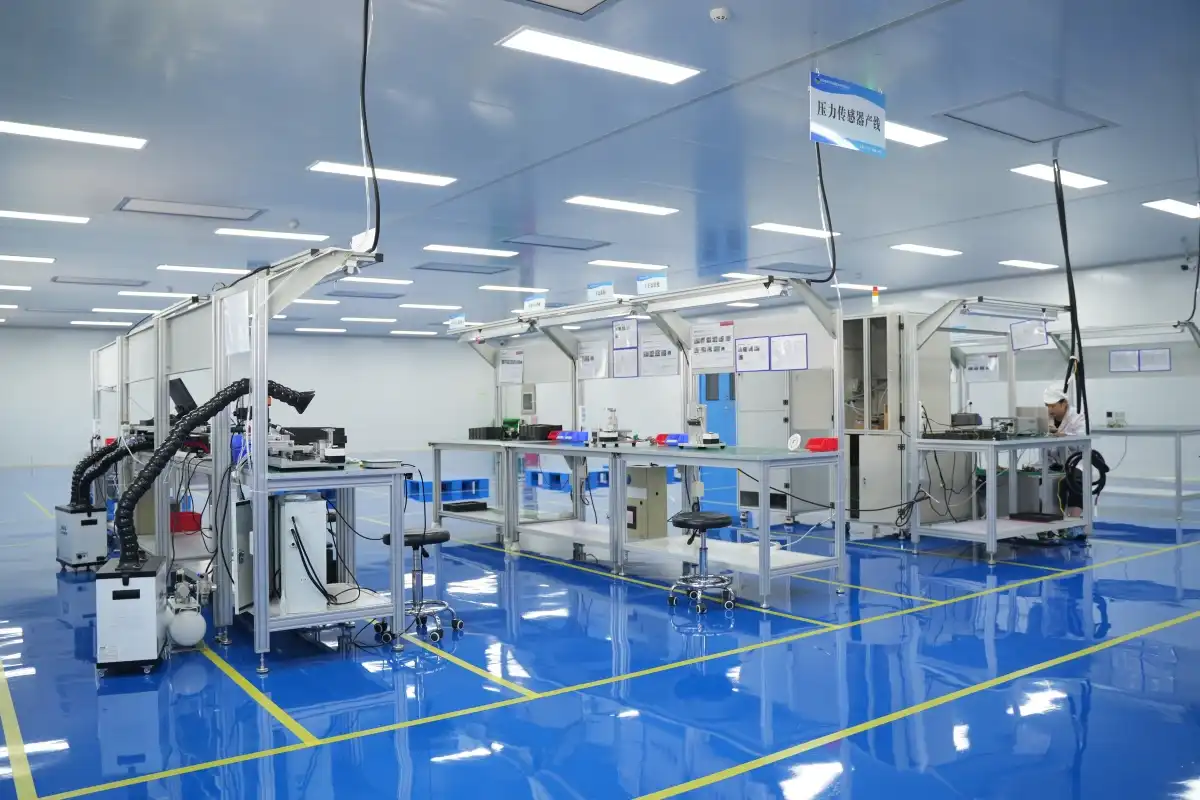
Practical Applications and Industry Use Cases
Accurate monitoring of pressure and temperature is needed in all industrial sectors around the world to keep activities safe and running smoothly. Applications in the real world show how important it is to have accurate measurement tools.
Petrochemical and Refining Operations
In order to refine oil, the pressure and temperature must be carefully controlled in the distillation columns, reactors, and piping networks. Monitoring pressure keeps equipment from getting damaged by too much pressure, and measuring temperature makes sure that reaction rates and product quality are at their best. At key places, transmitters send constant input to automatic control systems, which change the positions of valves, the rate of heating, and the flow parameters.
When working parameters go beyond safe limits, these data are used by safety systems to shut down in an emergency. When one transmitter fails, it can affect the safety of the business or the surroundings. Having multiple transmitters installed protects against this.
Power Generation Facilities
During the steam production, distribution, and condensation processes, steam engine power plants keep a close eye on both pressure and temperature. Measurement of boiler pressure makes sure that it works safely within its design limits, and tracking of steam temperature makes the most of the boiler's heating efficiency. Monitoring the feed water system keeps pumps from getting damaged by cavitation and makes sure that heat exchangers always have the right heat transfer rates.
For combined cycle facilities to work, the gas turbine and steam turbine units need to work together. Pressure and temperature transmitter networks send measurements to automatic control systems that help them use fuel more efficiently while still meeting the needs of grid stability.
Manufacturing Process Control
Precise weather control is needed to make sure that the quality and accuracy of the chemicals they make. Monitoring the pressure in the reactor stops reactions from going too far, and keeping an eye on the temperature keeps the reaction kinetics at their best. Accurate measurement input is needed in batch processing to know when a step in the process is finished and can move on to the next one.
Quality control systems use measurement data to change process settings automatically, which changes the properties of the end product. Statistical process control programs look for patterns that could mean there are problems with the quality of the goods before they are made.
Comparison and Selection Guide for Pressure and Temperature Transmitters
When choosing the right measuring tools, you need to carefully look at their performance specs, fitting needs, and long-term upkeep needs. For applications involving fluid systems, a pressure and temperature transmitter is often an essential component to consider.
Combined Versus Separate Sensor Systems
When compared to separate sensor setups, units that record both pressure and temperature have a number of benefits. When compared to dual-sensor methods, single-device options are easier to install, require less wiring, and often be cheaper. When both readings come from the same device, the calibration process is sped up.
When measurement ranges, accuracy needs, or environmental conditions are very different between temperature and pressure uses, it may be best to use separate devices. With separate sensors, each data channel can be optimized without any problems. When sensors can be repaired separately from other data, maintenance can be done more easily and quickly.
Wired Versus Wireless Communication Options
With traditional wired setups, you can communicate quickly and reliably with few security issues. Getting power through the same wires that carry measurement signals makes installation easier and gets rid of the need to maintain batteries. Wired systems can work in electrically noisy industrial settings because they don't get affected by electromagnetic radiation.
Wireless transmitters can be put in places where wires would be difficult or too expensive. Battery-powered units can be put in place quickly and don't require major changes to the infrastructure. But battery replacement plans and radio frequency interference need to be carefully handled to make sure the device works reliably.
Key Performance Specifications
Here are the main features that decide whether a transmitter is right for a certain job:
• Measurement accuracy: shows how closely readings match actual numbers when everything is perfect. For industrial uses, accuracy is usually needed to be within 0.1% to 0.5% of full scale.
• Operating temperature range: This tells you the temperature range in which the transmitter will work correctly. Wider temperature ranges make operation possible in harsh conditions.
• Pressure rating: The highest safe pressure that the monitor can work under without breaking. Safety factors make sure that the system works reliably even when the process changes normally.
• Response time: How fast the transmitter changes its settings when a test is made. Response times of less than one second may be needed for critical safety uses.
Procurement and Maintenance Guide for Industrial Buyers
To make measurement systems work well, you need to pay close attention to how you choose a seller, how you put the systems, and how you keep them running.
Strategic Supplier Evaluation
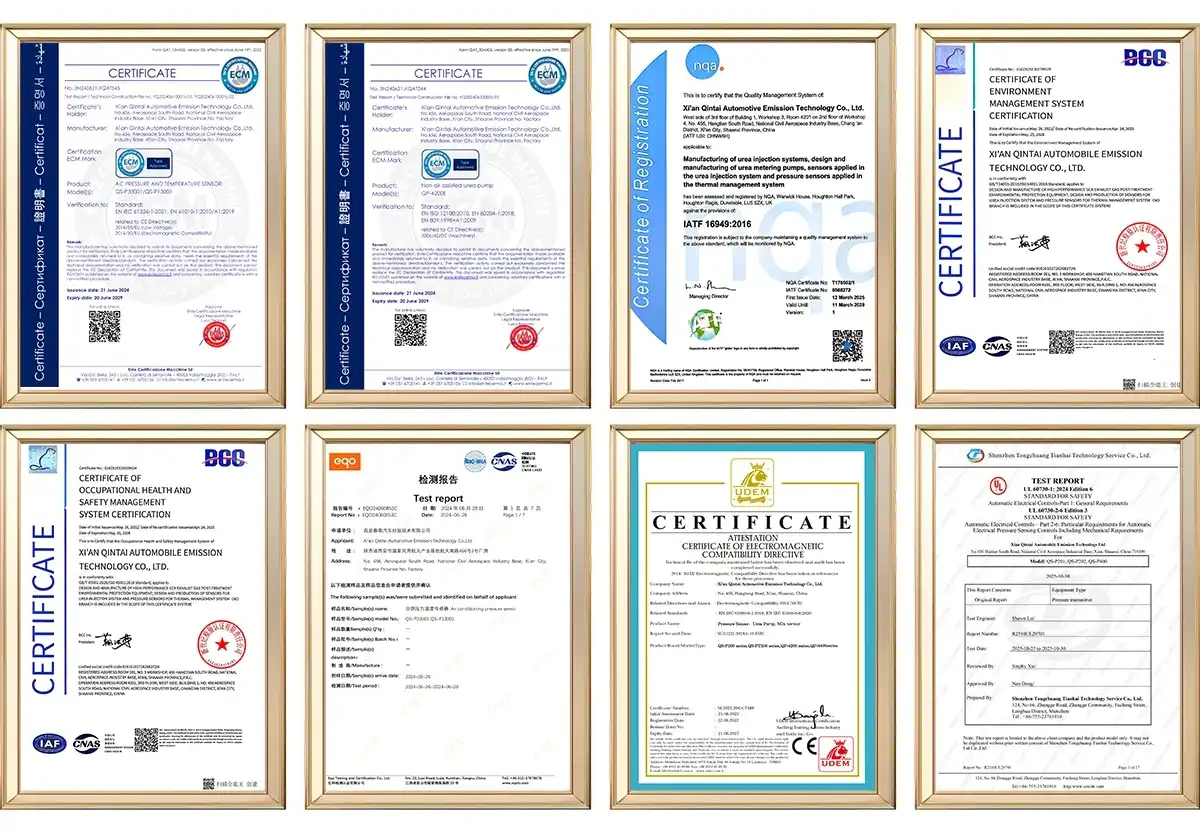
Industrial buyers have to look at a possible supplier's professional skills, quality certifications, and promises to provide long-term assistance. A pressure and temperature transmitter, for example, must meet specific standards in these areas to ensure reliability. ISO 9001 certification shows that a company has a well-established quality management system, while industry-specific certifications like IATF 16949 show that the company knows a lot about the car industry. For setups in areas where explosives are present, you need hazardous area approvals like ATEX or IECEx.
Evaluating suppliers' manufacturing ability makes sure they can meet production number needs without sacrificing quality or delivery times. Having OEM ties with big equipment makers is often a sign that a product has been tested to be reliable and work with other systems.
Installation and Commissioning Best Practices
Accuracy and long-term dependability of measurements are directly affected by how well they are installed. For pressure transmitters, it's important to pay close attention to how they are mounted, how well they connect to the process, and how the impulse line is installed. For accurate readings, temperature monitors need to be inserted deeply enough and make good thermal contact. During commissioning, calibration verification makes sure that the placed transmitters meet the accuracy requirements in real-world use. Documenting configurations as they were put gives you useful information for future upkeep tasks.
Maintenance Strategy Development
Pressure and temperature transmitter systems need to be calibrated on a regular basis to keep their readings accurate over time. The amount of time between calibrations depends on how important the application is, how harsh the working environment is, and what the maker recommends. Visual checks, electrical connection checks, and methods to confirm performance should all be part of preventative maintenance plans.
Trend analysis of measurement data is used in predictive maintenance methods to find problems before they happen. Advanced transmitters that can self-diagnose can let you know early on when an internal part is breaking down or when the process conditions change in a way that affects the quality of the measurements.
Conclusion
Modern industrial process control systems are based on pressure and temperature transmitter technology, which turns real readings into data streams that can be used. These high-tech tools allow automated control reactions that improve productivity, keep workers safe, and keep product quality high in a wide range of industries. Industrial workers can use reliable measurement solutions that support long-term business success if they understand how they work, how to choose them, and how to keep them in good shape.
FAQ
What is the difference between pressure transmitters and combined pressure-temperature models?
Standard pressure transmitters only measure pressure and turn it into electrical data that process control systems can use. These models combine pressure and temperature measuring elements into a single device. They can measure two parameters at once, which makes installation easier and often cheaper than installing two separate sensor systems.
How often do pressure and temperature transmitters require calibration?
How often you need to calibrate relies on how important the application is, the conditions of the working environment, and government rules. In general, industrial uses need to check the calibration once a year, but important safety systems may need checks every three or six months. In harsh settings with high vibrations, extreme temperatures, or corrosive substances, testing times may need to be longer.
Do wireless transmitters provide the same accuracy as wired devices?
The accuracy of modern wireless pressure and temperature transmitter systems is about the same as that of wired devices. The wireless connection method doesn't have a direct effect on how accurate the sensor is; that relies on the sensing element and the electronics inside that process signals. However, radio frequency disturbance or low battery power can sometimes cause wireless devices to send or receive data slowly or not at all.
Partner with Qintai for Advanced Pressure and Temperature Sensing Solutions
Qintai is a top company that makes pressure and temperature transmitters. They have more than 20 years of experience in making diesel engine aftertreatment systems and precision sensor technology. Our wide range of products includes industrial-grade transmitters made for tough jobs in the heavy machinery, power generation, and process control fields.
We have been a seller of pressure and temperature transmitters for a long time and have ISO 9001 and IATF 16949 certifications. We are also the main OEM partner for major Chinese engine makers. With 58 idea patents and a large international market footprint in 60 countries, our independent research and development skills guarantee that sensor technology is always getting better.
Our flexible designs, low prices, and full expert support services make us a great choice for industrial buyers who need reliable measurement solutions. Email our engineering team at info@qt-sensor.com to talk about your unique needs and find out how our cutting-edge sensing technologies can help your process control projects.
References
1. Smith, J. A., & Johnson, M. K. (2023). Industrial Process Control: Fundamentals of Pressure and Temperature Measurement. Process Engineering Publications, 4th Edition.
2. Chen, L., Rodriguez, P., & Wilson, D. R. (2022). "Advanced Sensor Technologies for Industrial Automation Systems." Journal of Process Control Engineering, Volume 45, Issue 3, Pages 178-195.
3. Thompson, R. B., & Anderson, K. L. (2023). "Wireless Communication Protocols in Industrial Sensor Networks: Performance Analysis and Implementation Guidelines." Industrial Electronics Review, Volume 28, Issue 2, Pages 89-104.
4. Miller, S. J., Park, H. S., & Davis, C. M. (2022). Calibration and Maintenance Strategies for Industrial Measurement Systems. Technical Publishing International, 2nd Edition.
5. Brown, A. R., Kumar, S., & White, J. P. (2023). "Reliability Assessment of Combined Pressure-Temperature Transmitters in Harsh Industrial Environments." Measurement Science and Technology, Volume 34, Issue 7, Article 075102.
6. Garcia, M. A., Liu, X., & Taylor, R. S. (2022). "Cost-Benefit Analysis of Integrated Versus Separate Sensor Systems in Process Control Applications." Process Industry Economics Quarterly, Volume 19, Issue 4, Pages 112-127.
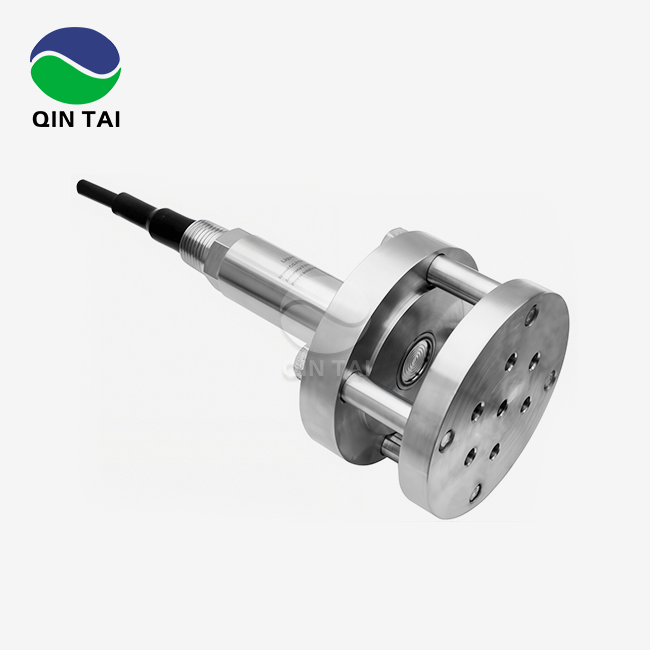
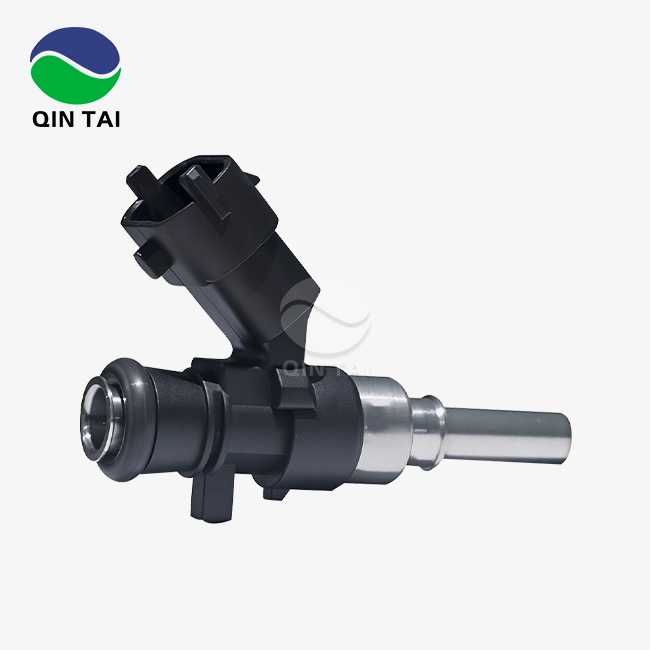
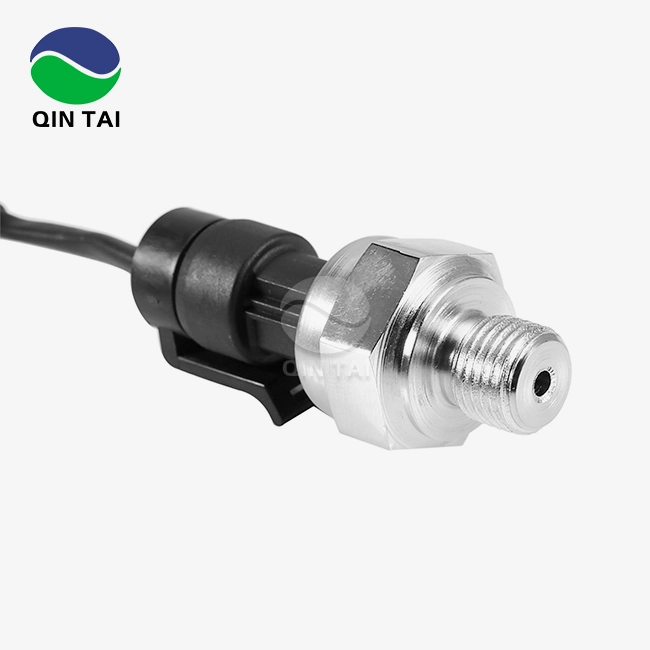
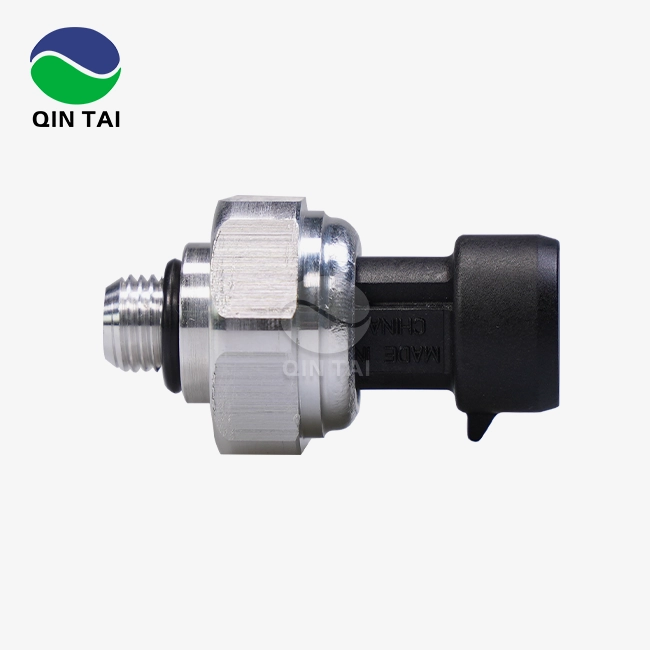

Our customers’ satisfaction speaks for our quality — contact us to experience the same reliable service.