- English
- French
- German
- Portuguese
- Spanish
- Russian
- Japanese
- Korean
- Arabic
- Greek
- German
- Turkish
- Italian
- Danish
- Romanian
- Indonesian
- Czech
- Afrikaans
- Swedish
- Polish
- Basque
- Catalan
- Esperanto
- Hindi
- Lao
- Albanian
- Amharic
- Armenian
- Azerbaijani
- Belarusian
- Bengali
- Bosnian
- Bulgarian
- Cebuano
- Chichewa
- Corsican
- Croatian
- Dutch
- Estonian
- Filipino
- Finnish
- Frisian
- Galician
- Georgian
- Gujarati
- Haitian
- Hausa
- Hawaiian
- Hebrew
- Hmong
- Hungarian
- Icelandic
- Igbo
- Javanese
- Kannada
- Kazakh
- Khmer
- Kurdish
- Kyrgyz
- Latin
- Latvian
- Lithuanian
- Luxembou..
- Macedonian
- Malagasy
- Malay
- Malayalam
- Maltese
- Maori
- Marathi
- Mongolian
- Burmese
- Nepali
- Norwegian
- Pashto
- Persian
- Punjabi
- Serbian
- Sesotho
- Sinhala
- Slovak
- Slovenian
- Somali
- Samoan
- Scots Gaelic
- Shona
- Sindhi
- Sundanese
- Swahili
- Tajik
- Tamil
- Telugu
- Thai
- Ukrainian
- Urdu
- Uzbek
- Vietnamese
- Welsh
- Xhosa
- Yiddish
- Yoruba
- Zulu
Energy-efficient pressure and temperature transmitters suitable for renewable energy projects
Pressure and temperature transmitter technology has become increasingly vital for renewable energy applications, where precision monitoring and energy optimization drive operational success. These advanced instrumentation devices convert physical parameters into standardized electrical signals, enabling comprehensive process control across wind farms, solar installations, hydroelectric facilities, and biomass plants. Modern energy-efficient transmitters integrate low-power electronics with robust environmental protection, delivering exceptional accuracy while minimizing power consumption. Their sophisticated design addresses the unique challenges of renewable energy environments, including extreme weather conditions, remote locations, and strict efficiency requirements that characterize sustainable energy infrastructure worldwide.
Introduction
The fast growth of the green energy industry has increased the need for precise instruments that can improve system performance while lowering running costs. This detailed book talks about how energy-efficient pressure and temperature transmitters are very important for making green energy projects around the world more reliable and efficient. For accurate tracking and control of processes in a wide range of renewable energy systems, such as wind turbines, solar thermal collectors, hydroelectric generators, and biomass conversion facilities, these specialized tools are necessary.
This guide is designed for procurement managers, R&D engineers, distributors, and OEM makers who work in the global B2B green energy sector. It covers a wide range of topics, including transmitter technologies, selection criteria, and the best ways to put them into action. The content takes into account the specific needs of various user groups, such as the technical details that engineers care about and the cost factors that affect purchasing choices. By knowing these basic ideas and how they can be used in real life, businesses can improve how they use energy, lower their long-term costs, and make sure that all of their green energy systems keep working well.
Understanding Pressure and Temperature Transmitters in Renewable Energy Applications
Pressure and temperature transmitter devices are high-tech instruments that turn measurable physical factors into standard electrical signals that can be used for tracking processes and controlling machines automatically. These devices are used in renewable energy setups to collect important operational data that is needed to keep the system safe, efficient, and reliable in a wide range of operational scenarios and environmental conditions.
Working Principles and Core Technologies
Advanced sensing technologies are what make pressure transmitters work. They use these technologies to turn changes in pressure into standard electrical messages. To very accurately sense changes in pressure, modern devices use piezoresistive elements, capacitive sensors, or strain gauge designs. When the monitored system's pressure changes, these sensing elements make proportional electrical reactions that are signal-conditioned, signal-amplification, and signal-conversion into standard output forms like 4-20mA current loops or digital communication protocols.
Temperature transmitters use very different ways to measure temperature, which are based on thermoelectric effects or changes in resistance. Thermocouple systems make voltage signs that are related to the difference in temperature between the measurement junction and the reference junction. Resistance temperature detector (RTD) systems, on the other hand, measure temperature by changing the resistance of platinum or copper elements in a way that can be predicted. Before being changed into standard output forms that can be used with control systems and data acquisition tools, these unprocessed electrical signals go through complex amplification and linearization circuits.
Application-Specific Requirements in Renewable Energy
Using renewable energy has its own set of operating difficulties that set it apart from normal industrial settings. For wind turbine setups, pressure monitoring is needed for hydraulic pitch control systems and gearbox cleaning circuits. Temperature monitoring is needed to make sure the generator works well and doesn't get too hot. Solar thermal facilities need to carefully control the temperature of the heat transfer fluid circuits. To keep the flow rates right and keep the systems from breaking, pressure tracking is a must.
Pressure transmitters are used in hydroelectric sites to keep an eye on the conditions of the dam, the pressure at the inlet of the turbine, and the performance of the cooling system. Temperature sensors protect the generator windings and bearing assemblies. To get the most out of their fuel and make sure they're meeting pollution standards, biomass conversion sites need to keep a close eye on the pressures and temperatures inside the combustion chambers.
Energy Efficiency Features Critical for Transmitters in Renewable Energy Projects
Modern energy-efficient transmitters, including pressure and temperature transmitters, use advanced design principles to keep measurement accuracy high and steadiness over time while using the least amount of power possible. In green energy applications, where working efficiency has a direct effect on project costs and environmental performance measures, these new ideas have become very important.
Low-Power Electronics and Smart Wireless Technology
Today's transmitters use a lot less energy than older analog devices because they have ultra-low-power microprocessors and powerful signal processing techniques built in. These systems use smart power management protocols that change operational settings automatically based on when measurements need to be taken and when contact is scheduled. Smart wireless features get rid of the energy losses that come with traditional wired transmission methods and make remote tracking tasks more flexible.
Advanced wireless systems like WirelessHART and ISA100 make it possible for devices to run on batteries for years without any upkeep. These systems have smart sleep modes and wake-up protocols that keep the batteries alive while still letting them measure things responsively. Adding technologies that collect energy, like solar panels and vibration generators, to rural green energy sites makes them even more self-sufficient.
Environmental Robustness and Durability Features
For green energy uses, energy-efficient transmitters must be able to work in harsh environments and still be able to measure accurately and reliably. These gadgets have tough cases that meet IP67 or IP68 safety standards. This means they can handle the water, dust, and chemicals that are common in outdoor settings.
Another important performance factor is temperature stability. Modern devices can keep their accuracy levels even when the temperature changes from -40°C to +85°C. Vibration resistance protects sensitive measurement circuits from mechanical stress caused by waves caused by wind or spinning equipment. These features that make something last longer help save money on operations by cutting down on the need for recalibration and unplanned downtime that could mess up energy production plans.
How to Select the Best Pressure and Temperature Transmitters for Renewable Energy Projects?
To choose the best pressure and temperature transmitter options, you need to use a methodical evaluation process that matches the need for technical performance with cost-effectiveness and long-term operational goals. Because green energy applications are so complicated, they need to carefully look at a lot of different selection factors to make sure the projects go well.
F-1 Criteria Screening Method for Renewable Energy Applications
The F-1 criteria screening method gives you an organized way to look at different transmitter choices based on the needs of green energy. This method puts an emphasis on saving energy and reducing upkeep needs while also making sure that the new system can work with current control systems and communication protocols.
Specifications for measurement accuracy (usually ±0.1% or better for critical applications), response time that works with dynamic renewable energy processes, and power consumption levels that work with standards for remote installation are some of the most important things that go into the evaluation. Environmental resilience factors include the range of temperatures that the product can work in, how well it can handle vibrations, and the level of security that is right for outdoor placements.
Communication protocol support, mounting configuration choices, and the ability to integrate with current supervisory control and data acquisition (SCADA) systems are all things that need to be thought about when it comes to system compatibility. Long-term dependability factors include scores for mean time between failure (MTBF), stability of calibration, and the ability of the maker to provide help.
Comparative Analysis of Leading Transmitter Technologies
Industrial-grade transmitters from well-known brands like Yokogawa, Emerson, Endress+Hauser, and Siemens have specific benefits for different uses of green energy. Yokogawa devices are great for high-precision tasks that need to be very stable over time. This makes them perfect for key measurement places in hydroelectric and solar thermal systems.
Emerson transmitters provide robust wireless communication capabilities and advanced diagnostic features that support predictive maintenance strategies in wind energy applications. Endress+Hauser solutions have a wide range of products that cover many measurement technologies. This makes it possible to use standard buying methods for big green energy projects. Siemens devices work well with full automation systems, which helps to keep an eye on and manage all of the different green energy setups from one place.
Installation, Calibration, and Troubleshooting for Optimized Performance and Longevity
Installing and calibrating pressure and temperature transmitters correctly is essential for getting the best results from them in renewable energy uses. These habits have a direct effect on how accurate measurements are, how much energy they use, and how long the gadget works before it needs to be serviced.
Best Practices for Site-Specific Installation
The steps used for installation must take into account the specific environmental conditions and operating needs of green energy installations. Configurations for mounting should keep exposure to mechanical vibration to a minimum while still allowing for easy entry for repair tasks. Installing a pressure and temperature transmitter requires careful planning of the impulse line's path, which includes making sure there are ways for condensation to drain and for the line to not freeze in cold places.
For long-term dependability in outdoor settings, electrical links must use the right types of cables and safety methods. When it comes to grounding, methods should be in line with industry standards, but they should also take into account the electrical safety needs of renewable energy systems. When installing a wireless transmitter, it's important to think carefully about where to put the antennas and what kinds of interference might affect the dependability of the connection.
Calibration Protocols and Maintenance Strategies
Regular testing keeps measurements accurate and makes sure the transmitter uses the least amount of energy possible over its entire life. For green energy uses, the recommended calibration periods are usually between 12 and 24 months, but this can change based on the surroundings and the need for accuracy. For quality assurance, calibration methods should use reference standards that can be tracked and results should be written down.
Regular visual checks, tests of the communication system, and diagnostic tracking are all examples of proactive maintenance strategies that can find problems before they affect the system's performance. Modern transmitters can self-diagnose, which means they can keep an eye on their own health and let workers know when problems start to appear. These traits make condition-based maintenance possible, which improves maintenance plans and stops failures that were not predicted.
Procurement Guide: Where and How to Buy Energy-Efficient Transmitters for Renewable Energy Projects
Getting energy-efficient transmitters can be hard, so it's important to know how the market works, what suppliers can do, and the best ways to buy things in the green energy industry. Procurement strategies that work well combine technical needs with cost concerns and factors related to provider relationships.
Pricing Dynamics and Market Considerations
Pricing for transmitters is based on a number of factors, such as the level of measurement accuracy, the ability to communicate, and the approval standards. Most of the time, energy-efficient models cost more than regular industrial devices, but the extra money spent usually pays off because the devices last longer and use less energy.
Volume buying can cut unit costs by a lot while making sure that all of the standards for big green energy projects are the same. Long-term supply deals keep prices stable and give priority to certain supplies when market demand is high. Supplier funding choices may help with large-scale procurement projects while still meeting the cash flow needs of the project.
Supplier Selection and Relationship Management
To buy a transmitter successfully, you need to carefully consider the supplier's skills, which go beyond the product specifications and include expert help, on-time delivery, and long-term service promises. Suppliers that have been around for a while and have experience with green energy know what is needed for each application and can help with the process of developing specifications and choosing products.
Support after the sale is an important factor in choosing a product, especially for green energy sites that are far away and where quick response times affect the project's economics. The warranty terms should take into account that green energy projects usually have long service lives, lasting between 10 and 20 years of continued use. With customization, sellers can change normal goods to meet the needs of specific applications or solve integration problems.
Conclusion
Pressure and temperature transmitter technology that uses little energy is a key part of making sure that green energy systems work well and reliably for a long time. With their advanced measuring tools, these high-tech devices allow for exact process control, reduce energy use, and help reach goals for sustainable energy production. This guide explains a systematic way to choose products that allows buying managers and engineers to make smart choices that balance technical needs with practical and financial limits. As renewable energy systems continue to grow around the world, they will need more dependable and efficient measurement solutions. Choosing the right transmitter technology is therefore a very important part of the success of the project.
FAQ
How do pressure transmitters that use less energy lower the cost of running green energy systems?
Pressure transmitters that use less energy lower operating costs in a number of ways that have a direct effect on the economics of the project. Modern low-power gadgets use as little energy as possible, which lowers the cost of running the item over its lifetime. Better measurement accuracy allows for better process control, which maximizes the efficiency of energy production while avoiding expensive damage to equipment caused by working outside of safe limits. Maintenance costs are lower and production interruptions that could hurt revenue creation are kept to a minimum thanks to longer testing intervals and better reliability.
What calibration intervals are recommended for temperature transmitters in harsh renewable energy environments?
Temperature transmitters that work in harsh renewable energy settings usually need to be calibrated every 12 to 18 months to keep their accuracy and dependability at their best. Extreme changes in temperature, being exposed to moisture, and mechanical stress can all weaken sensors over time. Critical measurement places may need to be calibrated more often, maybe every 6 to 12 months. This is especially true in situations where the accuracy of the measurements directly affects safety or the efficiency of energy production. Advanced transmitters that can self-diagnose can extend the time between calibrations by constantly checking the performance of sensors and letting workers know if accuracy problems start to appear.
Are wireless transmitters reliable for large-scale renewable energy installations compared to wired alternatives?
When built and put in place correctly, modern wireless pressure and temperature transmitter systems are very reliable for large-scale renewable energy installations. Modern wireless methods, like WirelessHART, offer extra ways to communicate and networks that can fix themselves, which are often more reliable than traditional cable systems. Concerns about the stability of the power source go away when the battery life is extended by 5 to 10 years, and failure points are reduced when installation is made easier. However, wired systems may still be better for high-severity safety situations or places where there are a lot of electromagnetic interference sources that could make wireless communication less reliable.
Partner with Qintai for Advanced Pressure and Temperature Transmitter Solutions
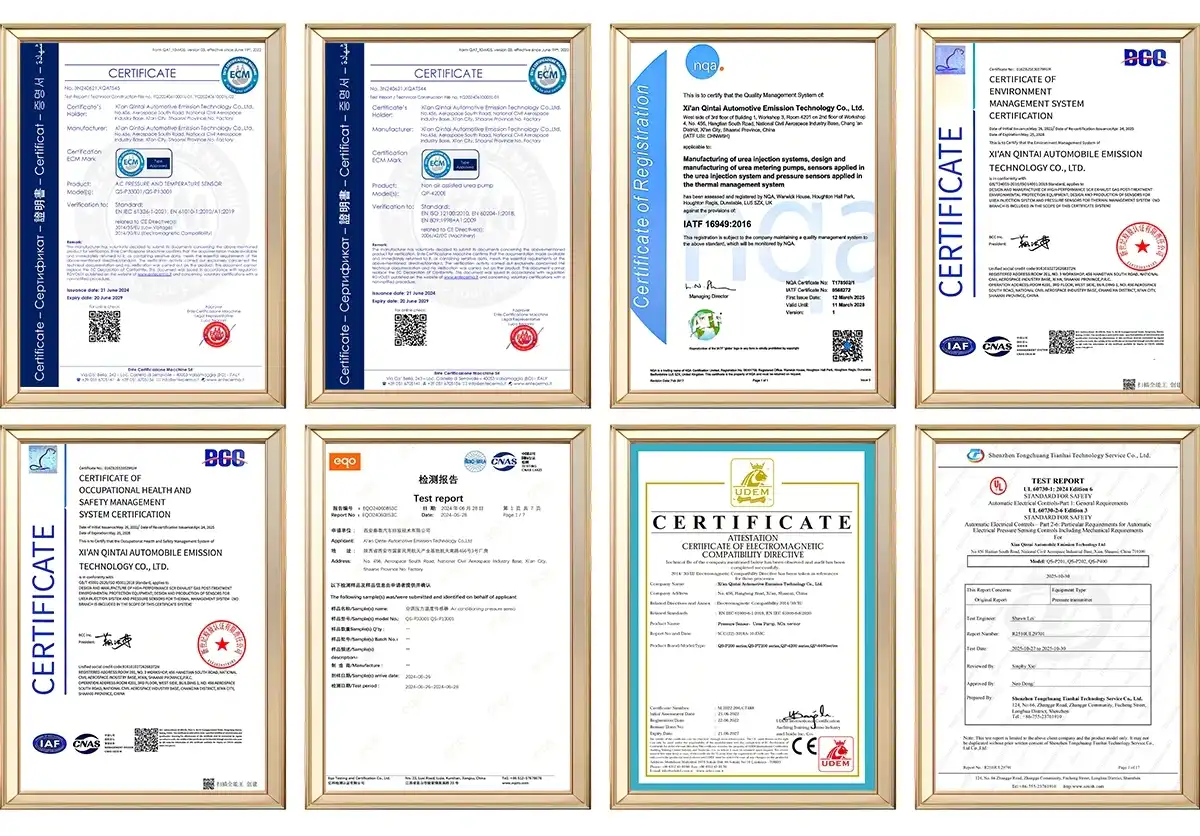
Qintai's specialized portfolio of high-performance, energy-efficient sensing products can help people in the renewable energy business improve the performance of their systems. As the biggest maker of pressure and temperature transmitters in China, we use our more than 20 years of engineering experience and the latest technology to make instrumentation products that help green energy processes run more smoothly. Our ISO9001 and IATF16949-certified production methods guarantee consistent quality, and our wide range of customization options lets us make solutions that fit the needs of each project. Get in touch with our technical team at info@qt-sensor.com to find out how our cutting-edge transmitter technologies can improve your green energy projects by giving you personalized advice on how to buy them and full technical help during the whole implementation process.
References
1. International Energy Agency. "Renewable Energy Market Analysis and Forecast: Instrumentation Requirements for Next-Generation Systems." 2023.
2. American Society of Mechanical Engineers. "ASME PTC 19.2: Guidelines for Pressure and Temperature Measurement in Renewable Energy Applications." 2022.
3. Institute of Electrical and Electronics Engineers. "IEEE 1451.4: Smart Transducer Interface Standards for Renewable Energy Monitoring Systems." 2023.
4. International Electrotechnical Commission. "IEC 61508: Functional Safety of Electrical/Electronic Systems in Renewable Energy Applications." 2022.
5. Renewable Energy World Technical Committee. "Best Practices for Instrumentation Design in Wind, Solar, and Hydroelectric Power Systems." 2023.
6. Global Wind Energy Council. "Technical Standards for Pressure and Temperature Monitoring in Modern Wind Turbine Systems." 2023.

Our customers’ satisfaction speaks for our quality — contact us to experience the same reliable service.