- English
- French
- German
- Portuguese
- Spanish
- Russian
- Japanese
- Korean
- Arabic
- Greek
- German
- Turkish
- Italian
- Danish
- Romanian
- Indonesian
- Czech
- Afrikaans
- Swedish
- Polish
- Basque
- Catalan
- Esperanto
- Hindi
- Lao
- Albanian
- Amharic
- Armenian
- Azerbaijani
- Belarusian
- Bengali
- Bosnian
- Bulgarian
- Cebuano
- Chichewa
- Corsican
- Croatian
- Dutch
- Estonian
- Filipino
- Finnish
- Frisian
- Galician
- Georgian
- Gujarati
- Haitian
- Hausa
- Hawaiian
- Hebrew
- Hmong
- Hungarian
- Icelandic
- Igbo
- Javanese
- Kannada
- Kazakh
- Khmer
- Kurdish
- Kyrgyz
- Latin
- Latvian
- Lithuanian
- Luxembou..
- Macedonian
- Malagasy
- Malay
- Malayalam
- Maltese
- Maori
- Marathi
- Mongolian
- Burmese
- Nepali
- Norwegian
- Pashto
- Persian
- Punjabi
- Serbian
- Sesotho
- Sinhala
- Slovak
- Slovenian
- Somali
- Samoan
- Scots Gaelic
- Shona
- Sindhi
- Sundanese
- Swahili
- Tajik
- Tamil
- Telugu
- Thai
- Ukrainian
- Urdu
- Uzbek
- Vietnamese
- Welsh
- Xhosa
- Yiddish
- Yoruba
- Zulu
What is the lifespan of a NOx sensor?
A NOx sensor usually lasts between 100,000 and 200,000 miles when used with heavy-duty fuel. This can change a lot, though, based on how it's used, the fuel, and how often it's repaired. With good sensors from well-known brands, they can last longer, but if you don't take care of them properly, they may not last as long. If people who work in buying know about these things, they can make smart decisions about when and how much to update their fleets and tools.

Understanding NOx Sensors: Function and Types
N2O sensors are an important part of modern pollution control systems because they constantly check the make-up of waste gases to make sure they are following the rules. The high-tech tools check NOx levels in real time and send important data to the engine control units so the aftertreatment system works at its best.
Core Functions and Operating Principles
All the time, the nox sensor tells the Engine Control Unit (ECU) or SCR control module how much NOx is in the waste gas. These days' sensors use cutting edge zirconia ceramic technology and complicated signal processing to get the right results in a lot of different work settings. The sensor's main job is to handle and keep an eye on the SCR system's urea dose. This makes sure that the right amount of AdBlue is injected to cut down on pollution without using too much.
Also, these sensors check how well catalytic converters cut down on pollution, so you always know how well the aftertreatment system is doing. With this feature, changes can be made right away to keep NOx levels at their best and protect parts further down the line from damage caused by bad dose methods.
Sensor Types and Applications
Different kinds of sensors are used to do different things in pollution control gear. Upstream sensors watch the engine's raw emissions and give standard NOx numbers that help with the first choices for dosing. Downstream sensors check the fumes that come out after the catalyst. This shows that the reduction works and makes it possible for closed-loop control systems that can adapt to changing conditions.
If OEM sensors are direct-fit suitable with a car base, they work well with the wiring and control systems that are already there. Universal sensors are a cheap choice for alternative uses, but they might need to be changed so they fit correctly and can be connected.
Lifespan and Performance Factors of NOx Sensors
A sensor's life depends on a lot of things, but the setting where it works and how well it is maintained are two of the most important ones. You can get a better idea of when to replace something and lower your total cost of ownership if you know about these things.
Environmental Impact on Sensor Durability
For sensors to last a long time, one of the worst things that can happen is that they have to deal with very high or very low temperatures. Exposure to exhaust temperatures above 800°C for a long time can make ceramic parts break down faster. Also, going back and forth between rest and full load temperatures a lot can put stress on the parts and cause them to break early.
Adding chemicals from diesel fuel and engine oil can affect how a NOx sensor works. Particulate matter, lube use, and fuel additive pollution can also change how sensors work. The sulfur chemicals in diesel fuel can hurt sensor parts, and engine oil ash can cover sensor surfaces and make them less responsive. Good fuel and regular maintenance make sensors last a lot longer.
Operational Conditions and Usage Patterns
Most of the time, heavy-duty uses break down in different ways than light-duty uses. Some building tools may get dirty more quickly when they are used in dusty places. For long-haul trucking, on the other hand, steady working temperatures help the tools clean itself. When buying teams know these trends of use, they can choose the right sensor specs and decide how often to replace them.
Patterns of engine load have a big effect on the amounts of stress in sensors. When the unit is always going at full capacity, the output temperature stays high, which can make the element age faster. But if you don't do anything for a long time, contaminants may start to build up. These days, sensors have parts that heat them up so that they stay at the right temperature even when they're not being used. But these methods are more involved and might not work right at some point.
Quality Differences and Brand Reliability
How long sensors last and how well they work all the time depend on how well they were made. A lot of money is spent by high-end brands on materials science and manufacturing techniques that make things last longer in tough conditions. It's likely that these investments will make service breaks longer and improve efficiency, but they may cost more at first than other options.
There are big differences between makers in how well they calibrate sensors and how much they move. When you buy good sensors, they stay set for a long time. This means that you are less likely to get false trouble codes and need service. It's very important to have this level of stability when changing sensors takes a lot of work or machine stoppage.
NOx Sensor Maintenance and Replacement Intervals
Good repair plans weigh how much it would cost to replace something against how likely it is to break down or have trouble following the plan. From what the business world has seen, fixing things after they break down is more expensive than replacing them before they break down based on mileage intervals.
OEM Recommendations and Real-World Experience
The nox sensor should be changed every 150,000 to 300,000 miles, but this can change based on how hard the job is and how the car is used. The rules can be broken, though, because of things like the quality of the fuel, how often it is repaired, and how the cars are used. Construction tools may need to be changed more often because they are used in harsh situations and are not used for long periods of time. On the other hand, highway trucking uses often go beyond what the manufacturer suggests, as long as the right upkeep steps are always taken.
Cost Analysis and Budgeting Considerations
To find out how much the repair will cost all together, you need to know how much the sensors cost, how much work needs to be done, and how much business could be affected by the downtime. Most high-end sensors cost between $300 and $800, and installation can cost anywhere from $150 to $400, depending on how hard the system is to get to and how simple it is.
Often, it costs more to fix broken sensors than to just buy new ones. Calls for emergency service, parts that need to be sent quickly, and long periods of downtime can all add a lot to the total cost. You can avoid having to pay these extra fees by using preventative maintenance methods that keep things running smoothly.
Condition-based repair methods that look at sensor performance factors to figure out the best time to replace them are being used more and more by fleet managers. You will have to pay for monitoring tools for this method, but it can lower the overall cost of maintenance and make the system more effective.
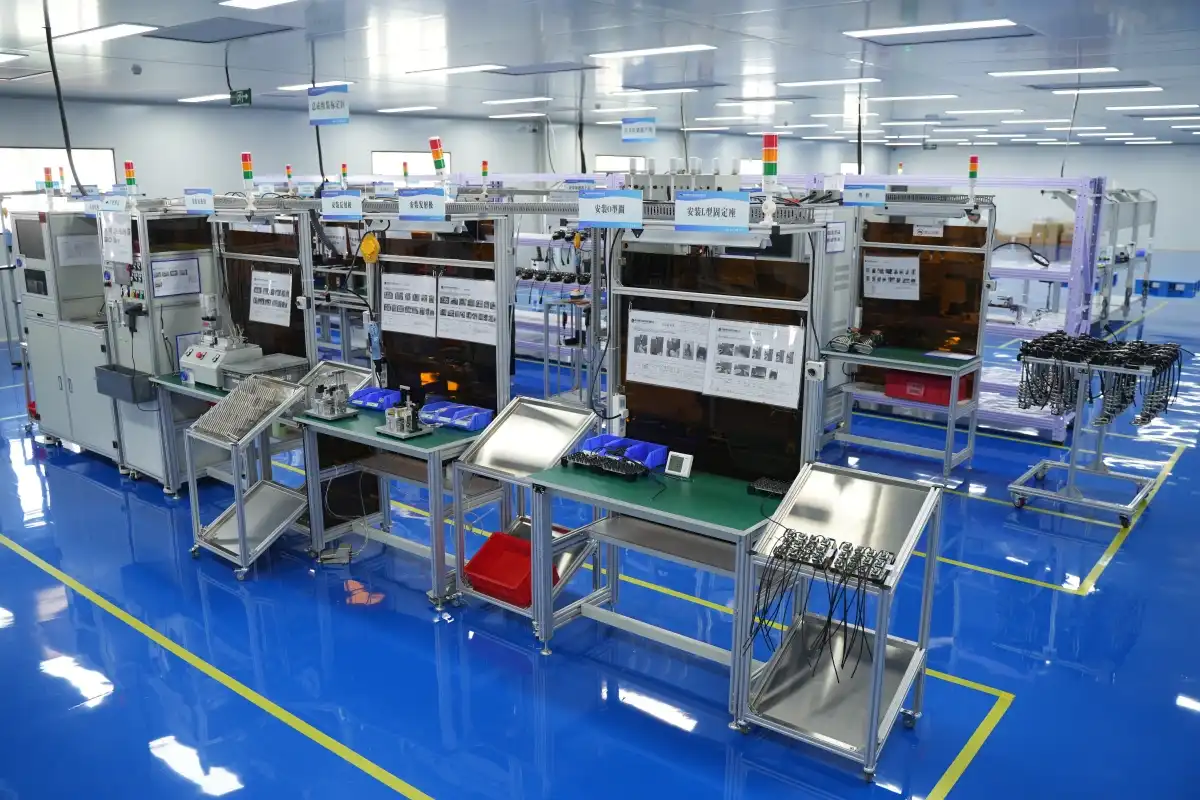
Comparing NOx Sensors: Making an Informed Procurement Decision
You should think about the sensors' technical specs, how they will connect, and how much they will cost in the long run when picking the right ones. Because different uses may gain from different sensor features, one-size-fits-all approaches don't work as well as careful selection strategies.
Performance Comparison Between Leading Brands
Bosch, Denso, and Continental are just a few of the big companies that have come up with their own ways to make sensors. When you need exact control, Bosch sensors are great because they respond quickly and stay tuned. Sometimes, Denso is the best choice for heavy-duty jobs because it is strong and doesn't get dirty easily.
There are advanced debugging tools on Continental sensors that help you find issues and keep an eye on the whole system. More reliable systems may need control systems that can fully use their more advanced features. These features can lower the cost of maintenance and make the system more reliable.
OEM versus Universal Sensor Considerations
OEM sensors are approved to work with modern systems and really fit in. They usually have calibrations and connection setups that are unique to the job, and they make sure they can talk to control units correctly. This gives you more options, which makes installation easier and lowers the chance of interaction issues.
It is easier to find and cheaper to buy universal sensors, which is great for older tools or uses that need to be very specific. But they might need more work to change, and the ways they talk to each other need to be carefully checked. There are some sensors that can be used in a wide range of scenarios because their settings can be changed. The price of these sensors is fair for how useful they are.
You should think about how long parts will be available and how stable the providers are when you choose nox sensor options. Manufacturers that have been around for a while tend to offer longer support times for their goods. On the other hand, general sensor makers may have more customization options for specific needs.
Future Trends and Innovations in NOx Sensor Technology
New sensor technologies are always being made because emission rules are always changing. There are new ideas being worked on to make sensors last longer, work better, and cost less. These changes seem to be the right way to fix problems now and make it possible to follow new rules made by officials in the future.
Technological Advancements and Material Science
The next wave of sensors use better sensing materials that don't get dirty or break down at high temperatures. Ceramics made today are more solid over longer periods of time, and protected layers make sulfur poisoning and particle pollution less harmful. Another important area of success is being able to do smart diagnosis. These days, sensors have built-in ways to check on themselves and let you know when performance is dropping before it fails totally. With these features, predictive maintenance plans can figure out when to repair things while also lowering the chance that something will go wrong at the worst possible time.
Regulatory Impact and Market Evolution
Because of stricter rules on pollution, sensors need to be more accurate and dependable. In the future, rules may say that pollution must be tracked more accurately in real time than is possible now. Because of this change, sensors are being made that can detect lower NOx levels and stay steady for longer. As in-use compliance testing grows, sensors are put under more stress to always work the same way. In order to keep up with regulations, sensors must keep their setting accuracy over the course of their life. This is why it's better to use high-end sensor devices that are more stable over time.
Conclusion
The buying staff can make good repair plans that balance cost and trustworthiness when they know how long nox sensor units last. It depends on how the car is driven and the strength of the sensors how long it lasts. Most of the time, it lasts between 100,000 and 200,000 miles. The environment, how well they are taken care of, and how hard they are used all have an effect on how long a sensor lasts. To lower the total cost of ownership, you need to make a choice based on good information. In the future, when technology gets better, sensors will last longer and be able to do more tests. This will make them even more useful for business.
FAQ
How do I know when a NOx sensor needs replacement?
Having trouble codes that read "circuit high" or "circuit open," using more DEF, and having the engine run less well are all usual signs. Most of the time, tracking systems can tell which sensors need to be fixed further upstream or further downstream. Targeted substitute strategies can now be used.
What factors most significantly impact NOx sensor lifespan?
The main things that determine how long a sensor lasts are its operating temperature, the quality of the fuel, and how often it is fixed. When temperatures are very high or very low, elements break down faster. Also, pollution from bad fuel or poor maintenance can make sensors less sensitive and accurate over time.
Should I choose OEM or universal NOx sensors for my fleet?
It has been proven that OEM sensors work best with other devices, but they generally cost more at first. Using general sensors can save you money, and they might work well enough for many tasks. When you make this choice, you should think about your price, the long-term availability of parts, and how well the two will work together.
What price range should I expect for quality NOx sensors?
A good set of sensors costs around $300 to $800, and the work to put them in costs an extra $150 to $400. Universal choices may seem like the cheaper choice at first, but when you compare them, you should look at the total cost of ownership, which includes things like how accurate, reliable, and long-lasting they are.
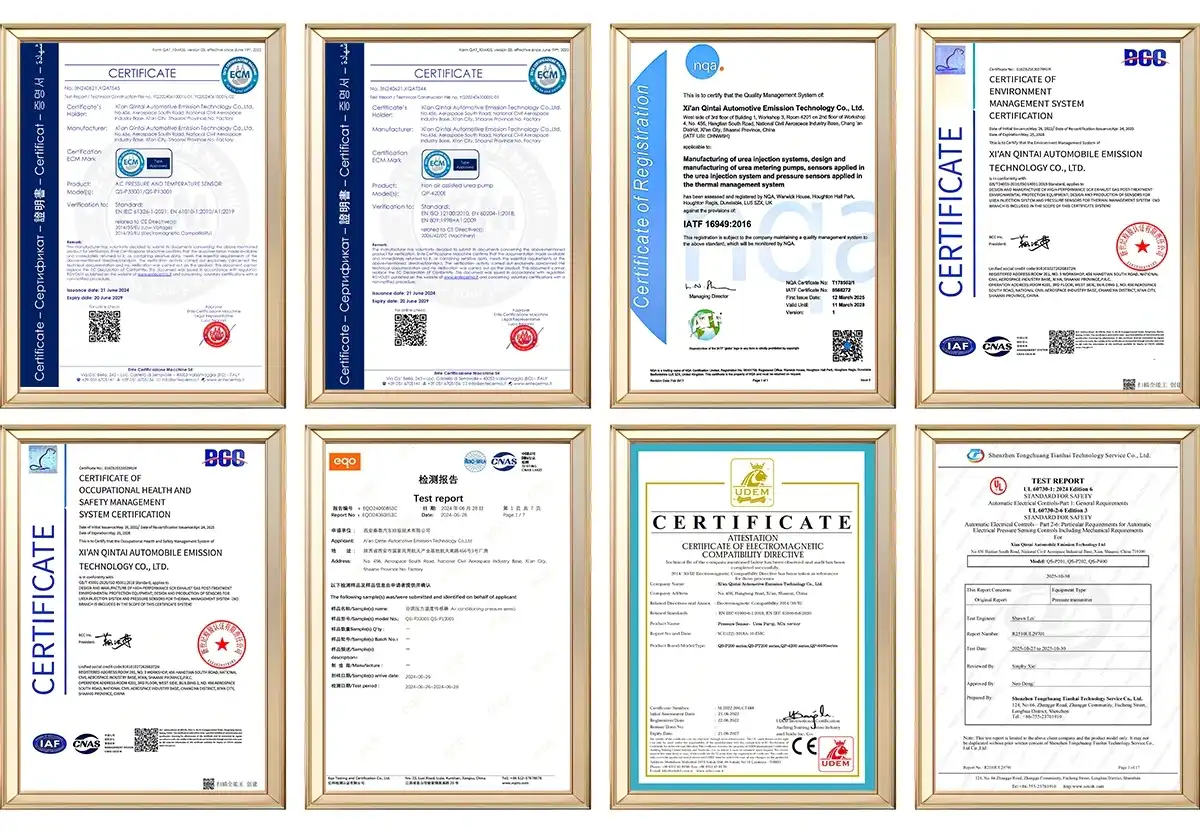
Partner with Qintai for Reliable NOx Sensor Solutions
Xi'an Qintai Automotive Emission Technology can help you buy nox sensor products because they have been in the business of reducing pollution for more than 20 years. We are the biggest original equipment manufacturer (OEM) supplier in China to big engine makers like Weichai Power and Yuchai Power. We know how important it is for sensors to work properly so that business runs easily and rules are followed. We have a lot of different goods, such as OEM and general sensors. All of them are approved by different groups, like ISO9001, IATF16949, and CE compliance. Contact our knowledgeable staff at info@qt-sensor.com to talk about your specific application needs and discover how our cutting-edge sensor technologies can help you improve your emission control strategies while lowering the total cost of ownership.
References
1. Society of Automotive Engineers. "Heavy-Duty Diesel Engine NOx Sensor Performance Standards and Testing Protocols." SAE International Technical Paper Series, 2023.
2. Environmental Protection Agency. "In-Use Emission Testing Requirements for Heavy-Duty Diesel Vehicles: NOx Sensor Specifications and Maintenance Guidelines." EPA Office of Transportation and Air Quality, 2022.
3. International Council on Clean Transportation. "Global Heavy-Duty Vehicle Emission Standards: NOx Monitoring and Control System Requirements." ICCT Research Report, 2023.
4. American Trucking Association. "Fleet Maintenance Best Practices: NOx Sensor Replacement Strategies and Cost Analysis." ATA Technology and Maintenance Council Study, 2022.
5. Diesel Technology Forum. "Advanced Emission Control Technologies: NOx Sensor Performance and Longevity in Commercial Vehicle Applications." DTF Technical Bulletin, 2023.
6. Heavy Duty Manufacturers Association. "Aftertreatment System Component Reliability Study: NOx Sensor Performance Benchmarking Across Leading OEM Suppliers." HDMA Engineering Report, 2022.
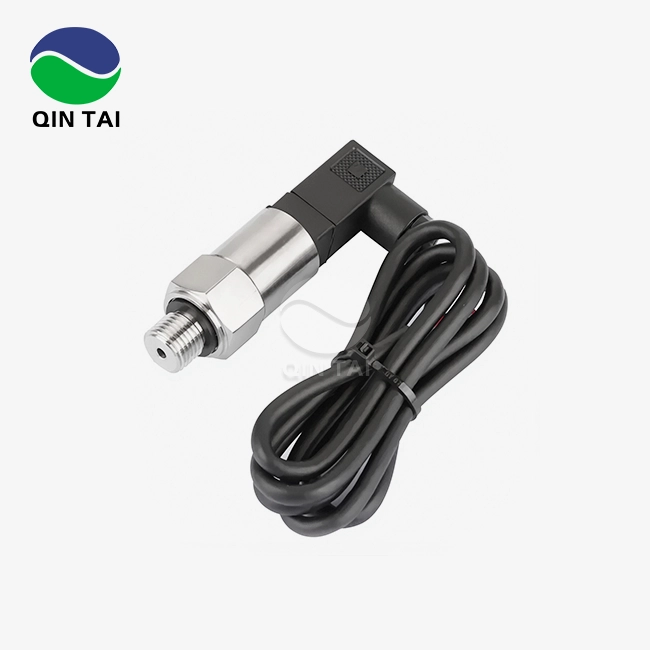
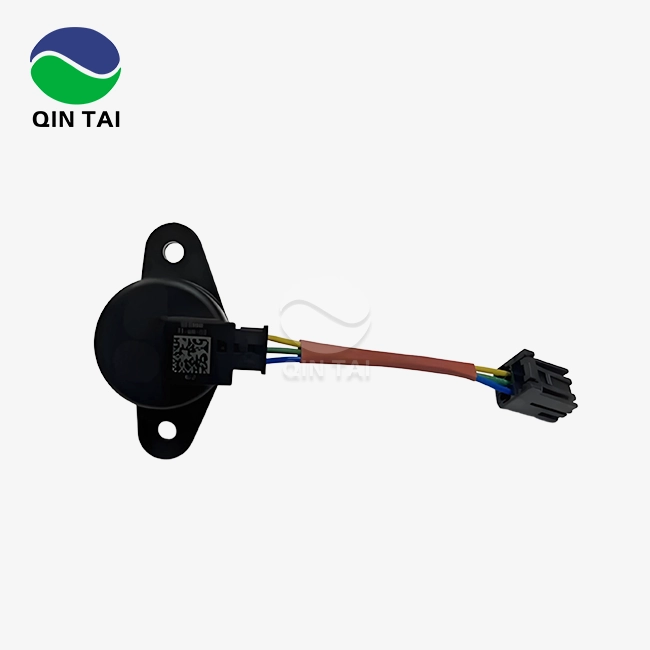

Our customers’ satisfaction speaks for our quality — contact us to experience the same reliable service.