- English
- French
- German
- Portuguese
- Spanish
- Russian
- Japanese
- Korean
- Arabic
- Greek
- German
- Turkish
- Italian
- Danish
- Romanian
- Indonesian
- Czech
- Afrikaans
- Swedish
- Polish
- Basque
- Catalan
- Esperanto
- Hindi
- Lao
- Albanian
- Amharic
- Armenian
- Azerbaijani
- Belarusian
- Bengali
- Bosnian
- Bulgarian
- Cebuano
- Chichewa
- Corsican
- Croatian
- Dutch
- Estonian
- Filipino
- Finnish
- Frisian
- Galician
- Georgian
- Gujarati
- Haitian
- Hausa
- Hawaiian
- Hebrew
- Hmong
- Hungarian
- Icelandic
- Igbo
- Javanese
- Kannada
- Kazakh
- Khmer
- Kurdish
- Kyrgyz
- Latin
- Latvian
- Lithuanian
- Luxembou..
- Macedonian
- Malagasy
- Malay
- Malayalam
- Maltese
- Maori
- Marathi
- Mongolian
- Burmese
- Nepali
- Norwegian
- Pashto
- Persian
- Punjabi
- Serbian
- Sesotho
- Sinhala
- Slovak
- Slovenian
- Somali
- Samoan
- Scots Gaelic
- Shona
- Sindhi
- Sundanese
- Swahili
- Tajik
- Tamil
- Telugu
- Thai
- Ukrainian
- Urdu
- Uzbek
- Vietnamese
- Welsh
- Xhosa
- Yiddish
- Yoruba
- Zulu
Guide to Choosing Pressure Ranges for Industrial Transmitters
Choosing the right pressure range for industrial sensors has a direct effect on the accuracy of measurements, the dependability of the system, and the safety of operations. In order to turn physical factors into electrical signals for tracking and automation, Pressure and Temperature transmitters are crucial tools in diesel engine systems, aftertreatment applications, and industrial process control. The right choice of pressure range makes sure that pollution standards are met, stops calibration drift, and increases the device's life. If you know how to match the transmitter's specs to your process needs, you can avoid costly downtime, avoid over-specification, and keep heavy-duty applications running efficiently for a long time.
Understanding Pressure and Temperature Transmitters
Pressure and Temperature transmitters take measurements of physical factors and turn them into standard electrical signals that can be used to track and direct a process. In diesel engine pollution systems, SCR aftertreatment units, and hydraulic uses where real-time data is needed to make sure compliance and performance, these devices are very important.
How Pressure Transmitters Work?
Sensors, like clay sensors or piezoresistive chips, are used in pressure emitters to measure the force that fluids or gases are applying. When pressure is put on the detecting cushion, the electrical resistance or capacitance changes in a way that can be measured. Before sending out a standardized signal, usually 0.5V to 4.5V or 4-20mA, this signal is amplified and condition. This signal works perfectly with controls and data collection systems.
Temperature Measurement Integration
Modern combined receivers use NTC thermistors or RTD elements to measure both pressure and temperature. When you use two different sensors in two different places, measurement correlation errors happen. This dual-output system gets rid of those mistakes. Temperature data also lets you make thermal adjustments, which improves the accuracy of the pressure reading over a wide range of working temperatures. This is very important for uses involving hydraulic fluids, exhaust gases, and refrigerants.
Types of Transmitters in Industrial Use
Analog emitters give off a steady voltage or current, which makes them easy to use and compatible with older systems. Digital emitters are more accurate because they have built-in compensation methods, and they can be set up remotely using communication protocols like HART or Modbus. Smart receivers can diagnose themselves, send maintenance alerts ahead of time, and connect to IIoT platforms. This lowers the cost of unplanned downtime and repairs.
Criteria for Choosing the Right Pressure Range
To choose the right pressure range, you need to carefully look at the process factors, the surroundings, and the level of accuracy you need. This system helps engineers and buying managers make smart choices that balance performance with low cost.
Identify Maximum Operating Pressure
First, figure out the biggest pressure your system will be under when it's working normally, taking into account short-term spikes during startup, shutdown, or process upsets. It is standard practice in the business to choose a transmitter range that is 1.5 to 2 times your maximum working pressure. This safety gap keeps the accuracy in the best calibration zone, which is usually the middle 60% of the transmitter's range, and protects against damage to the sensors and changes in the measurements. Following this Guide to Choosing Pressure Ranges for Industrial Pressure and Temperature transmitters ensures reliable performance and extended equipment life in demanding applications.
Consider Environmental and Process Conditions
The operating temperature has a big effect on how accurately you can measure pressure. Since it has a total error band of ±3% across this range, the QS-PT225 dual-parameter emitter works reliably from -40°C to 130°C. When choosing pressure levels, you should take into account the process media's thermal expansion and the zero shift that happens because of temperature. When working with engine oil, POE oil, refrigerants, or exhaust gases, you need transmitters that can handle high temperatures and work with a wide range of media. The choice of material is also important because 304 stainless steel doesn't rust and keeps its shape in harsh conditions.
Balance Accuracy Requirements with Application Needs
Range selection is directly related to how accurate the pressure is. A device that measures 10 Bar and has a full-scale accuracy of ±1.0% gives ±0.1 Bar precision. If you need consistency within 0.05 Bar for your process, choosing a 5 Bar range will give you better clarity. But increasing the range too much lowers the sensitivity. For example, a 40 Bar emitter that measures 5 Bar pressure only works at 12.5% of its span, where noise and drift are much more noticeable.
Evaluate Calibration Stability and Repeatability
How often adjustment is needed is based on how stable something is over time. Because they have little hysteresis and don't wear out easily, ceramic pressure monitors have great accuracy. Check the specs for linearity, hysteresis, and repeatability when comparing transmitters. The accuracy statement is made up of these three mistakes added together. It is more dependable for a device to have ±1% full-scale accuracy that covers all three error sources than one that only specifies linearity.
Diesel engine makers who use China VI or Euro VI pollution systems need pressure sensors that stay calibrated after millions of rounds of operation. Choosing receivers that have been shown to last lowers the need for upkeep and helps with high-volume production needs where consistency between units is very important.
Advantages of Selecting the Correct Pressure Range
When emitter ranges are perfectly matched to the needs of an application, organizational, financial, and safety benefits can be measured. These benefits add up over the lifecycle of the device, which makes the original decision work worthwhile.
Enhanced Measurement Accuracy and System Reliability
Working within the ideal 30-80% range spread improves signal-to-noise ratio and lessens the effect of zero drift. When a transmitter measures pressure close to its preset center, changes in temperature and drift caused by getting older have a smaller effect on the accuracy of the reading. In SCR dose control, where wrong urea injection rates lead to NOx compliance fails or catalyst poisoning, this level of accuracy is very important.
Extended Device Lifespan and Reduced Downtime
When pressure levels are properly defined, sensor overload and tiredness are avoided. When an emitter rated for 10 Bar measures steady 8–9 Bar pressures, it is stressed close to its design limit, which speeds up diaphragm wear and seal degradation. On the other hand, a 20 Bar unit used for the same task works safely within its limits, increasing the average time between fails. Aftermarket repair shops and parts providers who focus on low failure rates and low costs benefit directly from this dependability.
Cost Savings Through Optimized Specification
Avoiding over-specification lowers buying costs that aren't necessary. It might seem prudent to choose pressure levels that are too high, but doing so lowers accuracy and raises unit costs without providing any corresponding benefits. The QS-PT225 has values that can be changed from 5 to 40 Bar, so it can be perfectly matched to the needs of the application. This gives purchasing managers the freedom to find the best specs for all product lines, so they can use fewer SKUs while still getting the right performance for each use. This approach aligns perfectly with the Pressure and Temperature transmitters, enabling cost-effective procurement without compromising measurement integrity.
Safety and Compliance Advantages
Monitoring the pressure keeps equipment safe from overpressure situations that hurt pumps, compressors, and engine parts. When transmitters have the right burst pressure ratings—for example, the QS-PT225 can handle 10 MPa of burst pressure—they protect against catastrophic system failures. Accurate pressure data also backs up regulatory compliance paperwork, showing that emission control systems work within approved limits for the duration of their service life.

Installation and Calibration Best Practices
When emitters are installed and calibrated correctly, they work as expected for the whole time they are working. These practices protect against common mistakes that can ruin the accuracy of measurements.
Installation Positioning and Mounting Techniques
When reading liquids, put pressure sensors below the process connection points so that vapor pockets don't form in the detecting lines. Place sensors close to measurement places to cut down on lag time and the length of the impulse tubing, which can slow reaction and cause damping. The QS-PT225's small, integrated design with G1/4, M12x1.5, or M10x1 process links makes installation easier in engine chambers and equipment housings that don't have a lot of room. Using a torque wrench, apply fixing torque between 10 and 20 N-m to make sure the seal is good without hurting the threads or sensing elements.
Avoiding Common Installation Errors
Signal noise that lowers accuracy can be avoided by routing wires away from sources of electromagnetic interference, such as ignition systems, alternators, and motor drives. The 32V overvoltage and reverse polarity protections on the QS-PT225 protect against wire mistakes that might happen during installation. Check that the process media are compatible by making sure that the seals and materials that have been wet can handle engine oil, refrigerants, or hydraulic fluids that are used in your application.
Calibration Procedures and Scheduling
After installation, the first adjustment should be done to set the standard performance. Use precise pressure standards that can be tracked back to national measuring centers and use at least five pressure points to get a good reading. Record the zero and span results and make sure they are within the ±1% full-scale range. Recalibration schedules should be based on how important the application is and how it is used. For example, emission-critical applications may need to be checked every year, while less demanding uses can go up to 18–24 months between checks.
Monitoring Performance and Troubleshooting
During normal maintenance, compare transmitter results to portable reference standards to check the system's performance on a regular basis. When the zero number changes quickly, it's usually because of changes in temperature, mechanical stress, or water getting in. Span mistakes usually happen when sensors wear out or when the source voltage changes. Smart transmitters that can self-diagnose will let workers know about these problems before they affect the process. This helps with predictive maintenance plans that generator set makers value when their products are used in remote mine sites or backup power installations. Proper range selection, as outlined in the Pressure and Temperature transmitters, also helps maintain accuracy over the sensor's lifetime, reducing unnecessary drift and extending calibration intervals.
Comparing Industrial Pressure Transmitter Solutions
To choose the right emitter, you have to compare the product's features to the needs of the application and the goals of the operation. By comparing them, buying teams can make sure that requirements match performance goals.
Key Features of the QS-PT225 Dual-Parameter Transmitter
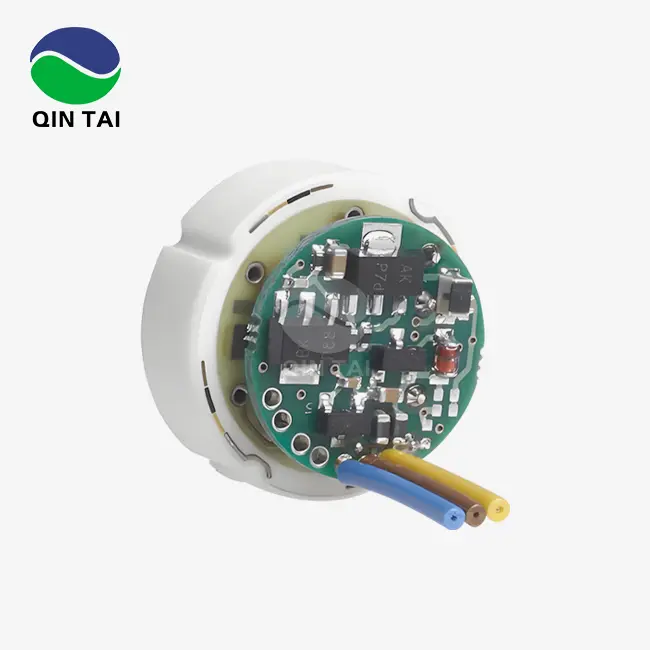
The QS-PT225 combines ceramic pressure sensing and NTC thermistor temperature measurement in a small package that meets the needs of companies that make diesel engines and companies that add aftertreatment. Ceramic sensor technology gives you ±1.0% accurate pressure readings and great long-term stability. The built-in temperature output gives you ±1.0% accurate temperature readings. This dual-output feature makes installation easier because it gets rid of the need for two different sensors and their wires.
Operating from a 4.75-5.25VDC supply with 15mA maximum current draw, the device suits integration into existing engine control systems without requiring additional power infrastructure. The output signal ranges from 0.5V to 4.5V DC and works directly with analog-to-digital converters in ECUs and PLCs. With a working temperature range of -40℃ to 130℃, the transmitter handles extreme conditions encountered in heavy truck engines, construction machinery, and agricultural equipment.
Application-Specific Advantages
Diesel engine makers can use the QS-PT225 to check both the fuel rail pressure and the water temperature at the same time, which cuts down on the number of parts needed and the time it takes to put them together. Integrators of SCR aftertreatment systems like that the sensor works with urea dose systems because it gives correct pressure data that makes sure the right amount of DEF is delivered to reduce NOx. The quick temperature reaction makes it possible to measure precisely the superheat in HVAC refrigerator applications, which improves the safety of the compressor and saves energy. Generator set makers who work in mines, power plants, and backup power situations need their products to be very reliable. The QS-PT225's safe pressure rating of 1.5 to 2 times normal range and 10 MPa burst pressure give these tough uses the long-lasting security they need. The device's proven ability to work in tough environments lowers the need for upkeep and ensures stable operation over time.
Procurement Considerations
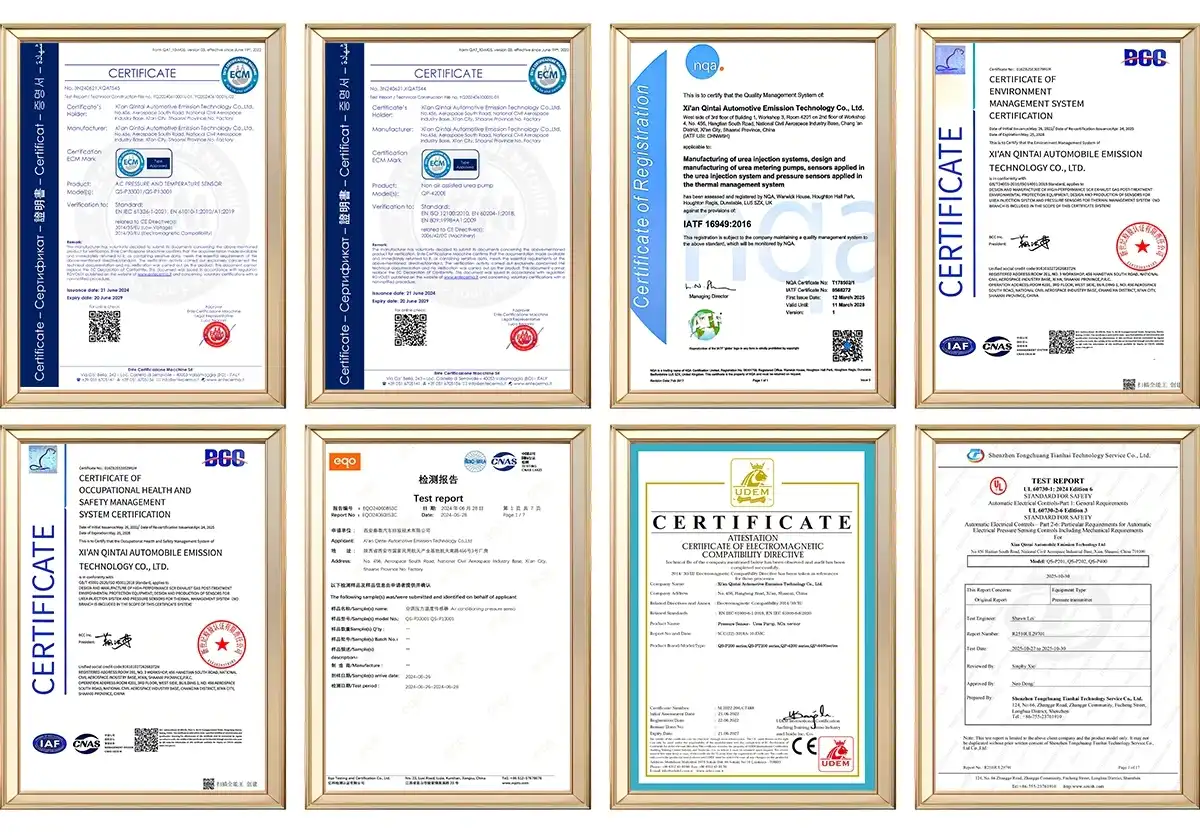
When looking for Pressure and Temperature transmitters, you should look at what the provider can do in addition to what the product specifies. Qintai Automotive Emission Technology Co., Ltd. Ltd. has been in business since 2001 and is a national high-tech company with ISO9001, IATF16949, CMC, Ex, UL, CE, REACH, and RoHS certificates. Qintai is the main supplier to China Weichai Power, Yuchai Power, and Quanchai Power, and has the largest market share in China. It has the mass production capacity and quality uniformity needed for OEM uses.
With 58 idea rights and its own research and development team, Qintai can make changes to meet the needs of any application, such as changing the pressure ranges or the process connections. The company offers OEM and ODM services that cover everything from designing a product to mass production. This lets buying managers build long-term relationships that are respected for their stable supply chains and ability to work together on technical issues.
Conclusion
To choose the right pressure ranges for industrial sensors, you need to carefully consider the surroundings, the working conditions, and the level of accuracy needed. When you match the transmitter's specs to the needs of the application, you get more accurate measurements, longer device life, and lower costs through improved design. Integrated Pressure and Temperature transmitters, like the QS-PT225, make installation easier and improve the connection between measurements, which helps with process control and emission compliance goals. When you install and calibrate something correctly, it will work as expected for as long as it's working. Partnering with experienced makers who can show certifications, the ability to produce in large quantities, and expert support resources is the key to long-term success in diesel engine, aftertreatment, and industrial settings.
FAQ
Q1: How do I determine the optimal pressure range for my application?
A: Figure out your highest operating pressure, which should include short-term spikes, and then choose a transmitter range that is 1.5 to 2 times that number. This gives you a safety margin while keeping regular performance in the best 30-80% range, which is where accuracy is at its highest. Think about how temperature affects your process media and make sure the transmitter's temperature correction works with the temperature range you need it to.
Q2: What advantages do smart pressure transmitters offer?
A: Smart receivers can digitally compensate for temperature and nonlinearity. They can also be set up remotely using HART or Modbus protocols, and they can find sensor drift or wire problems on their own. These features make predicted maintenance possible, which cuts down on downtime by finding problems early. Integration with IIoT or SCADA systems allows for unified tracking of equipment sites that are spread out.
Q3: Can I use one transmitter model across multiple applications?
A: Standardization on a single transmitter platform across uses with different needs is made possible by pressure levels and process connections that can be changed. The QS-PT225 has ranges from 5 to 40 Bar and various connection choices. This lets specifications be optimized while lowering the number of SKUs and making it easier for aftermarket suppliers and maintenance teams to keep track of spare parts.
Partner with Qintai for Your Pressure and Temperature Transmitter Requirements
Qintai Automotive Emission Technology Co., Ltd. Ltd offers tried-and-true options for Pressure and Temperature transmitters, backed by 20 years of experience making sensors. Qintai is the biggest manufacturer of Pressure and Temperature transmitters for diesel engines in China. They help OEM and aftermarket users with quality systems that are IATF16949-certified, the ability to make a lot of products, and full expert support. Our QS-PT225 dual-parameter transmitter has an accurate ceramic sensor and a combined temperature measurement. It meets the needs of heavy trucks, building equipment, and industrial equipment for emission compliance and process control. We offer flexible customization options for everything from pressure ranges to electrical connections, so you can get the exact specs you need for your uses. Get in touch with our engineering team at info@qt-sensor.com to talk about your needs and find out how our services as a Pressure and Temperature transmitter provider can help you reach your business goals.
References
1. Johnson, M. R., & Williams, P. T. (2019). Industrial Pressure Measurement: Principles and Applications. Instrumentation Press.
2. Chen, L., & Kumar, S. (2020). Selection Criteria for Process Transmitters in Automotive Emission Systems. Journal of Sensor Technology, 14(3), 187-203.
3. Anderson, K. F. (2021). Calibration and Maintenance of Industrial Pressure Sensors. Technical Publishing Group.
4. Weber, D., & Schmidt, H. (2018). Integrated Temperature Compensation in Ceramic Pressure Sensors. Sensors and Actuators Review, 22(4), 412-428.
5. Thompson, R. L. (2020). Emission Control Systems: Sensor Technologies for Diesel Engines. Automotive Engineering Publications.
6. Martinez, J., & Li, W. (2022). Pressure Range Selection Methodology for SCR Aftertreatment Applications. International Journal of Engine Research, 23(6), 891-907.

Our customers’ satisfaction speaks for our quality — contact us to experience the same reliable service.