- English
- French
- German
- Portuguese
- Spanish
- Russian
- Japanese
- Korean
- Arabic
- Greek
- German
- Turkish
- Italian
- Danish
- Romanian
- Indonesian
- Czech
- Afrikaans
- Swedish
- Polish
- Basque
- Catalan
- Esperanto
- Hindi
- Lao
- Albanian
- Amharic
- Armenian
- Azerbaijani
- Belarusian
- Bengali
- Bosnian
- Bulgarian
- Cebuano
- Chichewa
- Corsican
- Croatian
- Dutch
- Estonian
- Filipino
- Finnish
- Frisian
- Galician
- Georgian
- Gujarati
- Haitian
- Hausa
- Hawaiian
- Hebrew
- Hmong
- Hungarian
- Icelandic
- Igbo
- Javanese
- Kannada
- Kazakh
- Khmer
- Kurdish
- Kyrgyz
- Latin
- Latvian
- Lithuanian
- Luxembou..
- Macedonian
- Malagasy
- Malay
- Malayalam
- Maltese
- Maori
- Marathi
- Mongolian
- Burmese
- Nepali
- Norwegian
- Pashto
- Persian
- Punjabi
- Serbian
- Sesotho
- Sinhala
- Slovak
- Slovenian
- Somali
- Samoan
- Scots Gaelic
- Shona
- Sindhi
- Sundanese
- Swahili
- Tajik
- Tamil
- Telugu
- Thai
- Ukrainian
- Urdu
- Uzbek
- Vietnamese
- Welsh
- Xhosa
- Yiddish
- Yoruba
- Zulu
OEM Pressure Sensor Manufacturing: What Buyers Should Know
When looking for parts for diesel engines, aftertreatment systems, or industrial equipment, it's important to know how OEM pressure sensors are made so you can make smart buying choices. In heavy-duty uses, pressure sensors are very important for meeting emission standards, making sure systems work well, and saving time and money. Off-the-shelf sensors can't compare to OEM sensors when it comes to customizing, integration, and the ability to make a lot of them. This guide helps technical professionals, purchasing managers, and R&D experts look at a supplier's manufacturing skills, technical specs, and qualifications to make sure they choose the right partner for long-term success in tough industrial settings.
Understanding OEM Pressure Sensors: Key Concepts and Working Principles
What Makes OEM Sensors Different?
Original Equipment Manufacturer (OEM) pressure sensors are designed and built to work perfectly with original equipment. In contrast to generic aftermarket goods, the company that makes the sensors and the company that makes the tools work together to develop these sensors. This way, the fit, function, and performance traits are exactly what the application needs. This customization includes everything from the physical size and mounting options to the signal output methods and requirements for resistance to the surroundings.
Core Sensing Technologies Explained
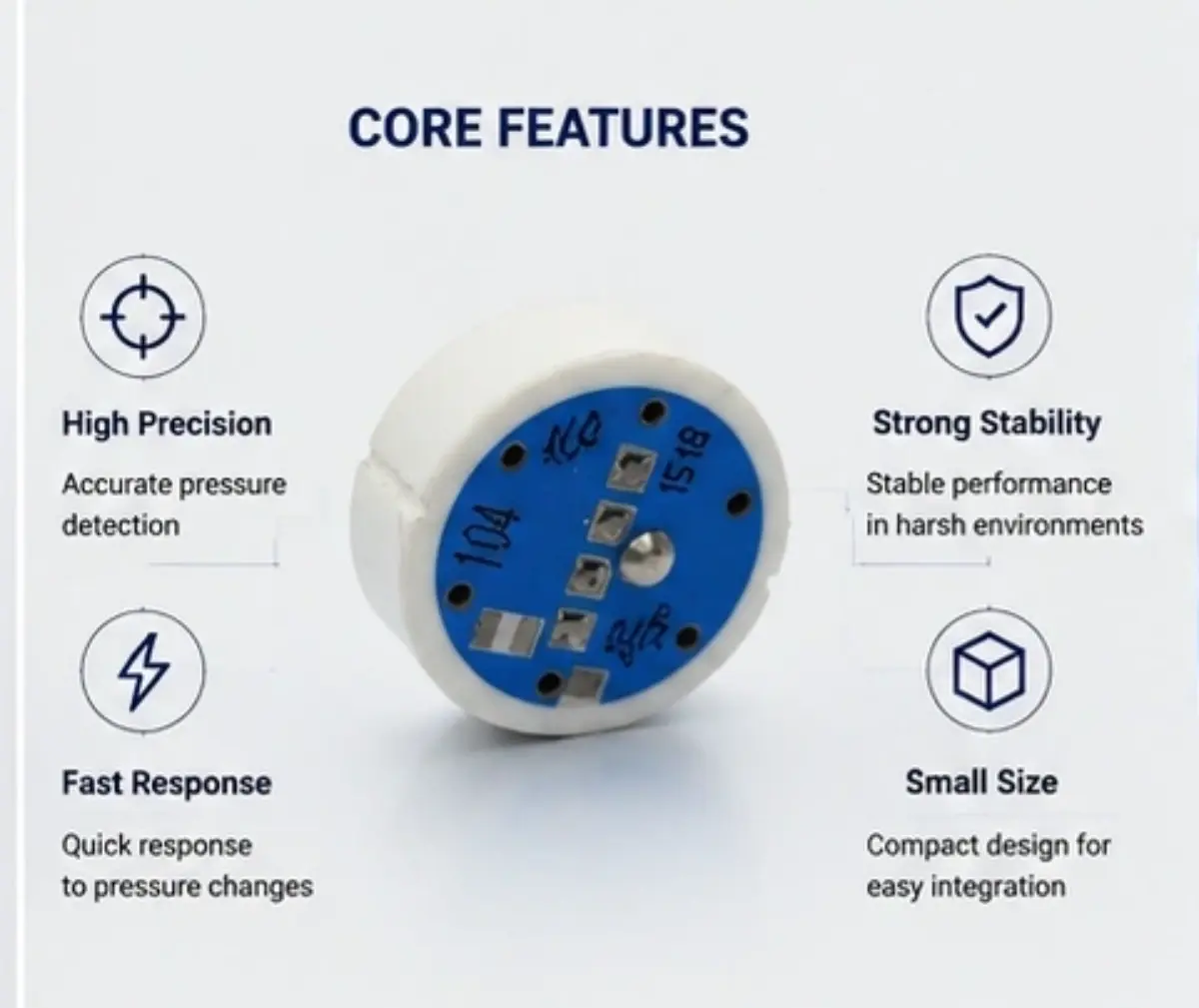
OEM pressure sensor monitoring uses are mostly based on three main technologies. Piezoresistive sensors have strain-sensitive resistors on a plate that change their electrical resistance when they are under pressure. This makes them very accurate over a wide range of pressures. Capacitive pressure sensors find out how much pressure is there by measuring changes in capacitance between a movable diaphragm and a set electrode. Ceramic or silicone is used as a dielectric between the two. The formula C = ε₀εᵢA/d shows how changes in distance have a direct effect on capacitance values. Piezoelectric sensors are great for measuring dynamic pressure because they create electrical charges when solid materials are mechanically stressed.
Critical Performance Factors
A sensor's fit for a given application is based on a number of scientific factors. Specifications for accuracy show how accurate the measurement is, and are usually given as a fraction of the full-scale range. Environmental limits are set by operating temperature ranges. This is especially important for engine rooms and exhaust systems where temperatures change a lot. Response time affects how quickly sensors pick up changes in pressure, which is important for real-time tracking uses. The choice of material affects how well it resists chemicals and how stable it stays over time. This is especially true in corrosive settings with car exhaust gases, hydraulic fluids, or industrial chemicals.
Calibration standards make sure that all production runs work the same way. In a factory calibration, sensors are tested against reference standards in a controlled environment. This sets the baseline level of accuracy that equipment makers rely on. If you calibrate sensors correctly, you can account for differences in how they were made and make sure they meet certain standards before putting them into final systems.
Criteria for Selecting OEM Pressure Sensor Manufacturers
Quality Management and Certifications
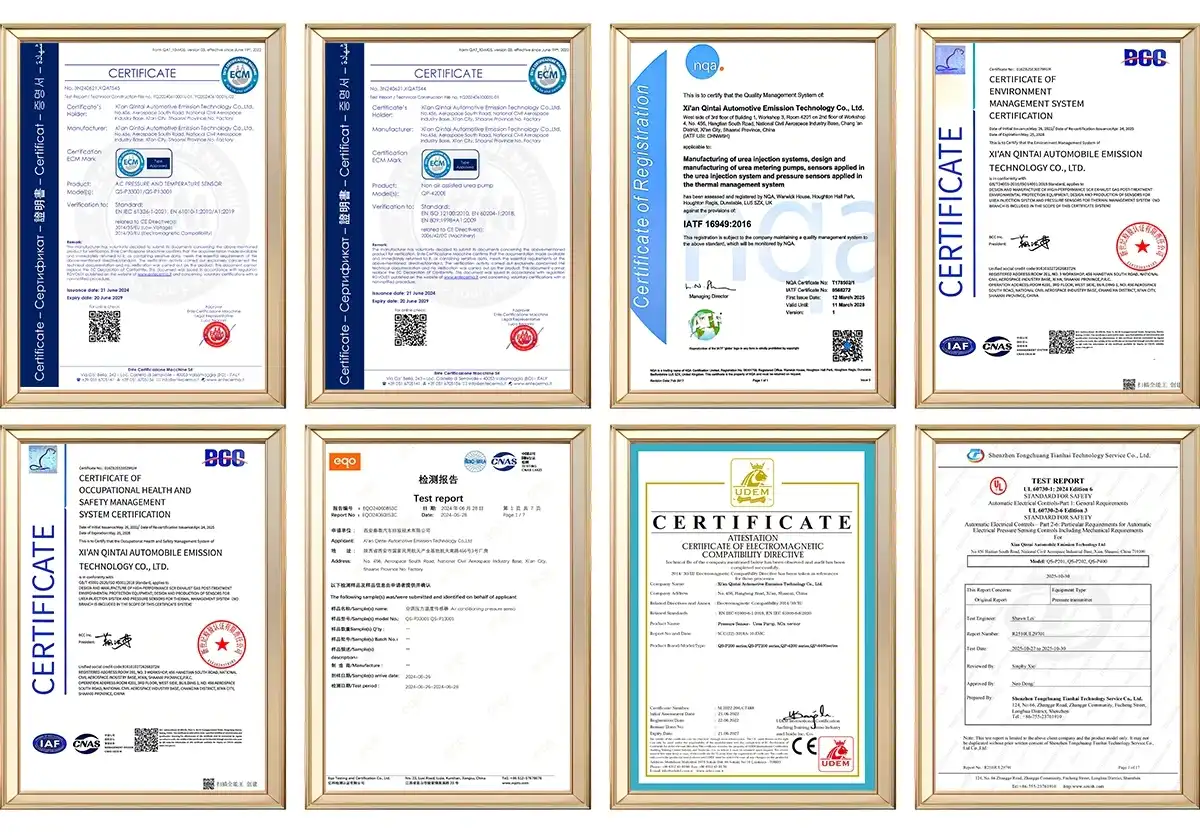
When looking at possible pressure sensor providers, quality certifications give you quick information about how well they follow regulations and how well they make things. Getting ISO 9001 certification shows that you have an organized quality management system with written procedures and practices for constant growth. IATF 16949 is a standard for the car industry that makes sure suppliers follow strict rules for managing the supply chain and preventing defects. RoHS and REACH approvals make sure that goods follow rules about using dangerous materials, which protects both people and the environment. Safety grades like UL, CE, and Ex (explosion-proof) show that a product meets local safety standards and can work safely in places that could be dangerous. These certificates are more than just pieces of paper; they protect buyers from operational and legal risks through thorough testing, design reviews, and ongoing monitoring.
Manufacturing Capabilities Assessment
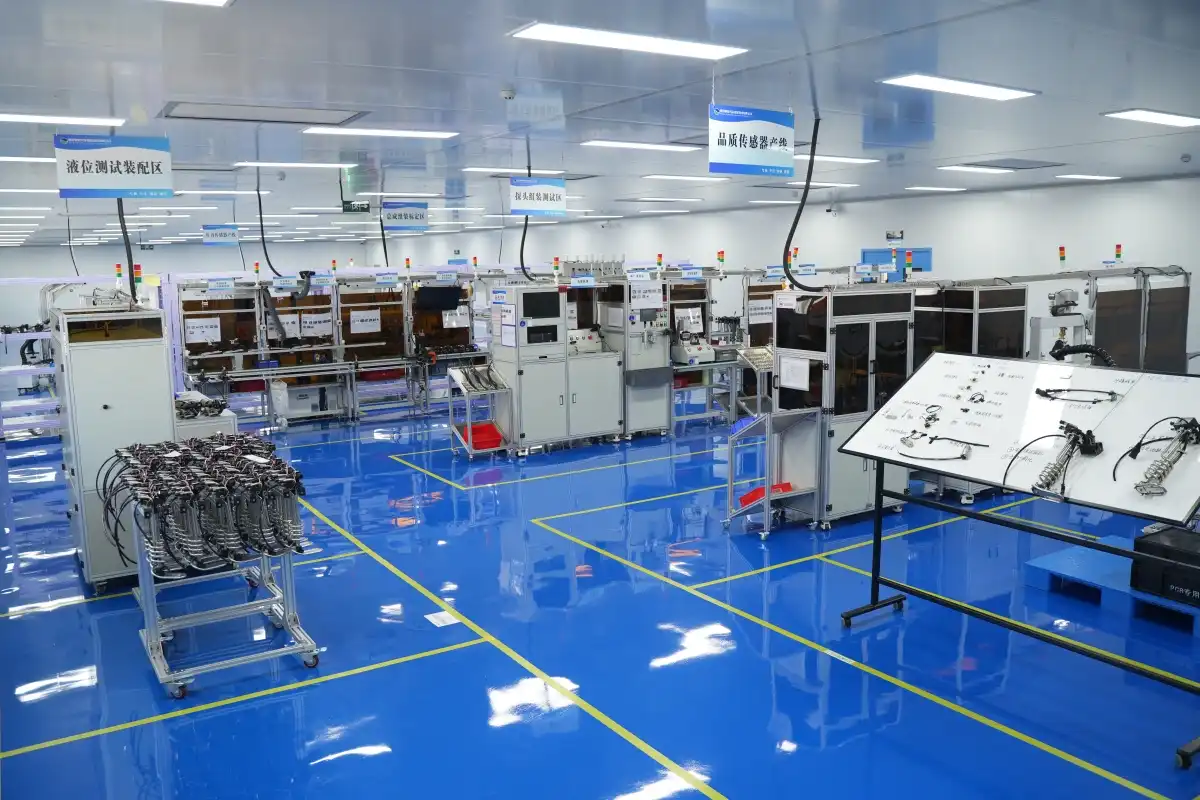
Production flexibility tells you if a company can handle both small runs of prototypes and large-scale production in the future. You can tell if a seller can grow with your business by looking at their monthly production capacity, the level of technology in their equipment, and the skills of their staff. Customization scope tells you how easily makers can change designs to meet specific needs. It can be anything from changing the case or the type of link to changing the measurement ranges or the output signal formats. Time management for leads has a direct effect on project timelines and planning for supplies. Buyers can make more realistic plans for purchases when they know about normal production processes, methods for getting parts, and buffer capacity. Companies that already have established supply lines and stockpiles of parts can react more quickly to urgent orders and keep production delays to a minimum.
Technical Support and Partnership Approach
Technical help after the sale is what sets great providers apart from average ones. The ability to talk to application engineers who know how to integrate sensors, do testing, and fix problems is a huge plus that goes beyond the product itself. Warranty coverage shows that the maker trusts the product's dependability and protects the buyer financially in case it breaks down too soon. When problems happen, responsive after-sales service, such as making sure replacement parts are available and providing expert documents, keeps downtime to a minimum. Claims can be backed up in the real world by checking a company's reputation through client references, case studies, and its presence in the market. Suppliers who work with big players in the industry have shown they can meet strict standards and delivery deadlines. When making the next generation of tools, the possibility of a long-term partnership is important because working together allows for constant improvement and joint innovation.
Manufacturing Processes and Customization Options in OEM Pressure Sensors
End-to-End Production Workflow
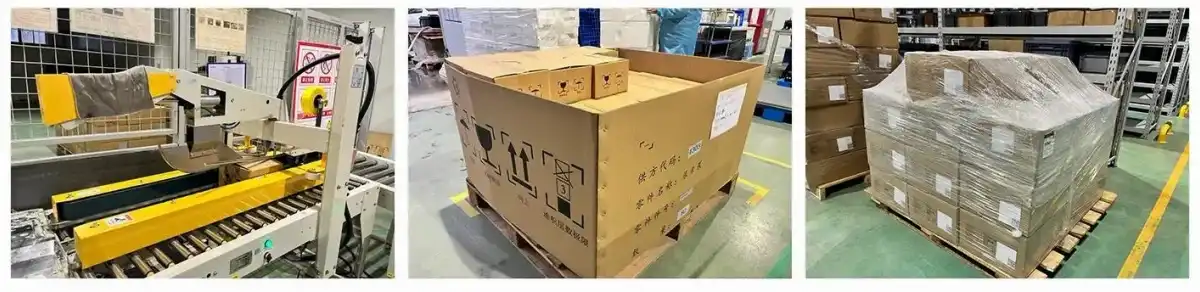
The first step in making OEM pressure sensors is joint design engineering, which turns application needs into technical specs. To come up with the best sensor combinations, design teams look at pressure ranges, environmental conditions, mounting limitations, and electrical connections. After that comes prototyping, which makes small amounts for validation testing in real-world settings. Before investing in manufacturing and mass production, this iterative method finds problems that might happen. At each stage of production, testing methods check the quality and functionality of each part. The incoming material check makes sure that the raw material meets the requirements. During assembly, in-process checks find problems early on, which lowers the amount of scrap and ensures uniform quality. Final test subjects put sensors through rounds of pressure, temperature changes, and electrical checks before they were packed up and sent out.
Customization Possibilities
Sensors can be mounted in a variety of ways, depending on the fitting need. For example, they can have threaded holes for direct installation or flanged designs for panel mounting. Choosing between stainless steel, aluminum, and special metals for materials lets you balance cost with the need for protection to the environment. When room is limited, like in crowded engine bays or small hydraulic systems, the physical measurements change to fit.
Measurement range adaptation makes sure that sensors work in the most accurate areas possible for each application. A sensor for tracking tire pressure between 0 and 10 bars needs to be set up differently than a sensor for hydraulic systems that measures between 0 and 1000 bars. Different types of output setups are available to meet the needs of different control systems. These include analog voltage signals, current loops, digital protocols like CAN bus, and wireless transmission for Internet of Things (IoT) tracking. OEM buyers are asking for more advanced features like temperature compensation circuitry that keeps accuracy across working ranges, embedded diagnostics that find sensor faults, and customizable parameters that let field adjustments be made without hardware changes. These features make the system more reliable and make upkeep easier.
Calibration Methods and Quality Assurance
Using traceable reference standards, factory calibration processes set the default level of accuracy. Automated equipment for calibration uses known pressures while recording sensor outputs. This creates calibration curves that are saved in the paperwork that goes with the equipment. Multi-point calibration over the whole working range makes sure that the device is straight and accurate at all pressure levels, not just at certain test spots. Protocols for certification show that you follow industry norms and customer requirements. Each output batch comes with a certificate of approval that says testing was completed and the product meets the requirements. Traceability systems connect each sensor to its production date, batch number, and test results. This lets you find the root cause of problems in the field and make targeted returns easier if needed.
Comparing OEM Pressure Sensors with Other Market Solutions
Sensors, Transducers, and Switches: Understanding the Distinctions
Even though these words seem to mean the same thing, they actually refer to different parts of pressure sensor measurement devices. Pressure sensors pick up on pressure and turn it into electrical signs that can be used to record and keep an eye on things. Pressure sensors usually give off standard signals, such as 4-20mA current loops, that can be used for industrial control systems and long-distance transfer. When pressure levels go above or below certain levels, pressure switches turn on or off activities like pumps, alarms, or safety shutoffs. When buyers understand these differences, they can choose the right type of device for their needs.
Analog Versus Digital Pressure Sensors
Analog sensors give off voltage or current that changes regularly based on the pressure they measure. This makes them easy to use and compatible with existing control systems. They don't need a lot of processing hardware and are a good value for simple tracking tasks. Analog data, on the other hand, can pick up electrical noise over long wire runs and don't have built-in diagnostics. Digital sensors have microprocessors built in that turn pressure readings into digital data that can be sent using standard methods. They are better at blocking noise, can communicate both ways for diagnostics and configuration, and are easier to connect to current PLCs and car control units. Digital sensors can do more complex things, like log data, calibrate themselves, and connect to a network, but they cost more at first.
Industry-Specific Applications
When it comes to cars, capacitive pressure sensors work best in HVAC systems that track gas levels and tire pressure monitoring systems (TPMS), because they don't use a lot of power and can handle vibrations well. Manufacturers of diesel engines use piezoresistive sensors to check the backpressure of the exhaust in SCR aftertreatment systems. This makes sure that the engines meet China VI and Euro VI pollution standards by accurately detecting the conditions of the DPF filter.
Industrial HVAC systems use sensors that are tuned for low-pressure ranges to keep an eye on airflow and filter conditions in order to get the most out of their energy use. Even small changes in the tuning can make systems over-ventilate, which wastes energy and makes people less comfortable. In ventilators and CPAP machines, where patient safety depends on accurate air pressure control, medical breathing equipment needs sensors that are very sensitive and can pick up on even the smallest changes in pressure. Manufacturers of generator sets look for sensors that are reliable enough to be used continuously in hard places like mines, power plants, and remote areas. For these uses, sensors need to be able to keep their accuracy even when they are exposed to high or low temperatures, shaking, and long periods of time without any upkeep.
Why OEM Sensors Deliver Superior Value?
OEM sensors offer improved integration that makes installation easier, cuts down on connection points that are likely to fail, and gets rid of worries about compatibility. Customization makes sure that devices meet all of your exact needs without adding extra features that aren't needed and drive up costs. For OEM uses, economies of scale that come from mass production often mean cheaper per-unit costs than low-volume aftermarket options. This is especially true when you consider that warranty claims are less likely to be made and the product will last longer. Consistent quality from well-known OEM makers cuts down on failures in the field and the guarantee costs, fix costs, and damage to the company's image that comes with it. Long-term relationships with suppliers allow for ongoing growth, as manufacturers use customer feedback to guide design changes and effectively deal with new application problems.
How to Procure OEM Pressure Sensors: Best Practices and Buying Guide
Defining Technical Requirements
A thorough description of requirements is the first step to a successful purchase. Give working pressure sensors ranges with enough safety margins for situations that aren't standard for the machine. Set the level of accuracy needed based on how important the application is. For example, emissions compliance needs tighter tolerances than basic tracking tasks. Write down the temperature and humidity ranges, vibration levels, chemical contact, and temperature changes that instruments must be able to handle. Electrical interface standards need to take into account how well the interface works with other systems, the power sources that are available, and the lengths that signals can be sent. Mounting arrangements, port sizes, and physical measurements are all limited by mechanical limits. Response time needs depend on how fast control systems need to respond to changes in pressure.
Comparing Supplier Quotations Effectively
When you compare prices, you should look at more than just the unit costs. You should also look at minimum order amounts, tooling fees for custom designs, and structures for bulk discounts. To find out the total cost of ownership, you need to look at things like guarantee terms, expected service life, and failure rates that affect how often you need to repair things. There are hidden costs in the form of rush order fees, customization fees for changing specifications, and shipping costs for foreign orders. Terms and conditions of payment affect how cash flows, especially when big sales are made. Payment plans that are tied to reaching certain goals protect buyers and give sellers the cash they need to keep their businesses running. Details about currencies and how to handle exchange rates make it clear what financial responsibilities are involved in foreign transactions.
Supplier Credibility Verification
Due diligence lowers the risks in the supply chain by using more than one way to check. Certification checks make sure that quality systems work the way they're supposed to, not just the way they're written down. Facility tours give you a first-hand look at how things are made, how quality is controlled, and how the company works as a whole. Referrals from clients in similar industries give honest feedback on how well the provider did during production ramp-ups, problem solutions, and ongoing support. A financial stability review makes sure that suppliers have the money to keep their promises and support goods for as long as they are in use. Long-established producers with a wide range of customers show that they can handle changes in the market and reliance on a single customer, which could threaten the continuation of their business.
Negotiation Strategies
To negotiate well, you need to find a balance between your cost goals, your quality needs, and building relationships. Specifications, acceptance standards, and performance guarantees are all clear when the contract terms are clear. Realistic wait times take into account the need for customization and the schedule for production. This way, promises that can't be kept will not cause supplies to be late or quality to be harmed.
Penalty clauses offer solutions for late supplies or fails to meet specifications, while also encouraging performance on time. Order amounts that are flexible and have clear minimum promises allow for changes in demand without having to pay too much to keep inventory on hand. Trial order clauses let you see how good a seller is before committing to long-term relationships or large-volume contracts. Technical collaboration deals set up the rules for ongoing help with design, help with application engineering, and working together to make next-generation goods. These rules turn business ties into strategic partnerships that give companies more than just the ability to sell parts.
Conclusion
Selecting the right OEM pressure sensor maker requires evaluating technical capabilities, quality certifications, and partnership potential beyond simple price comparisons. Knowing about different sensor technologies, how they are made, and what they need for a certain purpose lets you make smart choices that improve performance, dependability, and the overall cost of ownership. The best providers offer reliable manufacturing, quick expert support, and customization options that can be changed to meet changing application needs. As rules on emissions get stricter and standards for equipment performance rise, choosing the right pressure sensor becomes more and more important for staying ahead of the competition. Buyers who take the time to carefully evaluate suppliers and build relationships with them set themselves up for long-term operating success and market leadership.
FAQ
Q1: What certifications should I look for in an OEM pressure sensor manufacturer?
A: Look for titles that are specific to the business, not just basic quality certifications. ISO 9001 sets the basic standards for quality management, while IATF 16949 focuses on needs related to the automotive sector that are important for diesel engine usage. RoHS and REACH make sure that goods follow the rules about substances that can be used. Safety grades like UL, CE, and Ex make sure that goods meet local standards and can work in dangerous places. Manufacturers of pressure sensors used in emission-critical applications should show that they know how to follow the China VI and Euro VI compliance testing methods. This will make sure that the sensors work correctly when they are being inspected by regulators.
Q2: How do capacitive pressure sensors compare to piezoresistive types for diesel applications?
A: Capacitive sensors work best in low-pressure, high-sensitivity situations with little temperature change. This makes them perfect for tracking HVAC systems and measuring airflow accurately. Piezoresistive sensors are better at measuring hydraulic pressure and exhaust backpressure because they can handle a wider range of pressures with high accuracy. Diesel aftertreatment systems usually use piezoresistive technology because they work better in harsh thermal conditions and higher pressure ranges. However, capacitive sensors are used in applications like tracking intake air and climate control in the car where steadiness and low power usage are most important.
Q3: What lead times should I expect for custom OEM pressure sensors?
A: Lead times vary a lot depending on how complicated the design is. Standard changes to current sensor platforms usually take between 4 and 6 weeks from the time the order is confirmed until it is delivered. For completely special designs that require new tools and a lot of testing, the first prototypes can take 12 to 16 weeks, and the production numbers 6 to 8 weeks after that. Established makers with large stocks of parts and flexible production schedules can often meet urgent needs with shorter deadlines. Talking about your project's plan early on in the supplier review process helps you find partners who can meet your deadline without lowering quality standards.
Partner with Qintai: Your Trusted Pressure Sensor Manufacturer
At Xi'an Qintai Automotive Emission Technology Co. Ltd, we have more than 20 years of experience making pressure sensors for industry uses and diesel engine aftertreatment systems. We understand the tough needs of heavy trucks, building equipment, farm machinery, and generator sets because we are the main OEM provider to China's top engine makers, such as Weichai Power, Yuchai Power, and Quanchai Power. Our ISO 9001, IATF 16949, RoHS, REACH, CE, UL, and Ex standards show that we are devoted to quality and following the rules. We offer full customization options and have an independent research and development team with 58 idea patents to back them up.
This way, you can be sure that the sensors you order will be reliable and work well. We can help your business from the prototype stage all the way through full-scale operation, whether you need capacitive sensors for accurate low-pressure tracking or tough options for harsh industrial settings. Get in touch with our expert team at info@qt-sensor.com to talk about your pressure sensor needs and find out how our track record of serving customers in over 60 countries around the world can help you speed up product development and improve your competitive position.
References
1. Zhang, W., & Chen, L. (2022). "Advanced Pressure Sensing Technologies for Automotive Emission Control Systems." Journal of Automotive Engineering and Technology, 11(3), 245-267.
2. International Organization for Standardization. (2021). "Quality Management Systems for Automotive Production - Requirements and Guidelines." ISO/TS 16949:2021 Standards Documentation.
3. Miller, R. D., & Thompson, K. A. (2023). "Capacitive Versus Piezoresistive Sensors: Comparative Analysis for Industrial Applications." Industrial Instrumentation and Measurement Journal, 28(2), 112-134.
4. European Commission Directorate-General for Environment. (2022). "Heavy-Duty Vehicle Emissions: Euro VI Standards Implementation and Sensor Technology Requirements." Technical Report EC-2022-HDV-347.
5. Anderson, P., Liu, H., & Yamamoto, T. (2023). "OEM Manufacturing Strategies for High-Reliability Pressure Sensors in Harsh Environments." Manufacturing Engineering International, 45(4), 89-108.
6. National Institute of Standards and Technology. (2021). "Calibration Procedures and Traceability Standards for Pressure Measurement Devices." NIST Technical Publication 1800-32.
 Sensors.webp)

Our customers’ satisfaction speaks for our quality — contact us to experience the same reliable service.