- English
- French
- German
- Portuguese
- Spanish
- Russian
- Japanese
- Korean
- Arabic
- Greek
- German
- Turkish
- Italian
- Danish
- Romanian
- Indonesian
- Czech
- Afrikaans
- Swedish
- Polish
- Basque
- Catalan
- Esperanto
- Hindi
- Lao
- Albanian
- Amharic
- Armenian
- Azerbaijani
- Belarusian
- Bengali
- Bosnian
- Bulgarian
- Cebuano
- Chichewa
- Corsican
- Croatian
- Dutch
- Estonian
- Filipino
- Finnish
- Frisian
- Galician
- Georgian
- Gujarati
- Haitian
- Hausa
- Hawaiian
- Hebrew
- Hmong
- Hungarian
- Icelandic
- Igbo
- Javanese
- Kannada
- Kazakh
- Khmer
- Kurdish
- Kyrgyz
- Latin
- Latvian
- Lithuanian
- Luxembou..
- Macedonian
- Malagasy
- Malay
- Malayalam
- Maltese
- Maori
- Marathi
- Mongolian
- Burmese
- Nepali
- Norwegian
- Pashto
- Persian
- Punjabi
- Serbian
- Sesotho
- Sinhala
- Slovak
- Slovenian
- Somali
- Samoan
- Scots Gaelic
- Shona
- Sindhi
- Sundanese
- Swahili
- Tajik
- Tamil
- Telugu
- Thai
- Ukrainian
- Urdu
- Uzbek
- Vietnamese
- Welsh
- Xhosa
- Yiddish
- Yoruba
- Zulu
Urea Tank Level Sensor: Complete Buyer Guide
Choosing the right Urea tank level sensor has a big effect on how well your diesel engine controls emissions and how well it follows the rules. These precise tools keep an eye on how much diesel exhaust fluid (DEF) or AdBlue® is in SCR systems. This keeps the systems from breaking down and causing expensive downtime. If you're looking for sensors for heavy-duty cars, building equipment, or generator sets, make sure your investment lasts by learning about how they work, what they need to be compatible with, and what the quality standards are. This detailed guide was created to help buying managers, R&D engineers, and technical decision-makers figure out how to choose sensors, install them, and evaluate suppliers in today's emission-conscious business world.
Understanding Urea Tank Level Sensors
Urea tank level sensors serve as the eyes of your SCR aftertreatment system, regularly measuring AdBlue® reserves and sending information to your Engine Control Unit. This real-time tracking stops fluids from running out without warning, which would cause derate modes and compliance failures under China VI and Euro VI standards.
How Urea Level Sensors Work?
Capacitive, ultrasonic, or resistive technologies are used by the Urea tank level sensor to measure the amount of AdBlue®. Capacitive sensors pick up changes in the dielectric properties as the level of the fluid changes, and ultrasonic sensors send out sound waves and look at the patterns of reflection to get a good idea of the depth. The ECU reads these signals, figures out how much volume is left, and sounds an alarm on the panel when the reserves drop below certain levels, which are usually between 10 and 15 percent of their full capacity.
Key Sensor Technologies and Their Applications
Modern SCR systems use a number of different sensor designs, each of which is best for a certain industrial setting. Ultrasonic sensors work well in places where the temperature changes because they stay accurate from -40°C to +85°C. Because they don't break easily when they get hit or vibrated, capacitive sensors are very reliable in mobile equipment. Float-based systems are a cheap way to solve problems in fixed settings like generator sets, but they need to be calibrated more often. Even though they are not very common, pressure-based sensors are very accurate in certain industrial air treatment setups where volumetric accuracy is very important.
Benefits of Accurate Level Monitoring
Accurately tracking fluids has real benefits for operations. You'll keep the constant NOx reduction efficiency and avoid the 40% power loss fees that happen when systems find that tanks are empty. Predictive refill schedule makes inventory management better and cuts down on emergency service calls. Urea tank level sensor data logs make compliance paperwork easy because they show that the system works in a way that can be audited. Maintenance costs go down because early warning systems stop the SCR catalyst from getting dirty from incorrect doses, which happens when tanks run dry and air gets in.
Common Operational Challenges
Environmental factors make it hard to be reliable. When urea crystallizes around sensor probes, especially in cold places, it gives wrong data. Ultrasonic sensors can't work properly when dust builds up on farming equipment. In setups that aren't well shielded, electromagnetic interference from close electrical parts can sometimes mess up signal delivery. Over 60,000 to 90,000 miles of use, the accuracy will naturally change, so it needs to be checked every so often. To fix these problems, Urea tank level sensor designs need to include heating elements, sealed housings with an IP67 grade or higher, and software that uses signal filtering techniques.
Choosing the Right Urea Tank Level Sensor for Your Needs
To choose Urea tank level sensors that meet your working needs, you need to carefully consider a lot of different technical and business factors. The following set of factors will help you organize your decision-making process.
Critical Selection Parameters
Different applications have different accuracy needs. For big trucks, OEM integration needs to be accurate to within ±2% to make sure dosing control works right, but aftermarket replacement Urea tank level sensors can handle a range of ±5%. Compatibility is more than just electrical connections. The length of the sensor probe must fit the shape of the tank, and the materials must be able to withstand AdBlue's corrosive qualities without breaking down. Temperature ratings are very important. For example, building equipment that works in harsh climates needs sensors that are approved for temperatures ranging from -40°C to +125°C. The communication methods should work with the car networks you already have, whether they are CAN Bus, J1939, or your own custom systems.
Ultrasonic vs. Capacitive: Technology Comparison
Ultrasonic sensors measure without touching the object being measured. This gets rid of mechanical wear points and, in ideal conditions, extends the service life beyond 150,000 kilometers. Because measurement doesn't depend on dielectric properties, they can handle changes in fluid quality better. Ultrasonic designs, on the other hand, are 20–35% more expensive than capacitive ones, and they need to be mounted carefully so that tank walls don't send back false sounds. Capacitive sensors work well in places with a lot of shaking and are easier to integrate because they have small sizes. They are more likely to get dirty, which can change the dielectric values and cause errors when using AdBlue® that doesn't meet the specifications. Aftermarket uses that are trying to save money often choose capacitive designs, while high-end OEM setups are increasingly asking for ultrasonic technology because it lasts longer.
Pricing and Warranty Considerations
Industrial-grade Urea tank level sensors cost between $45 and $180 per unit on the market right now, based on the technology, amount of certification, and size of the order. Ultrasonic sensors cost between $95 and $180 on average, while capacitive sensors cost between $45 and $110. When you buy 500 or more units, you can get volume savings of 15 to 30 percent, which is useful for OEM mass production. Manufacturers' trust is shown by the length of their warranties. Standard coverage lasts 12 to 24 months, but top suppliers offer coverage for 36 months or 100,000 miles. Think about the total cost of ownership, which includes how often the parts need to be replaced. A $95 sensor that lasts 150,000 miles is a better deal than a $60 unit that needs to be replaced every 80,000 miles.
Trusted Industry Suppliers
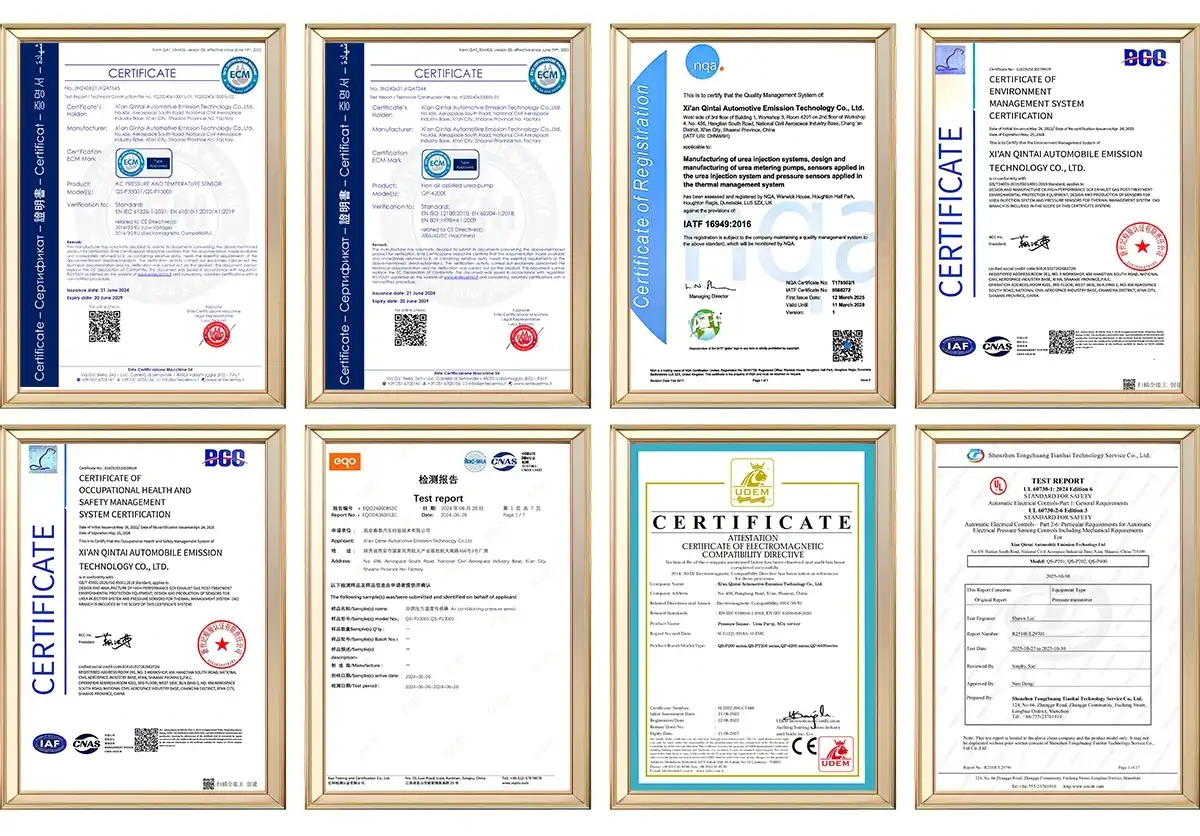
Well-known companies like Siemens, Honeywell, and ifm electronic keep their certification lists and world help networks very full. Their goods always meet the strict IATF16949 quality standards that are needed in the car supply chain. Experts in the area often offer good alternatives. For example, Xi'an Qintai, which is China's top OEM provider and is approved by ISO9001 and IATF16949, provides flexible options backed by 58 invention patents. When looking at providers, make sure to check their certifications, such as REACH, RoHS, and Ex ratings for dangerous settings, to make sure that all of your target markets are in line.
Installation and Maintenance Best Practices
A Urea tank level sensor's accuracy and life depend on how well it is installed. Maintenance plans keep things running smoothly for as long as they're needed.
Step-by-Step Installation Protocol
Checking before placement stops mistakes that cost a lot of money. Make sure that the electrical specs of the Urea tank level sensor fit the voltage systems in the car. Usually, the nominal voltage is 12V or 24V. Check for damage on the threads on the tank fitting boss and the areas where the o-rings sit. Place the sensor so that it doesn't get directly hit by fill stream turbulence, which can lead to inaccurate readings. To keep the probe submerged at the lowest level needed for operation, the mounting depth must be such that it doesn't touch the bottom of the tank.
To keep electromagnetic interference to a minimum, wiring routing needs to be at least 10 cm away from high-current lines. Calibration steps depend on the type of sensor used, but they always include measuring the tank when it is empty and when it is full. Before starting the car, take baseline data to set standard values for future tests. Communication between the ECUs should be checked during functional testing. Most systems show percentages or sound low-level alarms at set levels. Keeping track of the installation settings helps with troubleshooting during insurance claims.
Regular Maintenance Requirements
Maintenance plans should match up with when vehicles need to be serviced. Every 30,000 miles, check the sides of the Urea tank level sensor probes and use warm water to remove any crystallized urea deposits. Never use rough tools that could damage the protected coatings. Electrical lines need to be checked for rust once a year, especially in places where they are used that are wet. When dashboard numbers differ by more than 10% from measured tank level, the system needs to be re-calibrated. Manufacturers sometimes release firmware changes that fix interference problems or make older ECU versions more compatible, which means that you need to talk to technical support channels from time to time.
Troubleshooting Common Issues
Signal loss that comes and goes is usually caused by loose wire connections or terminals that have corroded. Check the connecting seals for moisture entry. When values stay low even when tanks are full, it means that either the Urea tank level sensor has drifted and needs to be re-calibrated or the probe is contaminated. If there are changes that don't make sense, it could be electromagnetic interference. Move the wires away from the alternators and starting motors. If a signal fails completely, you need to do a thorough analysis. Check the source voltage at the sensor terminals, try the communication circuits in the ECU, and only then should you think about replacing the sensor. ECU troubleshooting tools use detailed fault codes to find failure modes and tell the difference between hardware problems with sensors and problems with how the system works together.
Procurement Considerations and How to Buy Urea Tank Level Sensors
Decisions about strategic buying affect the standard of the product, the dependability of delivery, and the total cost of the program. Structured Urea tank level sensor supplier review and clear sharing of requirements are helpful for procurement teams.
OEM vs. Aftermarket Sourcing Strategies
Direct purchase from the OEM ensures compatibility and warranty support, but it usually comes with higher unit costs and larger minimum order amounts. This method works well for engine builders and system designers who need approved parts that can be tracked back to the production records. Aftermarket Urea tank level sensor providers are flexible for smaller orders and new parts, but it is up to the buyer to make sure the quality is good. Third-party distributors keep stock on hand so that items can be shipped right away, while OEM wait times for custom specs are 6 to 12 weeks. Most of the time, the best approach is a mix of OEM relationships for large-scale production and aftermarket outlets for distributing repair parts.
Total Cost of Ownership Analysis
The purchase price is only one part of the cost. When you buy 1,000 Urea tank level sensors, foreign freight usually adds $0.80 to $2.50 per sensor, based on where the sensors come from and how they are shipped. Warranty coverage affects replacement prices. A sensor with 36 months of coverage lowers risk compared to options with 12 months of coverage, even if it costs more at first. Downtime costs are affected by the availability of after-sales help. Suppliers with 24-hour technical hotlines and regional service centers keep production delays to a minimum. Check the payment terms. Net terms of 60 days are better for cash flow than reserve requirements, which is especially helpful for smaller businesses.
Evaluating Supplier Reliability
Certification files show that a Urea tank level sensor company can make things and is committed to quality. IATF16949 certification is designed to meet the needs of the car supply chain, covering things like traceability and methods for ongoing growth. ISO9001 is a basic standard for quality control. Environmental standards like REACH and RoHS make sure that all places around the world follow the rules. During source qualification, make sure to ask for proof of compliance. Reliable makers will gladly give you copies of their certifications and test results.
Technical help infrastructure is what sets capable providers apart from those who are just selling products. Check how long the company says it will reply to engineering questions; the best companies answer technical questions within 24 hours. Having application engineers on hand to help with installation and fix problems is very helpful during system integration. Support for multiple languages makes it easier for foreign buying teams to talk to each other, which cuts down on misunderstandings that lead to specification errors.
Future Trends and Innovations in Urea Tank Level Sensors
Urea tank level sensors are always getting better and more useful as technology changes. Procurement plans that are forward-thinking are ready for these changes.
Advanced Sensor Technologies
Next-generation Urea tank level sensors include more than just level recognition as a measurement feature. Combined level and quality sensors measure the quantity of AdBlue® at the same time using either the refractive index or conductivity. This keeps the system from getting damaged by dirty fluid. MEMS technology and improved signal processing techniques have made measurements more accurate to within ±1%, which allows for better dosing control and less DEF use. IoT connection lets Urea tank level sensors send and receive data wirelessly over cellular or Wi-Fi networks. This helps fleet management systems keep an eye on all of their vehicles in real time, even if they are in different places. Predictive maintenance programs look at patterns in sensor data to see when parts will break before they do.
Regulatory Impacts Driving Development
Emission guidelines that are getting stricter require better tracking tools for the Urea tank level sensor. The China VII and Euro VII plans that are still being worked on call for better diagnostic coverage, which could mean that quality sense is needed in addition to level measurement. Real-time emissions tracking systems for commercial cars will use sensor data to make sure they are in line, which means that better reliability standards are needed. Because of these government requirements, companies are investing more in making sensors last longer. For example, they are making probes out of corrosion-resistant materials like PEEK and ceramic alloys that can work for more than 200,000 kilometers.
Market Evolution and Procurement Implications
Customization options for the Urea tank level sensor are becoming ways to stand out in a competitive market. Leading providers offer transmission methods, mounting setups, and probe geometries that can be changed to fit different car platforms. This makes interface engineering easier. High-volume OEMs can simplify their supply chains by automating the buying process with electronic listings and ordering systems based on APIs. As technology gets more complicated, direct relationships with manufacturers become more valuable. Partners who offer application engineering help and co-development make it possible for faster product starts and better system performance. Sensor makers are merging, with bigger companies buying smaller, more specialized ones to offer more technologies and services around the world.
Conclusion
Urea tank level sensors are important parts of current diesel pollution control systems that have a direct effect on how well the system works, how much it costs to maintain, and how well it follows the rules. To be successful at buying, you need to know about sensor technologies, make sure that specifications match application needs, and carefully evaluate suppliers. Long-term success depends on how well the installation was done and how well the equipment is maintained. This is why investing in process documentation and expert training is so important. As emission rules change and sensor technologies improve, working with skilled makers who can offer flexibility, technical support, and consistent quality gives you a competitive edge. The sensors you choose today will set the stage for years of trouble-free SCR system function.
FAQ
Q1: How often should urea level sensors be replaced?
A: Under normal conditions and with good AdBlue®, the service life of Urea tank level sensors is usually between 100,000 and 150,000 kilometers. Harsh settings with harsh temperatures or a lot of vibrations may cut the life to 80,000 kilometers. During checks, replace any sensors that show inconsistent readings, chronic fault codes, or physical damage, no matter how many miles they have been used.
Q2: Can ultrasonic and capacitive sensors be used interchangeably?
A: Interchangeability of sensors depends on how well they work with each other's electronic interfaces and how they are mounted. Different data processing is used by ultrasonic and capacitive sensors, so it is important to make sure that the software in the ECU works with both types. Different mounting bosses and wire harnesses may need different adapter parts. Before switching sensor technologies, check the car manufacturer's specs.
Q3: What factors most influence sensor accuracy?
A: The temperature of the fluid has a big effect on how accurate measurements are—sensors that don't compensate for temperature show 3-5% accuracy difference across their working ranges. Impurities in AdBlue® change the dielectric properties, which affects Urea tank level sensor devices. Crystallization can contaminate the probe, which can cause measurement mistakes of up to 10%. Accurate readings are possible across the full tank capacity range if the placement angle and depth are set correctly.
Partner with Qintai for Reliable Urea Tank Level Sensor Solutions
Working with a well-known Urea tank level sensor maker makes it easy to deal with the complicated process of buying SCR sensors. Xi'an Qintai Automotive Emission Technology Co., Ltd. has been China's top original equipment manufacturer (OEM) provider for more than 20 years and works with Weichai Power, Yuchai Power, and Quanchai Power. Its quality systems are approved to meet ISO9001, IATF16949, and REACH standards. Our independent research and development team has come up with 58 patentable new ideas. These allow us to make sensor solutions that are perfect for your needs, whether they're for big trucks, building equipment, or stationary power generation. We help with technical integration at every stage of a project, from figuring out the initial specs to providing service after the sale in more than 60 countries. Email our engineering team at info@qt-sensor.com to talk about your needs, get technical specs, or get prices for large orders for your next buying cycle.
References
1. Society of Automotive Engineers. "Selective Catalytic Reduction Systems for Diesel Engines: Design and Performance Standards." SAE International Technical Paper Series, 2022.
2. Environmental Protection Agency. "Heavy-Duty Engine and Vehicle Standards: Emission Control Technologies and Compliance Requirements." EPA Regulatory Guidance Document, 2023.
3. International Organization for Standardization. "Quality Management Systems for Automotive Production and Relevant Service Parts Organizations - ISO/TS 16949:2023." Geneva: ISO Publications, 2023.
4. Johnson, M.R., and Peterson, K.L. "Diesel Exhaust Fluid Quality Monitoring: Sensor Technologies and System Integration." Journal of Automotive Engineering, Vol. 237, No. 8, 2023, pp. 1842-1856.
5. European Automobile Manufacturers Association. "AdBlue® Quality Standards and SCR System Performance Optimization." ACEA Technical Report TR-2023-14, Brussels, 2023.
6. Chen, W., and Zhang, L. "Advanced Sensing Technologies for Emission Control in Heavy-Duty Diesel Engines: A Comprehensive Review." International Journal of Automotive Technology, Vol. 24, No. 3, 2023, pp. 687-702.
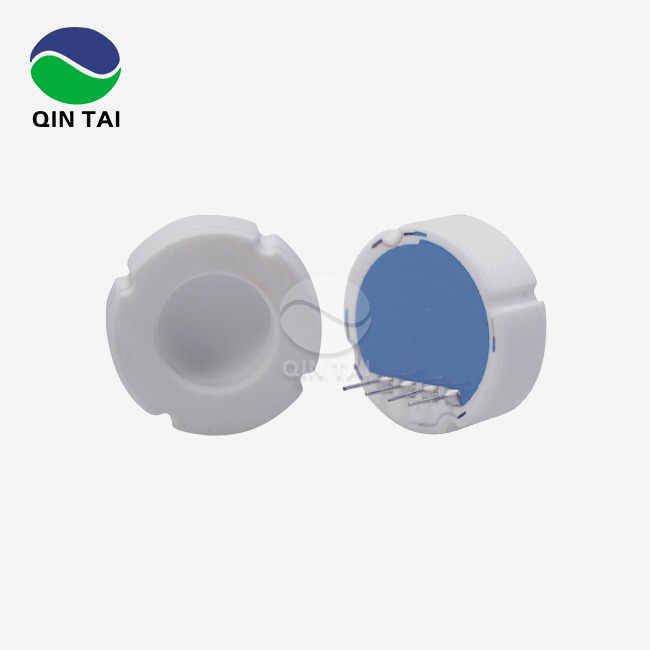
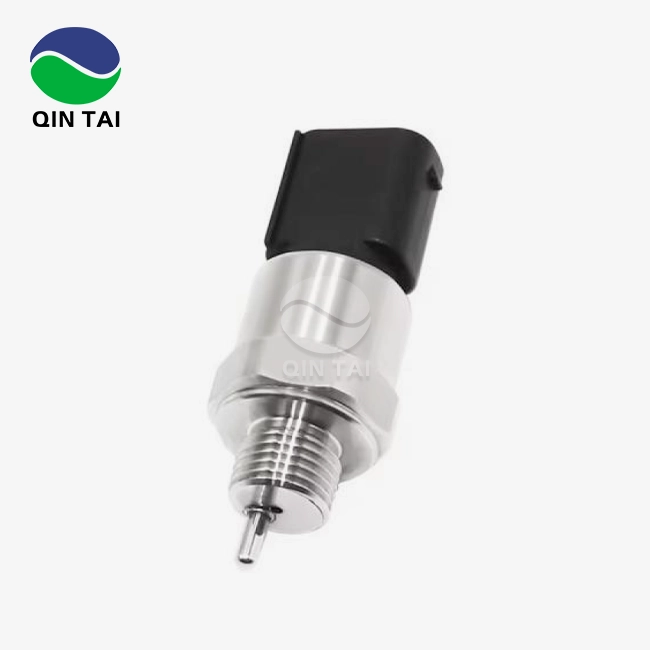
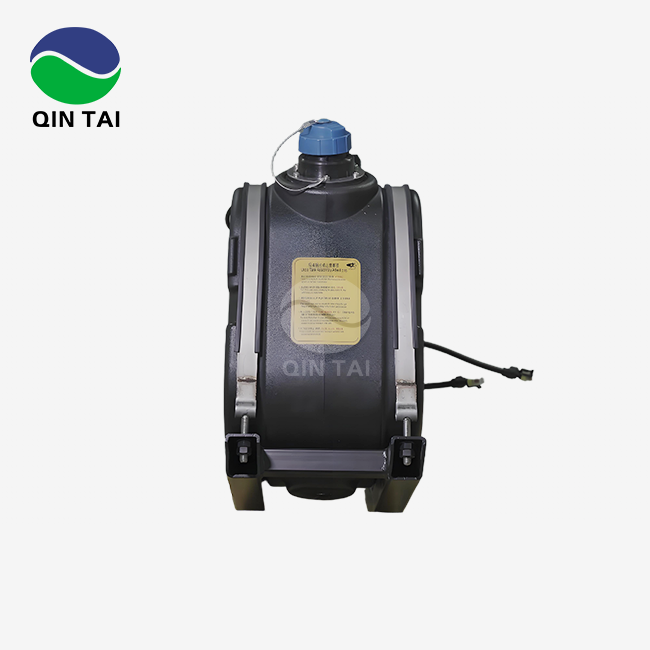

Our customers’ satisfaction speaks for our quality — contact us to experience the same reliable service.