- English
- French
- German
- Portuguese
- Spanish
- Russian
- Japanese
- Korean
- Arabic
- Greek
- German
- Turkish
- Italian
- Danish
- Romanian
- Indonesian
- Czech
- Afrikaans
- Swedish
- Polish
- Basque
- Catalan
- Esperanto
- Hindi
- Lao
- Albanian
- Amharic
- Armenian
- Azerbaijani
- Belarusian
- Bengali
- Bosnian
- Bulgarian
- Cebuano
- Chichewa
- Corsican
- Croatian
- Dutch
- Estonian
- Filipino
- Finnish
- Frisian
- Galician
- Georgian
- Gujarati
- Haitian
- Hausa
- Hawaiian
- Hebrew
- Hmong
- Hungarian
- Icelandic
- Igbo
- Javanese
- Kannada
- Kazakh
- Khmer
- Kurdish
- Kyrgyz
- Latin
- Latvian
- Lithuanian
- Luxembou..
- Macedonian
- Malagasy
- Malay
- Malayalam
- Maltese
- Maori
- Marathi
- Mongolian
- Burmese
- Nepali
- Norwegian
- Pashto
- Persian
- Punjabi
- Serbian
- Sesotho
- Sinhala
- Slovak
- Slovenian
- Somali
- Samoan
- Scots Gaelic
- Shona
- Sindhi
- Sundanese
- Swahili
- Tajik
- Tamil
- Telugu
- Thai
- Ukrainian
- Urdu
- Uzbek
- Vietnamese
- Welsh
- Xhosa
- Yiddish
- Yoruba
- Zulu
Best OEM Urea Pressure Sensor for SCR Emission Control
Procurement managers and R&D engineers need to find the best OEM Urea dosing pressure sensor for SCR emission control that is accurate, compliant with regulations, and reliable over the long term. A Urea dosing pressure sensor is an important part of Selective Catalytic Reduction systems because it checks the hydraulic pressure of Diesel Exhaust Fluid (DEF/AdBlue) to make sure that the right amount of fuel is injected. This accuracy has a direct effect on how well NOx emissions are reduced, which helps heavy-duty diesel engines meet strict Euro VI and EPA Tier 4 Final standards and keeps expensive system failures like crystallization blocks and limp mode triggers from happening.
Understanding the Role and Function of Urea Dosing Pressure Sensors
Core Operating Principles in SCR Systems
Selective Catalytic Reduction technology uses exact urea input to turn dangerous nitrogen oxides into nitrogen and water vapor, which are safe. The pressure sensor sends real-time analog data (usually 0.5 to 4.5 VDC) to the Engine Control Unit while constantly checking the fluid pressure between the dosing pump and injector nozzle. This closed-loop feedback system lets the ECU change how the pump works on the fly, making sure that the dose is always accurate, even when the engine is under a lot of load or the temperature outside changes. If you don't measure the pressure correctly, the whole aftertreatment system could fail to meet pollution standards, which could limit the engine's power.
Technical Parameters That Define Performance
For diesel engine makers who want to follow the rules, measurement precision is the most important standard. High-quality sensors are accurate to within 0.5% over their whole working range, which is usually between -14 psi and +130.5 psi. Extreme conditions like those found in building and farming tools, where temperatures change quickly, must be covered by the working temperature range. Standardizing the supply voltage at 5V makes it compatible with most current ECU designs, and the analog output makes signal transfer reliable even in settings common in heavy-duty vehicles.
Common Failure Modes and Diagnostic Indicators
When sensors don't work right, they show a number of different signs that procurement managers should report to repair teams. Diagnostic Trouble Codes like P204B (pressure sensor circuit range/performance) usually mean that the signal is drifting because of dirt or rust on the connectors. When the urea dosing pressure sensor stops working fully, the ECU can't control the right amount of AdBlue to use. This causes the SCR system to stop working, which could mean that the engine's power is cut off to protect the emission control parts. Vehicles may go into "limp mode," which increases pollution a lot, and the system may stop injecting AdBlue at all. These failure situations show why people who put together aftertreatment systems choose sensors based on how reliable they are.

How to Choose the Best OEM Urea Dosing Pressure Sensor for Your Fleet?
Defining Critical Selection Criteria
For sensor integration to work, the sensors must be compatible with each other. Technical managers need to make sure that the physical thread specs (M10x1 or M12x1.5) match the configurations of current dosing modules and that the signal output characteristics are exactly the same as the ECU calibration parameters. The safety grades you need depend on the type of environment you're working in. For example, mining equipment needs sensors that can withstand higher levels of vibration, and generator sets need to be very stable over long periods of time. The total cost of ownership is directly related to the quality of the build, which makes material choice and closing technology important assessment factors.
Evaluating the Qintai QS-P226 Model Advantage
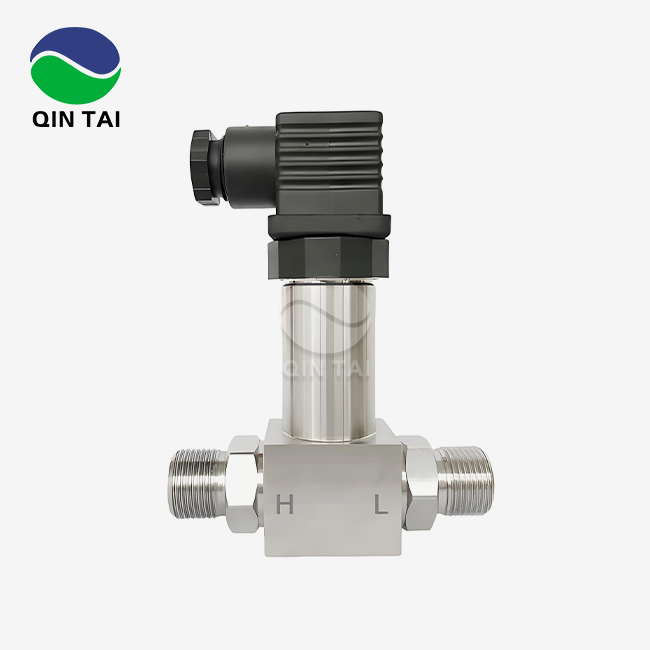
With its self-developed sensor core, the Qintai QS-P226 is an example of next-generation pressure measuring technology that gets rid of the problems that many makers have with their supply chains. With a promised accuracy of ±0.5%, this unique technology gives accurate measures of pressures ranging from -14 psi to +130.5 psi. Strong sealing keeps out moisture, dust, and chemicals that are common in tough automotive settings. This makes sure that the sensor works reliably for the full 12-month warranty time. Continuous pressure tracking lets you react right away to changes in the system, giving your SCR control unit quick input for precise dosing adjustments. With these technical specs, the QS-P226 is the perfect choice for OEMs who need to manage both light-duty and heavy-duty diesel systems that need to meet emissions standards.
Price Versus Lifecycle Value Analysis
When negotiating with suppliers, procurement teams naturally focus on unit cost. However, experienced R&D engineers know that total lifecycle costs include installation work, how often upkeep needs to be done, and unexpected replacement costs. Premium sensors with better accuracy and durability cut down on warranty claims, field service visits, and the time between replacements by a large amount. When you buy in bulk from a well-known maker, you'll usually get expert help, calibration documentation, and faster shipping promises that make up for the higher initial investment. Getting approval from management is easier when buying teams show detailed cost models that show how they will save money in the long run by lowering the number of failures and making sure that rules are followed.
Installation, Troubleshooting, and Maintenance Best Practices
Step-by-Step Installation Protocol
To avoid hardening when replacing the urea dosing pressure sensor, the system must first be completely depressurized and any remaining urea solution must be drained. Carefully clean all threaded connections, getting rid of any DEF crystals that have built up and could weaken the seal. When installing, use the torque value recommended by the maker. Tightening too much can damage the sensor housing, and not tightening enough can cause pressure leaks that affect the accuracy of the reading. Before putting the car back into service, make sure the electrical connectors are in the right place and that the locking mechanisms are tight. Then, do a full system pressure test. This methodical approach stops problems that happen during installation that are usually not covered by warranties.
Diagnosing Performance Issues Effectively
When trying to figure out what's wrong with a sensor, techs should start by visually inspecting the connector and looking for corrosion on the pins that link to the sensor. This will lower the signal quality. Gold-plated connections, like those in Qintai sensors, don't rust very well, but they still need to be checked every so often in places with a lot of contamination. Finding sensor drift is easier when you measure the output voltage when the conditions are static. Readings outside the range of 0.5 to 4.5 VDC show that the calibration has been lost or an internal component has failed. When you compare diagnostic codes to service bulletins, you can often find known problems that are unique to certain engine models. This speeds up the settlement process and lowers the cost of diagnostic work.
Preventive Maintenance Scheduling
Setting up regular calibration times guards against slow performance loss that can't be found with normal tests. Commercial car companies that work in rough conditions should check their sensors every six months, while stationary generator uses may need to wait a year between checks. Part of the inspection process should be cleaning the connectors, checking the state of the threads, and comparing the sensor output to numbers that are known to be good. This proactive approach finds new problems before they cause emission non-compliance or system security shutdowns, so all of your equipment can keep running without interruption.
Comparison of Urea Dosing Pressure Sensors: Features and Market Trends
Specification Analysis Across Leading Solutions
Modern pressure monitors vary a lot in how accurately they measure, how well they protect against weather damage, and how they send signals. Entry-level parts usually have an accuracy of ±2%, which is fine for basic obedience but not enough to get the best fuel economy through exact dosing control. Premium options, like the QS-P226, offer accuracy within ±0.5%, which lets advanced ECU systems use less DEF while converting NOx more efficiently. Operating temperature specifications separate industrial-grade parts from automotive-grade ones. For example, generator set makers need sensors that work consistently across wider temperature ranges than what is required by normal automobile specifications. The length of the warranty shows how confident the maker is in the product. Leaders in the industry offer full 12-month coverage with quick technical help.
Understanding Pressure Versus Flow Sensing Technology
Both pressure sensors and flow sensors are used in emission control systems. Pressure sensors measure the hydraulic properties between the dosing pump and injector, while flow sensors measure how much DEF is actually sent to the exhaust stream. Pressure sensing is better for protecting systems because it can find blocks or leaks before they damage injectors or cause problems with crystallization. Continuous pressure input enables closed-loop control, which means that ECUs can instantly make up for wear on the pump, changes in viscosity caused by temperature, and supply line restrictions. Because they are so flexible, aftertreatment system designers are choosing pressure sensors as the main inputs for dosing control and flow sensors as secondary diagnostics.
Market Evolution and Future Developments
Trends in the business right now stress how smart sensors are and how they can do diagnostics in addition to measuring pressure. More advanced models of the urea dosing pressure sensor have self-diagnostic systems that find early signs of wear and tear and send maintenance alerts before the whole thing fails. Communication methods are moving away from analog outputs and toward digital interfaces like SENT (Single Edge Nibble Transmission), which can handle more diagnostic data streams and less noise. These technology improvements are in line with the larger trend in emission control systems toward predictive maintenance and integrated telematics. This puts forward-thinking manufacturers in a good position to take advantage of new needs in fleet management.
Procurement Insights: How to Buy OEM Urea Dosing Pressure Sensors with Confidence?
Navigating Global Supply Networks
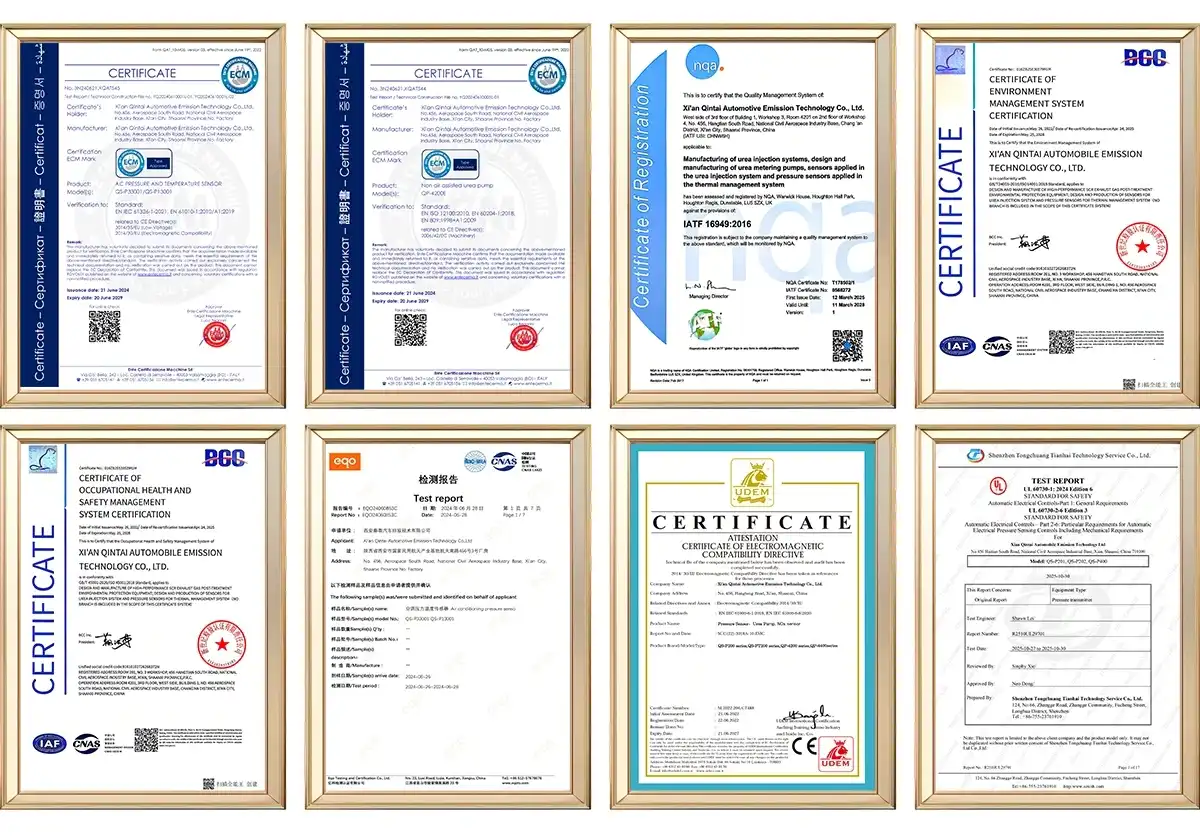
By building ties with recognized makers, procurement teams can avoid getting the fake parts that are common in the car aftermarket. Direct communication with production sites allows for customization, expert advice during the development of specifications, and priority allocation when supplies are low. As the main OEM provider to Weichai Power, Yuchai Power, and Quanchai Power, Qintai has the production scale and quality uniformity that are needed for large-scale projects. Their yearly production capacity of more than two million sensors supports aggressive timelines for fleet growth while keeping high quality standards that are backed up by ISO9001 and IATF16949 certifications.
Optimizing Bulk Procurement Strategies
Volume buying deals have a lot of benefits besides lowering the cost per unit. Committed supply partnerships often include inventory programs handled by the seller, loan stocking arrangements, and faster delivery slots that lower your need for working capital. When launching new car platforms or growing into new markets, managing lead times becomes very important. Setting up framework deals with clear supply schedules saves production from stopping because of a lack of parts. International logistics planning, which includes things like customs paperwork and freight forwarding, comes with secret costs that established sellers pay for by using networks of more than 60 countries to send goods to customers.
After-Sales Considerations for Long-Term Success
Warranty coverage includes more than just replacement guarantees. It also includes expert help, failure analysis in the field, and root cause research to stop problems from happening again. Return policies should be flexible enough to cover acceptable installation damage cases while also protecting suppliers from being abused. This way, everyone can benefit from doing business together. Responding to technical questions during the integration phases speeds up quality testing and lowers the amount of engineering resources that are used. These commitments made after the sale set strategic suppliers apart from transactional vendors. They build long-term relationships that procurement managers value when they need to get management support for choices about which suppliers to choose.
Conclusion
To choose the best OEM Urea dosing pressure sensor for SCR pollution control, you need to carefully look at its technical specs, the reliability of its making, and the total cost of ownership. The Qintai QS-P226 meets important needs in the industry by using self-developed sensor technology, accurate measurement tools, and strong environmental protection that can handle tough diesel engine uses. To be successful in procurement, you need to know how basic sensors work, how to place them correctly, and how to build smart relationships with suppliers. As emission rules get stricter around the world, investing in high-quality pressure sensing parts gives big trucks, construction equipment, farming equipment, and generator sets a competitive edge by ensuring compliance and operating reliability.
FAQ
Q1: What happens if the urea pressure sensor fails?
A: If all of the sensors stop working, the ECU can't control the right amount of AdBlue, which stops the SCR system from working. As a safety step against too many fumes, cars usually go into "limp mode" with less engine power. Diagnostic trouble codes are saved in the ECU memory, emissions rise well above legal limits, and the system may stop injecting AdBlue altogether to keep parts further down the line from getting damaged. These domino effects show why choosing reliable pressure sensors is one of the most important purchasing decisions for fleet owners who have to meet emission standards.
Q2: What is the function of a urea pressure sensor?
A: The main job is to keep an eye on the urea (AdBlue) pressure in the line that goes from the dosing pump to the injection tip. Real-time feedback signals are sent to the SCR control unit (DCU/ECU), which controls the dosing pump precisely to keep the injection pressure at the right level. This closed-loop control keeps the system safe from overpressure, which can damage parts, and underpressure, which can show that there are leaks or blocks. The monitor helps with diagnostics and makes it possible for complex dosing algorithms to work in ways that make NOx reduction work best in all kinds of engine situations.
Q3: How does the sensor handle urea crystallization?
A: Modern sensor designs have few dead-volume internal tanks and smooth flow path shapes that keep urea from building up and clogging the pressure-sensing diaphragm. The QS-P226 has built-in buffering systems that can handle the 9% volume increase that happens when AdBlue stops. This keeps the sensor's integrity when it's working in cold conditions. Gold-plated electrical connections don't rust when exposed to DEF, which lowers the signal drift that causes P204B trouble codes. Because of these design choices, sensors last a lot longer. In normal business settings, they can work for 15,000 to 20,000 hours before they need to be replaced.
Partner With Qintai as Your Trusted Urea Dosing Pressure Sensor Manufacturer
As China's top Urea dosing pressure sensor provider, Qintai has a track record of dependability. They serve major OEMs by providing full technical support and allowing for flexible design. Our 86-person research and development team has 58 invention patents for car emission control systems. They are always coming up with new ideas to improve sensor performance. The QS-P226 model has self-developed core technology and strict 100% testing procedures. It is backed by ISO9001 and IATF16949 standards, which make sure that the quality stays the same even when mass production starts. We work with OEM/ODM partnerships from the beginning of the planning process all the way through mass production, and we can change the parameters to fit the needs of your particular application. Get in touch with our expert team at info@qt-sensor.com to talk about how Qintai pressure sensors can improve the performance of your SCR system and make sure that all of your equipment is in line with the rules.
References
1. Johnson, M. R., & Williams, T. P. (2022). Advanced Diesel Engine Emission Control: SCR System Design and Component Selection. Automotive Engineering International Press.
2. European Automobile Manufacturers Association. (2021). Euro VI Heavy-Duty Emission Standards: Technical Requirements and Compliance Strategies. ACEA Technical Report Series, Volume 18.
3. Zhang, L., & Kumar, S. (2023). "Pressure Sensor Technology for Diesel Exhaust Fluid Dosing Systems: Performance Analysis and Reliability Assessment." Journal of Automotive Emission Control, 45(3), 287-304.
4. United States Environmental Protection Agency. (2020). EPA Tier 4 Emission Standards for Nonroad Diesel Engines: Technical Implementation Guide. EPA Office of Transportation and Air Quality.
5. Schmidt, H., & Müller, K. (2021). Selective Catalytic Reduction Systems: Design Principles, Component Integration, and Maintenance Strategies. SAE International Publications.
6. International Organization for Standardization. (2019). ISO 22241: Diesel Engines – NOx Reduction Agent AUS 32 – Part 4: Refilling Interface. ISO Technical Committee 22.

Our customers’ satisfaction speaks for our quality — contact us to experience the same reliable service.