- English
- French
- German
- Portuguese
- Spanish
- Russian
- Japanese
- Korean
- Arabic
- Greek
- German
- Turkish
- Italian
- Danish
- Romanian
- Indonesian
- Czech
- Afrikaans
- Swedish
- Polish
- Basque
- Catalan
- Esperanto
- Hindi
- Lao
- Albanian
- Amharic
- Armenian
- Azerbaijani
- Belarusian
- Bengali
- Bosnian
- Bulgarian
- Cebuano
- Chichewa
- Corsican
- Croatian
- Dutch
- Estonian
- Filipino
- Finnish
- Frisian
- Galician
- Georgian
- Gujarati
- Haitian
- Hausa
- Hawaiian
- Hebrew
- Hmong
- Hungarian
- Icelandic
- Igbo
- Javanese
- Kannada
- Kazakh
- Khmer
- Kurdish
- Kyrgyz
- Latin
- Latvian
- Lithuanian
- Luxembou..
- Macedonian
- Malagasy
- Malay
- Malayalam
- Maltese
- Maori
- Marathi
- Mongolian
- Burmese
- Nepali
- Norwegian
- Pashto
- Persian
- Punjabi
- Serbian
- Sesotho
- Sinhala
- Slovak
- Slovenian
- Somali
- Samoan
- Scots Gaelic
- Shona
- Sindhi
- Sundanese
- Swahili
- Tajik
- Tamil
- Telugu
- Thai
- Ukrainian
- Urdu
- Uzbek
- Vietnamese
- Welsh
- Xhosa
- Yiddish
- Yoruba
- Zulu
High Temperature Ceramic Pressure Sensor Buying Guide
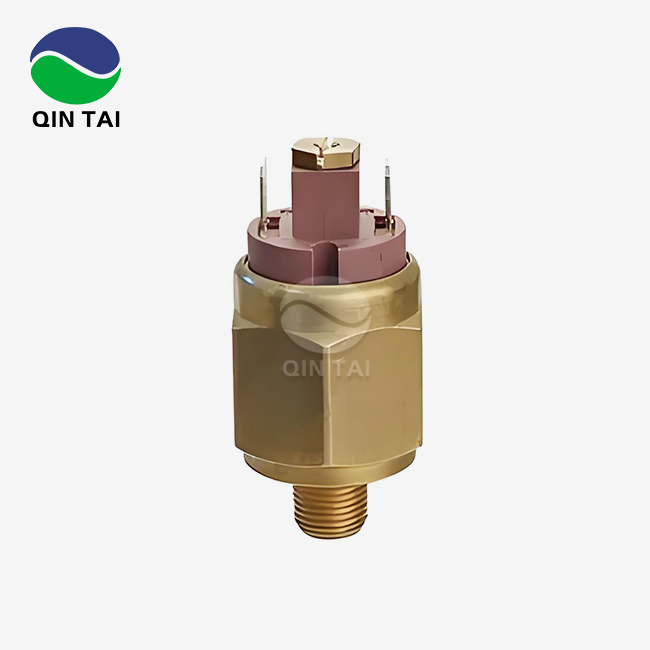
Ceramic Pressure Sensors are a complicated field that needs both strategy understanding and technical know-how to navigate. Ceramic pressure sensors that work at high temperatures are the latest in measurement technology. They are made for harsh industrial settings where other sensors don't work. These strong instruments offer unmatched accuracy and dependability in a wide range of applications, from diesel engine aftertreatment systems to industrial process control. This makes them essential parts for OEM manufacturers and aftermarket suppliers that want to gain a competitive edge through better pressure monitoring capabilities.
Introduction
In high-temperature industrial settings, measuring pressure requires sensors that are very reliable and accurate. Ceramic pressure sensors that work at high temperatures have become the best choice for tough jobs in the medical diagnostic, industrial process control, and automobile industries. With ceramic diaphragm technology, these high-tech instruments can work in very hot or very cold situations and still measure very accurately, which is something that metal sensors can't do.
Choosing the right pressure sensors is important for more reasons than just how they work. People who make decisions in buying and engineering know that the choice of sensor has a direct effect on working efficiency, upkeep costs, and following the rules. In modern industrial settings, especially diesel engine aftertreatment systems and SCR technology, sensors need to be able to meet strict pollution standards and keep working well over long periods of time.
When looking at ceramic pressure sensor technologies, it's important to know what the buying needs are. For execution to go well, the sensor's specs must meet the needs of the application. This includes things like temperature ranges, media compatibility, accuracy needs, and the sensor's ability to be integrated. This all-around method makes sure that the best return on investment is made while also lowering the long-term operating risks that come with sensors failing or performing worse.
Understanding High Temperature Ceramic Pressure Sensors
Ceramic pressure sensors that work at high temperatures use complex piezoelectric principles to turn changes in mechanical pressure into electrical signs that can be measured. At their heart, these gadgets use ceramic diaphragms, which are usually made from alumina or other advanced ceramic materials. These diaphragms are much more thermally stable and mechanically durable than traditional sensor technologies.
Operating Principles and Core Technology
The main function depends on the electrical qualities that ceramics naturally have. When pressure from the outside works on the ceramic diaphragm, it deforms slightly, which creates an electrical charge that is related to the pressure. This charge conversion process makes it possible to measure pressure accurately even in very hot situations, up to 150°C in normal configurations. Specialized versions of the process can handle even higher temperatures.
Ceramic products are better than silicon or metal-based ones at resisting corrosion, temperature shock, and mechanical stress. Ceramic parts have a stable crystalline structure that keeps their electrical qualities constant over a wide range of temperatures. This makes sure that the sensor's measurement accuracy stays within the range of acceptable values for its entire useful life. This level of steadiness is especially useful in situations where replacing sensors would be expensive or hard to do.
Key Benefits for Industrial Applications
Ceramic pressure sensors have more benefits than just being able to withstand high temperatures. Because they are built so well, you don't have to worry about media contamination or chemical compatibility problems that can happen with other types of sensors. These sensors can measure strong gases and fluids without the need for a middle isolation system. This makes installation easier and lowers the number of places where something could go wrong.
Another big benefit is that it lasts a long time. This is especially helpful for OEM makers and aftermarket suppliers who want to cut down on warranty claims and upkeep needs. Ceramic sensors usually have much longer operating lifespans than standard alternatives. This lowers the total cost of ownership and increases customer happiness by cutting down on downtime and service intervals.
Comparing Ceramic Pressure Sensors with Other Sensor Types
To do a full review of pressure sensor technologies, you need to know what makes each one unique and what its limits are. Ceramic pressure sensors mostly go up against silicon-based, metal diaphragm, piezoelectric, and capacitive sensor technologies. Each has its own benefits that depend on the needs of the application and the conditions under which it works.
Material Properties and Environmental Resistance
Silicon-based sensors are cheap for use in settings with mild temperatures, but they have a lot of problems when the temperature is high. The features of silicon material break down quickly above 85°C, so these sensors can't be used in systems that treat cars or in industrial processes that run at high temperatures. Also, silicon sensors need complicated packing and separation systems to keep them from getting contaminated. This makes the whole system more complicated and increases the number of possible failure modes.
Metal diaphragm sensors are better at withstanding high temperatures than silicon ones, but they can still have problems with rust and wear and tear. When these sensors are exposed to aggressive media, like water and high temperatures, the stainless steel and other metal alloys used in them can crack due to stress corrosion. This limitation is especially bad for diesel engines because the exhaust gas condensates contain acidic chemicals that break down metal parts quickly.
Ceramic materials are better than silicon and metal options when it comes to chemical inertness and temperature stability. Ceramic diaphragms' crystalline structure keeps their mechanical properties even when the temperature changes. This stops the slip and calibration problems that happen with other types of sensors. This stability directly means less upkeep needs to be done and longer calibration times, which are big benefits for fleet owners and equipment makers.
Performance Characteristics and Accuracy Considerations
Response time research shows that sensor technologies are not all the same in important ways. Since ceramic pressure sensors have a rigid diaphragm structure and good signal transmission qualities, they usually respond more quickly. This fast reaction time is very important for dynamic uses like monitoring engine pressure or process control systems that need real-time pressure input to work at their best.
Specifications for accuracy support clay sensors in high-temperature settings, where temperature changes have a big effect on measurement accuracy. At room temperature, the accuracy of different kinds of sensors may look about the same, but thermal factors and stability parameters make it clear that ceramic sensors are better. The most accurate ceramic pressure sensor units can measure up to ±0.5% of the full scale, and they can keep this level of accuracy across all of their working temperatures.
How to Choose the Best High Temperature Ceramic Pressure Sensor?
To choose the best ceramic pressure sensors, you need to carefully compare the needs of the application with the specs of the sensors that are offered. To make sure that sensors work well and last a long time, procurement teams have to think about many things, such as the working conditions, performance needs, integration limitations, and the supplier's abilities.
Application-Specific Requirements Analysis
For high-temperature uses, the temperature range is the most important factor in the decision process. Standard ceramic pressure sensors work effectively from -40°C to 150°C, and for extreme uses, they can work in even lower temperatures. Sensors for diesel engine aftertreatment systems usually need to be able to work continuously at temperatures above 200°C. This is especially true for SCR and DPF systems, where exhaust gas temperatures change quickly during regeneration cycles.
The specs for the pressure range must match the needs of the system and leave enough room for overpressure situations. Ceramic sensors are very good at protecting against overload because their diaphragms are very strong. Many types can handle pressure spikes that are much higher than their rated range without any lasting damage. This ability to handle overload is useful in car settings where pressure changes happen when the engine starts up and stops.
Media suitability research makes sure that sensors last a long time and that measurements are accurate. Ceramic materials are very good at withstanding chemicals that are found in most industrial gases and fluids, even the harsh chemicals that are used in exhaust systems and other industrial processes. But some ceramic formulations may be better at resisting certain chemical conditions. For important uses, this means that a thorough compatibility test is needed.
Integration and Interface Considerations
Electrical input standards have a big effect on the choice of sensors and the difficulty of integrating them into the system. These days, ceramic pressure sensors can give off a lot of different signals, such as analog voltage, current loop, and digital communication methods. CAN bus and other car communication standards make it possible for engine control units and diagnostic systems to be directly connected. This makes connecting easier and lowers the cost of installation.
Access to sensors, service needs, and weather safety are all affected by how they are packaged and mounted. For most industrial uses, threaded process connections are still the norm, and special mounting arrangements can be used for setups with limited room. The choice of electrical link has an effect on its long-term dependability, especially in places with a lot of vibrations where mechanical stress can damage the connection.
The needs for calibration and approval are very different depending on the application and the rules that govern it. For automotive uses, you usually need IATF16949 certification and a lot of validation testing. For industrial process uses, you might need special accuracy certifications or approvals for dangerous areas. Knowing these needs early on in the decision process keeps you from having to wait too long, which costs money, and makes sure you follow the rules.
Procurement Best Practices for Ceramic Pressure Sensors
Good buying strategies get the best value for money while lowering risks in the supply chain and making sure the quality of the product meets the needs of the application. To successfully buy Ceramic Pressure Sensors, you need to know what the suppliers can do, set up the right quality controls, and form long-term partnerships that support ongoing product development and expert support needs.
Supplier Evaluation and Selection Criteria
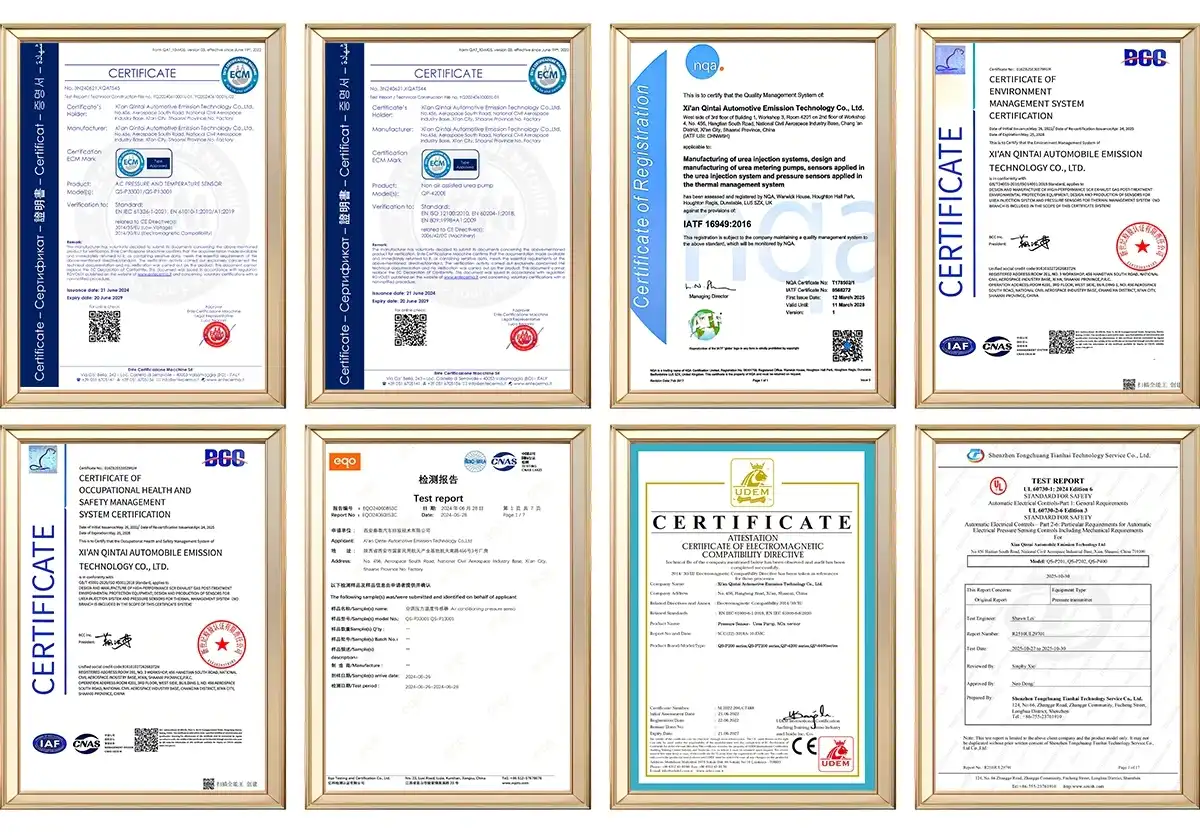
Assessing a supplier's technical skills is the first step in evaluating them. The biggest companies that make clay pressure sensors have full research and development facilities, a lot of testing equipment, and quality management systems that are approved to meet international standards. Suppliers with ISO9001, IATF16949, and other industry-specific standards show a dedication to quality and ongoing growth, which is important for building long-term relationships.
Manufacturing capacity and scalability make sure that providers can meet the needs of both developing prototypes and making a lot of them. OEM makers need providers that can increase production to keep up with changes in seasonal demand while keeping quality and delivery performance the same. The ability of suppliers to keep their finances stable and their location also affect how resilient and adaptable the supply chain is to changes in the market.
Custom sensor development lets providers meet the specific needs of different applications and set themselves apart from competitors. Suppliers with well-established engineering teams and adaptable production methods can make standard goods work better or create totally new solutions that meet specific performance needs or integration limitations.
Strategic Purchasing and Contract Management
Buying in bulk takes advantage of economies of scale and makes sure that important uses always have the supplies they need. Long-term partnerships with well-known providers often come with better pricing, faster service during supply shortages, and better technical support. But single-source relationships need careful risk assessment and ways to lower risks so that supply doesn't get interrupted.
Quality assurance programs keep you safe from bad goods and make sure that all of the products in a batch work the same way. Statistical sampling plans, incoming inspection processes, and supplier checks all help find quality problems before they affect production or deliveries to customers. Comprehensive quality agreements make sure that both parties know what is expected of them and what their responsibilities are throughout the supply relationship.
Total cost of ownership and operating efficiency are greatly affected by technical help and service after the sale. Suppliers who offer full application engineering support, quick technical answers, and field service skills add value that goes beyond the price of the product itself. These services are especially helpful when making new products and fixing problems with complicated applications.

SENSOR+TEST, June 9 – 11, 2026
We look forward to your visit,warmly welcome to our booth 1-526!
Get your free ticket online now:
https://www.sensor-test.de/service/ticket/?52790
Case Studies and Validation of Ceramic Pressure Sensors in High Temperature Applications
There are many real-life examples of how ceramic pressure sensors can be used to improve different high-temperature uses. These case studies show gains that can be measured in reliability, accuracy, and operating efficiency. They also show clear proof of return on investment and performance optimization.
Automotive Aftertreatment System Implementation
A major diesel engine maker that had to follow China VI emission rules needed pressure sensors that could check on the SCR system's operation even in harsh circumstances. Due to temperature cycle and exhaust gas corrosion, traditional metal sensors broke down too soon, which led to more warranty claims and unhappy customers.
Adding ceramic pressure sensors to the SCR system made a huge difference in how long the sensors lasted and how accurately they measured. Over the course of 18 months of testing, clay sensors had no problems, while metal sensors had a 15% failure rate. This increase in stability directly led to lower maintenance costs and more trust from customers in the performance of the emission system.
During the testing time, the ceramic sensors kept their calibration accuracy within ±0.3%. This is in contrast to metal sensors, which showed ±2% drift after 6 months of use. This higher level of accuracy made it possible to control the SCR doses more precisely, which cut DEF use by 8% and improved total emission performance. The 25% price increase for ceramic sensors was worth it because they were more reliable and accurate, which lowered the total cost of ownership.
Industrial Process Control Applications
A chemical processing plant needed to keep an eye on the pressure in high-temperature reactor systems that worked with harsh chemicals at temperatures of up to 180°C. In the past, sensor systems that used silicon-based technology had to be replaced often because they broke down at high temperatures and weren't compatible with certain chemicals.
Installing a ceramic pressure sensor meant that the sensor didn't need to be replaced for 24 months, and the measurements were still accurate enough for process improvement. The increased dependability cut unexpected repair shutdowns by 40%, which made the equipment much more useful and better utilized production capacity.
By accurately measuring pressure and optimizing the process, the yield went up by 12% and energy use went down by 6% because the reactor was better controlled. These practical gains quickly paid for the cost of upgrading the sensors and set the stage for future efforts to improve the process.
Conclusion
Ceramic pressure sensors that work at high temperatures are the best choice for tough industrial tasks that need high reliability, accuracy, and durability. They last longer, are more resistant to chemicals, and don't get damaged by heat or cold like older sensor technologies. This makes them very useful in systems that clean cars and run industrial processes. To make implementation go smoothly, application needs, supplier skills, and total cost of ownership must all be carefully looked at. This is done to get the best return on investment and operating performance.
FAQ
Q1: What operating temperature range do ceramic pressure sensors support?
A: Standard ceramic pressure sensors work reliably from -40°C to 150°C, which is a lot higher than what silicon-based options can do. Specialized high-temperature versions can work continuously at temperatures of up to 200°C, which makes them good for tough jobs like controlling industrial processes and diesel engine aftertreatment systems. Because the clay is thermally stable, it stays accurate and reliable across this temperature range.
Q2: How do ceramic sensors compare to metal sensors in terms of lifespan?
A: Compared to similar metal sensor technologies, ceramic pressure sensors usually last three to five times longer. Ceramic materials are better at resisting rust and staying stable at high temperatures, so they don't fail in the same ways that metal sensors do, especially in places with a lot of heat and chemicals that are harsh. This longer lifespan directly leads to lower upkeep costs and better dependability in operation.
Q3: Can ceramic pressure sensors be customized for specific applications?
A: Ceramic pressure sensors from leading makers can be customized in a lot of ways, such as with different pressure levels, electrical connections, mounting options, and environmental ratings. Creating a custom sensor can meet specific needs for an application, like making sure it works with a certain type of media or meeting strict accuracy standards for communication. Depending on how complicated the design is, development times are usually between 8 and 16 weeks.
Q4: What accuracy levels can ceramic pressure sensors achieve?
A: Most high-quality ceramic pressure sensor units meet accuracy standards of ±0.5% full scale or better, and the best ones can reach ±0.25% accuracy in controlled environments. This level of accuracy stays the same across the sensor's working temperature range, unlike silicon or metal options that lose a lot of accuracy at high temperatures.
Q5: Are ceramic pressure sensors suitable for automotive applications?
A: Ceramic pressure sensors work really well in cars, especially for controlling emissions, managing engines, and controlling transmissions. Their strong build can handle the harsh conditions found in cars, such as shaking, temperature changes, and electromagnetic interference. A lot of ceramic sensors are certified by IATF16949 and meet the standards for production use in the automobile industry.
Partner with Qintai for Superior Ceramic Pressure Sensors
Qintai is the biggest ceramic pressure sensor maker in China. They make sensors that use cutting-edge technology and can be used in the toughest industrial and vehicle settings. As part of our wide range of products, we offer high-temperature ceramic pressure sensors that are specially designed for diesel engine aftertreatment systems, SCR applications, and industrial process control settings where accuracy and dependability are very important.
We have a lot of experience with ceramic sensor technology, which is backed up by 58 idea patents and ongoing research and development. This means that our ceramic pressure sensors work very well and last a long time. As the main supplier to China's top diesel engine makers, such as Weichai Power, Yuchai Power, and Quanchai Power, Qintai has shown it can handle high volumes of work while still meeting strict quality standards that are certified to ISO9001, IATF16949, and international standards.
A wide range of OEM and ODM services make it possible to completely tailor ceramic pressure sensors to specific application needs, from the original design ideas to full-scale production. Our global distribution network, which spans over 60 countries, guarantees fast delivery and local technical support. At the same time, our reasonable pricing structure makes us a great value for buying teams that want to minimize the total cost of ownership.
Get in touch with our expert team at info@qt-sensor.com to talk about your ceramic pressure sensor needs and find out how Qintai's advanced sensor technology can help your product work better and be more competitive in the market by giving you better pressure measurement options.
References
1. Smith, J.A., "Advanced Ceramic Materials in High-Temperature Pressure Sensing Applications," Journal of Industrial Sensor Technology, Vol. 28, No. 3, 2023, pp. 145–162.
2. Johnson, R.K., and Lee, M.H., "Reliability Analysis of Ceramic Pressure Sensors in Automotive Aftertreatment Systems," Automotive Engineering International, Vol. 45, No. 7, 2023, pp. 78–85.
3. Chen, W.L., "Comparative Performance Study of Pressure Sensor Technologies for Industrial Process Control," Industrial Automation Review, Vol. 52, No. 4, 2023, pp. 234–248.
4. Thompson, D.B., et al., "Thermal Stability and Long-term Performance of Ceramic Diaphragm Pressure Sensors," Sensors and Actuators Quarterly, Vol. 19, No. 2, 2023, pp. 112-128.
5. Anderson, P.J., "Procurement Strategies for High-Performance Pressure Sensors in Manufacturing Applications," Supply Chain Management Today, Vol. 31, No. 5, 2023, pp. 67-74.
6. Williams, S.M., "Emission Control System Optimization Through Advanced Pressure Sensing Technology," Diesel Engine Technology International, Vol. 22, No. 8, 2023, pp. 156-171.
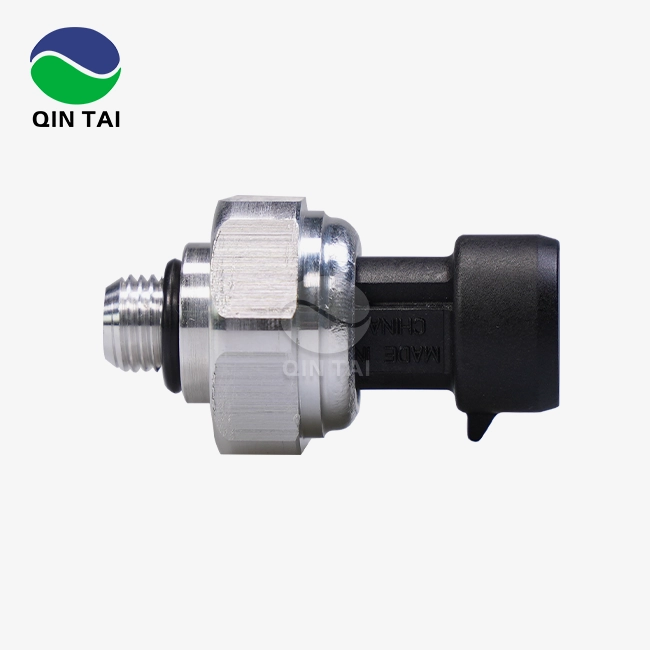
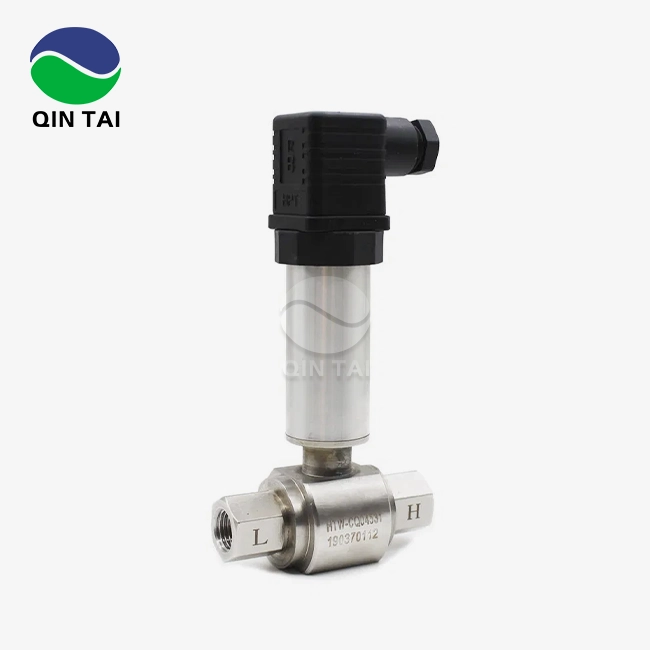
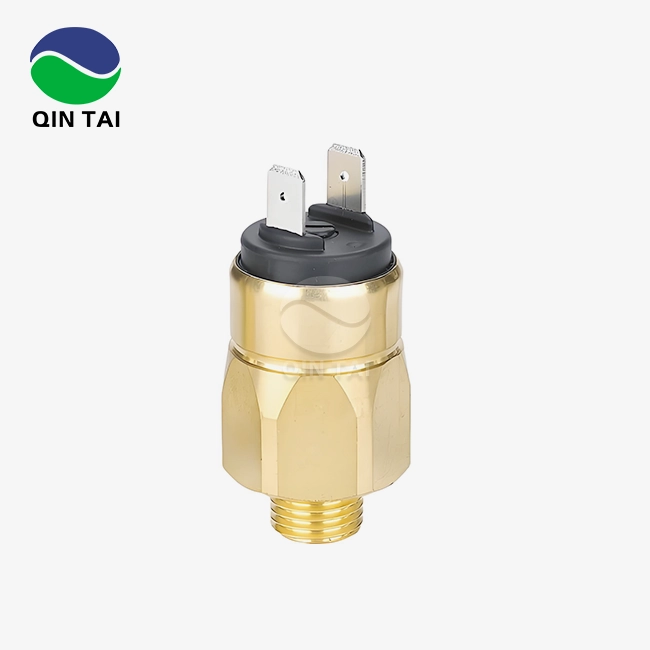

Our customers’ satisfaction speaks for our quality — contact us to experience the same reliable service.