- English
- French
- German
- Portuguese
- Spanish
- Russian
- Japanese
- Korean
- Arabic
- Greek
- German
- Turkish
- Italian
- Danish
- Romanian
- Indonesian
- Czech
- Afrikaans
- Swedish
- Polish
- Basque
- Catalan
- Esperanto
- Hindi
- Lao
- Albanian
- Amharic
- Armenian
- Azerbaijani
- Belarusian
- Bengali
- Bosnian
- Bulgarian
- Cebuano
- Chichewa
- Corsican
- Croatian
- Dutch
- Estonian
- Filipino
- Finnish
- Frisian
- Galician
- Georgian
- Gujarati
- Haitian
- Hausa
- Hawaiian
- Hebrew
- Hmong
- Hungarian
- Icelandic
- Igbo
- Javanese
- Kannada
- Kazakh
- Khmer
- Kurdish
- Kyrgyz
- Latin
- Latvian
- Lithuanian
- Luxembou..
- Macedonian
- Malagasy
- Malay
- Malayalam
- Maltese
- Maori
- Marathi
- Mongolian
- Burmese
- Nepali
- Norwegian
- Pashto
- Persian
- Punjabi
- Serbian
- Sesotho
- Sinhala
- Slovak
- Slovenian
- Somali
- Samoan
- Scots Gaelic
- Shona
- Sindhi
- Sundanese
- Swahili
- Tajik
- Tamil
- Telugu
- Thai
- Ukrainian
- Urdu
- Uzbek
- Vietnamese
- Welsh
- Xhosa
- Yiddish
- Yoruba
- Zulu
How to choose the right pressure sensor?
To pick the right pressure sensor for your needs, you need to look at a number of important factors. The first step in the decision process is to know what kind of pressure you need to measure (absolute, gauge, or difference) and what the device will be used in. You need to think about the data output forms, temperature ranges, media compatibility, and accuracy needs. In addition to technical specs, compliance approvals are very important, especially for diesel engine uses that need to follow pollution regulations like China VI or Euro VI standards. You can be sure that the sensors you choose will provide consistent, long-term value for your industrial uses by weighing their performance, total cost of ownership, and supplier dependability.
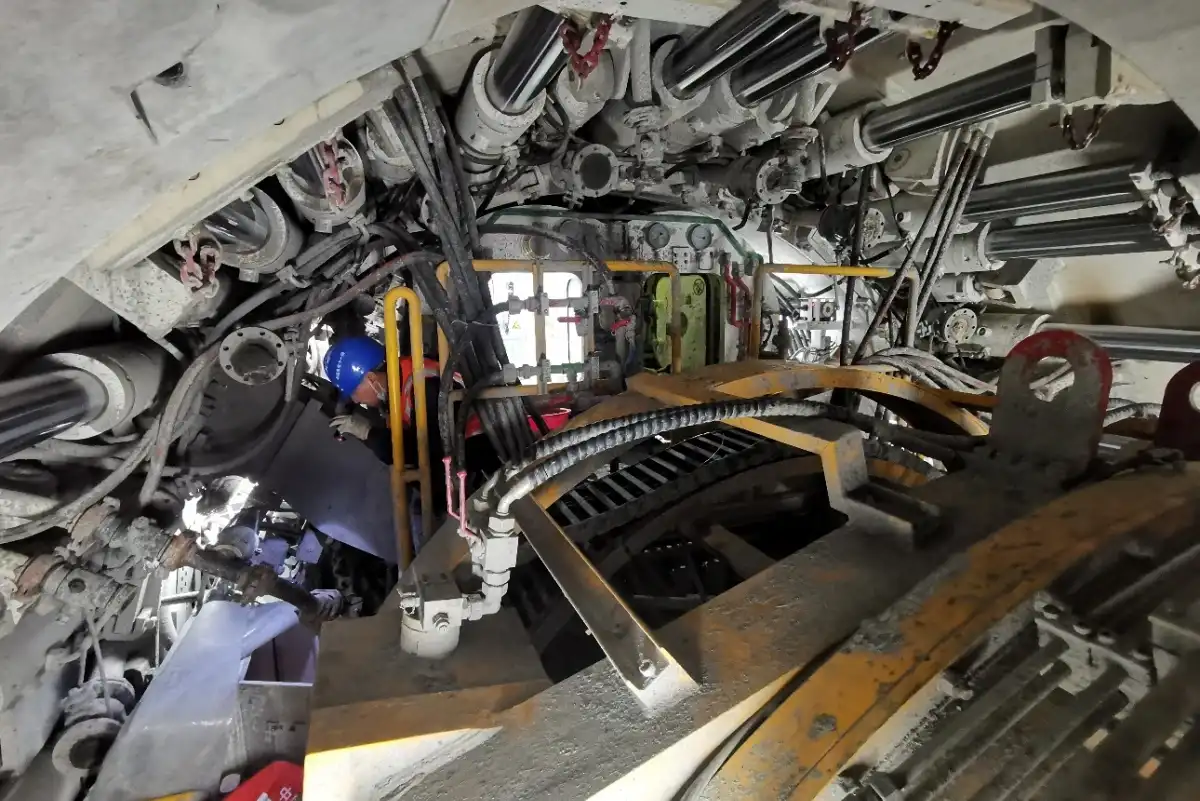
Understanding Pressure Sensors and Their Working Principles
pressure sensors are important parts of modern manufacturing systems because they give real-time data that helps with planning preventative maintenance and running the business more efficiently. These devices pick up changes in the pressure of gases and liquids. They do this by turning physical force into electrical signals that can be measured and understood by repair teams and control systems.
What Defines a Pressure Sensor?
A pressure sensor picks up on the force acting on a certain area and turns that mechanical information into digital data. These instruments keep an eye on the health of systems by tracking changes in pressure in exhaust systems, hydraulic circuits, and air intake pipes when they are built into big trucks, construction equipment, or generator sets. When pressure goes outside of certain limits, the technology lets maintenance teams know right away. This way, they can fix possible problems before they cause costly downtime. For SCR and DPF operation, modern diesel engine aftertreatment systems rely on accurate pressure tracking. Sensors constantly check backpressure and find out when filters are loaded.
Core Working Mechanisms
The most common type of technology uses strain gauge parts that change shape very slightly when the pressure changes. This change in shape turns into changes in voltage that can be measured. Calibration programs then turn these changes into standard readings of pressure. The measurement loop goes through different steps. Putting pressure on the diaphragm makes it bend, which creates electrical signs that are proportional. Before being sent to control units or data gathering systems, these signals are cleaned up and made stronger.
In diesel aftertreatment uses, ceramic diaphragms often create capacitive arrangements where pressure-induced deformation changes the capacitance between fixed and moving electrodes. This makes measures that are very steady and not affected by temperature changes or media contamination.
Classification and Industrial Applications
In different business areas, different technologies are used for different kinds of tasks. Piezoelectric versions work best for measuring dynamic pressure in situations like watching a combustion chamber, where pressure changes quickly and responses need to be made in microseconds. Because they are so constant and can adjust for temperature, strain gauge configurations are most common in hydraulic systems and static pressure uses. The choice between analog and digital output formats relies on the design of the system.
Analog sensors work well with older control systems, while digital versions that use CANbus or I2C protocols work well with current vehicle networks that need multiple sensors to work together. For retrofitting or difficult installation situations, wireless setups get rid of the need for complicated wires. However, wired solutions still have stability and real-time response benefits for safety-critical applications.
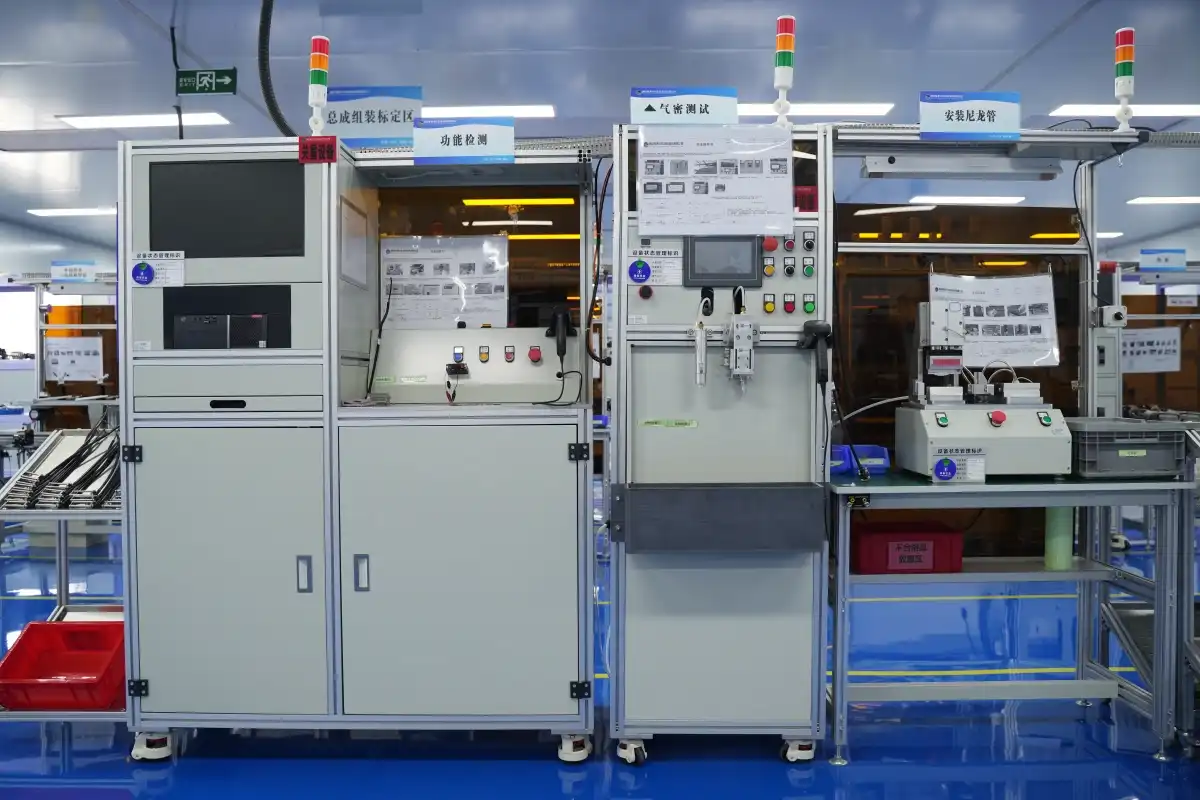
Core Criteria to Consider When Choosing a Pressure Sensor
Structured review systems make it easier for buying teams to choose the right pressure sensor. The best buying choices are made by carefully looking at operational needs, technical specs, and business factors in a planned way.
Defining Operational Scenarios
The environment has a big impact on the pressure sensor that are needed. Extreme temperatures can happen in generator exhaust systems or building equipment that works in harsh environments. For aftertreatment uses, sensors that can handle a wider temperature range, usually -40°C to 150°C, are needed. Media compatibility is very important when sensors come into touch with aggressive substances. For example, diesel fumes with sulfur compounds, soot particles, and condensate needs materials that can handle chemical attack and particle buildup.
Standard metal housings don't last as long as diaphragms made of stainless steel with ceramic finishes. Response time needs are different for different uses. For example, sensors used for monitoring fast combustion pressure need to answer within milliseconds, while sensors used for monitoring hydraulic reservoir levels can handle slower response times.
Essential Technical Metrics
Here are the main technical specs that decide whether a sensor is suitable for tough industry uses:
- Accuracy and Resolution: The accuracy of measurements has a direct effect on how well a system works. For DPF renewal, exhaust backpressure monitoring usually needs ±1% full-scale accuracy to accurately find filter loading. Since higher precision costs more, choosing the right accuracy for the job is the best way to get the best value. Resolution, or the smallest change in pressure that can be seen, is important for uses that need to see slow changes, like when a filter gets clogged.
- Durability and Operational Lifespan: Industrial-grade sensors need to be able to handle the vibrations, changes in temperature, and mechanical shocks that are typical in mobile machinery. Devices that meet car standards like IATF16949 go through a lot of tests that are meant to simulate years of use in the field. If the mean time between failures (MTBF) is more than 100,000 hours, it means that the plan is strong enough to be used for a long time.
- Calibration Stability: Because measurements change over time, they need to be re-calibrated every so often. When sensors have written stable standards, which are usually given as a drift percentage per year, it's easy to plan when to do maintenance. Ceramic capacitive technologies are very stable over long periods of time; they can often keep their tuning for two to three years in harsh settings.
- Power Requirements and Signal Output: The voltage source must be compatible with current electrical systems (5V, 12V, or 24V). The choice of output type strikes a balance between ease of use and functionality. For example, 0-5V analog outputs are good for simple monitoring, while digital protocols let you send diagnostic data and change the setup in a variety of ways.
Balancing Cost and Performance
The total cost of ownership is more than just the price of the car. Premium sensors that are more stable need to be calibrated and replaced less often, but they also cost more up front, but they save money in the long run. When makers need hundreds or thousands of units a year, they can negotiate volume purchases with OEM providers to get big cost savings.
Custom sensor versions that are made to fit specific mounting needs or output setups may add to the cost of engineering, but they save money on field adaptation costs and make the sensor more reliable. By checking providers' mass production capabilities, you can be sure that you'll always get what you need for ongoing production, and you can avoid supply chain breakdowns that stop manufacturing operations.
Common Challenges and Troubleshooting Tips with Pressure Sensors
Knowing the most common ways that measurement systems fail and how to stop them from happening helps keep them reliable and reduces unnecessary downtime for any pressure sensor deployment.
Calibration Drift and Accuracy Degradation
The most common problem with sensors is gradual measurement drift, which can be caused by changes in the diaphragm material, temperature stress, or internal component age. Drift can be found before it affects process control by checking regularly against known pressure standards. Accuracy is maintained by following six-month or yearly calibration plans based on what the maker suggests and how hard the application is. When drift goes beyond what is allowed, systematic troubleshooting finds the root causes. For example, mounting changes may need to be made if there is too much vibration, and chemical exposure can mean problems with media compatibility that need new sensor materials.
Contamination and Physical Damage
Particulate buildup on sensor elements stops pressure from being sent, which leads to wrong results. Soot buildup is a big problem in exhaust system applications, which is why they need safety measures like heated housings or positive purge systems that keep the air around sensor surfaces clean. If sensors don't have the right ingress protection grades (IP67 or IP69K for washdown settings), moisture condensation in locations where temperatures change quickly can damage the electrical connections. Impact or over-pressure events can damage sensors, so they need to have a strong mechanical design and over-pressure ratings that are higher than the highest predicted transients.
Electrical Connection Issues
Wiring problems cause signs to come and go or measurements to fail completely. Secure connection systems that shut off the surroundings stop water from getting in and corroding the terminals. By checking the wire route on a regular basis, you can find wear spots where vibrations break down the insulation. Electrical noise that messes up low-level sensor data can be removed by properly grounding. This is especially important in electrically noisy vehicle settings with many high-current switching devices.
Comparison of Top Pressure Sensor Solutions in the Market
Knowing what the competition is doing helps buying workers judge the skills of suppliers and find solutions that meet specific pressure sensor needs. Well-known global brands like Honeywell and Bosch have a wide range of products that can be used in both home and business settings. Their gadgets use well-established technologies and come with a lot of information and parts that can be easily found through large distribution networks.
These brands usually do well with standard designs, but unique variations may cost more and take longer to make. Omega Engineering focuses on industrial instrumentation and offers sensors that are designed to work well in harsh settings along with great expert support. Texas Instruments specializes in pressure measurement solutions that include both sensor elements and signal conditioning circuits. These are perfect for equipment makers who are making custom control systems.
For certain uses, regional experts often offer better value propositions. Companies that specialize in diesel engine aftertreatment know the specific needs of these engines, such as being able to work with different types of waste gas, being resistant to shaking, and meeting emission standards. These focused suppliers often offer faster customization, cheap price for large orders, and quick technical collaboration while integrating the product. Their manufacturing scale works well for OEM companies that need to work together on research and make long-term supply deals.
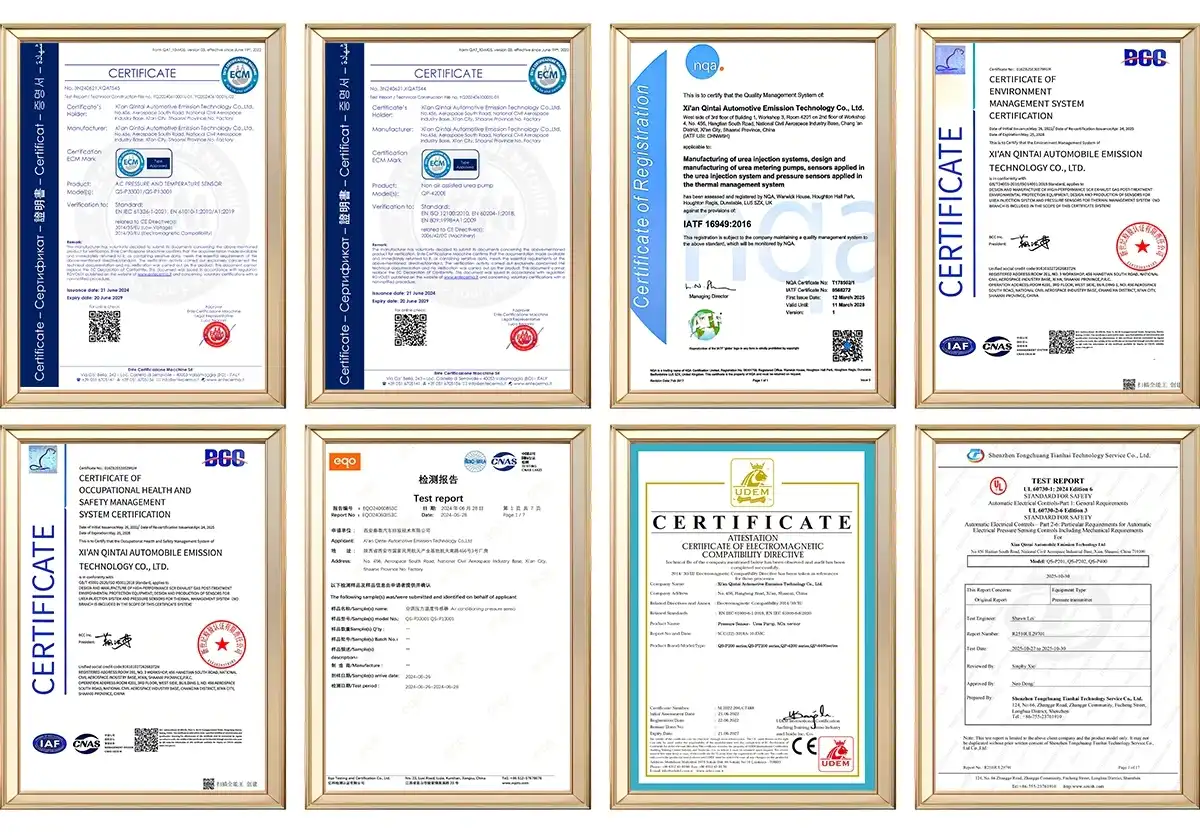
This is a specialized group that Qintai serves. They have over twenty years of experience with pressure measurement systems and diesel engine aftertreatment. Our sensors go through a tough testing process to make sure they meet China VI and Euro VI pollution standards. They also have approvals from IATF16949, ISO9001, and UL. Working directly with big engine makers like Weichai Power and Yuchai Power has helped us learn more about what OEMs need, from the initial design stage to mass production. Because of this knowledge, buying teams can get full help with technical selection, system integration, and lifecycle management issues that are important to them.
Practical Procurement Guidance for Industrial Buyers
To make sure there is a steady supply of pressure sensors, good sourcing methods balance scientific needs, cost goals, and supply chain issues. OEMs that need unique designs, bulk discounts, or long-term supply deals can work with direct manufacturers. This method gets rid of distributor margins while giving users access to tech tools for application support and customization. Manufacturers who have shown they can make a lot of things (e.g., through OEM partnerships and quality standards) offer supply security that is very important for keeping production going. Asking for full technical datasheets with information like temperature coefficients, reaction times, and EMC performance lets you make technical comparisons that go beyond the main specs.
The price depends on more than just the basic power of the sensor. More expensive grades of accuracy come with higher prices, and ruggedized housings for harsh environments also raise prices. Prices are affected by how well-known a brand is, but less well-known experts may do the same work for less money. Customization costs range a lot—simple changes to connectors don't cost much, but changing the output signal or special pressure port setups take engineering work. The urgency of the lead time has a big effect on the price. Standard goods ship quickly from stock, but special versions may take 8–12 weeks.
Verification methods keep fake goods out and make sure that products meet specifications. Asking for proof that the seller follows the quality system and has received product approvals builds trust in the provider. Sample testing before committing to a large order verifies performance promises and shows any differences in specifications. Broad guarantee terms that show the maker believes in the product's dependability give customers a way to get their money back if it breaks down too soon and show their commitment to quality.

SENSOR+TEST, June 9 – 11, 2026
We look forward to your visit,warmly welcome to our booth 1-526!
Get your free ticket online now:
https://www.sensor-test.de/service/ticket/?52790
Conclusion
To choose the right pressure sensor for industrial uses, you need to carefully look at their technical specs, their ability to meet business needs, and their supplier's abilities. To make smart choices, you need to know how to measure things, what the conditions are, and how accurate you need them to be. Finding the best balance between performance factors and cost factors is the best way to get the most value while still meeting regulations and making sure operations are reliable.
Working with skilled makers who can help with applications and offer flexible customization options and approved quality systems lowers technical risk and makes integration easier. Because current diesel engine systems are so complicated, especially when it comes to emission control, choosing the right provider is just as important as choosing the right product. Partnerships that lead to long-term success are formed through thorough evaluations that include product skill, manufacturing capacity, and ongoing support.
FAQ
How often should I calibrate industrial pressure measurement devices?
How often you need to calibrate relies on how important the application is, how bad the environment is, and what the maker recommends. Some monitoring tasks, like checking the brake system, may need to be checked every year, but less important monitoring tasks can go two to three years between checks. Harsh settings with changes in temperature, shaking, or chemical contact speed up drift, so checks need to be done more often. Recording the past of calibration shows how stable each sensor is, which lets schedules be improved.
What distinguishes sensors from transducers in industrial applications?
People often use the terms equally, but there are some formal differences between them. Transducers change one type of energy into another, like turning mechanical pressure into an electrical pulse. Sensors pick up on a wide range of physical events and may have transduction and signal shaping circuits. When you're actually buying something, these differences in terms don't matter much. Instead, you should focus on output specs and mechanical interfaces.
Do wireless measurement devices match wired accuracy?
These days, wireless technologies are just as accurate as wired ones. The accuracy of measurements depends more on the quality of the sensing element than the way of transfer. However, wireless systems have delay because they sample and send data at regular intervals, which means they can't be used for real-time control loops that need millisecond response times. Wireless sensors that are powered by batteries are good for monitoring tasks where ease of installation is more important than real-time data that is constantly collected.
Partner with Qintai for Reliable Pressure Sensor Solutions
Picking out the right pressure sensor instrumentation is only the first step in integrating a system well. Xi'an Qintai Automotive Emission Technology has been making sensors that meet the toughest pollution standards in the world for more than 20 years. They are experts in diesel engine aftertreatment. Our independent research and development team is always making measurement technology better, and the fact that we are China's top OEM provider shows that major engine makers trust our goods.
We offer full customization services, covering everything from port specs to output protocols, to make sure that your systems work perfectly with ours. Our team is ready to help you with your project, whether you need samples to test, expert advice on how to meet application needs, or large quotes for production supply. Email us at info@qt-sensor.com to talk about your pressure sensor needs with application engineers who have worked in the field for a long time and understand the difficulties of measuring things in industry.
References
1. Johnson, R.T. & Williams, M.K. (2021). Industrial Pressure Measurement: Principles and Applications. Technical Publishing House.
2. Chen, L. & Anderson, P. (2020). "Sensor Technologies for Diesel Engine Emission Control Systems." Journal of Automotive Engineering, 45(3), 287-304.
3. International Organization for Standardization. (2019). ISO 9001:2015 Quality Management Systems – Requirements for Pressure Measurement Devices.
4. Martinez, J.A. (2022). Practical Guide to Pressure Transducer Selection in Heavy Equipment. Industrial Press.
5. European Automotive Manufacturers Association. (2020). Technical Standards for Exhaust Aftertreatment System Sensors. EAMA Publication Series.
6. Zhang, H. & Schmidt, K. (2021). "Long-term Stability Analysis of Ceramic Capacitive Pressure Sensors in Harsh Environments." Sensors and Actuators International, 38(2), 156-173.
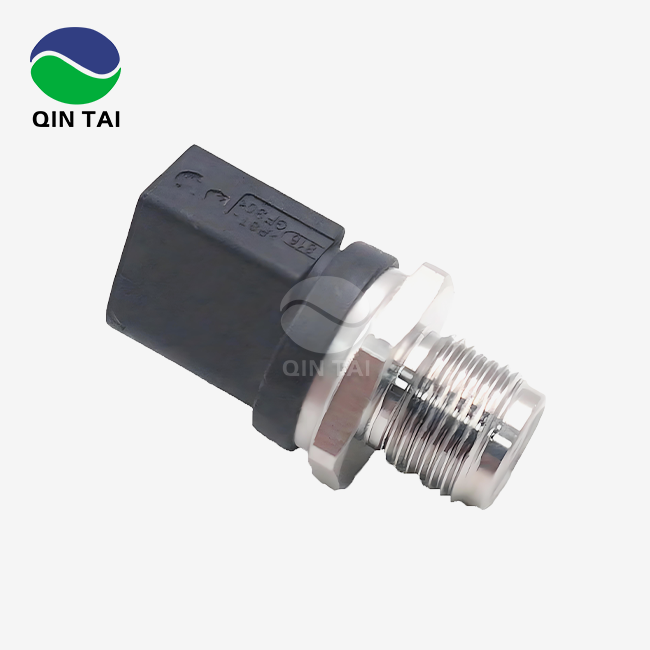
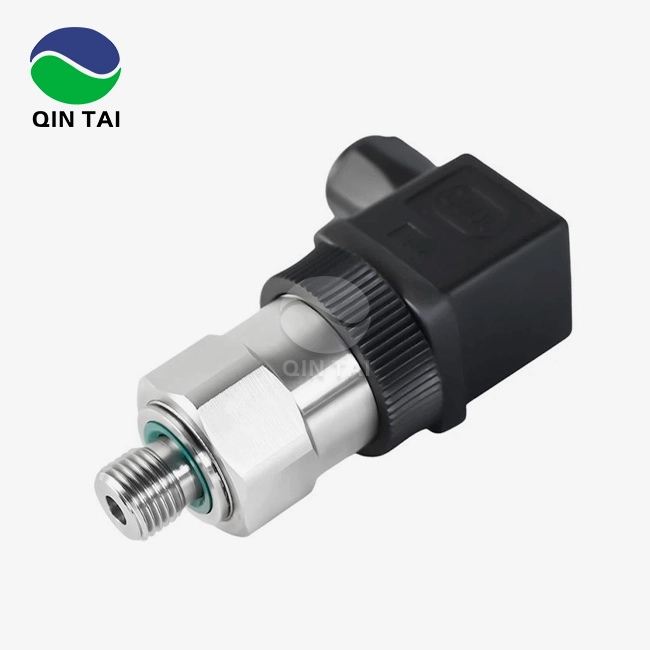
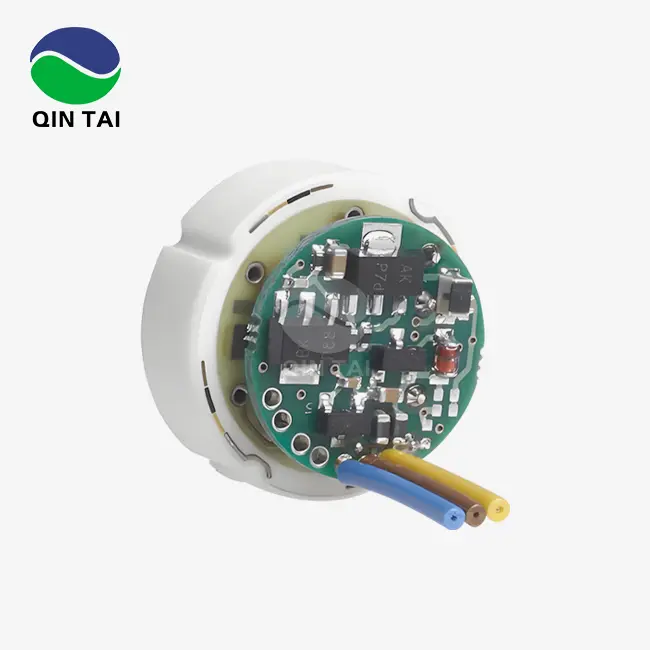
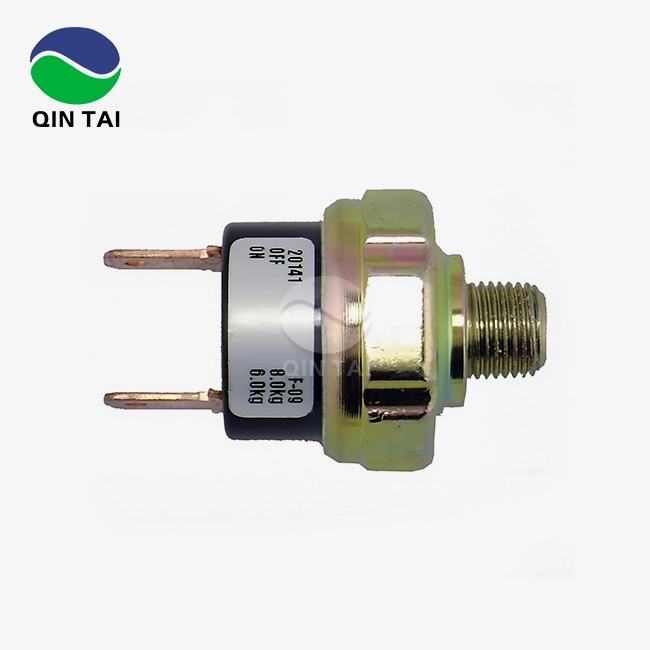

Our customers’ satisfaction speaks for our quality — contact us to experience the same reliable service.