- English
- French
- German
- Portuguese
- Spanish
- Russian
- Japanese
- Korean
- Arabic
- Greek
- German
- Turkish
- Italian
- Danish
- Romanian
- Indonesian
- Czech
- Afrikaans
- Swedish
- Polish
- Basque
- Catalan
- Esperanto
- Hindi
- Lao
- Albanian
- Amharic
- Armenian
- Azerbaijani
- Belarusian
- Bengali
- Bosnian
- Bulgarian
- Cebuano
- Chichewa
- Corsican
- Croatian
- Dutch
- Estonian
- Filipino
- Finnish
- Frisian
- Galician
- Georgian
- Gujarati
- Haitian
- Hausa
- Hawaiian
- Hebrew
- Hmong
- Hungarian
- Icelandic
- Igbo
- Javanese
- Kannada
- Kazakh
- Khmer
- Kurdish
- Kyrgyz
- Latin
- Latvian
- Lithuanian
- Luxembou..
- Macedonian
- Malagasy
- Malay
- Malayalam
- Maltese
- Maori
- Marathi
- Mongolian
- Burmese
- Nepali
- Norwegian
- Pashto
- Persian
- Punjabi
- Serbian
- Sesotho
- Sinhala
- Slovak
- Slovenian
- Somali
- Samoan
- Scots Gaelic
- Shona
- Sindhi
- Sundanese
- Swahili
- Tajik
- Tamil
- Telugu
- Thai
- Ukrainian
- Urdu
- Uzbek
- Vietnamese
- Welsh
- Xhosa
- Yiddish
- Yoruba
- Zulu
What are the first signs of nox sensor failure?
When diesel engines start showing performance issues, detecting problems early becomes critical to maintaining compliance and operational efficiency. The first signs of NOx sensor failure typically include illuminated dashboard warning lights, noticeable drops in fuel economy, reduced engine performance, and elevated exhaust emissions. Nitrogen oxide sensors continuously monitor exhaust gas composition and communicate with the Engine Control Unit, making them essential for SCR system operation and emissions compliance. Recognizing these early warning signals allows procurement managers and R&D engineers to address malfunctions proactively, preventing costly downtime and regulatory violations in heavy-duty applications.
Understanding NOx Sensors and Their Role in Emissions Control
Nitrogen oxide sensors represent specialized measurement devices designed to detect and quantify NOx concentrations in exhaust streams from diesel and gasoline engines. Unlike traditional oxygen sensors that simply measure air-fuel ratios, these advanced components perform dual monitoring functions that directly impact emissions control effectiveness.
How NOx Sensors Function in Modern Diesel Systems?
The essential duty of nitrogen oxide sensors includes ceaselessly measuring debilitate gas NOx levels and transmitting exact information to the Motor Control Unit or SCR control module. This real-time communication empowers the framework to alter urea dosing rates powerfully, guaranteeing ideal chemical lessening of hurtful nitrogen oxides. The sensor's arrangement inside the deplete framework regularly incorporates both upstream and downstream positions—the upstream sensor recognizes NOx emanations specifically from the motor combustion chamber, whereas the downstream sensor confirms the SCR catalyst's emanation lessening efficiency.
Modern sensors utilize zirconia ceramic detecting components warmed to ideal working temperatures through coordinates warming components. These components work nearby flag conditioning circuits and control modules that interface straightforwardly with the vehicle's CAN transport communication arrange. Most modern nitrogen oxide sensors transmit computerized information or maybe than analog voltage signals, giving temperature readings, NOx concentration estimations, and symptomatic status data simultaneously.
Critical Impact on Compliance and Performance
For overwhelming truck producers, development apparatus OEMs, and rural gear makers, NOx sensor exactness straightforwardly decides whether vehicles meet exacting Euro VI and EPA emanation guidelines. When sensors give wrong readings, the SCR framework cannot dosage AdBlue accurately, driving to either intemperate urea utilization or deficiently NOx diminishment. Both scenarios make issues: overconsumption increments working costs, whereas underdosing comes about in compliance disappointments and potential administrative punishments. R&D engineers working on outflow control frameworks recognize that sensor unwavering quality influences not as it were administrative compliance but too fuel proficiency and by and large motor execution optimization.
Early Signs and Symptoms of NOx Sensor Failure
Identifying sensor malfunctions before they escalate into complete system failures requires understanding the warning indicators that emerge during early degradation stages. Fleet managers and maintenance personnel who recognize these symptoms can schedule repairs strategically, minimizing unexpected downtime.
Dashboard Warning Indicators and Performance Changes
The check motor light speaks to the most self-evident pointer when nitrogen oxide sensors start falling flat. The powertrain control module enacts this dashboard caution after identifying sensor communication blunders or improbable readings. Past this visual caution, administrators frequently take note substantial execution debasement counting frail speeding up, lessened motor control yield, and diminished fuel economy. These side effects happen since the ECU cannot appropriately control fuel infusion and urea dosing without precise deplete gas data.
Vehicles prepared with onboard symptomatic screens may show particular blame depictions nearby caution lights, making a difference specialists pinpoint whether the channel or outlet sensor requires consideration. A few progressed frameworks moreover track DEF utilization rates, and unusually tall AdBlue utilization regularly signals that sensors are giving incorrect information, causing the SCR framework to overdose urea in endeavors to meet outflows targets.
Common Diagnostic Trouble Codes
When nitrogen oxide sensors glitch, particular symptomatic inconvenience codes enlighten to direct investigating endeavors. Codes perusing "circuit tall" or "circuit open" regularly show electrical issues such as harmed wiring saddles, eroded connectors, or inside sensor circuit disappointments. These codes moreover assign whether the upstream or downstream sensor requires examination, streamlining the symptomatic process.
Additional codes may show sensor radiator disappointments, which anticipate the detecting component from coming to appropriate working temperature. Without satisfactory warming, the zirconia ceramic cannot work precisely, driving to farfetched readings that trigger blame codes. Obtainment directors sourcing substitution sensors ought to confirm that providers give comprehensive DTC reference guides, empowering upkeep groups to decipher codes productively and arrange adjust substitution parts.
Emissions Test Failures and Regulatory Concerns
Beyond operational indications, fizzled nitrogen oxide sensors frequently show amid required outflows compliance testing. When sensors give wrong information, vehicles deliver debilitate outflows surpassing administrative edges, coming about in fizzled assessments. Specialized directors at aftertreatment framework trustworthiness get it that indeed minor sensor debasement can thrust NOx yield past worthy limits, especially as emanation controls ended up progressively stringent.
The results amplify past basic test disappointments. Administrative offices may force considerable punishments for non-compliant vehicles, particularly in commercial armadas where different units come up short review at the same time. Supply chain directors must hence prioritize sensor unwavering quality and set up connections with producers advertising sensors assembly strict quality guidelines and certification requirements.
Troubleshooting and Testing NOx Sensors: A Systematic Approach
Maintaining optimal emission control performance requires structured diagnostic procedures that identify root causes rather than simply replacing components reactively. Engineers and technicians benefit from methodical troubleshooting protocols that minimize guesswork and reduce unnecessary parts replacement.
Visual Inspection and Physical Assessment
Before filtering for blame codes, professionals ought to look at sensors physically for self-evident harm markers. Legitimate visual assessment includes checking for physical affect harm to sensor lodgings, looking at electrical connectors for erosion or dampness interruption, and assessing wiring saddles for chafing or breaks. Nox sensor illustrate extraordinary affectability to dampness defilement, so any prove of water introduction warrants quick substitution consideration.
Mounting strings ought to be inspected for harm or over the top carbon buildup that might influence sensor situating or warm conductivity. Specialists ought to moreover confirm that defensive bundling remains intaglio on substitution sensors until establishment, as untimely introduction to dampness can compromise modern sensors some time recently they enter benefit. Entering oils connected to stuck sensors ought to be utilized carefully to maintain a strategic distance from sullying detecting elements.
Electrical and Functional Diagnostic Testing
After visual evaluation, demonstrative filter instruments give point by point sensor execution information and put away blame codes. Specialists ought to confirm that sensors get legitimate voltage supply and that ground associations stay intaglio. Resistance testing on radiator circuits affirms whether warming components work accurately, as radiator disappointments speak to common disappointment modes that avoid sensors from coming to working temperature.
Live information observing amid motor operation uncovers whether sensors react suitably to changing debilitate conditions. Improbable readings that stay inactive notwithstanding of motor stack or readings that vary whimsically show sensor debasement requiring substitution. Comparing upstream and downstream sensor readings amid typical SCR operation makes a difference confirm that the catalyst diminishes NOx successfully and that both sensors report reliable, coherent values.
Environmental and Operational Factors Affecting Lifespan
Understanding conditions that quicken sensor corruption makes a difference acquirement pros and armada directors actualize preventative procedures. Defilement from sulfur compounds, oil fiery debris, and particulate matter speaks to the driving cause of untimely sensor disappointment in diesel applications. Vehicles working in dusty situations or expending low-quality fuel involvement quicker sensor corruption than those in cleaner working conditions.
Thermal stretch from rehashed warming and cooling cycles moreover contributes to sensor maturing, especially in applications including visit brief trips where sensors never completely stabilize at working temperature. Generator set producers introducing sensors in continuous-duty applications for the most part watch longer sensor life expectancies compared to development hardware encountering discontinuous operation cycles. Parts supervisors ought to account for these application-specific components when building up substitution interims and stock arranging for diverse vehicle types.
Selecting the Right NOx Sensor for Your Fleet or OEM Needs
Choosing appropriate nitrogen oxide sensors involves balancing performance specifications, compliance certifications, cost considerations, and supplier reliability. Purchasing managers and R&D engineers must evaluate multiple factors to identify solutions optimizing long-term operational success.
Comparing Leading Sensor Technologies
Several producers create nitrogen oxide sensors with changing execution characteristics suited to distinctive applications. Bosch sensors have set up solid notorieties for precision and toughness in European commercial vehicle applications, advertising strong execution in requesting situations. Denso sensors consolidate progressed ceramic innovations created through broad car encounter, giving dependable operation over temperature extremes common in development machinery.
Continental sensors include coordinates control modules that disentangle framework integration and diminish outside component necessities, engaging to OEM engineers looking for compact bundling arrangements. Valeo sensors emphasize cost-effectiveness whereas keeping up satisfactory execution for aftermarket applications, making them well known among armada administrators prioritizing add up to fetched of possession. Delphi sensors offer compatibility over different vehicle stages, rearranging stock administration for parts providers serving assorted client bases. When assessing these alternatives, specialized supervisors ought to audit certification documentation affirming sensors meet particular emanation standard prerequisites.
OEM Versus Aftermarket Sensor Considerations
The choice between unique hardware producer sensors and aftermarket choices includes numerous trade-offs influencing forthright costs, guarantee scope, and long-term unwavering quality. OEM sensors regularly command premium estimating but offer ensured compatibility, comprehensive specialized back, and guarantee terms specifically from vehicle producers. These preferences offer to armada directors prioritizing operational certainty and OEM engineers creating modern hardware requiring approved components.
Aftermarket sensors give fetched preferences alluring to repair shops and merchants overseeing price-sensitive clients. Quality aftermarket sensors fabricated by legitimate providers frequently provide execution comparable to OEM parts at considerably lower securing costs. In any case, obtainment directors must confirm that aftermarket sensors carry satisfactory certifications and guarantee scope, as second rate sensors missing appropriate quality controls make untrue economy through untimely disappointments and rehash replacements.
Proactive Measures and Maintenance to Extend NOx Sensor Lifespan
Implementing preventative upkeep conventions and operational best hones altogether amplifies sensor benefit life whereas keeping up emanations compliance and minimizing add up to fetched of possession. Armada supervisors and support administrators who receive proactive procedures realize quantifiable returns through diminished downtime and lower parts consumption.
Regular Diagnostics and Calibration Procedures
Scheduled symptomatic checking makes a difference recognize sensor corruption some time recently total disappointments happen. Regular monitoring of a NOx sensor ensures early detection of drift, contamination, or electrical faults, enabling timely maintenance or replacement and preventing engine performance issues or regulatory non-compliance. Month to month or quarterly demonstrative audits permit specialists to track sensor execution patterns, identifying continuous exactness misfortunes that might something else stay unnoticed until emanations test disappointments happen. A few progressed demonstrative frameworks bolster sensor calibration strategies that reestablish precision in sensors encountering minor float, possibly amplifying benefit life past commonplace substitution intervals.
Project engineers managing generator sets in remote locations benefit particularly from predictive maintenance approaches. Monitoring sensor performance data remotely enables scheduling replacements during planned maintenance windows rather than responding to unexpected failures requiring emergency service calls. This proactive approach reduces downtime costs substantially compared to reactive maintenance strategies.
Regular cleaning of exhaust system components reduces contamination exposure that accelerates sensor aging. While sensors themselves should not be cleaned once installed due to contamination risks, maintaining DPF regeneration schedules and ensuring proper SCR catalyst function minimizes ash and deposit accumulation throughout the exhaust system. These practices create cleaner operating environments that extend sensor lifespan naturally.
Investment ROI Through Quality Component Selection
Choosing high-quality sensors from manufacturers emphasizing durability and stability delivers measurable financial advantages despite higher initial acquisition costs. Sensors engineered for industrial-grade reliability in harsh environments reduce replacement frequency, lowering parts costs and minimizing labor expenses associated with repeated replacements. Solution engineers developing exhaust gas treatment systems recognize that sensor reliability directly impacts system uptime and customer satisfaction.
Quality sensors also maintain accuracy over longer service periods, ensuring consistent emissions compliance throughout their operational lifespan. This consistency reduces risk of compliance penalties and protects brand reputation for OEM manufacturers and fleet operators alike. The avoided costs of regulatory fines, failed inspections, and customer dissatisfaction often exceed premium pricing differentials multiple times over, demonstrating clear ROI for quality-focused procurement decisions.
Technical support capabilities from sensor suppliers represent another dimension of total value proposition. Manufacturers providing comprehensive application engineering assistance, troubleshooting guidance, and customization services enable faster problem resolution and more optimized system integration. These support services prove especially valuable during new product development phases and when adapting emission control systems to evolving regulatory requirements.

SENSOR+TEST, June 9 – 11, 2026
We look forward to your visit,warmly welcome to our booth 1-526!
Get your free ticket online now:
https://www.sensor-test.de/service/ticket/?52790
Conclusion
Recognizing the early warning signs of nox sensor failure empowers procurement managers, R&D engineers, and maintenance teams to maintain fleet reliability, emissions compliance, and operational efficiency. From illuminated check engine lights and reduced performance to specific diagnostic codes and emissions test failures, multiple indicators signal when sensors require attention. Systematic troubleshooting approaches combining visual inspection, electrical testing, and diagnostic analysis enable accurate root cause identification, while understanding environmental factors helps optimize replacement timing and maintenance protocols.
Selecting appropriate sensors involves evaluating technology options, comparing OEM and aftermarket alternatives, and establishing supplier relationships supporting long-term operational goals. Proactive maintenance strategies including regular diagnostics, quality component selection, and proper system care deliver measurable ROI through extended sensor lifespan and reduced total cost of ownership.
FAQ
What is the typical lifespan of nitrogen oxide sensors in commercial diesel vehicles?
Nitrogen oxide sensor lifespan varies considerably based on application conditions, with typical service intervals ranging from 150,000 to 300,000 kilometers in well-maintained highway trucks operating on quality fuel. Construction equipment and vehicles in severe-duty applications may require replacement at 100,000 kilometers due to higher contamination exposure and thermal stress. Generator sets in continuous operation with stable exhaust temperatures often achieve extended lifespans exceeding 300,000 kilometers when proper maintenance protocols are followed.
How do sensor failures impact emissions compliance and what penalties might result?
Failed nitrogen oxide sensors prevent proper SCR system operation, causing vehicles to exceed regulatory NOx emission limits during compliance testing. In the United States, EPA violations can result in fines ranging from several hundred to several thousand dollars per non-compliant vehicle, with penalties multiplying for fleet-wide violations. European regulations impose similar financial penalties and may restrict vehicle operation until compliance is restored. Beyond direct fines, non-compliance creates customer dissatisfaction, warranty claims, and reputational damage affecting OEM manufacturers and fleet operators.
What warranty coverage should purchasers expect from quality sensor suppliers?
Reputable sensor manufacturers typically offer warranties ranging from 12 to 24 months, with some premium suppliers extending coverage to 36 months for OEM applications. Warranty terms should cover manufacturing defects, premature failures under normal operating conditions, and performance degradation below specified accuracy thresholds. Quality suppliers provide clear warranty claim procedures, technical support during troubleshooting, and reasonable replacement turnaround times minimizing customer downtime.
Can contaminated sensors be cleaned and reused or must they be replaced?
Nitrogen oxide sensors cannot be effectively cleaned once contaminated due to their sensitive ceramic sensing elements and sealed construction. Contamination from sulfur compounds, oil ash, or particulate matter permanently degrades sensor accuracy, and attempted cleaning risks additional damage to delicate internal components. Moisture exposure during cleaning also compromises sensor electronics. Replacement represents the only reliable solution when sensors show contamination-related performance degradation or failure symptoms.
How do upstream and downstream sensors work together in SCR systems?
Upstream nitrogen oxide sensors measure NOx concentrations in raw exhaust gases exiting the engine, providing baseline emission data to the control module. Downstream sensors installed after the SCR catalyst measure NOx levels following catalytic reduction, verifying treatment efficiency. The control module compares these readings to calculate actual NOx conversion rates and adjusts urea dosing accordingly. This dual-sensor configuration enables closed-loop control, optimizing both emissions reduction and DEF consumption while providing diagnostic capability to detect catalyst degradation.
What factors should influence bulk purchasing decisions for fleet applications?
Fleet purchasing managers should evaluate multiple factors beyond unit pricing, including supplier reliability and delivery consistency, technical support availability, warranty terms and claim responsiveness, certification documentation confirming regulatory compliance, and compatibility across multiple vehicle platforms in mixed fleets. Long-term supplier partnerships offering volume discounts, inventory management support, and technical training programs deliver advantages exceeding simple per-unit cost savings. Evaluating total cost of ownership including sensor lifespan, replacement frequency, and avoided downtime provides more accurate purchasing decision criteria than acquisition cost alone.
Partner With Qintai for Reliable NOx Sensor Solutions
Qintai has served diesel engine manufacturers and aftertreatment system integrators since 2001, delivering nitrogen oxide sensor solutions engineered for demanding industrial applications. Our ISO9001 and IATF16949 certified manufacturing processes ensure consistent quality meeting Euro VI and EPA compliance requirements, while our position as the leading OEM supplier to Weichai Power, Yuchai Power, and Quanchai Power demonstrates proven reliability in high-volume production environments.
Contact our engineering team at info@qt-sensor.com to discuss your NOx sensor procurement needs, request technical specifications, or explore OEM partnership opportunities. As an established NOx sensor manufacturer serving over 60 countries worldwide, we provide the certification documentation, bulk pricing structures, and responsive after-sales support that procurement managers and R&D engineers require for long-term operational success.
References
1. Johnson, M. & Williams, R. (2021). Diesel Engine Emission Control Systems: Principles and Applications. SAE International Publishing.
2. Chen, L., Zhang, H., & Kumar, S. (2022). "Performance Analysis of NOx Sensors in Heavy-Duty Diesel Applications," Journal of Automotive Engineering, Vol. 236, No. 8, pp. 2145-2158.
3. European Automobile Manufacturers Association (2020). Euro VI Emission Standards Compliance Guide for Commercial Vehicles. ACEA Technical Report Series.
4. Mitchell, T. (2023). Advanced Diagnostics for Diesel Exhaust Aftertreatment Systems. Automotive Technology Institute Press.
5. Zhang, W., Anderson, P., & Liu, Y. (2021). "Failure Mode Analysis of Nitrogen Oxide Sensors in Commercial Vehicle Applications," International Journal of Vehicle Systems, Vol. 28, No. 4, pp. 412-431.
6. United States Environmental Protection Agency (2022). Heavy-Duty Engine and Vehicle Standards: Compliance and Enforcement Guidelines. EPA Office of Transportation and Air Quality.
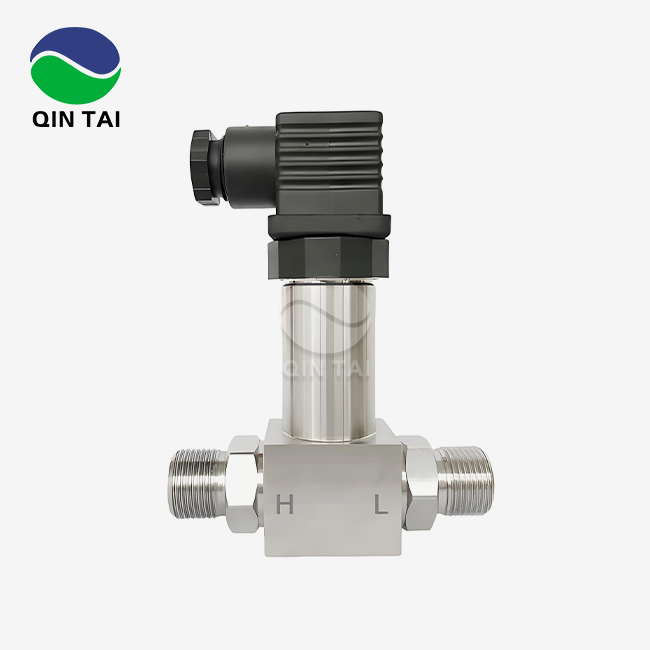
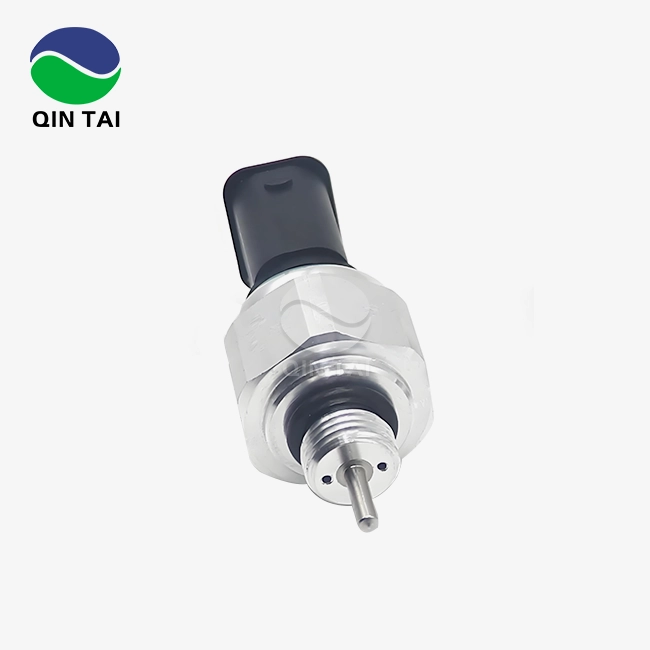
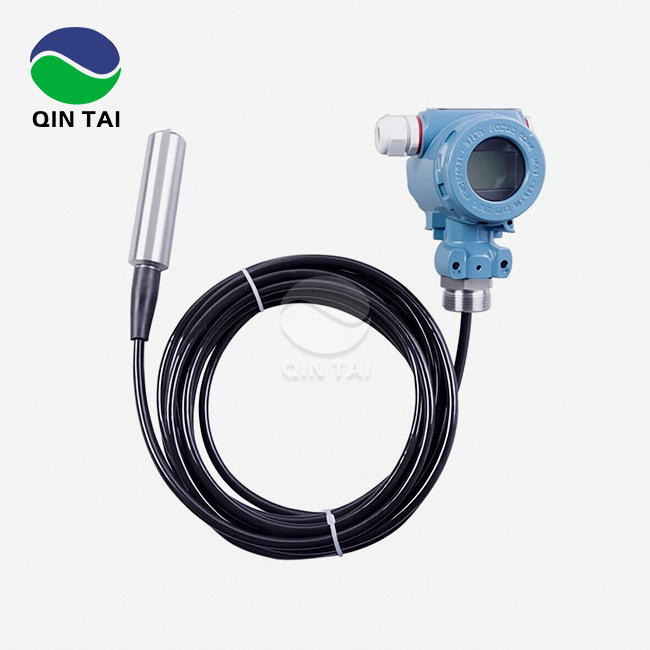

Our customers’ satisfaction speaks for our quality — contact us to experience the same reliable service.