- English
- French
- German
- Portuguese
- Spanish
- Russian
- Japanese
- Korean
- Arabic
- Greek
- German
- Turkish
- Italian
- Danish
- Romanian
- Indonesian
- Czech
- Afrikaans
- Swedish
- Polish
- Basque
- Catalan
- Esperanto
- Hindi
- Lao
- Albanian
- Amharic
- Armenian
- Azerbaijani
- Belarusian
- Bengali
- Bosnian
- Bulgarian
- Cebuano
- Chichewa
- Corsican
- Croatian
- Dutch
- Estonian
- Filipino
- Finnish
- Frisian
- Galician
- Georgian
- Gujarati
- Haitian
- Hausa
- Hawaiian
- Hebrew
- Hmong
- Hungarian
- Icelandic
- Igbo
- Javanese
- Kannada
- Kazakh
- Khmer
- Kurdish
- Kyrgyz
- Latin
- Latvian
- Lithuanian
- Luxembou..
- Macedonian
- Malagasy
- Malay
- Malayalam
- Maltese
- Maori
- Marathi
- Mongolian
- Burmese
- Nepali
- Norwegian
- Pashto
- Persian
- Punjabi
- Serbian
- Sesotho
- Sinhala
- Slovak
- Slovenian
- Somali
- Samoan
- Scots Gaelic
- Shona
- Sindhi
- Sundanese
- Swahili
- Tajik
- Tamil
- Telugu
- Thai
- Ukrainian
- Urdu
- Uzbek
- Vietnamese
- Welsh
- Xhosa
- Yiddish
- Yoruba
- Zulu
What does a NOx sensor do?
A NOx sensor continuously measures nitrogen oxide concentrations in diesel engine exhaust gases and transmits critical data to the Engine Control Unit or SCR control module. This intelligent monitoring device ensures optimal urea dosing for selective catalytic reduction systems, verifies emission reduction efficiency, confirms compliance with stringent standards like EPA and Euro VI regulations, and detects catalyst or system faults before they escalate into costly downtime. Understanding how these sensors function helps procurement managers and engineers select components that protect both fleet performance and regulatory standing.

Understanding the Role and Function of NOx Sensors
What Makes NOx Sensors Essential for Diesel Applications?
Nitrogen oxide sensors serve as the careful gatekeepers of diesel motor emanations, recognizing hurtful toxins that contribute to brown haze and corrosive rain. These advanced rebellious degree both nitric oxide and nitrogen dioxide levels in debilitate streams, giving real-time input that empowers present day powertrains to alter combustion parameters and aftertreatment dosing powerfully. Not at all like oxygen sensors that basically screen air-fuel proportions, nitrogen oxide locators center particularly on following these controlled poisons at numerous focuses in the debilitate pathway. The significance of these gadgets expands past basic estimation.
How NOx Sensors Work: Operating Principles and Key Components?
Modern diesel nitrogen oxide sensors utilize zirconia ceramic cells combined with coordinates radiator components to work viably. The detecting component works at hoisted temperatures—typically between 650 and 800 degrees Celsius—maintained by an inside warming circuit that guarantees reliable execution in any case of debilitate temperature fluctuations. The center estimation prepare includes uncovering the zirconia cell to debilitate gasses streaming through defensive chambers.
As nitrogen oxides connected with the ceramic fabric, electrochemical responses create quantifiable electrical signals. A flag conditioning circuit forms these crude estimations, whereas an coordinates control module designs the information for transmission to the vehicle's electronic control framework by means of CAN transport advanced communication conventions.
Sensor Placement and Integration in SCR and EGR Systems
Installation area drastically influences estimation exactness and sensor life span. Upstream sensors situated between the turbocharger and diesel particulate channel screen crude engine-out emanations, giving pattern information that the ECU employments to optimize combustion timing and fuel conveyance. Downstream sensors introduced after the specific catalytic lessening catalyst confirm that the aftertreatment framework accomplishes target change efficiency.
This dual-sensor setup permits the control framework to calculate genuine NOx lessening rates and alter diesel debilitate liquid infusion rates appropriately. When upstream readings appear raised nitrogen oxide levels, the framework increments urea dosing until downstream estimations affirm satisfactory diminishment. This closed-loop input guarantees the aftertreatment framework reacts viably to shifting motor loads, surrounding conditions, and fuel quality variations. Exhaust gas distribution frameworks too advantage from NOx observing.

SENSOR+TEST, June 9 – 11, 2026
We look forward to your visit!
Get your free ticket online now:
https://www.sensor-test.de/service/ticket/?52790
Identifying and Troubleshooting NOx Sensor IssuesRecognizing Common Symptoms of Sensor Failure
Dashboard caution lights speak to the most self-evident pointer that nitrogen oxide observing has experienced issues. The glitch marker light lights up when the onboard diagnostics framework recognizes readings exterior anticipated parameters or communication disappointments between the sensor and ECU. Armada administrators may moreover take note declining fuel economy, decreased control yield amid speeding up, and over the top diesel deplete liquid consumption—all side effects that propose the aftertreatment framework needs exact input for appropriate calibration. Performance debasement frequently creates steadily as sensors age. Defilement from oil fiery remains, sulfur stores, or particulate matter can coat detecting components and moderate reaction times.
Diagnostic Procedures and Error Code Interpretation
Systematic investigating starts with filtering for symptomatic inconvenience codes utilizing a professional-grade filter apparatus consistent with heavy-duty vehicle conventions. Common blame codes incorporate "circuit tall," "circuit open," "radiator circuit glitch," and "farfetched flag," each indicating toward particular disappointment modes. These codes ordinarily indicate whether the channel or outlet sensor has fizzled, streamlining the demonstrative process.
Beyond code perusing, specialists utilize multimeters to confirm electrical progression, check radiator resistance values against producer determinations, and degree flag yield beneath controlled conditions. Progressed demonstrative hardware can command the ECU to perform dynamic tests, cycling the sensor through its working extend whereas observing real-time information streams. Comparing readings between upstream and downstream sensors makes a difference distinguish calibration float or estimation irregularities that demonstrate looming failure.
Fleet Maintenance Case Study: Preventing Costly Downtime
A regional trucking company operating 150 heavy-duty vehicles experienced recurring NOx sensor failures that triggered check engine lights and forced equipment out of service. Analysis revealed that technicians had installed replacement sensors without following proper handling procedures, exposing moisture-sensitive elements to humidity during installation. Additionally, aggressive tightening had cracked ceramic components, creating premature failures within weeks of replacement.
After executing reexamined benefit conventions that emphasized defensive bundling maintenance until last establishment, indicated torque application utilizing line torques, and intensive connector cleaning some time recently reassembly, sensor life expectancy expanded significantly. The armada built up a preventive substitution plan based on working hours or maybe than holding up for disappointments, planning sensor changes amid schedule upkeep windows.
How to Choose the Best NOx Sensor for Your Fleet or Production Line?
Evaluating Critical Performance Specifications
Selecting fitting nitrogen oxide sensors requires cautious assessment of different specialized parameters. Estimation exactness decides how accurately the gadget reports toxin concentrations, with high-quality units advertising exactness inside plus-or-minus 10 percent of genuine values over their working extend. Reaction time influences how rapidly the aftertreatment framework can respond to changing conditions, with quicker sensors empowering more exact dosing control and moved forward emanation execution amid transitory operation. Durability determinations demonstrate anticipated benefit life beneath ordinary working conditions.
Industrial-grade sensors planned for heavy-duty applications highlight strengthened development that withstands extraordinary vibration, warm cycling between encompassing and 800 degrees Celsius, and introduction to destructive deplete compounds. Compatibility contemplations incorporate physical mounting measurements, electrical connector sorts, communication convention prerequisites, and calibration information designs that must coordinate existing vehicle or gear systems.
Heated vs. Non-Heated Variants: Understanding the Differences
Heated sensors join inside electrical warming components that keep up ideal working temperature notwithstanding of debilitate gas temperature. This plan demonstrates basic for advanced diesel motors that run cooler due to progressed combustion procedures and broad deplete warm recuperation frameworks. The coordinates radiator guarantees steady execution amid sit still, low-load operation, and cold-weather conditions when debilitate temperatures might something else drop underneath the least required for exact measurement.
Non-heated variations depend completely on debilitate warm vitality to reach working temperature, constraining their application to more seasoned vehicles or high-load mechanical motors that reliably create hot deplete gasses. Whereas possibly less costly, these easier plans offer second rate execution in real-world obligation cycles that incorporate expanded sit out of gear periods, visit stops, and shifting encompassing conditions. The choice between warmed and non-heated setups depends on application necessities, but modern emanation controls viably order warmed sensors for vehicles sold in North American and European markets.
Comparing OEM and Aftermarket Solutions
Original hardware producer sensors experience broad approval testing to confirm compatibility, solidness, and estimation precision inside particular vehicle stages. These components ordinarily incorporate comprehensive guarantees, specialized documentation, and designing bolster from producers with profound application skill. The premium estimating reflects speculation in quality control, administrative compliance certification, and compatibility affirmation that decreases chance for armada administrators and hardware manufacturers. Aftermarket options offer taken a toll investment funds that request to price-sensitive sections, in spite of the fact that quality changes altogether between providers.
Legitimate aftermarket brands like those from set up car gadgets companies give dependable execution sponsored by industry certifications and sensible guarantee terms. Lower-tier imports may display introductory investment funds but chance untimely disappointment, calibration mistake, and compatibility issues that increment add up to taken a toll of possession through rehashed substitutions and amplified downtime. Procurement choices ought to weigh a few components past unit cost. Add up to fetched investigation must account for guarantee scope, provider specialized bolster accessibility, conveyance lead times, and the potential affect of sensor disappointment on operations.
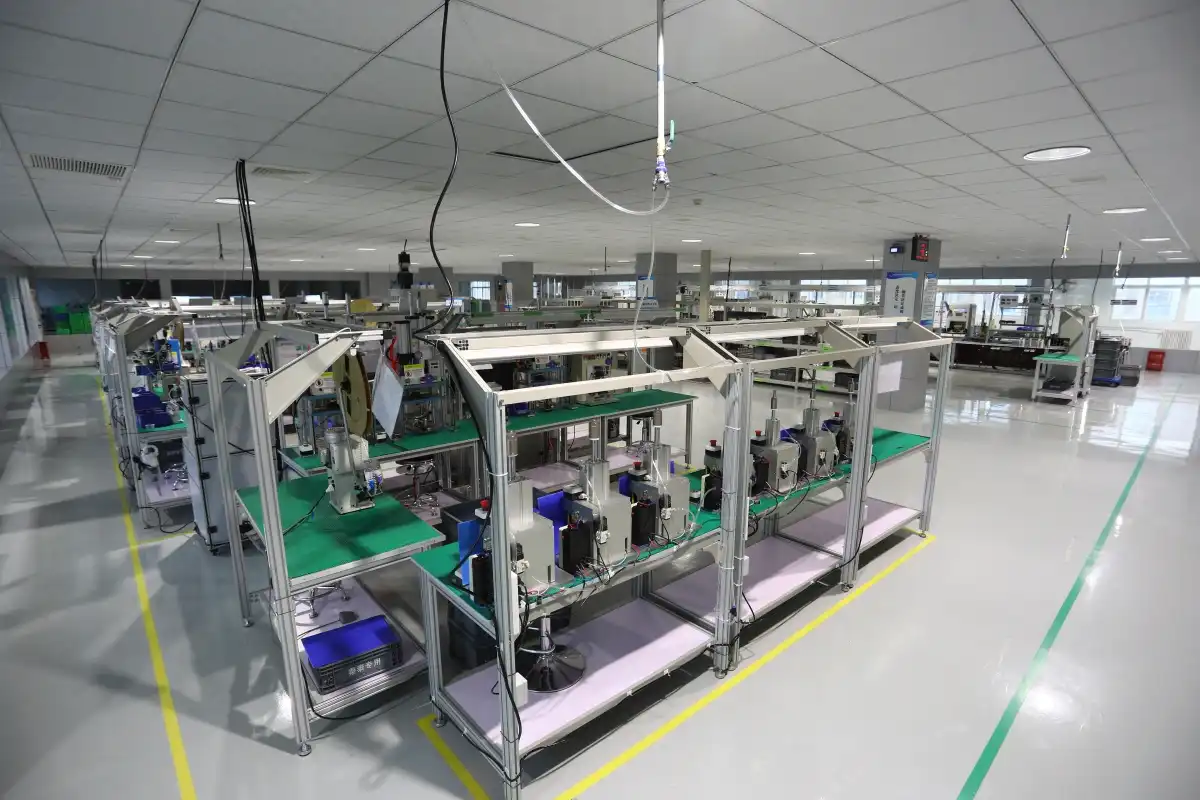
Procurement Insights: Pricing, Suppliers, and Purchase Options
Understanding Market Pricing and Cost Variables
Nitrogen oxide sensor pricing spans a wide range depending on application, performance specifications, and supplier positioning. Entry-level aftermarket sensors for light commercial vehicles may cost between 80 and 150 dollars per unit, while premium OEM components for heavy-duty trucks and construction equipment typically range from 250 to 600 dollars. Specialized industrial sensors with extended temperature ranges, enhanced durability, or custom communication interfaces can exceed 800 dollars. High-performance NOx sensors with these advanced features command similar pricing due to their critical role in accurate emissions monitoring, regulatory compliance, and long-term reliability in demanding engine or SCR system applications.
Beyond component acquisition cost, procurement managers must budget for installation labor, which varies based on sensor location and vehicle accessibility. Upstream sensors positioned near turbochargers or within confined engine compartments require more extensive disassembly and careful routing of wiring harnesses. Replacement intervals influence annualized costs, with high-quality sensors potentially lasting 300,000 miles in highway applications versus 100,000 miles for economy alternatives in severe-duty service.
Volume purchasing agreements with preferred suppliers deliver meaningful savings for organizations managing large fleets or production lines. Negotiated pricing structures might offer 15 to 25 percent discounts on orders exceeding predetermined quantity thresholds, with further reductions available through long-term supply contracts that guarantee minimum annual volumes. Packaging options including bulk shipments versus individually boxed units affect per-unit costs and inventory management efficiency.
Selecting Between OEM Suppliers and Distribution Partners
Direct relationships with original equipment manufacturers provide access to engineering expertise, customized product development, and priority allocation during supply chain disruptions. OEM partnerships suit equipment manufacturers integrating sensors into production lines, aftertreatment system developers requiring tailored specifications, and large fleet operators seeking comprehensive technical support. These relationships typically involve higher order minimums, longer lead times for customized products, and formal quality agreements that establish clear performance expectations.
Wholesale distributors and specialized parts suppliers offer advantages for smaller organizations or those requiring rapid fulfillment of standard components. Established distribution networks maintain inventory positioned near customer facilities, enabling same-day or next-day delivery that minimizes unplanned downtime. Experienced distributors provide value-added services including application guidance, cross-reference assistance for replacement parts, and consolidated shipments combining sensors with related components like wiring harnesses and mounting hardware.
Evaluation criteria for supplier selection should address multiple dimensions beyond pricing. Lead time reliability affects production planning and service operations, with consistent on-time delivery preventing costly expediting charges and schedule disruptions. Technical support capabilities matter when troubleshooting installation challenges or optimizing sensor performance within complex systems. Return policies, warranty claim procedures, and spare parts availability influence total cost of ownership throughout the product lifecycle.
The Value of Strong Supplier Partnerships
Long-term collaborative relationships with sensor manufacturers create competitive advantages that transcend individual transactions. Preferred suppliers gain deep understanding of customer applications, enabling them to recommend optimizations, suggest emerging technologies, and proactively address obsolescence issues before they impact operations. Engineering collaboration on custom sensor configurations delivers solutions precisely matched to unique requirements rather than forcing customers to compromise with standard catalog products.
Supply chain resilience depends on supplier financial stability, manufacturing capacity, and commitment to customer success during market disruptions. The global semiconductor shortage and recent supply chain volatility demonstrated that suppliers with diversified sourcing, adequate inventory buffers, and transparent communication kept customers operational while competitors struggled with extended backlogs. These partnerships prove particularly valuable for organizations operating under just-in-time manufacturing principles or managing geographically dispersed service operations.
Quality assurance programs that include supplier audits, incoming inspection protocols, and performance tracking systems protect against substandard components entering critical systems. Documented supplier certification processes demonstrate due diligence to regulatory authorities and customers while providing objective evidence of supply chain control. Organizations serious about emission compliance and operational reliability invest in supplier relationship management as a strategic capability rather than treating procurement as a purely transactional function.
Future Trends and Innovations in NOx Sensor Technology
Emerging Materials and Design Advances
Research into alternative sensing materials promises improved accuracy, faster response, and enhanced durability compared to conventional zirconia-based designs. Semiconductor metal oxide sensors utilizing tungsten oxide, titanium dioxide, or tin oxide compounds demonstrate sensitivity to nitrogen oxides at lower operating temperatures, potentially reducing power consumption and warm-up time. Electrochemical cells incorporating novel electrolytes and electrode materials show promise for miniaturized designs suitable for space-constrained installations.
Manufacturing innovations including thick-film printing, laser trimming, and advanced ceramic processing enable tighter tolerances and improved consistency across production volumes. These techniques support cost reduction while maintaining or improving performance characteristics, making premium sensor technology accessible to price-sensitive market segments. Integrated diagnostic functions built into sensor electronics provide self-monitoring capabilities that predict impending failures and optimize maintenance scheduling.
Protective coatings and advanced packaging technologies extend sensor lifespan in harsh environments. Porous barriers that filter particulate matter while allowing gas diffusion prevent contamination buildup on sensing elements. Hermetically sealed electronics modules resist moisture ingress and corrosive compounds that previously limited operational reliability. These durability enhancements directly address fleet operators' desire for longer service intervals and reduced maintenance costs.
Regulatory Pressures Driving Technology Adoption
Emission standards continue tightening globally as governments respond to air quality concerns and climate objectives. The Environmental Protection Agency has signaled intentions to further strengthen heavy-duty vehicle regulations, while California Air Resources Board has implemented aggressive timelines for near-zero emission requirements. European Stage VI standards and China's increasingly strict national standards create similar pressure for improved emission control worldwide.
These regulatory developments accelerate market demand for advanced sensor technology capable of meeting stricter accuracy requirements and extended durability standards. Equipment manufacturers unable to demonstrate robust emission performance face substantial penalties, recall obligations, and reputational damage that threaten market position. Consequently, investment in proven sensor technology becomes essential rather than optional for maintaining regulatory compliance and competitive viability.
Procurement strategies must anticipate these trends by selecting sensor suppliers with demonstrated regulatory expertise, strong engineering capabilities, and financial resources to invest in next-generation product development. Organizations that establish relationships with technology leaders position themselves to adopt advanced solutions quickly as regulations tighten rather than scrambling for alternatives when existing products become obsolete. Partnering with a NOx sensor supplier that meets these criteria ensures access to the latest emissions measurement technologies, reliable compliance support, and long-term system performance.
IoT Integration and Predictive Maintenance Opportunities
Connected vehicle technologies enable real-time sensor data collection across entire fleets, creating opportunities for sophisticated analytics that optimize maintenance strategies and improve operational efficiency. Cloud-based platforms aggregate information from thousands of sensors, identifying patterns that predict failures before they occur and recommending preventive interventions during scheduled service windows. These predictive maintenance approaches reduce unplanned downtime while extending component life through optimized operating conditions.
Machine learning algorithms trained on extensive sensor datasets detect subtle performance degradations that human technicians might overlook during routine inspections. Automated alerts notify fleet managers when specific vehicles show early failure indicators, enabling targeted inspections rather than blanket replacement schedules. Integration with telematics systems correlates sensor performance with operating conditions, driver behaviors, and maintenance histories to identify root causes of premature wear.
The sensor data provides valuable insights beyond maintenance optimization. Emission performance trends across vehicle populations help manufacturers validate design assumptions, identify warranty issues early, and demonstrate regulatory compliance through comprehensive field data. Operators gain visibility into actual aftertreatment system efficiency, fuel consumption impacts, and diesel exhaust fluid usage patterns that inform strategic decisions about equipment specifications, routing optimization, and replacement timing.
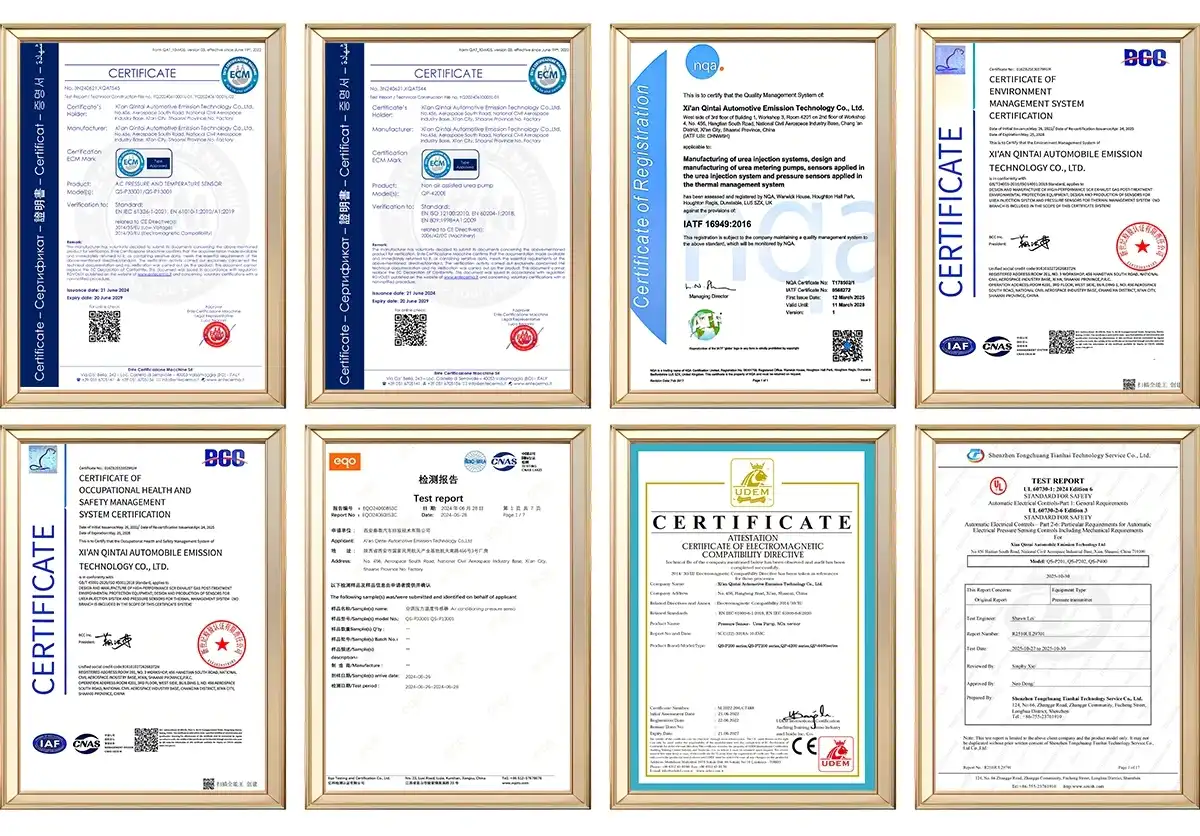
Conclusion
Nox sensor represent critical components that enable modern diesel engines to meet stringent emission regulations while maintaining performance and efficiency. Understanding their function, proper selection criteria, and maintenance requirements empowers procurement managers, engineers, and fleet operators to make informed decisions that optimize total cost of ownership. As environmental regulations tighten and technology advances, partnerships with capable sensor suppliers become increasingly important for maintaining competitive operations. Organizations that invest in quality components, establish robust supplier relationships, and leverage emerging diagnostic technologies position themselves for success in an evolving regulatory landscape.
FAQ
How long do NOx sensors typically last in heavy-duty applications?
Quality sensors in well-maintained diesel engines typically deliver 250,000 to 400,000 miles of service under highway duty cycles. Severe-duty applications involving frequent idling, stop-and-go operation, or exposure to contaminated fuel may experience shorter lifespans between 100,000 and 200,000 miles. Operating environment, maintenance practices, and sensor quality significantly influence actual durability. Regular inspection during scheduled maintenance helps identify degrading sensors before complete failure occurs.
Can I clean a contaminated NOx sensor instead of replacing it?
Manufacturers strongly discourage cleaning attempts because sensing elements are extremely delicate and sensitive to contamination. Chemical cleaners, physical contact, and moisture exposure often cause irreversible damage that compromises measurement accuracy even if the sensor appears functional after cleaning. The sophisticated calibration built into each sensor cannot be restored through field cleaning procedures. Replacement represents the only reliable solution when contamination affects sensor performance.
What causes false NOx sensor fault codes?
Several factors trigger fault codes even when sensors function properly. Exhaust leaks near sensor mounting points introduce ambient air that skews readings and generates implausible signal codes. Corroded electrical connections create intermittent communication failures that the ECU interprets as sensor malfunctions. Software calibration issues, particularly after ECU updates or replacements, may set inappropriate fault thresholds. Systematic diagnosis including exhaust system inspection, electrical testing, and software verification helps distinguish actual sensor failures from related system issues.
Do NOx sensors require calibration after installation?
Modern sensors include factory calibration data stored in integrated electronics, eliminating field calibration requirements during normal replacement procedures. The ECU automatically reads calibration parameters when the sensor initializes, configuring measurement algorithms appropriately. However, some advanced diagnostic tools offer adaptation procedures that optimize system performance after sensor replacement by commanding specific operating conditions while monitoring system response.
How do I verify I'm purchasing genuine OEM sensors versus counterfeits?
Purchase from authorized distributors with documented supply chain traceability rather than unknown online sellers offering prices substantially below market rates. Genuine sensors include proper branding, complete part numbers, and packaging with security features like holograms or QR codes linking to manufacturer verification systems. Request certificates of conformity that document regulatory compliance and manufacturing origin.
Partner with Qintai for Reliable NOx Sensor Solutions
Xi'an Qintai Automotive Emission Technology Co. Ltd. brings over two decades of specialized expertise in diesel engine SCR aftertreatment systems and high-precision sensors. As the leading NOx sensor manufacturer serving China's top engine producers including Weichai Power, Yuchai Power, and Quanchai Power, we understand the critical balance between regulatory compliance, operational reliability, and cost efficiency that procurement managers navigate daily.
We invite engine manufacturers, aftertreatment system integrators, and fleet operators seeking a dependable NOx sensor supplier to explore how our combination of proven technology, manufacturing excellence, and customer-focused service creates lasting partnerships. Contact our team at info@qt-sensor.com to discuss your specific requirements and discover how Qintai's emission control solutions help you achieve compliance objectives while optimizing operational performance.
References
1. Johnson, Timothy R. "Diesel Emission Control Technology: 2020 in Review." SAE International Journal of Engines, vol. 14, no. 2, 2021, pp. 125-149.
2. Environmental Protection Agency. "Heavy-Duty Highway Compression-Ignition Engines and Urban Buses: Exhaust Emission Standards." Code of Federal Regulations, Title 40, Part 86, 2022 edition.
3. Moos, Ralf, and Robert Müller. "Recent Developments in the Field of Automotive Exhaust Gas Sensors." Sensors and Actuators B: Chemical, vol. 346, 2021, pp. 130382-130401.
4. Zhang, Wei, and Andreas Velten. "NOx Sensor Reading Architecture and Diagnostic Strategy for Heavy-Duty Diesel Engines." Proceedings of the Institution of Mechanical Engineers, Part D: Journal of Automobile Engineering, vol. 235, no. 8, 2021, pp. 2134-2148.
5. Continental Automotive Technologies. "Nitrogen Oxide Sensors for Commercial Vehicle Applications: Technical Documentation and Service Guidelines." Continental AG Technical Publication Series, 2022.
6. Society of Automotive Engineers. "Surface Vehicle Recommended Practice J2403: Medium/Heavy-Duty E/E System Diagnosis Nomenclature." SAE Standards Collection, revised March 2021.

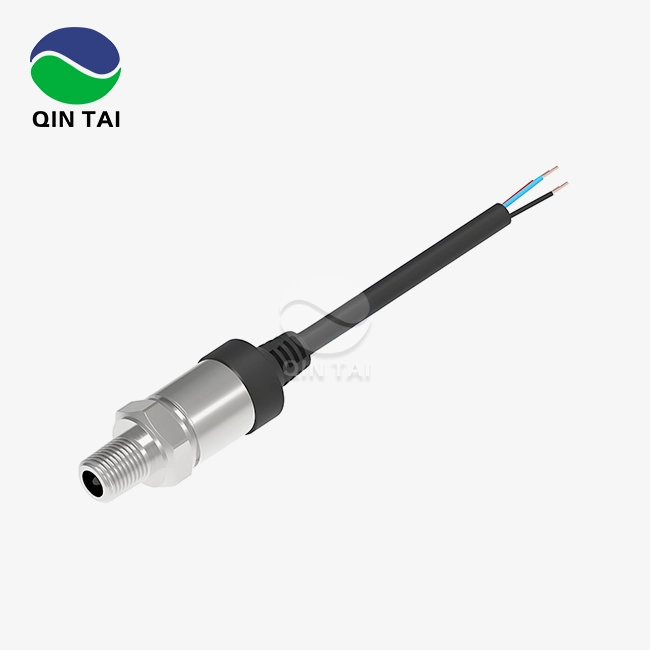

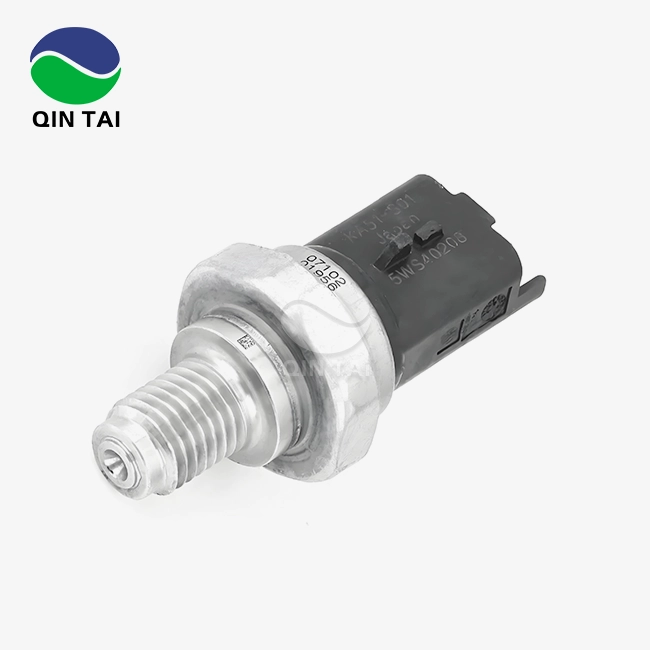

Our customers’ satisfaction speaks for our quality — contact us to experience the same reliable service.