- English
- French
- German
- Portuguese
- Spanish
- Russian
- Japanese
- Korean
- Arabic
- Greek
- German
- Turkish
- Italian
- Danish
- Romanian
- Indonesian
- Czech
- Afrikaans
- Swedish
- Polish
- Basque
- Catalan
- Esperanto
- Hindi
- Lao
- Albanian
- Amharic
- Armenian
- Azerbaijani
- Belarusian
- Bengali
- Bosnian
- Bulgarian
- Cebuano
- Chichewa
- Corsican
- Croatian
- Dutch
- Estonian
- Filipino
- Finnish
- Frisian
- Galician
- Georgian
- Gujarati
- Haitian
- Hausa
- Hawaiian
- Hebrew
- Hmong
- Hungarian
- Icelandic
- Igbo
- Javanese
- Kannada
- Kazakh
- Khmer
- Kurdish
- Kyrgyz
- Latin
- Latvian
- Lithuanian
- Luxembou..
- Macedonian
- Malagasy
- Malay
- Malayalam
- Maltese
- Maori
- Marathi
- Mongolian
- Burmese
- Nepali
- Norwegian
- Pashto
- Persian
- Punjabi
- Serbian
- Sesotho
- Sinhala
- Slovak
- Slovenian
- Somali
- Samoan
- Scots Gaelic
- Shona
- Sindhi
- Sundanese
- Swahili
- Tajik
- Tamil
- Telugu
- Thai
- Ukrainian
- Urdu
- Uzbek
- Vietnamese
- Welsh
- Xhosa
- Yiddish
- Yoruba
- Zulu
Industrial Applications of Urea Pressure Sensors
Urea pressure sensors are very important for keeping an eye on SCR (selective catalytic reduction) systems because they measure the exact pressure of urea solution (also known as AdBlue or DEF) while it is being dosed. These sensors make sure that the correct amount of fluid is delivered from the pump to the injection nozzle. This helps diesel engines reduce NOx pollution and meet emission standards. These sensors work in harsh settings and give real-time feedback to control units. They protect against overpressure or leakage and allow closed-loop dosing control in heavy trucks, construction equipment, farming machinery, and power generation.
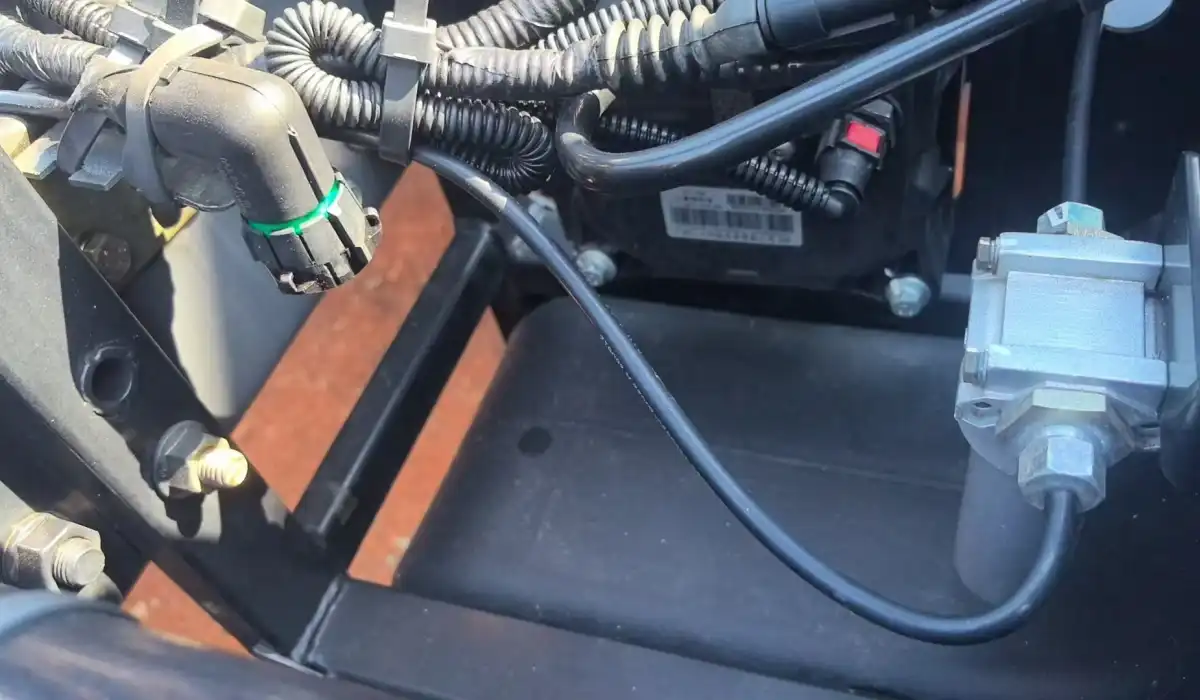
Understanding Urea Pressure Sensors in Industrial Settings
What Makes Urea Pressure Sensors Essential for Emissions Control?
The main job of a urea pressure sensor is to keep both the surroundings and the tools safe. Nitrogen oxides are toxic pollutants that are released when diesel engines burn fuel. They add to smog and breathing problems. SCR systems put a carefully measured amount of urea solution into the exhaust stream. The urea solution breaks down NOx into nitrogen and water vapor, which are safe for the environment. Without accurate pressure tracking, the system runs the risk of either not dosing enough (which would be against the rules) or dosing too much (which would waste solution and could damage catalysts).
Manufacturers of modern diesel engines have to follow strict rules, such as EPA standards in the US, Euro VI standards in Europe, and China VI rules in China. To meet these needs, sensors must be able to record pressures from 0 to 10 bar and keep their accuracy within ±2% even when temperatures change from -40°C to 125°C. The type of measurement technology is very important. Piezoelectric sensors respond quickly to changes in pressure, capacitive designs are very stable at high and low temperatures, and resistance variations are cheap and good for less demanding uses.
Technical Specifications That Drive Performance
Chemical protection is by far the most important thing to think about. Even though urea solutions are based on water, they solidify quickly when they come into contact with air or changes in temperature. This makes corrosive chemicals that break down common materials. High-quality housings made of stainless steel (like 316L) and special urea-grade metals keep the inside parts from breaking down. Diaphragm seals keep sensitive electronics from coming into direct touch with media, which greatly increases their working lifespan.
Integration Challenges in Real-World Systems
Total cost of ownership is directly related to how long something lasts. When sensors are placed close to diesel particulate filters or exhaust pipes, they are constantly vibrating, the temperature changes, and there are sometimes pressure spikes. Industrial-grade designs have electronics that can last 500,000 kilometers or 10,000 hours of use without breaking. They have strengthened mounting brackets, vibration-dampening elements, and tightly sealed electronics. This durability is especially useful for mining equipment or ships that are far away and where unexpected repair can cause big problems with operations.
Pay close attention to signal compatibility when adding sensors to SCR designs that are already in place. Most control units in cars and factories want either analog voltage outputs (0–5V) or digital CAN bus communication methods. If you choose sensors with connections that can be changed, you can avoid expensive system redesigns. Response time also impacts how well the system works. For example, sensors need to be able to pick up changes in pressure within 50 milliseconds so that exact dosing adjustments can be made when the engine is under dynamic load.
Sealing the environment keeps wetness out and dust from building up. Ratings of IP67 or IP69K make sure that the device will work reliably even when it is being washed with high-pressure water, which is typical in building and farming. Electrical links with gold-plated contacts don't rust in damp places, and strain-relief cable glands keep wires from breaking when they are bent over and over again.
Industrial Applications and Benefits of Urea Pressure Sensors
Heavy-Duty Trucking and Commercial Vehicles
Long-haul trucks are the main type of vehicle that uses urea pressure sensors in SCR systems. Fleet managers put equal importance on following the rules and saving fuel, so sensor dependability is a must. One bad sensor can set off engine derate modes that cut power output to 50%, leaving vehicles stuck and messing up transport plans. By keeping track of pressure data over time, quality sensors allow predictive maintenance methods that show how pumps are slowly breaking down before they fail completely.
We've seen truck managers cut the amount of urea they use by 8–12% after installing precise sensors. This is an improvement because over-dosing is no longer possible, which happens when control systems try to fix wrong pressure readings. At the current price of about $3.00 per gallon of DEF in the US, a fleet of 100 vehicles driving 100,000 miles per year on average can save about $45,000 per year just by using the right amount of fluid.
Construction and Mining Equipment
Off-road equipment has to work in very harsh situations, like dust clouds, high temperatures, constant vibration, and repair schedules that aren't always the same. Excavators, bulldozers, and haul trucks often work 12-hour shifts in places where broken parts cost a lot of money to fix. Sensors made for these uses have extra-strong housings and can work in temperatures ranging from -40°C to 150°C.
Sensors with built-in self-diagnostics are useful for mining activities. When pressure readings move outside of what is considered standard, the sensor sends out warning codes before they hit critical failure levels. This early warning system lets maintenance teams schedule fixes for planned breaks instead of having to deal with breakdowns that happen out of the blue and stop all work on a site.
Agricultural Machinery
To meet Tier 4 Final pollution rules in North America, more and more modern tractors and combine harvesters use SCR technology. Agricultural equipment has its own problems, like operating during certain times of the year, being exposed to chemicals and fertilizers, and operators who don't want to follow complicated upkeep steps. Farmers like sensors that don't need to be calibrated very often and have easy-to-follow repair steps.
It's not possible for machines to break down during harvest time. When the weather is perfect, a combine machine that isn't being used wastes thousands of dollars every day in lost production. Agricultural OEMs have a competitive edge in markets where equipment reliability drives brand loyalty when they use sensors with failure rates below 0.5% over 5,000-hour service intervals.
Stationary Power Generation
Generator sets that provide backup power to data centers, hospitals, and factories need to be completely reliable. Industrial-grade sensors with long warranties and mean-time-between-failure rates of more than 50,000 hours are often needed for these uses. Stationary generators, unlike mobile apps, have stable mounting conditions and controlled weather exposure, which lets sensors work for as long as they can.
Power plant workers keep an eye on how well sensors are working by using networked control systems that record thousands of data points every hour. This huge amount of data makes it possible for complex predictive maintenance algorithms to find patterns of degradation across whole groups of sensors. This helps with choices about what to buy and when to do maintenance across multiple sites.
How to Choose the Best Urea Pressure Sensor for Your Industrial Needs?
Evaluating Technical Requirements
By matching urea pressure sensor capabilities to application needs, you can avoid both over-specification (which wastes money on features that aren't needed) and under-specification (which increases the risk of failure before its time). Start by writing down your working conditions, such as the highest system pressure (usually 5–10 bar for car SCR), the temperature range, the amount of vibration (in G-forces), and how long you expect the part to last.
Different applications have different accuracy needs. Most of the time, ±2% full-scale accuracy is needed for emissions compliance, but ±5% may be fine for less important uses. More accurate sensors cost 30 to 50 percent more, but they're worth it because they use less urea and fail emissions tests less often. Uncompensated sensors can drift by 3–5% over a 100°C temperature swing, making temperature correction essential for equipment working over wide thermal ranges.
Comparing Supplier Capabilities
Different strengths are brought to the market by global sensor makers. Precision engineering and full certifications (CE, ATEX for explosive atmospheres, and IATF 16949 for vehicle quality management) are things that European providers usually put a lot of emphasis on. Asian manufacturers are offering more and more affordable options by being able to mass-produce well and offer quick customization services.
In addition to the sensor itself, you should also look at the supplier's help systems. Quality of technical documents, access of application engineers, and speed with which changes are made are often more important than small differences in performance. Suppliers who give reference designs, installation guides, and debugging flowcharts cut down on engineering time and speed up the integration process.
Procurement Considerations for B2B Buyers
Structures for price based on volume have a big effect on total cost. When compared to small-batch purchases, ordering 1,000 units usually cuts the cost per piece by 25 to 35 percent. But wait times for custom specs can be 12 to 16 weeks, so it's important to be very good at predicting demand. By making framework deals with chosen sellers, you can guarantee priority production slots and fixed prices, even if the commodity market changes.
In businesses that are controlled, quality certifications are very important. ISO 9001 shows basic quality management, while IATF 16949 talks about the needs of the car industry, covering things like production part approval processes (PPAP) and advanced product quality planning (APQP). Suppliers with these qualifications know how strict the paperwork needs to be for OEM qualification.
Installation, Troubleshooting, and Maintenance of Urea Pressure Sensors
Proper Installation Techniques
If you mount the urea pressure sensor correctly, air bubbles won't build up in the pressure ports, which would otherwise cause numbers to be all over the place. Most sensors say to place them vertically so that the pressure port faces downward. This lets air leave naturally while the system is priming. It's also important to choose the right thread glue. Only use substances that are compatible with urea; regular PTFE tape can break down and contaminate the system.
Pay close attention to electrical lines. Electromagnetic radiation from close electric motors or ignition systems can't get through shielded wires. When you ground something properly, you get rid of ground loop currents that mess up analog data. Keep wires away from high-current wiring and avoid making sharp turns that put stress on conductors near connection points when you're directing them.
Diagnostic Procedures for Common Issues
When pressure values are off, it's usually because air is getting in or some urea crystals are blocking the pressure ports. The first step in a systematic analysis is to check the input voltage at the sensor connector, which is usually 5V ± 0.25V. Next, compare the signal output to what you thought it would be. Most sensors produce 0.5V at atmospheric pressure and increase linearly to 4.5V at the highest recommended pressure. Sensor shift or calibration loss is suggested by deviations.
Complete signal loss means that the wire is broken or the electronics inside aren't working right. Check the connection between the sensor and the control unit with a tester to see if there are any shorts to ground or open circuits. Resistance readings taken across the sensor's power pins (usually between 1 and 5 kΩ for resistive bridge sensors) show that the circuit inside is working properly.
Extending Operational Lifespan
Regular system repair keeps sensors from breaking down too soon. Quality of urea has a direct effect on how long a sensor lasts; solution that is contaminated or not up to standard speeds up rust and crystallization. Always use diesel exhaust fluid (DEF) that meets ISO 22241 standards and is kept in approved cases to keep it from getting contaminated. To protect both injectors and sensors, urea filters should be changed at times recommended by the maker.
Measurement precision is kept up by checking the standards on a regular basis. Most industrial sensors don't need to be calibrated in the field, but using a calibrated pressure gauge to compare results to known reference pressures at regular service intervals can find drift before it affects the system's performance. To set up trending data, write down the standard numbers that were taken during the initial installation.
Future Trends and Innovations in Urea Pressure Sensor Technology
Smart Sensors with Embedded Intelligence
Newer urea pressure sensors have microprocessors built in that do diagnostics on the board, adjust for changes in temperature in real time, and send full state information over a CAN bus or LIN protocol. By keeping an eye on internal factors like bridge resistance and signal noise levels, these smart sensors can tell when they are breaking down and give you plenty of time to prepare.
The costs of service are changed by predictive repair. Instead of replacing sensors on set dates no matter what state they are in, fleet managers get suggestions based on the real health of each component. This condition-based repair cuts down on the cost of keeping extra parts on hand and stops unexpected breakdowns. After putting smart sensor technology on 2,000 trucks, one large fleet provider said that upkeep costs for sensors went down by 40%.
Regulatory Drivers Accelerating Adoption
Environmental laws are getting stricter all over the world. The Advanced Clean Trucks rule in California requires more and more zero-emission vehicle sales, but it also recognizes that diesel engines will still be widely used in heavy-duty uses until 2035. This longer diesel timeline makes more people want strong pollution control parts, like precise sensors.
European Union Stage V rules for mobile equipment that isn't used on roads, like building and farming tools, set even stricter NOx limits than the earlier rules. To meet these needs without making SCR systems too big, measurements must be accurate enough to make doses work best in all situations. When sensor makers work to make their products more accurate, they gain a competitive edge as OEMs look for ways to meet safety standards.
Partnerships Between Technology Innovators
Leading sensor suppliers work together with SCR system developers more and more in the early stages of design. These partnerships speed up development by finding problems with integration before committing to making tools for production. When people work together on a project, they can often make application-specific sensor variants that work better with certain engine families or working situations than generic market products.
Progress in material science makes it possible for next-generation ideas. More research into clay sensor elements should lead to better resistance to chemicals and higher temperature capabilities. Graphene-based pressure sensor technologies are being worked on and have the potential to be much more sensitive and smaller than ever before. However, they won't be available to the public for several years. By staying in touch with creative providers, you can get new technologies as soon as they are ready for production.
Conclusion
A urea pressure sensor is essential in diesel-powered businesses because they make sure that emissions rules are followed and operations are run as efficiently as possible. To make good procurement choices, you need to know about technical specs, application requirements, and the supplier's skills. When sensors are installed and maintained correctly, they last longer and give more accurate readings. As rules get stricter and technology improves, it becomes more useful to work with experienced manufacturers who can show they have both technical skills and the ability to make a lot of things. The sensors that check the quality of our air will change a lot in the next few years. This means that choosing a provider is a strategic choice that will have long-term effects on how well equipment works and how well we take care of the environment.

SENSOR+TEST, June 9 – 11, 2026
We look forward to your visit!
Get your free ticket online now:
https://www.sensor-test.de/service/ticket/?52790
FAQ
What accuracy level should I specify for emissions compliance applications?
Most government bodies say that SCR systems have to keep their NOx conversion rate above 90% at all times. To reach this level of efficiency, urea pressure sensor measurements usually need to be accurate to within ±2% of full scale. Sensors meeting this specification ensure proper urea dosing during transient engine conditions like rapid acceleration or load changes. Applications that don't need as much accuracy may be able to use cheaper sensors with an accuracy of ±5%. Always check the accuracy standards of the sensor across the whole temperature range it will be used in. Some makers only say how accurate the sensor is at 25°C in a lab.
How do I know if a supplier can meet my customization needs?
Ask for specifics about the supplier's technical skills and unique projects they've worked on in the past. Application engineering teams are kept by reputable makers who can change electrical connectors, pressure ranges, mounting configurations, or communication methods. Ask for case studies that show how similar changes were made. Turnaround time for prototypes shows how quick a provider is; experienced suppliers usually send custom models within 4 to 6 weeks. Check to see if the seller has the right quality certifications, such as IATF 16949, which requires written design change processes and validation methods that are necessary for customization projects to go smoothly.
What warranty terms and after-sales support should I expect?
For industrial sensors, the standard guarantee term is between 12 and 24 months. For higher-end products, some makers offer longer warranties. Most warranties cover problems with the way the product was made, but not problems caused by bad fitting, contaminated media, or using it beyond what it was designed to do. In addition to the length of the warranty, you should also look at the supplier's expert help system. Troubleshooting goes faster when you can talk to application developers who know your business. Suppliers with local stores can send replacements more quickly than those who have to ship every order abroad.
Partner with Qintai for Premium Urea Pressure Sensor Solutions
Qintai Automotive Emission Technology Co., Ltd. is the biggest company in China that makes urea pressure sensors. Weichai Power, Yuchai Power, and Quanchai Power all buy from them. We've been specializing in SCR aftertreatment systems and pollution sensors since 2001, giving us more than twenty years of technical experience. Our ISO 9001 and IATF 16949 certifications show that we always provide high quality products, and our 58 design patents show that we are always coming up with new ideas. We offer full OEM and ODM services that allow for customization from the first planning phase through mass production, making sure that our sensors exactly meet your needs.
Our independent research and development team makes goods that can work in the toughest industrial settings and still keep the accuracy of measurements that are needed to meet emissions standards. Qintai offers reliable sensor options and quick technical help, whether you're making heavy-duty trucks, building equipment, farm equipment, or stationary power generation systems. Email our team at info@qt-sensor.com to talk about your particular needs. We will work closely with your engineering and purchasing teams to come up with urea pressure sensor options that will help you control emissions better while keeping costs low.
References
1. Johnson, M. R. & Williams, T. A. (2021). Pressure Measurement Technologies for Automotive SCR Systems. SAE International Technical Paper Series, Paper No. 2021-01-0589.
2. Zhang, L., Schmidt, K. & Patel, R. N. (2020). Material Selection for Urea-Compatible Pressure Sensors in Diesel Exhaust Applications. Journal of Automotive Engineering, 234(8), 1847-1862.
3. European Commission Directorate-General for Environment. (2019). Euro VI Heavy-Duty Vehicles: Emissions Testing and Compliance Requirements. Publications Office of the European Union, Brussels.
4. Anderson, P. & Chen, Y. (2022). Predictive Maintenance Strategies for SCR System Components in Commercial Fleets. International Journal of Vehicle Systems Modelling and Testing, 16(2), 145-168.
5. United States Environmental Protection Agency. (2020). Diesel Exhaust Fluid Quality Standards and SCR System Performance. EPA Technical Report EPA-420-R-20-008, Washington, DC.
6. Mueller, H., Tanaka, S. & Rodriguez, C. (2021). Advanced Sensor Technologies for Next-Generation Emissions Control Systems. Sensors and Actuators A: Physical, 328, 112745.
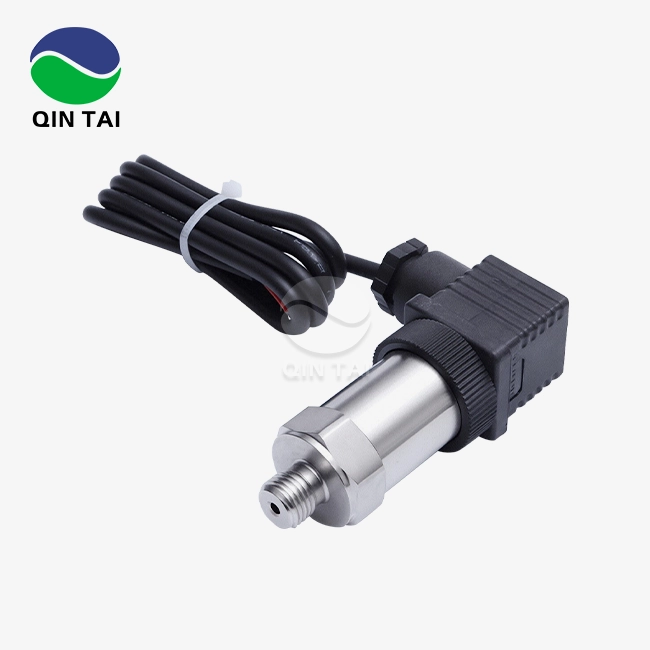
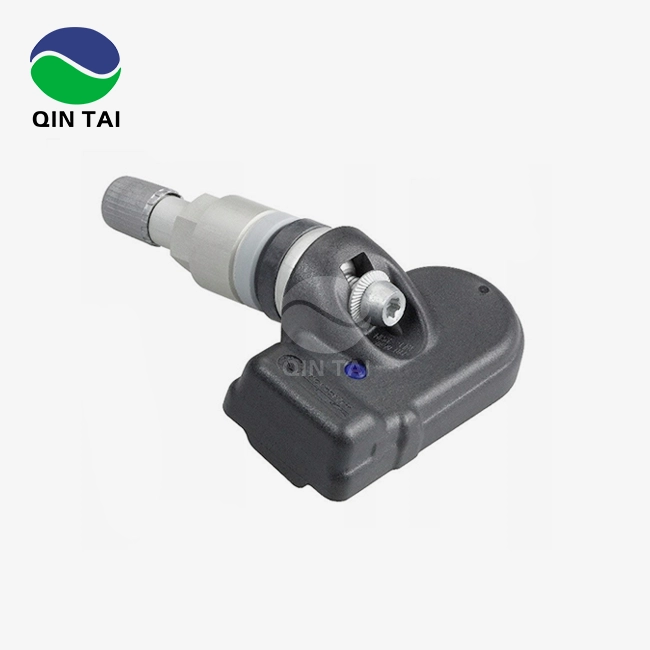
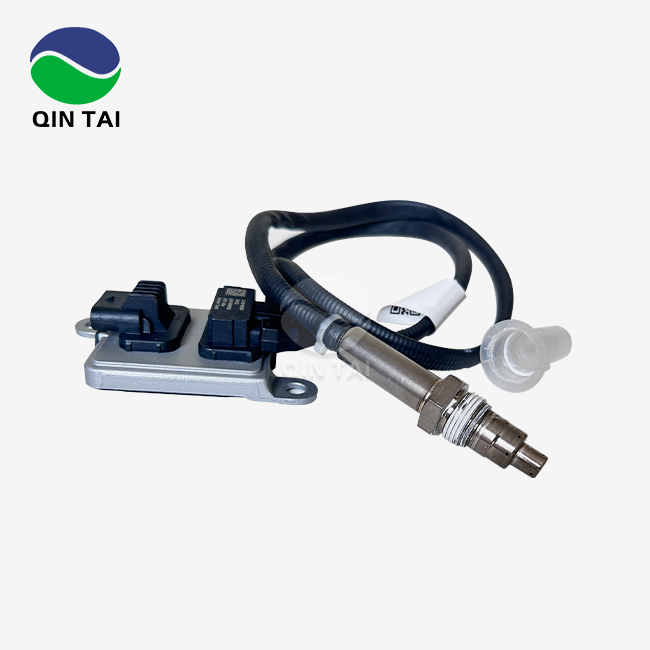

Our customers’ satisfaction speaks for our quality — contact us to experience the same reliable service.