- English
- French
- German
- Portuguese
- Spanish
- Russian
- Japanese
- Korean
- Arabic
- Greek
- German
- Turkish
- Italian
- Danish
- Romanian
- Indonesian
- Czech
- Afrikaans
- Swedish
- Polish
- Basque
- Catalan
- Esperanto
- Hindi
- Lao
- Albanian
- Amharic
- Armenian
- Azerbaijani
- Belarusian
- Bengali
- Bosnian
- Bulgarian
- Cebuano
- Chichewa
- Corsican
- Croatian
- Dutch
- Estonian
- Filipino
- Finnish
- Frisian
- Galician
- Georgian
- Gujarati
- Haitian
- Hausa
- Hawaiian
- Hebrew
- Hmong
- Hungarian
- Icelandic
- Igbo
- Javanese
- Kannada
- Kazakh
- Khmer
- Kurdish
- Kyrgyz
- Latin
- Latvian
- Lithuanian
- Luxembou..
- Macedonian
- Malagasy
- Malay
- Malayalam
- Maltese
- Maori
- Marathi
- Mongolian
- Burmese
- Nepali
- Norwegian
- Pashto
- Persian
- Punjabi
- Serbian
- Sesotho
- Sinhala
- Slovak
- Slovenian
- Somali
- Samoan
- Scots Gaelic
- Shona
- Sindhi
- Sundanese
- Swahili
- Tajik
- Tamil
- Telugu
- Thai
- Ukrainian
- Urdu
- Uzbek
- Vietnamese
- Welsh
- Xhosa
- Yiddish
- Yoruba
- Zulu
Urea Pressure Sensor vs Other Pressure Sensors
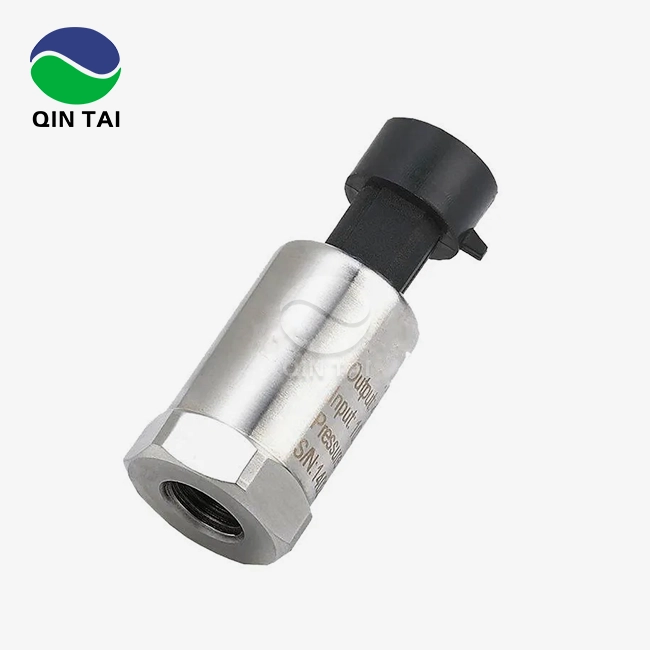
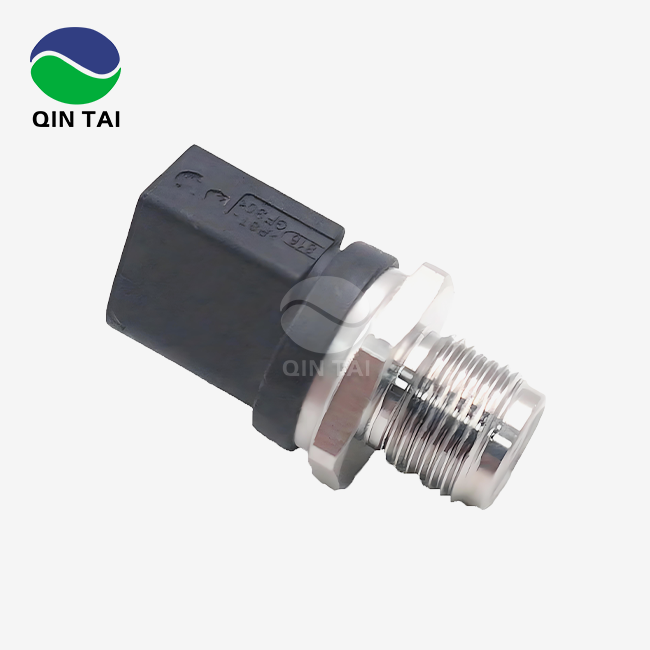
It's important to know the difference between a urea pressure sensor and regular pressure sensors when looking at ways to measure pressure for emission control systems. A urea pressure sensor, which is also called an AdBlue pressure sensor, is designed to work with diesel exhaust fluid (DEF) in SCR systems, which is very corrosive. In contrast to regular pressure sensors made for hydraulic oil or air, these specialized devices are made of materials that are resistant to chemicals and are precisely calibrated to ensure accurate dosing control. This basic difference has a direct effect on how well NOx is reduced, how long the system lasts, and how well it meets regulations in heavy-duty diesel uses.

Introduction
Over the years, pressure sensors have become essential parts in many industries, from making cars to making electricity. In the world of diesel engine aftertreatment, accurate pressure measuring is what tells pollution systems if they meet stricter rules like EPA standards and Euro VI requirements. The urea dosing pressure sensor is very important in Selective Catalytic Reduction (SCR) technology because it allows for precise tracking that ensures the catalyst works at its best and keeps engine parts clean.
At Xi'an Qintai Automotive Emission Technology, we know how hard it is for buying managers and R&D workers to choose the right pressure measuring devices. Our team has been specializing in SCR aftertreatment systems and sensor technologies since 2001. We work directly with companies that make big trucks, building equipment, and generator sets. This detailed guide talks about the technical and business factors that make urea-specific sensors different from other ways to measure pressure. Our goal is to give B2B workers useful information that makes evaluating suppliers easier, lowers the risks of buying things, and improves the dependability of tools in tough working conditions.
Understanding Urea Pressure Sensors and Their Functionality
Core Operating Principles
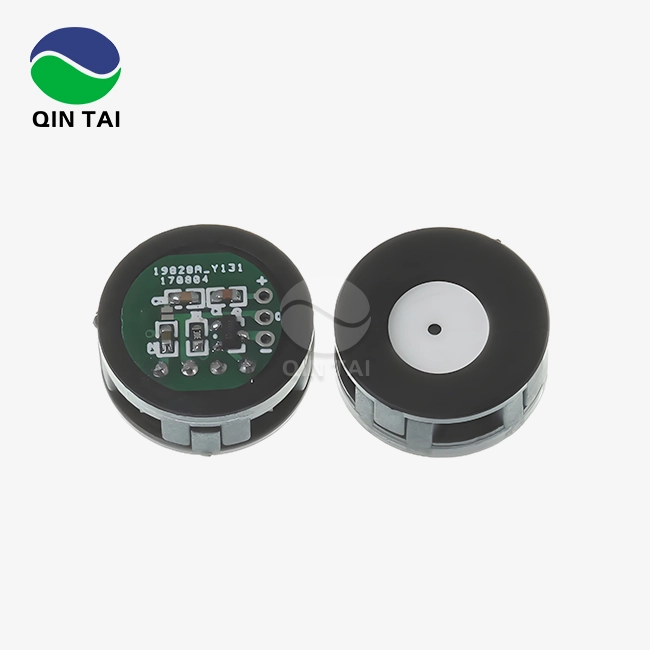
Diesel exhaust fluid (DEF) has specific chemical properties that make it necessary for pressure sensors made for urea dosing systems to use specific measurement technologies. Most sensors used in cars use piezoresistive elements, which have tiny strain gauges built into silicon diaphragms that pick up on deformation caused by pressure. When the urea solution touches the urea pressure sensor element, the pressure changes the resistance in a way that can be measured. Electronic circuits then turn these changes into standard output signs.
Different versions use capacitive sensing to measure how the distance between two electrical plates changes when the pressure changes. Each technology has its own benefits. For example, piezoresistive sensors tend to have faster reaction times that are good for making dynamic dosing changes, while capacitive versions are better at keeping their temperature stable in harsh environments.
An important technical issue to think about is what kind of material to use for wet parts. DEF is mostly urea (32.5%), which makes it a slightly alkaline fluid that eats away at stainless steels over time. Specialized metals, like 1.4466 urea-grade steel or ceramic diaphragms that don't crystallize or break down chemically, are used in high-performance sensors.
Built-in heating parts keep the solution from freezing during cold-start conditions, so measures stay accurate even when the temperature outside is -11°C. Digital output sensors are becoming more popular in OEM applications because they offer better signal integrity through standards like LIN bus or CAN communication, which lowers the risk of electromagnetic interference that is common in car electrical systems.
Application-Specific Design Features
Modern SCR sensors can do more than just measure pressure. They also have a number of troubleshooting features that help with closed-loop control techniques. During operation, the sensor constantly checks the pressure in the supply line between the dosing pump and the injection tip. During this time, the pressure is usually between 3 and 10 bar. This real-time input lets the engine control unit (ECU) control the speed of the pump, account for wear on parts, and find problems in the system like clogged injectors or blocked lines. Modern sensor designs use temperature compensation methods that keep the sensors accurate from -40°C to 85°C, which is the temperature range that car makers specify.
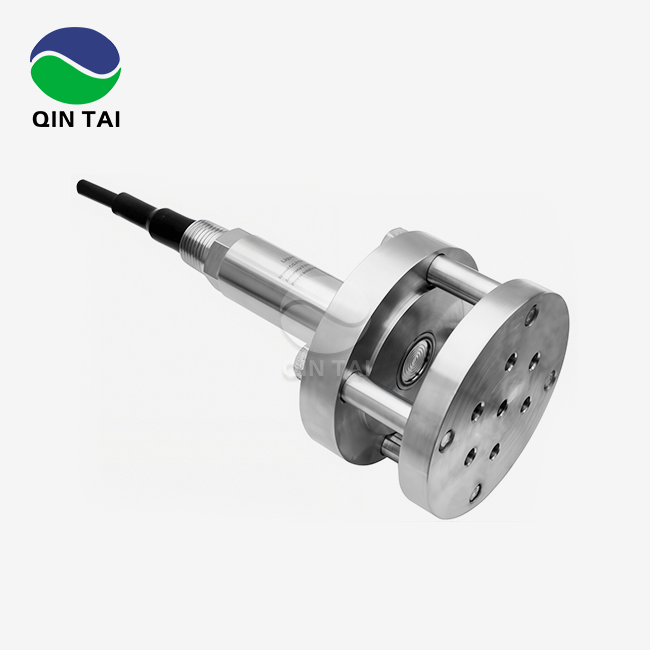
Installation settings change depending on what the program needs. Automotive SCR systems put sensors right on the body of the dosing module. This keeps pressure drop to a minimum and speeds up response time. In factories, things like generator sets and fixed power equipment often use sensors that are placed far away and have stainless steel capillary tubes to keep the electronics from being affected by engine vibration. The sensor's mechanical interface, which is usually made up of M12 or M14 metric pins, needs to be able to consistently seal against temperature changes and vibrations while still letting the sensor be serviced without contaminating the system. We've seen that using the right fitting torque limits stops both undertightening fails and overtightening damage to the sensing element, which are problems that often make aftermarket sensors less reliable.
Comparing Urea Pressure Sensors with Other Pressure Sensors
Chemical Compatibility and Material Engineering
When exposed to the harsh chemicals in urea solution, standard industrial pressure sensors made for hydraulic or gas uses quickly stop working. After less than 500 hours of use in DEF, standard 316L stainless steel diaphragms show pitting rust and stress breaking. When urea crystallizes on detecting surfaces, it stops the diaphragm from moving properly, which leads to measurement errors and, eventually, sensor failure. Purpose-built urea pressure sensor solutions solve these problems by using special combinations of materials that make them last longer than 10,000 hours of continued use.
When urea-resistant sensors are made, they go through strict quality checks that aren't used on general-purpose pressure detectors. Laser methods are used in diaphragm welding to get rid of cracks where crystallization can start. Sealing technologies change from using regular O-rings to using molded-in-place elastomers that don't break down in urea. Electronic parts are protected against moisture and chemical vapors getting in by a conformal covering. These better standards mean that each unit costs more, but the total cost of ownership is much lower because upkeep tasks are cut down and system uptime is increased.
Performance Metrics and Reliability Considerations
Specifications for measurement accuracy show another important difference between sensor types. Most general-purpose pressure sensors are accurate to within ±1.0% of the full scale, which is good enough for tracking hydraulics but not good enough for exact urea dosing control. Tolerances for SCR sensors are much tighter, at least ±0.5%. This makes sure that dosing mistakes stay within the narrow range needed for catalyst performance. Temperature-induced span shifts, which are changes in sensor output across working temperatures, must stay below 0.2% per 10°C to keep problems from happening with too much or too little dosage. Every sensor design goes through rapid life testing that simulates five years of field use. This includes methods for temperature cycling, vibration exposure, and chemical immersion that regular sensors can't handle.
Response time features have a direct effect on how well emission control works when engine conditions change quickly. To keep stoichiometric ammonia-to-NOx ratios at the catalyst outlet during acceleration events, dosing needs to be changed quickly. Industrial process sensors usually have reaction times of 100 milliseconds or more, but urea dosing sensors can change their pressure readings in 10 to 20 milliseconds. This quickness stops the dosing lag that leads to ammonia slip or incomplete NOx conversion when the load changes. Signal conditioning electronics use complex filtering techniques to tell the difference between changes in real pressure and noise caused by vibrations. This is something that sensors meant to be installed in one place often don't have.
Digital vs. Analog Signal Technologies
A big step forward in SCR sensor technology is the switch from analog voltage outputs to digital transmission methods. Traditional 0.5-4.5V ratiometric sensors need to store calibration data in the engine control unit (ECU), which makes replacement more difficult and limits the ability to diagnose problems. Modern digital sensors with built-in microprocessors store calibration factors internally. This makes it possible to replace them with a new one that just plugs in. They also send a lot of troubleshooting information, like the temperature of the sensor, fault codes, and the number of hours it has been running. This intelligence makes system fixing easier and helps with proactive maintenance plans that lower the number of breakdowns that happen out of the blue.
Digital interfaces also get rid of worries about voltage drop in long cable runs, which is a problem that analog sensors always have in big building equipment and generator settings. LIN bus communication lets several sensors share a single two-wire link, which makes the circuit simpler and easier to repair. On the other hand, the cost of the parts goes up, and the system becomes more complicated, needing special diagnosis tools. For OEM applications that value long-term dependability and full troubleshooting, we suggest digital sensors. On the other hand, analog designs are still a good value for aftermarket repairs where current control systems don't have digital communication capabilities.
Procurement Considerations for Urea Pressure Sensors
Evaluating Supplier Capabilities and Certifications
To find a good urea pressure sensor provider, you need to look at both their professional skills and how mature their quality system is. Leading makers keep certifications like IATF 16949 for car quality standards, ISO 9001 for general quality management, and REACH and RoHS guidelines for environmental compliance. These licenses give you peace of mind that the manufacturing process includes the right controls to make sure that the products are consistent and can be tracked. IATF 16949 requires statistical process control, improved product quality planning, and production part approval methods that lower the risk of defects during mass production. These are especially important for parts that need to be low in emissions.
In addition to certifications, procurement teams should look at the technical tools and application help that suppliers offer. In order for technical data sheets to be full, they need to list all environmental grades, such as chemical protection, electromagnetic compatibility, and vibration tolerance. Suppliers who have their own testing labs can make sure that their products are compatible with certain types of urea and give you data from rapid aging that lets you guess how reliable they will be in the field.
We offer a lot of application tech support to help users choose the right sensors, figure out how to integrate their systems, and figure out what went wrong when they're having performance problems. This method of technical teamwork works especially well for aftertreatment system integrators who are making custom SCR solutions that need sensors that aren't set up in the usual way.
Pricing Structures and Order Flexibility
The price of a urea dosing sensor depends a lot on the level of technology, the amount that is being made, and the level of customization that is needed. Entry-level analog sensors for aftermarket use usually cost between $25 and $60 per unit in modest quantities. On the other hand, expensive digital sensors with advanced diagnostics cost between $80 and $150 per unit for OEM requirements. When making procurement plans, it's important to weigh the unit cost against the total costs of ownership, which include warranty claims, field failures, and changes in customer happiness. We've seen that deciding where to get something based only on the price at first often leads to higher costs over time when bad sensors need to be replaced more often or cause system failure.
Another thing to think about when considering sellers is the minimum order quantity. Large automakers discuss blanket buy agreements that include staged deliveries that work with production plans. These agreements usually require annual promises of 10,000 units or more. Smaller equipment makers and sellers of aftermarket goods need suppliers who can handle orders of 100 to 1,000 pieces without taking too long to deliver. Custom sensor setups with specific electrical connections, pressure ranges, or mounting dimensions often need to spend money on tools and go through validation processes for prototypes that last 12 to 16 weeks before they can be put into production. We offer OEM services for both standard, high-volume goods and unique variations that are needed for specific uses in the marine propulsion, industrial power generation, and farming machinery industries.
Technical Support and After-Sales Service
Respondent technical help is what sets experienced sensor makers apart from suppliers of generic sensors. As part of pre-sales engineering help, the application should be analyzed, suggestions for sensors should be made based on working parameters, and compatibility with current system parts should be confirmed. Customers need to be able to view 3D CAD models, pressure-temperature performance curves, and electromagnetic compatibility test results during integration in order to support system-level certification. Post-sales support includes help with fixing problems, handling warranty claims, and working together to make things better when data from the field shows that the plan could be better.
Delivery dependability is affected by the global supply chain, especially for customers in other countries. We keep smart amounts of goods on hand so that we can quickly meet urgent needs. For catalog items, regular lead times stay at 4 to 6 weeks. In an emergency, express production runs can be used, but there are extra costs for this type of service. Technical literature that is available in more than one language makes integration easier for customers from different countries, and regional sales support makes sure that contact is appropriate for each time zone. All of these parts of the service lower the risks of buying things and help build long-term relationships with suppliers, which are important for keeping up with changes in product lifecycles as emission rules change.
Installation, Calibration, and Troubleshooting of Urea Pressure Sensors
Optimal Installation Practices
The quality of measurements and the life of a urea pressure sensor are directly affected by how it is mounted. The sensor should be put in the supply line between the injector nozzle and the dosing pump output. It should be angled so that urea solution doesn't pool against the detecting membrane when the engine is off. The best setup is vertical mounting with the electrical connector looking upward. This keeps moisture out and makes sure the solution drains completely. Applications that need to be mounted horizontally benefit from a small tilt that helps the material drain itself, which lowers the risk of crystallization during long periods of inactivity.
When installing, you need to pay close attention to the torque specs. When sensors aren't tight enough, air can leak in through the sealing contact. This changes the pressure values and adds oxygen, which speeds up corrosion. When you overtighten, you put too much stress on the sensor body, which can break ceramic diaphragms or bend the sensing element, which leads to instant calibration mistakes. We suggest calibrated torque wrenches over pneumatic tools that could overtighten because they are safer. Installation torques range from 15 to 25 N·m based on the thread size and shape of the seal. To keep the pressure port from getting clogged up, which would affect how well the sensor works, thread protectors should only be used on male threads.
Calibration Requirements and Maintenance Protocols
Unlike lab tools that need to be re-calibrated all the time, automotive-grade urea sensors are calibrated when they are made, and their fixed properties stay the same throughout their service life. Each sensor is calibrated individually at several temperature points. For digital sensors, the correction factors are saved in internal memory, and for analog sensors that need to be programmed by an ECU, they are written down. Field testing is usually not possible because it needs special tools, so replacing the sensor when the accuracy drops is the normal procedure.
Maintenance tasks mostly involve keeping the system clean and keeping an eye on how it's working, not fixing sensors. By checking electrical connections on a regular basis, you can find rust or moisture buildup before they break. Monitoring diagnostic trouble codes is an early warning system for sensor degradation.
A slowly drifting signal could mean that the diaphragm is contaminated, while quick fails could mean that there are electrical problems or damage to the mechanism. The quality of the urea supply has a big effect on how long sensors last. Contaminated DEF speeds up crystals and adds particles that damage precise parts. When customers fill up their tanks, we tell them to filter the fluid, use fluid that is compliant with ISO 22241, and avoid storing the fluid for long periods of time because that lets the urea break down.
Common Issues and Diagnostic Approaches
The most common problem with urea sensors is signal drift, which shows up as slowly rising pressure readings that lead to dosing undershoot. This problem usually happens when crystalline crystals form on the diaphragm's surface, making the detecting element stiffer. Chemical cleaning options are available for industrial sensors, but disassembly and cleaning of car sensors is rarely worth the time and money because of the risk of contamination and the high cost of work compared to the cost of replacement. Fixing problems isn't as effective as taking preventative steps like making sure the system is in the right place and keeping the temperature just right.
Electrical problems show up in different ways. They can cause a total loss of signal or numbers that are out of range, which immediately sets off trouble codes. These problems happen because of corroded connectors, damaged wires, or failed electrical parts inside the device. Before replacing a sensor, the diagnostic process starts with checking the connection of the connectors. Intermittent faults are especially hard to fix because they are usually caused by vibrations that loosen connectors or temperature-sensitive solder joint decay.
Our sensors are made with automotive-grade connections that have strong locking mechanisms and strain relief to work in harsh conditions under the hood. Using oscilloscopes for component-level diagnostics can help find problems with the power source or electromagnetic interference that are affecting the performance of sensors. These problems may come from the electrical systems in the car rather than the sensors themselves.

SENSOR+TEST, June 9 – 11, 2026
We look forward to your visit!
Get your free ticket online now:
https://www.sensor-test.de/service/ticket/?52790
Why Choose Dedicated Urea Pressure Sensors for Your SCR Systems?
Regulatory Compliance and Performance Advantages
Emission rules in North America, Europe, and more and more Asia require full internal diagnostics that check the health of the SCR system. Dedicated urea pressure sensor units give accurate and reliable measurements that are needed to follow the rules. EPA rules say that heavy-duty engines must have NOx conversion efficiencies of more than 90% for the whole life of the engine. This can only be done with accurate closed-loop dosing control. Generic pressure sensors that aren't chemically resistant or stable enough for calibration can't keep the measurements consistent enough for multi-year compliance certification.
Real-world performance data from our OEM users shows that sensors that are specifically built can help in a measurable way. After switching from industrial sensors that were adapted to automotive specifications to urea dosing sensors made for cars, construction equipment makers saw a 40% drop in warranty claims linked to SCR system failures. Agricultural machinery manufacturers reported better fuel economy by improving the accuracy of doses. Annual DEF use dropped by 8–12% while still meeting emission standards. The extra money spent on specialized sensors quickly pays for itself thanks to these changes in how things work. This is especially true in high-use situations where system reliability directly affects customer income.
Lifecycle Cost Analysis
Total ownership cost study shows that specialized urea sensors are much more cost-effective in the long run, even though they cost more at first. Generic sensors, which cost an average of $30 per unit compared to $50 for urea-specific designs, look like a good deal until you consider how often they break down too soon. Field data shows that normal sensors fail 30 to 40 percent of the time within 18 months when exposed to DEF, but purpose-built options fail less than 5 percent of the time over 36 months or more. The substitute work costs alone—usually $150 to $300 for mobile equipment service—quickly wipe out any savings from cheaper options at first.
In addition to the cost of replacements, the reliability of sensors affects both customer happiness and the image of the brand. When equipment has to be taken apart for fixes to the emission system, customers get angry, and warranty disagreements can happen, which hurts dealer relationships. When construction companies have to deal with project delays caused by broken equipment, they look at the past of reliability more and more when making purchases. This gives makers who prioritize quality parts a competitive edge. We work closely with OEM partners to figure out how much these invisible costs are. This shows how the choice of sensor affects a product's place in the market and its customers' trust over its entire lifecycle.
Emerging Technology Trends
As sensor technologies keep getting better, they keep adding new features and making them cheaper. Micro-electromechanical systems manufacturing methods can now make sensors that are very small and can be used in places with limited room without losing any performance. Having temperature sensors built in lets improved diagnostics tell the difference between real changes in pressure and changes in signal strength caused by temperature, which lowers the number of false faults that are reported. Wiring cables might not be needed in the future thanks to wireless sensor ideas that are still being developed, but automotive-grade wireless stability and power management are still problems that need to be solved.
New developments in material science offer even better chemical protection and longer service life. Graphene-enhanced coatings show great resistance to corrosion in rapid tests, and they still have the mechanical qualities needed for accurate pressure measurement. Ceramic composite diaphragms have the chemical resistance of alumina and better breaking hardness, which solves the problem of installation damage. As these technologies move from being tested in labs to being used in production, procurement professionals should work with sellers who can build new features into next-generation products that lower the total cost of ownership and make replacements more frequent.
Conclusion
In order to choose the right pressure sensors for SCR uses, you need to know the main differences between general-purpose sensors and urea pressure sensors. Because of the corrosive nature of diesel exhaust fluid (DEF), the strict accuracy requirements for pollution compliance, and the harsh environmental conditions in cars, they need specially designed sensors that general options can't safely provide. We've been in the diesel engine aftertreatment business for 20 years and have seen firsthand how the choice of sensor affects system performance, insurance costs, and customer happiness in a wide range of situations.
We tell people who work in procurement to look at possible suppliers as a whole, taking into account their technical skills, quality certifications, application support resources, and dedication to a long-term relationship. A small extra investment in proven sensors that are immune to urea pays off in big ways: better reliability, lower upkeep costs, and confidence in regulatory compliance.
FAQ
What maintenance practices extend sensor lifespan?
Keeping the system clean and in the right working conditions is key to making sensors last as long as possible. Always use ISO 22241-compliant DEF from reputable sources and stay away from fluids that are contaminated or have expired because they speed up the hardening process. Make sure the dosing system stays at the right temperature by using heating in cold weather to keep the system from freezing over. As a preventative measure, check electrical connections once a year for rust by cleaning the contacts and putting dielectric grease on them. Keep an eye on diagnostic trouble codes to fix new problems before they cause the whole sensor to fail. Keeping new sensors in temperature-controlled areas the right way stops them from going bad over time, which could affect their trustworthiness.
Can I upgrade from analog to digital sensors without major system modifications?
Changing between signal types depends on what your engine control unit can do and what sources it has access to. Modern ECUs with extra digital communication lines can add new sensors without having to change the hardware. Instead, the software can be reconfigured to make room for them. For older control systems that don't have digital connections, either the ECU needs to be replaced or the analog sensor designs need to be kept. There are hybrid options that use signal conditioning modules to change digital sensor outputs to analog voltages that work with older controls. However, these adapters are more expensive and could fail at some point. Talk to the company that made your control system to find out if a change is possible and what the most cost-effective way is to do it for your application.
Partner with Qintai for Reliable Urea Pressure Sensor Solutions
As China's leading diesel engine aftertreatment specialist and the number one OEM seller to major power companies like Weichai, Yuchai, and Quanchai, Qintai can help you with all of your sensor procurement needs. Our factories are ISO 9001 and IATF 16949 approved, and they make urea pressure sensors that are designed to meet the needs of SCR systems. They use chemical-resistant materials and precise testing to make sure that they meet all global emission standards. We are a trusted urea pressure sensor supplier with 58 invention patents and a wide range of testing services. This gives procurement managers and R&D engineers the technical innovation and quality guarantee they need.
In addition to standard catalog items, our OEM/ODM services allow for creative customization to meet specific interface needs, pressure ranges, and mounting setups for different applications. During the whole creation process, from the first idea to production testing and ongoing technical help, our experienced engineering team works directly with customers. We keep strategic amounts of inventory on hand so that we can quickly meet urgent needs. Our reasonable price structures allow us to handle both large production orders and smaller aftermarket quantities. You can email our technical experts at info@qt-sensor.com to talk about your unique application needs, get full product specifications, or get a quote for your next purchase cycle.
References
1. Society of Automotive Engineers. "Selective Catalytic Reduction Sensor Technologies for Heavy-Duty Diesel Applications." SAE International Journal of Engines, 2022.
2. International Organization for Standardization. "ISO 22241: Diesel Engines—NOx Reduction Agent AUS 32—Part 1: Quality Requirements." Geneva: ISO, 2019.
3. United States Environmental Protection Agency. "Heavy-Duty Highway Compression-Ignition Engines and Urban Buses—Exhaust Emission Standards." EPA Emission Standards Reference Guide, 2021.
4. Automotive Industry Action Group. "IATF 16949:2016 Quality Management System Requirements for Automotive Production and Relevant Service Parts Organizations." Southfield: AIAG, 2016.
5. European Commission. "Regulation (EC) No 595/2009 on Type-Approval of Motor Vehicles and Engines with Respect to Emissions from Heavy Duty Vehicles (Euro VI)." Official Journal of the European Union, 2009.
6. WIKA Instrument Corporation. "Pressure Measurement in Urea Applications: Technical White Paper on Sensor Material Selection and Performance Characteristics." Atlanta: WIKA, 2020.

Our customers’ satisfaction speaks for our quality — contact us to experience the same reliable service.