- English
- French
- German
- Portuguese
- Spanish
- Russian
- Japanese
- Korean
- Arabic
- Greek
- German
- Turkish
- Italian
- Danish
- Romanian
- Indonesian
- Czech
- Afrikaans
- Swedish
- Polish
- Basque
- Catalan
- Esperanto
- Hindi
- Lao
- Albanian
- Amharic
- Armenian
- Azerbaijani
- Belarusian
- Bengali
- Bosnian
- Bulgarian
- Cebuano
- Chichewa
- Corsican
- Croatian
- Dutch
- Estonian
- Filipino
- Finnish
- Frisian
- Galician
- Georgian
- Gujarati
- Haitian
- Hausa
- Hawaiian
- Hebrew
- Hmong
- Hungarian
- Icelandic
- Igbo
- Javanese
- Kannada
- Kazakh
- Khmer
- Kurdish
- Kyrgyz
- Latin
- Latvian
- Lithuanian
- Luxembou..
- Macedonian
- Malagasy
- Malay
- Malayalam
- Maltese
- Maori
- Marathi
- Mongolian
- Burmese
- Nepali
- Norwegian
- Pashto
- Persian
- Punjabi
- Serbian
- Sesotho
- Sinhala
- Slovak
- Slovenian
- Somali
- Samoan
- Scots Gaelic
- Shona
- Sindhi
- Sundanese
- Swahili
- Tajik
- Tamil
- Telugu
- Thai
- Ukrainian
- Urdu
- Uzbek
- Vietnamese
- Welsh
- Xhosa
- Yiddish
- Yoruba
- Zulu
Does a NOx sensor measure temperature?
When we examine nitrogen oxide sensors in modern diesel exhaust aftertreatment systems, a common question arises among purchasing managers and R&D engineers: does a NOx sensor directly measure temperature? The straightforward answer is that a NOx sensor's primary function focuses on detecting nitrogen oxide concentrations in exhaust gas, not measuring temperature. However, these sensors do incorporate temperature monitoring elements that help maintain optimal operating conditions for accurate NOx detection. Understanding this distinction proves essential when specifying sensors for heavy trucks, construction machinery, agricultural equipment, and generator sets.
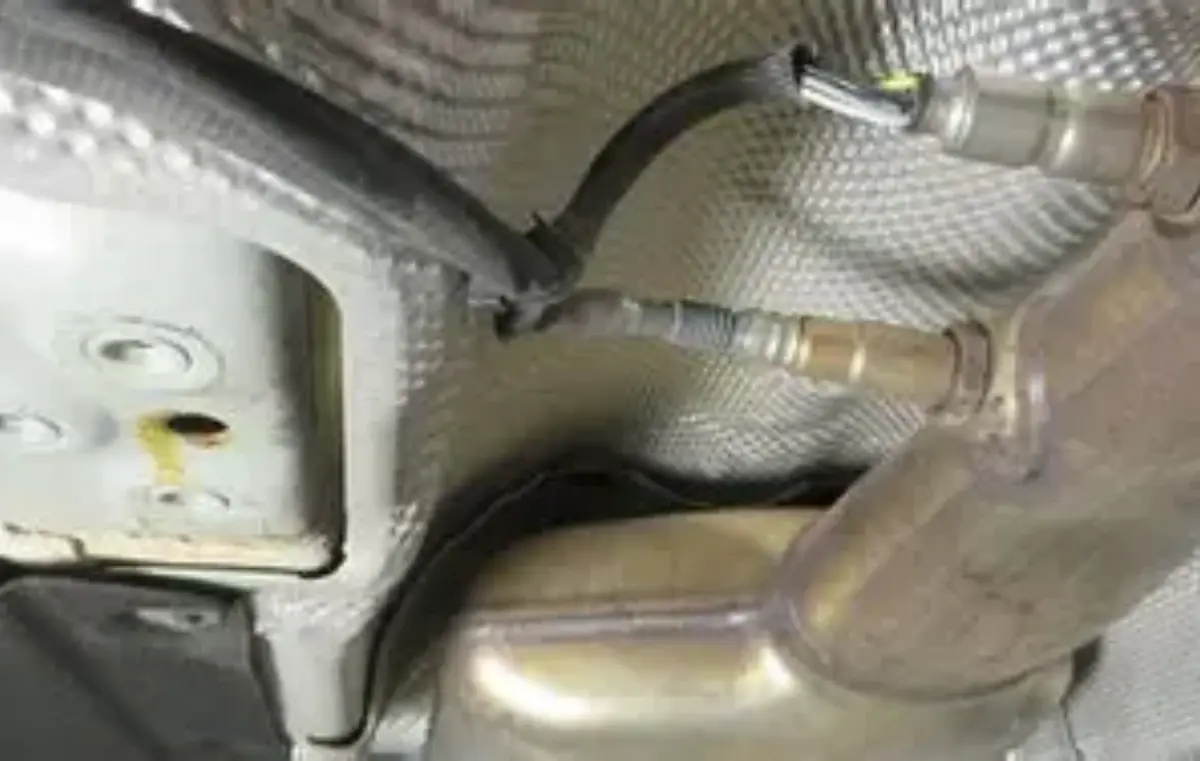
Understanding NOx Sensors and Their Functions in Emission Control Systems
Modern diesel engines face increasingly stringent emission regulations, including EPA standards in the United States and Euro VI requirements globally. These regulations demand precise monitoring of nitrogen oxide emissions, which has made nitrogen oxide sensors indispensable components in Selective Catalytic Reduction (SCR) systems.
What Is a NOx Sensor and Why It Matters?
A nitrogen oxide sensor ceaselessly measures deplete gas NOx levels and transmits this basic information to the Motor Control Unit (ECU) or SCR control module. This real-time checking empowers the framework to optimize urea (commonly known as AdBlue or Diesel Debilitate Liquid) dosing, confirm the emanation diminishment productivity of catalytic converters, and guarantee vehicles meet administrative compliance standards. The essential capacities of these sensors amplify past basic estimation. They screen and control the SCR system's urea dosing to accomplish ideal NOx change rates.
They confirm the emanation diminishment productivity of the catalytic converter all through its operational life expectancy. They guarantee the vehicle reliably meets outflow guidelines like Euro VI and EPA necessities. They distinguish sensor or catalyst flaws and trigger demonstrative inconvenience codes (DTCs) that alarm administrators to potential framework disappointments some time recently they ended up basic. At last, they bolster onboard diagnostics and compliance detailing, which has gotten to be progressively vital for armada administration and administrative audits.
The Primary Mission: NOx Detection, Not Temperature Measurement
While temperature plays a supporting part in sensor operation, the center mission remains nitrogen oxide concentration discovery. The sensor employments specialized zirconia ceramic cells that create electrical signals corresponding to NOx concentration in the deplete stream. This electrochemical handle requires particular temperature conditions to work precisely, which is why coordinates warming components keep up the sensor at ideal working temperatures extending from 650°C to 850°C.
Understanding this qualification makes a difference acquirement experts indicate the right sensors for their applications. When you assess diesel nitrogen oxide sensors for heavy-duty trucks or stationary generator sets, the center ought to stay on NOx discovery precision, reaction time, and strength or maybe than temperature estimation capabilities alone.
How Does a NOx Sensor Work in Vehicles?
The operational principles of nitrogen oxide sensors combine sophisticated chemistry with precise electrical engineering. Grasping these principles equips technical managers and supply chain professionals with the knowledge needed to assess sensor compatibility and performance characteristics.
Core Components and Their Roles
Every nitrogen oxide sensor comprises a few fundamental components working in concordance. The detecting component comprises of a zirconia ceramic cell that responds to nitrogen oxides in the deplete stream. The radiator component keeps up the sensor at the required working temperature, guaranteeing reliable execution in any case of motor stack or surrounding conditions. The flag conditioning circuit forms crude electrical signals into interpretable information groups.
An coordinates control module oversees the ECU interface, encouraging communication with the vehicle's demonstrative frameworks. At long last, the connector and wiring saddle give vigorous electrical associations competent of withstanding cruel underhood environments. These components work together to convey precise NOx estimations over shifting working conditions. The ceramic cell contains different chambers where deplete gas streams through absolutely measured openings. Oxygen particles move through the ceramic fabric in reaction to NOx concentration, producing quantifiable electrical streams that the flag conditioning circuit deciphers and transmits to the ECU.
Signal Output and Communication Protocols
Most modern nitrogen oxide sensors utilize advanced communication conventions, especially CAN transport design, to transmit information to the ECU. This advanced approach gives a few focal points over analog frameworks, counting made strides commotion insusceptibility, upgraded demonstrative capabilities, and the capacity to transmit numerous information streams at the same time. A few more seasoned sensor models yield voltage or current signals corresponding to NOx concentration, which stay congruous with bequest vehicle platforms.
Beyond NOx concentration information, these sensors transmit temperature data and demonstrative status upgrades. This comprehensive information stream empowers advanced emanation control techniques and prescient support conventions. When the sensor identifies inner deficiencies or working conditions exterior typical parameters, it communicates this data to the ECU, which can at that point alarm administrators and store demonstrative codes for troubleshooting.
Temperature's Supporting Role in NOx Detection
Although nitrogen oxide sensors do not work fundamentally as temperature estimation gadgets, temperature checking demonstrates fundamental for their operation. The coordinates radiator component keeps up the ceramic detecting component inside a limit temperature run where electrochemical responses happen typically and reliably. Deviations from this ideal temperature extend can compromise estimation exactness and reaction time. Exhaust gas temperature moreover impacts sensor execution characteristics.
Cold begin conditions require distinctive calibration approaches compared to steady-state thruway cruising. High-load operations that create extraordinary debilitate temperatures can stretch sensor materials and quicken maturing forms. Quality sensors join temperature recompense calculations that alter readings based on working conditions, guaranteeing steady precision over the full extend of diesel motor operation.
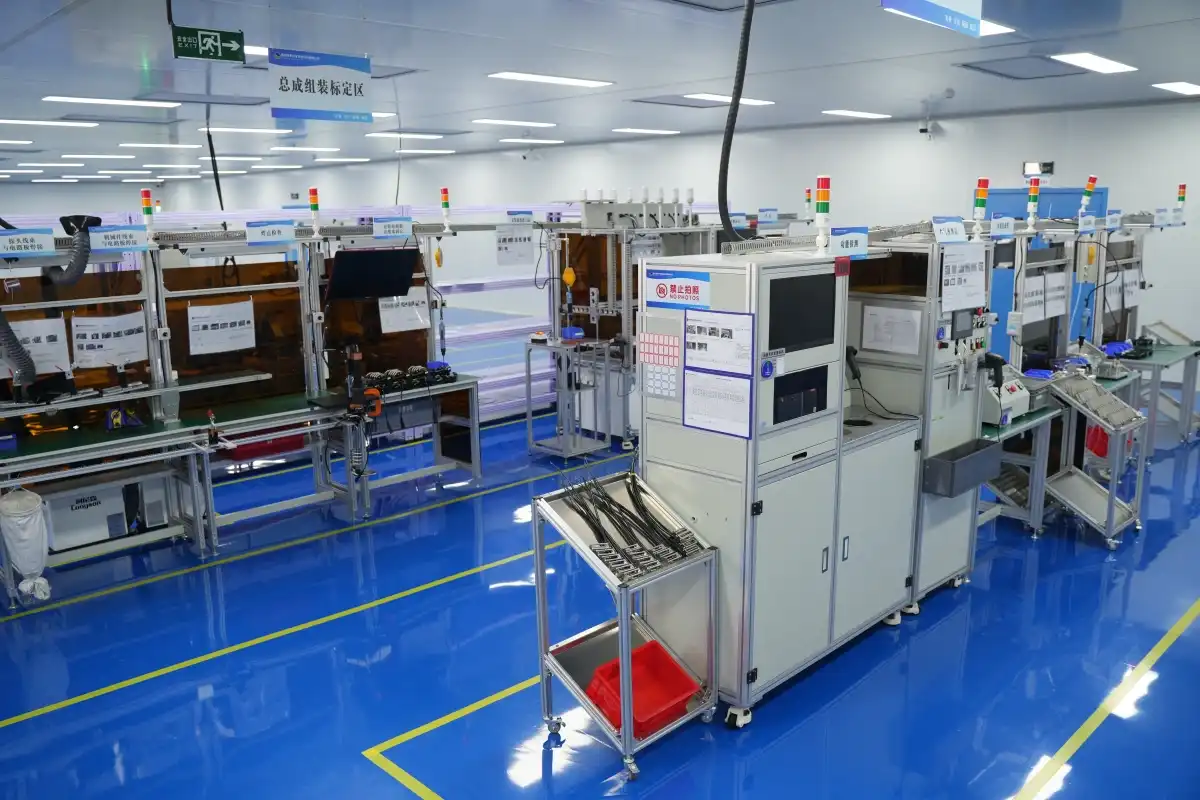
Diagnosing NOx Sensor Functionality and Common Issues
Proactive diagnosis of nitrogen oxide sensor health reduces unexpected downtime and maintains emission compliance, making this knowledge valuable for repair shops, dealers, and parts suppliers in the commercial vehicle aftermarket.
Recognizing Symptoms of Sensor Degradation
Several symptoms indicate potential nitrogen oxide sensor problems. Illuminated check engine lights with specific DTCs related to NOx sensors represent the most obvious warning sign. Higher than normal DEF consumption suggests the system may be compensating for inaccurate sensor readings by increasing urea injection rates. Reduced engine performance or derate conditions can occur when the ECU detects emission control system faults. Failed emissions tests provide definitive evidence that the aftertreatment system, potentially including the NOx sensor, requires attention.
Temperature-related sensor issues show in particular designs. Sensors that fall flat to reach working temperature inside anticipated timeframes show radiator component issues. Sporadic readings that relate with temperature changes propose temperature recompense issues or ceramic component corruption. Blame codes perusing "circuit tall" or "circuit open" along with assignments like "channel NOx sensor" or "outlet NOx sensor" offer assistance recognize which sensor requires replacement.
Step-by-Step Troubleshooting Process
Before supplanting a nitrogen oxide sensor, exhaustive demonstrative strategies can affirm the root cause and avoid pointless parts substitution. Begin by filtering the vehicle for blame codes utilizing proficient symptomatic gear. Report all codes, solidify outline information, and live information streams appearing NOx sensor readings beneath different working conditions. Physical review of the sensor and its wiring tackle uncovers self-evident harm like eroded connectors, chafed wires, or physical affect harm to the sensor body. Compare real NOx readings with anticipated values based on motor stack, temperature, and working conditions.
Noteworthy deviations recommend sensor float or disappointment. Screen sensor reaction time when the motor moves from sit out of gear to stack conditions. Drowsy reaction shows maturing or defilement issues. Check that the sensor's inside radiator component comes to appropriate working temperature by observing radiator circuit current draw and temperature-related demonstrative parameters. When substitution gets to be fundamental, handle unused sensors carefully since they are amazingly touchy to dampness defilement.
Maintain a strategic distance from expelling defensive bundling until promptly some time recently establishment. Utilize suitable instruments, ideally line torques or comparative open-ended torques, to anticipate harm to sensor hex pads. If the sensor stands up to evacuation, apply entering grease and permit satisfactory stay time some time recently endeavoring extraction. After evacuating the defective sensor, disengage the module from the primary tackle, regularly found interior the outline rail beneath the vehicle. Compare the ancient sensor with the unused substitution to affirm adjust portion number and setup some time recently installation.
Case Studies from Real-World Applications
A development gear armada experienced repeating NOx sensor disappointments on excavators working in dusty quarry situations. Examination uncovered that intemperate particulate matter was sullying sensor components in spite of appropriate DPF work. Actualizing more visit DPF recovery cycles and updating to sensors with upgraded natural fixing settled the issue, illustrating how working environment impacts sensor choice criteria. A generator set producer experienced untimely sensor disappointments in reinforcement control applications where units experienced visit cold begins taken after by high-load operation.
The quick temperature cycling focused sensor radiator components and ceramic materials. Exchanging to industrial-grade sensors planned for extreme obligation cycles and actualizing warm-up conventions some time recently applying full stack amplified sensor life expectancy essentially. This case outlines the significance of coordinating sensor determinations to genuine working conditions or maybe than essentially assembly least OEM requirements.
Comparing NOx Sensors: Temperature Measurement Capabilities and Other Features
Procurement professionals evaluating nitrogen oxide sensors for diesel applications benefit from understanding key differentiation factors that affect performance, reliability, and total cost of ownership. Selecting the right NOx sensor involves assessing response time, accuracy, durability under high temperatures and corrosive exhaust conditions, calibration range, and supplier support, all of which influence long-term system efficiency and maintenance costs.
Critical Evaluation Criteria for B2B Procurement
Accuracy remains the vital thought since emanation compliance depends straightforwardly on estimation accuracy. High-quality sensors keep up exactness inside ±5% over their operational extend and life expectancy. Reaction time influences how rapidly the SCR framework can alter to changing motor conditions, with quicker reaction empowering more tightly outflow control. Toughness in unforgiving environments—including temperature extremes, vibration, and chemical exposure—determines sensor life expectancy and substitution frequency.
Temperature estimation capabilities, whereas auxiliary to NOx location, contribute to by and large framework execution. A few sensors consolidate committed temperature detecting components that give more exact debilitate gas temperature information to the ECU, empowering advanced control calculations. These sensors offer points of interest in applications where exact temperature information makes strides SCR productivity or ensures framework components from warm damage.
OEM Versus Aftermarket Considerations
Original Gear Producer sensors ensure compatibility and execution since vehicle producers plan their frameworks around particular sensor characteristics. OEM sensors regularly incorporate broad approval testing and carry comprehensive guarantee scope. In any case, they command premium estimating that may not adjust with taken a toll control destinations, especially for expansive armada operations or aftermarket applications. Aftermarket sensors from legitimate producers offer compelling choices when appropriately indicated. Quality aftermarket choices meet or surpass OEM execution benchmarks whereas giving fetched points of interest that advantage bulk buyers.
The key lies in selecting producers with strong quality administration frameworks, important certifications, and demonstrated track records in diesel outflow control applications. Prominent producers like Bosch, Denso, Delphi, and Mainland rule the OEM supply chain with sensors designed for particular vehicle stages. These companies contribute intensely in investigate and improvement, creating sensors that consolidate the most recent location innovations and toughness improvements. Rising producers, especially those serving the aftermarket, progressively offer competitive options that adjust execution with cost-effectiveness.
Xi'an Qintai's Position in the NOx Sensor Market
As a national high-tech enterprise established in 2001, Xi'an Qintai Automotive Emission Technology Co. Ltd specializes in R&D, manufacturing, sales, and after-service of diesel engine SCR aftertreatment systems and various sensors. Our nitrogen oxide sensors incorporate advanced ceramic technology with robust construction designed for the demanding requirements of heavy trucks, construction machinery, agricultural equipment, and generator sets.
Qintai has acquired certificates including ISO9001, IATF16949, CMC, Ex, UL, CE, REACH, and RoHS, demonstrating our commitment to quality management and regulatory compliance. We have applied for 58 invention patents, reflecting continuous innovation in sensor technology and emission control systems. Our independent R&D team continuously innovates to improve product performance and reliability, focusing on the specific needs of diesel engine applications.
As China's number one OEM supplier, we serve as a core supplier to Weichai Power, Yuchai Power, and Quanchai Power, holding the largest market share in China. This position reflects the trust major engine manufacturers place in our technology and manufacturing capabilities. Our OEM and ODM services address different customer requirements from initial product design through mass production, with support for flexible product customization according to specific applications and customer needs.
Procuring NOx Sensors: Pricing, Suppliers, and Bulk Purchase Options
Strategic procurement of nitrogen oxide sensors balances quality, cost, and supply chain reliability to minimize total cost of ownership while maintaining emission compliance and operational uptime.
Understanding Pricing Structures and Value Propositions
Nitrogen oxide sensor pricing varies significantly based on specifications, quantity, and supplier relationships. OEM sensors for heavy-duty applications typically range from $150 to $400 per unit at retail, with premium sensors for specialized applications commanding higher prices. Aftermarket alternatives generally offer 20% to 40% cost savings compared to OEM options, though quality and warranty terms require careful evaluation.
Bulk purchasing delivers substantial economic advantages for fleet operators, equipment manufacturers, and parts distributors. Volume commitments enable negotiated pricing that can reduce unit costs by 15% to 35% depending on quantities and supplier relationships. Beyond unit price reductions, bulk arrangements often include favorable payment terms, dedicated technical support, and priority allocation during supply constraints.
Warranty policies significantly affect total cost of ownership. Comprehensive warranties covering defects and premature failures provide financial protection against unexpected replacement costs. Quality manufacturers stand behind their products with warranties ranging from 12 to 36 months, reflecting confidence in their manufacturing processes and component selection. When evaluating suppliers, clarify warranty terms, claim procedures, and whether warranty coverage extends to labor costs or only parts replacement.
Supplier Reputation and Long-Term Partnership Considerations
Supplier reputation encompasses multiple dimensions beyond product quality. Consistent on-time delivery maintains inventory levels without excessive safety stock. Responsive technical support helps resolve integration challenges and diagnostic questions. Transparent communication regarding product changes, obsolescence, and supply conditions enables proactive planning. Financial stability ensures the supplier will remain viable to support long-term commitments.
Evaluating supplier credentials provides insight into their capabilities and reliability. Quality management certifications like ISO9001 and IATF16949 indicate structured processes for ensuring consistent product quality. Industry-specific certifications demonstrate expertise in automotive and emission control applications. Patent portfolios and R&D investments signal innovation capabilities and technological leadership. Customer references from similar applications validate real-world performance and support quality.
Long-term cooperation benefits both parties through reduced transaction costs, improved mutual understanding, and collaborative problem-solving. Established relationships enable suppliers to anticipate customer needs, customize products more effectively, and provide preferential treatment during capacity constraints. Customers gain predictable costs, technical partnership, and confidence in supply continuity. Working with a trusted NOx sensor supplier ensures timely access to high-quality sensors, tailored calibration options, and support for integration into SCR systems, reducing risk and enhancing operational reliability.
Logistical Considerations and Geographic Factors
Fast delivery capability minimizes inventory carrying costs and enables responsive service to end customers. Suppliers with strategically located distribution centers or efficient international logistics can deliver products within days rather than weeks. This responsiveness proves particularly valuable for aftermarket applications where rapid parts availability differentiates successful distributors from competitors.
Geographic proximity offers advantages beyond delivery speed. Local or regional suppliers facilitate easier communication, site visits, and relationship building. However, global sourcing often provides access to specialized technologies, competitive pricing, and manufacturing scale. The optimal approach balances these factors based on specific business requirements and risk tolerance.
Customs procedures, import duties, and regulatory compliance complicate international procurement but can be managed effectively with experienced suppliers. Manufacturers familiar with U.S. market requirements handle documentation, certifications, and logistics efficiently. Their expertise reduces delays and ensures products meet applicable standards upon arrival.
Initiating Inquiries and Building Supplier Relationships
Effective procurement begins with clear specification of requirements. Define the application—vehicle type, engine platform, and operating conditions. Specify performance requirements including accuracy, response time, and environmental conditions. Identify quantity requirements, desired delivery schedules, and budget parameters. Clarify quality expectations, certification requirements, and after-sales support needs.
When contacting potential suppliers, provide comprehensive information that enables them to propose optimal solutions. Request detailed technical specifications, performance data, and application recommendations. Ask about customization capabilities, lead times for standard versus modified products, and minimum order quantities. Inquire about technical support resources, warranty terms, and after-sales service capabilities.
Negotiate strategically to achieve mutually beneficial agreements. While cost matters, prioritize total value including quality, support, and reliability. Discuss volume commitments that justify preferential pricing. Explore partnership opportunities like exclusive arrangements, co-development projects, or joint marketing initiatives. Establish clear communication protocols and performance metrics that enable ongoing relationship management.

SENSOR+TEST, June 9 – 11, 2026
We look forward to your visit!
Get your free ticket online now:
https://www.sensor-test.de/service/ticket/?52790
Conclusion
Nitrogen oxide sensors serve as critical components in modern diesel emission control systems, primarily detecting NOx concentrations rather than measuring temperature, though temperature monitoring supports their operation. Understanding sensor functionality, diagnostic procedures, and procurement considerations empowers purchasing managers, R&D engineers, and technical managers to make informed decisions that balance compliance, reliability, and cost. Quality sensors from reputable manufacturers deliver accurate emissions data, enable efficient SCR operation, and ensure regulatory compliance across heavy trucks, construction machinery, agricultural equipment, and generator sets. Strategic procurement that considers technical specifications, supplier capabilities, and long-term partnership potential optimizes total cost of ownership while maintaining operational excellence in demanding diesel applications.
FAQ
Do NOx sensors directly measure exhaust temperature?
Nitrogen oxide sensors do not primarily measure exhaust gas temperature. Their core function focuses on detecting nitrogen oxide concentrations in the exhaust stream. However, they incorporate temperature sensing elements that monitor the sensor's internal operating temperature to maintain optimal conditions for accurate NOx detection. Some advanced sensors also report exhaust gas temperature as secondary data, but this represents a supplementary function rather than the primary measurement objective.
How does temperature affect NOx sensor accuracy and performance?
Temperature profoundly influences nitrogen oxide sensor accuracy because the electrochemical reactions within the ceramic sensing element depend on maintaining specific temperature ranges, typically between 650°C and 850°C. When sensors operate outside this range, measurement accuracy degrades and response time slows. Quality sensors incorporate temperature compensation algorithms that adjust readings based on actual operating temperatures, ensuring consistent accuracy across varying engine loads and ambient conditions.
What are common signs of temperature-related NOx sensor failures?
Temperature-related failures manifest through several recognizable symptoms. Extended warm-up times before the sensor reaches operating temperature indicate heater element degradation. Erratic readings that fluctuate with engine load changes suggest temperature compensation issues or ceramic element damage. Diagnostic trouble codes specifying "heater circuit" faults directly indicate temperature control problems.
Can I replace a failed NOx sensor with a different brand?
Replacing a failed sensor with an alternative brand requires careful evaluation of compatibility factors. The replacement must match electrical specifications including connector type, pin configuration, and communication protocol. Physical dimensions and mounting requirements must align with the original sensor's design. Performance characteristics like measurement range, accuracy, and response time should meet or exceed original specifications.
How long do NOx sensors typically last in diesel applications?
Nitrogen oxide sensor lifespan varies based on operating conditions, duty cycles, and sensor quality. Under normal highway driving conditions in heavy trucks, quality sensors typically last 150,000 to 300,000 miles. Severe duty applications including frequent cold starts, sustained high-load operation, or dusty environments reduce lifespan to 100,000 to 200,000 miles. Stationary applications like generator sets experience different aging patterns based on operating hours and thermal cycling frequency.
What certifications should I look for when purchasing NOx sensors?
Quality nitrogen oxide sensors carry multiple certifications that validate their performance and safety. ISO9001 certification demonstrates the manufacturer maintains quality management systems throughout production. IATF16949 specifically addresses automotive quality requirements and supply chain management. EPA and CARB approvals confirm the sensors meet regulatory standards for emission control applications. CE marking indicates compliance with European safety and environmental directives. UL certification validates electrical safety standards. REACH and RoHS compliance ensures restricted substances meet environmental regulations. Manufacturers with comprehensive certification portfolios demonstrate commitment to quality and regulatory compliance across multiple markets.
Partner with Qintai for Reliable NOx Sensor Solutions
Choosing the right nitrogen oxide sensor supplier directly impacts your emission compliance, operational reliability, and total cost of ownership. Qintai offers comprehensive NOx sensor solutions backed by two decades of diesel emission control expertise. Our sensors meet the demanding requirements of heavy trucks, construction machinery, agricultural equipment, and generator sets while delivering the cost-effectiveness that B2B procurement professionals require. With full certifications including IATF16949 and extensive OEM relationships, we provide the quality assurance and technical support your applications demand. Contact our team at info@qt-sensor.com to discuss your specific requirements and discover how Qintai's position as a leading NOx sensor manufacturer enables us to deliver customized solutions with competitive pricing, reliable delivery, and comprehensive after-sales support.
References
1. Ballinger, T.H., et al. (2019). "Nitrogen Oxide Sensor Technology for Diesel Emission Control Systems." SAE International Journal of Engines, Vol. 12, No. 3, pp. 289-304.
2. Environmental Protection Agency. (2020). "Heavy-Duty Diesel Engine Emission Standards and Monitoring Requirements." EPA Office of Transportation and Air Quality Technical Report EPA-420-R-20-003.
3. Johnson, T.V. (2018). "Review of Diesel Emissions and Control Technologies." International Journal of Engine Research, Vol. 19, Issue 5, pp. 491-512.
4. Moos, R., and Schönauer, D. (2021). "Recent Developments in Automotive Exhaust Gas Sensors." Sensors and Actuators B: Chemical, Vol. 346, Article 130425.
5. Robert Bosch GmbH. (2017). "Diesel Engine Management: Systems and Components." 5th Edition, Society of Automotive Engineers International, Warrendale, PA.
6. Zhang, L., et al. (2020). "Performance Evaluation and Diagnostic Methods for NOx Sensors in Selective Catalytic Reduction Systems." Applied Thermal Engineering, Vol. 171, Article 115080.
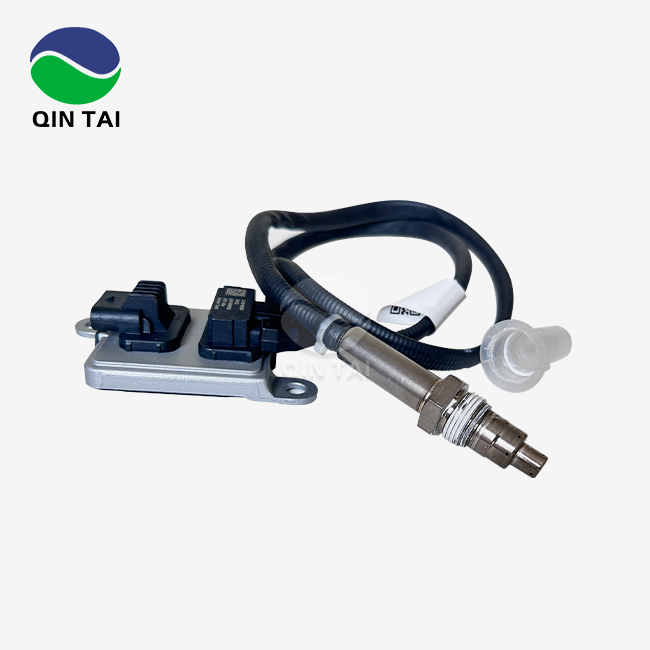

Our customers’ satisfaction speaks for our quality — contact us to experience the same reliable service.