- English
- French
- German
- Portuguese
- Spanish
- Russian
- Japanese
- Korean
- Arabic
- Greek
- German
- Turkish
- Italian
- Danish
- Romanian
- Indonesian
- Czech
- Afrikaans
- Swedish
- Polish
- Basque
- Catalan
- Esperanto
- Hindi
- Lao
- Albanian
- Amharic
- Armenian
- Azerbaijani
- Belarusian
- Bengali
- Bosnian
- Bulgarian
- Cebuano
- Chichewa
- Corsican
- Croatian
- Dutch
- Estonian
- Filipino
- Finnish
- Frisian
- Galician
- Georgian
- Gujarati
- Haitian
- Hausa
- Hawaiian
- Hebrew
- Hmong
- Hungarian
- Icelandic
- Igbo
- Javanese
- Kannada
- Kazakh
- Khmer
- Kurdish
- Kyrgyz
- Latin
- Latvian
- Lithuanian
- Luxembou..
- Macedonian
- Malagasy
- Malay
- Malayalam
- Maltese
- Maori
- Marathi
- Mongolian
- Burmese
- Nepali
- Norwegian
- Pashto
- Persian
- Punjabi
- Serbian
- Sesotho
- Sinhala
- Slovak
- Slovenian
- Somali
- Samoan
- Scots Gaelic
- Shona
- Sindhi
- Sundanese
- Swahili
- Tajik
- Tamil
- Telugu
- Thai
- Ukrainian
- Urdu
- Uzbek
- Vietnamese
- Welsh
- Xhosa
- Yiddish
- Yoruba
- Zulu
Can a dirty air filter affect the NOx sensor?
Yes, a dirty air filter can significantly affect the performance of an
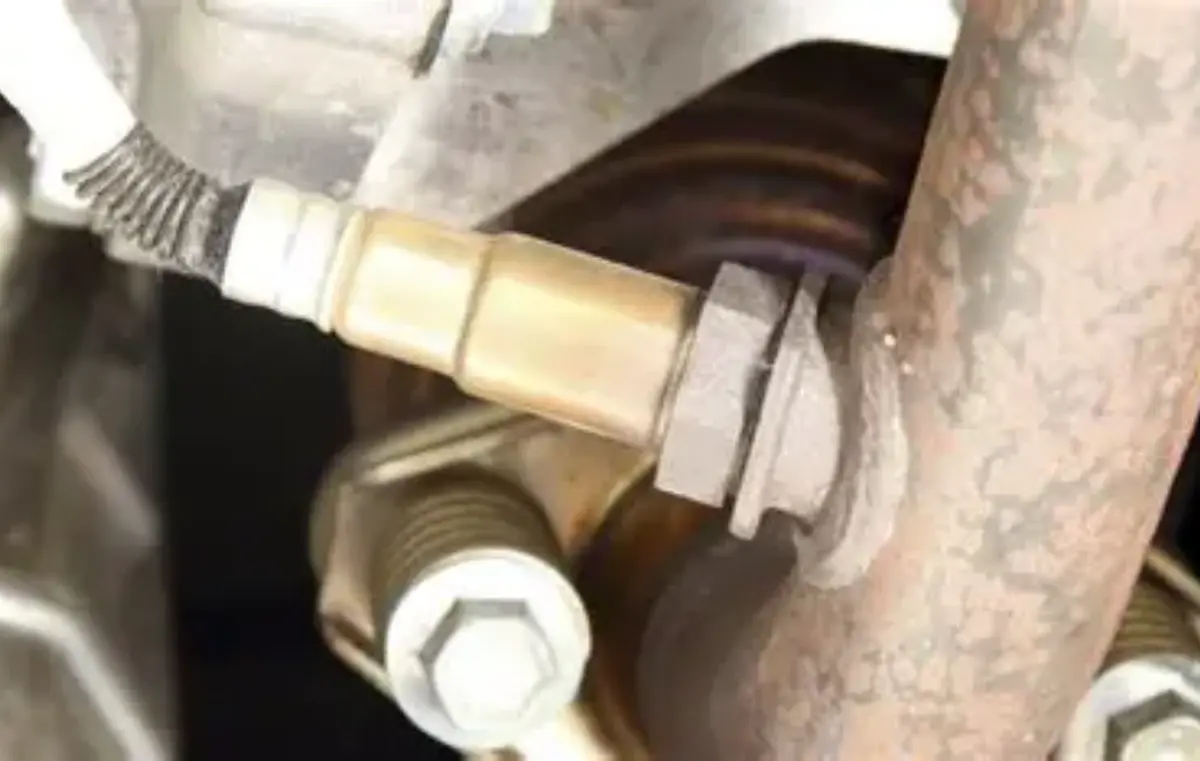
. When an air filter becomes clogged with dust, debris, and contaminants, it restricts proper airflow into the engine combustion chamber. This restriction disrupts the air-fuel mixture ratio, leading to incomplete combustion and altered exhaust gas composition. The nitrogen oxide sensor, which continuously monitors exhaust emissions to ensure compliance with environmental regulations, relies on accurate exhaust gas readings. Contaminated airflow creates abnormal combustion conditions that generate misleading data, causing the sensor to report incorrect NOx concentration levels. This cascading effect can trigger diagnostic trouble codes, reduce emission control system efficiency, and potentially compromise regulatory compliance—making air filter maintenance essential for optimal sensor accuracy and reliability.
Understanding the Relationship Between Air Filters and NOx Sensors
The Critical Function of Nitrogen Oxide Sensors in Emission Control
NOx sensors serve as the insight center of advanced diesel debilitate aftertreatment frameworks. These exactness rebellious ceaselessly degree deplete gas NOx levels and transmit information to the Motor Control Unit or SCR control module through computerized communication conventions, ordinarily through CAN transport systems. The essential obligations incorporate observing and controlling the SCR system's urea dosing (AdBlue infusion), confirming emission reduction performance of the catalytic converter, guaranteeing vehicles meet rigid benchmarks like Euro VI and EPA directions, and recognizing framework flaws that trigger symptomatic codes.
The sensor engineering comprises of a few coordinates components working in concordance: a zirconia ceramic detecting component that identifies nitrogen oxide concentration, a radiator component keeping up ideal working temperature (ordinarily over 600°C), flag conditioning circuitry, an coordinates control module for ECU interface, and a strong connector with wiring saddle. This modern plan empowers real-time checking with surprising accuracy, but it too makes the framework touchy to varieties in debilitate gas composition.
Modern vehicles regularly include both upstream and downstream sensors situated deliberately in the debilitate channels. The upstream sensor, found between the motor and SCR catalyst, recognizes crude NOx emanations from the combustion prepare. The downstream sensor, situated after the SCR catalyst, measures treated deplete to confirm diminishment productivity. This dual-sensor arrangement permits the control framework to calculate transformation effectiveness and alter urea dosing accordingly.
How Air Filter Contamination Disrupts Combustion and Sensor Readings?
Air channels speak to the to begin with line of defense against contaminants entering the combustion chamber. When these channels ended up immersed with particulate matter, carbon stores, and natural flotsam and jetsam, they make quantifiable wind current confinement. This confinement in a general sense modifies the combustion prepare in a few interconnected ways that specifically affect sensor performance. Restricted wind current decreases oxygen accessibility amid combustion, making fuel-rich conditions that increment particulate matter arrangement and modify nitrogen oxide era designs.
The motor administration framework endeavors to compensate by altering fuel infusion timing and amount, but these adjustments can as it were mostly counterbalanced the wind stream shortfall. The coming about inadequate combustion produces deplete gasses with irregular chemical compositions—higher concentrations of hydrocarbons, raised carbon monoxide levels, and conflicting NOx arrangement that changes erratically with stack conditions. These modified debilitate characteristics confound the nitrogen oxide sensor's calibration calculations.
The sensor measures real NOx concentrations precisely, but the readings no longer relate with anticipated values for given working conditions. The ECU deciphers this error as potential sensor float or catalytic converter corruption, possibly activating caution lights and symptomatic inconvenience codes. In extreme cases, the control framework may enter limp mode, diminishing motor control to anticipate assumed outflow violations. Temperature varieties compound these issues. Limited wind stream influences deplete gas temperature profiles, affecting both the catalytic converter's working effectiveness and the sensor's radiator component execution.
The Cascade Effect on Engine Management and Emission Control Systems
The interaction between sullied discuss channels and nitrogen oxide sensors makes a tricky criticism circle inside the motor administration framework. When the ECU gets conflicting sensor information, it starts compensatory techniques that may incidentally compound the basic issue. Expanded urea infusion endeavors to decrease measured NOx levels, driving to intemperate DEF utilization and potential alkali slip. Changed fuel infusion procedures point to reestablish ordinary combustion but may increment particulate matter collection in the diesel particulate filter.
These cascading impacts amplify past prompt sensor execution. Symptomatic inconvenience codes related to sensor circuit voltage ("circuit tall" or "circuit open" conditions) may show up irregularly, complicating investigating endeavors. Armada directors regularly confront the predicament of recognizing between veritable sensor disappointments requiring substitution and operational issues stemming from upkeep insufficiencies. This uncertainty drives pointless component substitutions, expanding operational costs and parts stock burdens.
The administrative compliance suggestions merit specific consideration. Outflow testing conventions degree real tailpipe outflows, not sensor readings. If discuss channel defilement causes the control framework to underdose urea based on wrong sensor information, the vehicle may surpass lawful NOx limits in spite of the onboard diagnostics announcing satisfactory execution. This crevice between detailed and real outflows uncovered OEMs and armada administrators to compliance dangers, guarantee claims, and potential administrative penalties.
Symptoms and Troubleshooting of NOx Sensor Issues Linked to Air Filters
Recognizing Early Warning Signs of Air Filter-Related Sensor Problems
Fleet support groups and symptomatic professionals experience a few characteristic side effects when discuss channel defilement starts influencing the NOx sensor execution. Understanding these pointers empowers proactive intercession some time recently minor issues raise into expensive disappointments or compliance violations. Inconsistent sensor readings speak to the most common early caution sign. Specialists take note that NOx concentration values vary out of the blue amid steady-state motor operation, especially at reliable stack and speed conditions where readings ought to stay steady.
These vacillations regularly connect with motor stack changes, getting to be more articulated amid speeding up or when working beneath overwhelming stack conditions where discuss request peaks. Dashboard caution lights give another unmistakable pointer. The check motor light or committed outflow framework caution lights enlighten discontinuously or tirelessly, went with by demonstrative inconvenience codes indicating to sensor circuit issues, SCR framework proficiency underneath limit, or NOx transformation effectiveness deficiencies.
Vitally, these codes may show up without comparing debasement in real sensor equipment, proposing systemic or maybe than component-level problems. Operational execution changes frequently go with sensor-related issues. Drivers report decreased throttle reaction, decreased control yield, or enactment of torque impediment modes as the motor administration framework confines execution to avoid assumed emanation infringement. Fuel utilization regularly increments as the ECU endeavors to keep up control yield in spite of compromised combustion effectiveness. DEF utilization designs may appear unforeseen increments, with refill interims shortening recognizably as the control framework over-injects urea in reaction to flawed sensor data.
Systematic Diagnostic Approaches for Isolating Root Causes
Effective investigating requires systematic examination to recognize between veritable sensor disappointments and upstream issues influencing sensor precision. Proficient symptomatic conventions take after a organized arrangement that anticipates untimely component substitution whereas distinguishing genuine root causes. The demonstrative handle starts with comprehensive blame code examination utilizing proficient check devices able of perusing manufacturer-specific codes and live information streams. Professionals look at not as it were dynamic codes but too pending and chronicled codes to distinguish designs recommending discontinuous issues.
Live information checking amid different working conditions uncovers whether sensor yields relate suitably with motor stack, temperature, and other operational parameters. Physical review gives basic relevant data. Analyzing the discuss channel condition uncovers defilement seriousness and makes a difference connect upkeep history with side effect onset. Checking for physical harm on sensor lodgings, connectors, and wiring tackles kills self-evident disappointment modes.
The sensor's defensive bundling condition things especially amid substitution operations, as nitrogen oxide sensors illustrate extraordinary affectability to dampness defilement that can trigger wrong disappointments after installation. Testing strategies ought to incorporate wind current estimation and admissions complex weight observing to measure limitation levels. Comparing real wind stream rates against producer determinations sets up whether filtration framework capacity meets motor prerequisites. At the same time observing deplete backpressure makes a difference recognize whether DPF stacking contributes to in general framework push that intensifies discuss channel confinement effects.
Preventive Maintenance Strategies to Protect Sensor Longevity
Implementing organized upkeep programs essentially expands nitrogen oxide sensor benefit life whereas keeping up outflow control framework exactness. These preventive approaches address the root causes of discuss filter-related sensor issues or maybe than just reacting to disappointments after they occur. Air channel benefit interims require cautious calibration based on genuine working conditions or maybe than non specific proposals.
Heavy-duty applications in dusty environments—construction locales, agrarian operations, unpaved mining roads—demand more visit review and substitution than thruway transportation or controlled mechanical settings. Dynamic armada directors actualize condition-based checking utilizing differential weight sensors over discuss channels, activating benefit alarms when limitation comes to foreordained edges or maybe than depending exclusively on mileage or hour-based schedules.
Sensor observing conventions ought to incorporate occasional standard readings amid ideal conditions, making reference information for comparison amid consequent reviews. Professionals capture sensor yield values at standardized working points—specific motor speeds, loads, and temperature conditions—building a execution history that uncovers progressive corruption designs. This trending investigation recognizes typical maturing from intense issues requiring quick intervention. Documentation hones reinforce demonstrative capabilities over support cycles.
How to Choose and Procure NOx Sensors Considering Air Filter Effects?
Technical Specifications Critical for Sensor Selection
Procurement decisions for nitrogen oxide sensors require careful evaluation of technical parameters that directly influence performance under real-world operating conditions, particularly in environments where air quality variability challenges emission control systems.
Measurement accuracy specifications define the sensor's ability to detect NOx concentration across its entire operating range. High-quality sensors maintain accuracy within ±10% across concentrations from 0 to 1500 ppm, covering the full spectrum from clean exhaust to fault conditions. This precision ensures reliable control system operation even when air filter degradation introduces combustion variability.
Response time characteristics determine how quickly sensors detect concentration changes and communicate updated values to the ECU. Advanced sensors achieve T90 response times under three seconds, enabling real-time control adjustments that optimize urea dosing despite transient exhaust composition fluctuations caused by varying air filter restriction levels during dynamic driving conditions.
Temperature tolerance ranges indicate operational reliability across exhaust temperature extremes. Sensors designed for heavy-duty applications function accurately from -40°C to 850°C, maintaining calibration stability despite temperature cycling that occurs during cold starts, high-load operation, and regeneration events. This thermal resilience proves particularly important when air filter restriction affects exhaust temperature profiles.
Evaluating Supplier Capabilities and Support Infrastructure
Selecting suppliers involves assessing capabilities beyond product specifications to ensure long-term partnership viability that supports mass production requirements and after-sales service needs. Our experience serving OEM clients across heavy truck, construction machinery, and generator set applications highlights several critical supplier attributes that distinguish capable partners from commodity vendors.
Manufacturing quality systems certification provides foundational assurance of process control and product consistency. Suppliers holding ISO9001 and IATF16949 certifications demonstrate established quality management frameworks aligned with automotive industry standards. Additional certifications including CMC, Ex, UL, CE, REACH, and RoHS indicate comprehensive compliance with international regulatory requirements, simplifying qualification processes for global market access.
Research and development investment signals a supplier's commitment to continuous improvement and technological advancement. Companies maintaining dedicated R&D teams with documented patent portfolios—we've applied for 58 invention patents—demonstrate innovation capability that supports long-term product evolution matching increasingly stringent emission regulations. This R&D depth enables collaborative development partnerships where suppliers contribute engineering expertise during vehicle design phases rather than simply fulfilling component orders.
Customization flexibility addresses the reality that different applications demand tailored sensor configurations. Suppliers offering OEM and ODM services adapt connector interfaces, mounting configurations, and calibration parameters to match specific engine families and aftertreatment architectures. This customization capability proves particularly valuable for specialized applications like generator sets operating in mines or power plants where standard automotive-grade sensors may require environmental adaptations.
Balancing Acquisition Costs with Total Ownership Economics
Procurement decisions increasingly emphasize total cost of ownership rather than simply initial acquisition pricing. This analytical approach accounts for lifecycle expenses including installation labor, warranty support, failure rates, and system-level efficiency impacts that compound over operational life.
Initial price comparisons should normalize across equivalent technical specifications and certification levels. Lower-cost sensors lacking critical certifications may require supplemental testing and validation that exceeds apparent savings. Sensors from reputable manufacturers including Bosch, Denso, and Continental typically command premium pricing justified by proven reliability, comprehensive warranties, and established dealer support networks.
Warranty terms significantly influence ownership costs by defining manufacturer responsibility for premature failures. Comprehensive warranties covering both parts and labor for extended periods (24-36 months) reduce financial risk from defective components. Warranty provisions should explicitly address failure modes related to environmental factors versus manufacturing defects, clarifying coverage limitations for installations in harsh operating conditions.
After-sales technical support capabilities directly impact maintenance efficiency and diagnostic accuracy. Suppliers providing detailed installation documentation, troubleshooting guides, and responsive technical hotlines reduce downtime when questions arise. We support customers through comprehensive technical assistance including sensor selection guidance, installation best practices, and diagnostic protocol development—services that extend value beyond the physical component.

SENSOR+TEST, June 9 – 11, 2026
We look forward to your visit!
Get your free ticket online now:
https://www.sensor-test.de/service/ticket/?52790
Case Studies: Impact of Dirty Air Filters on NOx Sensor Performance and Emission ComplianceFleet Operator Experience: Agricultural Equipment NOx Sensor Failures
A regional agricultural equipment fleet managing 47 tractors and harvesters experienced an unusual spike in nox sensor replacement costs over a single harvest season. Maintenance records showed 18 sensor replacements within four months—nearly triple the historical failure rate—with associated diagnostic codes indicating sensor circuit faults and SCR efficiency below threshold warnings.
Investigation revealed operational patterns contributing to the problem. Harvest operations in dry field conditions exposed equipment to extreme dust concentrations that quickly saturated air filters. Standard service intervals based on engine hours proved inadequate for actual contamination rates, allowing filters to remain in service well beyond effective capacity. Restricted airflow created combustion conditions that confused the emission control systems, causing erratic sensor readings misinterpreted as component failures.
The fleet implemented revised maintenance protocols including visual air filter inspections at daily pre-operation checks and differential pressure monitoring on newer equipment models. Air filter replacement intervals were reduced by 40% during peak dust exposure periods. Within two harvest cycles, sensor replacement frequency returned to baseline levels, eliminating approximately $23,000 in annual sensor costs and associated diagnostic labor while improving fuel efficiency by 7% across the fleet.
OEM Development: Integrating Air Filter Condition into Emission Control Strategies
A generator set manufacturer developing products for mine backup power applications encountered emission compliance challenges during field testing. Prototype units equipped with standard automotive-grade sensors and conventional air filters demonstrated inconsistent performance in dusty underground environments, occasionally exceeding NOx limits during regulatory verification testing despite passing bench validation.
Collaborative development with sensor suppliers and filtration system engineers identified the interaction between air filter loading rates and sensor accuracy as the critical variable. The engineering team redesigned the air intake system with oversized filtration capacity and integrated differential pressure monitoring. More significantly, they implemented control algorithms adjusting SCR dosing strategies based on measured air filter restriction levels, compensating for combustion variations before they produced sensor reading discrepancies.
Field validation of production units incorporating these enhancements demonstrated remarkable stability. Sensor readings remained consistent across filter service cycles, eliminating the anomalous spikes that previously triggered diagnostic codes. Emission testing showed reliable compliance margins even with filters approaching end-of-service condition. The integrated approach reduced warranty claims related to emission system faults by 64% during the first two production years while improving customer satisfaction scores.
Lessons for Procurement and Maintenance Integration
These experiences underscore several practical principles that procurement managers and technical teams should incorporate into specification development and supplier evaluation processes. Emission control system reliability depends fundamentally on integrated thinking that considers component interactions rather than isolated part performance.
Supplier partnerships should extend beyond transactional component purchasing to include technical collaboration on application-specific challenges. Manufacturers offering engineering support during design phases contribute valuable expertise preventing problems before production. Our R&D team regularly works with OEM customers optimizing sensor placement, calibration parameters, and maintenance strategies for specific duty cycles and environmental conditions.
Maintenance program development requires cross-functional input spanning engineering, operations, and service organizations. Air filter service protocols directly impact emission system longevity but often fall under separate maintenance budget and responsibility structures. Organizations achieving optimal results establish formal connections between filtration maintenance and emission component care, recognizing their technical interdependence.
Conclusion
The relationship between air filtration and NOx sensor performance represents a critical consideration for anyone managing diesel emission control systems. Contaminated air filters create combustion abnormalities that cascade through engine management systems, producing sensor readings that trigger diagnostic codes, increase operational costs, and potentially compromise regulatory compliance. Understanding these interactions enables proactive maintenance strategies that extend component life while ensuring emission control system accuracy.
Partner with Qintai for Reliable NOx Sensor Solutions
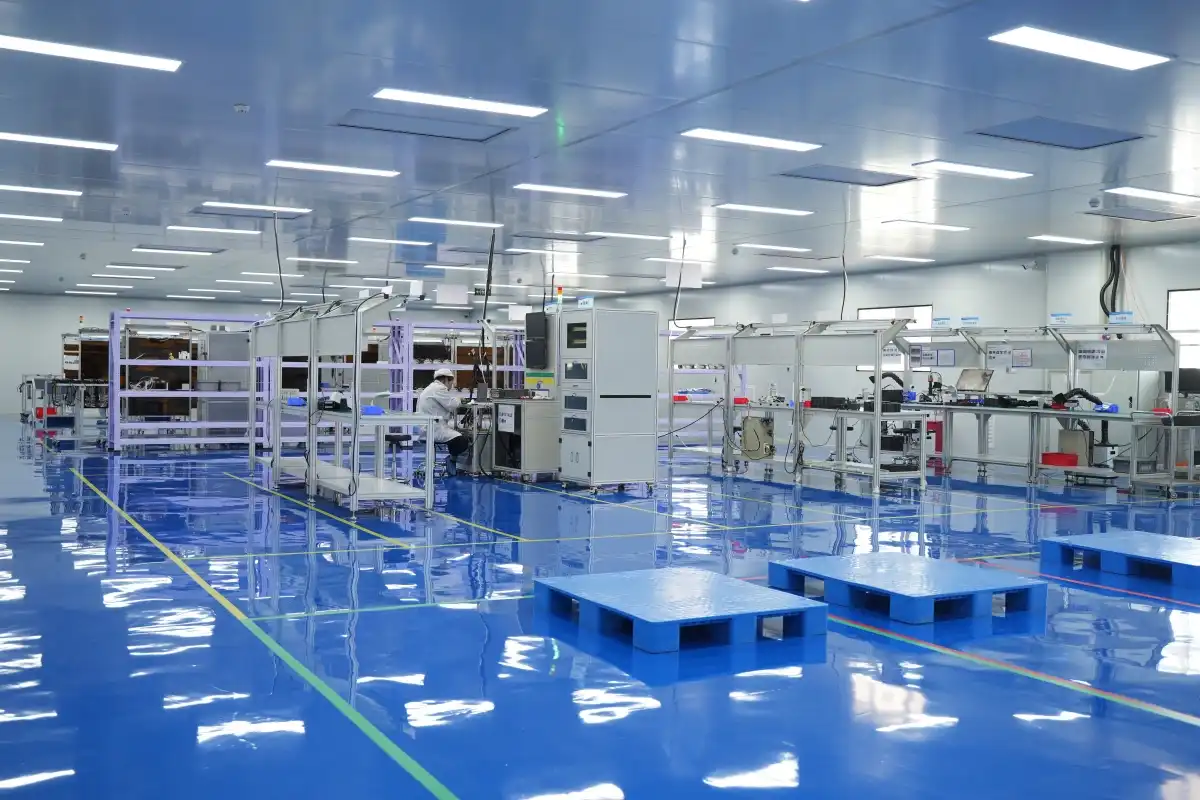
Emission control system reliability starts with component quality and supplier partnership. Qintai specializes in manufacturing precision nitrogen oxide sensors engineered for demanding heavy-duty applications across construction machinery, agricultural equipment, and generator sets. Our ISO9001 and IATF16949 certified production processes ensure consistent quality that withstands harsh operating environments, while our independent R&D team continuously advances sensor technology to meet evolving emission standards.
Whether you're designing next-generation powertrains or sourcing replacement sensors for aftermarket distribution, our technical team provides expert guidance on sensor selection, installation best practices, and maintenance strategies maximizing emission control system performance. Contact our team at info@qt-sensor.com to discuss your NOx sensor requirements and discover how our manufacturer-direct pricing, inventory availability, and responsive technical support deliver measurable value to your procurement strategy.
References
1. Society of Automotive Engineers (2021). "Diesel Engine Emission Control Systems: Integration and Optimization," SAE International Journal of Engines, Volume 14, Issue 3.
2. Johnson, M.T. (2020). "NOx Sensor Technology for Heavy-Duty Diesel Applications," International Conference on Automotive Technologies Proceedings, Detroit, Michigan.
3. Environmental Protection Agency (2022). "Heavy-Duty Vehicle Emission Standards Compliance and Testing Protocols," EPA Technical Report EPA-420-R-22-008.
4. Zhang, L. and Peterson, R. (2019). "Impact of Intake Air Quality on Selective Catalytic Reduction System Performance," Journal of Emission Control Science and Technology, Volume 5, Pages 287-301.
5. Continental Automotive Systems (2021). "Service Manual: NOx Sensor Diagnosis and Troubleshooting for Commercial Vehicles," Technical Publication CAS-2021-NOx-SM.
6. Anderson, K.D. (2020). "Total Cost of Ownership Analysis for Diesel Aftertreatment Components in Fleet Applications," Fleet Maintenance Magazine, September Issue, Pages 34-42.
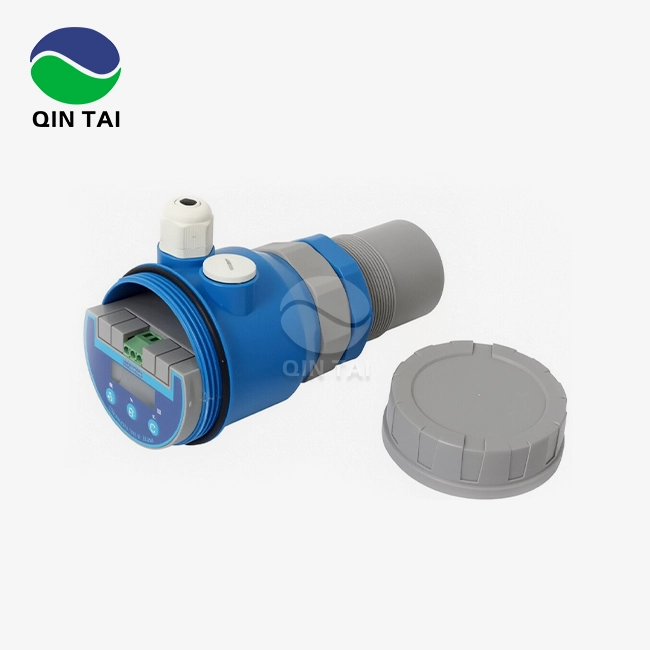
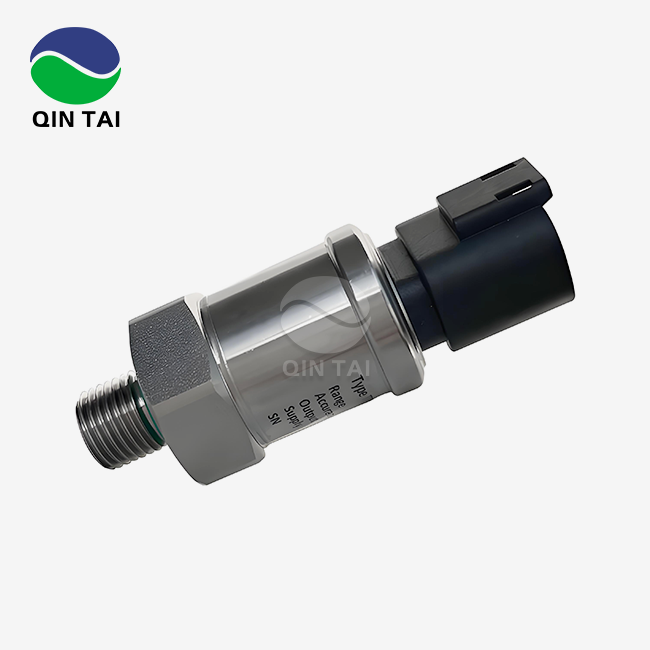
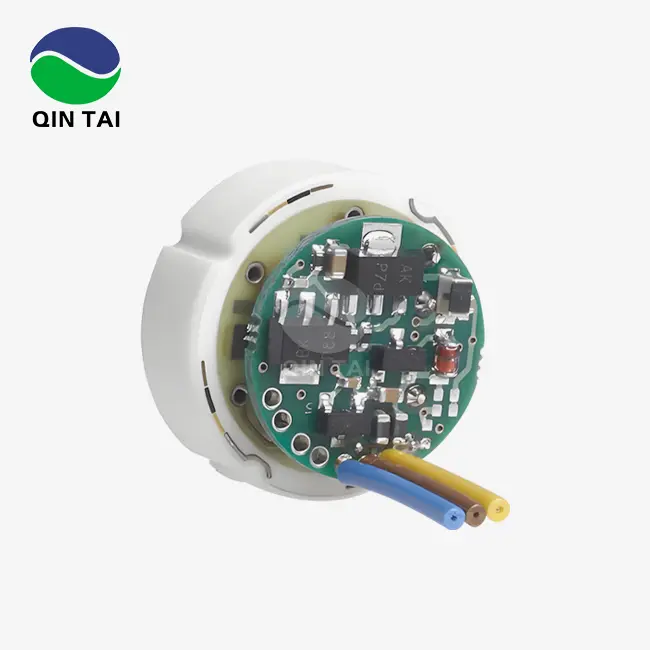
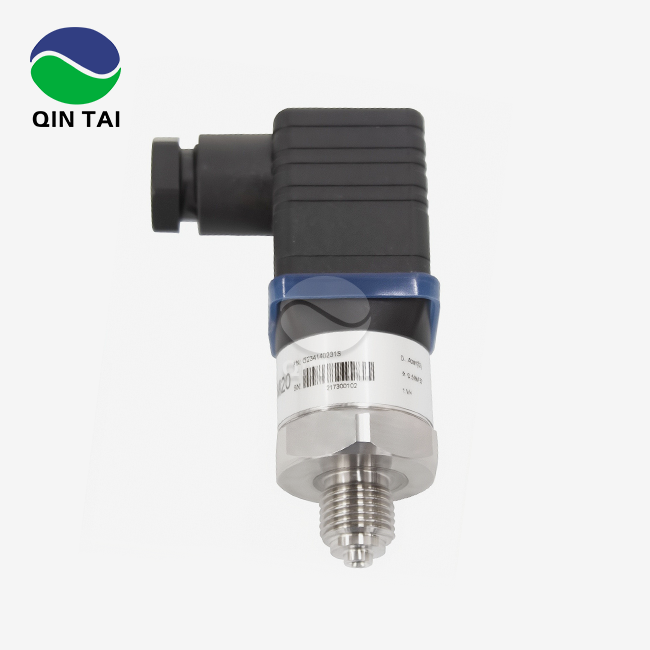

Our customers’ satisfaction speaks for our quality — contact us to experience the same reliable service.