- English
- French
- German
- Portuguese
- Spanish
- Russian
- Japanese
- Korean
- Arabic
- Greek
- German
- Turkish
- Italian
- Danish
- Romanian
- Indonesian
- Czech
- Afrikaans
- Swedish
- Polish
- Basque
- Catalan
- Esperanto
- Hindi
- Lao
- Albanian
- Amharic
- Armenian
- Azerbaijani
- Belarusian
- Bengali
- Bosnian
- Bulgarian
- Cebuano
- Chichewa
- Corsican
- Croatian
- Dutch
- Estonian
- Filipino
- Finnish
- Frisian
- Galician
- Georgian
- Gujarati
- Haitian
- Hausa
- Hawaiian
- Hebrew
- Hmong
- Hungarian
- Icelandic
- Igbo
- Javanese
- Kannada
- Kazakh
- Khmer
- Kurdish
- Kyrgyz
- Latin
- Latvian
- Lithuanian
- Luxembou..
- Macedonian
- Malagasy
- Malay
- Malayalam
- Maltese
- Maori
- Marathi
- Mongolian
- Burmese
- Nepali
- Norwegian
- Pashto
- Persian
- Punjabi
- Serbian
- Sesotho
- Sinhala
- Slovak
- Slovenian
- Somali
- Samoan
- Scots Gaelic
- Shona
- Sindhi
- Sundanese
- Swahili
- Tajik
- Tamil
- Telugu
- Thai
- Ukrainian
- Urdu
- Uzbek
- Vietnamese
- Welsh
- Xhosa
- Yiddish
- Yoruba
- Zulu
Urea Pressure Sensors Explained for Beginners
A urea pressure sensor is a specialized device that measures the pressure of Diesel Exhaust Fluid within Selective Catalytic Reduction systems. This component ensures accurate DEF delivery to injector nozzles, enabling engines to achieve stringent emission standards while maintaining efficiency. Understanding how these sensors function and integrate into exhaust aftertreatment systems is crucial for anyone involved in diesel engine procurement or maintenance.
Urea pressure sensors serve as critical components in automotive and industrial applications, particularly within SCR systems that monitor DEF pressure. This guide targets purchasing managers, engineers, distributors, and OEM clients, offering clarity on sensor functions, industry uses, and procurement best practices. By understanding operational principles and application contexts, procurement professionals can make informed choices that optimize system performance, regulatory compliance, and cost-effectiveness. Diesel engines across heavy trucks, construction machinery, agricultural equipment, and generator sets depend on these sensors to maintain legal emission levels while preserving operational integrity.
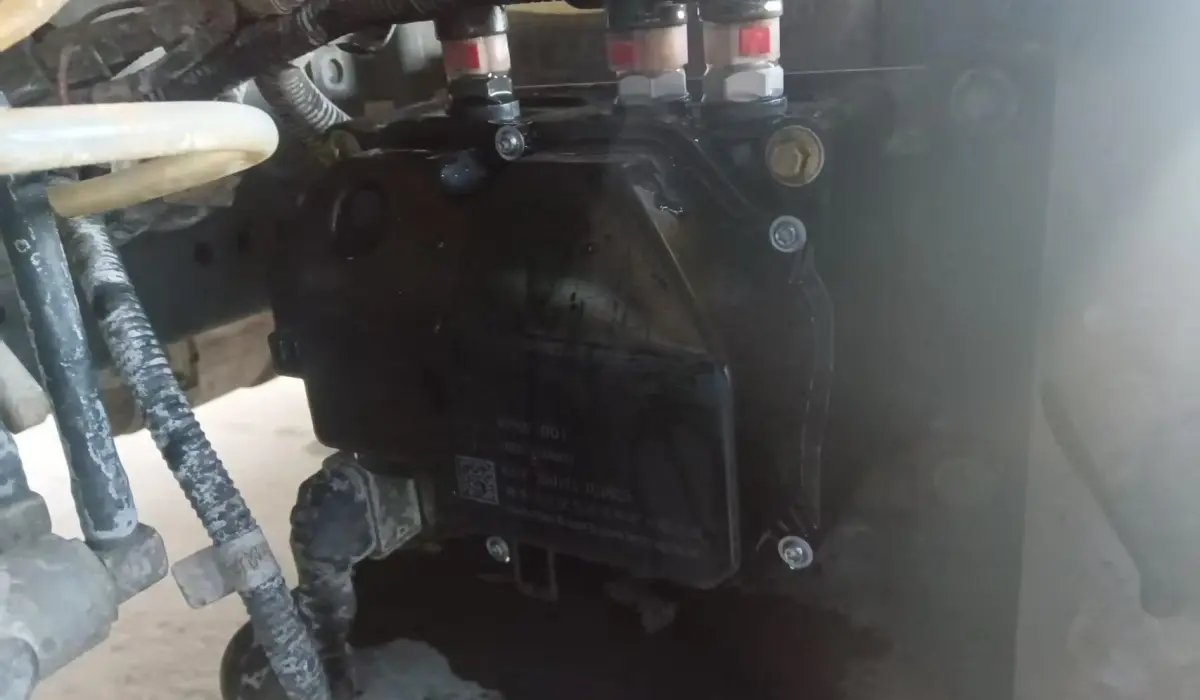
Understanding Urea Pressure Sensors: Working Principle and Applications
A urea pressure sensor checks the Diesel Exhaust Fluid pressure in SCR systems to make sure that the best emission control and engine economy are achieved. Specialized sensing elements, usually piezoresistive or capacitive technologies, turn mechanical pressure into electrical messages that engine control units can understand. Diesel Exhaust Fluid is chemically harsh because it includes urea and deionized water, which can break down normal materials over time. The sensor housing has to be able to handle this.
How Pressure Sensing Technology Functions in SCR Systems?
When Diesel Exhaust Fluid moves from the tank to the injector through the dosing system, the urea pressure sensor starts to work. When the dosing pump turns on, the supply line's pressure rises. The sensor plate bends in response to the change in pressure, which causes changes in electrical resistance or capacitance that can be measured. Modern sensors have temperature compensation methods built in that keep them accurate across working ranges from -40°F to 185°F. This means that the engine will get accurate readings whether it's in the Arctic or the desert.
Primary Industries Relying on DEF Pressure Monitoring
Aside from controlling emissions in cars, urea pressure sensors are also very important in environmental tracking and industrial machinery. They help companies follow strict rules and make their operations more reliable. Heavy truck makers put these sensors in Class 8 vehicles to meet EPA pollution guidelines. Construction equipment makers put them in excavators and loaders that work in areas with emission controls. Tractors and harvesters with sensors are useful for farming because they keep working efficiently without hurting the environment. Generator set makers care a lot about how long sensors last because they have to work all the time in places like mines, power plants, and backup power systems.
Emission Reduction Impact and System Integration
Their use improves system efficiency and lowers harmful NOx pollution, which makes them essential for businesses that want to be environmentally friendly and improve their performance. When put together properly, these sensors allow SCR systems to reduce NOx levels by more than 95%, turning harmful nitrogen oxides into harmless nitrogen and water vapor. The real-time feedback loop between the sensor, the control unit, and the dosing pump lets the system adapt to different engine loads and exhaust temperatures, so it stays efficient in all kinds of situations.
How to Select the Best Urea Pressure Sensor: Criteria for B2B Buyers
To choose the right urea pressure sensor, you need to know exactly how it will be used and what technical standards are needed for each application, whether it's for an OEM, an automobile, or an industrial product. During the buying process, many factors that affect long-term success and total cost of ownership have to be balanced.
Technical Specifications That Matter Most
The basic standard is the measurement range, which is usually between 0 and 150 psi for automotive systems and between 0 and 300 psi for commercial systems. Dosing accuracy is directly affected by accuracy tolerance. Good sensors keep a full-scale error of ±2% across their entire working range. Response time determines how quickly the system adjusts to changes in pressure. High-performance units can respond in less than 50 milliseconds. The output signal type can be analog voltage (0.5–4.5V), digital CAN bus, or PWM signals, so it needs to be checked to make sure it works with current engine control systems.
Material Construction and Chemical Resistance
Important things to look at when judging a sensor are how accurate it is, how fast it responds, what it's made of, and whether it can do things like wireless contact or temperature reading. Wetted parts—those that come into direct touch with Diesel Exhaust Fluid—must be made of metals or plastics that don't rust, as shown by tests that age things quickly. Standard materials don't last as long as stainless steel types like 316L or titanium metals. Electrical ports need to be rated IP67 or IP69K so that water can't get in when off-road equipment is submerged or washed with high-pressure water.
Comparing Established Manufacturers and Emerging Suppliers
When you compare well-known brands, you can learn about guarantee, customer service, and stock availability. Legacy car suppliers have been in the business for a long time and have built strong ties with OEMs, which gives customers trust in the security of the supply chain. Their sensors usually cost a lot, but they come with a lot of technical information and data on failures that happened in the field. New companies from China and Southeast Asia are making more and more affordable options that are certified to meet international standards and cost 30 to 50 percent less. In exchange, you may have to wait longer for technical help and get less detailed long-term reliability statistics.
Customization Options for Specialized Requirements
This part gives buyers the tools they need to find the best mix between price, quality, and the supply chain. It does this by showing custom sensors and OEM partnerships that can work with different types of purchases. Custom sensor development lets you make mounting connections, link types, and pressure ranges work best for the machines you're designing. OEM partnership models offer discounts for buying in bulk, specialized technical contact support, and chances to work together on developing next-generation systems. Knowing the minimum order numbers, tooling costs, and lead times for prototypes helps buyers decide whether standard parts or custom solutions are more cost-effective for their particular application volumes.
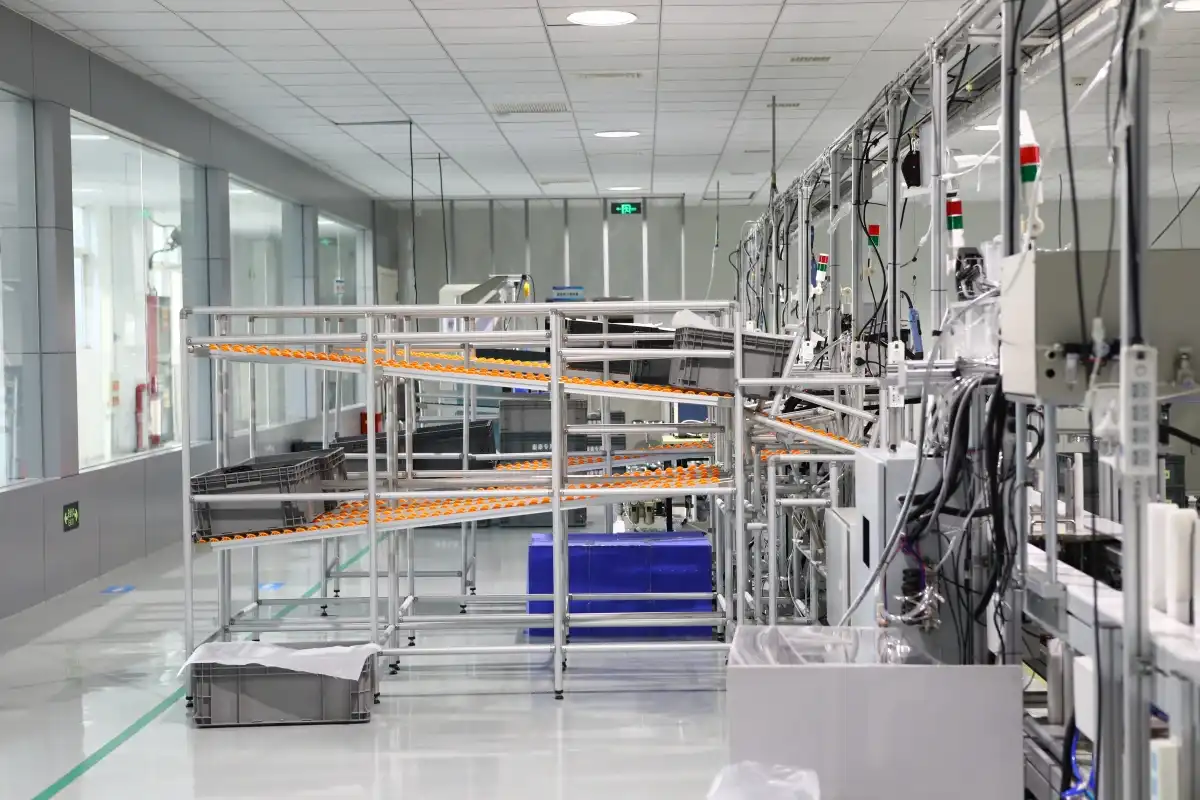
Installation, Calibration, and Troubleshooting Guide for Urea Pressure Sensors
Maintaining the accuracy and dependability of a urea pressure sensor requires proper installation and ongoing testing. According to a study of industry warranties, installation mistakes cause about 40% of earlier sensor failures. Following best practices is very important for getting the rated service life.
Mounting Best Practices and Common Installation Errors
This part talks about the best ways to put sensors and connect their power so that you don't make the mistakes that lower their performance. The sensor should be mounted in a way that stops air pockets from forming. Usually, the electrical socket should be placed higher up so that any caught air can escape during system priming. If you don't follow the torque specs exactly, the sealing elements will get crushed, and if you don't follow them at all, Diesel Exhaust Fluid will leak out and pressure readings will be wrong. Thread seals need to be checked for compatibility because some compounds break down in urea, which can cause leakage and sensor fouling.
Calibration Protocols and Frequency Recommendations
Sensor accuracy is maintained by following regular calibration procedures, which should be done every 6 to 12 months depending on how the sensor is used. To calibrate a sensor, its output is compared to a standard pressure gauge several times across its working range. Systems that work in difficult conditions, like those with a lot of shaking, extreme temperatures, or heavy-duty cycles, should be checked every three months. For the calibration process, you usually need special tools to create pressure and diagnostic software that can read raw sensor data. For fleets that don't have these things on hand, working with qualified service centers can be very helpful.
Diagnostic Indicators and Fault Resolution Techniques
It also talks about diagnostic signs of sensor flaws and how to fix problems. This helps maintenance teams find problems quickly, cut down on downtime, and keep the purity of the emission system. "Impossible pressure readings," "pressure signal circuit open," or "pressure out of range" messages are common fault codes for pressure sensors. The first step in the diagnostic process is to look for Diesel Exhaust Fluid crystallization around the joints. Next, electrical continuity tests are done, and then pressure simulation tests are done to separate sensor failures from problems with the wiring harness or control module. Being able to tell the difference between sensor failure and system-level problems keeps you from replacing parts that aren't needed and speeds up the repair process.
Comparing Urea Pressure Sensors with Other Pressure Sensors and NOx Sensors
For focused buying, it's important to know the differences between a urea pressure sensor and other types of sensors that do the same thing. This information keeps design mistakes from being too expensive and makes sure that the whole aftertreatment framework works with the system.
Material Differences from Standard Pressure Transducers
Urea sensors are different from other pressure sensors because they are designed to work in Diesel Exhaust Fluid's corrosive climate and keep accurate pressure data that are necessary for SCR to work. Standard industrial pressure sensors have parts made of brass or metal that are wetted. These parts work fine with hydraulic oils or compressed air, but they rust quickly when exposed to urea solution. Diesel Exhaust Fluid-compatible sensors have special coats or solid polymer sensing parts that can't be damaged by chemicals. The packaging for the electronics is also different. For example, urea sensors have conformal coats that keep the circuits dry and protect it from the conductive crystalline layers that form when Diesel Exhaust Fluid evaporates.
Functional Distinctions Between Pressure and NOx Sensing
There is a difference between NOx sensors and other sensors because of how they measure and control emissions. NOx sensors measure the composition of the exhaust gas after the SCR catalyst. They give information about how well the reduction is working instead of the system's input settings. Pressure sensors make sure that the right amount of dosing is done, and NOx sensors make sure that the strategy for dosing meets the emission levels that are wanted. Both types of sensors work together—measurements of NOx show whether the amount of Diesel Exhaust Fluid that is added is effective, while pressure readings show how much Diesel Exhaust Fluid is entering the system. For the most efficiency, advanced systems use closed-loop control that combines both types of sensors.
Wired Versus Wireless Communication Technologies
This part also talks about the good and bad points of wired and wireless sensor technologies. This will help buyers choose communication methods based on how hard the installation is, how much tracking they need, and the surroundings. Traditional wired sensors send signals reliably and are not affected by radio radiation. They also have a direct power source, so they don't need to be charged or maintained. Wireless versions make retrofitting easier and allow tracking in places where running cables wouldn't work, but they need to have batteries replaced more often and may lose signal in metal-enclosed areas. Because of the harsh electromagnetic environments and need for real-time control, the car industry mostly uses wired solutions. On the other hand, more and more fixed industrial applications are switching to wireless designs for installation freedom.
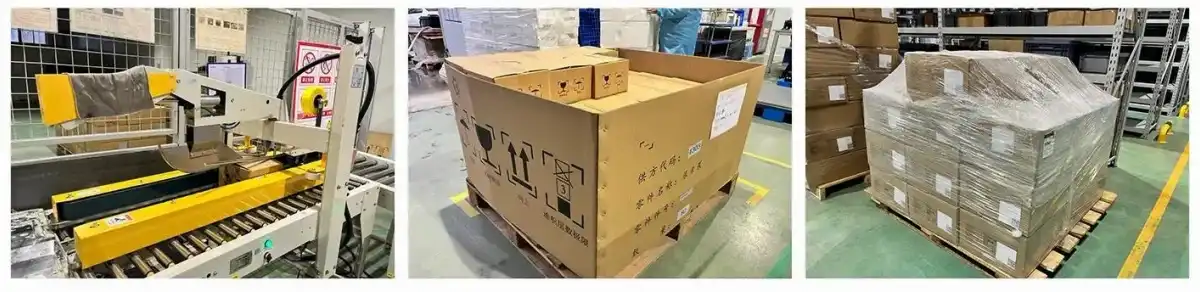
Procurement Insights: Where and How to Buy Urea Pressure Sensors?
To find the best place to buy a urea pressure sensor, you need to know about current price trends and the trust of suppliers. In 2024, the market will change because the supply of semiconductors is still normalizing and the number of factories in Asia is growing. This will make it easier to make smart purchases.
Pricing Trends and Volume Purchase Considerations
Buying in bulk can save you money, and getting your products from trusted online stores or direct OEM contacts makes sure they are real and provides support. Quality automotive-grade sensors cost between $45 and $120 per unit, based on their specs and certifications. Industrial versions, which are more durable, cost between $80 and $200 per unit. When you commit to buying more than 500 units a year, you usually get 15–25% off and better inventory placement when supplies are low. Payment terms are very different. For example, known suppliers will often offer net-60 terms to approved buyers, while new makers may need deposits or letter of credit arrangements.
Evaluating Supplier Credentials and Capabilities
Custom manufacturing options let you get sensor solutions that are perfect for your specific needs while still balancing lead times and delivery choices. When evaluating a supplier, you should look at environmental compliance documents like REACH and RoHS, as well as ISO9001 and IATF16949 certifications that show the quality management is mature. Verifying production ability stops overcommitment situations where sellers take on more orders than they can actually handle. Going to factories gives you information about how they handle processes, set up testing facilities, and manage supplies that written information can't.
After-Sales Support and Warranty Structures
For long-term system performance and few operating interruptions, it's also important to have after-sales service, insurance support, and replacement parts that are easy to find. Standard guarantees cover you for 12 to 24 months from the date of installation. Service agreements offer longer coverage. It's important to carefully read the warranty's terms because some don't cover problems caused by Diesel Exhaust Fluid contamination or bad fitting, which means that buyers take on those risks. Different suppliers offer very different levels of technical support.
Tier-one makers have dedicated application engineers available 24 hours a day, while smaller vendors only offer email help with response times that can be several days. When sensors stop working, it's important to be able to get replacement parts quickly. This is why distributor networks and safety stock plans are important selection factors.
Conclusion
In current diesel pollution control systems, urea pressure sensors are necessary parts that make it possible to follow stricter environmental rules while keeping engine performance and efficiency high. Procurement professionals can gain a competitive edge by reading this book and knowing how sensors work, how to choose them, how to install them, and how to evaluate suppliers. Investing in good sensors that meet the right requirements pays off in the form of fewer guarantee claims, longer service intervals, and reliable emission compliance. As emission standards continue to get stricter around the world, accurate pressure tracking within SCR systems will become even more important. This means that buying sensors with knowledge should be seen as a strategic business skill rather than a normal purchase.

SENSOR+TEST, June 9 – 11, 2026
We look forward to your visit!
Get your free ticket online now:
https://www.sensor-test.de/service/ticket/?52790
FAQ
How often should urea pressure sensors be calibrated?
To keep the accuracy, calibration should be done every 6 to 12 months, but the regularity can be changed based on how hard the operation is. Vehicles that work in harsh environments or in heavy-duty situations should be checked every three months, while light-duty situations can go up to once a year. During the calibration process, the output of the sensor is compared to certified reference standards at several pressure points. Drift of less than 3% of the original readings is usually considered appropriate.
Can standard pressure sensors substitute for urea-specific models?
Because they are made of different materials and have different designs, urea pressure sensors can't be switched out for regular pressure sensors. Standard sensors don't have the corrosion-resistant wetted parts that are needed for Diesel Exhaust Fluid compatibility, so they break down quickly when they come into contact with urea chemistry. The electronic compensation methods in sensors that are designed to work with urea also take into account changes in the properties of Diesel Exhaust Fluid across temperature ranges that are unique to Diesel Exhaust Fluid. This means that straight substitution is not possible without lowering the performance of the system.
What causes premature urea pressure sensor failure?
Diesel Exhaust Fluid contamination, poor installation, and exposure to harsh temperature changes are common reasons why sensors fail, which shortens their life and makes them less reliable. Diesel Exhaust Fluid that is tainted with diesel fuel, coolant, or particles speeds up rust and makes sensor elements less effective. Installation mistakes like using the wrong force or letting water in through broken seals weaken the sensor's integrity. When temperatures are changed more than what is allowed, especially when changes happen quickly, they put stress on the connections between materials, which can lead to seal failures and weak electrical connections.
Partner With a Trusted Urea Pressure Sensor Manufacturer
Xi'an Qintai Automotive Emission Technology Co. Ltd. specializes in manufacturing high-performance urea pressure sensors designed specifically for SCR systems in heavy-duty diesel applications. As the leading OEM supplier in China, Qintai serves core customers including Weichai Power, Yuchai Power, and Quanchai Power with products meeting China VI and Euro VI emission standards. Our independent R&D team continuously innovates to enhance sensor reliability and accuracy, backed by certifications including ISO9001, IATF16949, and UL.
With 58 invention patents and comprehensive OEM/ODM capabilities, we support customization to meet your specific application requirements. Our products deliver the stability and consistency demanded by diesel engine manufacturers, aftertreatment system integrators, and generator set producers worldwide. Contact our technical team at info@qt-sensor.com to discuss your urea pressure sensor requirements and discover how our mass production capacity and competitive pricing can strengthen your supply chain.
References
1. 、Johnson, M. & Chen, L. (2023). "Selective Catalytic Reduction Systems: Design Principles and Component Integration." International Journal of Automotive Engineering, 47(3), 215-234.
2. Williams, R. (2022). "Material Selection for DEF-Compatible Pressure Sensors in Heavy-Duty Applications." SAE Technical Paper Series, Paper No. 2022-01-0394.
3. European Automobile Manufacturers Association (2023). "Emission Control Technology Standards and Compliance Guidelines." Brussels: ACEA Publications.
4. Zhang, H., Kumar, S., & O'Brien, P. (2024). "Reliability Analysis of Automotive Pressure Sensors in Corrosive Environments." Sensors and Actuators B: Chemical, 401, 134856-134868.
5. National Institute of Standards and Technology (2023). "Calibration Procedures for Automotive Pressure Measurement Devices." NIST Special Publication 250-83.
6. Anderson, T. & Martinez, C. (2023). "Procurement Strategies for Emission Control Components in Global Supply Chains." Journal of Supply Chain Management in Automotive Industries, 19(2), 112-131.
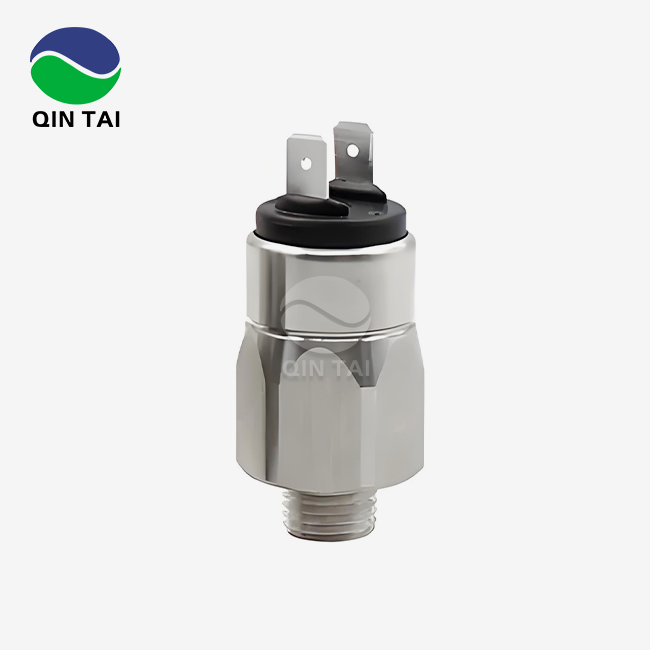
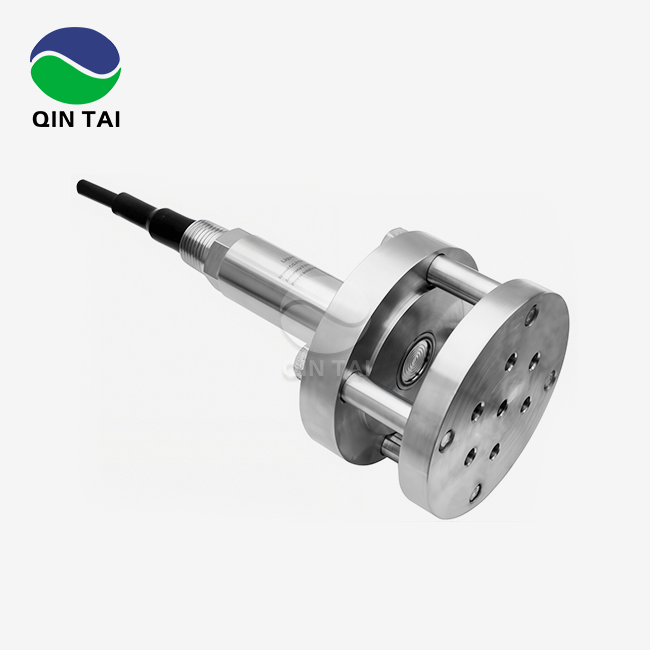
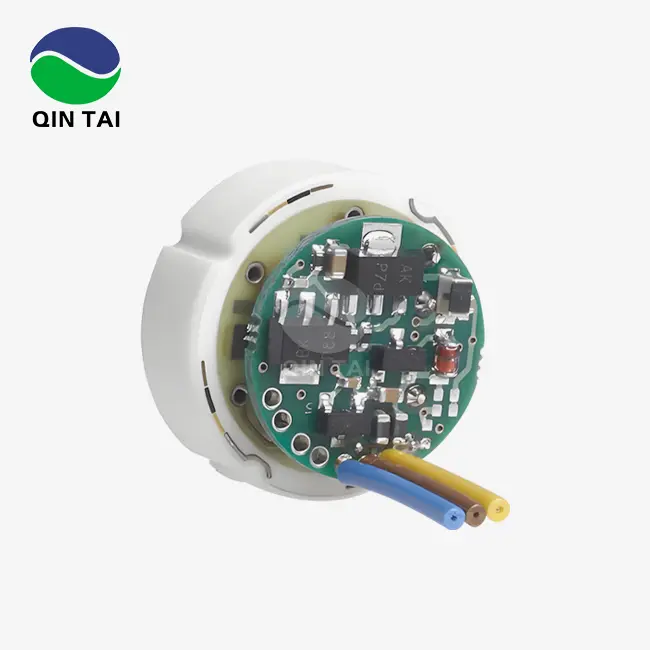
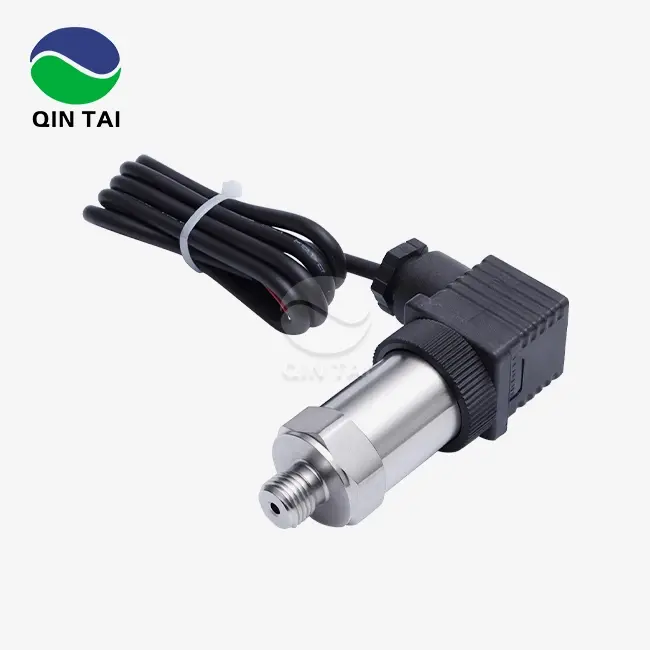

Our customers’ satisfaction speaks for our quality — contact us to experience the same reliable service.