- English
- French
- German
- Portuguese
- Spanish
- Russian
- Japanese
- Korean
- Arabic
- Greek
- German
- Turkish
- Italian
- Danish
- Romanian
- Indonesian
- Czech
- Afrikaans
- Swedish
- Polish
- Basque
- Catalan
- Esperanto
- Hindi
- Lao
- Albanian
- Amharic
- Armenian
- Azerbaijani
- Belarusian
- Bengali
- Bosnian
- Bulgarian
- Cebuano
- Chichewa
- Corsican
- Croatian
- Dutch
- Estonian
- Filipino
- Finnish
- Frisian
- Galician
- Georgian
- Gujarati
- Haitian
- Hausa
- Hawaiian
- Hebrew
- Hmong
- Hungarian
- Icelandic
- Igbo
- Javanese
- Kannada
- Kazakh
- Khmer
- Kurdish
- Kyrgyz
- Latin
- Latvian
- Lithuanian
- Luxembou..
- Macedonian
- Malagasy
- Malay
- Malayalam
- Maltese
- Maori
- Marathi
- Mongolian
- Burmese
- Nepali
- Norwegian
- Pashto
- Persian
- Punjabi
- Serbian
- Sesotho
- Sinhala
- Slovak
- Slovenian
- Somali
- Samoan
- Scots Gaelic
- Shona
- Sindhi
- Sundanese
- Swahili
- Tajik
- Tamil
- Telugu
- Thai
- Ukrainian
- Urdu
- Uzbek
- Vietnamese
- Welsh
- Xhosa
- Yiddish
- Yoruba
- Zulu
The Role of Urea Pressure Sensors in AdBlue Systems
Around the world, pollution guidelines for modern diesel engines are getting stricter, which means that solid technologies are needed to cut down on harmful pollutants. The urea pressure sensor is an important but often forgotten part of Selective Catalytic Reduction (SCR) systems that is at the heart of them. This device constantly checks the pressure of Diesel Exhaust Fluid (DEF) in AdBlue dosing systems to make sure that the right amount of urea is injected to turn harmful nitrogen fumes into safe nitrogen and water vapor. If you don't measure pressure correctly, SCR systems can't give the right doses, which can cause problems with emissions controls, engine performance, and expensive downtime. OEMs, aftermarket sellers, and fleet managers who want to stay in line and run their businesses efficiently need to know how these sensors work and choose the right source.
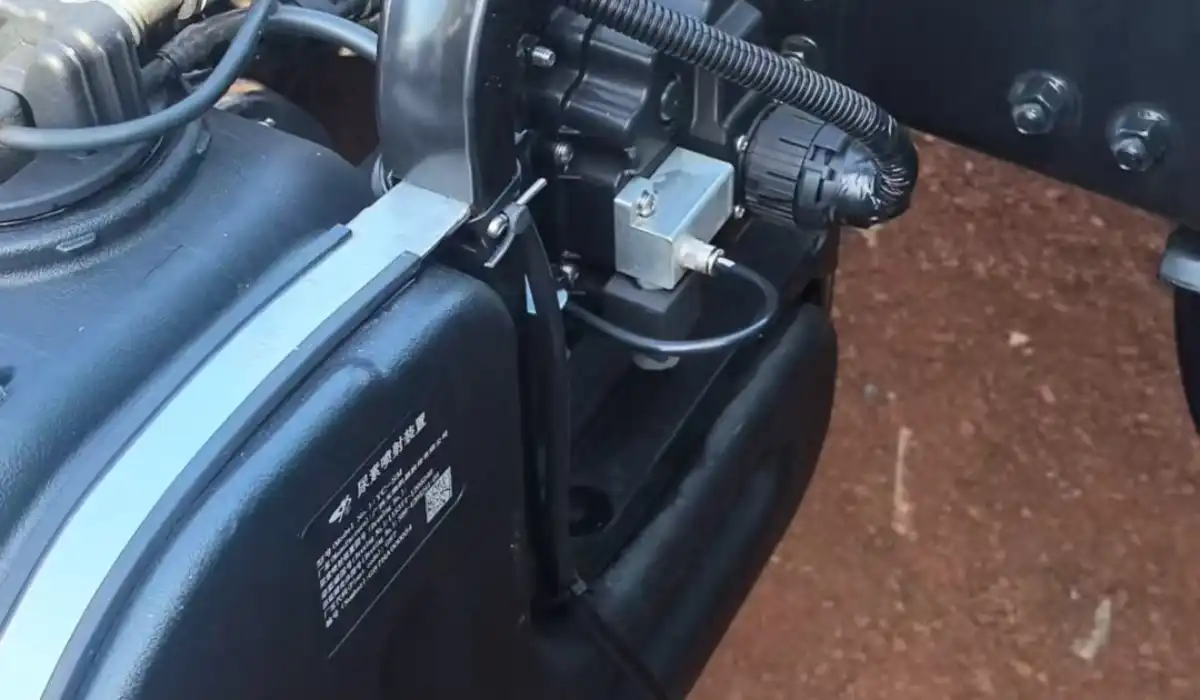
What Is a Urea Pressure Sensor and How Does It Work?
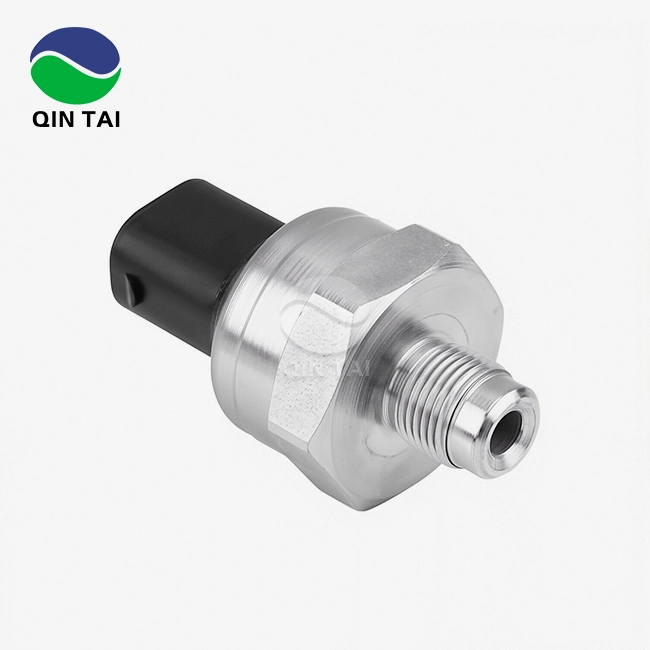
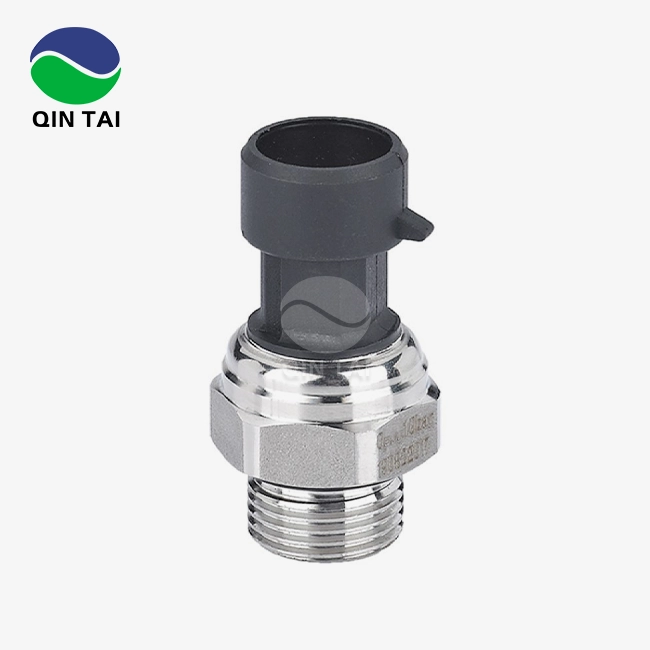
In SCR aftertreatment systems, the precise measuring tool is a urea pressure sensor, which is also called an AdBlue pressure sensor. This special device, which is put between the dose pump and the injector tip, keeps track of the urea solution's pressure as it moves through the supply line. The sensor sends real-time return signals to the SCR control unit. This lets the dosing pump be controlled in a closed loop and keeps the whole system safe from overpressure or leaks.
Core Operational Principles
The main way it works is by turning mechanical pressure into electrical messages. A diaphragm or piezoresistive membrane is usually used as a detecting element. When DEF moves from the dosing module to the injector, it pushes against it. When this happens, the electrical resistance or capacitance changes in a way that can be measured. The sensor's internal electronics then turns these changes into standard output signs. Modern pressure sensors can record pressures from 0 bar to 10 bar or higher, based on the needs of the system and the way the engine is set up.
Signal Output Technologies
Either analog or digital transmission methods are used by sensors to send data. Analog sensors send out steady voltage signals (usually between 0.5V and 4.5V) that are proportional to the pressure they are measuring. The readings need to be interpreted by computers outside the sensor. Digital sensors have microprocessors built in that turn pressure readings into standard communication methods like CAN bus signals. This makes the sensors more accurate and helps with diagnosis. Digital versions are becoming more and more popular among big OEM makers because they are better at blocking noise and are easier to integrate with modern engine control units.
Application Scope and Compatibility
There are many types of vehicles and industry tools that use these sensors. Heavy-duty cars that are required to follow EPA rules from 2010 and later depend on accurate pressure tracking to keep the consistency of their DEF injections even when the load changes. For construction equipment to work in difficult conditions, its sensors need to be strong enough to handle high temperatures and vibrations.
Agricultural equipment works better with sensors that are made to work with the seasons, and fixed generator sets need industrial-grade parts that can go longer between service visits. When thinking about compatibility, it's not just about the size of the mounting holes. You also have to think about electrical connector standards, signal output specs, and software interaction needs that are very different between engine systems.
Types of Urea Pressure Sensors and Their Benefits
There are a lot of different types of urea pressure sensors on the market, and each one is made to work in a certain setting and meet certain performance needs. Knowing these differences helps people who work in buying match the powers of sensors with the needs of applications.
Technology Classification
Because they are small, respond quickly, and don't cost much, piezoresistive sensors are mostly used in cars. These tools use silicon or ceramic membranes that have strain gauges built in. The strain gauges change resistance when pressure is applied, which allows for measurements that are accurate to within ±2% of full scale. Capacitive pressure sensors are very stable even when the temperature changes. They measure pressure by watching how the dielectric between two parallel plates changes. Thick-film ceramic sensors work great in corrosive environments because they have direct media touch with chemically resistant surfaces that get rid of covering elements that break down easily.
Leading Manufacturer Comparisons
When it comes to designing sensors, global providers have different technical approaches. Bosch sensors have advanced troubleshooting features and are fully tested against car quality standards. This makes them the best choice for OEM production lines. Continental sensors focus on their ability to control heat, with heating parts that keep DEF from crystallizing during cold starts. Delphi focuses on small packing options that can fit in tight spaces, while Denso sensors are known for their excellent long-term steadiness, which comes from decades of experience with diesel fuel injection.
Before talking about the main benefits of these different kinds of sensors, it's important to understand how improvements in technology directly lead to real operating benefits for system designers and end users.
- Enhanced Emission Control: Accurately measuring pressure allows for exact dosing of DEF, which maintains the best conversion efficiency and keeps NOx emissions below legal limits throughout the engine's operating area.
- Extended System Reliability: Good sensors keep unexpected maintenance to a minimum by avoiding dosing mistakes that contaminate the SCR catalyst or clog the injectors. This makes parts last 30–40% longer than with inferior options.
- Diagnostic Capability: Modern sensors can identify drift and send out-of-range signals early warnings when a system is degrading. This lets maintenance plans be made ahead of time, which cuts down on car downtime.
- Temperature Compensation: High-quality sensors have built-in thermal adjustment methods that keep measurements accurate from -40°C to +125°C, which is important for equipment that works in a variety of climates.
Calibration Requirements and Lifespan
Once sensors are properly adjusted, they keep their measurement accuracy for as long as they are used, which in business settings is usually between 5,000 and 10,000 hours. During production, NIST-traceable reference standards are used for the first testing, which sets the baseline for the pressure-voltage relationships. When monitoring systems find drift that is too big of a problem or after a part is replaced, the field needs to be recalibrated. Specialized calibration equipment uses known pressure values to measure sensor output. This lets techs change the settings for electronic cutting or show that the sensor isn't working as well as it should and needs to be replaced.
Troubleshooting and Maintaining Urea Pressure Sensors
Systematic maintenance plans keep urea pressure sensors working well and stop problems with the emission system that cause check engine lights and engine derate conditions.
Failure Indicators and Diagnostic Codes
Modern engine control units constantly check the output of sensors and report any problems using standard diagnostic trouble codes. Some common trouble codes are not enough pressure during dosing cycles, readings of pressure that are not within the expected ranges, or circuit malfunctions that show problems with the electrical link. Physical symptoms include not converting NOx efficiently enough, using too much DEF, or shutting down the whole system when control algorithms recognize unsafe working conditions.
Systematic Troubleshooting Workflow
To start a good analysis, you need to get the stored fault codes using scan tools that are compatible and can view SCR system data. Technicians check the electrical links to sensors and look at the connecting pins for corrosion or damage that could cause signals to go out of sync. Checking the voltage source makes sure that the control module gives off the right amount of excitation power, which is usually 5V controlled DC. To validate the pressure output, you have to compare sensor readings to mechanical gauge measurements while the pump is being handled. This shows you which sensors are giving you wrong readings even though their electrical functions are fine.
Common Failure Modes and Prevention
Failures of sensors can be caused by a number of things that can be avoided with good repair. DEF hardening happens when fluid waste dries out inside sensor ports, stopping pressure from moving and giving wrongly low readings. Crystals don't form when the system is regularly purged during long holding times. Moisture getting into electrical connectors causes rust, so dielectric grease has to be used during installation and the seal has to be checked for stability on a regular basis. To keep sensors from breaking because of too much vibration or installation pressure, they need to be mounted according to the manufacturer's instructions and supported properly in places with a lot of vibration.
To keep measurements accurate, you need to know when and how to do calibration processes that fix sensor accuracy without having to replace parts that aren't needed. Every year or whenever monitoring tools show that measurements are drifting, calibration should be checked. When technicians connect pressure reference standards to the test ports on the SCR system, they tell the dose pump to create certain pressure levels while they record the sensor output values. When you compare recorded voltages to calibration tables, you can see if sensors are still within their error bands. When sensors show drift, they are electronically fixed using scan tool calibration methods if the control module supports them, or the faces are replaced if physical damage makes it impossible to measure accurately. Recording the calibration results gives useful trends information that tells you how long a sensor will last and when to replace it.
How to Choose the Best Urea Pressure Sensor for Your Fleet or OEM Needs?
Strategic urea pressure sensor selection weighs the need for technical performance against the total cost, making sure that the new sensors will work with current systems and meet quality standards.
Compatibility and Technical Specifications
To successfully integrate sensors, you need to pay close attention to the needs of the mechanical and electrical interfaces. The thread sizes for mounting must match the ports on the system. M12x1.5 and M14x1.5 are popular car thread sizes. Electrical connectors from different makers are very different, so it's important to make sure that the configurations of sensor pins work with current wire harnesses or that adapter solutions are available. The choice of pressure range relies on how the system is built. For example, most car uses need sensors that work with 0–10 bar pressure, while industrial uses may need sensors that work with higher ranges. When systems use quick dose changes, response time requirements become very important, and sensors must be able to track changes in pressure within 10 to 50 milliseconds.
Performance and Warranty Evaluation
When making a purchase choice, it helps to compare the key performance measures of different candidate sensors. The accuracy of measurements has a direct effect on the accuracy of dosing. For quality sources, standards range from ±1% to ±3% of full scale. The temperature ranges that equipment can work in must include the worst conditions it can face, taking into account both the air temperature and the heat transfer from close exhaust parts. Manufacturers who give full guarantees show that they are confident in the reliability of their products. Terms that cover 12 to 36 months or a certain number of hours of use are very helpful for reducing risk.
Procurement Strategy Development
Structured buying methods are very helpful for people who buy a lot of things. Building partnerships with makers that can meet the needs of mass production guarantees a steady supply during the launch of new equipment. When you order in bulk, you can usually save 15 to 30 percent on prices compared to buying in small amounts, and you also save money on processing costs. Custom production choices let original equipment manufacturers (OEMs) choose the link types, mounting configurations, or calibration ranges that work best with their own system designs. This lets them stand out and makes the assembly process easier.
Supply chain problems that cause production plans to slip or fleets to wait for new parts can be avoided by understanding global transportation capabilities. When compared to direct orders from factories, suppliers with regional distribution centers cut down on wait times and freight costs. Inventory management systems that have providers stock customer-specific parts protect against changes in demand while transferring the costs of having those parts. Having technical support available in local time zones and languages makes it easier to solve problems quickly when startup questions or problems in the field need professional help.
Future Trends and Innovations in Urea Pressure Sensor Technology
Emission rules are getting stricter around the world, and engine technologies are changing to become more electric. This is leading to new urea pressure sensor technologies that meet new needs.
Smart Sensor Integration
The coming together of sensor technology and the Internet of Things opens up new ways to keep an eye on systems and plan for future repair. Next-generation sensors have processing built right in that looks at pressure patterns and finds oddities that point to failures starting before they completely break down. Wireless communication choices let real-time data stream to fleet management systems, which lets businesses that are spread out see how each vehicle's SCR is working. Cloud-based analytics collect data from tens of thousands of sensors and use statistical analysis of real field performance to find ways to improve designs and make repair schedules more efficient.
Enhanced Accuracy and Longevity
New developments in material science make sensors that can handle the harsh chemicals inside DEF systems better. Specialized diaphragm coats keep ammonia from damaging the sensing elements, so they can work accurately for more than 15,000 hours in heavy-duty situations. Hermetic closing technologies get rid of the ways that water used to get in and cause electricity problems. This makes IP6K9K ingress protection suitable for high-pressure washdown settings. Self-diagnostic features keep an eye on sensor health factors and let you know ahead of time when calibration drift gets close to the levels where action is needed.
Automatic Calibration Functions
New sensor designs include self-calibration features that keep them accurate without the help of an expert or special tools. When the key is off and there is no DEF pressure, these devices use absolute pressure as their reference. They automatically change the zero-point offsets to account for electronic drift. Machine learning algorithms built into advanced control modules connect sensor readings to other system parameters. These algorithms find and fix measurement errors by continuously calibrating the system in the background while the car is running normally.
Strategic Implications for Procurement
As technology improves, it brings both possibilities and problems for supply chain workers. Early adoption of smart sensors gives companies a competitive edge through higher uptime and lower servicing costs, which is why forward-thinking companies are willing to pay more for them. But because technology changes so quickly, big stockpiles of parts can become obsolete quickly. This is why just-in-time purchasing strategies and seller partnerships that provide insight into the technology plan are preferred. Diversified buying from several qualified suppliers lowers the risks that come with relying on just one source. It also gives you back-up options in case your favorite suppliers have quality problems or capacity issues.
Conclusion
Urea pressure sensors are essential parts of current SCR pollution control systems because they allow exact dosing of DEF that meets stricter environmental rules. When engineers and procurement workers make choices about where to get parts for vehicles that affect their reliability and compliance, they have to look at sensor technologies, the skills of the manufacturers, and the long-term support infrastructure. The market for sensors is always changing as smart technologies and longer-lasting features come out. These features lower the total cost of ownership and make upkeep easier. Organizations can be more successful as emission standards get stricter and equipment demands rise by working with well-known makers with track records, full certifications, and quick technical support. By choosing the right sensors now, you can avoid costly compliance failures tomorrow and improve business efficiency across a wide range of uses.

SENSOR+TEST, June 9 – 11, 2026
We look forward to your visit!
Get your free ticket online now:
https://www.sensor-test.de/service/ticket/?52790
FAQ
How often should urea pressure sensors be calibrated?
Calibration intervals rely on how hard the application is and what the maker suggests. Most urea pressure sensors in cars stay accurate for two to three years or 3,000 to 5,000 hours of use without needing to be adjusted. Heavy-duty uses in dirty or acidic places might need to be checked every year. When pressure measurement faults are found by diagnostic tools or after repair work that disconnects sensor connections, calibration is needed. By taking standard data as part of regular maintenance, you can use trending to find small changes in accuracy that happen before they become big enough to affect emission performance.
What distinguishes pressure sensors from level sensors in SCR systems?
Pressure sensors check how much force DEF is putting on dose lines. This information tells the pump how to work and makes sure the injections are delivered correctly. Using ultrasound, inductive, or float-based technologies, level sensors keep an eye on how much fluid is left in storage tanks. Both types of sensors are necessary, but they do different important jobs. Pressure sensors make sure that the right amount of fluid is added, and level sensors keep tanks from running out of fluid, which would stop emission control. Both types of sensors must work consistently for systems to keep the SCR working and in line with regulations.
Can generic sensors replace OEM-specified components across different engine brands?
To be interchangeable, technical specs like pressure range, electrical output, physical mounting, and link design must match. Using parts that haven't been tested for specific engine platforms can lead to measurement mistakes, voiding the guarantee, or control modules that don't work with the sensors. Some aftermarket sensors offer multi-application compatibility through adapter kits. OEM-certified sensors go through a lot of validation testing to make sure they work well across the whole operating range. This gives you peace of mind that generic options might not offer. When making decisions about what to buy, people should weigh the cost savings against the risks of mistakes in the field and the effects on customer happiness.
Partner with Qintai for Reliable Urea Pressure Sensor Solutions
Xi'an Qintai Automotive Emission Technology Co. Ltd. brings over two decades of specialized expertise in SCR system components, serving as the core urea pressure sensor supplier for China's leading diesel engine manufacturers including Weichai Power, Yuchai Power, and Quanchai Power. Our ISO9001, IATF16949, and CMC-certified manufacturing processes deliver consistent quality that meets stringent emission standards across global markets. With 58 invention patents and an independent R&D team, we continuously advance sensor technology while maintaining the flexibility to support custom specifications and rapid delivery schedules.
OEM and aftermarket customers across 60+ countries trust Qintai sensors for their accuracy, durability, and comprehensive after-sales support. Contact our technical experts at info@qt-sensor.com to discuss your specific requirements, request detailed specifications, or receive competitive quotes for bulk orders. Whether you need catalog products or customized solutions, Qintai delivers the precision measurement components that keep your SCR systems compliant and efficient.
References
1. Johnson, R.T., & Martinez, P.L. (2021). Selective Catalytic Reduction Systems: Design, Integration, and Performance Optimization. SAE International Technical Publications.
2. Environmental Protection Agency (2020). Diesel Engine Emission Control Technology: Regulatory Framework and Compliance Strategies. EPA Office of Transportation and Air Quality.
3. Zhang, H., Kumar, S., & Hoffmann, K. (2022). "Advanced Sensor Technologies for Automotive SCR Applications." Journal of Emission Control Science and Technology, 8(3), 245-267.
4. International Organization for Standardization (2019). ISO 22241: Diesel Engines – NOx Reduction Agent AUS 32 – Part 4: Refilling Interface. ISO Standards Collection.
5. Schmidt, A.W., & Becker, M. (2023). Pressure Measurement in Harsh Environments: Automotive and Industrial Applications. Springer Publishing.
6. Association of Diesel Specialists (2022). SCR System Diagnostics and Troubleshooting Guide for Commercial Vehicles. Technical Service Bulletin Series, Volume 14.

Our customers’ satisfaction speaks for our quality — contact us to experience the same reliable service.