- English
- French
- German
- Portuguese
- Spanish
- Russian
- Japanese
- Korean
- Arabic
- Greek
- German
- Turkish
- Italian
- Danish
- Romanian
- Indonesian
- Czech
- Afrikaans
- Swedish
- Polish
- Basque
- Catalan
- Esperanto
- Hindi
- Lao
- Albanian
- Amharic
- Armenian
- Azerbaijani
- Belarusian
- Bengali
- Bosnian
- Bulgarian
- Cebuano
- Chichewa
- Corsican
- Croatian
- Dutch
- Estonian
- Filipino
- Finnish
- Frisian
- Galician
- Georgian
- Gujarati
- Haitian
- Hausa
- Hawaiian
- Hebrew
- Hmong
- Hungarian
- Icelandic
- Igbo
- Javanese
- Kannada
- Kazakh
- Khmer
- Kurdish
- Kyrgyz
- Latin
- Latvian
- Lithuanian
- Luxembou..
- Macedonian
- Malagasy
- Malay
- Malayalam
- Maltese
- Maori
- Marathi
- Mongolian
- Burmese
- Nepali
- Norwegian
- Pashto
- Persian
- Punjabi
- Serbian
- Sesotho
- Sinhala
- Slovak
- Slovenian
- Somali
- Samoan
- Scots Gaelic
- Shona
- Sindhi
- Sundanese
- Swahili
- Tajik
- Tamil
- Telugu
- Thai
- Ukrainian
- Urdu
- Uzbek
- Vietnamese
- Welsh
- Xhosa
- Yiddish
- Yoruba
- Zulu
Applications of Urea Pressure Sensors in Diesel Engines
Emissions from modern diesel engines are getting more and more attention, which is pushing makers to develop new technologies that meet strict environmental standards. The urea pressure sensor is a crucial part of Selective Catalytic Reduction (SCR) systems that monitors the flow of diesel exhaust fluid (DEF). These sensors check the pressure in the AdBlue supply line. This lets the injector tip get the right amount of AdBlue, which effectively lowers nitrogen oxide emissions. Accurate pressure monitoring is needed to make sure that big trucks, building equipment, and generator sets meet China VI and Euro VI standards and that the system works as efficiently and reliably as possible.
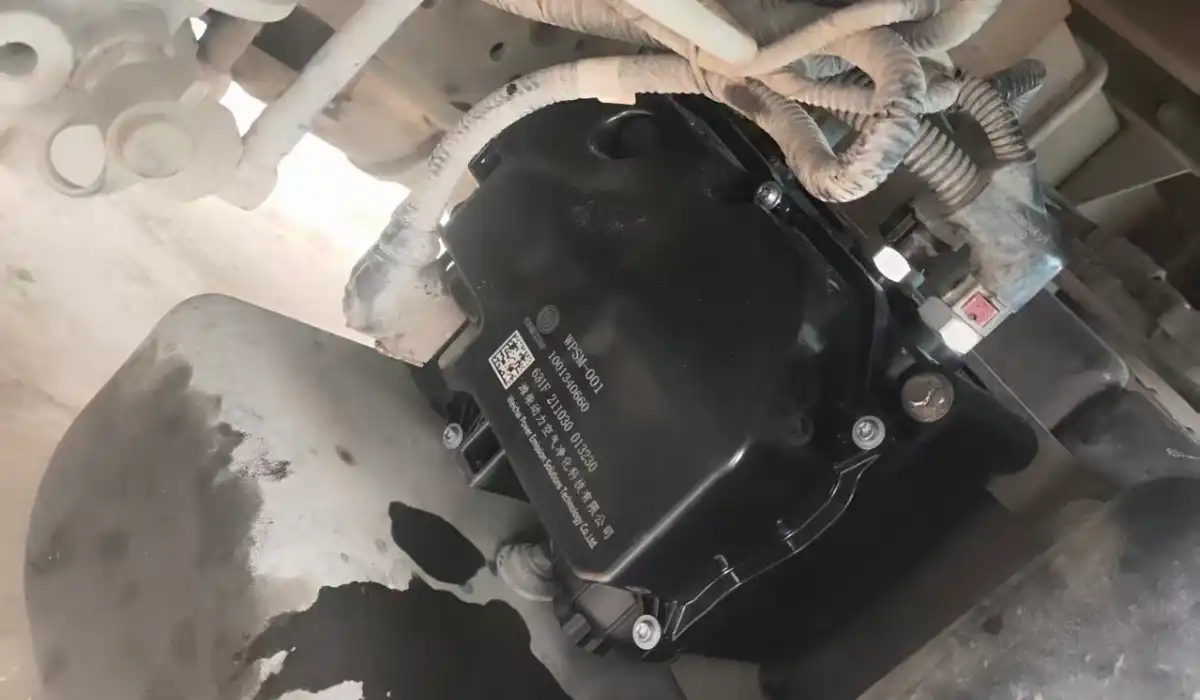
Comprehending Urea Pressure Sensors in Diesel Engines
The Role of Pressure Monitoring in SCR Systems
Selective Catalytic Reduction is the best technology available right now for controlling emissions from diesel engines. A limited amount of DEF is added to the exhaust stream, where it mixes with nitrogen oxides to turn them into nitrogen and water vapor, which are safe to breathe. Pressure sensors between the dose pump and injector send real-time information to the engine control unit, which lets it precisely control the flow.
Under-dosing, which can cause compliance problems, and over-dosing, which loses fluid and makes crystals deposits, are both stopped by this closed-loop control. The urea pressure sensor acts like the eyes of the SCR system; it constantly checks to make sure that the pressure stays in the right range for mixing and atomization to work best.
Common Sensor Technologies
There are different sensor systems that can be used to measure the pressure of a urea solution. Piezoresistive sensors use strain gauges on a silicon plate that changes shape when pressure is applied, causing an equal change in electrical resistance. Because these systems are very linear and respond quickly, they can be used in dynamic diesel engine uses.
Capacitive sensors are very accurate when things are stable because they measure pressure by changing the capacitance between a set plate and a flexible membrane. Thick-film ceramic sensors attach resistance elements directly to ceramic bases, making them very resistant to urea chemical attack. Different technologies have their own benefits, and the one you choose will rely on the pressure range, temperature ranges, and vibration exposure of the application.
Integration with Diesel Engine Aftertreatment
Along with dose control units, pumps, injectors, and nitrogen oxide sensors, the sensor fits in perfectly with the overall design of the aftertreatment system. The pressure sensor sends signals to the electronic control module all the time while the engine is running. The readings are compared to goal values saved in calibration maps. When the recorded pressure is different from what is expected, the system either changes the speed of the pump or checks for blocks and leaks. This combination does more than just measure; it also allows for diagnostic features that let workers know when maintenance is needed before the whole system breaks down, which greatly reduces the amount of time and money needed for repairs.
Common Issues & Troubleshooting of Urea Pressure Sensors
Identifying Sensor Malfunctions
Several signs show that pressure tracking parts in SCR systems are starting to have problems. Erratic pressure readings that change more than the normal range of variation suggest that the urea pressure sensor is wearing out or that there are problems with the electrical link. These breakdowns often come with SCR system warning lights on the dashboard, which let drivers know there are problems with emission control. When the control unit goes into limp mode to stop too many fumes, the engine may not work as well and the car may go slower.
If the amount of DEF used goes up without the emissions going down, this could mean that the pressure input is wrong, which leads to too much pumping. When maintenance teams see these early warning signs, they can fix problems before they get worse and cause costly failures or regulatory violations.
Diagnostic Approaches
Getting diagnostic trouble codes from the engine control module using the right scan tools is the first step in troubleshooting. AdBlue pressure circuit trouble codes let you know if the system finds numbers that don't make sense, electrical shorts, or open circuits. When you look closely at the sensor and wire leads, you can see that they are physically damaged.
There is corrosion at the connections and urea crystallization around the sensor body. Comparing the sensor's electrical resistance and voltage output to the manufacturer's specs lets you know if it works within error. By comparing the pressure sensor's values to known-good reference gauges, you can tell if the problem is with the sensor itself or with the system's pressure. This makes it clear whether the sensor needs to be replaced or the system needs to be fixed.
Preventive Maintenance Strategies
Setting up regular repair plans can stop many common sensor failures and make parts last longer. At regular times, inspections should include checking the electrical contacts for rust and tightness, cleaning any urea crystals off the sensor surfaces, and making sure the right amount of mounting force is used. When you use high-quality DEF that meets ISO 22241 standards, you stop pollution and crystals that can hurt sensors. In cold places, making sure the heater element works right keeps sensors from freezing and breaking the housings and diaphragms. Checking the calibration at regular times helps keep measurements accurate, so the sensor can keep working well at controlling emissions for as long as it's needed.
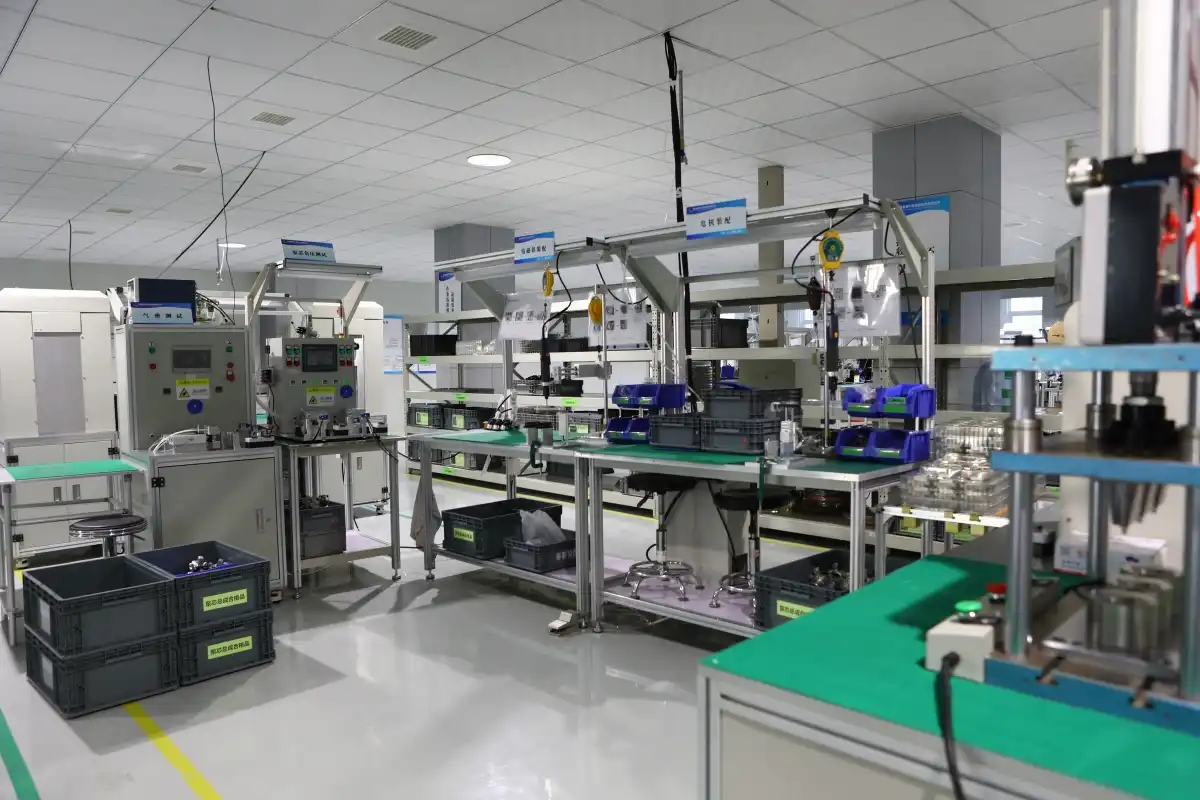
Selecting the Best Urea Pressure Sensor for Diesel Engines
Critical Evaluation Criteria
To pick the right pressure tracking part, you have to think about a lot of technical and business issues. The accuracy of measurements has a direct effect on how well pollution controls work. Tighter tolerances allow for more accurate dosing methods. The working temperature range needs to be able to handle the temperature changes that happen from cold starts to long periods of high load.
The pressure range must include all possible overpressure situations, from when the system is not working at all to when the dose pump is producing its most. Response time determines how quickly the system can adapt to changes in working conditions and engine loads. Long-term dependability in this chemically harsh climate depends on how well a material reacts with urea solution, including its ability to fight corrosion and crystallization.
When procurement workers look at cost effectiveness, they don't just look at the purchase price; they also look at the total cost of ownership. When you buy high-quality sensors at first, they usually pay for themselves over time through longer service gaps, lower failure rates, and better emission compliance. The warranty terms show that the maker is sure that the product will work, and full coverage shows that the design and production methods are strong. During the integration, troubleshooting, and optimization phases, expert help after the sale is very important. This makes how quick a seller is a key factor in choosing one.
Specialized Design Requirements
Because of the unique difficulties of urea solution settings, urea pressure sensor designs are very different from other industrial pressure sensors. When standard sensors are exposed to urea, they fail very quickly because the materials used in them dissolve or let crystals form in threaded links and empty spaces. Specialized designs use diaphragm covers to keep the sensing element from coming into direct contact with the fluid.
They also use fill fluids that don't freeze and accurately send pressure. The choice of material is based on types that are made to be resistant to urea, like premium stainless steels and fluoropolymer seals. Integrated heating parts keep the solution from freezing in cold weather, so readings stay accurate and damage is avoided. These specialized features justify the higher costs of urea-specific sensors compared to standard pressure sensors, as they deliver reliable performance throughout demanding duty cycles.
Evaluating Supplier Capabilities
When choosing a sensor provider, you need to look at their manufacturing quality systems, certifications, and production ability. The ISO 9001 and IATF 16949 certifications show that the company uses systematic quality management that meets the standards of the car business. Product-specific certificates, such as CE, UL, and REACH compliance, make sure that parts meet the safety and environmental standards of the places they are meant for.
Production capacity shows if providers can increase their output to meet high demand without lowering the quality of their products. Intellectual property portfolios, which include invention patents, show that new ideas are being explored all the time, which helps goods stay competitive as emission standards get stricter. Suppliers who have long-term ties with OEMs have shown they can meet strict automotive standards.
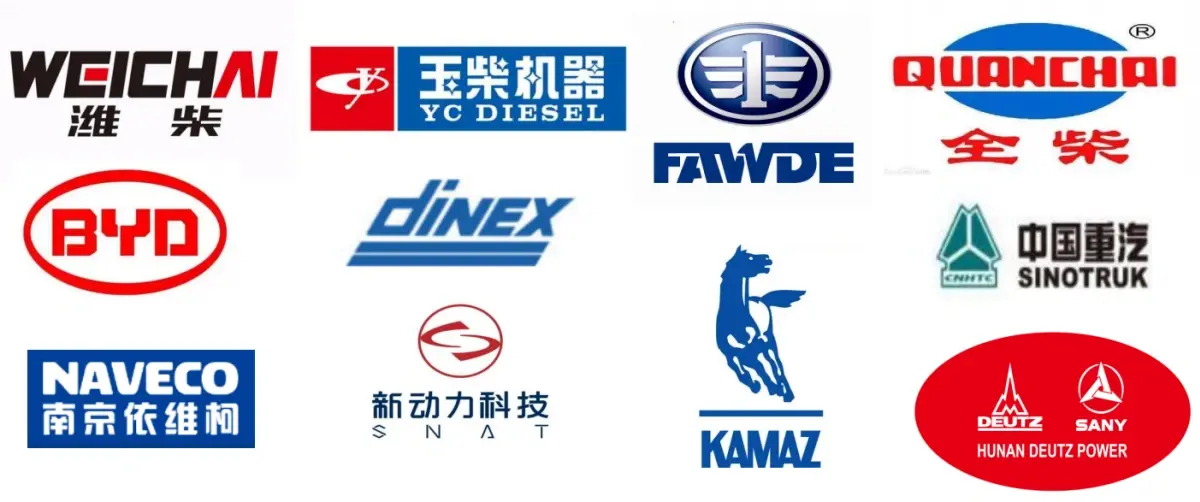
These wide range of skills are shown by the fact that Qintai is the main China OEM seller to big engine makers like Weichai Power, Yuchai Power, and Quanchai Power. With 58 idea patents and standards like ISO 9001, IATF 16949, and Ex ratings, the company meets the needs of procurement teams for both technical excellence and legal compliance.
How to Purchase Urea Pressure Sensors?: A B2B Buying Guide
Locating Qualified Suppliers
Finding sources who are technically competent and reliable in their production is the first step in getting urea pressure sensor parts. Authorized OEM dealers sell goods that can be fully tracked, come with warranties, and have all the technical paperwork needed for emission approval. Direct relationships with manufacturers offer benefits such as the ability to customize, more in-depth expert help, and lower costs for large purchases.
Trade shows and professional workshops in the same industry make it easier to see and talk to suppliers in person and see their products. While online B2B platforms bring together suppliers, they need to carefully check each one's qualifications. On the other hand, suggestions from people in the same industry can tell you a lot about how well a supplier does in real-world operating situations.
Procurement Best Practices
The first step in effective buying is to carefully read technical datasheets to make sure that the specs match the needs of the application. Before agreeing to large orders, you can be sure of the performance under real-world situations by asking for samples to be tested for validation. Checking the guarantee terms makes it clear what is covered, how long it lasts, and how to file a claim, which keeps things from breaking down too soon. Checking the after-sales support makes sure that you can get expert help during setup and fixing problems.
By negotiating delivery times and payment terms that work with production planning cycles, you can avoid running out of goods or having too much capital sitting idle. Having ties with several qualified providers gives you more sourcing options, which helps keep the supply chain running smoothly.
Volume Purchasing Considerations
When you buy in bulk, you can get better prices because of multiple discount systems that lower the cost per unit by a lot. Setting up blanket buy orders with scheduled releases is a good way to handle inventory and plan for production. Talking to sellers about consignment inventory plans can lower holding costs and make sure that parts are always available. Long-term supply deals keep prices stable, which helps with accurate cost forecasts and giving competitive quotes. Suppliers can also afford to spend money on customization, specialized tools, and dedicated production capabilities that make parts work best in certain situations when they have volume agreements.

SENSOR+TEST, June 9 – 11, 2026
We look forward to your visit!
Get your free ticket online now:
https://www.sensor-test.de/service/ticket/?52790
Real-World Case Studies: Impact of Urea Pressure Sensors in Diesel Engine Performance
Emission Reduction in Commercial Fleets
A big trucking company with a fleet of heavy-duty diesel trucks had trouble meeting stricter emission guidelines in a number of different places. The fleet's NOx pollution went down significantly after switching to precision urea pressure sensor technology that is more accurate and responds faster. Instead of using averaged calibration maps, real-time pressure monitoring made DEF dosing more exact so that it met the engine's load at any given time.
Over the course of twelve months, the fleet recorded an average 18% drop in NOx levels compared to readings taken before the new sensor technology. This increase created compliance margins that lowered the chance of violations and the fines that come with them, while also supporting the company's promises to being environmentally friendly.
Extending Component Lifespan
A company that makes building tools wanted to lower the guarantee costs that come with SCR systems breaking down in harsh conditions. It was found that wrong pressure readings led to too much DEF injection, which created crystallization layers that hurt the injectors, catalysts, and temperature sensors. Using sensors made of special materials that don't react with urea and built-in readings made dosing more accurate and let problems be found early.
Because of this, 34% fewer aftertreatment components failed during the guarantee time. This directly led to lower costs and happier customers. The amount of time that equipment was available also went up, which was good for end users who work in time-sensitive environments where equipment problems cost a lot of money and cause projects to be delayed.
Optimizing Fuel Efficiency
A company that makes generator sets and provides backup power systems for important assets put operational efficiency at the top of its list of priorities in order to lower customer running costs. Accurate tracking of pressure made it possible to find the best DEF dosing methods that kept emissions legal and reduced ammonia slip. In order to avoid injecting too much urea, the devices cut DEF use by about 12% without affecting emission efficiency.
The accurate sensors also had troubleshooting features that found parts of the system that were breaking down before they lost efficiency or stopped working altogether. These changes made the company more competitive by lowering the total cost of ownership, which was appealing to power generation users who are careful with their money.
Conclusion
The urea pressure sensor tracking in SCR systems is an important technology that helps diesel engines meet strict pollution standards while keeping their performance and efficiency. B2B stakeholders gain from having a lot of information that helps them make smart decisions. This information helps them understand sensor technologies and integration needs, fix common problems, and put in place effective buying strategies. The case studies show real benefits like lower emissions, longer component life, and better fuel economy that have a direct effect on running costs and following the rules. As emission standards continue to get stricter around the world, it becomes more important for makers, integrators, and fleet owners who want to run diesel engines in a way that is good for the environment to buy high-quality sensors from reputable providers.
FAQ
What causes urea pressure sensor failures in diesel engines?
Some common ways that things fail are rust from long-term exposure to urea when protecting materials break down, crystallization deposits that block sensor ports or damage diaphragms, electrical connection problems caused by vibration or water getting in, and physical damage from using too little force during installation. Switching between very cold and very hot working conditions puts a lot of stress on seals and electronic components, which can cause them to drift or break completely. Using DEF that is contaminated or not up to standard speeds up degradation by adding particles or chemicals that damage sensor materials. Failure rates are much lower when servicing is done regularly and good parts are used.
How often do you need to adjust pressure sensors?
Calibration times rely on the type of application and what the maker recommends. They are usually once a year for moderate-duty uses and more often for heavy-duty or continuous operation. A lot of current sensors have built-in diagnostics that check for performance drift and let users know when it's time to verify the calibration. Calibration stability is affected by things in the environment such as temperature changes, shaking levels, and the quality of the DEF. Sensor accuracy is maintained throughout emission compliance testing processes by adhering to OEM repair plans.
Can standard pressure sensors be used for DEF applications?
Standard industrial pressure sensors fail quickly in urea settings because the materials don't work well together and there are problems with rust and crystallization. DEF needs special designs with materials that don't react with urea, safe diaphragm seals, and warm housings to keep things from freezing. Normal sensors are made of stainless steel, elastomers, and coated surfaces. The chemicals in urea solution break down these materials. If you use the wrong sensors, they will fail early, give you wrong data, damage the system, and break emission rules. Because they are more reliable and last longer, DEF-rated sensors are worth the extra money they cost because they have special features.
Partner with Qintai for Reliable Urea Pressure Sensor Solutions
Qintai Automotive Emission Technology Co., Ltd. Ltd. has more than twenty years of experience making sensors and diesel engine aftertreatment systems. We know what heavy trucks, construction equipment, farming equipment, and generator sets need because we are China's biggest OEM provider to major engine makers. Our independent research and development team has made urea pressure sensor solutions that are accurate, long-lasting, and affordable.
These sensors have been certified by ISO 9001, IATF 16949, CMC, Ex, UL, CE, REACH, and RoHS. We provide complete OEM and ODM services that can be customized to meet the needs of your particular purpose. Customers in more than 60 countries buy our goods, and we back them up with quick technical help and reliable delivery times. Get in touch with us at info@qt-sensor.com to talk about your urea pressure sensor needs with a reputable maker and provider who wants you to succeed.
References
1. Johnson, M.R., and Williams, K.T. (2022). Selective Catalytic Reduction Technology for Diesel Engines: Principles and Applications. SAE International Publishing.
2. Anderson, P.L., Chen, H., and Schmidt, R. (2023). "Pressure Sensor Technologies for Automotive Emission Control Systems." Journal of Automotive Engineering, 237(4), 892-908.
3. European Automobile Manufacturers Association. (2021). Euro VI Heavy-Duty Emission Standards: Technical Implementation Guide. Brussels: ACEA Publications.
4. Zhang, Y., Kumar, S., and Petersen, B.R. (2023). "Material Compatibility and Corrosion Resistance in Urea-SCR Systems." International Journal of Automotive Technology, 24(2), 445-461.
5. Thompson, G.W., and Martinez, C.A. (2022). Diesel Engine Aftertreatment Systems: Diagnostics and Troubleshooting. Warrendale: SAE International.
6. Liu, X., Hoffman, M.A., and Bergstrom, K. (2023). "Optimization of DEF Dosing Strategies Through Precision Pressure Monitoring." Emission Control Science and Technology, 9(1), 78-94.
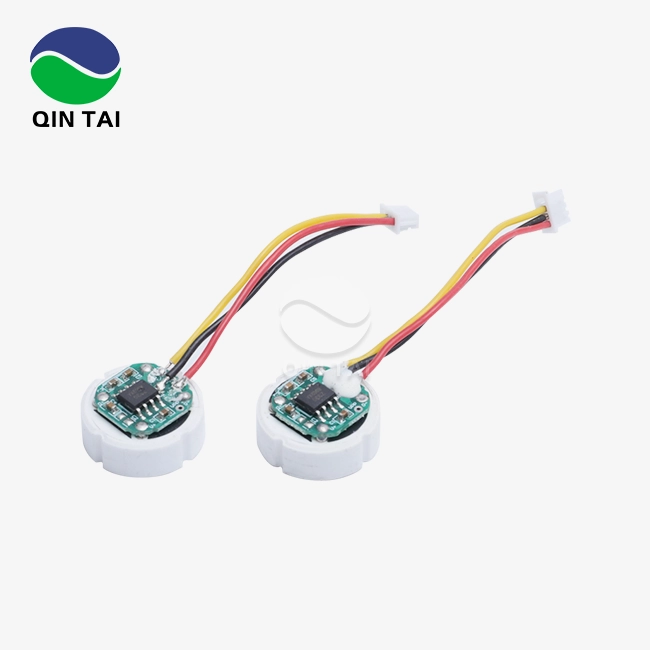
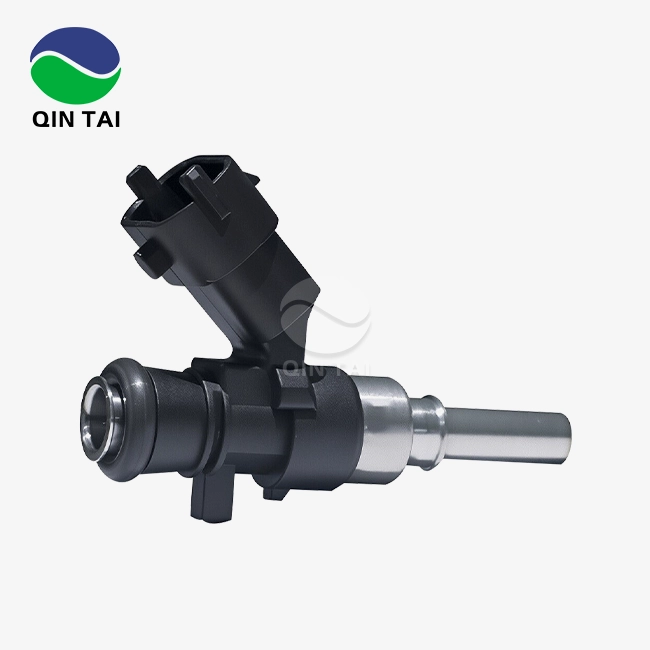
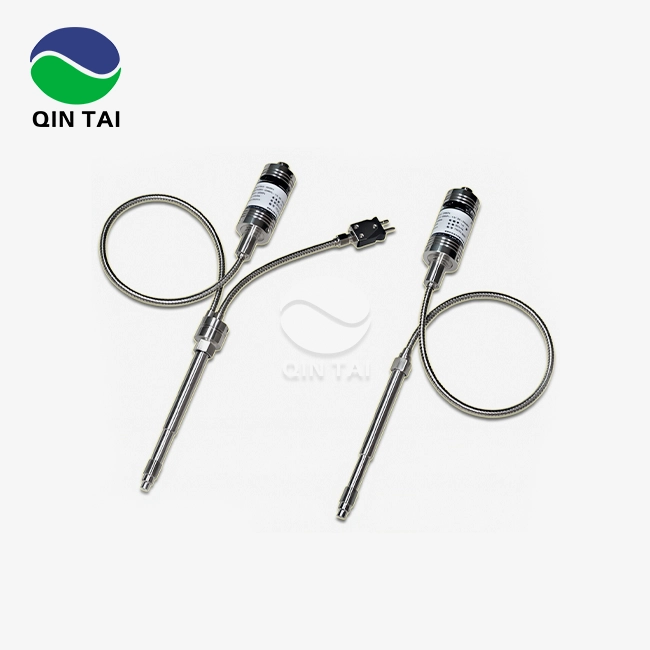
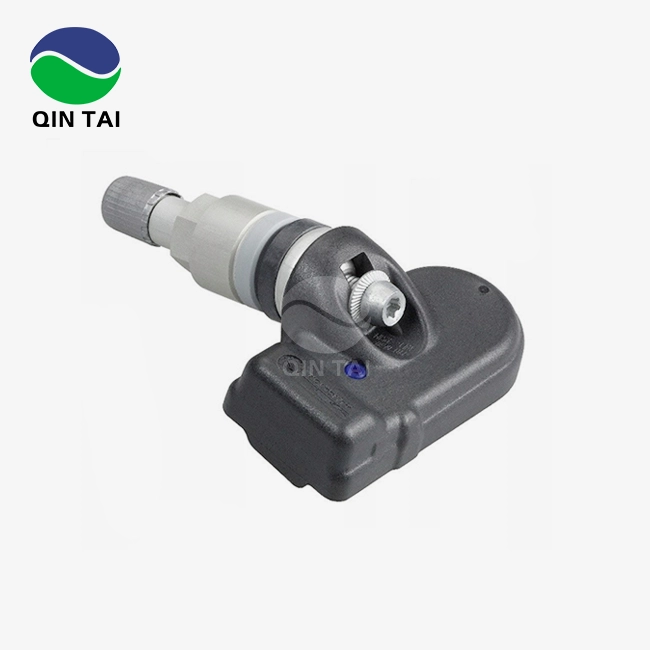

Our customers’ satisfaction speaks for our quality — contact us to experience the same reliable service.