- English
- French
- German
- Portuguese
- Spanish
- Russian
- Japanese
- Korean
- Arabic
- Greek
- German
- Turkish
- Italian
- Danish
- Romanian
- Indonesian
- Czech
- Afrikaans
- Swedish
- Polish
- Basque
- Catalan
- Esperanto
- Hindi
- Lao
- Albanian
- Amharic
- Armenian
- Azerbaijani
- Belarusian
- Bengali
- Bosnian
- Bulgarian
- Cebuano
- Chichewa
- Corsican
- Croatian
- Dutch
- Estonian
- Filipino
- Finnish
- Frisian
- Galician
- Georgian
- Gujarati
- Haitian
- Hausa
- Hawaiian
- Hebrew
- Hmong
- Hungarian
- Icelandic
- Igbo
- Javanese
- Kannada
- Kazakh
- Khmer
- Kurdish
- Kyrgyz
- Latin
- Latvian
- Lithuanian
- Luxembou..
- Macedonian
- Malagasy
- Malay
- Malayalam
- Maltese
- Maori
- Marathi
- Mongolian
- Burmese
- Nepali
- Norwegian
- Pashto
- Persian
- Punjabi
- Serbian
- Sesotho
- Sinhala
- Slovak
- Slovenian
- Somali
- Samoan
- Scots Gaelic
- Shona
- Sindhi
- Sundanese
- Swahili
- Tajik
- Tamil
- Telugu
- Thai
- Ukrainian
- Urdu
- Uzbek
- Vietnamese
- Welsh
- Xhosa
- Yiddish
- Yoruba
- Zulu
How accurate are pressure sensors?
In ideal conditions, modern
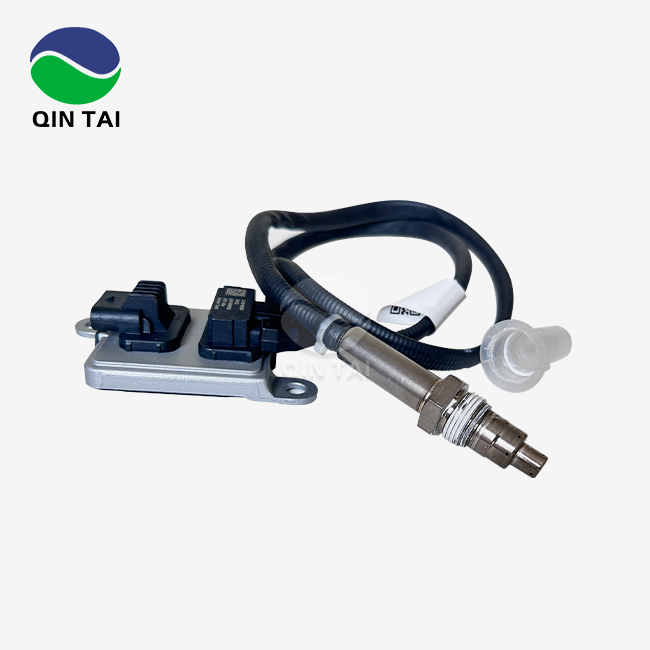
can measure with an accuracy of ±0.1% to ±0.5% of full scale. This makes them essential for tracking diesel engines, emission control systems, and SCR aftertreatment. This level of accuracy has a direct effect on whether your heavy-duty cars meet China VI or Euro VI standards and on how well your generator sets work after thousands of hours. This guide tells you everything you need to know about the accuracy of pressure sensors, which is a very important part of making sure readings are accurate in industrial settings. Knowing about accuracy helps buyers, engineers, and OEM clients choose sensors that meet their needs. Working with a trustworthy provider can also have a big effect on how well your measurement methods work and how accurate they are over time.
Understanding Pressure Sensor Accuracy
The accuracy of a pressure sensor is how close its output is to the real pressure number being recorded. A lot of engineers use "accuracy," "precision," and "repeatability" in the same way, but it's important to know the difference between them when you're looking for sensors for production lines that make thousands of units every month.
Accuracy vs. Precision vs. Repeatability
Accuracy shows how far off the recorded number is from the real pressure. The accuracy is ±0.5% if your sensor reads 10.05 bar and your SCR system works at 10 bar. Precision, on the other hand, refers to how steady readings are over time, even if they don't match the real number. A sensor might always show 10.3 bar when the real pressure is 10 bar—that's exact but not precise. Repeatability checks to see if the sensor gives the same results every time in the same conditions. This is very important when working on building equipment for long periods of time that is vibrating and the temperature changing.
Key Factors Influencing Measurement Accuracy
There are a number of direct factors that affect how well your sensors work in the real world. Sensor technology is the base. Piezoelectric designs respond quickly but may move under long-term static loads, while capacitive ceramic sensors are very stable over time and are great for monitoring emissions. Conditions in the environment, like temperature changes from -40°C to 125°C, diesel engine vibrations, and exhaust gases with NOx and particles all make it hard for sensors to stay stable.
The quality of the calibration decides whether your sensors stay in specification for the whole time they are working. A sensor that has been calibrated in a controlled laboratory using NIST-traceable standards will work better than one that has been calibrated in a less strict way. How the sensor is installed is also important, because mounting stress, port size mismatches, and temperature differences can all cause mistakes that are higher than the sensor's built-in accuracy limit. We've seen buying teams choose great sensors that don't work in the field because the steps for installing them weren't properly written down.
How Manufacturers Specify Accuracy?
The precision of most industrial sensors is given as a fraction of full scale (%FS). A sensor that is marked for 0 to 100 bar and has an accuracy of ±0.5%FS can be off by ±0.5 bar anywhere in its range. In other words, if the real pressure is 10 bar, your number could be anywhere from 9.5 to 10.5 bar, which is a ±5% difference from the measurement point. Better sensors use %Reading specifications, which mean that the error grows as the recorded number does. This means that they are more accurate at lower pressures.
Some more advanced companies offer Total Error Band (TEB) specs that take non-linearity, hysteresis, and temperature effects into account over the whole working range. When you compare providers, TEB shows you the most likely worst-case scenario rather than the ideal lab circumstances. Asking for TEB data instead of just accuracy specs when talking about buying something helps you compare sensors fairly and avoids mistakes when they are put to use in the field.
Types of Pressure Sensors and Their Accuracy Profiles
Different pressure sensor technologies are used in industrial settings. Each has its own way of working, which affects how accurate it is and whether it is suitable for a certain area. Knowing these differences helps buying managers and R&D engineers match sensor technology to the needs of the application.
Strain Gauge Pressure Sensors
Industrial uses mostly use strain gauge sensors because they are accurate, cheap, and flexible. These gadgets use a metal plate that bends when they are pressed on, along with connected resistive elements that change their electrical resistance based on how much the metal is stretched. There is an accuracy of ±0.25%FS in modern strain gauge sensors, and they can work with pressures from zero to 10,000 bar.
They have many benefits, such as being very stable over time, not being affected by shock or pressure, and working well with hard media when paired with the right wet materials. We often recommend strain gauge technology for generator set uses where sensors need to stay calibrated for years of nonstop use. The trade-off is that they are sensitive to changes in temperature, so they need temperature adjustment circuits that make things more complicated but keep them accurate across the -40°C to 125°C range that is common in mobile machines.
Piezoelectric Pressure Sensors
When crystalline materials are mechanically stressed, piezoelectric sensors create an electrical charge. This allows for very quick reaction times, measured in microseconds. Because of this, they are perfect for measuring changing pressures in combustion research and finding hydraulic shocks. Their accuracy usually gets to ±1%FS, which is good enough for tasks that value speed over accuracy.
But piezoelectric sensors can't measure standing pressure because the charge fades over time. They need special charge boosters and are affected by electromagnetic interference and wire capacitance. When working on diesel engines, piezoelectric sensors are great at recording cylinder pressure traces. However, they wouldn't work well for tracking exhaust backpressure, where accuracy over time is more important than reaction time.
Capacitive Pressure Sensors
Capacitive sensors find changes in capacitance between an electrode that stays in place and a cushion that moves back and forth. As a company, Qintai makes ceramic capacitive designs that are very accurate (often ±0.1%FS) and very stable over time because ceramic materials don't grow or wear. For SCR aftertreatment systems to stay in line with emission rules, these sensors need to stay accurate for more than 500,000 kilometers between repair intervals.
The way it works is by measuring how applying pressure changes the gap between the ceramic diaphragm and the counter-electrode, which changes capacitance in a predictable way. This change in capacitance is turned into normal electrical outputs by advanced signal filtering. These capacitive sensors are very good at not being affected by temperature changes, having little feedback, and not breaking down when they are mechanically overloaded. These are all very important qualities when the sensors are exposed to pressure spikes from DPF regeneration or SCR dosing valve operation.
Comparing Technologies for Specific Industrial Sectors
Sensors that meet strict emission standards and can withstand harsh underbody conditions are needed for automotive and heavy-duty truck uses. Capacitive ceramic sensors are accurate and reliable enough to measure the difference pressure in the DPF, check the amount of the DEF tank, and sense the pressure in the SCR. For construction equipment, toughness and shock resistance are important. This means that capacitive sensors are better for controlling engine emissions, while strain gauge sensors work well for hydraulic systems.
Agricultural equipment has to deal with a wide range of temperatures and dust, so it needs sealed designs that have been shown to be resistant to the environment. In places like mines and backup power sites, generator sets need sensors that can work reliably for decades with little upkeep. This is an area where capacitive technology's long-term stability supports a higher initial investment through lower lifecycle costs.
Calibration and Maintenance for Sustained Accuracy
Systematic testing and good upkeep habits are needed to keep pressure sensors accurate over time. If you don't pay attention to these operating aspects, even sensors that were very accurate at first will lose accuracy over time, which could lead to emission compliance fails or process disruptions.
Understanding the Calibration Process
To calibrate a sensor, its output is compared to known pressure standards that can be traced back to national measurement institutes. Any differences are then fixed or written down. Usually, deadweight testers or precise pressure controls are used in this process. These make reference pressures that are ten times more accurate than the sensor being tested. Technicians record sensor output at several pressure places across the working range during calibration. This makes a calibration curve that shows non-linearity, hysteresis, and zero offset.
Calibration does two things: it checks to see if the sensor still meets the accuracy requirements and it gives adjustment factors that make measurements more accurate. Modern sensors use digital correction to store calibration coefficients in internal memory. Signal conditioning electronics then use these coefficients to automatically linearize the output. This method keeps the accuracy even when parts change or when the world puts stress on the sensor, which would normally make it less accurate.
Factors Causing Sensor Drift
A number of things cause sensors to move away from their preset state over time. Mechanical wear can happen to diaphragms and closing elements, especially when they are exposed to media that is full of particles or when the pressure changes. Changing temperatures causes thermal stress, which can change the qualities of a material and move the zero point measurements. Electrical noise and electromagnetic interference can damage sensor electronics. This happens a lot in diesel engine settings with starting motors and alternators that draw a lot of current.
When sensors come into contact with active media like exhaust gases, DEF solution, or hydraulic fluids that break down wet materials or dirty pressure ports, they are exposed to chemicals. When choosing a sensor, media compatibility is very important. This means that the diaphragm materials, seal compounds, and port fittings must be carefully matched to the fluids that will be used. Mobile machines are always moving, and mechanical shock and vibration can damage internal parts or loosen mounted hardware if sensors don't have enough strain relief and vibration separation.
Establishing Maintenance Schedules
To find the best calibration times, you have to weigh the risk of measurement against the cost of upkeep. For emission-critical uses, calibration is usually required once a year to make sure they follow the rules. For less important measures, the time between calibrations could be extended to 24 or 36 months. When R&D engineers set plans, they should think about how important the application is, how much drift has happened in the past, and what will happen if there is a measurement mistake.
Using forecast maintenance techniques is better than using fixed-interval methods. Maintenance teams can find drift before it affects operations by keeping an eye on sensor output trends, comparing multiple sensors, or cross-checking against process conditions. Smart sensors today have modern troubleshooting procedures built in that let them keep an eye on themselves and let users know when there are problems with the calibration, electrical problems, or weather exposure that goes beyond what was intended.
Installation Best Practices
Accuracy problems can be stopped before they start with proper installation. The places where sensors are mounted should have the least amount of temperature differences, sound transfer, and mechanical stress on the housings. For pressure port connections to work, the threads must be properly engaged without being overtightened, which can put stress on the housings and cause the tuning to shift. Installing sensors in ways that keep media from pooling or air from getting trapped ensures accurate readings and stops rusting in fluid areas that stay still.
Electrical connections need the same care: protected wires stop electromagnetic interference, proper grounding stops ground loops, and strain relief keeps conductor terminations from wearing out from vibrations. When sensors talk to ECUs or PLCs, problems with signal integrity that show up as apparent accuracy issues can be avoided by following the manufacturer's instructions for connecting and communication protocol settings. Recording the steps for installation, the history of calibration, and upkeep tasks builds knowledge bases that make troubleshooting more efficient and cut down on the average time it takes to fix problems.

SENSOR+TEST, June 9 – 11, 2026
We look forward to your visit!
Get your free ticket online now:
https://www.sensor-test.de/service/ticket/?52790
Comparing Pressure Sensors: Accuracy vs Other Key Factors
When choosing the right pressure sensor, you have to weigh the need for accuracy against practical issues that affect the total cost of ownership and the success of the operation. When they look at options from different providers, procurement managers have to make a lot of choices.
Accuracy Requirements vs Budget Constraints
More precise sensors cost more, but the money is well spent when mistakes in measurements mean not following the rules or stopping a process. For China VI or Euro VI diesel engines, emission tracking needs sensors to stay accurate within ±0.5%FS or better throughout their service life. If they aren't, expensive recalls or failed inspections will happen. On the other hand, ±1%FS accuracy might be fine for applications like monitoring hydraulic systems, so buying teams can choose cheaper strain gauge designs instead of precise capacitive types.
Instead of just meeting specifications, the decision process should think about what will happen if something goes wrong. A ±1%FS sensor is 40% cheaper than a ±0.25%FS option, but the savings are lost if measurement error leads to even one unexpected downtime or emission violation. We recommend that technical managers do total cost studies that measure the risks that come with different levels of accuracy. Then, they should choose sensors that offer the best risk-adjusted value instead of just the lowest price.
Sensor Types and Output Interfaces
Modern sensors have many output choices that change the accuracy, the difficulty of installation, and the work needed to integrate the system. Analog voltage or current outputs are still popular because they are easy to use and work with all devices. However, they can pick up noise over long wire runs and need a separate change from analog to digital. Digital connections, such as CANbus, LIN, or car Ethernet, block noise better and allow for more advanced diagnostic features, but they require the development of ECU hardware and software that work together.
Wireless pressure sensors don't need any cables, which makes installation easier on moving equipment or in places that are hard to get to. But wireless designs add delay, need to handle batteries or collect energy, and raise concerns about reliability in mission-critical settings. The interface you choose should work with the design of the system. For example, aftertreatment integrators who are building SCR systems like sensors that offer flexible protocols and parameters that can be changed to make integration easier across different OEM platforms.
Evaluating Mass Production Capability
OEM diesel engine makers that need to buy thousands of sensors every month must check that their suppliers can meet their needs and provide consistent quality. It's possible for a single prototype to be very accurate, but keeping those specs when mass production starts needs complex quality and process control systems. We suggest that buying teams check out the manufacturing operations of possible providers by looking at their calibration methods, automated testing options, and use of statistical process control.
IATF16949-certified suppliers have quality management systems that meet the needs of the car industry. These systems include methods for approving production parts, analyzing measurement systems, and making improvements all the time. This certification shows that suppliers can keep standards for accuracy across production lots and react regularly to changes in designs and quality problems. Supply chain robustness is another part of mass production capability. For example, can the seller get important parts when there are global shortages, and do they keep a safety stock in case there are supply interruptions?
Supporting Technical Expertise and After-Sales Service
People don't always realize how important provider help is for sensor accuracy until something goes wrong. Customers can get the most out of sensors throughout their entire product lifecycles by buying from suppliers who offer detailed technical paperwork, help with application engineering, and quick service after the sale. Finding out if problems with sensors are caused by the sensor itself, how it was installed, or external factors is hard for many OEMs because they don't have the troubleshooting knowledge in-house.
When suppliers offer calibration services, repair services, and new parts, operating risks related to sensor breakdowns are lower. Because industrial diesel engines or generator sets that aren't working cost a lot more than the price of a sensor, we've built our support operations around quick responses to technical questions and quick delivery of new units. When comparing suppliers, looking at how much professional help they offer and how committed they are to service can give you information about how the partnership will work in the long term, beyond just the short term.
Conclusion
The accuracy of your pressure sensors directly affects whether your diesel engines meet pollution standards, whether your generator sets work reliably, and whether your aftertreatment systems work the same way for the whole time they're supposed to. In this guide, we've looked at how accuracy standards translate into real-world performance, how different sensor technologies solve problems in different applications, and how proper calibration practices ensure that measurements stay accurate over time.
The framework for making decisions about buying sensors weighs accuracy against cost, production capacity, and the skills of the seller. The selection factors are set by technical departments based on the needs of the program and government rules. The purchasing department talks about prices and terms of shipping. Management accepts suppliers that can support long-term partnerships by providing regular quality and quick service.
When you know about these trade-offs, you can choose sensors that give you the most value overall instead of just the lowest price at first. The information here comes from decades of making sensors for uses that need to be very sensitive to emissions. It gives you the confidence to make buying choices that reduce risks and improve operational excellence.
FAQ
How often should pressure sensors be calibrated?
How often calibration is done relies on how important the product is and how bad the environment is. Diesel engines usually need to have their emission sensors calibrated once a year to stay in line with government rules. If the sensors are used in less stressful situations, the gaps could be extended to 24 to 36 months. Setting up calibration plans should be done based on past drift data, measurement results, and maker instructions. Using pressure sensor diagnostics for condition-based calibration improves maintenance time compared to set intervals.
Do environmental factors significantly affect sensor accuracy?
Temperature changes are the main external factor that affects how accurate a sensor is. Even though good sensors can adjust for temperature changes, mistakes can still happen in extreme circumstances. Performance is also affected by vibration, humidity, and electromagnetic pollution, especially in places where machines move around. Choosing sensors that are rated for the conditions you will be using them in and following best practices for placement will keep external effects on measurement accuracy to a minimum for as long as the sensor is in use.
Are digital pressure sensors more accurate than analog types?
Digital sensors aren't automatically more accurate; the level of accuracy depends on the technology used in the sensor and the quality of the manufacturing process, not the output format. Digital connections, on the other hand, are better at blocking noise while signals are being sent and allow for more advanced monitoring features that help keep accuracy over time. When placed correctly with the right shielding and cable methods, analog sensors can still work. In addition to accuracy standards, the choice you make should take system design and integration needs into account.
Partner with Qintai for Precision Pressure Sensor Solutions
Choosing a good pressure sensor maker is important if you want your emission systems to stay in compliance for the life of the sensors and keep costs down. Qintai is a national high-tech company that was founded in 2001. Its main products are diesel engine SCR aftertreatment and pressure sensing solutions for heavy trucks, building machinery, farming equipment, and generator sets. Our sensors are key parts of systems made by Weichai Power, Yuchai Power, and Quanchai Power. These companies have proven their dependability, which has helped them become the market leader in China.
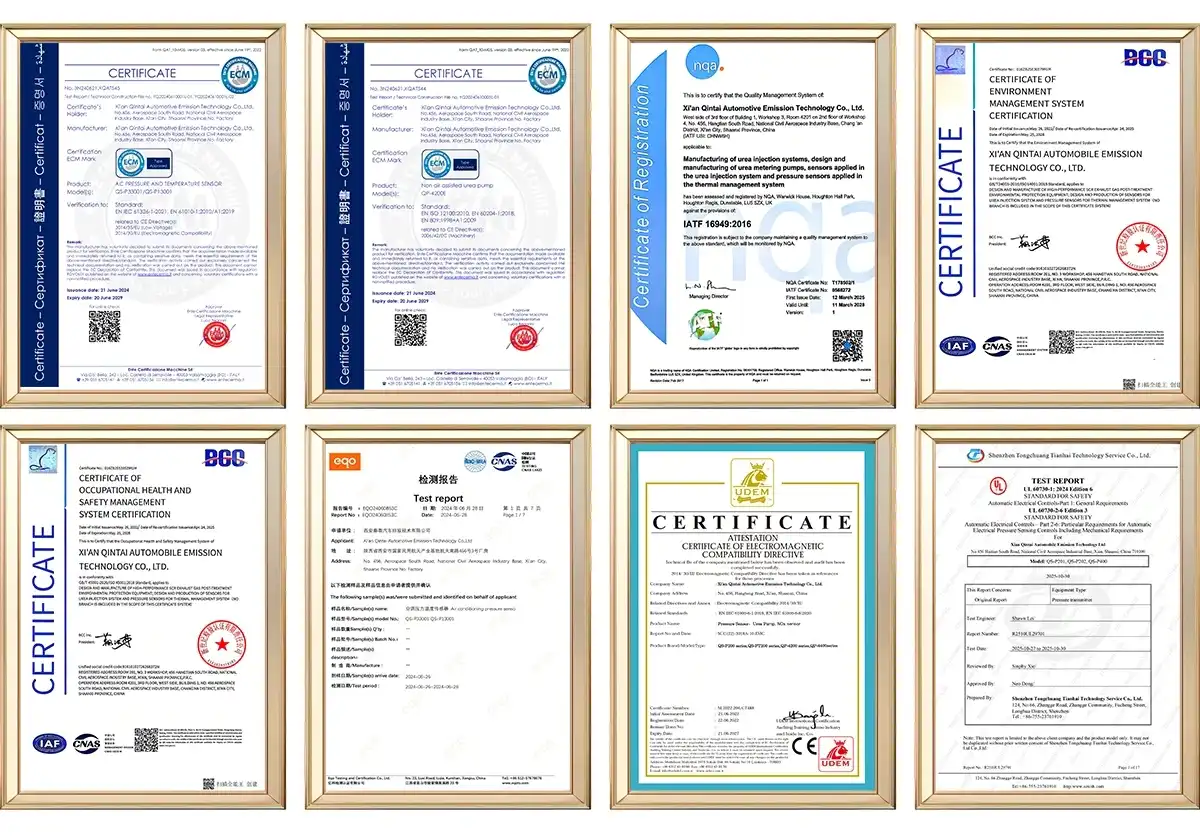
Our ISO9001, IATF16949, CMC, Ex, UL, CE, REACH, and RoHS certifications show that we are dedicated to quality control at the vehicle level. We are always coming up with new ideas to improve sensor performance and production consistency. We have 58 invention patents and our own research and development team. Our full OEM/ODM services allow for customization from the very beginning of the design process all the way through mass production, meeting the exact interface and environmental needs of your apps.
Qintai offers solutions that balance accuracy, durability, and value, whether you're an engine OEM that needs sensors that meet China VI emission standards, an aftertreatment integrator that needs communication protocols that can be changed, or a commercial vehicle parts supplier that needs cheap replacement sensors. Get in touch with our technical team at info@qt-sensor.com to talk about your pressure sensing needs and find out how our production skills can help you meet your global buying goals.
References
1. Webster, J.G., & Eren, H. (2018). Measurement, Instrumentation, and Sensors Handbook: Spatial, Mechanical, Thermal, and Radiation Measurement (2nd ed.). CRC Press.
2. Bao, M. (2020). Analysis and Design Principles of MEMS Devices. Elsevier Science.
3. Patel, R., & Kumar, S. (2019). "Calibration Techniques for Industrial Pressure Sensors in Harsh Environments." Journal of Process Control, 82, 45-58.
4. Fraden, J. (2016). Handbook of Modern Sensors: Physics, Designs, and Applications (5th ed.). Springer International Publishing.
5. ISO 9001:2015. Quality Management Systems – Requirements. International Organization for Standardization.
6. SAE International. (2017). IATF 16949:2016 – Quality Management System Requirements for Automotive Production and Relevant Service Parts Organizations. Automotive Industry Action Group.
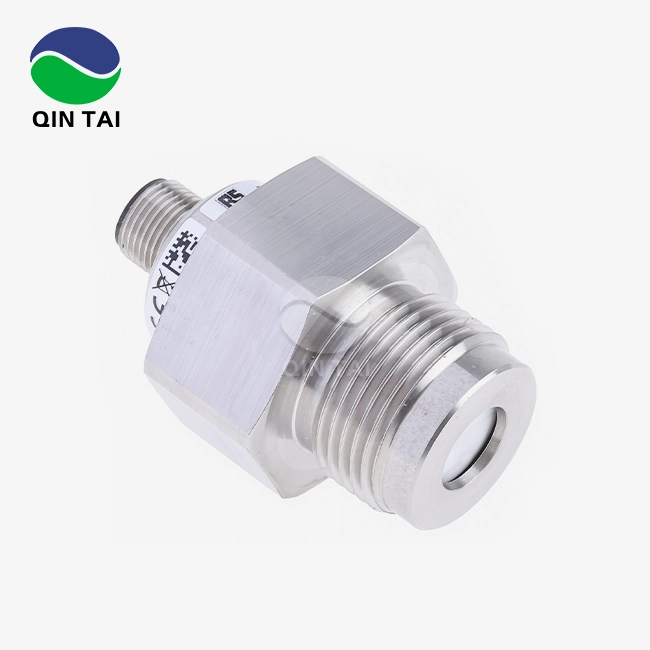
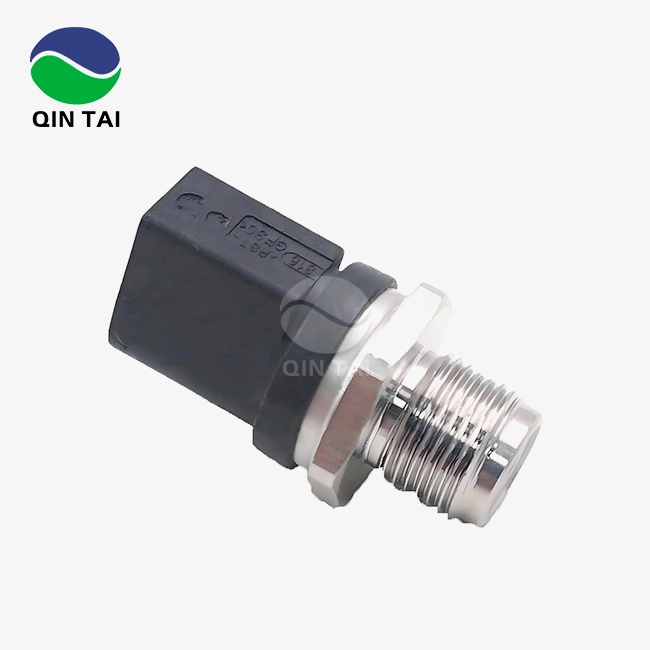
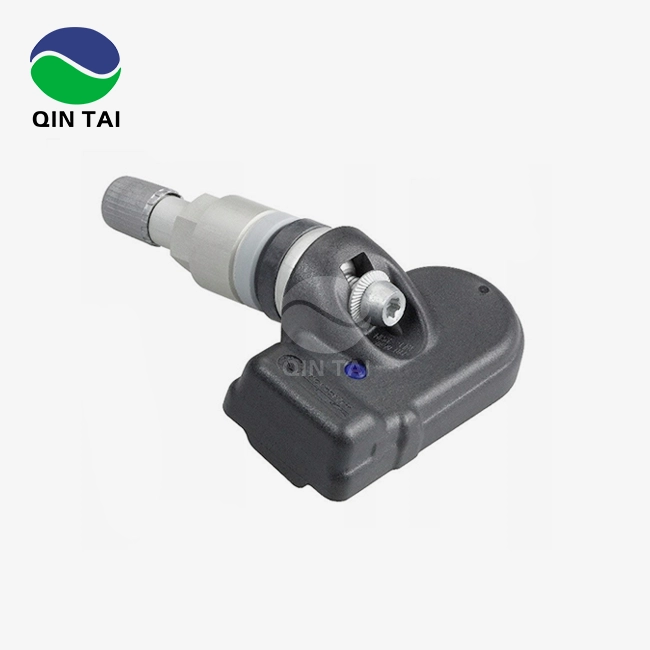

Our customers’ satisfaction speaks for our quality — contact us to experience the same reliable service.