- English
- French
- German
- Portuguese
- Spanish
- Russian
- Japanese
- Korean
- Arabic
- Greek
- German
- Turkish
- Italian
- Danish
- Romanian
- Indonesian
- Czech
- Afrikaans
- Swedish
- Polish
- Basque
- Catalan
- Esperanto
- Hindi
- Lao
- Albanian
- Amharic
- Armenian
- Azerbaijani
- Belarusian
- Bengali
- Bosnian
- Bulgarian
- Cebuano
- Chichewa
- Corsican
- Croatian
- Dutch
- Estonian
- Filipino
- Finnish
- Frisian
- Galician
- Georgian
- Gujarati
- Haitian
- Hausa
- Hawaiian
- Hebrew
- Hmong
- Hungarian
- Icelandic
- Igbo
- Javanese
- Kannada
- Kazakh
- Khmer
- Kurdish
- Kyrgyz
- Latin
- Latvian
- Lithuanian
- Luxembou..
- Macedonian
- Malagasy
- Malay
- Malayalam
- Maltese
- Maori
- Marathi
- Mongolian
- Burmese
- Nepali
- Norwegian
- Pashto
- Persian
- Punjabi
- Serbian
- Sesotho
- Sinhala
- Slovak
- Slovenian
- Somali
- Samoan
- Scots Gaelic
- Shona
- Sindhi
- Sundanese
- Swahili
- Tajik
- Tamil
- Telugu
- Thai
- Ukrainian
- Urdu
- Uzbek
- Vietnamese
- Welsh
- Xhosa
- Yiddish
- Yoruba
- Zulu
Why Urea Pressure Sensors Matter in SCR Systems?
Urea pressure sensors are an important part of modern Selective Catalytic Reduction (SCR) systems because they constantly check the pressure of the urea solution (also known as AdBlue or Diesel Exhaust Fluid) in the dose circuit. The real-time data from these sensors is sent to the engine control unit. This lets the urea pumping rates be exact. This level of accuracy directly impacts how well NOx is cut down, pollution are managed, and the system as a whole works. Not having pressure sensors that work right is a big problem for SCR systems that need to meet strict emission standards like EPA 2010, Euro VI, or China VI. Because of this, companies that make diesel engines, work with aftertreatment systems, or drive commercial vehicles need pressure sensors very badly.
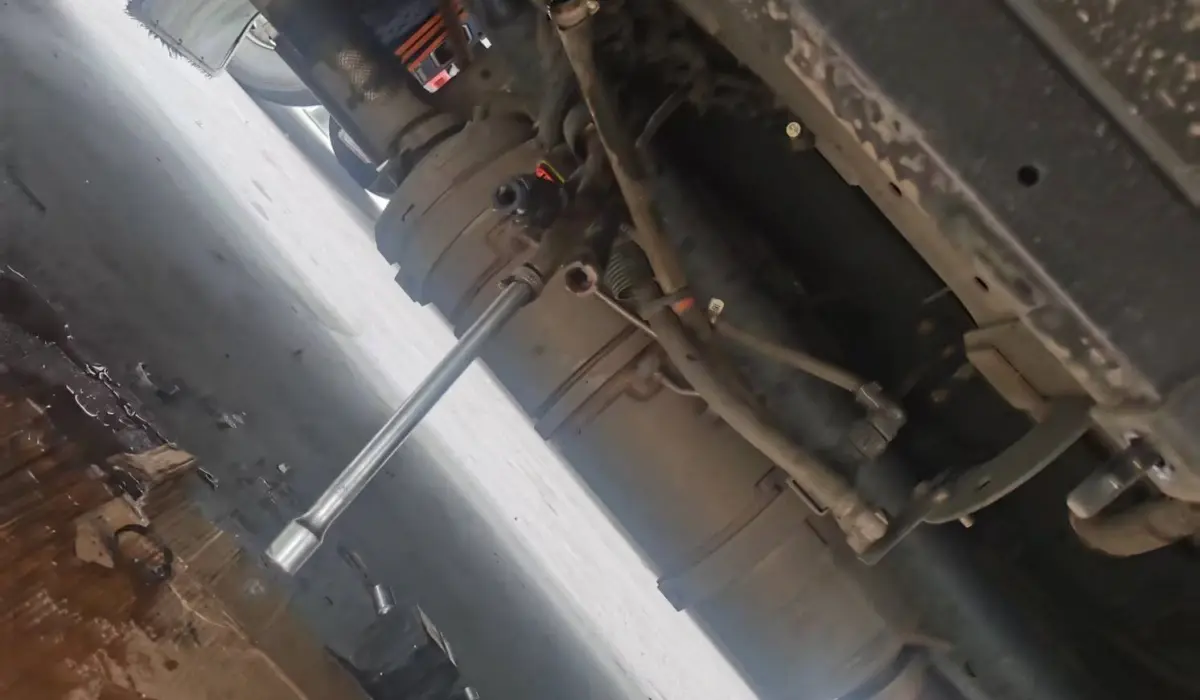
Understanding Urea Pressure Sensors in SCR Systems
What Is a Urea Pressure Sensor and How Does It Work?
A urea pressure sensor checks the solution's hydraulic pressure as it goes from the dosing pump to the injection nozzle. Most sensors use piezoresistive or capacitive technology. When pressure is put on a sensing diaphragm, it bends and sends an electrical signal equal to the force. This tells the SCR control unit what to do, and it changes how the pump works to keep the pressure coming in at the right amount.
These days' sensors are made to work in tough situations, like urea solutions that are known to be toxic and temperatures that range from -40°F to 185°F. In order to keep the sensing element away from the harsh media, it is made of ceramic, stainless steel (especially urea-grade metals like 1.4466), and special diaphragm seals. This stops crystallization, rust, and failure before they happen.
Why Accurate Pressure Measurement Matters for Emission Control?
Making sure the pressure is correct is important for the injector to be able to break up the urea into tiny particles that mix well with the NOx in the catalytic converter. When the pressure changes, it's possible for some molecules to not break apart completely. This can lead to the buildup of urea, slower NOx conversion rates, and more ammonia slip. There are issues with these that not only make it harder to meet emission standards but also raise the cost of maintenance and shorten the life of parts.
Studies from the business world show that a 5% change in the dosing pressure of urea can cause NOx levels to rise by up to 15%. Check engine lights (DTCs) may come on and the car may have to go into stop mode. Because of this, closed-loop control methods that keep the engine's emission performance good for its whole time need urea pressure sensors.
Operational Principles and Environmental Requirements
Urea pressure sensors are always working, even when they are going through rough conditions like shaking, changing temperatures, and being near crystalline urea deposits. The sensor stays tuned over millions of job cycles thanks to its strong design, which includes electronics that are hermetically sealed, circuits that can adapt to different temperatures, and the ability to figure out what's wrong on its own.
It's very important to be able to adapt to different settings for heavy-duty uses. Tools used in high-altitude mines for construction, tools used in farms that have to deal with dust and humidity, and generator sets in rural power sites all need sensors that can work in a wider range of temperatures and don't get dirty easily. The people whose job it is to buy things have to make sure that sensors meet quality standards for cars like AEC-Q200 and are waterproof to IP67 or IP69K.
Key Technical Dimensions for Selecting Urea Pressure Sensors
Evaluating Sensor Accuracy and Calibration Standards
When you look at sensor data, the most important thing is how accurate they are. Most urea pressure sensor models made for commercial use are accurate to within ±1.5% to ±2.5% of their full-scale output across the whole range of their operation. Like NIST or ISO 17025, calibration methods should be based on rules that can be kept track of. Everything that comes out will be the same after this.
A lot of manufacturers offer multi-point testing papers that show how well the sensor works at various temperature and pressure levels. When an OEM wants to integrate, they need this paperwork to show that the design approval standards have been met and to back up promise claims. When buying managers look at a source, especially if they want to make a lot of things, they should ask for calibration data.
Response Time and Signal Stability
There is a direct link between response time and how well the SCR system can adapt to changing engine conditions. Fast sensors respond in 10 to 50 milliseconds, so the urea dose can be changed quickly when the engine speeds up, when the load changes, or when the engine starts from a cold state. Slow reaction times can cause delays in dosing, which can lead to NOx spikes and failed pollution tests.
It's just as important that the signal works well. Sensors need to be able to keep the voltage or current coming out of them steady for a long time. In more complex systems, digital signal processing and temperature compensation are used to cut down on noise and mistakes and make sure the connection with the ECU is solid. Thermal shock and shaking endurance tests should be part of the testing process to make sure the steadiness works in the real world.
Operating Conditions and Material Compatibility
It's very important to pick sensors that are set to the right pressure. Pressure spikes of more than 15 bar can happen when the pump is turned on or the system is cleared. This is because most SCR systems work at pressures between 5 and 10 bar. Sensors should have a safety cushion of at least 150% of the maximum working pressure to prevent the diaphragm from burst or the sensor from failing.
Compatibility between materials does more than just keep them from rusting. When the solution freezes or the heaters stop working, urea crystals can form, and the sensors need to be able to deal with them. Designs with smooth surfaces, few empty spaces, and built-in heaters make it less likely that jams will happen and easier to clean while repairs are being made.
Comparative Insights: Choosing the Best Urea Pressure Sensor for Your SCR System
Understanding Sensor Types and Their Applications
There are several types of urea pressure sensor systems on the market, and each one is good in its own way. Because they are small, exact, and cheap, piezoresistive sensors are the best choice for use in cars. Over time, capacitive sensors are more stable, and they work best in fixed situations like generator sets that don't need to move much.
These days, absolute pressure sensors and differential pressure sensors can work together in SCRs. Differential pressure sensors measure changes in pressure between parts of a system to find clogged filters or make sure pumps are working right. Absolute pressure sensors check the pressure of the input. When you combine the two types of sensors, you can better figure out what's wrong and plan ahead for when repairs are needed.
So that the right thing is done with urea, temperature sensors and pressure sensors work together. When you use pressure-temperature sensor units together, they are easier to install, cost less to wire, and pack more densely. More and more, small pieces of construction and farming tools that don't need a lot of space are using these built-in choices.
Comparing Leading Sensor Brands and Performance Metrics
A lot of big OEMs buy sensors from well-known brands like Bosch, Denso, and Continental. These brands have a history of being reliable and offer full expert support. Most of the time, these brands have big service networks and guarantees that last between 24 and 36 months. Premium names, on the other hand, can cost more than $150 per unit, even for small amounts. This can make it hard for projects to avoid going over budget.
Other companies from Asia and growing markets offer the same quality at lower prices, often 30% to 50% less than big-name brands. Since quality changes often, it's important that providers are well-trained. IATF 16949 is a standard that shows process control at the level of a car. The teams that are in charge of buying things should look at this standard and ask for data from accelerated life tests to compare failure rates.
When a service provider does their own research and development, they can change the sensors, pressure ranges, and connections to work with different types of systems. It takes less time to integrate and there is no need for expensive connector hardware because of this. This makes it faster for new engine platforms to hit the market.
Balancing Cost, Durability, and Supplier Support
The price per unit is only one part of what it costs to own. Most of the time, sensors that cost more up front but last longer have lower total costs because they need less maintenance, insurance claims, and fails in the field. Look at the mean time between failures (MTBF) and thermal cycling endurance to see how long something will last. For business cars, MTBF should be more than 10,000 hours, and thermal cycling endurance should be at least 1,000 rounds from -40°F to 185°F.
How well sellers can back up choices to buy has a big impact on the outcomes. Integration problems can be fixed quickly with help from experts, and production can keep going smoothly with spare parts that are easy to find. An application engineering service provider can help you put sensors in the best places, mount them, and move wires so that your system works better and is easier to put together.
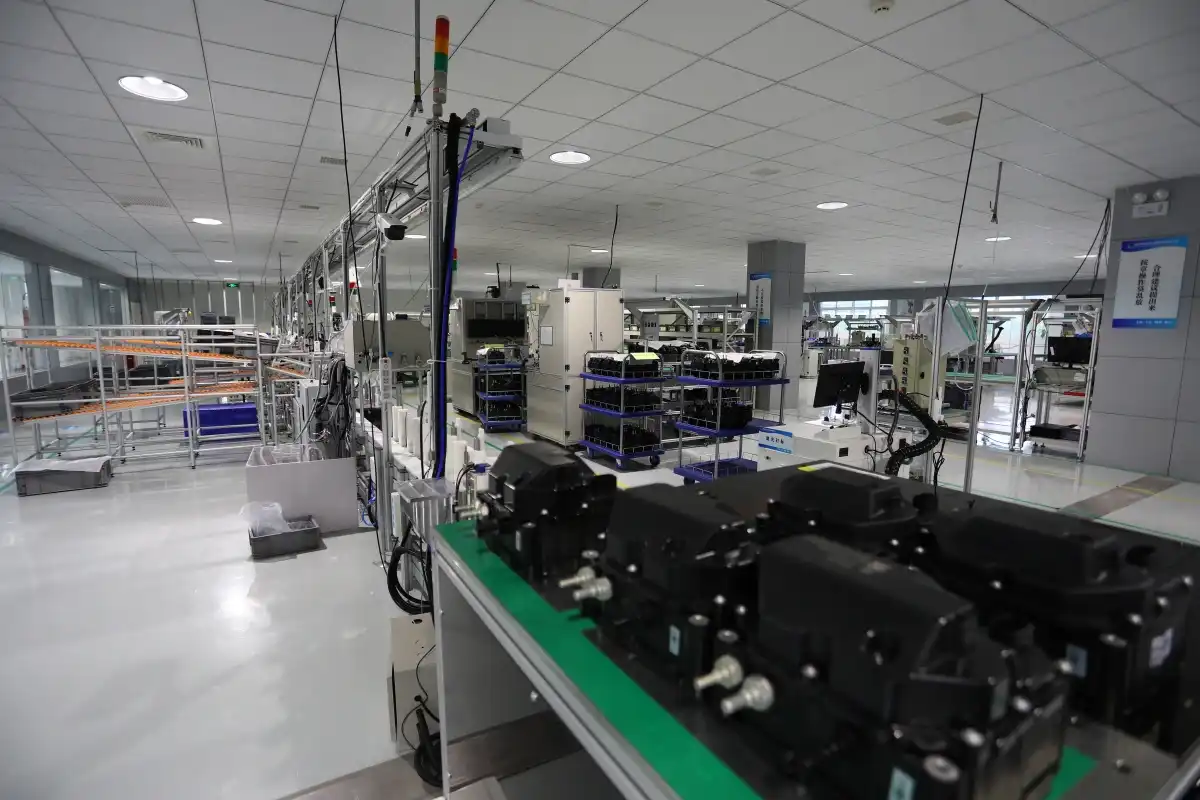
Practical Guide to Procuring Urea Pressure Sensors
Identifying Trusted Suppliers and Sourcing Channels
Find approved sources is the first thing that needs to be done for global B2B buying. You can do this at trade shows, online, and through groups in your business. It's possible to look at goods from different sellers, compare specs, and talk about big prices at auto shows like AAPEX and bauma. Find providers is easier at first thanks to sites like Alibaba and ThomasNet, but you still need to do a lot of study to make sure they are qualified.
For OEM projects that need to be customized or have long-term supply deals, it's better to work directly with the makers than with wholesalers. You can't get expert help, test models, or changes to tools from a dealer. Only manufacturers can do those things. But dealers are great for getting goods to people in the aftermarket because they keep the goods close to home, let people place smaller orders, and can deliver quickly for urgent needs.
Plans for buying in your area keep an eye on shipping costs, wait times, and the supply chain's strength. Original equipment makers (OEMs) in North America are more likely than ever to use nearshoring. This means that they buy from sellers with plants in the US or Mexico to make shipping easier and lower their tariff risk. Dual-sourcing from suppliers in different parts of the world guards against problems in different areas, but it costs more to deal with ties with more than one source.
Understanding Pricing Structures and Negotiation Strategies
Prices for urea pressure sensor units change based on how many are bought, how they need to be adjusted, and where they are in the market. If you buy 1,000 of the same standard sensors for common pressure values, each one costs between $50 and $120. It's possible to save 15% to 25% if you buy over 10,000 units in a year. Customized sensors that need specific calibration standards, bigger temperature ranges, or different links cost 20% to 40% more than regular sensors.
You have more bargaining power when you make a long-term deal, buy a lot of different things at once, or promise to buy a lot of something. A procurement manager should ask for detailed cost reports that break down the prices of materials, plant overhead, and profit margins so that they can find places to negotiate. When you tie prices for things like tech or stainless steel to market rates, prices don't change all of a sudden during multi-year contracts.
It costs a lot more or less depending on the guarantee terms. After 24 months or 100,000 kilometers, whichever comes first, the guarantee is still valid. Each unit costs 5 to 10 percent more with a longer warranty, but it's worth it for uses that are hard to service or happen in tough circumstances. Carefully read the warranty's exclusions and conditions, as improper installation, contamination, or use beyond what is suggested can often void the guarantee.
Evaluating Return Policies and Quality Assurance Programs
Most policies let you send back broken sensors within 30 to 90 days of delivery, as long as the review shows that the problem was caused by flaws in the production process and not damage from improper handling or installation. Suppliers should make it easy for customers to return things by giving clear RMA procedures, pre-paid shipping labels, and quick new shipments. This will help production run as easily as possible.
Customers trust that providers will do a good job because of quality testing programs. Once providers get the materials, they need to check them over and test them during key stages of production. Finally, they should do a final real test to make sure the pressure is right, the electrical performance is good, and the seals are good against the environment. By asking for capability indices (Cpk) and statistical process control (SPC) data, you can see that the manufacturing process is consistent and guess how reliable it will be in the field.
It is clear that quality management systems work because they have been certified by outside groups like ISO 9001 and ISO/TS 16949. Products that have UL, CE, or REACH approvals have met the rules for those areas. Most global OEM providers keep all of their licenses in one place. This makes it easier for them to enter new markets and lowers the risk of not following the rules.
It is called Xi'an Qintai Automotive Emission Technology Co. Ltd. IATF 16949-approved company Ltd. is a good example of these best practices because it has strict testing processes and has worked with China's top diesel engine makers in the past. A lot of tests are done on our sensors to make sure they can handle the tough needs of heavy-duty uses all over the world. These tests include durability against heat shock, vibration, and fast life.
Ensuring Long-Term Performance and Compliance in SCR Systems
Implementing Calibration and Maintenance Best Practices
To keep the urea pressure sensor accuracy over the life of the car, they need to be calibrated and fixed before they break. There isn't always a set amount of time between calibrations. It depends on how the machine is used and what the manufacturer suggests. You can check things in the field with mobile calibration tools without having to take the sensors off. This saves time and money on work.
Things often go wrong, like rust in joints, wear and tear on wires, and urea crystals on sensor surfaces. Maintenance plans should cover these things. Visual checks done at regular service times can find early warning signs of trouble, like darkened joints, broken wire insulation, or urea buildup around sensor ports. When you clean with deionized water and soft brushes, you can get rid of deposits without hurting the diaphragm seals or electrical connections.
Onboard diagnostics (OBD) is a way to keep an eye on how well sensors are working all the time during diagnostics. You should check for DTCs like P20EE (Urea Injection Pressure Too High) or P20F8 (Urea Injection Pressure Too Low). They show that a sensor or system isn't working right and needs to be fixed. These days' diagnostic tools show sensor data right away, so mechanics can compare real values to specs and find problems that happen sometimes but don't always set off saved codes.
Addressing Common Sensor Faults and Troubleshooting Techniques
Sensor failure can show up in a number of ways, such as inconsistent data, signal delays, or not being able to talk to the ECU at all. Often, readings that aren't correct are caused by electrical connections that aren't tight enough, joints that get water in, or wires inside the machine breaking from shaking too much. The first step in thorough fixing is to look at the problem. Next, tests for continuity and voltage readings are used to find the problem's cause.
In cold weather, signal dropouts are often caused by urea that has frozen in the sensor port or a heater that isn't going to work right. It is important to check heater circuits to make sure they have the right amount of power and resistance. 10 to 15 watts at 12 volts are usually enough. Tests of insulation resistance, which allow values at least 10 megohms high, show that water has not harmed electrical separation.
Even though a broken sensor needs to be changed, it's important to do it the right way the first time so it doesn't happen again. Follow the torque specs very carefully, which are usually between 8 and 12 Nm. This will make sure the seal works right without damaging the threads or the sensor housings. It is best to use only small amounts of thread guards and not mix them with urea to keep sensor elements clean.
Future-Proofing SCR Systems with Advanced Sensor Technologies
With new sensor technologies, you can get better results and do more tests. Wireless sensor networks don't need wires to connect to each other. This makes setting them up faster and changing the designs of the systems much easier. Technologies that gather energy get their power from changes in temperature or pressure, so they don't need batteries and don't need any maintenance to work.
Smart sensors with microprocessors built in can handle data locally, figure out what's wrong, and predict what will happen. It is possible for these sensors to find signs of wear and tear before they happen. This can set off maintenance alerts and make the most of service plans. When you connect to telematics systems, you can monitor all the sensors in your company from away. This lets you find problems with the system as a whole and makes managing warranties easier.
Environmental laws are getting tighter all over the world. This means that the pressure sensors in the next generation of SCR systems will need to be even more accurate and reliable. By putting money into advanced sensor systems now, OEMs and fleet operators can meet future rules at the lowest possible cost and stay ahead of the competition in markets that are becoming more regulated.
Conclusion
With the help of precise tools known as urea pressure sensor units, SCR systems can meet strict emission standards and still work well. You need to think about technical specs, cost, and the supplier's ability to meet your wants in order to pick the right sensors for the job. Sensors can last longer and keep the system running smoothly for as long as the car is on the road if they are installed properly, maintained in good condition, and repaired before they break. If OEMs, installers, and aftermarket service providers want to be reliable, follow the rules, and keep customers happy in global markets, they will have to work with approved sensor producers more and more. This is because emission laws are changing and being strictly enforced.

SENSOR+TEST, June 9 – 11, 2026
We look forward to your visit!
Get your free ticket online now:
https://www.sensor-test.de/service/ticket/?52790
FAQ
What causes urea pressure sensor failures in SCR systems?
Many urea pressure sensor failures happen because of urea crystals covering the detection ports, rust from being in contaminated solutions, electrical failures from water getting in or damage from shaking, and mechanical failures from not using enough force when installing the sensor. The sensors break down faster and before they should when they are used outside of the temperature or pressure ranges that they were made for.
How can I verify that a urea pressure sensor is functioning correctly?
Diagnostic check tools read live sensor data and compare numbers to specs while the machine is running in different conditions to make sure they are correct. The pressure numbers should go up the right amount when the pump is turned on, and they should stay the same during steady-state pumping. The electrical connections should look safe, there shouldn't be any urea leaks around the sensor ports, and the heater should work right when it's cold.
What warranty coverage should I expect when purchasing pressure sensors?
When something is installed, most standard warranties cover it for 24 months or a certain number of miles. When used regularly, they protect against mistakes in the way they were made, like wrong sizes or broken parts. There are longer guarantees for uses that do a lot of heavy task. Damage from bad fitting, contaminated urea, usage beyond specs, or changes that aren't legal is widespread, and guarantees don't cover it.
Partner with Qintai for Reliable Urea Pressure Sensor Solutions
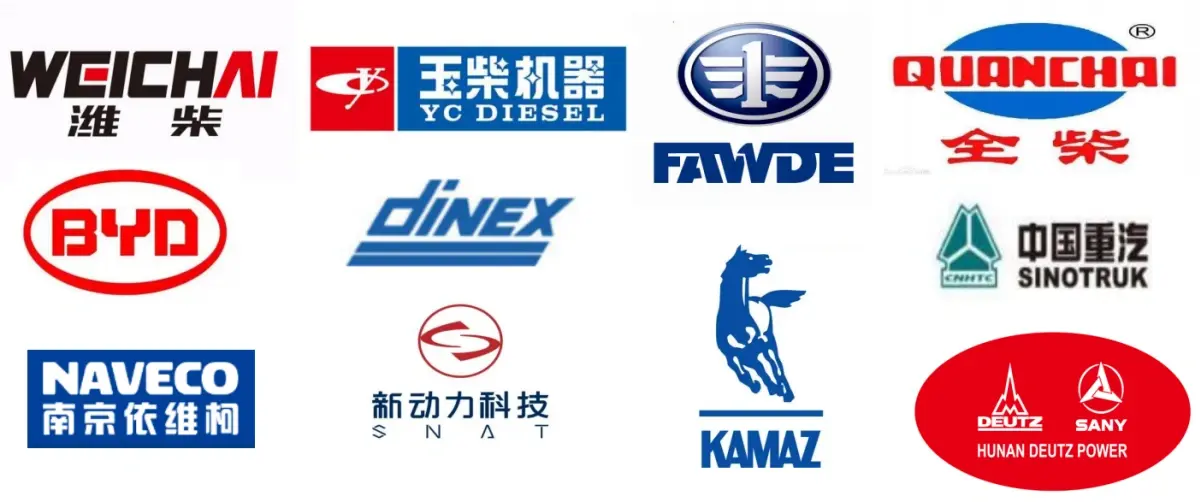
You can trust Qintai to help you with urea pressure sensor solutions. Xi'an Qintai Automotive Emission Technology Co. Ltd. makes more urea pressure sensors than any other company in China. They've worked with big diesel engine makers like Weichai Power, Yuchai Power, and Quanchai Power since 2001. Our sensors are totally approved by IATF 16949 and go through a lot of tests to make sure they work. In order to make a lot of things, this makes sure that the quality stays the same.
We let you change the pressure ranges, electrical connections, and mounting arrangements to make sure they work perfectly with the way your SCR system is set up. We find new ways to deal with new pollution problems while keeping prices low enough for global markets. We do this with the help of our 58 idea patents and specialized research and development (R&D) skills. We make sure that customers in 60 countries get their orders on time by providing quick technical support and OEM/ODM services that are adaptable. Contact our buying team at info@qt-sensor.com to talk about your specific sensor needs and find out how our track record of dependability can help your aftertreatment system work better.
References
1. Society of Automotive Engineers. (2019). "Selective Catalytic Reduction System Design and Performance Optimization for Heavy-Duty Diesel Engines." SAE Technical Paper Series.
2. Environmental Protection Agency. (2020). "Emission Control Technologies for Diesel Engines: Technical Assessment and Compliance Guidelines." EPA Regulatory Documentation.
3. International Organization for Standardization. (2018). "ISO 16750-3: Road Vehicles - Environmental Conditions and Testing for Electrical and Electronic Equipment - Part 3: Mechanical Loads." ISO Standards Publication.
4. Diesel Technology Forum. (2021). "Advanced Diesel Engine Aftertreatment Systems: Component Specifications and Performance Metrics." Industry White Paper.
5. Association of Diesel Specialists. (2020). "Pressure Sensor Technologies in SCR Systems: Reliability Analysis and Maintenance Best Practices." Technical Training Manual.
6. European Automobile Manufacturers Association. (2019). "Euro VI Emission Standards: Technical Implementation Guide for Heavy-Duty Vehicles." ACEA Technical Report.
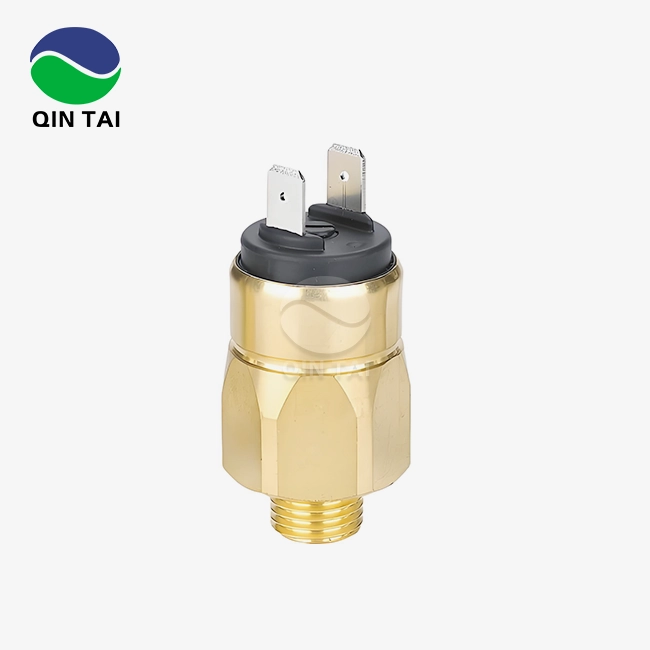
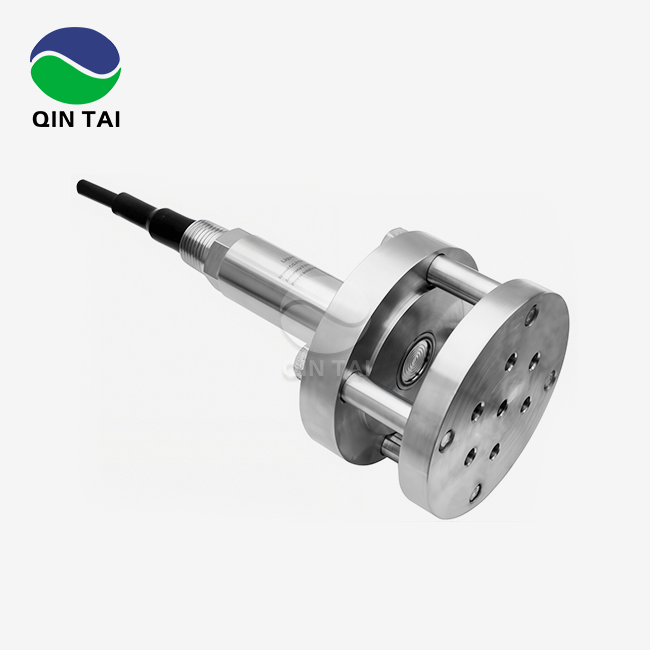
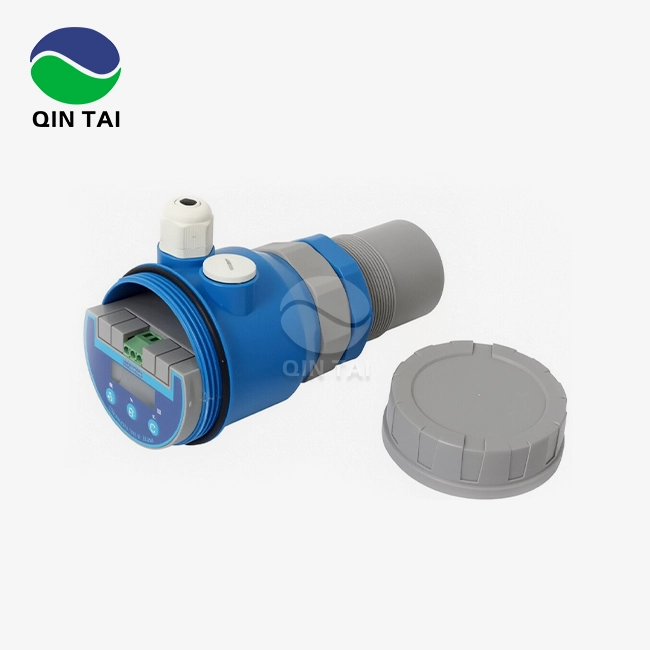
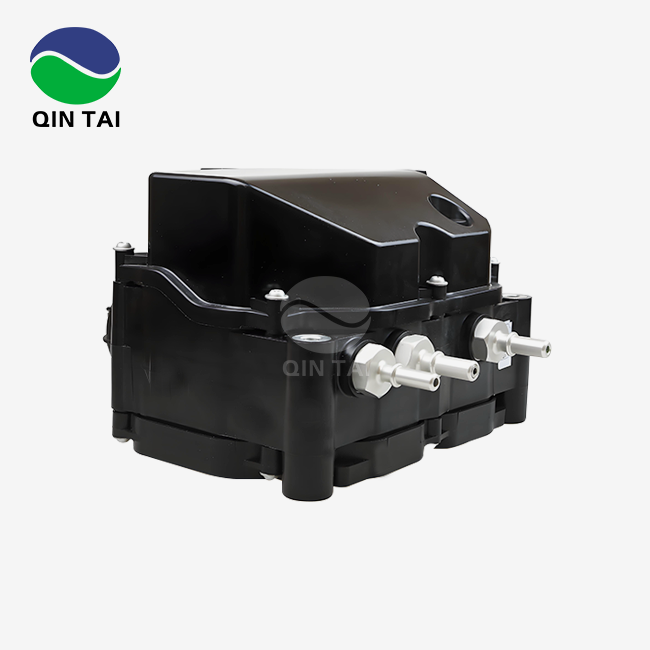

Our customers’ satisfaction speaks for our quality — contact us to experience the same reliable service.