- English
- French
- German
- Portuguese
- Spanish
- Russian
- Japanese
- Korean
- Arabic
- Greek
- German
- Turkish
- Italian
- Danish
- Romanian
- Indonesian
- Czech
- Afrikaans
- Swedish
- Polish
- Basque
- Catalan
- Esperanto
- Hindi
- Lao
- Albanian
- Amharic
- Armenian
- Azerbaijani
- Belarusian
- Bengali
- Bosnian
- Bulgarian
- Cebuano
- Chichewa
- Corsican
- Croatian
- Dutch
- Estonian
- Filipino
- Finnish
- Frisian
- Galician
- Georgian
- Gujarati
- Haitian
- Hausa
- Hawaiian
- Hebrew
- Hmong
- Hungarian
- Icelandic
- Igbo
- Javanese
- Kannada
- Kazakh
- Khmer
- Kurdish
- Kyrgyz
- Latin
- Latvian
- Lithuanian
- Luxembou..
- Macedonian
- Malagasy
- Malay
- Malayalam
- Maltese
- Maori
- Marathi
- Mongolian
- Burmese
- Nepali
- Norwegian
- Pashto
- Persian
- Punjabi
- Serbian
- Sesotho
- Sinhala
- Slovak
- Slovenian
- Somali
- Samoan
- Scots Gaelic
- Shona
- Sindhi
- Sundanese
- Swahili
- Tajik
- Tamil
- Telugu
- Thai
- Ukrainian
- Urdu
- Uzbek
- Vietnamese
- Welsh
- Xhosa
- Yiddish
- Yoruba
- Zulu
How do I choose the right pressure sensor?
Selecting the right pressure sensor requires evaluating several critical factors that directly impact system performance and long-term reliability. Procurement managers and engineers must consider measurement range, accuracy requirements, environmental conditions, and compatibility with existing systems. The sensor's technology type—whether piezoresistive, capacitive, or MEMS—determines its suitability for specific applications like diesel engine aftertreatment systems, hydraulic machinery, or industrial automation. Understanding these parameters ensures compliance with emission standards while maintaining cost-effectiveness and operational stability throughout the sensor's lifecycle.
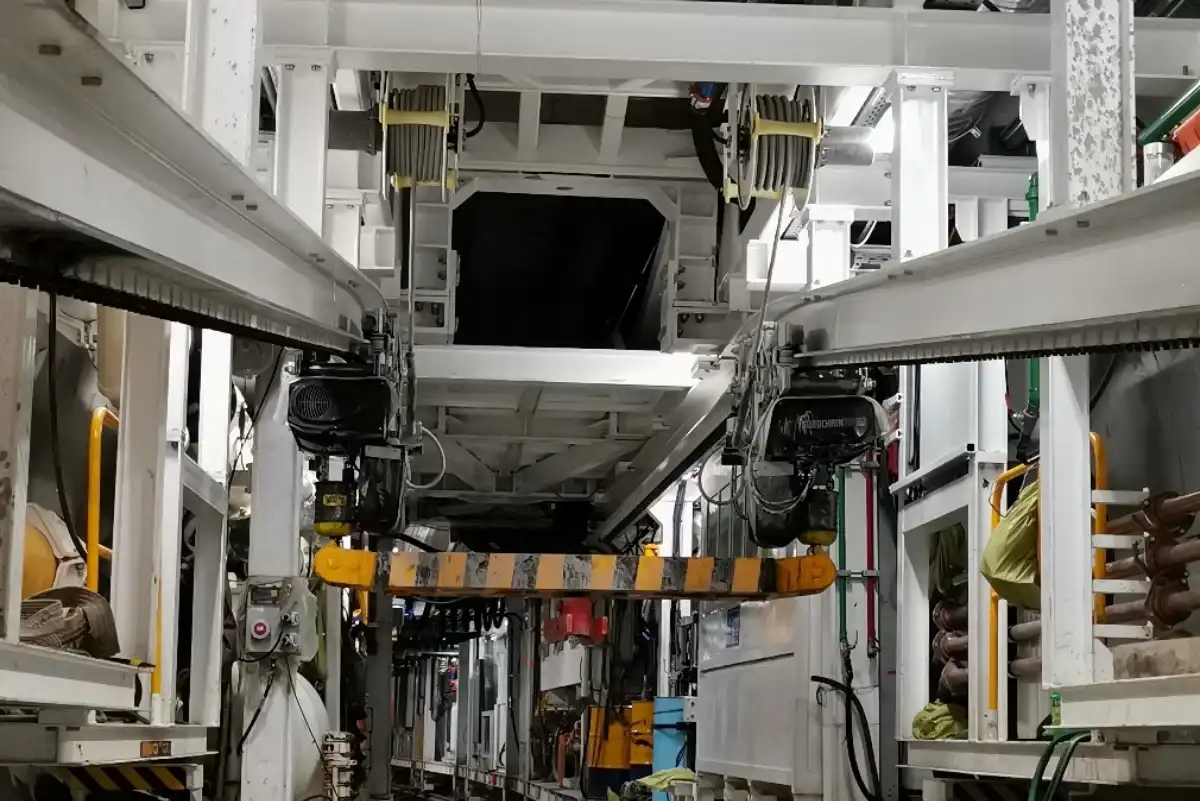
Understanding Pressure Sensors: Types and Working Principles
Pressure sensors serve as critical components in modern industrial systems by transforming physical force into measurable electrical signals. These devices measure the amount of force exerted over a specific area, enabling maintenance teams to implement predictive strategies based on real-time equipment conditions. When integrated into pressurized assets like tanks or hydraulic systems, sensors alert operators when readings fall outside predetermined thresholds, allowing immediate intervention before equipment failure occurs.
Core Technologies Behind Modern Sensors
Different detecting innovations offer unmistakable focal points for changed applications. Piezoresistive sensors utilize strain gages that alter electrical resistance when mechanical stretch is connected, making them perfect for high-pressure situations common in diesel motor frameworks. Capacitive sensors utilize a ceramic stomach that distorts beneath weight, modifying capacitance between anodes to create precise estimations reasonable for exact applications.
MEMS (Micro-Electro-Mechanical Frameworks) innovation miniaturizes detecting components whereas keeping up extraordinary affectability, giving compact arrangements for space-constrained installations. Piezoelectric sensors create electrical charges straightforwardly from connected mechanical push, advertising fabulous energetic reaction characteristics for applications requiring fast weight alter discovery. Each innovation presents interesting benefits with respect to temperature solidness, over-burden capacity, and estimation determination that impact determination decisions.
Transducers Versus Switches: Functional Distinctions
Pressure transducers persistently change over weight varieties into corresponding electrical signals, conveying continuous observing capabilities fundamental for handle control. These gadgets ordinarily yield analog voltage or current signals that coordinated consistently with CMMS (Computerized Upkeep Administration Frameworks) and control structures. A strain gage changes over weight to electrical signals by measuring physical distortions calibrated to reflect connected constrain, at that point changes over these changes into voltages that hardware can interpret.
Pressure switches, alternately, actuate at foreordained setpoints to trigger discrete on/off activities. This usefulness suits applications requiring basic threshold-based control or maybe than ceaseless estimation. Understanding this essential refinement guides obtainment experts toward gadgets coordinating operational prerequisites, whether for modern outflow control frameworks or direct security cutoff mechanisms.
Application Contexts Across Industries
Automotive applications request sensors competent of withstanding extraordinary temperature variances and vibration whereas keeping up estimation exactness vital for emanation compliance. HVAC frameworks require tough sensors that convey steady execution over expanded operational periods with negligible upkeep intercession. Water administration frameworks prioritize waterproof development and erosion resistance, especially in submersible applications.
Industrial mechanization situations show challenging conditions counting electromagnetic obstructions, chemical introduction, and mechanical stun. Sensors conveyed in these settings must illustrate vigorous development and solid flag transmission. Diesel motor aftertreatment frameworks particularly require sensors congruous with SCR (Specific Catalytic Decrease) and DPF (Diesel Particulate Channel) innovations, able of precise estimation beneath high-temperature deplete conditions whereas assembly China VI and Euro VI outflow standards.
Core Criteria to Consider When Choosing a Pressure Sensor
The selection process begins with comprehensive assessment of system-specific requirements and operational environments. This systematic approach ensures chosen sensors deliver expected performance throughout their service life while minimizing total cost of ownership.
Critical Performance Specifications
Accuracy characterizes how closely sensor readings coordinate genuine weight values, regularly communicated as a rate of full-scale yield. Applications including outflow compliance request tall precision to guarantee frameworks work inside administrative parameters. Estimation run must include anticipated working weights with satisfactory edge for temporal conditions, avoiding sensor harm from overpressure occasions whereas keeping up determination at lower readings.
Sensitivity shows the sensor's capacity to distinguish little weight changes, getting to be especially critical in applications requiring exact control. Reaction time measures how rapidly sensors respond to weight varieties, with energetic applications like motor control requiring millisecond-level reaction. Temperature recompense capabilities guarantee perusing precision over operational temperature ranges, anticipating warm float that compromises estimation reliability.
Environmental and Installation Considerations
Operating environment essentially impacts sensor life span and execution consistency. Temperature extremes, stickiness, destructive airs, and vibration presentation all influence sensor determination. Selecting a pressure sensor that is rated for these environmental conditions ensures reliable performance, prolonged service life, and accurate measurements in demanding applications. Sensors sent in development apparatus confront steady vibration and stun loads requiring ruggedized lodgings and secure mounting arrangements. Generator sets working in mines or farther areas require sensors able of maintained operation without visit upkeep access.
The compatibility between sensors and framework designs decides integration complexity and long-term serviceability. Analog yield sensors give 4-20mA or 0-10V signals consistent with conventional control frameworks, advertising straightforwardness and clamor resistance over long cable runs. Computerized sensors communicate by means of conventions like CANbus, Modbus, or restrictive interfacing, empowering progressed diagnostics and setup adaptability.
Pressure driven weight transducers distinguish changes through fluid weight, changing over mechanical drive into electrical signals that elucidation circuitry designs for controllers or show systems. Understanding electrical association prerequisites, mounting setups, and weight harbour determinations avoids expensive establishment delays. Sensors with standardized interfacing encourage substitution and framework development, whereas restrictive plans may offer execution preferences at the fetched of supply chain adaptability.

SENSOR+TEST, June 9 – 11, 2026
We look forward to your visit!
Get your free ticket online now:
https://www.sensor-test.de/service/ticket/?52790
Comparative Analysis: Popular Pressure Sensor Solutions in the Market
Informed procurement decisions require understanding how different sensor technologies and manufacturers compare across performance, reliability, and support dimensions. This analysis helps match specific requirements with available solutions.
Technology Comparison: MEMS, Strain Gauge, and Conventional Designs
MEMS sensors use semiconductor fabricating procedures to make miniaturized detecting components with extraordinary repeatability and moo control utilization. Their compact shape figure suits applications with restricted establishment space, whereas bunch generation forms empower cost-effective volume fabricating. Be that as it may, MEMS gadgets may display decreased over-burden resistance compared to ordinary plans, requiring cautious application matching.
Strain gage sensors speak to demonstrated innovation with decades of field encounter over requesting mechanical situations. These gadgets offer fabulous over-burden capacity and strong development reasonable for unforgiving conditions experienced in overwhelming apparatus and development hardware. Their mechanical effortlessness contributes to long-term unwavering quality, in spite of the fact that they ordinarily possess bigger establishment envelopes than MEMS alternatives.
Brand Landscape and Supplier Evaluation
Global producers like Honeywell, Bosch, Sensirion, Texas Rebellious, and TE Network have built up notorieties through steady quality and comprehensive bolster systems. These providers regularly offer broad certification documentation counting ISO, IATF16949, and application-specific endorsements that streamline capability forms for OEM applications. Evaluating providers expands past item details to include guarantee arrangements, specialized back responsiveness, and long-term accessibility commitments.
Providers with set up OEM connections illustrate capability in overseeing high-volume generation necessities whereas keeping up quality consistency. Customization administrations empower sensor adjustment to one of a kind application necessities, from altered weight ports to application-specific yield characteristics.
Pricing Considerations and Procurement Strategies
Sensor estimating shifts essentially based on innovation, execution details, and arrange amounts. The cost of a pressure sensor can vary depending on its measurement range, accuracy, environmental ratings, and whether it includes additional features like digital outputs or integrated diagnostics, as well as the volume purchased. Budget sensors reasonable for non-critical applications may taken a toll beneath $20, whereas high-precision gadgets with specialized certifications can surpass $200 per unit. Volume acquirement regularly opens significant rebates, with cost breaks happening at amounts significant to generation runs and aftermarket supply chains.
Bulk buy techniques must adjust stock carrying costs against cost preferences and supply affirmation. Building up connections with producers advertising adaptable least arrange amounts gives acquirement deftness whereas keeping up competitive estimating. Customization ordinarily includes tooling and designing costs that amortize over generation volumes, making it financially practical for considerable progressing prerequisites or maybe than little bunch orders.
Matching Sensor Types to Specific Industry Needs
Different industrial sectors present unique operational requirements that influence optimal sensor selection. Tailoring choices to specific application contexts ensures performance alignment with operational priorities.
Diesel Engine and Heavy Equipment Applications
Diesel motor producers require sensors that withstand ceaseless high-temperature introduction, vibration, and weight throbs characteristic of combustion and debilitate frameworks. Outflow control frameworks request remarkable exactness to keep up SCR and DPF execution inside administrative limits. Sensors must illustrate long-term soundness to minimize calibration recurrence and keep up compliance all through benefit intervals.
Heavy trucks, development apparatus, and rural gear work over extraordinary natural conditions from cold cold to leave warm. Sensors sent in these applications require wide temperature remuneration ranges and moisture-resistant lodgings. Quick-connect fittings and standardized electrical associations encourage field serviceability, diminishing downtime when substitution gets to be necessary.
Aftertreatment System Integration Requirements
SCR and DPF framework trustworthiness prioritize sensors advertising broad compatibility with different motor stages and control structures. Customizable yield characteristics, weight ranges, and mounting setups empower framework optimization over assorted OEM necessities. Specialized bolster responsiveness demonstrates basic amid framework improvement and investigating stages, making provider connections a key determination factor.
Fast conveyance capabilities avoid generation delays, especially when supporting numerous concurrent ventures with shifting dispatch timelines. Providers keeping up satisfactory stock positions and adaptable fabricating capacity give competitive focal points in energetic markets. After-sales responsiveness counting guarantee back and application designing help builds certainty in long-term partnerships.
Aftermarket and Service Applications
Repair shops, merchants, and parts providers serving commercial vehicles and development apparatus require cost-effective sensors with wide application scope. Tall flexibility over hardware brands and models minimizes stock complexity whereas maximizing benefit capability. Simple establishment without specialized apparatuses or calibration hardware decreases benefit inlet time and specialist preparing requirements. Reliable stock accessibility avoids postponed repairs that affect client fulfillment and rehash trade.
Competitive estimating empowers sound edges whereas remaining alluring to price-sensitive conclusion clients. Moo disappointment rates diminish guarantee claims and protect benefit operation productivity. Sensors supported by clear guarantee terms and clear return forms give chance relief esteemed by merchants and benefit providers.
Industrial and Generator Set Applications
Generator sets operating in mines, power plants, and backup power installations demand sensors engineered for continuous operation under steady-state conditions. Industrial-grade reliability prevents unplanned outages in critical applications where downtime carries substantial operational and financial consequences. Sensors must demonstrate extended service life measured in years rather than months, withstanding environmental stresses including temperature cycling, humidity, and contamination exposure.
Environmental adaptability encompasses resistance to corrosive atmospheres, electromagnetic interference from nearby equipment, and mechanical vibration from engine operation. Brand endorsement and proven installation base provide confidence in sensor performance for risk-averse procurement decisions common in critical infrastructure projects. Technical documentation supporting system integration and maintenance procedures facilitates engineering approval and long-term support planning.
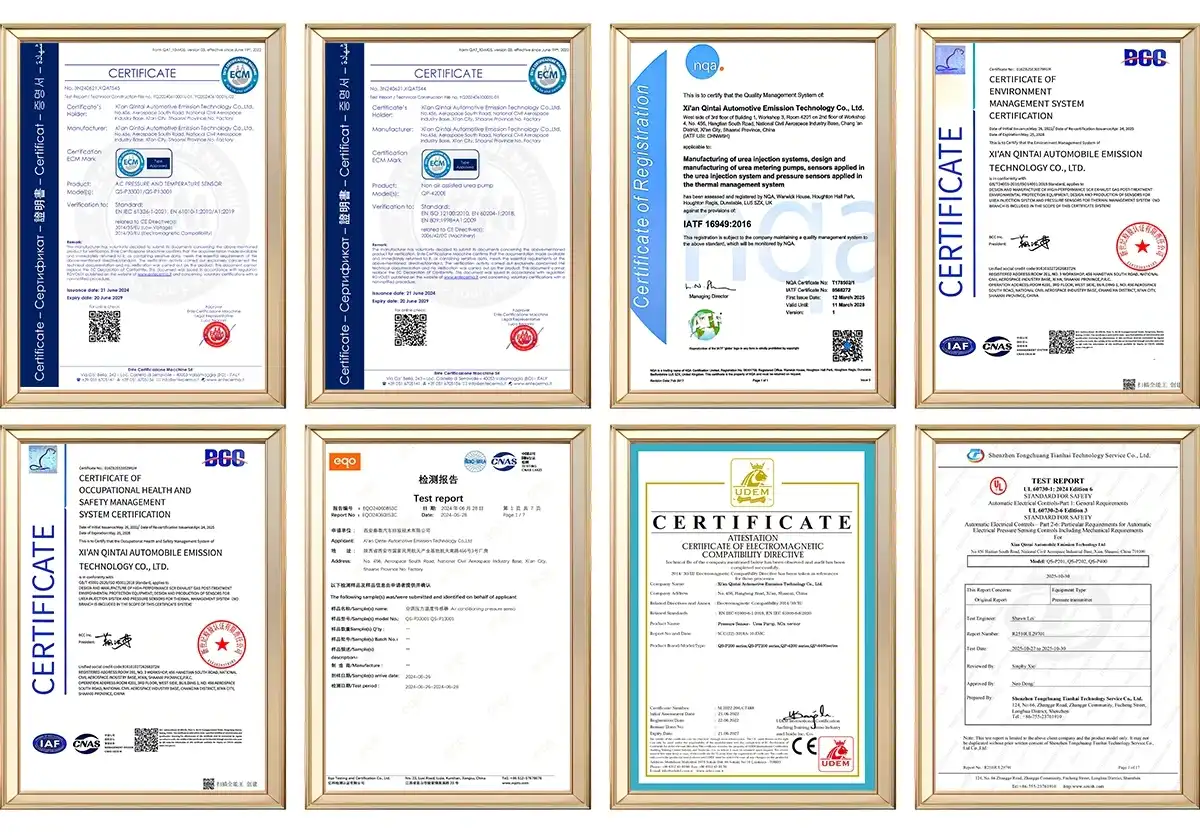
Troubleshooting and Maintaining Pressure Sensors to Maximize ROI
Protecting sensor investments requires understanding common failure modes and implementing proactive maintenance practices. These strategies extend operational life while ensuring measurement reliability.
Common Fault Patterns and Diagnostic Approaches
Sensor failures typically manifest as reading drift, erratic output, complete signal loss, or physical damage. Drift occurs when readings gradually deviate from calibrated values, often caused by diaphragm fatigue, temperature effects, or electronic component aging. Comparing sensor readings against calibrated reference standards identifies drift magnitude and determines whether recalibration restores acceptable accuracy.
Erratic outputs with fluctuating readings suggest loose electrical connections, electromagnetic interference, or moisture intrusion into sensor electronics. Inspecting connectors, examining cable routing away from interference sources, and verifying seal integrity often resolves these issues. Complete signal loss points to electrical failures including open circuits, power supply problems, or catastrophic sensor damage requiring replacement.
Physical damage from overpressure events, impact, or corrosion necessitates sensor replacement rather than repair. Installing sensors with adequate overload ratings and protective mounting locations prevents many damage scenarios. Implementing pressure relief valves and surge suppressors in systems prone to pressure spikes extends sensor life by limiting stress exposure.
Calibration Procedures and Equipment Requirements
Maintaining measurement accuracy throughout sensor life requires periodic calibration against traceable pressure standards. For a pressure sensor, regular calibration ensures consistent readings, helps detect drift or degradation early, and supports compliance with industry regulations and quality management systems.
Calibration intervals depend on application criticality, operating conditions, and regulatory requirements, ranging from annual verification for emission systems to multi-year cycles for non-critical applications. Using calibrated pressure sources and precision measurement instruments, technicians apply known pressures while recording sensor outputs to verify accuracy across the measurement range.
Calibration adjustments may involve potentiometer settings on analog sensors or software configuration for digital devices. Some sensors include self-diagnostics that flag calibration drift, triggering maintenance before accuracy degradation affects system performance. Documentation of calibration history supports quality management systems and regulatory compliance while tracking sensor performance trends that predict replacement timing.
Preventive Maintenance Strategies
Routine inspections identifying potential issues before failures occur minimize unexpected downtime and extend sensor life. Visual examinations detect corrosion, mechanical damage, and leaking pressure connections. Electrical connection checks ensure secure terminals and undamaged cable insulation. Monitoring environmental conditions including temperature extremes, vibration levels, and contamination exposure helps predict accelerated aging.
Protecting sensors from harsh conditions through appropriate installation practices proves more effective than frequent replacement cycles. Using snubbers to dampen pressure pulsations reduces mechanical stress on sensing elements. Installing sensors in locations minimizing temperature exposure and physical impact preserves housing integrity. Applying corrosion-resistant coatings or selecting compatible materials for the measured media prevents chemical degradation.
Implementing condition-based monitoring through CMMS integration enables data-driven maintenance decisions. Tracking sensor performance metrics over time reveals degradation patterns allowing scheduled replacement before failures impact operations. Electric signals measured and recorded by sensors feed into CMMS systems that alert maintenance teams when pressure measurements fall outside acceptable parameters, enabling immediate response to emerging issues.
Conclusion
Choosing the right pressure sensor demands careful evaluation of technical specifications, environmental conditions, and supplier capabilities aligned with specific operational requirements. Understanding sensor technologies, performance characteristics, and application contexts enables procurement professionals to match devices with system needs effectively. Diesel engine manufacturers, aftertreatment integrators, and industrial equipment operators benefit from sensors delivering accuracy, reliability, and compliance with emission regulations. Implementing proper installation practices and maintenance strategies maximizes return on investment through extended service life and consistent performance. Partnering with suppliers offering customization, technical support, and quality certifications ensures long-term success across demanding applications.
Partner with Qintai for Your Pressure Sensor Needs
Xi'an Qintai Automotive Emission Technology Co. Ltd. brings over two decades of specialized expertise in pressure sensor manufacturing for diesel engine aftertreatment systems and industrial applications. As China's leading OEM supplier serving Weichai Power, Yuchai Power, and Quanchai Power, we deliver sensors meeting the demanding requirements of emission control systems compliant with China VI and Euro VI standards. Our ISO9001, IATF16949, CMC, Ex, UL, CE, REACH, and RoHS certifications demonstrate commitment to quality and regulatory compliance valued by procurement professionals. Contact our team at info@qt-sensor.com to discuss your pressure sensor requirements, request technical specifications, or inquire about bulk procurement options.
References
1. Smith, J. & Anderson, K. (2023). Industrial Pressure Measurement Technologies: Comparative Analysis and Application Guidelines. Journal of Industrial Instrumentation, 45(3), 112-128.
2. Thompson, R. (2024). Sensor Selection for Diesel Engine Emission Control Systems. Automotive Engineering International, 58(2), 34-42.
3. European Automotive Manufacturers Association. (2023). Technical Standards for Emission Control System Components: Euro VI Compliance Requirements. Brussels: EAMA Publications.
4. Chen, L., Williams, M., & Patel, S. (2023). Preventive Maintenance Strategies for Industrial Pressure Sensors in Harsh Environments. Maintenance Technology Quarterly, 37(4), 67-81.
5. International Organization for Standardization. (2024). Pressure Sensors and Transducers: Calibration Procedures and Accuracy Specifications (ISO 16063-31:2024). Geneva: ISO Standards.
6. Martinez, D. (2023). Cost-Benefit Analysis of Pressure Sensor Technologies for B2B Industrial Applications. Procurement Management Review, 29(1), 89-103.
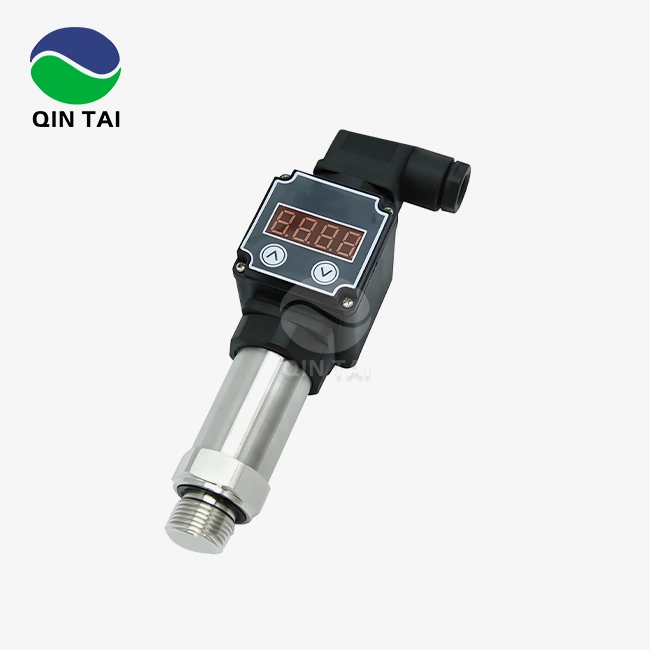
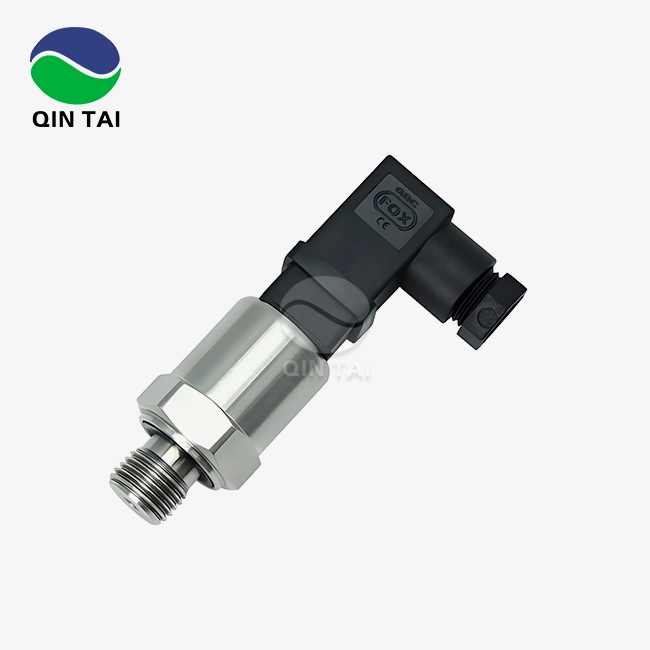
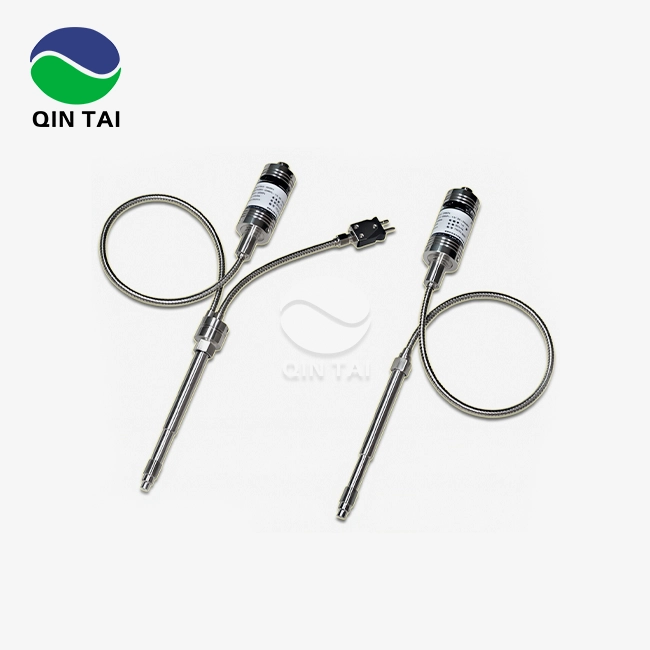
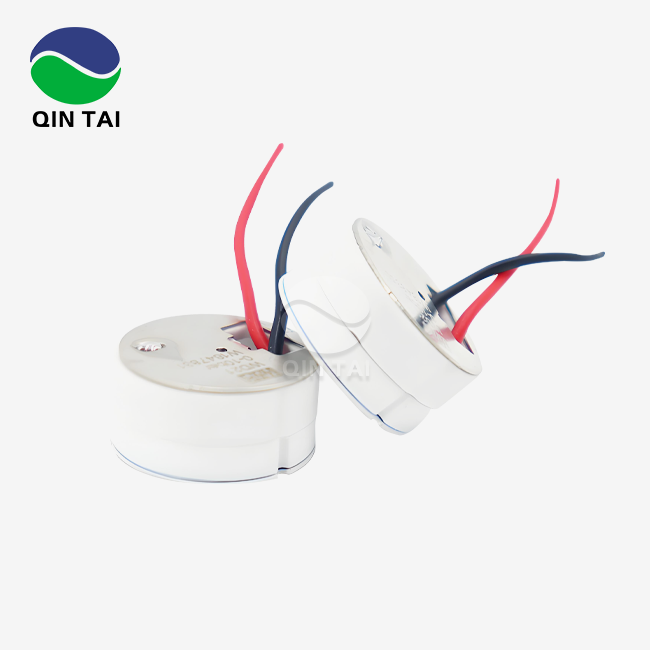

Our customers’ satisfaction speaks for our quality — contact us to experience the same reliable service.