- English
- French
- German
- Portuguese
- Spanish
- Russian
- Japanese
- Korean
- Arabic
- Greek
- German
- Turkish
- Italian
- Danish
- Romanian
- Indonesian
- Czech
- Afrikaans
- Swedish
- Polish
- Basque
- Catalan
- Esperanto
- Hindi
- Lao
- Albanian
- Amharic
- Armenian
- Azerbaijani
- Belarusian
- Bengali
- Bosnian
- Bulgarian
- Cebuano
- Chichewa
- Corsican
- Croatian
- Dutch
- Estonian
- Filipino
- Finnish
- Frisian
- Galician
- Georgian
- Gujarati
- Haitian
- Hausa
- Hawaiian
- Hebrew
- Hmong
- Hungarian
- Icelandic
- Igbo
- Javanese
- Kannada
- Kazakh
- Khmer
- Kurdish
- Kyrgyz
- Latin
- Latvian
- Lithuanian
- Luxembou..
- Macedonian
- Malagasy
- Malay
- Malayalam
- Maltese
- Maori
- Marathi
- Mongolian
- Burmese
- Nepali
- Norwegian
- Pashto
- Persian
- Punjabi
- Serbian
- Sesotho
- Sinhala
- Slovak
- Slovenian
- Somali
- Samoan
- Scots Gaelic
- Shona
- Sindhi
- Sundanese
- Swahili
- Tajik
- Tamil
- Telugu
- Thai
- Ukrainian
- Urdu
- Uzbek
- Vietnamese
- Welsh
- Xhosa
- Yiddish
- Yoruba
- Zulu
How to test pressure sensors?
Testing pressure sensors involves applying known pressure values using calibrated reference equipment and comparing the sensor's output signals against expected readings to verify accuracy, repeatability, and stability. The process typically includes visual inspections, electrical continuity checks, zero-point calibration, span adjustments, and full-range verification using deadweight testers or electronic calibrators. Proper documentation of results ensures compliance with industry standards while identifying drift, hysteresis, or failure patterns that could compromise system performance in critical industrial applications.

Understanding Pressure Sensor Fundamentals Before Testing
Developing viable testing methodologies starts with understanding how distinctive sensor innovations change over mechanical strengths into electrical signals. Strain gage sensors, broadly utilized in diesel motor applications, utilize resistive components that alter electrical properties when distorted by connected weight. Capacitive sensors degree varieties in capacitance between cathodes as a stomach flexes, advertising fabulous steadiness for low-pressure ranges. Piezoelectric transducers create voltage specifically from mechanical stretch, making them perfect for energetic weight estimations in combustion analysis.
Each innovation presents interesting execution characteristics that impact testing approaches. Exactness determinations characterize how closely readings coordinate genuine values, ordinarily communicated as a rate of full scale. Affectability portrays the yield alter per unit weight variety, whereas reaction time demonstrates how rapidly sensors track fast weight variances. Calibration benchmarks from organizations like NIST set up traceable reference focuses that guarantee estimations stay reliable over distinctive offices and equipment. Environmental components altogether influence sensor behavior amid testing and operation.
Temperature coefficients cause yield float as surrounding conditions vacillate, requiring stipend circuits or controlled testing situations. Vibration, electromagnetic obstructions, and destructive media can debase stomach materials or electronic components over time. Unforgiving conditions in development apparatus or generator sets request industrial-grade plans with fixed lodgings and vigorous electrical connections.
Common testing challenges incorporate flag clamor from electrical impedances, hysteresis where readings contrast amid expanding versus diminishing weight cycles, and long-term float that collects between calibration interims. Understanding how sensor development impacts these wonders makes a difference specialists select suitable testing frequencies and acknowledgment criteria. Capacitive ceramic sensors regularly display lower hysteresis than strain gage sorts but may require more cautious dealing with to avoid stomach damage.
Step-by-Step Guide on How to Test Pressure Sensors Systematically?
Systematic testing starts with clearly characterized targets custom fitted to particular applications. Calibration confirms that sensors deliver exact readings over their working run, investigating analyze execution issues in breaking down units, and confirmation affirms that recently introduced gadgets meet details some time recently entering benefit. Distinguishing the sensor sort and operational setting guides gear choice and testing parameters.
Common blunder sources incorporate electrical flaws like broken wiring or eroded terminals, mechanical harm to detecting stomachs from weight spikes or inappropriate establishment, and natural impacts such as dampness entrance or temperature extremes. Visual assessment catches self-evident physical harm whereas progression testing with computerized multimeters recognizes open circuits or brief conditions. Analyzing mistake designs makes a difference recognize between calibration float and component failure.
Essential testing tools vary by application complexity and required accuracy. Deadweight testers use precisely machined masses to generate reference pressures through hydraulic or pneumatic systems, offering exceptional accuracy for laboratory calibration. Manometers provide visual pressure readings through fluid columns and serve well for field checks of low-pressure sensors. Electronic calibrators combine reference pressure sources with digital displays and automated data logging, streamlining high-volume testing workflows.
Matching apparatuses to sensor innovations guarantees substantial comes about. Strain gage transducers require steady excitation voltages amid testing whereas capacitive sorts require high-impedance estimation rebellious to dodge stacking mistakes. Calibration methods ordinarily begin with zero-point alteration at air weight, taken after by span calibration at full scale, at that point confirmation at middle of the road focuses to distinguish linearity errors. Documentation teach isolates proficient testing from casual checks.
Recording encompassing temperature, stickiness, calibration gear serial numbers, and as-found versus as-left readings makes review trails that fulfill quality administration frameworks. Trending chronicled information uncovers float designs that educate preventive upkeep plans. Repair shops and aftermarket providers advantage from standardized test reports that construct client certainty whereas supporting guarantee claims.
Comparing Traditional vs Modern Pressure Sensor Testing Methods
Traditional manual calibration depends on administrator ability to apply reference weights, watch gage readings, and alter potentiometers until yields adjust with determinations. This approach works enough for occasional support but presents human blunder through misinterpret scales, conflicting alteration procedures, and fragmented documentation. Manual strategies battle with progressed sensor sorts including advanced interfacing or temperature remuneration calculations that require program configuration.
Modern computerized testing frameworks change productivity and unwavering quality through computer-controlled weight sources, multi-channel information procurement, and software-driven examination. These stages cycle through test focuses quickly whereas keeping up exact weight steadiness, capturing nitty gritty execution bends that uncover unpretentious nonlinearities or hysteresis designs. Computerized frameworks coordinated consistently with undertaking quality administration databases, dispensing with translation blunders and empowering measurable prepare control over generation batches.
IoT network expands capabilities encourage by empowering farther calibration confirmation, prescient upkeep alarms, and fleet-wide execution observing. Sensors with inserted diagnostics report their claim wellbeing status, activating calibration demands when float surpasses edges. Cloud-based analytics distinguish disappointment modes over comparative establishments, illuminating plan advancements and upkeep strategies. Selecting fitting testing approaches equalizations exactness prerequisites against budget imperatives and throughput requests.
Aftertreatment framework respectability performing approaching review on tall volumes advantage from mechanized frameworks that decrease labor costs and cycle times. Generator set producers may legitimize semi-automated hardware that offers adaptability for differing sensor sorts whereas keeping up sensible capital speculation. Repair shops regularly optimize around versatile calibrators that back field benefit without relinquishing traceability.
How to Choose the Right Pressure Sensor Testing Equipment for Your Procurement Needs?
Strategic obtainment choices start with characterizing prerequisites based on operational substances. High-volume OEM generation lines require mechanized frameworks with quick cycle times, measurable announcing, and negligible administrator preparing necessities. Aftermarket providers prioritize flexibility to handle assorted sensor sorts from different producers. Project-based operations may emphasize transportability and battery operation for field deployment. Critical assessment measurements direct gear choice. Precision determinations ought to surpass tried sensor prerequisites by at slightest a 4:1 proportion to guarantee substantial estimations.
Client interfacing influence productivity—touchscreen shows with natural workflows decrease administrator weakness and preparing time. Calibration certification from certify research facilities sets up traceability whereas yearly recalibration costs figure into add up to possession expenses. Supplier validity things similarly nearby specialized details. Built up brands like Honeywell, Bosch, Omega, and TE Network offer broad benefit systems and long-term parts accessibility.
Conveyance lead times affect generation plans, making neighborhood stock or wholesaler connections profitable for time-sensitive ventures. Specialized back capabilities gotten to be significant when coordination modern hardware or investigating complex applications. Integrated sensor producers giving both items and testing administrations offer compelling points of interest for obtainment groups looking for disentangled supply chains.
Qintai represents this approach by combining weight sensor generation with comprehensive quality affirmation capabilities, permitting clients to source calibrated, tried gadgets prepared for establishment. This integration decreases acquirement complexity whereas guaranteeing compatibility between sensors and confirmation procedures. Building vital organizations amplifies past value-based acquiring. Collaborative connections with testing gear providers empower customized arrangements, application designing bolster, and need get to amid capacity imperatives.
Providers who get it your industry's particular challenges—whether outflow compliance due dates or regular request fluctuations—become esteemed advisors or maybe than unimportant vendors. A knowledgeable pressure sensor supplier can offer tailored guidance on sensor selection, installation, and maintenance schedules, helping ensure accurate measurements and reliable system performance under variable operating conditions.
Maintenance Tips and Troubleshooting for Pressure Sensor Testing Reliability
Maximizing sensor life span and estimation unwavering quality requires taught upkeep conventions grounded in industry measures. Calibration interims depend on application criticality, working environment, and administrative necessities. Emanation control frameworks regularly command yearly or semi-annual confirmation to keep up certification legitimacy. Basic security applications may require quarterly checks whereas less requesting employments acknowledge longer cycles. Diagnostic procedures offer assistance distinguish execution debasement some time recently total disappointment.
Yield irregularities where readings vacillate beneath steady conditions propose electrical clamor, destitute associations, or stomach weakness. Comparing different sensors measuring the same weight source rapidly segregates exceptions. Zero move after weight discharge demonstrates mechanical harm or defilement influencing the detecting element. Preventive techniques relieve natural harm through legitimate establishment hones. Mounting introductions influence warm angles over detecting components whereas vibration confinement ensures fragile components.
Cable directing absent from electromagnetic obstructions sources decreases flag clamor. Defensive boots or covers shield electrical associations from dampness in cruel situations like development hardware or marine generator applications. Software overhauls keep up framework keenness as producers discharge firmware advancements tending to compatibility issues or including demonstrative highlights. Keeping calibration databases current guarantees test hardware applies rectify calculations for more current sensor models.
Documentation hones ought to capture not as it were numerical comes about but too natural conditions, professional notes, and any watched peculiarities that might advise future troubleshooting. Manufacturer assets give important back all through the sensor lifecycle. Nitty gritty datasheets indicate electrical characteristics, weight ranges, and natural evaluations that direct legitimate application. Specialized back groups help with bizarre establishment challenges or execution questions. Guarantee administrations secure against untimely disappointments when sensors work inside indicated conditions, decreasing add up to fetched of proprietorship for huge armada deployments.
Conclusion
Testing pressure sensors systematically ensures measurement accuracy, operational reliability, and regulatory compliance across diverse industrial applications. Understanding sensor technologies, selecting appropriate testing methods, and implementing disciplined maintenance protocols create measurable value through reduced downtime, extended component life, and confident decision-making. Modern automated testing solutions enhance efficiency while traditional portable calibrators remain relevant for field service scenarios. Procurement professionals benefit from partnerships with manufacturers who integrate quality assurance throughout product development and delivery, simplifying supply chains while maintaining rigorous performance standards that meet global emission regulations and industrial demands.
FAQ
How often should pressure sensors be tested in diesel engine applications?
Testing frequency depends on regulatory requirements and operational criticality. Emission control systems typically require annual calibration to maintain China VI or Euro VI compliance certification. Heavy-duty applications in construction machinery or generator sets benefit from semi-annual verification to catch drift before it affects performance. Critical safety systems may demand quarterly checks while less demanding applications accept longer intervals verified through historical drift data.
Can the same testing equipment work for different sensor types?
Modern electronic calibrators accommodate multiple sensor types through configurable input ranges, excitation voltages, and signal conditioning. Strain gauge sensors require constant voltage or current excitation while capacitive transducers need high-impedance measurement circuits. Versatile test equipment includes interchangeable adapters and software profiles for various manufacturers' specifications. Verify compatibility before procurement, especially for specialized sensors with digital communication protocols.
When should sensors be replaced rather than recalibrated?
Replace sensors when calibration attempts cannot restore accuracy within specifications, when physical damage compromises sealing or diaphragm integrity, or when drift recurs rapidly after adjustment indicating component degradation. Economic analysis comparing recalibration costs against new sensor prices favors replacement when repair expenses exceed 60-70% of replacement cost. OEM warranty coverage often makes early replacement more cost-effective than repeated troubleshooting.
Partner with Qintai for Reliable Pressure Sensor Solutions and Testing Support
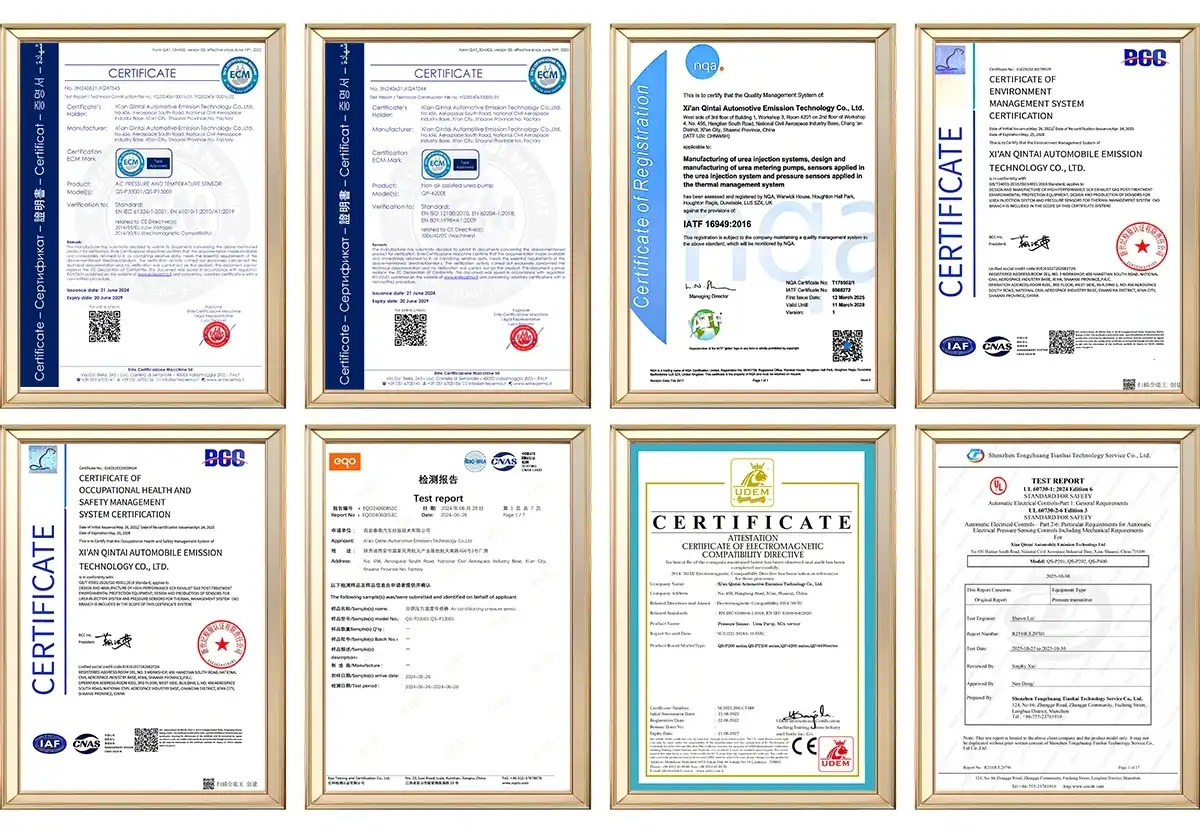
Qintai delivers industrial-grade pressure sensors engineered specifically for demanding diesel engine aftertreatment systems, SCR applications, and heavy machinery installations. Our ISO9001 and IATF16949 certified manufacturing processes ensure consistent quality across high-volume production runs, supported by comprehensive testing protocols that verify accuracy, durability, and environmental resilience. As the leading OEM pressure sensor supplier for China's top engine manufacturers including Weichai Power and Yuchai Power, we understand the critical balance between performance specifications, cost control, and delivery reliability that procurement professionals demand.
Our technical team provides customization support for interface parameters, mounting configurations, and certification requirements specific to your applications. Contact us at info@qt-sensor.com to discuss your pressure sensor needs, request calibrated samples, or explore OEM partnership opportunities backed by over two decades of emission technology expertise.

SENSOR+TEST, June 9 – 11, 2026
We look forward to your visit!
Get your free ticket online now:
https://www.sensor-test.de/service/ticket/?52790
References
1. Webster, J.G. (2019). The Measurement, Instrumentation and Sensors Handbook: Spatial, Mechanical, Thermal, and Radiation Measurement. CRC Press.
2. Morris, A.S. & Langari, R. (2021). Measurement and Instrumentation: Theory and Application. Academic Press, Third Edition.
3. Bao, M. & Wang, W. (2020). Future of Microelectromechanical Systems (MEMS). Sensors and Actuators A: Physical, Volume 56, Pages 135-141.
4. Liptak, B.G. (2018). Instrument Engineers' Handbook, Volume One: Process Measurement and Analysis. CRC Press, Fifth Edition.
5. Figliola, R.S. & Beasley, D.E. (2020). Theory and Design for Mechanical Measurements. John Wiley & Sons, Seventh Edition.
6. ISO 9001:2015 Quality Management Systems - Requirements. International Organization for Standardization.
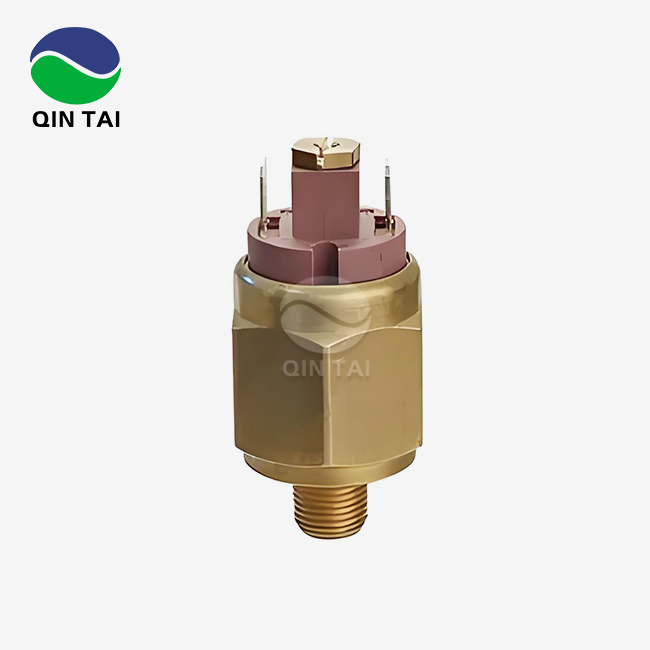
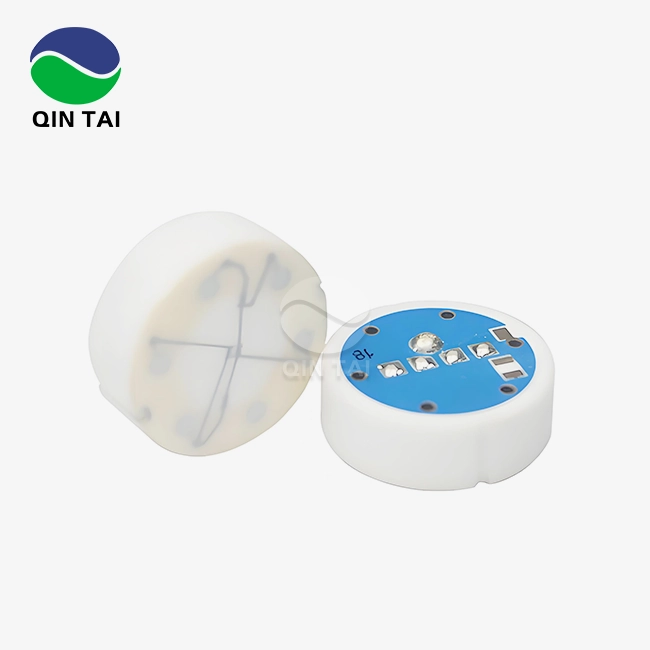
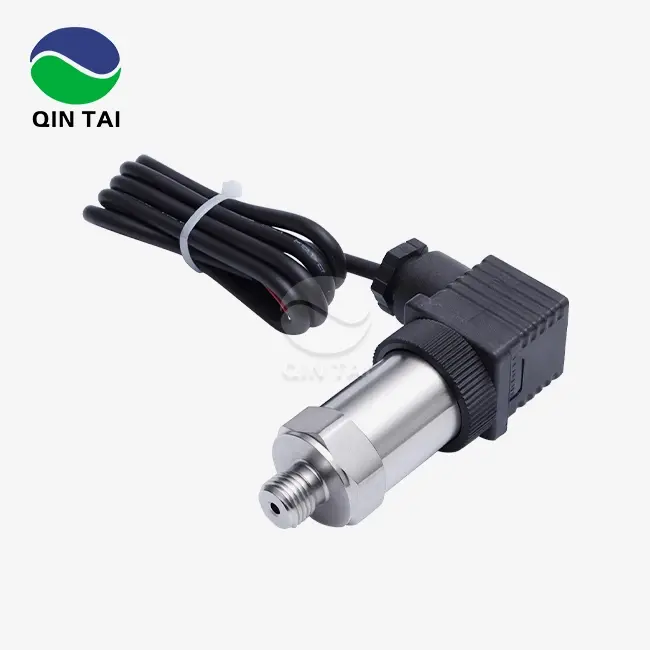

Our customers’ satisfaction speaks for our quality — contact us to experience the same reliable service.