- English
- French
- German
- Portuguese
- Spanish
- Russian
- Japanese
- Korean
- Arabic
- Greek
- German
- Turkish
- Italian
- Danish
- Romanian
- Indonesian
- Czech
- Afrikaans
- Swedish
- Polish
- Basque
- Catalan
- Esperanto
- Hindi
- Lao
- Albanian
- Amharic
- Armenian
- Azerbaijani
- Belarusian
- Bengali
- Bosnian
- Bulgarian
- Cebuano
- Chichewa
- Corsican
- Croatian
- Dutch
- Estonian
- Filipino
- Finnish
- Frisian
- Galician
- Georgian
- Gujarati
- Haitian
- Hausa
- Hawaiian
- Hebrew
- Hmong
- Hungarian
- Icelandic
- Igbo
- Javanese
- Kannada
- Kazakh
- Khmer
- Kurdish
- Kyrgyz
- Latin
- Latvian
- Lithuanian
- Luxembou..
- Macedonian
- Malagasy
- Malay
- Malayalam
- Maltese
- Maori
- Marathi
- Mongolian
- Burmese
- Nepali
- Norwegian
- Pashto
- Persian
- Punjabi
- Serbian
- Sesotho
- Sinhala
- Slovak
- Slovenian
- Somali
- Samoan
- Scots Gaelic
- Shona
- Sindhi
- Sundanese
- Swahili
- Tajik
- Tamil
- Telugu
- Thai
- Ukrainian
- Urdu
- Uzbek
- Vietnamese
- Welsh
- Xhosa
- Yiddish
- Yoruba
- Zulu
Stainless steel pressure sensors for corrosive media
Stainless steel pressure sensors for corrosive media are precision instruments designed to withstand aggressive chemical environments while maintaining measurement reliability. These devices utilize corrosion-resistant stainless steel alloys—typically 316L or duplex grades—to protect internal sensing elements from acids, alkalis, solvents, and other harsh substances. The pressure sensor converts mechanical stress into electrical signals even when exposed to corrosive fluids, ensuring accurate monitoring in chemical processing plants, offshore platforms, and industrial emissions control systems where standard sensors would quickly fail.
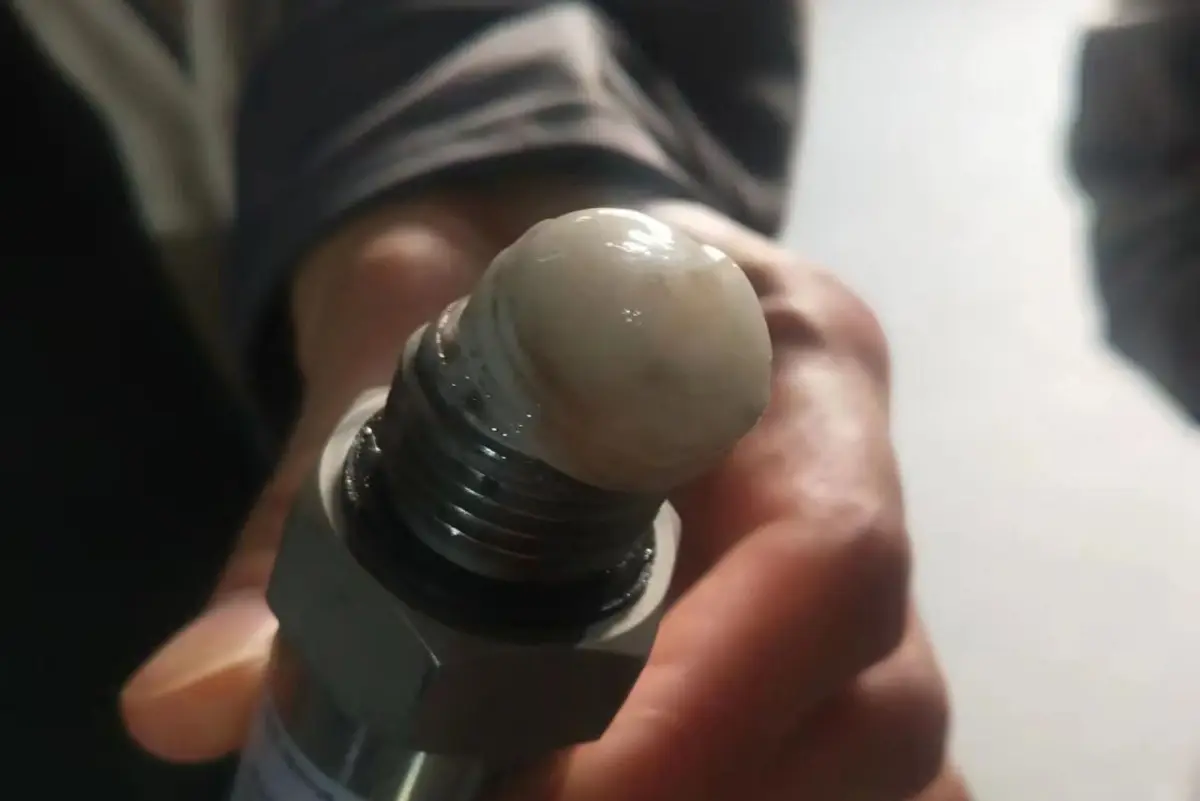
Understanding Stainless Steel Pressure Sensors for Corrosive Media
When you're dealing with harsh industrial environments, selecting the right measurement equipment becomes more than a technical decision—it's about protecting your operations and your team. Stainless steel pressure sensors represent a critical advancement in industrial instrumentation, offering durability where ordinary sensors simply cannot survive.
Why Stainless Steel Matters in Corrosive Environments?
The principal challenge in destructive media observing stems from chemical assault on sensor materials. Standard carbon steel or aluminum lodgings break down quickly when uncovered to acids, chlorides, or caustic arrangements. Stainless steel alloys—particularly 316L stainless steel—contain chromium, nickel, and molybdenum that frame a detached oxide layer, making a defensive obstruction against destructive attack.
At Qintai, we've watched through two decades of fabricating involvement that stainless steel weight transducers keep up precision and basic keenness in situations where elective materials fall flat inside months. Our gadgets serve diesel motor aftertreatment frameworks where deplete condensates contain sulfuric corrosive, nitric corrosive, and other destructive compounds shaped amid combustion and emanations control processes.
Core Sensing Technologies and Their Applications
Different detecting components suit distinctive destructive applications. Strain gage sensors utilize a mechanical component that distorts beneath weight, changing over physical changes into electrical signals. The strain gage plan offers amazing solidness over wide temperature ranges, making it perfect for diesel motor SCR frameworks and mechanical deplete treatment. Capacitive ceramic sensors utilize a ceramic stomach as one anode in a capacitor course of action. When weight changes, the stomach misshapes, changing capacitance between cathodes.
This plan gives uncommon chemical resistance since ceramics are intrinsically idle to most destructive media. We send ceramic capacitive pressure sensors in applications including concentrated acids and forceful cleaning solutions. Piezoresistive MEMS sensors coordinated tiny detecting components onto silicon chips, at that point ensure them with stainless steel stomachs. These gadgets provide quick reaction times and compact shape components, especially profitable in present day outflows control where space imperatives and energetic weight changes request miniaturized however vigorous solutions.
Industrial Applications Demanding Corrosion Resistance
Chemical handling offices depend on stainless steel weight transducers to screen reactor vessels, refining columns, and exchange lines dealing with destructive substances. In the oil and gas segment, seaward stages utilize these sensors for subsea hardware checking where saltwater presentation quickens corrosion. The diesel motor industry—particularly overwhelming truck, development apparatus, and generator set manufacturers—depends on corrosion-resistant sensors for specific catalytic diminishment frameworks.
SCR aftertreatment infuses urea-based diesel debilitate liquid into hot deplete streams, making an environment with temperature extremes, chemical reactivity, and dampness that corrupts non-resistant sensors inside weeks. Our stainless steel plans keep up calibration exactness for a long time beneath these requesting conditions, supporting China VI and Euro VI outflow compliance. Pharmaceutical fabricating utilizes sanitary-grade stainless steel sensors that meet strict cleanliness guidelines whereas standing up to cleaning chemicals and sterilization cycles. Nourishment and refreshment preparing requires comparable erosion resistance combined with FDA-compliant materials for contact with consumable products.
Challenges and Solutions in Corrosive Media Pressure Sensing
Understanding the specific challenges corrosive environments present helps procurement teams and R&D engineers make informed decisions that prevent costly failures and ensure operational continuity.
Material Degradation Mechanisms
Corrosion assaults sensors through a few instruments. Uniform erosion slowly diminishes metal surfaces, in the long run causing spills or auxiliary disappointment. Setting erosion makes localized gaps that enter defensive obstructions, compromising airtight seals and permitting media to contact touchy hardware. Push erosion breaking happens when ductile push combines with destructive introduction, causing sudden disastrous disappointment without obvious warning.
Galvanic erosion happens when different metals contact each other in the nearness of an electrolyte, making electrochemical cells that quicken fabric misfortune. Cleft erosion creates in limit crevices where stagnant liquid concentrates destructive operators. Each instrument requires particular plan contemplations to moderate risk.
Limitations of Non-Resistant Sensor Designs
Standard weight transducers utilizing brass fittings, carbon steel lodgings, or lacking fixing materials involvement quick debasement in destructive benefit. We've recorded field disappointments where non-stainless sensors in SCR frameworks eroded through inside 6,000 working hours—less than one year of ordinary commercial vehicle benefit. These disappointments show as estimation float, electrical shorts, or disastrous burst discharging poisonous deplete gases.
Beyond fabric disappointment, erosion byproducts sully detecting components, causing flag commotion and calibration shifts. Oxide arrangement on stomachs modifies mechanical properties, diminishing affectability and exactness. Support groups confront heightening costs from visit sensor substitution, framework downtime, and potential security incidents.
Engineered Solutions and Best Practices
Addressing destructive media challenges requires coordinates plan procedures. Fabric choice starts with understanding the particular destructive environment—pH levels, chemical composition, working temperature, and weight ranges. We utilize 316L stainless steel for most common destructive applications, updating to duplex or super-duplex amalgams for profoundly forceful chloride environments. Hermetic fixing procedures ensure inside hardware from vapor infiltration. Laser welding makes persistent seals without warm twisting, whereas glass-to-metal seals give electrical feedthroughs impenetrable to chemical assault.
We apply fluoropolymer coatings to wetted surfaces for extra chemical resistance when checking greatly forceful media. Sensor embodiment includes preparing touchy components in chemically safe compounds that square dampness and destructive vapors. Stomach separation isolates destructive handle media from detecting components utilizing oil-filled frameworks that transmit weight powerfully without coordinate chemical contact.
Real-World Validation: SCR System Case Study
A major development gear producer drawn closer Qintai after encountering incessant sensor disappointments in their diesel motor aftertreatment frameworks. Their unique sensors, utilizing standard automotive-grade materials, eroded inside 8,000 hours due to acidic deplete condensate introduction amid warm cycling. We built a customized arrangement utilizing 316L stainless steel wetted components, airtight laser-welded development, and upgraded stomach coatings. Research facility quickened life testing mimicked 20,000 hours of operation with temperature cycling between -40°C and 180°C in the nearness of acidic condensate.
The sensors kept up precision inside ±1% all through testing. Field sending over 500 vehicles illustrated remarkable unwavering quality. After 15,000 working hours, the stainless steel sensors appeared no erosion, kept up calibration precision, and required zero substitutions. This execution empowered the producer to meet Euro VI emanation measures with certainty whereas lessening guarantee costs by 73% compared to past sensor eras. The case approves how appropriate fabric choice and designing plan overcome real-world destructive challenges.

Choosing the Right Stainless Steel Pressure Sensor for Your Application
Procurement decisions involve balancing technical requirements, cost considerations, and supplier capabilities to achieve optimal long-term value rather than simply minimizing initial purchase price.
Defining Critical Operating Parameters
Begin by altogether characterizing your application environment. What particular chemicals will contact the sensor? Report pH levels, chemical concentrations, and any blends or responses happening in the handle. Temperature ranges matter significantly—materials that stand up to erosion at encompassing conditions may come up short at hoisted temperatures where chemical reactivity accelerates. Pressure estimation run requires cautious determination. Overpressure resilience ensures against temporal spikes, whereas vacuum capability things for applications including suction or clearing cycles.
Exactness details ought to reflect real handle necessities or maybe than subjective accuracy targets that increment costs without operational benefit. Response time gets to be basic in energetic applications like diesel motor combustion checking where fast weight changes require sensors with negligible damping. On the other hand, slow-changing forms advantage from damped sensors that channel out vibration clamor. Electrical yield options—analog voltage, current circle, computerized protocols—must coordinate your control framework inputs and communication architecture.
Evaluating Materials and Performance Metrics
Beyond essential stainless steel assignment, consider particular amalgam compositions for your application. Sort 316L stainless steel contains molybdenum that upgrades resistance to chlorides and diminishing acids, making it our standard for diesel motor sensors. Duplex stainless steels combine austenitic and ferritic stages, conveying prevalent quality and chloride push erosion breaking resistance for marine and seaward applications. Hastelloy and titanium combinations give extraordinary erosion resistance but carry altogether higher fabric costs.
Assess whether your application genuinely requires these premium materials or if built 316L arrangements with defensive coatings convey identical execution at lower taken a toll. We've found that 90% of destructive applications accomplish fabulous comes about with legitimately planned 316L sensors, saving intriguing amalgams for as it were the most forceful 10% of environments. Price-performance investigation ought to envelop add up to fetched of possession or maybe than unit buy cost alone. Calculate substitution recurrence, downtime costs, and upkeep labor for both corrosion-resistant and standard sensors.
Installation and Calibration Guide for Stainless Steel Pressure Sensors
Proper installation and ongoing maintenance determine whether sensors achieve their designed performance and longevity. Even the most robust corrosion-resistant pressure sensor fails prematurely when improperly installed or maintained. Correct mounting, sealing, wiring, and routine calibration are essential to ensure accurate pressure readings and long-term reliability in demanding applications.
Mounting Best Practices for Corrosive Applications
Installation area determination minimizes introduction to the harshest conditions whereas keeping up estimation precision. Position sensors absent from coordinate chemical shower or turbulent stream that quickens destructive assault. In diesel deplete frameworks, we suggest mounting sensors downstream of urea infusion focuses where blending has happened but some time recently extraordinary temperature zones that might harm electronics. Thread sealants must be chemically consistent with both the prepare media and sensor materials. PTFE tape works well for most applications, whereas fluid sealants containing solvents that assault polymeric components ought to be dodged. Fixing torque requires attention—insufficient torque causes spills, whereas intemperate torque produces mechanical push that can split lodgings or move calibration.
Orientation matters when sensors contain liquid-filled isolation systems. Mounting with diaphragms facing downward allows air bubbles to escape during filling and prevents bubble accumulation that dampens response. Electrical connections require environmental protection appropriate to the installation location. We recommend IP67-rated connectors as minimum standard, upgrading to IP69K for high-pressure washdown environments.
Calibration Strategies and Verification Methods
Factory calibration occurs during manufacturing under controlled laboratory conditions using traceable reference standards. We calibrate our sensors across the full specified temperature range, generating correction curves stored in device memory or provided as calibration certificates. Factory calibration delivers highest accuracy but cannot account for installation effects or long-term drift.
Field calibration verifies sensor accuracy after installation, detecting problems from mounting stress, temperature gradients, or environmental factors. Two-point calibration at zero pressure and full-scale pressure provides basic verification, while multipoint calibration across the measurement range reveals linearity errors. Portable calibrators enable field verification without removing sensors from service, minimizing downtime.
Routine maintenance schedules should include periodic calibration checks—annually for critical applications, every two years for less demanding service. We provide detailed calibration procedures and recommend tracking calibration history to identify drift trends that indicate approaching end-of-life or developing problems requiring investigation.
Common Installation Pitfalls to Avoid
Inadequate sealing represents the most frequent installation error, allowing corrosive media to penetrate sensor housings and attack internal components. Visual inspection after installation should confirm no leakage under operating pressure. Pressure testing with inert gas before introducing corrosive media helps identify seal problems safely.
Mechanical stress from improper mounting or piping loads transfers force to sensing diaphragms, causing calibration errors or permanent damage. Sensors should be independently supported, not used as structural members supporting pipe weight. Vibration isolation may be necessary in high-vibration environments like diesel engines to prevent fatigue failures.
Electrical grounding issues create ground loops that introduce measurement noise or cause sensor damage from electrical transients. Single-point grounding practices, where sensor ground connects only at the control system, minimize these problems. Shielded cables with properly terminated shields protect against electromagnetic interference in electrically noisy industrial environments.
Temperature effects become significant when sensor bodies experience different temperatures than during calibration. Thermal gradients through sensor housings create apparent pressure changes as materials expand or contract. Installation designs should minimize thermal gradients or utilize sensors with enhanced temperature compensation algorithms that correct for these effects.
Future Trends and Innovations in Stainless Steel Pressure Sensors
The sensor industry continues advancing rapidly, driven by digitalization, miniaturization, and increasing demands for predictive maintenance capabilities that optimize industrial operations.
MEMS Technology and Miniaturization Benefits
Microelectromechanical systems technology enables dramatic sensor size reduction while maintaining or improving performance. MEMS pressure sensors integrate sensing elements, signal conditioning electronics, and temperature compensation on silicon chips measured in millimeters. These compact devices fit into space-constrained locations impossible for traditional sensors.
Beyond size reduction, MEMS fabrication techniques enable cost-effective high-volume production with exceptional consistency. Semiconductor manufacturing processes create thousands of sensors simultaneously on wafer substrates, reducing per-unit costs while improving uniformity. We're developing next-generation MEMS sensors with integrated diagnostics that monitor their own health, alerting maintenance teams to calibration drift before accuracy degrades beyond specifications.
Improved sensitivity from MEMS designs enables detection of smaller pressure changes, supporting applications requiring precise control. Diesel engine common rail fuel injection systems utilize MEMS sensors to monitor cylinder pressure variations measured in fractions of a bar, optimizing combustion efficiency and reducing emissions.
Wireless Communication and Digital Integration
Wireless pressure transducers eliminate installation costs and maintenance challenges associated with signal cables, particularly valuable in retrofit applications or hazardous areas where cable routing proves difficult. Low-power wireless protocols enable battery-powered sensors operating years between battery changes, while energy harvesting technologies generate power from temperature differentials or vibration.
Digital output sensors with standardized industrial protocols—CANbus, Modbus, IO-Link—integrate seamlessly into networked control systems. Digital communication eliminates analog signal degradation over long cable runs and enables sensors to transmit diagnostic information alongside pressure measurements. Smart sensors perform self-diagnostics, reporting their operational status and alerting when calibration verification becomes due.
At Qintai, we're expanding our digital sensor offerings to meet OEM customers' requirements for integrated vehicle networks and construction equipment telematics systems. Our latest diesel engine sensors support J1939 protocol communication, enabling direct integration with engine control units for optimized aftertreatment system management.
Industry 4.0 and Predictive Maintenance Applications
Industrial Internet of Things platforms aggregate data from distributed sensor networks, applying analytics that extract actionable insights from raw measurements. Pressure sensors become data sources feeding machine learning algorithms that identify patterns indicating developing problems before they cause failures.
Predictive maintenance strategies utilize real-time sensor data to optimize service intervals based on actual equipment condition rather than fixed schedules. Diesel engines equipped with comprehensive sensor suites—including exhaust pressure, temperature, and chemical composition monitoring—enable condition-based maintenance that reduces service costs while improving reliability. Fleet operators using our sensor systems report 25-30% reductions in unscheduled downtime through early problem detection.
Cloud connectivity allows global equipment manufacturers to monitor distributed assets remotely, providing technical support and gathering field performance data that informs design improvements. We work with OEM customers to implement remote monitoring systems that aggregate sensor data from thousands of engines worldwide, identifying field reliability trends and optimizing calibration strategies based on real-world operating conditions.
Strategic Recommendations for Procurement Teams
Technology adoption should balance innovation benefits against implementation complexity and costs. Begin by identifying high-value applications where advanced sensor capabilities deliver measurable returns—reduced downtime, improved efficiency, or enhanced safety. Pilot projects validate technologies in representative environments before committing to large-scale deployments.
Supplier partnerships matter increasingly as sensors evolve from simple transducers to intelligent system components. Select suppliers with demonstrated R&D capabilities and commitment to ongoing innovation. Our continuous investment in research and development—backed by 58 invention patents—ensures we provide customers with sensors incorporating the latest technological advances.
Standardization around communication protocols and mechanical interfaces reduces long-term support costs and eases technology migration as systems evolve. We actively participate in industry standards development, ensuring our products maintain compatibility with emerging automotive and industrial communication architectures that will define the next decade of connected machinery.
Conclusion
Stainless steel pressure sensors for corrosive media represent essential technology for reliable operation across chemical processing, diesel engine aftertreatment, offshore energy, and countless other demanding applications. Material selection, engineering design, and manufacturing quality determine whether these devices deliver their promised durability and accuracy in harsh real-world environments. Procurement decisions benefit from a comprehensive evaluation of technical specifications, supplier capabilities, and total cost of ownership rather than focusing narrowly on initial purchase price. As sensor technology advances through digitalization, miniaturization, and predictive maintenance integration, selecting experienced partners with proven innovation capacity becomes increasingly critical to long-term success.

SENSOR+TEST, June 9 – 11, 2026
We look forward to your visit!
Get your free ticket online now:
https://www.sensor-test.de/service/ticket/?52790
Partner with Qintai for Your Pressure Sensor Needs
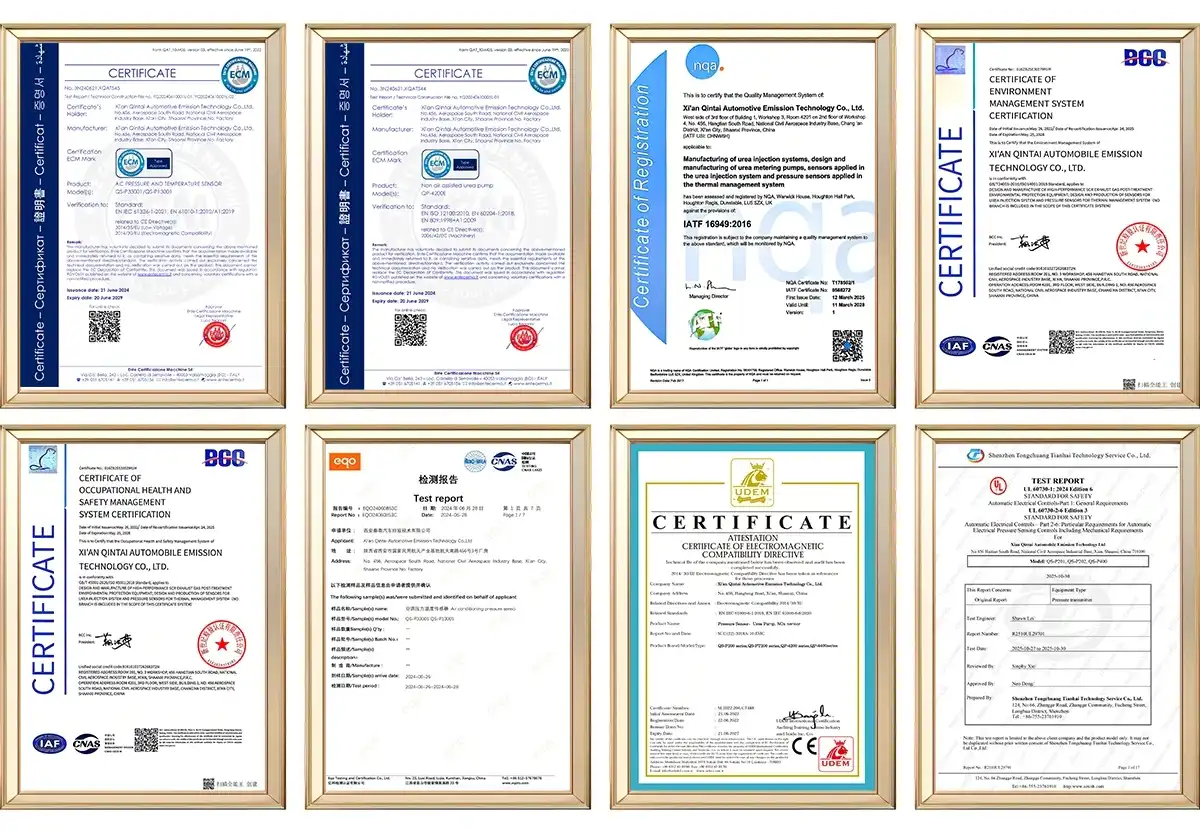
Navigating the complexities of corrosion-resistant sensor selection requires an experienced pressure sensor supplier with proven technical capabilities and manufacturing excellence. Qintai brings over 20 years of specialized expertise in diesel engine aftertreatment and industrial sensing applications, backed by ISO9001, IATF16949, and comprehensive safety certifications. As China's number one OEM supplier serving Weichai, Yuchai, and Quanchai, we deliver production volumes, quality consistency, and technical innovation that global diesel engine manufacturers and aftertreatment system integrators depend on.
Our independent R&D team provides customized solutions tailored to your specific corrosive environment requirements, while our worldwide presence across 60+ countries ensures responsive support wherever your operations extend. Contact our engineering team at info@qt-sensor.com to discuss your application requirements and discover how Qintai's stainless steel pressure sensor manufacturer capabilities can optimize your system performance and reliability.
References
1. Chen, W. & Zhang, L. (2021). Corrosion-Resistant Materials for Industrial Pressure Sensors: A Comprehensive Review. Journal of Industrial Instrumentation Technology, 15(3), 245-267.
2. European Automotive Manufacturers Association. (2020). Sensor Requirements for Euro VI Heavy-Duty Diesel Engine Emissions Control Systems. Brussels: ACEA Technical Standards Publication.
3. Johnson, R.K. (2022). Stainless Steel Selection Guide for Chemical Process Industries. Houston: American Petroleum Institute Technical Report Series.
4. Liu, Q., Thompson, D.S., & Martinez, A. (2019). MEMS Pressure Sensor Technology: From Laboratory to Industrial Applications. Cambridge: Institute of Electrical Engineering Press.
5. National Institute of Standards and Technology. (2023). Calibration and Traceability Standards for Industrial Pressure Measurement Devices. Gaithersburg: U.S. Department of Commerce NIST Special Publication 800-series.
6. Schmidt, H. & Yamamoto, T. (2021). Predictive Maintenance Strategies Using Industrial IoT Sensor Networks. Berlin: International Society for Automation Technical Publications.
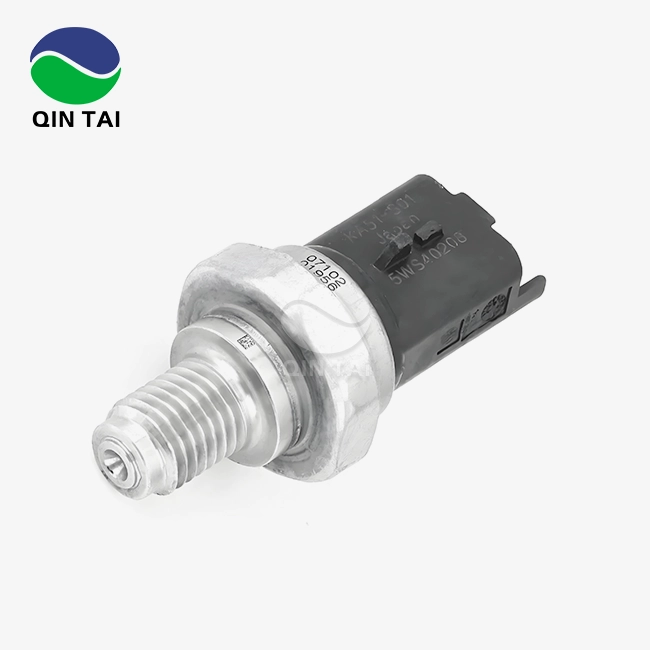
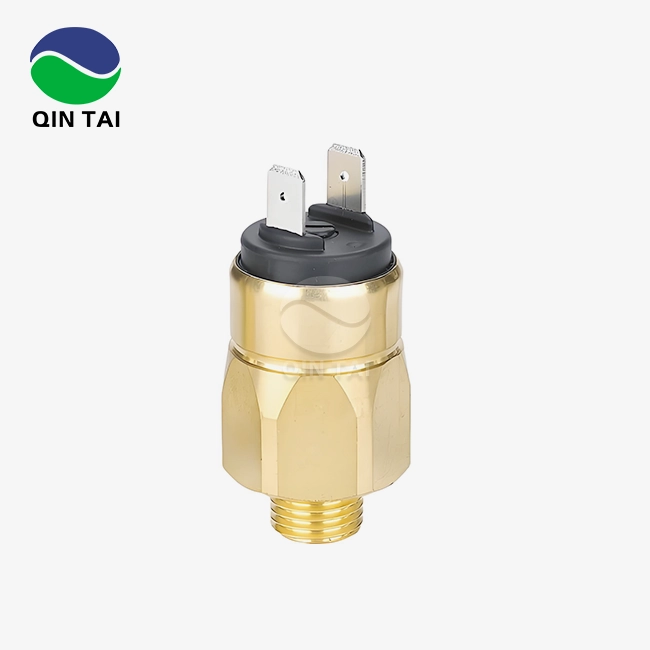

Our customers’ satisfaction speaks for our quality — contact us to experience the same reliable service.