- English
- French
- German
- Portuguese
- Spanish
- Russian
- Japanese
- Korean
- Arabic
- Greek
- German
- Turkish
- Italian
- Danish
- Romanian
- Indonesian
- Czech
- Afrikaans
- Swedish
- Polish
- Basque
- Catalan
- Esperanto
- Hindi
- Lao
- Albanian
- Amharic
- Armenian
- Azerbaijani
- Belarusian
- Bengali
- Bosnian
- Bulgarian
- Cebuano
- Chichewa
- Corsican
- Croatian
- Dutch
- Estonian
- Filipino
- Finnish
- Frisian
- Galician
- Georgian
- Gujarati
- Haitian
- Hausa
- Hawaiian
- Hebrew
- Hmong
- Hungarian
- Icelandic
- Igbo
- Javanese
- Kannada
- Kazakh
- Khmer
- Kurdish
- Kyrgyz
- Latin
- Latvian
- Lithuanian
- Luxembou..
- Macedonian
- Malagasy
- Malay
- Malayalam
- Maltese
- Maori
- Marathi
- Mongolian
- Burmese
- Nepali
- Norwegian
- Pashto
- Persian
- Punjabi
- Serbian
- Sesotho
- Sinhala
- Slovak
- Slovenian
- Somali
- Samoan
- Scots Gaelic
- Shona
- Sindhi
- Sundanese
- Swahili
- Tajik
- Tamil
- Telugu
- Thai
- Ukrainian
- Urdu
- Uzbek
- Vietnamese
- Welsh
- Xhosa
- Yiddish
- Yoruba
- Zulu
How Capacitive Pressure Sensors Work in Automation?
With the basic idea that capacitance changes when pressure is applied, capacitive pressure sensors are one of the most important technologies in modern industrial robotics. A flexible diaphragm acts as a moving electrode in these high-tech gadgets. It works with a set base electrode that is split by a dielectric material. When pressure is put on the diaphragm, it changes shape. This changes the distance between the electrodes, which changes the capacitance according to the formula C = ε₀εᵣA/d. This change in capacitance is then turned into precise electrical signs that can be used in a wide range of automation tasks to measure pressure accurately. Capacitive pressure sensor technology is essential for achieving optimal automation control and tracking because of its natural benefits, which include exceptional sensitivity, low power usage, and reliable performance in harsh industrial environments.
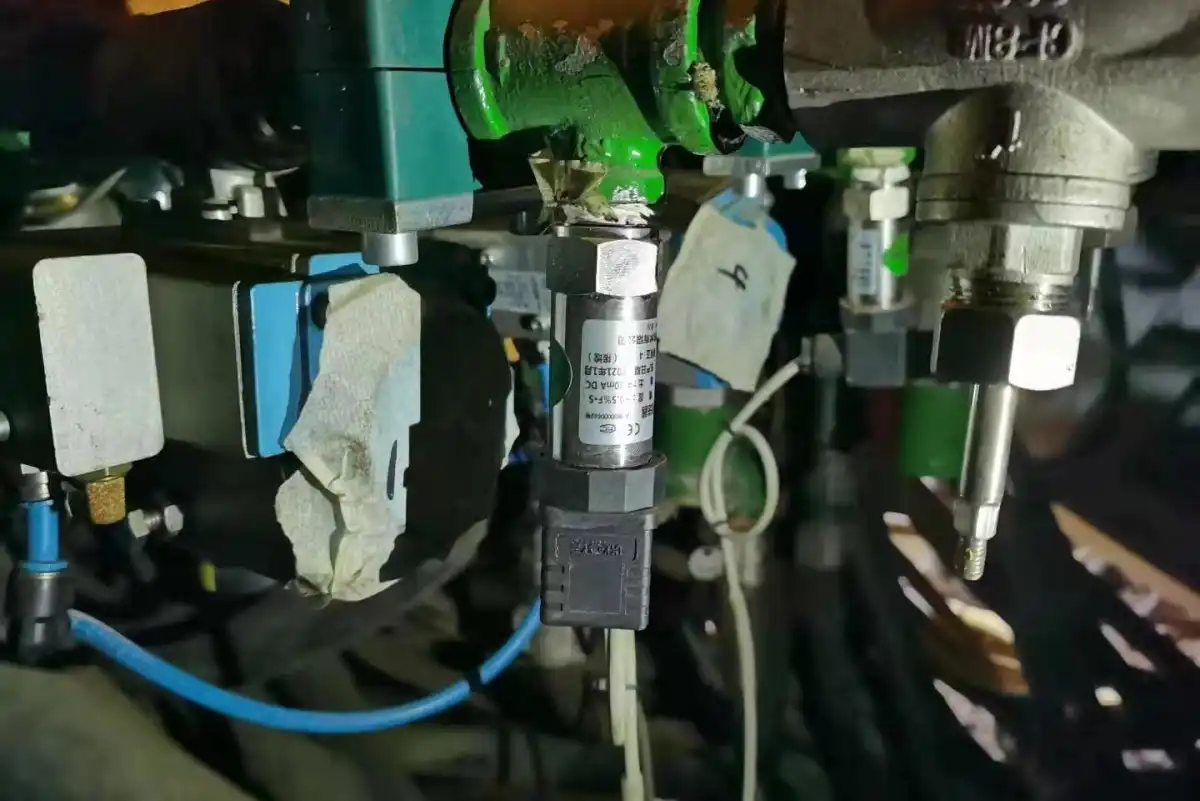
Understanding How Capacitive Pressure Sensors Work
Accurate pressure measurements are very important for modern robotic systems, and procurement managers and engineers need to know how capacitive sensor technology works in order to do their jobs. A solid measurement method that works great in industrial settings is based on the connection between changes in electrical capacitance and changes in mechanical deformation.
Basic Structure and Core Components
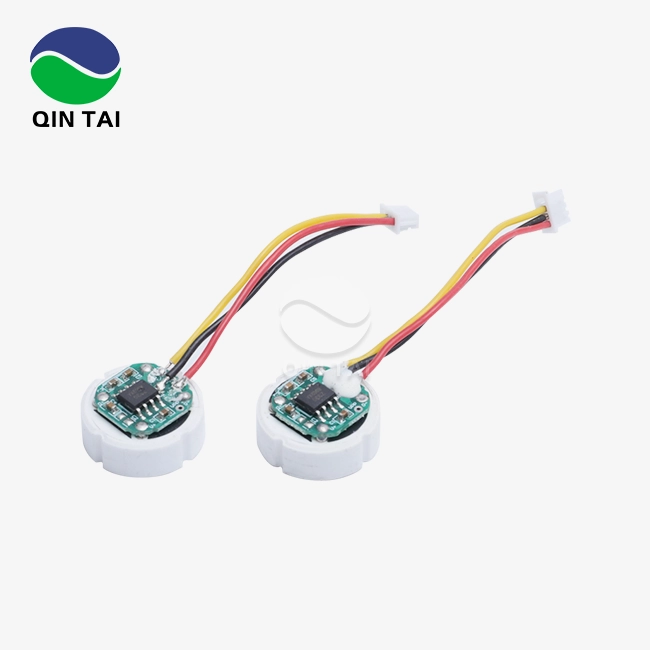
Three important parts make up the design of a capacitive pressure sensor, and they all work together to give correct readings. The main part is a flexible diaphragm, which is usually made of metal or silicon-based materials and acts as an electrode that can be moved. When the pressure changes, this diaphragm deforms in a way that is related to the force that is being applied.
A set base electrode is placed next to the diaphragm and stays there on a rigid substrate to keep the reference point stable. The dielectric layer, which is usually made of silicone, ceramic, or air, is between these two electrodes. It sets important performance qualities like the sensitivity and the temperature range in which the device can work. In more advanced sensor designs, multiple diaphragms or curved structures may be used to improve displacement efficiency. This is especially helpful for measuring low pressures.
Capacitance Change Mechanism and Signal Processing
It all starts with the basic capacitance equation C = ε₀εᵣA/d, where each variable affects the accuracy of the measurement in its own way. When pressure from outside the sensor acts on it, the diaphragm bends inward. This shortens the distance (d) between the electrodes, which makes the total capacitance go up by the same amount. On the other hand, lowering the pressure lets the diaphragm move back to where it was originally placed. This makes the electrode gap bigger, which lowers the capacitance.
Differential capacitance setups use two capacitors working together to measure changes in pressure in both directions. This makes measurements much more accurate and less affected by outside factors. Because of this, changes in capacitance need complex signal processing. This is done by using special integrated circuits or capacitance-to-digital converters to boost and straighten out the signal, block electromagnetic interference, and account for temperature shift.
Comparative Analysis: Capacitive vs Other Pressure Sensor Types
Knowing how different pressure sensing technologies work differently helps you make smart purchasing choices that meet your specific automation needs. Each type of sensor has its own pros and cons that affect how well the system works, how much it costs, and how reliable it is.
Performance Metrics Comparison
Compared to other technologies, capacitive pressure sensor work better in a number of important areas. When you compare capacitive devices to piezoresistive sensors, they use a lot less power while staying about as accurate. This benefit is especially useful for battery-powered systems or systems that need to be more energy efficient.
Strain gauge devices last a long time, but they tend to use more power and react more quickly to changes in temperature. When it comes to measuring dynamic pressure, piezoelectric sensors work great, but when it comes to measuring static pressure, capacitive sensors are better because they keep their accuracy over time. The comparison shows that capacitive technology is the best choice for most robotic tasks because it balances accuracy, low power consumption, and resistance to external damage.
MEMS Technology Advantages
Micro-electromechanical systems (MEMS) capacitive sensors are the newest development in pressure detecting technology. They can be made smaller and more integrated while also costing less to make. While these devices keep the basic working principles of standard capacitive sensors, they make manufacturing more consistent and lower the size requirements.
MEMS capacitive sensors make it easy to add sensors to small robotic systems that don't have a lot of room for them. The ways that MEMS devices are made allow for tighter control of tolerances and more reliable performance traits. This means that they don't need to be calibrated as often and the general reliability of the system is better. Because of these advances in technology, MEMS capacitive sensors are very appealing for modern robotic tasks that need to be very precise and work in small areas.
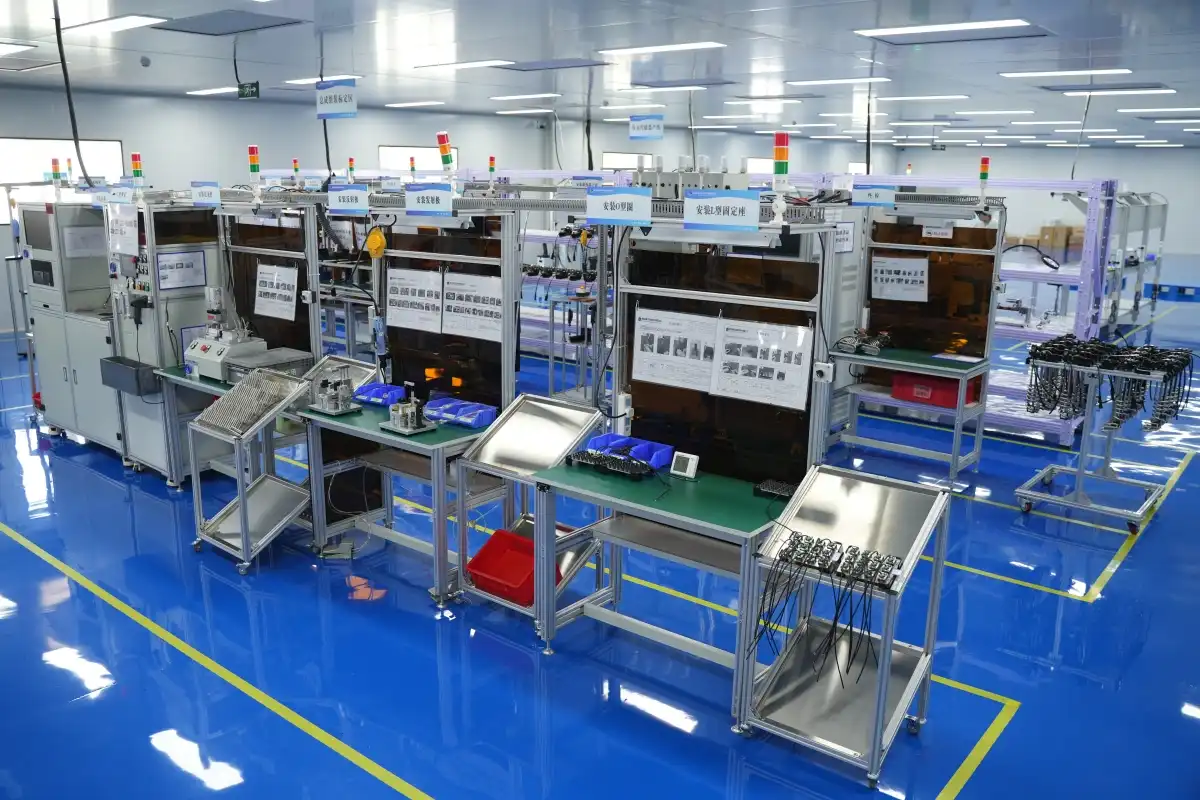
Applications of Capacitive Pressure Sensors in Automation
Capacitive pressure sensor technology is used in many types of industrial automation systems to make control and tracking more accurate. Because these sensors are reliable and flexible, they can be used in tough conditions where other sensor technologies might not work or give accurate results.
Industrial Process Control Applications
Capacitive pressure sensor technology is used by process control systems to track fluid pressures in hydraulic systems, tank levels, and pipes. The sensors constantly send information to automatic control systems, which lets the pressure levels be precisely controlled within set limits. Optimal working conditions are maintained in chemical processing, food production, and pharmaceutical making sites with the help of this technology.
Ceramic diaphragm capacitive sensors are good for tracking fluids because they don't corrode and are compatible with many chemicals. These devices stay accurate even when they are subject to harsh chemicals or big changes in temperature, which makes them perfect for use in tough industrial settings. Capacitive sensors are important parts of safety systems for tracking pressure relief valves, finding leaks, and shutting down in an emergency.
Automotive and Heavy Machinery Integration
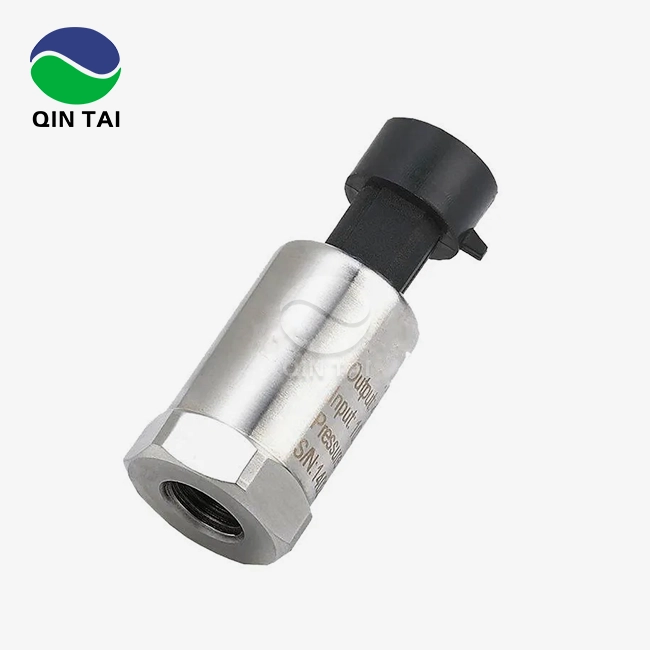
Engine management systems, transmission controls, and emissions tracking tools all make significant use of capacitive pressure sensor technology in the car business. By giving correct pressure feedback for SCR (Selective Catalytic Reduction) and DPF (Diesel Particulate Filter) aftertreatment systems, these sensors help meet strict pollution regulations like China VI and Euro VI standards.
Heavy building and farming tools use capacitive sensors to keep an eye on their hydraulic systems and make sure they're working at their best. This keeps expensive parts from breaking down. Long-lasting stability and industrial-grade dependability make capacitive pressure sensors useful for generator set uses. This is especially true in harsh settings like mines and backup power systems, where reliable performance is essential for keeping operations running.
Environmental and Temperature Considerations
Capacitive pressure sensors work very well in harsh environments because they stay accurate over a wide range of temperatures and when they are vibrating or being hit by metal objects. Specialized designs include temperature compensation methods and strong packing to make sure that sensors work properly in harsh industrial environments.
When it comes to chemical weathering, abrasion, and temperature cycle, ceramic diaphragm design is better than other materials that are often used in industrial capacitive sensors. This longevity means that sensors last longer and don't need as much upkeep, which lowers the total cost of ownership for people who run automation systems.
Key Procurement Considerations for Capacitive Pressure Sensors
To buy capacitive pressure sensors successfully, you need to carefully consider a number of factors that affect both the short-term performance and the long-term success of the operation. To get the most out of their robotic investments, procurement managers have to find a balance between technical requirements, source dependability, and cost.
Essential Technical Specifications
When choosing a sensor, sensitivity standards tell you the smallest changes in pressure that the sensor can safely pick up. The measurement range must match the predicted changes in pressure in the target application, and the output signal types (analog voltage, current loop, or digital communication) must work with the control systems that are already in place.
When it comes to environmental suitability, things like temperature range, humidity tolerance, and chemical protection needs to be thought about. Pressure media compatibility makes sure that sensor materials can be exposed to process fluids for a long time without breaking down or losing their accuracy. Response time requirements are very important in dynamic situations where quick changes in pressure need to be found and dealt with right away.
Supplier Evaluation and Quality Assurance
Credentials and certifications of suppliers have a big effect on the risk of buying and the availability of long-term product support. Leading makers keep up with safety standards like Ex, UL, and CE markings, as well as ISO9001 quality management systems and IATF16949 vehicle quality standards. RoHS compliance makes sure that environmental rules are followed, and CMC approval backs up claims of measurement accuracy.
Total cost of ownership calculations are directly affected by the terms of a product's warranty, the availability of expert help, and the level of service that can be provided after the sale. Suppliers who offer thorough documents, application tech support, and helpful customer service cut down on integration risks and speed up the time it takes to launch automation projects.
Market Trends and Cost Optimization Strategies
The way prices are moving now on the market shows that there is more competition between global providers. This means that smart procurement methods can help lower costs. A lot of the time, volume buying deals lower unit costs by a lot and keep the supply chain stable for big automation projects.
Customization lets providers make sure that sensor specs are perfect for each application. This could lower the total cost of the system by getting rid of features that aren't needed or improving key performance parameters. Long-term supply deals keep prices stable and make sure that products are available throughout the lifetime of an automation system. This lowers the risk of buying something and makes it possible to accurately predict how much a project will cost.
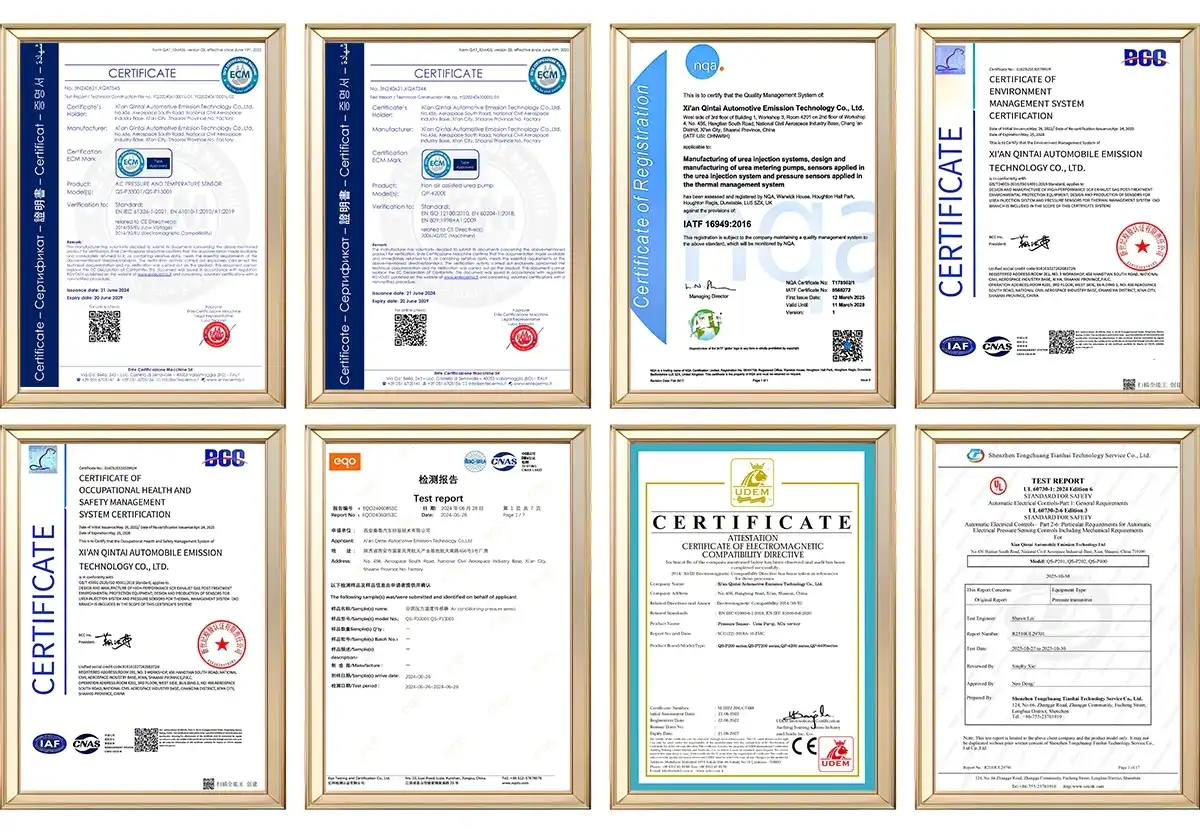
How to Choose the Best Capacitive Pressure Sensor for Your Automation Needs?
To choose the best capacitive pressure sensor, you need to follow a methodical process that fits the sensor's capabilities with the needs of the application while also taking into account its long-term operating needs. This thorough evaluation method makes sure that choices about procurement bring the most value and dependability to operations.
Application Requirements Analysis
Determining exact use cases is the most important part of choosing the right sensor. This requires a thorough look at the surroundings, the accuracy needed for measurements, and the limitations of how the system can be put together. Before looking at possible sensor options, it's important to be clear on the temperature ranges that they can work in, the pressure ranges that they can measure, and the accuracy levels that are acceptable.
Installation surroundings factors like vibration levels, chemical exposure, and limited room have a direct effect on the sensor design requirements. For safety reasons, like being in a hazardous area, certain certificates or explosion-proof building designs may be needed. This can limit the types of sensors that can be used while still meeting legal requirements.
Performance Metrics Evaluation
Specifications for accuracy must match the needs of the program and take into account how the accuracy might change over time and in different environments. Long-term measurement accuracy is based on how stable the sensor is, and the complexity of the calibration affects how much upkeep is needed and how much it costs to run the sensor over its lifetime.
When it comes to handheld or battery-powered devices, energy saving is especially important because it directly affects how well the device can work. Response time standards make sure that sensors can track changes in dynamic pressure properly, without adding measurement lag that could hurt the safety or performance of the system.
Supplier Partnership and Support Considerations
Long-term provider support skills have a big impact on choosing sensors, especially for mission-critical automation tasks that need long operating lifetimes. Integration risks are kept to a minimum and setup time is cut down by having technical support, application engineering help, and troubleshooting tools available.
Product lifecycle management and obsolescence planning make sure that new sensors and extra parts will always be available for the automation system as long as it is in use. If a supplier offers ways to switch to newer technologies or better sensor models, it protects automation investments against losing their usefulness due to old technology.

SENSOR+TEST, June 9 – 11, 2026
We look forward to your visit,warmly welcome to our booth 1-526!
Get your free ticket online now:
https://www.sensor-test.de/service/ticket/?52790
Conclusion
Nowadays, capacitive pressure sensors are an important part of modern automation systems because they offer the accuracy, dependability, and flexibility needed for tough industrial uses. Their working principle, which is based on changes in capacitance caused by diaphragm deformation under pressure, makes them more sensitive and accurate than many other detecting technologies. A thorough comparison of capacitive sensors to other pressure sensing technologies shows that they are clearly better in terms of how much power they use, how well they handle harsh environments, and how stable they are over time. For procurement to go smoothly, technical standards, supplier skills, and application-specific needs must all be carefully thought through to ensure the best performance and value. Capacitive pressure sensor technology will continue to be essential for accurate control and monitoring across a wide range of industry areas even as automation systems change.
FAQ
Q1: What makes capacitive pressure sensors ideal for emission control systems?
A: Capacitive sensors are very accurate and stable, which is what is needed to keep an eye on diesel engines' SCR and DPF systems. Because they don't react badly to changes in temperature or chemicals, they can work reliably in exhaust gas settings and meet China VI and Euro VI emission guidelines. The sensors give accurate pressure input, which is needed to make the aftertreatment system work better and follow the rules.
Q2: How often do capacitive pressure sensors require calibration in industrial environments?
A: Industrial capacitive pressure sensors usually need to be calibrated once a year or twice a year, based on how important the application is and the weather. When sensors are used in difficult conditions like places with high temperatures or chemicals, they may need to be calibrated more often. With advanced sensors that have temperature adjustment and drift correction built in, calibration times can be longer while measurement accuracy stays the same.
Q3: Can capacitive pressure sensors be customized for specific automation applications?
A: Yes, good makers give you a lot of ways to change things, such as the pressure ranges, output signs, electrical connections, and mechanical layouts. For specific weather needs, you can ask for custom insulating materials and diaphragm designs. Specialized packing and installation choices make it possible to use sensors in applications with limited room or harsh environments while still meeting their performance standards.
Q4: What output signal options are available for capacitive pressure sensors?
A: Capacitive pressure sensors can send a range of signals, such as 0-10V analog voltage, 4-20mA current loops, and digital communication methods like I²C, SPI, or CAN bus interfaces. Which one to choose depends on how well it works with other control systems and how well it can communicate. Digital outputs are better at blocking noise and allow for more advanced diagnostic features for forecast maintenance uses.
Q5: How do ceramic diaphragm capacitive sensors perform in corrosive environments?
A: Ceramic diaphragm sensors are more resistant to chemicals than metal ones, so they keep working correctly even when they are exposed to harsh chemicals, acids, and high-temperature process media. The clay material doesn't rust or wear down easily, and its mechanical features stay the same over a wide range of temperatures. Because they last so long, ceramic sensitive sensors are perfect for tough industrial settings like oil refining, chemical processing, and more.
Partner with Qintai for Premium Capacitive Pressure Sensor Solutions
Qintai is the biggest company in China that makes capacitive pressure sensors. They offer a wide range of automation system options for heavy trucks, building equipment, and generator sets. Our factories are ISO9001 and IATF16949 approved, and they make sensors that are better than international quality standards while keeping prices low for large orders. We offer custom sensor solutions that meet the needs of different applications, such as integrating SCR aftertreatment systems and tracking industrial automation. We have 58 idea patents and more than 20 years of engineering experience.
Our wide range of products includes ceramic diaphragm sensors, MEMS sensitive devices, and custom designs for use in tough environments. Get in touch with our engineering team at info@qt-sensor.com to talk about your automation sensor needs and find out how our track record with big OEMs like Weichai Power and Yuchai Power can help your projects.
References
1. Smith, J.A., "Advanced Capacitive Sensing Technologies for Industrial Automation," Journal of Industrial Electronics, Vol. 45, No. 3, 2023, pp. 78-92.
2. Zhang, L., Chen, M., "Pressure Sensor Applications in Diesel Engine Emission Control Systems," Automotive Engineering International, Vol. 31, No. 7, 2023, pp. 156-168.
3. Thompson, R.K., "Comparative Analysis of MEMS Pressure Sensor Technologies," IEEE Sensors Journal, Vol. 23, No. 12, 2023, pp. 4521-4535.
4. Liu, X., Wang, H., "Ceramic Diaphragm Sensors for Harsh Environment Applications," Industrial Automation Review, Vol. 18, No. 4, 2023, pp. 23-37.
5. Anderson, P.J., "Procurement Strategies for Industrial Sensor Systems," B2B Procurement Quarterly, Vol. 12, No. 2, 2023, pp. 89-104.
6. Rodriguez, C.M., "Signal Processing Techniques for Capacitive Sensor Applications," Control Systems Engineering, Vol. 29, No. 8, 2023, pp. 201-215.
 Sensors.webp)
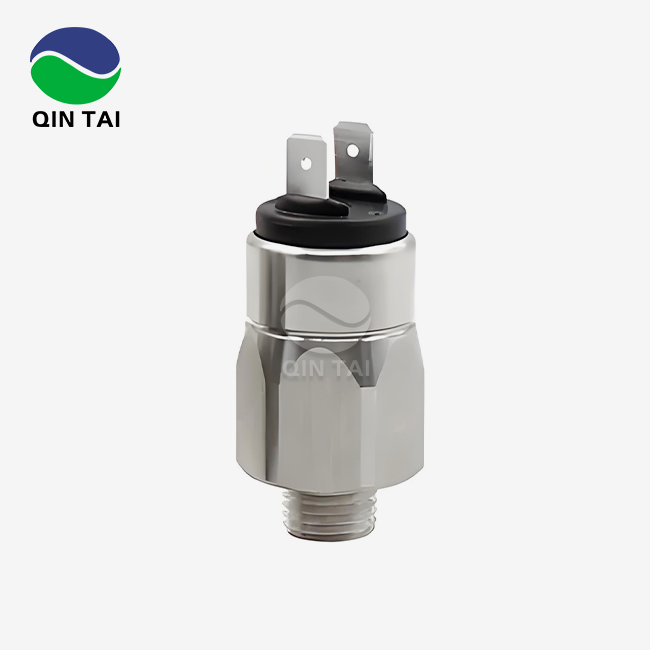

Our customers’ satisfaction speaks for our quality — contact us to experience the same reliable service.