- English
- French
- German
- Portuguese
- Spanish
- Russian
- Japanese
- Korean
- Arabic
- Greek
- German
- Turkish
- Italian
- Danish
- Romanian
- Indonesian
- Czech
- Afrikaans
- Swedish
- Polish
- Basque
- Catalan
- Esperanto
- Hindi
- Lao
- Albanian
- Amharic
- Armenian
- Azerbaijani
- Belarusian
- Bengali
- Bosnian
- Bulgarian
- Cebuano
- Chichewa
- Corsican
- Croatian
- Dutch
- Estonian
- Filipino
- Finnish
- Frisian
- Galician
- Georgian
- Gujarati
- Haitian
- Hausa
- Hawaiian
- Hebrew
- Hmong
- Hungarian
- Icelandic
- Igbo
- Javanese
- Kannada
- Kazakh
- Khmer
- Kurdish
- Kyrgyz
- Latin
- Latvian
- Lithuanian
- Luxembou..
- Macedonian
- Malagasy
- Malay
- Malayalam
- Maltese
- Maori
- Marathi
- Mongolian
- Burmese
- Nepali
- Norwegian
- Pashto
- Persian
- Punjabi
- Serbian
- Sesotho
- Sinhala
- Slovak
- Slovenian
- Somali
- Samoan
- Scots Gaelic
- Shona
- Sindhi
- Sundanese
- Swahili
- Tajik
- Tamil
- Telugu
- Thai
- Ukrainian
- Urdu
- Uzbek
- Vietnamese
- Welsh
- Xhosa
- Yiddish
- Yoruba
- Zulu
What Is a Urea Pressure Sensor? A Complete Guide
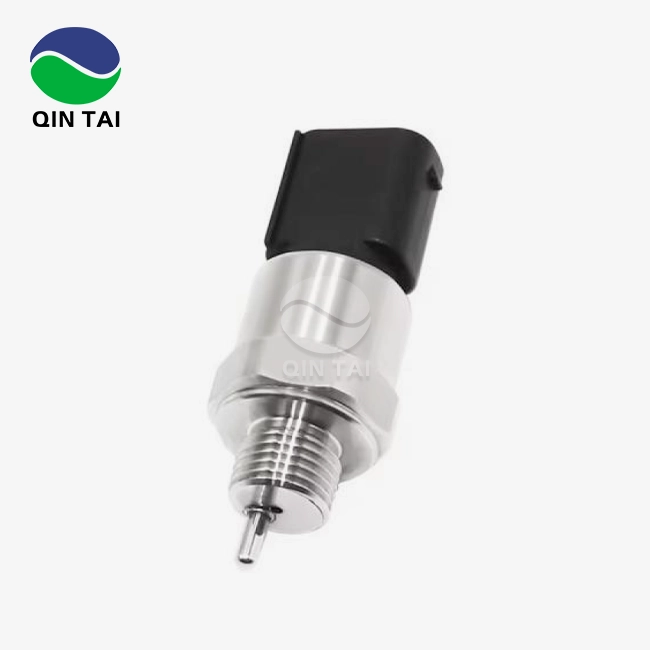
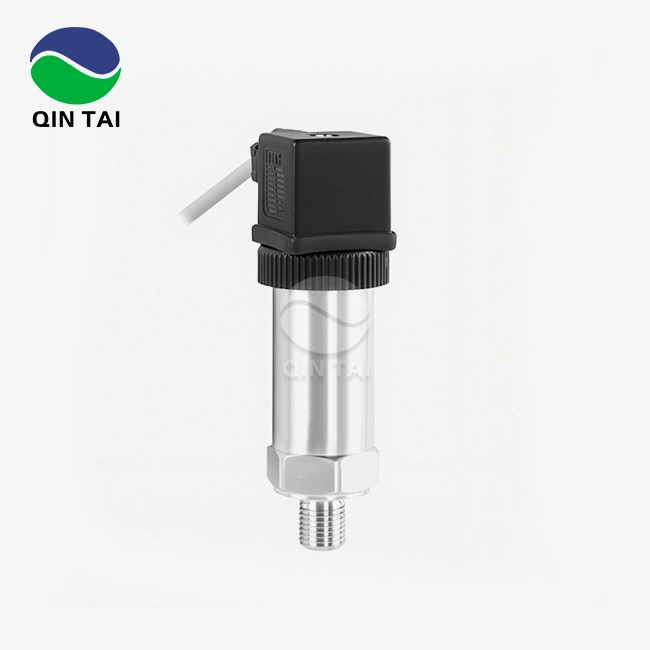
A urea pressure sensor, which is also sometimes called an AdBlue pressure sensor, is an important part of modern diesel engines' Selective Catalytic Reduction (SCR) systems for keeping an eye on things. This device checks the pressure of the urea solution (also known as AdBlue or Diesel Exhaust Fluid) in the dosing system. This makes sure that the fluid gets to the injection tip at the right pressure for the best spray atomization and effective reduction of nitrogen oxide (NOx). B2B procurement experts, R&D engineers, and OEMs can make better choices that support emission compliance, system stability, and long-term operating efficiency when they know how these sensors work, what their technical specs are, and how to buy them. This detailed guide talks about the technical details, the best ways to put them, and things you should think about when buying them for heavy trucks, building equipment, farm equipment, and generator sets.

Understanding Urea Pressure Sensors: Definition and Function
What Is a Urea Pressure Sensor?
One type of device built into SCR systems is the urea pressure sensor, which checks the pressure of the urea solution between the injector and the dose pump. The sensor accurately controls the amount of urea given by sending real-time pressure information to the SCR control unit (DCU/ECU). This exact tracking has a direct effect on the performance of emission controls, which keeps diesel engines from going over the NOx emission limits set by China VI, Euro VI, and EPA rules. The sensor sends out a voltage or current signal that is related to the pressure being recorded. This lets the engine control system change how the dose pump works on the fly.
How Does It Work?
When the dose pump puts pressure on the urea solution, the sensor's internal detecting element, which could be a capacitive membrane, a piezoresistive diaphragm, or a ceramic thick film, changes shape a little. Depending on the type of sensor, this change in shape is turned into an electrical output by different physical processes. The signal that is made then goes to the ECU, which figures out what the pressure number means and changes the pump speed or injection time to match. This closed-loop control makes sure that the same amount of urea is delivered every time, stops over- or under-dosing, and keeps the injector from being damaged or leaking by too much pressure.
Common Sensor Technologies
For urea dosing uses, different sensor systems have their own benefits. Piezoresistive sensors use diaphragms made of silicon or clay that have resistors built in. When pressure is applied, the resistance changes, giving the sensors high accuracy and quick reaction times. Capacitive sensors are very stable over time and can measure changes in capacitance caused by pressure between two wires that are divided by a flexible diaphragm. Ceramic thick-film sensors, which are made by printing resistive elements onto ceramic surfaces, are better at resisting corrosion and last longer in tough chemical conditions. Knowing about these technologies helps engineers choose sensors that work with urea solutions and work in the right temperature and pressure ranges for a given application.
Core Technical Aspects and Installation Guide
Technical Specifications and Calibration
These days, urea pressure sensors work with pressures between 0 and 10 bar or 0 to 15 bar, based on how the system is set up. Most of the time, accuracy standards are within ±2% of full-scale output, which means that dose control can be trusted. Signal outputs usually have an analog voltage of 0.5V to 4.5V or a ratiometric voltage that is related to the source voltage. Temperature compensation systems make sure that readings are correct across working temperature ranges from -40°C to +120°C. This is so that industrial gear can work in harsh circumstances. As part of the calibration process, known reference pressures are used and the ECU software's sensor settings and gain factors are changed. Calibration checks should be done once a year or as recommended by the manufacturer to keep measurements accurate and extend the life of sensors.
Installation Best Practices
To do a proper installation, first put the sensor in the pressure line between the injector inlet and the dosing pump exit. Make sure there is enough space for the wire harness to go through. The way sensors are mounted is important. To keep moisture out, the electrical connector should be placed with the sensor looking downward or laterally. To properly seal thread connections, use O-rings or sealing screws that are suitable. Be careful not to over-torque, as this can damage sensor housings or diaphragms. To keep electrical noise to a minimum, connections must be made exactly as shown in wiring diagrams, with signal lines going to ECU inputs and strong grounding being a must. When wiring cables, they should stay away from heat sources like exhaust pipes and sharp points that could wear down insulation over time.
Maintenance and Troubleshooting
As part of regular maintenance, electrical connections must be visually checked for rust or looseness. Urea crystallization around sensor fittings must also be checked, and the device must be mounted securely. When trying to figure out why pressure numbers aren't staying the same, techs should look for damage in the wire harnesses, use a multimeter to check the sensor output voltage under known pressure conditions, and make sure the dosing pump works properly. Overpressure events can cause the diaphragm to break, moisture can corrode the connector pins, and long-term contact to crystallized urea can cause the signal to drift. Fixing these problems quickly by replacing the sensors or cleaning the system stops the SCR system from shutting down and keeps the emission control working right.

Comparing Urea Pressure Sensors: Making the Right Choice for Your Needs
Key Selection Criteria
There are many technical and business factors that need to be balanced when picking the right urea pressure sensor. How accurately the ECU can control dose rates directly impacts how well NOx is reduced and how much AdBlue is used. Durability refers to how well the sensor can handle changes in temperature, pressure, and the toxic conditions that are common in heavy-duty diesel uses. Cost factors include both the initial buy price and the total cost of ownership, which includes how often the item needs to be replaced and how much upkeep it needs. Compatibility with current SCR hardware and software standards makes sure that merging goes smoothly and doesn't require expensive changes to the system. Using these factors along with the needs of the product helps procurement teams find the best sensor options.
Sensor Types Compared
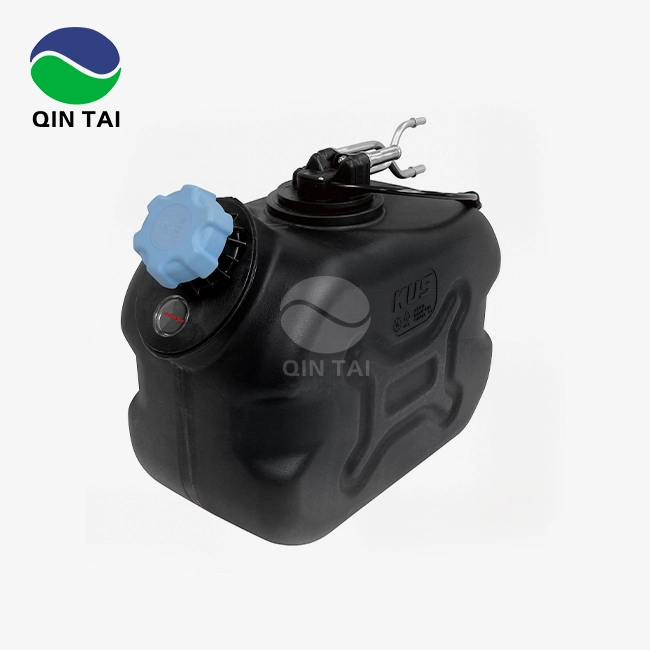
Besides urea pressure sensors, SCR systems also have temperature sensors that keep an eye on the temperature of the urea solution to make sure it doesn't freeze and level sensors that keep track of the amount of urea in the tank and let workers know when it runs out. Pressure sensors are different from temperature and level sensors because they allow real-time dosing control and system security. When it comes to types of pressure sensors, piezoresistive sensors respond more quickly and are better for engines that are under heavy loads that change over time, while ceramic sensors are more resistant to chemicals and last longer. System performance is best when sensor features are matched to application profiles. This is true for both heavy trucks with changing loads often and fixed generator sets that run continuously.
Leading Brands and Market Options
Established automakers like Bosch, Denso, and Delphi make urea pressure sensors that have been extensively tested for use in OEM uses around the world. This gives customers peace of mind that the sensors will work with other systems and follow all regulations. These names usually charge more because they spend a lot of money on certifications and quality control programs. Other providers, like Qintai Automotive Emission Technology, offer affordable options that combine IATF16949 quality management with interfaces that can be changed and fast delivery. Buyers can choose partners that can meet both original production and aftermarket needs throughout a product's lifecycle by looking at the supplier's licenses, production capacity, and how quickly they respond to technical support requests.

Procurement Considerations for Industrial Buyers and OEMs
Purchasing Channels and Strategies
Finding the right outlets for buying things is the first step in strategic procurement. Working directly with urea pressure sensor manufacturers like Qintai gives you access to engineering support, customization services, and volume price models that you can't get through other routes of marketing. Online industrial tools make it easy to look at specs and lead times, but they might not have enough expert support resources. Authorized sellers give genuine parts with guarantee protections while keeping product supply and source relationships in check. When you buy in bulk or in wholesale, you can save a lot of money on each unit. If you buy more than 500 units, you can usually get a 15–25% discount, which is good for OEMs who are putting sensors in production cars or machines.
Customization and OEM Services
Customizing sensors to fit specific fitting shapes, electrical socket types, or pressure range needs can be helpful in many situations. OEM services include joint engineering, in which suppliers change sensor designs to fit the needs of the customer. This usually includes making custom calibration profiles that work best with certain ECU platforms. Custom sensor production takes between 4 and 8 weeks, based on how complicated the changes are and what tools are needed. Getting suppliers involved early in the product development process speeds up the time it takes to get new equipment types on the market and makes sure that sensor designs are compatible with system layouts.
Ensuring Product Authenticity
When people buy real sensors through official channels, they avoid getting fakes that aren't calibrated correctly, are made with low-quality materials, or break down early. Some steps in the verification process are checking that the supplier has certifications like ISO9001 and IATF16949, asking for test results that list performance standards, and looking at the packaging to make sure that the labels and serial numbers are real. Building long-term ties with suppliers that have been checked out lowers the risk of fake goods and allows for continuous growth through quality feedback loops. These habits help improve operations and protect guarantee coverage, which is always void for fake goods.

SENSOR+TEST, June 9 – 11, 2026
We look forward to your visit!
Get your free ticket online now:
https://www.sensor-test.de/service/ticket/?52790
Benefits and Future Trends of Urea Pressure Sensor Technology
Operational and Compliance Benefits
Putting in place effective urea pressure sensors has many benefits for operations. Accurate monitoring of pressure allows for the best use of AdBlue, which lowers running costs by avoiding overdosing and meeting NOx reduction goals. Real-time readings let you plan ahead for repair, finding worn-out sensors before they cause the emission system to shut down and damage expensive equipment. Compliance with stricter pollution rules, like China VI, Euro VI, EPA 2010, and more, relies on closed-loop SCR control algorithms getting accurate sensor data. When equipment makers use high-quality sensors, their goods stand out because they work better with emissions and there are fewer guarantee claims.
Emerging Technologies and Innovation
The next step forward in emission control systems is the combination of advanced sensor technologies with digital tools for connection. Sensors with built-in microprocessors allow self-diagnosis, sending information directly to telematics systems about operating state and predicted remaining useful life. Wireless connections using standards like CAN-FD and car Ethernet make centralized fleet tracking possible. This lets fleet managers keep an eye on the health of hundreds of vehicles' emission systems at the same time. When applied to sensor manufacturing, Industry 4.0 principles improve quality consistency through automatic testing and data-driven process improvement. This lowers the number of defects and makes the sensors more reliable in the long term.
Long-Term Value Proposition
Investing in smart sensor technology has long-term benefits that go beyond just meeting legal requirements. Manufacturers of equipment can stay ahead of the competition by offering longer warranties, improving their image for dependability, and entering markets with strict emission rules. Fleet owners can lower their total cost of ownership by extending service intervals and cutting down on unexpected repair. Some of the environmental perks are lower NOx pollution, which help clean up the air in cities and factories. Because of these many benefits, urea pressure sensors are necessary for diesel engine processes to last and make money.
Conclusion
Urea pressure sensors are essential parts of current SCR emission control systems because they allow exact AdBlue dosing that meets regulations and improves engine performance. R&D engineers, purchasing managers, and OEMs can make choices that support reliable, cost-effective emission solutions when they understand their technical principles, installation needs, and procurement issues. When choosing sensors for new equipment or replacement parts for aftermarket use, putting accuracy, sturdiness, and source trust first will pay off in the long run and give you a competitive edge in markets that are becoming more regulated.
FAQ
What happens if the urea pressure sensor fails?
If a urea pressure sensor fails, the ECU can't control the right amount of AdBlue, which stops the SCR system from working. To protect parts, vehicles usually go into "limp mode" with less engine power. Diagnostic trouble codes (DTCs) are kept in the ECU memory, and emissions go over the legal limits. The system could turn off all AdBlue injection, which would slow the engine down or make it fail to start after a certain amount of time. Quickly replacing a sensor returns full functionality and keeps you from getting fined for using non-compliant equipment.
How do I verify sensor compatibility with my diesel engine?
To check for compatibility, the sensor's specs must be matched with the ECU's needs. Compare the electrical features, such as supply voltage, signal output type, and connection arrangement, to the specs given by the engine maker. Make sure the mechanical fit is correct by checking the thread size, mounting position, and pressure number. If the sensor has digital interfaces, check to see if it works with the data system. Talking to sensor suppliers like Qintai that keep large lists of compatible products speeds up this process and keeps expensive integration problems from happening.
What are typical lead times for custom sensor orders?
For well-known product lines, standard urea pressure sensors ship in two to four weeks. Custom designs that need changed connectors or calibration profiles usually take 4 to 8 weeks to complete, which includes engineering review, prototype production, validation testing, and making the tools. For production capacity planning reasons, unique sales of more than 1,000 units may take an extra 10 to 12 weeks. Getting providers involved early and giving them clear instructions speeds up delivery times.
Partner with Qintai for Reliable Urea Pressure Sensor Solutions
With more than 20 years of experience making SCR aftertreatment systems, Qintai Automotive Emission Technology is a reliable company that makes urea pressure sensors. Our factory is IATF16949-certified and makes sensors that meet strict China VI and Euro VI standards. Leading Chinese diesel engine makers, such as Weichai Power and Yuchai Power, buy most of their sensors from us. We offer full OEM and ODM services that let you customize products in every way, from electrical connections to pressure ranges. Our 58 invention patents show that we are always coming up with new ideas.
Our global logistics network makes sure that customers in 60 countries get their orders quickly, and our reasonable price structures allow for both small-scale production and the development of prototypes. Throughout the lifespan of a product, technical support teams help with installation, calibration, and fixing. Get in touch with us at info@qt-sensor.com to talk about your urea pressure sensor needs and find out how our knowledge can help you make your emission control systems more reliable, compliant, and efficient over the long term.
References
1. Johnson, M. R., & Peterson, L. A. (2021). Selective Catalytic Reduction Systems in Heavy-Duty Diesel Engines: Technology and Application. SAE International.
2. Zhang, W., & Liu, H. (2020). Pressure Sensing Technologies for Automotive Emission Control Systems. Journal of Sensors and Actuators, 45(3), 287-304.
3. European Automobile Manufacturers Association. (2022). Euro VI Emission Standards Implementation Guide. Brussels: ACEA Publications.
4. Chen, Y., Wang, X., & Li, Q. (2023). Reliability Analysis of Urea Dosing System Components in SCR Applications. International Journal of Automotive Technology, 24(2), 445-458.
5. American Petroleum Institute. (2021). Diesel Exhaust Fluid Quality Standards and Testing Protocols. API Technical Report 1578.
6. Kim, S. H., & Patel, R. K. (2022). Advanced Sensor Integration in Industry 4.0 Emission Control Systems. Automotive Engineering International, 130(5), 34-41.

Our customers’ satisfaction speaks for our quality — contact us to experience the same reliable service.