- English
- French
- German
- Portuguese
- Spanish
- Russian
- Japanese
- Korean
- Arabic
- Greek
- German
- Turkish
- Italian
- Danish
- Romanian
- Indonesian
- Czech
- Afrikaans
- Swedish
- Polish
- Basque
- Catalan
- Esperanto
- Hindi
- Lao
- Albanian
- Amharic
- Armenian
- Azerbaijani
- Belarusian
- Bengali
- Bosnian
- Bulgarian
- Cebuano
- Chichewa
- Corsican
- Croatian
- Dutch
- Estonian
- Filipino
- Finnish
- Frisian
- Galician
- Georgian
- Gujarati
- Haitian
- Hausa
- Hawaiian
- Hebrew
- Hmong
- Hungarian
- Icelandic
- Igbo
- Javanese
- Kannada
- Kazakh
- Khmer
- Kurdish
- Kyrgyz
- Latin
- Latvian
- Lithuanian
- Luxembou..
- Macedonian
- Malagasy
- Malay
- Malayalam
- Maltese
- Maori
- Marathi
- Mongolian
- Burmese
- Nepali
- Norwegian
- Pashto
- Persian
- Punjabi
- Serbian
- Sesotho
- Sinhala
- Slovak
- Slovenian
- Somali
- Samoan
- Scots Gaelic
- Shona
- Sindhi
- Sundanese
- Swahili
- Tajik
- Tamil
- Telugu
- Thai
- Ukrainian
- Urdu
- Uzbek
- Vietnamese
- Welsh
- Xhosa
- Yiddish
- Yoruba
- Zulu
Key Benefits of Using Urea Pressure Sensors
Urea pressure sensors are an important part of modern devices that control diesel emissions. These precise parts keep an eye on the pressure of diesel exhaust fluid (DEF) in Selective Catalytic Reduction (SCR) systems. This makes sure that the right amount of urea is added for the best NOx reduction. These sensors make it possible to follow strict pollution rules like EPA 2010 and Euro VI standards by sending real-time feedback to engine control units. Their ability to keep exact pressure levels affects how well they control emissions, how efficiently they use fuel, and how reliable the whole system is. These are all very important factors for OEMs, service providers, and fleet operators who have to deal with today's complex regulatory environment.

Understanding Urea Pressure Sensors and Their Role in SCR Systems
What Makes Urea Pressure Sensors Essential for Emission Control?
The SCR system is now an important part of controlling diesel emissions in heavy-duty cars, construction equipment, and power plants. The urea dose device is at the heart of this system. To atomize and inject DEF into the exhaust stream, it needs precise pressure control. Urea pressure sensors constantly check the pressure between the dosing pump and the injection nozzle. Depending on the application, the pressure goes from 5 to 10 bar.
When pressure values aren't within the ideal range, the sensor tells the engine control module (ECM) or dosing control unit (DCU) right away. This closed-loop feedback system changes how the pump works in real time to stop both underdosing and overloading. Underdosing causes NOx breakthrough and regulatory violations, while overdoing wastes expensive DEF and can lead to ammonia slip. The sensor is an important safety measure for pollution compliance because it can find changes in pressure within milliseconds.
How Pressure Monitoring Enhances SCR System Performance?
Accurate pressure data is useful for more than just controlling doses. The sensor sends troubleshooting data that helps find problems with the system before they get worse and cost a lot to fix. Drops in pressure could mean that filters are jammed, lines are frozen in cold places, or the pump is breaking down. Instead, values of pressure that are too high can mean that an injector is blocked or that there is a problem with the control valve. With this troubleshooting feature, the sensor goes from being a simple measuring tool to a smart system guardian.
By using CAN bus protocols to connect to current car networks, pressure data can be shared between several control systems. This connectivity makes it possible for complex fault finding tools and planned repair plans. Fleet managers can check sensor data from afar and schedule repair for planned breaks, so they don't have to deal with breakdowns that happen on the road.
Technical Specifications That Drive Reliability
Industrial-grade sensors made for SCR use have to be able to work in tough conditions. Extreme temperatures, from -40°C during winter starts up to 85°C inside the engine, require strong building using materials that don't change shape when heated or cooled. Pressure sensor parts usually use piezoresistive or sensitive technologies and are housed in stainless steel cases that have special sealings to stop DEF from crystallizing and rusting.
Electrical standards are just as important. Sensors send out standard signals, usually analog or digital methods ranging from 0.5V to 4.5V, which make sure that they work with a variety of ECU systems. Response times of less than 10 milliseconds let the system be adjusted in real time when driving conditions change. Leading makers include self-diagnostic features that check the health of the sensors during each ignition cycle. This lets workers know about any problems with the calibration or the electricity before they affect the emission performance.
Core Benefits of Using Urea Pressure Sensors in Diesel Engines
Emission Compliance Guaranteed Through Precision Dosing
In North America and Europe, strict NOx limits are set by regulations, and people who don't follow them face harsh punishments. Heavy-duty engine guidelines set by the EPA require NOx reductions of more than 90% compared to exhaust that has not been cleaned. To do this, the correctness of the DEF injection must be within ±5% of the goal numbers. Urea pressure sensors make this accuracy possible by keeping the spray atomization constant, even when the engine load changes or the environment changes.
During approval tests and in-service compliance checks, engines with high-quality sensors show better performance. Real-world driving emissions (RDE) testing, which is now required in many places, checks cars in conditions that are hard to predict, making sensor dependability very important. Systems with strong pressure tracking always meet regulatory standards. This keeps companies from having to pay for expensive recalls and protects their image in the market.
Fuel Economy Improvements Through Optimized Combustion
Even though SCR systems are mostly used to control emissions, when they work right, they also help vehicles use less fuel. When NOx levels are lowered effectively, engine calibrations can put more emphasis on fuel economy over the raw exhaust properties. Manufacturers can move up the time of input and raise the temperature of combustion if they are sure that SCR further downstream will cancel out the rise in NOx. This improvement can save you 3–5% on gas when you're going on the highway.
In this situation, the sensor's job is to make sure that the SCR system always works at its best. Because urea supply isn't always reliable, the engine has to be tuned conservatively to keep emissions within acceptable limits, which costs fuel economy. Reliable pressure tracking, on the other hand, lets engineers push the limits of efficiency because they know the aftertreatment system will work as planned. Over the 100,000 miles that a normal heavy-duty truck drives each year, these percentage gains save thousands of dollars on fuel costs.
Extended Component Lifespan Through Early Fault Detection
Pressure sensors keep expensive SCR parts from getting damaged by acting as guardians. When injector clogs cause too much backpressure, the dose pump, which is usually worth $500 to $1,200, can wear out faster than it should. When sensors notice unusual patterns of pressure, they send out diagnostic codes that make it necessary to look into the problem before the pump fails. With this method of proactive maintenance, unexpected breaks on the side of the road are turned into planned service events.
Injector tubes are also helpful. Through holes that are fractions of a millimeter wide, these precise parts break up DEF into tiny drops. Changes in pressure that aren't within the design limits lead to bad spray patterns, which build up deposits that stop the injector in the end. In well-kept systems, sensors that keep the pressure stable make it possible for injector repair times to be increased from 150,000 to 250,000 miles. Since replacing an injector costs more than $400 per unit, this long life saves a lot of money over its entire life.

Common Challenges and How Urea Pressure Sensors Solve Them?
Overcoming Crystallization and Contamination Issues
Because of how DEF is chemically, measuring pressure is hard in some ways. The 32.5% urea content in the solution crystallizes when the water disappears, especially in the small areas inside the dosing module. Old urea pressure sensors with diaphragms that were uncovered got deposits that messed up readings and finally broke down mechanically. These days' designs use special diaphragm finishes and flush-mounted setups that keep deposits to a minimum.
Heating elements are built into the fixing flange of more advanced sensor designs. These keep the parts above DEF's freezing point (-11°C) and stop hardening from happening while the system is running. When heated sensors are used with regular system purging routines that are handled by the ECU, they can work for more than 8 years or 500,000 miles in business settings.
Other dangers come from biofuel leftovers or leaks in the cooling system. High-quality sensors have sensing elements that are completely sealed to keep electronics from coming into contact with fluids. Even when exposed to polluted DEF, materials that are resistant to chemicals, such as 316L stainless steel or special metals, keep measurements accurate. This flexibility cuts down on the number of fake diagnostic codes that happen in systems that use sensors that don't meet the requirements.
Addressing Harsh Environmental Demands
Extreme conditions test the endurance of sensors used in construction and farming equipment. Off-road vehicles experience vibrations higher than 20G when they're working in rough conditions. This means that sensors need to have strong mechanical support and internal parts that can handle shocks. Military-spec connections with gold-plated contacts keep the electrical integrity even when the temperature changes. This is because the gold coating stops rust in damp places.
Pressure sensors that are used in generator sets have to work nonstop for thousands of hours before they need to be serviced. In contrast to vehicle applications, which have job cycles that change often, fixed power applications need to be very stable over a long period of time. Sensors made for these markets use drift adjustment methods and sensing technologies that don't change when they get older. Over 10,000 hours of operation, silicon-on-sapphire designs show steadiness within ±0.5% full scale.
Solving Integration and Compatibility Problems
When looking for replacement sensors, aftermarket providers and system developers often run into problems with compatibility. Differences of only a few millimeters in size can make installation impossible, and differences in the way electrical pins are wired can stop contact. Because companies are aware of this problem, they now make sensors with mounting parts that can be adjusted and electrical connections that can be set up so they can work with a variety of platforms.
Many problems with old systems can be fixed by using digital sensors with standard protocols. Plug-and-play merging is possible across brands and model years thanks to CAN 2.0B and J1939 transmission standards. When sensors send digital data, analog signals don't get weaker over long wire harnesses. This is especially helpful for marine and heavy building equipment where sensors may be 10 meters or more away from control units.

Selecting the Right Urea Pressure Sensor: Key Factors for B2B Procurement
Evaluating Accuracy and Measurement Range Requirements
Defining the technical needs for an application is the first step in making a procurement choice. For light-duty vehicle uses, measuring pressure from 0 to 12 bars with ±2% accuracy is common. For heavy-duty systems, 0 to 16 bars with ±1% accuracy may be needed. Figuring out how accuracy affects the overall cost of a system helps balance performance with spending limits. Purchasing managers should know that setting limits that are too tight raises the cost of parts without adding any value to the system as a whole.
Another important feature is the operating temperature range. Most diesel applications can use a urea pressure sensor that is rated for temperatures between -40°C and +125°C, but farming equipment that is kept outside in harsh conditions may need higher temperature ratings. On the other hand, indoor generator sets that work in climate-controlled buildings can use cheaper sensors with smaller temperature ranges. Spending on buying is most efficient when sensor capabilities are matched to real-world working conditions.
OEM Versus Aftermarket Considerations
Original equipment sensors are more expensive, but they are sure to work with other devices and come with a warranty that protects you from any problems. OEM sensors are the smart choice for new production lines or important uses where downtime costs more than the savings from using spare parts. Sensors from companies like Bosch and Continental come with thorough technical paperwork, calibration data, and application engineering help that makes system integration go more quickly.
Aftermarket options work well for some types of customers. Cost-effectiveness and wide compatibility are important to repair shops and fleet servicing activities. Good aftermarket companies do this by making sensors that can connect to more than one OEM part number and meet or beat the original specs. Certifications from outside testing labs back up claims of performance, giving procurement workers real quality guarantee. Suppliers who give batch testing records and statistical process control data show that their factories are more advanced, which lowers the risk of quality problems.
Certifications and Quality Assurance Standards
Getting the right sensor approval is the first step in following the rules. It means that providers follow strict change control and traceability systems that meet the requirements of IATF 16949 for car quality management systems. For tier-one and tier-two providers that work with big OEMs, this level is now the minimum requirement. Although ISO 9001 approval is not as strict, it still shows basic quality system ability that can be used in less important situations.
Product-specific certificates are just as important. Ingress protection grades of IP67 or IP69K make sure that sensors can handle being submerged and washed with high-pressure water during normal use. REACH and RoHS compliance licenses show that goods in European and North American markets follow environmental rules. When purchasing goods from around the world, teams should make sure that the sellers they're looking at have the right certifications for the markets they want to sell to. Failure to do so can stop sales of a product and lead to expensive refunds.

SENSOR+TEST, June 9 – 11, 2026
We look forward to your visit!
Get your free ticket online now:
https://www.sensor-test.de/service/ticket/?52790
Installation, Testing, and Maintenance Best Practices
Step-by-Step Installation Guidance for Optimal Performance
Checking that the parts will work together and getting the right tools are the first steps to a proper fitting. When torque wrenches are set to the manufacturer's specs, they keep you from over-tightening, which can damage sensor threads, or under-tightening, which can cause leaks. When sealing, most people use the crush screws or O-rings that come with the sensor. Reusing old seals can cause leaks that let DEF crystallize around the mounting interface.
The same care needs to be taken with electrical lines. Before joining, connector pins should be checked for damage or rust. Putting dielectric grease on touch surfaces keeps water out without stopping electricity from flowing. Chafing damage can be avoided by routing the strap away from heat sources and binding it with the right clips. Over time, cable ties that are pulled too tight can damage the insulation on wires, leading to random failures that are hard to figure out.
System priming methods depend on the type of car, but in general, the urea pressure sensor is hooked to the dosing pump and it is run through a few rounds. This gets rid of any air in the lines and sets the starting pressure. Before finishing the installation, technicians should use diagnostic scan tools to check the sensor output voltage or digital signal. Recording baseline readings during installation gives you a place to start when you're having problems in the future.
Diagnostic Techniques for Rapid Problem Identification
Today's diagnostic scan tools can access sensor data streams in real time and show pressure readings along with pump orders and injector action. Performance problems are quickly found by comparing real pressure to numbers that were given. Pressure values that stay at zero even though the pump is running are a sign of an electrical problem or a sensor that has failed completely. On the other hand, pressure values that don't go down when the pump stops working are more likely to be caused by stuck check valves or pressure-side leaks than by sensor faults.
Oscilloscope research helps you understand complicated problems better. Taking a reading of the analog sensor output voltage while the pump is running shows how the reaction changes over time. Slow pressure rise times could mean that part of the line is blocked, and high pressure ripple could mean that the pump is worn out or that air is getting into the system. This level of diagnostic detail tells the difference between sensor problems and larger system faults, so parts don't have to be replaced when they aren't needed.
When transmission problems happen, measuring the resistance between sensor pins makes sure that the electrical integrity is still there. By comparing the observed values to the manufacturer's specs, you can find connections that are open, short, or broken. Verifying the ground line is very important because high-resistance grounds cause voltage offset mistakes that throw off pressure readings without setting off diagnostic codes.
Preventive Maintenance Strategies That Maximize Sensor Life
Contamination-related sensor problems are avoided by routine DEF quality checking. Simple readings with a refractometer show that the concentration stays within the range of 31.8 to 33.2%. Instead of diluting contaminated DEF, it should be drained and refilled, since contaminants will still be there after the percentage is fixed. Fleet managers who test the DEF every three months report 40% less SCR-related repair than those who don't check the fluid quality.
How long sensors last is directly related to how often filters need to be replaced. Particles that try to get to the dosing pump and sensor are stopped by DEF feed filters. When you use a filter for longer than the maker recommends, contaminants can get around worn-out filter media faster. Following set intervals—usually 150,000 miles for line-haul trucks—keeps the system clean. Off-road vehicles that work in dusty areas may need shorter gaps because they are more likely to be exposed to contamination.
In northern regions, getting ready for cold weather needs extra attention. When DEF freezes, the amount expands, which can hurt sensors and pumps. The companies that make cars build in heating systems and insulation, but it's important to follow the right way to fill up the gas tank. During the winter, keeping tanks above 50% full cuts down on freeze time by reducing the amount of surface area that is exposed to cold air. Using DEF formulas made for winter in harsh areas gives you extra protection against freezes.
Conclusion
In current diesel emission control systems, urea pressure sensors are more than just simple measuring tools. Their accuracy directly helps with following the rules, while also helping to save fuel and keeping expensive aftertreatment parts safe. When purchasing managers and technical engineers are looking at sensor choices, they should give more weight to providers with proven quality systems, full certifications, and quick technical support. A small investment in high-quality sensors pays off in the form of lower upkeep costs, longer component life, and no fines for not following the rules. As pollution rules continue to get stricter around the world, the strategic importance of accurate pressure sensors will only grow. Companies that form relationships with skilled sensor makers set themselves up for long-term success in markets that are becoming more controlled.
FAQ
What symptoms indicate a failing urea pressure sensor?
Some common signs of a failure are malfunction indicator lights (MIL) that are lit up, saved diagnostic trouble codes that refer to urea dosing pressure, less engine power due to derate conditions, and using too much DEF. Sometimes, urea pressure sensor problems can lead to changing pressure readings that set off annoying codes without a clear reason. Advanced tests that compare sensor output to pump order signals help tell the difference between sensor faults and problems with the system as a whole.
Can quality sensors reduce overall maintenance expenses?
Of course. Reliable sensors give accurate diagnostic data that lets you plan ahead for maintenance, which keeps expensive parts like dosing pumps and injectors from breaking down in terrible ways. Finding pressure problems early on lets you fix the problems at their source before they cause more damage. Fleet data shows that aftertreatment repair costs are 25–35% lower for SCR systems that are well taken care of and have good sensors than for systems that use low-quality parts.
Where should procurement teams source genuine sensors?
The most reliable ways to get goods are from authorized distributors and makers, who sell real goods and offer warranties and technical help. For non-essential uses, cost-effective options are available from reputable aftermarket providers with well-known quality certifications. Before committing to big orders, procurement teams should check the qualifications of suppliers, ask for proof of batch testing, and confirm return policies. When it comes to fake goods, online markets need extra care.
Partner With Qintai for Premium Urea Pressure Sensor Solutions
Qintai brings to the world market more than twenty years of specialized experience in diesel emission control technology. As China's top original equipment manufacturer (OEM) provider, we make precision urea pressure sensors designed for tough, heavy-duty uses for Weichai Power, Yuchai Power, and Quanchai Power. Our sensors keep their measurement accuracy within ±1% at temperatures ranging from -40°C to +125°C. This means that they will work reliably in building equipment, industrial trucks, farm equipment, and generator sets.
Procurement managers looking for a reliable urea pressure sensor maker will like how our prices are low and how durable our products are for industrial use. Throughout the lifespan of a product, our technical team provides thorough installation instructions, help with troubleshooting, and application engineering support. Qintai keeps a lot of stock on hand, which lets them meet tight shipping times and keep production lines going smoothly. Get in touch with us at info@qt-sensor.com to talk about your unique needs and find out how our sensor technology can improve the performance and efficiency of your emission control systems.
References
1. Johnson, M. & Williams, R. (2022). "Selective Catalytic Reduction Systems: Design, Operation, and Maintenance." SAE International Technical Paper Series, Paper No. 2022-01-0394.
2. European Automobile Manufacturers Association (2023). "Heavy-Duty Vehicle Emission Standards: Technical Implementation Guide." ACEA Policy Report, Brussels.
3. Zhang, L., Chen, H., & Kumar, S. (2021). "Pressure Sensor Technologies for Diesel Exhaust Fluid Dosing Systems." International Journal of Automotive Engineering, Vol. 12, No. 4, pp. 287-302.
4. Environmental Protection Agency (2023). "Heavy-Duty Highway Compression-Ignition Engines and Urban Buses: Exhaust Emission Standards." EPA Regulatory Document EPA-420-B-23-001.
5. Schmidt, T. & Anderson, P. (2022). "Reliability Analysis of SCR System Components in Commercial Vehicle Applications." Commercial Vehicle Engineering Congress Proceedings, Rosemont, Illinois.
6. International Organization for Standardization (2021). "Road Vehicles - Diagnostic Communication Over Controller Area Network (DoCAN) - Part 2: Transport Protocol and Network Layer Services." ISO 15765-2:2021.
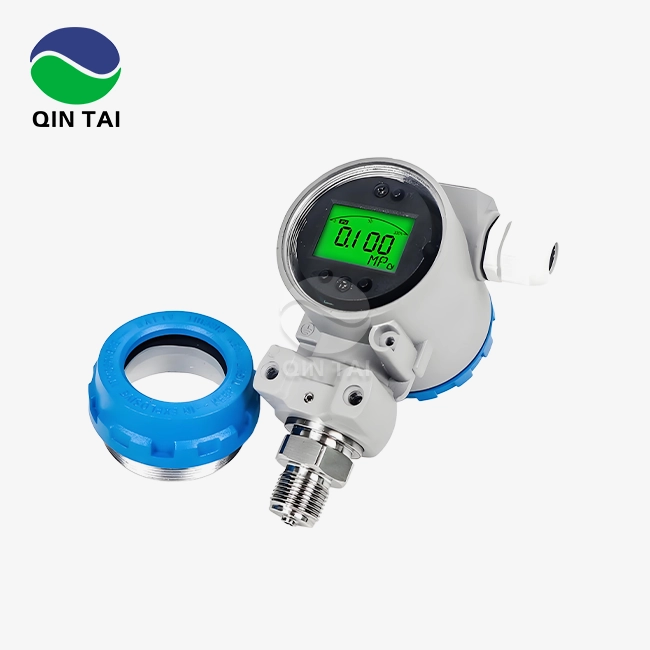
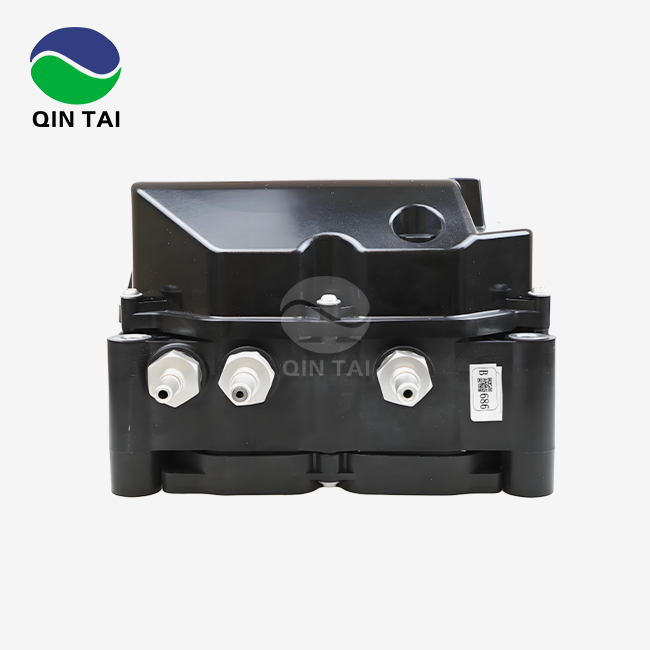
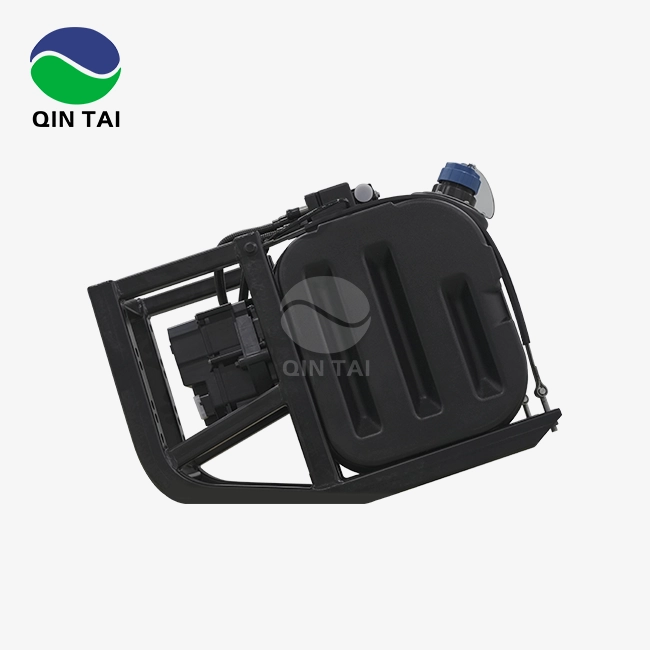
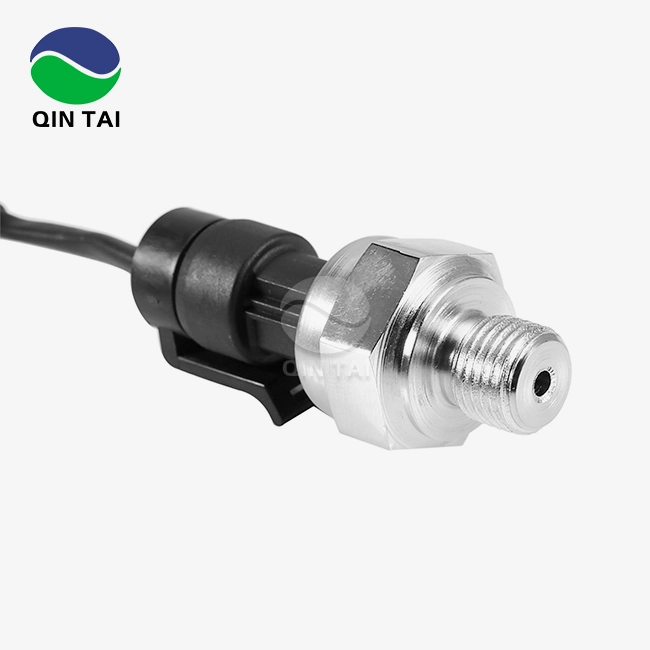

Our customers’ satisfaction speaks for our quality — contact us to experience the same reliable service.