- English
- French
- German
- Portuguese
- Spanish
- Russian
- Japanese
- Korean
- Arabic
- Greek
- German
- Turkish
- Italian
- Danish
- Romanian
- Indonesian
- Czech
- Afrikaans
- Swedish
- Polish
- Basque
- Catalan
- Esperanto
- Hindi
- Lao
- Albanian
- Amharic
- Armenian
- Azerbaijani
- Belarusian
- Bengali
- Bosnian
- Bulgarian
- Cebuano
- Chichewa
- Corsican
- Croatian
- Dutch
- Estonian
- Filipino
- Finnish
- Frisian
- Galician
- Georgian
- Gujarati
- Haitian
- Hausa
- Hawaiian
- Hebrew
- Hmong
- Hungarian
- Icelandic
- Igbo
- Javanese
- Kannada
- Kazakh
- Khmer
- Kurdish
- Kyrgyz
- Latin
- Latvian
- Lithuanian
- Luxembou..
- Macedonian
- Malagasy
- Malay
- Malayalam
- Maltese
- Maori
- Marathi
- Mongolian
- Burmese
- Nepali
- Norwegian
- Pashto
- Persian
- Punjabi
- Serbian
- Sesotho
- Sinhala
- Slovak
- Slovenian
- Somali
- Samoan
- Scots Gaelic
- Shona
- Sindhi
- Sundanese
- Swahili
- Tajik
- Tamil
- Telugu
- Thai
- Ukrainian
- Urdu
- Uzbek
- Vietnamese
- Welsh
- Xhosa
- Yiddish
- Yoruba
- Zulu
What are four types of sensors?
Sensor technology is very important in modern industry because it lets us precisely watch and control many physical factors. A question that comes up a lot when I talk to procurement managers in the diesel engine, aftertreatment system, and generator set industries is which sensor technologies are really important for key operations. Knowing the different kinds of sensors is important for making smart buying choices that meet practical goals and save money. This guide focuses on pressure sensors within the bigger picture of four main types of sensors, showing how important they are becoming in a variety of industrial, OEM, and process automation settings. As pollution standards get stricter around the world, especially the China VI and Euro VI rules, the dependability of sensors has never been more important.

What Are the Four Major Types of Sensors?
Sensors are put into groups based on how they measure things or what they can be used for, and each group meets the needs of a different industry. The four main sensor types—pressure sensors, temperature sensors, position sensors, and flow sensors—serve distinct functions across industries such as heavy trucks, construction machinery, agricultural equipment, and energy generation. Pressure sensors measure the force that gases or liquids apply, temperature sensors keep an eye on the temperature, position sensors keep track of how machines move, and flow sensors measure how fluids move. Knowing these categories helps buying teams choose the best sensor type for specific use cases, making sure that it works well in tough production situations.
Each type of sensor solves a different set of operating problems. Heavy-duty cars have temperature sensors that keep the engines from getting too hot, and building equipment has position sensors that allow for precise hydraulic control. Flow sensors improve how much fuel is used, and pressure sensors keep the exhaust system working properly. Because these gadgets are linked, choosing one type often changes what other types need. By understanding how these technologies work together, you can make buying decisions that improve the stability of the whole system instead of just meeting the needs of individual parts.
Deep Dive into Pressure Sensors: Types and Working Principles
Pressure sensors are important parts of industrial systems because they measure the force that gases or liquids apply to keep the process safe and running smoothly. From what I've seen working with diesel engine aftertreatment uses, these devices are the first line of defense against breaking pollution rules and mechanical problems. The market for sensors has changed a lot over the years. Manufacturers have come up with special solutions for tough areas where temperature changes quickly and vibrations shorten the life of sensors.
Strain Gauge Pressure Sensors
Strain gauge technology finds out how much pressure there is by measuring how much things change shape. When force is put on the detecting element, a spring device changes shape, which can be measured by the change in electrical resistance. This change in resistance is turned into voltage signs that are calibrated to certain pressure measures. This technology works really well for long-term monitoring tasks that need steadiness more than quick responses. Strain gauge sensors are useful for heavy-duty diesel engines because they keep their tuning accuracy over thousands of hours of use. This method is very flexible, which is why strain gauge sensors are so popular in industry—they can work with a wide range of pressures and mounting options without needing major system redesigns.
Capacitive Pressure Sensors
Capacitive sensors work by checking how much capacitance changes between two electrical plates that are divided by a diaphragm. The diaphragm deforms when the pressure rises, which changes the distance between the plates and the capacitance values. This method is very sensitive and works well for low-pressure tasks that need to be precise. Ceramic capacitive sensors, in particular, are very long-lasting in diesel exhaust settings where toxic gases and temperature changes make it hard for other sensors to last.
The ceramic diaphragm doesn't break down easily in chemicals and stays the same size at temperatures ranging from -40°C to 125°C. The outputs that come out are usually between 0V and 10V or 4-20mA. These are forms that work well with programmable logic controllers and engine control units. These sensors can work successfully for 10 to 15 years if they are installed correctly and are in the right environment. This makes them a cost-effective choice for OEM uses that need little upkeep.
Piezoelectric Pressure Sensors
Piezoelectric sensors use the qualities of materials that let them measure voltage when they are physically deformed to create electrical charges in reaction to mechanical stress. This technology works really well for measuring dynamic pressure where changes happen quickly and need to be recorded at a high frequency. Because they are small, piezoelectric sensors are useful in places where room is limited, such as in SCR dosing systems where more than one sensor checks the temperature of the catalyst, the pressure of the urea injection, and the backpressure from the exhaust all at the same time.
Real-time tracking of combustion is possible thanks to the instantaneous response traits. This lets engine management systems change the rate of injection and increase pressure within milliseconds. However, piezoelectric sensors usually need signal conditioning tools to turn charge outputs into voltage bands that can be used. This makes system integration more difficult.
Optical Pressure Sensors
Optical pressure measurement is a new device in which the way light passes through things changes when they are deformed mechanically. These sensors don't get affected by electromagnetic interference, which is very helpful in places where there is a lot of electrical noise from alternators, starting motors, and high-current switching devices. The technology is still very specific, and it is mostly used in study settings and high-precision industrial processes where other sensor technologies can't go. Cost concerns are currently stopping a lot of business diesel applications from using them, but ongoing research may make them easier to get.
Knowing about these technologies, each with its own benefits and uses in industry, helps buyers match technical requirements with business needs. Temperature compensation, media compatibility, overpressure safety, and increasing stress effects are some of the most important things that affect accuracy. Periodic checks against reference standards, zero-point adjustment, and span correction are all important calibration methods for keeping sensors reliable. For quality-focused buying, it's important to look at how makers deal with these issues through design features like temperature-compensated circuits, corrosion-resistant wetted materials, and strong electrical connections that keep the signal intact even when the temperature and vibration change.

Comparison and Selection: Choosing the Best Sensor for Your Industrial Needs
To choose the right sensor, you need to take into account the technical needs, the surroundings, and the features of the application. When procurement managers ask what sensor technology will work best for their application, the best answer is always to start by learning the operational factors instead of going with options that are already known. This part looks at how pressure sensors compare to other types of sensors and important selection factors that affect how well they work in the long run.
Pressure Sensors vs. Other Sensor Technologies
In industrial monitoring, pressure sensors are special because changes in pressure often happen before system problems can be seen. Sensors that measure temperature find problems after heat builds up, but sensors that measure pressure find problems faster. High backpressure is a sign of a clogged diesel particulate filter long before temperature spikes show that renewal has failed. Because it can predict the future, pressure sensing is very useful for methods for preventive maintenance.
Position sensors record the movement of machines, but they can't find hydraulic leaks or worn-out air systems until the way the machines move changes in a noticeable way. When you combine pressure sensors with position feedback, you get full tracking that can spot problems in both mechanical and fluid systems as they happen. Flow sensors measure the rate at which volume or mass moves, and they work with pressure data to figure out how efficient a system is and find worn-out pumps. The connection between flow and pressure shows how restrictions form, which lets maintenance teams plan their actions before they become full blocks.
Digital vs. Analog Pressure Sensors
Digital sensors send out processing data using communication methods like CAN bus, J1939, or Modbus. This means that the sensing device itself is smart. This method makes system integration easier by getting rid of the need for external signal filtering. It also makes it possible for advanced diagnostics like checking the health of sensors and making sure they are calibrated correctly automatically. Analog sensors give off constant voltage or current signs that are proportional to the pressure they record. They are easy to use and can be used with any control system.
Which format to use relies on how the system is built and what diagnostic needs it has. Emissions rules require digital sensors to be able to log a lot of data and find problems, which makes them more popular in diesel engine uses. Digital sensors have microprocessors built in that do temperature adjustment, linearization, and range scaling. This means that engine control units don't have to work as hard on their processors. For simpler tasks where direct data processing is enough and transmission protocol complexity adds extra cost, analog sensors are still a good, low-cost option.
Environmental Considerations
Extreme temperatures can affect how well sensors work and how long they last. During regeneration cycles, heavy-duty diesel exhaust systems reach temperatures of over 600°C. This means that sensors need to have remote diaphragm covers and cooling connections that keep the detecting elements from getting too hot. Equipment used in agriculture that works in deserts and the cold needs sensors that can work in temperatures ranging from -40°C to 85°C. Moisture and chemical exposure need the right ingress protection ratings, which are usually IP67 or IP69K for washdown conditions that are popular in mining and food processing equipment.
When it comes to building tools, vibration resistance is very important because the constant mechanical shocks can damage solder joints and wire connections. For these uses, sensors are made with electronics that are enclosed, mounting frames that are stronger, and flexible wire strain reliefs that let the sensor move without putting stress on its internal parts. By looking at external factors when choosing sensors, you can be sure that they will work as expected and last as long as promised. If they break down early, it can mess up production plans and raise the total cost of ownership.
Procurement Insights: Navigating the Pressure Sensor Market
To get around in the market for pressure sensors, you need to know where to find them, how to set prices, and how reliable your suppliers are. Industrial procurement managers can learn more about buying things through different avenues, such as online marketplaces, specialized dealers, and custom makers. Choosing between standard parts and designs that are tailored to a specific purpose has a big effect on lead times, managing inventory, and getting expert help.
Because they are made in large quantities and can be bought from a number of different sources, commodity pressure sensors with standard specs can keep their prices low. When engineers create custom sensor configurations for certain mounting interfaces, electrical connections, or pressure ranges, they have to spend money on engineering resources and tools, which makes delivery times 8 to 12 weeks longer. Strategies for buying things should weigh the benefits of standards against the costs of improving performance. When it's possible, changing system designs to work with standard sensor setups can save money and make the supply chain more flexible. Applications that have specific needs can support custom development if it leads to speed, reliability, or integration benefits that make operations better in a measured way.
Lead times are very different between providers. Large international companies have large distribution networks with regional stores that allow them to deliver standard goods quickly. However, technical help and custom solutions may take longer to arrive. Specialized sensor makers often offer quick technical support and easy adjustment, but they might not be able to meet large-scale production needs. Chinese companies like Qintai have become major players by offering reasonable prices, having a lot of production capacity, and getting better at technology. Our ISO9001, IATF16949, and other foreign safety approvals show that we are committed to quality standards that meet OEM needs around the world.
Support after the sale and expert documentation are important but often ignored aspects of purchasing. Full datasheets with performance curves, temperature compensation features, and mounting torque standards make it possible to put things correctly and figure out what's wrong. Technical support that is quick to respond helps solve connection problems during the development phase and gives advice when problems arise in the field. Suppliers who give help with application engineering, sample programs, and system integration tests add value beyond the price of the components they sell. They lower the risks of development and speed up the start of new products.
A trusted relationship is ensured by checking the credibility of suppliers through things like certifications, technology progress, and how quickly they respond to customer service requests. When companies spend money on research and development, it shows that they want to keep up with changing technology and make their products work better. Patent portfolios show how innovative a company is. For example, Qintai has filed for 58 idea patents, which shows that engineering is still being improved. Long-term partnerships with big OEMs like Weichai Power, Yuchai Power, and Quanchai Power show that they can meet high production rates and quality standards. These partnerships usually have strict qualification processes that include validating the design, approving the production part, and regular quality checks. This makes sure that the providers keep their manufacturing processes uniform.

Benefits of Pressure Sensors in Industrial Applications
There is a lot that pressure sensors can do to make industrial processes safer, more efficient, and less expensive. Real-life examples show how accurate pressure readings help with process control and lowering risks in a wide range of settings. Diesel engine aftertreatment systems are a great example of these perks.
To meet pollution standards, selective catalytic reduction devices need to be able to accurately dose urea. When the dose is too low, NOx emissions go over the allowed limits. When the dose is too high, ammonia slips and crystals form that damage parts further downstream. Monitoring urea injection pressure, exhaust backpressure, and DEF tank levels with pressure sensors lets control programs keep the right dose even when the engine is under load or the temperature outside changes. This accuracy cuts the amount of urea needed by 5–8% compared to open-loop systems and keeps the emission performance stable during repair periods.
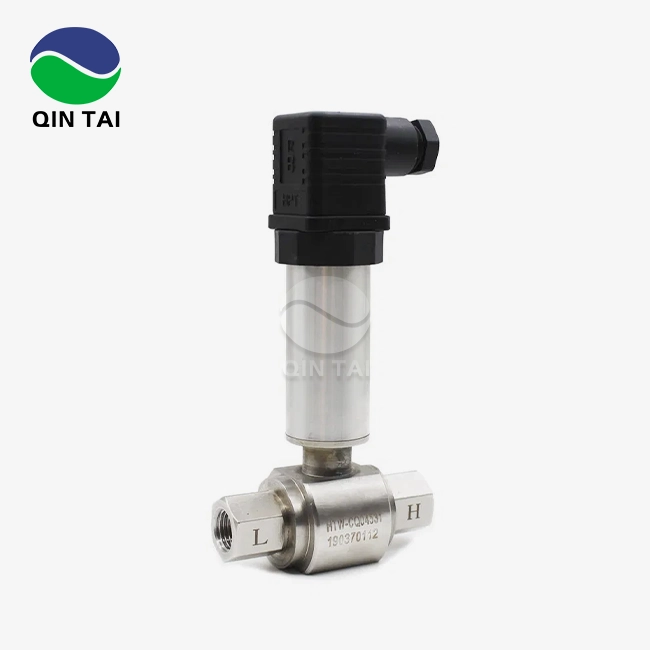
Diesel particulate filters need to be regenerated every so often to burn off the soot that has built up. The time of regeneration is based on real loading rather than assumed buildup, as measured by differential pressure sensors that measure the drop in pressure across the filter. This method stops regeneration processes that aren't needed, which waste fuel and speed up thermal aging. It also makes sure that regeneration happens before too much backpressure limits engine performance. Because of this, fuel economy goes up and filter service life is increased, which gives a quick return on sensor investment.
Safety uses show how monitoring pressure stops catastrophic breakdowns. Before uncontrolled actuator movement hurts workers or damages equipment, hydraulic systems in building equipment use pressure sensors to identify hose failures and initiate emergency shutdowns. Pressure switches are used in compressed air systems to keep them from overpressurizing, which could damage tanks or pipes. These safety features make sensor prices worth it by lowering the cost of accidents, lowering risk, and meeting regulatory requirements.
Modern pressure sensors work well with IoT and data processing systems, which makes digital transformation projects like predictive maintenance possible. Connected sensors send data to cloud platforms, where analytics tools look for patterns of wear and tear that show problems are about to happen. In particular, a slow rise in engine pressure is a sign of ring wear and blow-by conditions long before oil consumption is noticeable. Scheduling overhauls based on condition data instead of set times lowers upkeep costs and keeps systems from breaking down when they're least expected. This leads to less downtime, better maintenance plans, and better product quality, giving procurement workers looking for value-driven sensor solutions a big long-term return on their investment.
Conclusion
Knowing about the four main types of sensors—pressure sensors, temperature sensors, position sensors, and flow sensors—allows procurement workers to make smart choices that improve the stability and efficiency of systems. Especially pressure sensors give important information for making sure diesel engines, aftertreatment systems, and industrial equipment meet pollution standards, do preventative maintenance, and keep people safe. Different technologies, like strain gauge, capacitive, piezoelectric, and optical ways, all have their own benefits that make them better for certain situations and uses.
If you want to buy sensors successfully, you shouldn't just look at the prices of the parts. You should also look at the technical specs, the supplier's skills, and the total cost of ownership. As rules on emissions get stricter and digital communication grows, buying good pressure sensors from reputable companies gives you a competitive edge by improving performance, lowering upkeep costs, and making sure you follow the rules.

SENSOR+TEST, June 9 – 11, 2026
We look forward to your visit,warmly welcome to our booth 1-526!
Get your free ticket online now:
https://www.sensor-test.de/service/ticket/?52790
FAQ
How do pressure sensors differ from pressure transducers?
People often use the terms "pressure sensor" and "pressure transducer" to refer to the same thing, but there are some scientific differences between them. Transducers are usually devices that change one form of energy into another. Pressure sensors, on the other hand, change mechanical force into electrical signs. In real life, both terms refer to machines that measure pressure and send electrical messages.
What calibration intervals do industrial pressure sensors require?
How often you have to calibrate relies on how important the application is, how it is used, and any rules or regulations that apply. In diesel aftertreatment systems, emission-critical sensors usually need to be checked once a year to keep up with approval requirements. Most industrial process control uses need to be calibrated every 12 to 24 months, unless there are changes to the process or physical damage. Sensors that are exposed to high or low temperatures, toxic media, or mechanical shock may need to be checked more often.
Which pressure sensor types perform best in high-temperature environments?
When used in environments above 150°C, normal sensors don't work well and need to be redesigned. Temperature-sensitive electronics can be kept away from hot process media with sensors that have remote diaphragm seals and capillary connections. These sensors can handle temperatures up to 400°C. Because ceramic is thermally stable, ceramic capacitive sensors can handle higher temperatures than metal diaphragm types.
Partner with a Trusted Pressure Sensor Manufacturer
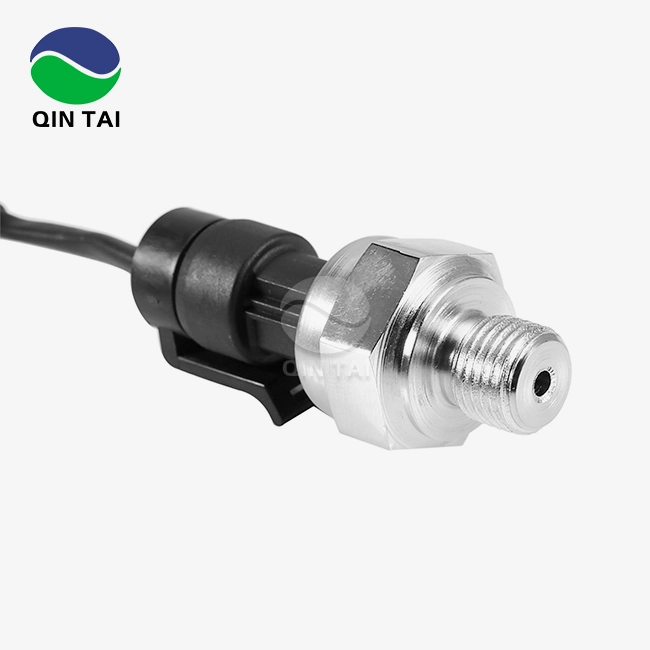
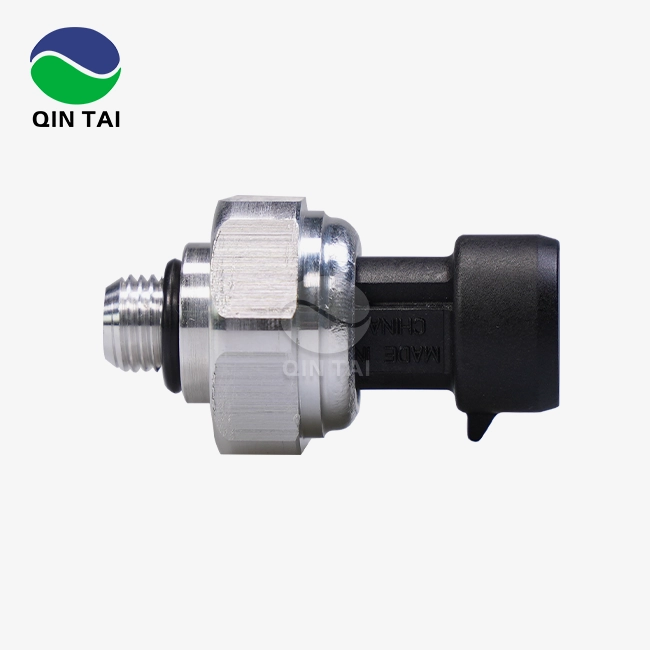
Qintai makes pressure sensors that are strong enough for use in diesel engines and aftertreatment systems that are very demanding. As the main pressure sensor supplier in China for major OEM makers, we have been developing sensors for 20 years and have certified production methods that meet IATF16949 and ISO9001 quality standards. Our independent research and development team has been awarded 58 invention patents for their flexible sensor solutions that meet specific integration needs. These include mounting interfaces, pressure ranges, and output options that are tailored to each application.
Our team can help you find the right sensor technology for your needs, whether you need ceramic capacitive sensors for tracking hydraulics, strain gauge sensors for corrosive exhaust environments, or custom designs for unique uses. Contact our experts at info@qt-sensor.com to talk about your unique pressure sensing needs, get full technical datasheets, or get quotes for large-scale production. Find out how working with a skilled pressure sensor manufacturer can make your tools more reliable and lower your costs.
References
1. Webster, J.G., Eren, H. (2014). Measurement, Instrumentation, and Sensors Handbook: Spatial, Mechanical, Thermal, and Radiation Measurement, Second Edition. CRC Press.
2. Fraden, J. (2016). Handbook of Modern Sensors: Physics, Designs, and Applications, Fifth Edition. Springer International Publishing.
3. Bao, M., Wang, W. (2019). Future of Microelectromechanical Systems (MEMS). Sensors Journal, 19(12), 2828-2848.
4. Wilson, J.S. (2005). Sensor Technology Handbook. Elsevier/Newnes Publications.
5. Pallas-Areny, R., Webster, J.G. (2001). Sensors and Signal Conditioning, Second Edition. John Wiley & Sons.
6. Tian, B., Zhao, Y., Jiang, Z. (2017). Pressure Sensor Technology for Automotive Applications. SAE International Journal of Passenger Cars - Electronic and Electrical Systems, 10(1), 234-245.

Our customers’ satisfaction speaks for our quality — contact us to experience the same reliable service.