- English
- French
- German
- Portuguese
- Spanish
- Russian
- Japanese
- Korean
- Arabic
- Greek
- German
- Turkish
- Italian
- Danish
- Romanian
- Indonesian
- Czech
- Afrikaans
- Swedish
- Polish
- Basque
- Catalan
- Esperanto
- Hindi
- Lao
- Albanian
- Amharic
- Armenian
- Azerbaijani
- Belarusian
- Bengali
- Bosnian
- Bulgarian
- Cebuano
- Chichewa
- Corsican
- Croatian
- Dutch
- Estonian
- Filipino
- Finnish
- Frisian
- Galician
- Georgian
- Gujarati
- Haitian
- Hausa
- Hawaiian
- Hebrew
- Hmong
- Hungarian
- Icelandic
- Igbo
- Javanese
- Kannada
- Kazakh
- Khmer
- Kurdish
- Kyrgyz
- Latin
- Latvian
- Lithuanian
- Luxembou..
- Macedonian
- Malagasy
- Malay
- Malayalam
- Maltese
- Maori
- Marathi
- Mongolian
- Burmese
- Nepali
- Norwegian
- Pashto
- Persian
- Punjabi
- Serbian
- Sesotho
- Sinhala
- Slovak
- Slovenian
- Somali
- Samoan
- Scots Gaelic
- Shona
- Sindhi
- Sundanese
- Swahili
- Tajik
- Tamil
- Telugu
- Thai
- Ukrainian
- Urdu
- Uzbek
- Vietnamese
- Welsh
- Xhosa
- Yiddish
- Yoruba
- Zulu
How to tell if a pressure sensor is bad?
If your diesel engine system starts acting strangely or aftertreatment parts stop working right, it could be because of a broken pressure sensor. If you find a broken pressure sensor quickly, you can avoid costly machine downtime, fails to meet emission standards, and production stops. A bad pressure sensor usually has signs like signal outputs that aren't stable, readings that aren't consistent or are frozen, signal loss, or damage that can be seen, like rust and cracked housings. When buying managers and research and development engineers see these red flags, they can act quickly to make sure that heavy trucks, building equipment, farming equipment, and generator sets keep running smoothly and in line with regulations.

Understanding the Problem – What Does a Bad Pressure Sensor Look Like?
If you want to find a broken pressure sensor, you need to look for both measured performance problems and obvious physical signs. Sensors that are used in hydraulic systems, SCR aftertreatment systems, and DPF regeneration control have to work in tough situations that speed up wear and failure.
Common Symptoms of Pressure Sensor Failure
Unstable or erratic output patterns are one of the most common signs that a sensor is failing. When a sensor starts to break down, it might send voltage or current data that change and don't match the real system pressure. This difference throws off the reasoning of the control systems in the engine and the units that treat the exhaust. This could lead to the wrong amount of diesel exhaust fluid being used or longer DPF regeneration cycles.
When internal circuitry breaks or connections are broken, there is complete communication loss. In this case, monitoring systems might record trouble codes that show a problem with the sensor circuit. If the output doesn't change even though the working conditions do, this means that the sensing element or signal conditioning hardware is no longer useful.
Physical Damage and Visible Indicators
When you look closely, you can often see corrosion on the connecting pins, cracks in the housing caused by heat or pressure, and water getting in around the sealing points. When used in diesel engines, sensors are subjected to high temperature changes, chemical contaminants from exhaust gases, and mechanical vibrations that can weaken their structure over time.
When particles build up in pressure ports, they get blocked. This makes measurements less accurate and reaction times slower. If oil and metal particles build up in hydraulic systems, they can block sense ports completely, making the device useless. Finding these problems early lowers the risks to product quality, safety, and pollution compliance. This is especially important for OEMs that sell their products in China VI and Euro VI markets, which have strict standards.

Analyzing Common Causes of Pressure Sensor Failure
When procurement workers and technical managers know what the root causes are, they can choose sensors that are designed to deal with specific environmental problems and put in place focused maintenance plans.
Environmental and Mechanical Stress Factors
Extreme temperatures make it hard for sensors to work reliably. Piezoresistive and capacitive measuring elements lose their tuning over time when they are used at high temperatures for long periods of time, which is common in exhaust aftertreatment systems. When temperatures change, things expand and shrink, which puts stress on solder joints, bonding materials, and closing parts.
When moisture gets into electrical links, it breaks them down and creates short circuits in signal paths. When an engine is running or mobile equipment is moving, vibrations can wear out mechanical mounting points and internal sensor components. This is especially true for big trucks and building equipment. Pollution from fuel, oil, coolant, or exhaust particles speeds up rust and jams pressure ports, which makes measurements less accurate.
Electrical Failures and Communication Issues
In field uses, a lot of pressure sensor problems are caused by bad wiring. When there is chafed insulation, loose wire connections, or corroded connecting pins, signals can't get from sensors to control modules. Voltage spikes, drops, or negative polarity in the power source can damage the transducer's sensitive electronics.
Interference from alternators, starter motors, and high-current switching devices adds noise to sensor data, which can lead to wrong readings or communication drops. Signal drift and unreliable standard readings are caused by problems with grounding. As wire connections age and environmental sealing breaks down, these electrical problems happen more often.
Sensor-Specific Degradation Patterns
There are specific ways that different monitoring systems can fail. Because resistive elements age over time and are stressed and heated and cooled, piezoresistive sensors experience changes in their zero-point drift and spread. Over time, the capacitance-pressure relationship changes because the insulator material in capacitive sensors breaks down.
When strain gauge-based sensors are used for millions of pressure cycles, wear cracks can form in the diaphragm or sensing element. Ceramic capacitive sensors are very stable and work well with a wide range of media, but they can still crack from mechanical shock and heat stress. By knowing about these technology-specific flaws, you can make better choices about which sensors to use for mass production or aftermarket repair programs.

How to Test and Diagnose a Pressure Sensor: Step-by-Step Methods
Systematic analysis uses eye inspection, electrical testing, functional testing, and proof of calibration to find out if a sensor is healthy and if it needs to be replaced.
Visual Inspection Protocol
Start by carefully looking at the body of the sensor, the electrical plug, and how it is mounted. Find any cracks, deformations, or rust on the air port and body. Check the connection pins for rust, bent contacts, or buildups of dirt and dust. Check the sealing surfaces and fastening threads for damage that could let water or gas leak in.
Check the wires close to the sensor for wear and tear, damage from heat, or pollution from oil and coolant leaks. Make sure the cable strain relief stays in place and that the route keeps the wire from touching any hot surfaces or moving parts. If there is any actual damage, take pictures of it to back up insurance claims or failure analysis reports.
Electrical Testing Procedures
Take the sensor off of the system harness and use a digital voltmeter to check the continuity and resistance values as directed by the maker. Check that the power is getting to the connection by measuring the source voltage. Test the resistance from the sensor pins to the control module port to make sure the signal wire is solid.
To find the zero-pressure standard for voltage output sensors, connect the sensor and record the output signal while the sensor is not under pressure. The output from current loop sensors should be within the range given, which is usually between 4 and 20 milliamps. Compare the observed values to the specifications in the datasheet to find differences that could mean an internal circuit has failed.
Functional Verification Testing
Use standardized test tools to apply a known reference pressure while keeping an eye on the sensor output. Compare the real readings to the predicted values at a number of pressure places that are within the sensor's working range. If the deviation is bigger than the manufacturer's limits, it means that the calibration is off or the detecting element is wearing out.
Response time testing checks how quickly the sensor responds to changes in pressure. A slow reaction could mean that the damping is having problems because of contamination or internal component wear. By comparing results during cycles of rising and falling pressure, hysteresis testing shows mechanical problems in the sensing element or problems with the signal processing.
Calibration Assessment and Decision Making
Recalibration checks to see if a sensor can be fixed to a good level of accuracy or if it needs to be replaced. At several test points, high-precision testing equipment compares the output of the sensor to pressure standards that can be tracked. If the change gets the sensor's performance back to the required level, it may be used again after being properly re-calibrated.
When testing can't fix the accuracy or damage to the structure makes it less stable, replacement is needed. The choice of whether to repair or replace is based on an economic study that compares the costs of calibration, sensor replacement, and possible downtime. In critical uses that need high dependability and emission compliance, it is usually better to replace something than to try to fix it.
Real-World Examples of Detecting and Resolving Pressure Sensor Issues
Real-life cases from the business world show how to use diagnostic methods and show the effects of both early detection and late action.
Industrial Automation Production Line
A company that makes generator sets had problems with engine derating and pollution trouble codes that came up on and off in different production test cells. An investigation showed that pressure sensors that were watching the turbocharger's boost and exhaust backpressure gave inconsistent readings during thermal soak cycles. Electrical testing showed that the connection was fine, but practical testing showed that the output drifted a lot at high temperatures.
Root cause analysis identified sensors lacking adequate temperature compensation for the test cell environment. Changing them for industrial-grade sensors with higher temperature ratings got rid of fake faults, cut test cycle time by 18%, and stopped possible field failures. This case shows how important it is to match sensor specs to real-world working conditions instead of just using nominal application requirements.
SCR Aftertreatment System Integration
An aftertreatment system integrator working on China VI compliance ran into repeated dosing control mistakes that were linked to differential pressure sensors checking the DPF's load. During bench testing, sensors gave correct readings, but they stopped working within a few weeks of being used in the field. When the parts were taken apart, they showed that the pressure ports were blocked by soot and ash.
To fix the problem, the sensing port layout had to be changed, protective sintered metal filters had to be added, and regular purging procedures had to be put in place. Also, the choice of sensor types changed to ones that were better at resisting pollution and responding faster. These changes cut field failure rates by 73% and made regeneration control more accurate. This shows that knowing how failures happen can help with both choosing the right parts and making the system better.
Commercial Vehicle Aftermarket Support
A parts distributor that works with repair shops said that replacement hydraulic pressure sensors for building tools were sent back a lot of the time. An investigation showed that techs often put in sensors without controlling the torque or preparing the seals properly, which led to early breakdowns that had nothing to do with the quality of the parts.
By making installation rules, giving out calibrated torque wrenches, and giving professional training, the number of people who did things wrong dropped from 42% to less than 8%. This experience shows that sensor dependability isn't just about how well they were made; it's also about how they were installed and how well they were supported by the end user. These are especially important in aftermarket markets where installation skills vary a lot.

SENSOR+TEST, June 9 – 11, 2026
We look forward to your visit,warmly welcome to our booth 1-526!
Get your free ticket online now:
https://www.sensor-test.de/service/ticket/?52790
Best Practices for Maintenance and Procurement Strategy
By doing proactive upkeep and making smart purchasing choices, you can make sensors more reliable, reduce downtime, and keep the total cost of ownership low.
Preventive Maintenance Approach
Set up regular inspection times based on working hours, pressure sensor cycles, or calendar times that make sense for the seriousness of the application. Visual inspection, cleaning of connectors, checking for electrical connection, and functional tests against known standards should all be part of routine checks. By looking at how sensor output changes over time, you can see patterns of gradual degradation that let you replace the sensor before it fails completely.
Setting up condition tracking systems that keep an eye on how well sensors are working all the time lets you know early on when problems are starting to appear. Digital sensors with built-in diagnostics can check themselves and let you know if their accuracy is drifting, they are out of range, or there are internal problems. These technologies help with planned preventative repair plans that cut down on unexpected downtime and make parts last longer.
Procurement Selection Criteria
To choose reliable sensors, you need to look at more than just the original buy price. Compliance with certifications like ISO9001, IATF16949, UL, CE, and REACH guarantees high-quality manufacturing and compliance with regulations. The technical specs must meet the needs of the application when it comes to pressure range, media compatibility, temperature rating, output signal type, and reaction time.
The skills of the supplier are very important. Providers with flexible interfaces, parameters, and expert help during merging cut down on development time and problems with compatibility. When buying for OEM uses or keeping up with resale inventory levels, it's important to have a lot of production capacity, quality that stays the same across production lots, and dependable shipping schedules.
The full cost analysis should include the price of the sensor itself, its estimated service life, the amount of calibration that needs to be done, the guarantee coverage, and the costs that come up when it fails. When costs for regular repairs, calibration services, or downtime are taken into account, cheaper sensors may end up being more expensive. Building partnerships with manufacturers that offer full technical help, quick responses to quality problems, and group problem-solving adds a lot of value on top of the price of the parts.
Emerging Technologies and Future Trends
Smart sensor technologies with digital outputs, wireless connection, and built-in processing allow for more advanced diagnostics. These devices self-calibrate, find strange conditions, and send repair systems specific information about their state. Wireless sensors get rid of wiring problems and make installation easier in places that are hard to get to.
Integration with systems for the industrial Internet of Things makes it possible to centrally watch fleets of machinery that are spread out. Predictive analytics systems find trends of failure and find the best times to do maintenance. Adopting these technologies puts businesses in a position to save money on upkeep, get more tools, and run their businesses more efficiently.
Conclusion
Finding problems with pressure sensors as soon as possible saves the dependability of equipment, keeps emissions in line, and stops costly production breaks. By spotting signs like outputs that don't work right, signal loss, and physical damage, you can act quickly. Understanding what causes things to break, like external stress or electricity problems, helps with both choosing sensors and keeping them in good shape. Systematic diagnostic methods that combine eye inspection, electrical testing, and functional proof make it possible to confidently judge the health of a sensor. Examples from real life show that the best way to improve reliability and total cost of ownership is to match specs to actual conditions, do preventative maintenance, and choose quality providers. With this information, procurement workers and technical teams can make smart choices that improve system performance and support long-term operating success.
FAQ
How often should pressure sensors be calibrated?
The amount of time between calibrations depends on how important the application is, the working environment, and what the maker recommends. To stay in line with regulations, emission-critical sensors in diesel aftertreatment systems usually need to be checked once a year. In tough settings with high or low temperatures, vibrations, or dirt, sensors may need to be calibrated every three to six months. Standard business apps usually run once a year or every two years. Keeping track of the past of testing and how accurate things have been over time can help you find the best intervals for each application.
When should sensors be replaced versus repaired?
When physical damage weakens the structure, calibration can't bring the accuracy back to the required level, or fix costs get close to the cost of replacement, it's time to replace it. To make sure they work well, sensors that are used in safety-critical or emission-compliance situations should be changed instead of fixed. Because of the cost of work and the risk of responsibility, aftermarket scenarios often favor replacement. For expensive specialty sensors, repair may be the best option if recalibration can bring them back to life and their remaining useful life supports the cost.
What distinguishes absolute from gauge pressure sensors in reliability?
Absolute sensors check the pressure in relation to a vacuum. They need sealed reference rooms that can break down over time, which could affect their long-term stability. Gauge sensors detect pressure in relation to atmospheric pressure through reference ports that are vented. This makes the building easier, but it also makes the sensor vulnerable to contamination and wetness getting into the vent path. Neither type is fundamentally more reliable than the other; the right choice relies on the needs of the application. Sealed gauge sensors are a balance because they protect against air reference while allowing for small differences from true gauge reading.
Partner With a Trusted Pressure Sensor Manufacturer
Since 2001, Xi'an Qintai Automotive Emission Technology has been a leader in the production of diesel engine aftertreatment sensors. They are the main OEM source for Weichai Power, Yuchai Power, and Quanchai Power, and they have a large share of the China market. Our pressure sensor transducers are certified by ISO9001, IATF16949, UL, CE, REACH, and RoHS, and they also have fifty-eight idea patents to back them up. They also meet China VI and Euro VI emission guidelines. We know how hard it is for buying managers to keep costs down while also meeting the needs for dependability in mass production applications.
Our independent research and development team makes sensor solutions that can be tailored to specific needs and work well with both SCR and DPF system designs. We keep up our production to support OEM projects with high volumes, and we also offer open design for unique needs. Technical help, quick responses, and reasonable prices cover the whole purchase decision chain, from the technical specifications to the approval of the seller.
Qintai has the technical know-how and production skills to help you succeed, whether you need sensors for developing new engines, integrating aftertreatment systems, or stocking up on parts for the aftermarket. You can talk to our team at info@qt-sensor.com about your unique needs, ask for detailed documentation, or get quotes. Learn how working with a reputable pressure sensor source can help your business compete better.
References
1. Smith, J. & Rodriguez, M. (2022). Industrial Pressure Sensor Technology: Principles, Applications, and Reliability. Technical Press International.
2. European Automotive Manufacturers Association. (2021). Emission Control System Components: Performance Standards and Testing Protocols. EAMA Technical Report Series.
3. Anderson, K. (2023). "Predictive Maintenance Strategies for Critical Sensors in Diesel Engine Systems," Journal of Automotive Engineering and Technology, Vol. 47, Issue 3, pp. 215-234.
4. International Society of Automation. (2020). Pressure Measurement Instrumentation: Selection, Installation, and Maintenance Best Practices. ISA Standards Committee.
5. Chen, W., Thompson, R., & Patel, S. (2023). "Failure Mode Analysis of Pressure Transducers in Heavy-Duty Vehicle Applications," SAE International Journal of Commercial Vehicles, Vol. 16, No. 2, pp. 178-195.
6. National Institute of Standards and Technology. (2022). Calibration and Traceability Requirements for Industrial Pressure Sensors. NIST Special Publication 800-series.
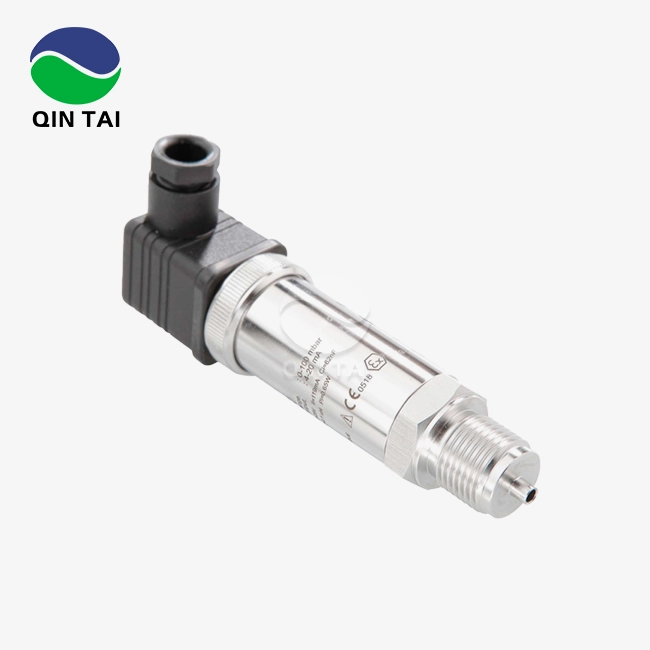
 Sensors.webp)
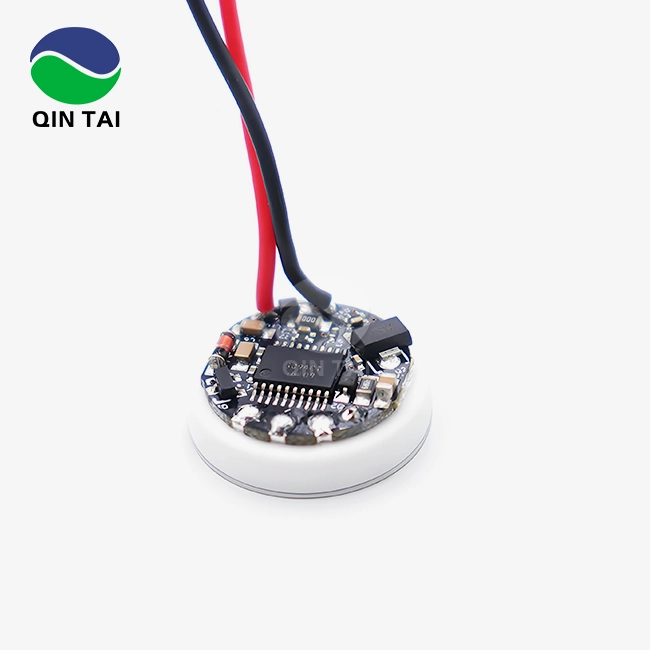
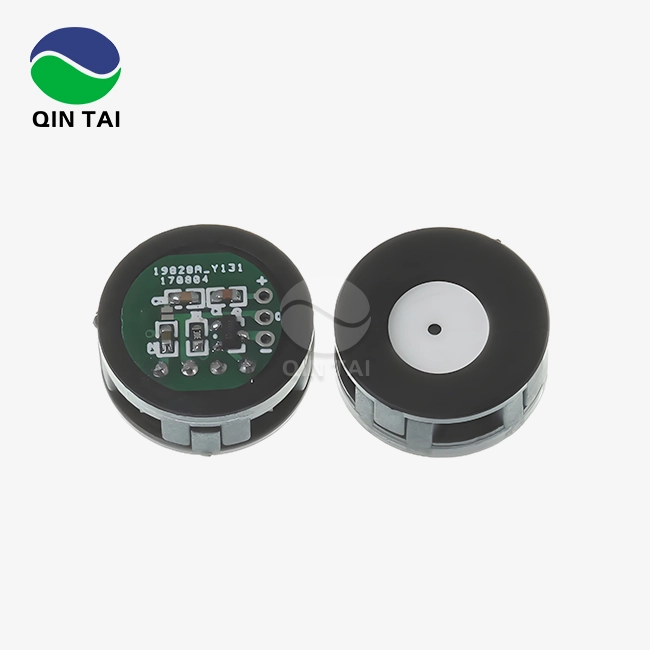

Our customers’ satisfaction speaks for our quality — contact us to experience the same reliable service.