- English
- French
- German
- Portuguese
- Spanish
- Russian
- Japanese
- Korean
- Arabic
- Greek
- German
- Turkish
- Italian
- Danish
- Romanian
- Indonesian
- Czech
- Afrikaans
- Swedish
- Polish
- Basque
- Catalan
- Esperanto
- Hindi
- Lao
- Albanian
- Amharic
- Armenian
- Azerbaijani
- Belarusian
- Bengali
- Bosnian
- Bulgarian
- Cebuano
- Chichewa
- Corsican
- Croatian
- Dutch
- Estonian
- Filipino
- Finnish
- Frisian
- Galician
- Georgian
- Gujarati
- Haitian
- Hausa
- Hawaiian
- Hebrew
- Hmong
- Hungarian
- Icelandic
- Igbo
- Javanese
- Kannada
- Kazakh
- Khmer
- Kurdish
- Kyrgyz
- Latin
- Latvian
- Lithuanian
- Luxembou..
- Macedonian
- Malagasy
- Malay
- Malayalam
- Maltese
- Maori
- Marathi
- Mongolian
- Burmese
- Nepali
- Norwegian
- Pashto
- Persian
- Punjabi
- Serbian
- Sesotho
- Sinhala
- Slovak
- Slovenian
- Somali
- Samoan
- Scots Gaelic
- Shona
- Sindhi
- Sundanese
- Swahili
- Tajik
- Tamil
- Telugu
- Thai
- Ukrainian
- Urdu
- Uzbek
- Vietnamese
- Welsh
- Xhosa
- Yiddish
- Yoruba
- Zulu
What are common pressure sensor failures?
Pressure sensor failures manifest in several distinct ways that directly impact industrial operations. Signal drift represents one of the most frequent issues, where readings gradually deviate from accurate values over time. Complete signal loss occurs when sensors stop transmitting data altogether, often due to electrical or mechanical breakdown. Erratic output patterns, where measurements fluctuate unpredictably, indicate internal component degradation or environmental interference. Response delays—when sensors lag behind actual pressure changes—compromise real-time monitoring capabilities. These failure modes affect everything from emission control systems in diesel engines to hydraulic equipment in construction machinery, making early detection essential for maintaining operational efficiency and regulatory compliance.

Understanding Pressure Sensor Failures: An Overview
When equipment stops reacting to changes in pressure all of a sudden, it affects whole production lines. When procurement managers and R&D engineers know what a sensor failure looks like, they can make choices that protect both investments and the continuation of operations.
What Defines a Pressure Sensor Failure?
When a gadget can't measure or send pressure data correctly within the range it was designed to, this is called a failure. This meaning goes beyond a total failure to include speed degradation that makes the system less reliable. Modern systems for cleaning air pollution, especially those that meet China VI and Euro VI standards, need accurate pressure readings to control how well the SCR catalyst works and how often the DPF regenerates. Even small mistakes can set off trouble codes, lower fuel economy, or lead to legal violations.
Common Symptoms Across Industrial Applications
Maintenance teams often see warning signs before something completely breaks down. Error numbers on the dashboard are often the first sign that something is wrong with heavy trucks and building equipment. Pressure sensor problems are frequently the cause of inconsistent system behavior, such as inconsistent DPF renewal or unexpected engine derating. A close look might show rust around the connectors, broken wires, or dirt that can be seen on the sensing elements. Intermittent readings during load changes can be a sign that a generator set is about to fail in remote mines or backup power sites. When teams notice these signs early, they can book replacements during planned maintenance instead of having to deal with unplanned downtime.
Technology-Specific Failure Patterns
Each type of sensor design has its own set of vulnerabilities. Piezoresistive sensors are often used in cars and farm equipment, but they can lose their zero-point accuracy due to changes in temperature and mechanical stress from shaking. Capacitive designs work well in acidic settings, but they may lose their dielectric properties if water gets into them. Piezoelectric versions have great dynamic reaction, but signal drift can happen over long periods of time because of charge leaks. Digital sensors with built-in microprocessors make troubleshooting better, but they also make firmware-related errors more likely. Knowing these patterns that are specific to a technology helps technical managers choose the right types of sensors for system integration projects.
Common Causes of Pressure Sensor Failures
There are many things that can cause pressure sensors to break down, and these things often work together to shorten the time it takes for them to fail. Finding the root reasons lets tech teams come up with specific ways to stop problems before they happen.
Environmental Stress Factors
The most difficult situations for sensing parts are when they are in use. Extreme temperatures in engine areas, like starting up in subzero temperatures or keeping an eye on high-temperature exhaust gases for a long time, cause materials to expand and contract at different rates. This mechanical stress wears down sealing and gluing surfaces over time. Moisture infiltration is still a problem, especially in off-road building equipment that has to be washed or in farming equipment that has to work in wet fields. When an engine runs or heavy machinery moves, it causes vibrations that wear out support frames and internal parts. When exhaust particles, hydraulic fluid mist, or chemicals get on sensor surfaces and electrical links, they break down.
The choice of material has a big effect on how well it resists the surroundings. Stainless steel housings offer strong security in most industrial settings because they are resistant to rust and strong mechanically. Ceramic sensor elements work better in high-temperature exhaust situations and can withstand chemical attacks from urea deposits in SCR systems. But ceramics are more likely to break when they are hit by a force. When choosing the right materials, you have to weigh the environmental issues that are specific to the purpose against cost and manufacturing compatibility.
Electrical and Wiring Complications
Instabilities in the power source cause many ways for things to go wrong. Voltage spikes from load dumps or magnetic kickback in alternators can hurt electronic parts in sensor circuits that are sensitive. Not enough source voltage leads to unstable performance or signal loss. Noise that hides real pressure signs is caused by electromagnetic interference from ignition systems, motor drives, or radio frequency sources. When people don't properly ground their devices, ground loops form that send unwanted messages into measurement circuits.
A lot of field breakdowns are caused by problems with the wiring connections. When pin surfaces are subjected to moisture, connector corrosion happens. This causes intermittent contact resistance, which causes signal dropouts. When cables are damaged by rough edges or heat near vent parts, the insulation is broken, which leads to short circuits. Electromagnetic coupling happens when cables are routed incorrectly near high-current wires. During fixing, maintenance workers often find that replacing a broken wire fixes problems that were first thought to be caused by a failed sensor.
Calibration and Maintenance Gaps
As time goes on, materials age, temperatures change, and mechanical stress builds up, causing sensors to slowly move away from their original factory settings. Without regular recalibration, measurement mistakes build up until they are too big to handle. A lot of places don't have official calibration plans or keep records of calibrations, which means that accuracy drops without being noticed. If the original setting is wrong, like not adjusting the zero point or range correctly, baseline errors are introduced and stay with the sensor for its entire service life.
Neglected upkeep speeds up the failure process. When dirt and other things build up on sense ports, they make it harder for pressure to be sent, which slows or stops the reaction. When mounting bolts are too free, vibrations can damage them and mechanical stress builds up in certain places. Connector seals break down over time if they are not checked and replaced on a regular basis. This lets water in. Companies that use organized maintenance routines that go beyond simple eye checks say that sensor service intervals are much longer and fewer unexpected breakdowns happen.
Manufacturing Defects and Material Degradation
Even with strict quality control, sensors can sometimes have hidden flaws because of variations in how they are made. Weaknesses that show up after the product has been used in the field can be caused by incorrect die attachment, contamination during assembly, or not enough hardening of the seal. When sensors stop working soon after being installed, it's usually because of problems with the way they were made, not with how they were used.
Long-term material degradation effects even pieces that were made correctly. Metal fatigue from passing through high and low pressures damages diaphragms and sensing elements over time. In tough chemical conditions, corrosion processes move slowly but finally weaken structures. Heat and chemicals can cause elastomer covers to harden and crack. Knowing how these things age helps procurement teams set reasonable replacement times based on how often they are used instead of just depending on what the maker says about how long something should last.

How to Identify and Troubleshoot Pressure Sensor Failures?
Systematic troubleshooting methods separate pressure sensor faults from problems at the system level, which saves time and money on replacements. Structured repair methods that move logically from simple checks to in-depth analysis are helpful for technical staff.
Diagnostic Tools and Testing Methods
For fixing to work, the right tools are needed. A good digital voltmeter is the most important tool for testing electrical systems because it checks the voltage of the power source, the amount of signals coming out, and the continuity of the circuit. Oscilloscopes show changing signal behavior that multimeters don't—they pick up transient jumps, noise traits, and reaction timing. Pressure calibrators use known standard pressures, which lets you directly compare the output of a sensor to the real pressure number. Handheld diagnostic readers can connect to the control systems of vehicles or other equipment to get problem codes and see sensor data streams in real time.
The first step in the systematic testing process is usually checking the source voltage at the sensor connector. Making sure there is enough voltage rules out problems with power transfer before blaming the sensor itself. Next, standard capability is set by measuring the levels of the output signals when the conditions are stable. When you change the pressure inputs using calibration tools or by running the engine and watching the output, you can see the dynamic reaction characteristics. Accuracy errors can be found by comparing the recorded output to the predicted numbers from the calibration curves. The electrical assessment is finished by checking the consistency of the wires and the resistance of the insulation. This orderly technique keeps sensors from being replaced too soon when problems with the wiring or power supply are to blame.
Interpreting Diagnostic Results
To understand what test results mean, you need to know what the normal working conditions are. Current loop sensors send out 4-20 mA signals, while piezoresistive sensors send out 0.5 to 4.5 volts based on the pressure being applied. Protocol monitors are needed to figure out what messages mean when digital sensors talk to each other using protocols like CAN bus. If these normal values aren't followed, it means that a certain type of fault exists. Zero voltage output typically means that the power source has failed or that the whole system has broken down. If the voltage output stays the same even when the pressure changes, it means that either the sensing element is broken mechanically or the signal processing circuit is damaged. Signals that are noisy and change all the time are usually caused by electrical interference or bad connections, not by a sensor element failing.
Case studies from the field show how regular situations work. In car emission systems, techs often see trouble codes that come and go for differential pressure sensors that check the DPF's load. Testing shows that signal dropouts mostly happen when there is a lot of shaking, which suggests that the problem is with the connection and not with the sensor itself. The problem can be fixed by cleaning the connecting pins and putting dielectric grease on them. When hydraulic building equipment is cold-started, the pressure transmitters that control the functions of the implements sometimes give numbers that don't make sense. It turns out that the sensor's specifications only allow it to work in a certain range of temperatures. The problem can be fixed by switching to an industrial-grade unit that can work in a wider range of temperatures.
Making Repair or Replacement Decisions
The choice of whether to fix or replace is based on cost. Sensors are very precise tools with complicated internal construction, which makes it usually not possible to fix them in the field. The cost of replacement must be weighed against the cost of downtime and the damage that could happen if the sensors are kept working even though they are broken. If you use a system with broken pressure sensors for emission aftertreatment, you could damage expensive catalyst substrates or cause the system to overpressurize.
Because of quality concerns, it is better to replace failed sensors with ones that are the same or better in every way than to save money. Compatible with current system connections, such as electrical connectors, pressure ports, and mounting setups, makes installation easy and doesn't require any changes. Standardizing on sensors from makers with a history of dependability makes inventory management easier and lowers lifecycle costs, even if the units may cost more. This is especially true for companies that are in charge of big fleets or multiple equipment installations.
Best Practices to Prevent Pressure Sensor Failures
Proactive tactics keep measurement accuracy high while extending the life of pressure sensors. Failure rates are much lower in organizations that use complete protection programs than in those that use reactive maintenance.
Strategic Sensor Selection
For reliable performance, it's important to match the sensor's powers to the needs of the application. Temperature rates must include all possible working situations, such as starting up cold and running at full load for a long time. The specs for the pressure range should include the highest system pressures with a safe buffer, while still keeping the resolution at normal working points. Media compatibility makes sure that sensing elements don't break down or corrode when they come into touch with chemicals that eat away at metal, hydraulic fluids, or exhaust gases.
Specifications for materials should be carefully thought through. Specialized coats that stop crystals buildup are helpful for uses with urea solutions in SCR systems. Off-highway equipment that works in places with a lot of shaking needs mounting designs that are more sturdy and better at handling shock. Electrical protection features, like reverse polarity protection, overvoltage suppression, and electromagnetic compatibility blocking, keep mobile devices safe from the electrical stress that comes with it.
Installation Excellence
Many early mistakes can be avoided by following the right startup procedures. Following the manufacturer's torque recommendations for pressure port connections stops both undertightening and overtightening. Undertightening causes leaks and measurement mistakes, while overtightening stresses parts and can crack housings. To make sure a good seal without contaminating the pressure medium, pressure port adapters and sealing screws must match the requirements. The maker should tell you which way to mount the sensor because some designs work best in certain situations.
The same care needs to be taken with electrical lines. Before they can be put together, connector pins must be clean and not broken. Putting dielectric grease on pins keeps moisture out and stops rusting. Wiring integrity is maintained by moving cables away from sources of heat, sharp edges, and high-current carriers. Connectors don't get tense when wires are secured with the right strain release. Damage from bad electrical connections can be avoided by taking the time during installation to make sure the correct wire direction and signal type.
Maintenance and Calibration Programs
Setting up regular inspection plans helps find problems early on, before they become major issues. Visual checks show any physical harm, corroded connectors, or fixing that isn't tight enough. As part of regular maintenance, functional testing makes sure that sensor results match what would be expected for a known working environment. When you compare results from two different sensors that are tracking the same pressures, you can see differences that show calibration drift.
Calibration intervals rely on how important the application is and how bad the operation is. For commercial cars, emission compliance sensors may need to be calibrated once a year to keep their certification. In less demanding uses, process tracking sensors may only need to be calibrated every two years or more often. Keeping calibration records shows how sensor performance changes over time, showing patterns of slow drift that help determine when to replace the sensor. Companies that do their own calibration can do proof checks more often than companies that use outside calibration services. This gives them more control over the accuracy of their measurements.
Supplier Partnerships
Working with skilled sensor makers gives you access to technical tools that make the sensors more reliable. Trustworthy providers offer application engineering help to figure out the best sensor setups for each customer's needs. Technical paperwork, such as full installation directions, debugging guides, and performance standards, helps support teams quickly fix problems. Manufacturers who offer warranty plans and helpful customer service show that they believe in the quality of their products and give customers a way to get their money back when they break down early.
Long-term relationships with suppliers allow for customization options that solve specific application problems. Manufacturers who are good at research and development can change standard designs to fit unique mounting needs, custom pressure ranges, or environmental defenses that are needed for a certain purpose. When you buy in bulk from a well-known seller, they'll often offer inventory management services that keep your parts in stock and your moving costs as low as possible. Companies that do business all over the world can get parts more easily from sellers with foreign distribution networks.

When to Consider Upgrading or Replacing Pressure Sensors?
Strategic replacement time strikes a mix between managing risk and getting the most use out of the tools. Several signs point to the best times to change something in the pressure sensor system.
Recognizing Replacement Triggers
A physical inspection of the damage shows that it needs to be replaced. When housings are cracked, pressure ports are broken, or wires are cut, it is not cost-effective to fix them. Corrosion that gets through protective layers means that failure is close, even if the current usefulness is still good. When the same sensor site fails over and over in the same group of equipment, it's likely that there are systemic problems that need to be fixed with newer specs instead of replacing the units with the same ones.
Performance decreases when calibration changes need to be made more often or when the time between accuracy test fails gets shorter. When calibration drift speeds up, internal wear and tear has reached a level where continued use is no longer safe. Intermittent problems that go away for a short time but come back with more regularity are a sign of parts that are wearing out and will need to be replaced soon. Unplanned downtime can't completely fail operations if replacements are made ahead of time during regular maintenance.
Cost-Benefit Analysis
To figure out the economics of repair, you have to compare the cost of replacement with other costs. Sensor unit prices are only one part of the total cost of replacing. Installation work, system downtime, and diagnostic time also play a big role. But keeping things running with weak sensors could hurt other systems that are linked. If a pressure sensor in an SCR dosing system stops working, too much urea could be added, which would contaminate the catalysts. This would turn a simple sensor repair into a costly system update.
Fleet managers can learn from looking at trends of failure across groups of equipment. Sometimes, when certain sensor types aren't reliable, the total cost of replacing them over and over again is higher than the cost of changing to better options. By looking at failure data by sensor maker, model, and application conditions, you can find patterns that help you decide what to buy. By keeping detailed records on upkeep, companies can figure out the real cost of ownership for different sensor choices. This lets them choose a provider based on data.
Technology Advancement Opportunities
Sensor technology is always changing, adding new features that make them more reliable and useful. Digital sensors that have built-in diagnostics allow for condition-based replacement plans instead of time-based ones. They do this by tracking the health state and sending out signs before they fail. Wireless sensor networks get rid of wire cables, which are a common place where things go wrong, and make installation easier in places that are hard to get to. Hybrid designs that use more than one measurement concept improve accuracy and provide redundancy so that the system keeps working even if one part fails.
There are measured benefits to adding advanced sensors to current systems. More accuracy makes it easier to control the process and meet pollution standards. Wider working temperature ranges make applications more flexible. Electrical crosstalk is less likely to happen when electromagnetic compatibility is better. Even though more modern sensors usually cost more, lifetime cost analysis often shows that they are more cost-effective because they last longer and fail less often.
Strategic Procurement Considerations
Strategic buying helps organizations that are in charge of large groups of sensors. Setting up favorite seller relationships based on proven dependability makes buying easier and makes sure that quality is always the same. Volume purchasing deals use the buying power of many people to get better prices and make sure there is a quantity of goods. Standardizing sensor specs across similar uses makes inventory simpler and teaching technicians easier.
When it comes to specific apps or large-scale deployments, the ability to customize becomes useful. When manufacturers offer modified pressure ranges, custom electrical connections, or environmental protections that are made for a certain purpose, they can help with optimization, which raises reliability and lowers installation complexity. Building ties with providers who can support customization gives you a competitive edge by making systems that work better. Pricing, inventory availability, and expert support are all things that need to be taken into account when choosing a distribution route. Authorized distributors usually know more about a product than generalist parts providers.

SENSOR+TEST, June 9 – 11, 2026
We look forward to your visit,warmly welcome to our booth 1-526!
Get your free ticket online now:
https://www.sensor-test.de/service/ticket/?52790
Conclusion
The dependability of pressure sensors has a direct effect on how well diesel engine systems, aftertreatment integration, and industry uses work. Understanding the causes of failures, such as electrical problems, environmental stress, calibration drift, and material degradation, helps buying and expert teams come up with good ways to stop them. Systematic fixing quickly finds the root causes, telling the difference between sensor failures and problems at the system level. Strategic selection factors that match sensor specs to application needs, along with correct installation and planned upkeep programs, greatly increase service life. A full method to sensor management includes figuring out when replacement or upgrades are cost-effective and improve efficiency. When companies buy good sensors, keep working with the same suppliers, and do preventative repair, their total ownership costs go down and their systems are more reliable.
FAQ
How long do most pressure sensors last before they stop working?
Service life depends a lot on the type of application, the location, and the quality of the sensor. Industrial-grade pressure sensors that are used in controlled environments can usually last for 10 to 15 years. On the other hand, car emission sensors that are used in tough exhaust conditions may need to be replaced every 3 to 5 years. Heavy-duty building and farming equipment usually has sensors that last between 5 and 8 years. Longevity is increased by keeping sensors in good shape and running them within certain limits. Companies that keep track of how often sensors need to be replaced across all of their equipment can set application-specific replacement plans that improve efficiency while lowering the costs of replacing sensors too soon.
If a pressure sensor breaks, do I need to replace it or can I fix it?
Modern sensors have precise parts that are locked inside protected housings. This makes field repair impossible and usually more expensive than replacing. If you try to fix it, you might mess up the calibration or introduce dirt that makes it less accurate. There are some exceptions, like when damaged wires or corroded connections on the outside of the sensor make it look like it's broken when in reality the sensing element is still working. The usual method is to replace it with one that meets the same or higher standards. This ensures reliable operation and keeps the manufacturer's warranty coverage in place, if available.
What causes pressure sensors to give incorrect readings without completely failing?
There are several things that can cause precision to drop over time. As internal parts age from temperature cycling and mechanical stress, calibration shift happens. When dirt and grime build up on sensor ports, they make it harder for pressure to flow, which slows down the reaction. Signal filtering circuits' electrical properties change when moisture gets in. Zero-point calibration is shifted by mechanical stress caused by bad positioning or parts that are too tight. Noise is added to measurement data by electrical interference from close parts. These problems are caught before they have a big effect on system performance by regularly checking the settings and doing maintenance.
Partner With Qintai for Reliable Pressure Sensor Solutions
At Xi'an Qintai Automotive Emission Technology Co. Ltd, we know that the success of your business processes and emission control systems depends on how reliable your pressure sensor is. Our research and development team has been working hard since 2001 to come up with sensing solutions that meet the strict requirements of the China VI and Euro VI emission standards. Weichai Power, Yuchai Power, and Quanchai Power all buy pressure sensors from us because we have a track record of good performance and offer a wide range of support services.
Our ISO9001, IATF16949, and industry-specific standards show that we are dedicated to quality, and our 58 invention patents show that we are always coming up with new ideas. We can change the way the sensors are set up to fit your needs, whether you need better protection to high temperatures, specific pressure ranges, or custom electrical connections. Our OEM and ODM services help with projects from the first design to mass production, and we offer quick expert support. Get in touch with us right away at info@qt-sensor.com to talk about how our pressure sensor options can make your system more reliable and efficient.
References
1. Webster, John G., and Halit Eren. Measurement, Instrumentation, and Sensors Handbook: Spatial, Mechanical, Thermal, and Radiation Measurement. CRC Press, 2017.
2. Fraden, Jacob. Handbook of Modern Sensors: Physics, Designs, and Applications. Springer Science & Business Media, 2016.
3. Lipták, Béla G. Instrument Engineers' Handbook, Volume One: Process Measurement and Analysis. CRC Press, 2018.
4. Nawrocki, Waldemar. Introduction to Quantum Metrology: Quantum Standards and Instrumentation. Springer Nature, 2019.
5. Regtien, Paul P. L., and Edwin Dertien. Sensors for Mechatronics. Elsevier Science, 2018.
6. Wilson, Jon S. Sensor Technology Handbook. Newnes, 2005.
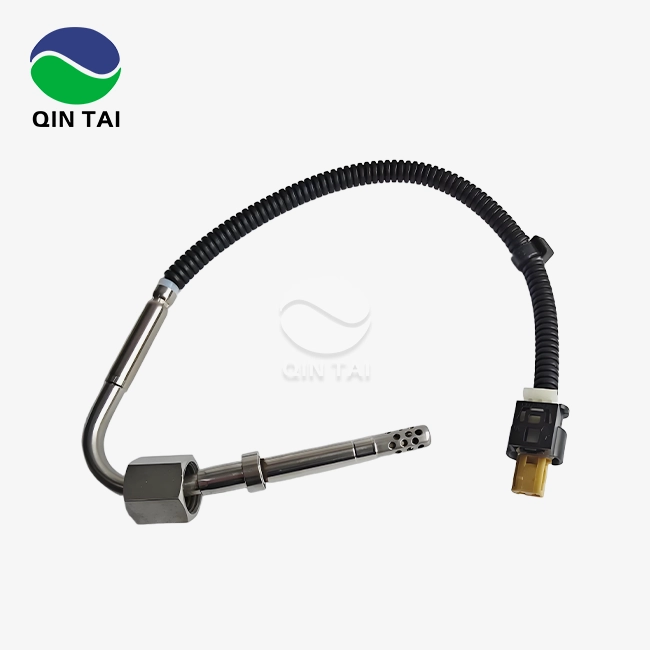
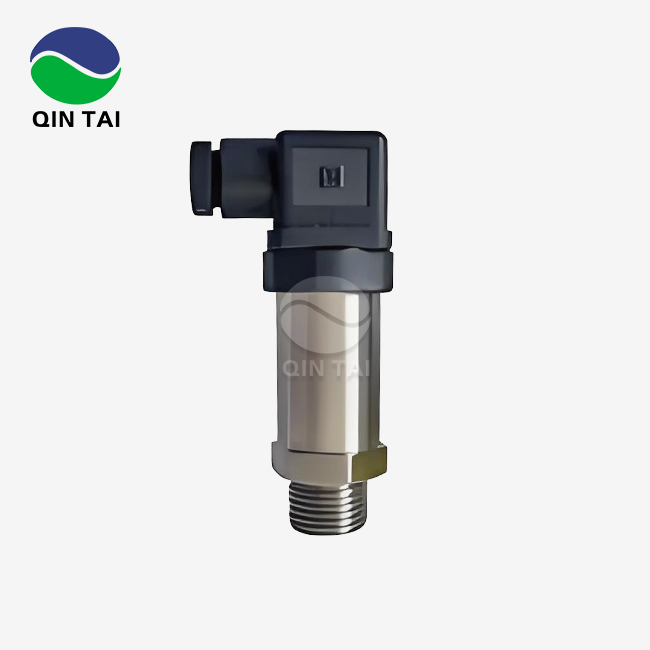
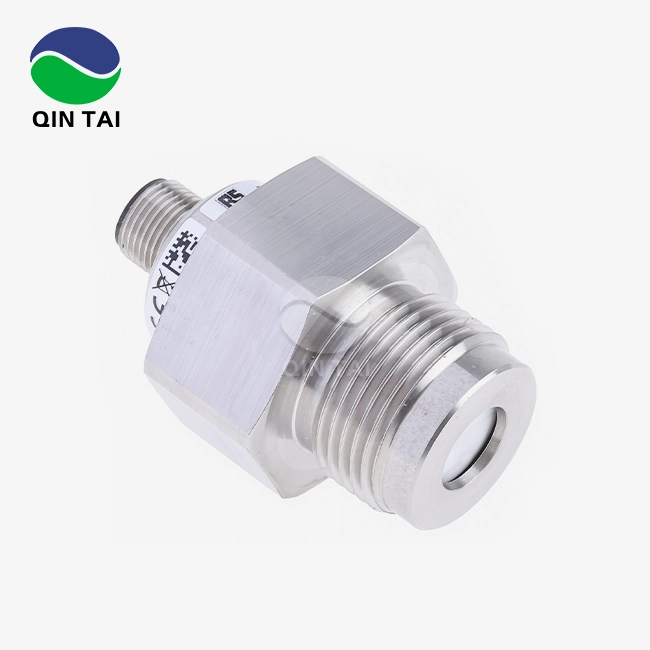
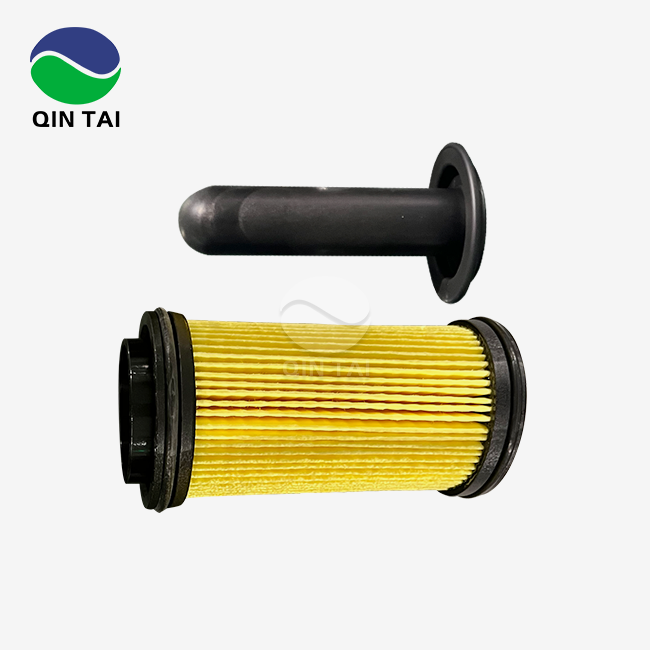

Our customers’ satisfaction speaks for our quality — contact us to experience the same reliable service.